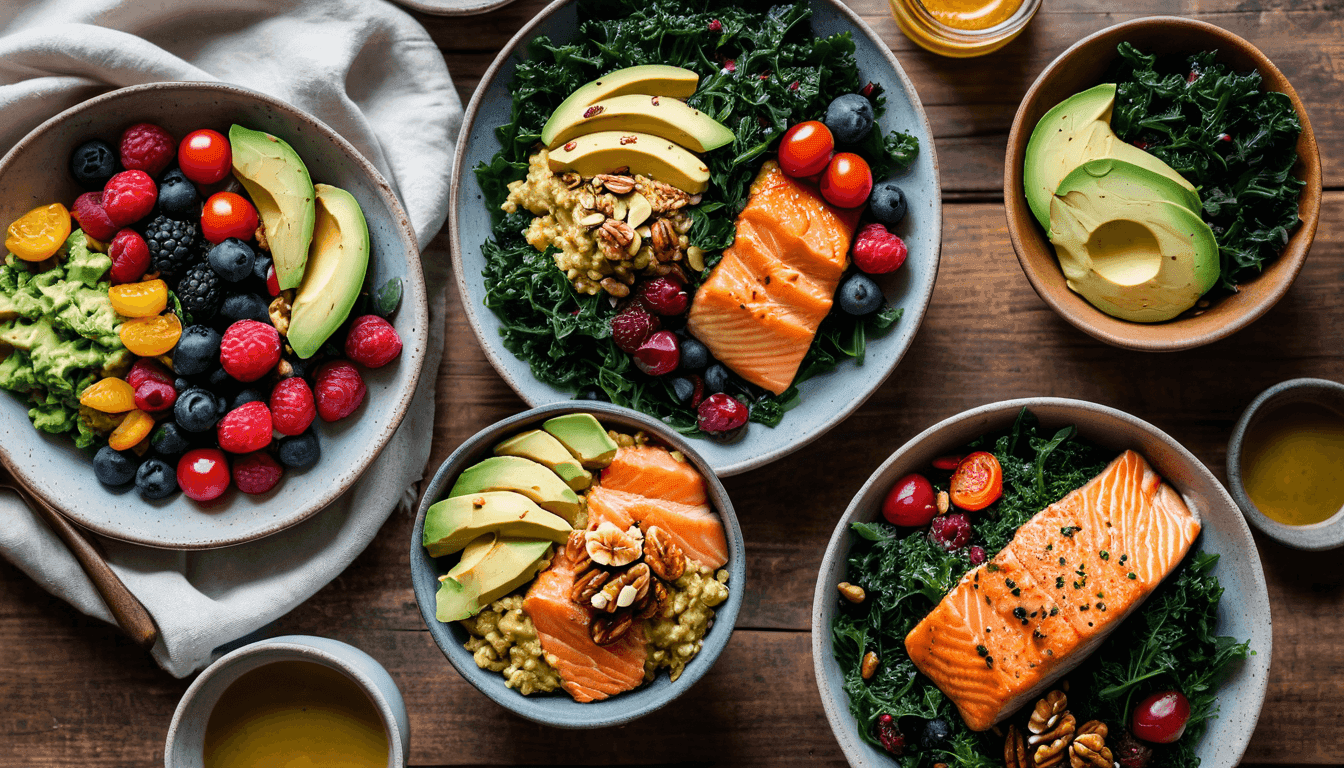
How Our AI Agent Fights Inflammation
Our nutrition-specialized AI understands the science of inflammation and food interactions. It creates meal plans that systematically increase anti-inflammatory compounds like curcumin, quercetin, and omega-3s while avoiding pro-inflammatory ingredients - all based on the latest nutritional research.
Inflammatory Trigger Detection
AI identifies and removes pro-inflammatory foods like refined sugars, trans fats, and processed ingredients from your meal plans
Omega-3 Optimization
Strategically incorporates fatty fish, walnuts, flaxseeds, and other omega-3 sources to maintain optimal inflammatory ratios
Antioxidant Diversity
Rotates colorful fruits, vegetables, herbs, and spices to deliver a broad spectrum of anti-inflammatory polyphenols and flavonoids
Gut Health & Autoimmune Support
Includes prebiotic and probiotic-rich foods to support gut microbiome health - a key driver of systemic inflammation levels and autoimmune condition management
Why AI for Anti-Inflammatory Diets?
Inflammation reduction through diet requires careful food selection. Our AI identifies and eliminates inflammatory triggers while maximizing healing nutrients for autoimmune and chronic conditions.
Maximizes omega-3 fatty acids and polyphenols in every meal
Eliminates common inflammatory triggers like refined sugars and processed oils
Diverse antioxidant-rich ingredients for comprehensive inflammation defense
Household plans where anti-inflammatory eaters and others share one unified shopping list
Regenerate a single meal or full day without losing your curated anti-inflammatory balance
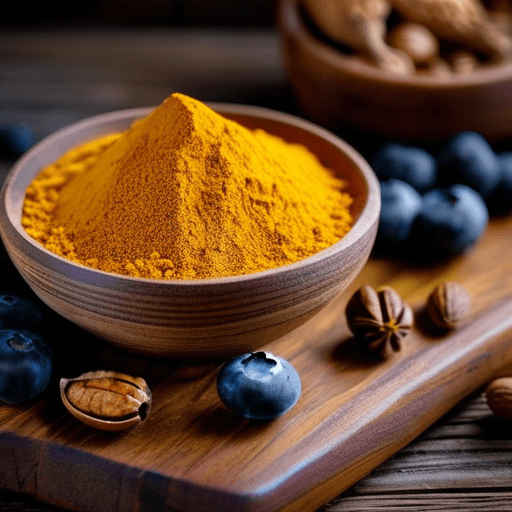
Sample Anti-Inflammatory Meals
AI-generated inflammation-fighting meals packed with omega-3s, antioxidants, and healing whole foods
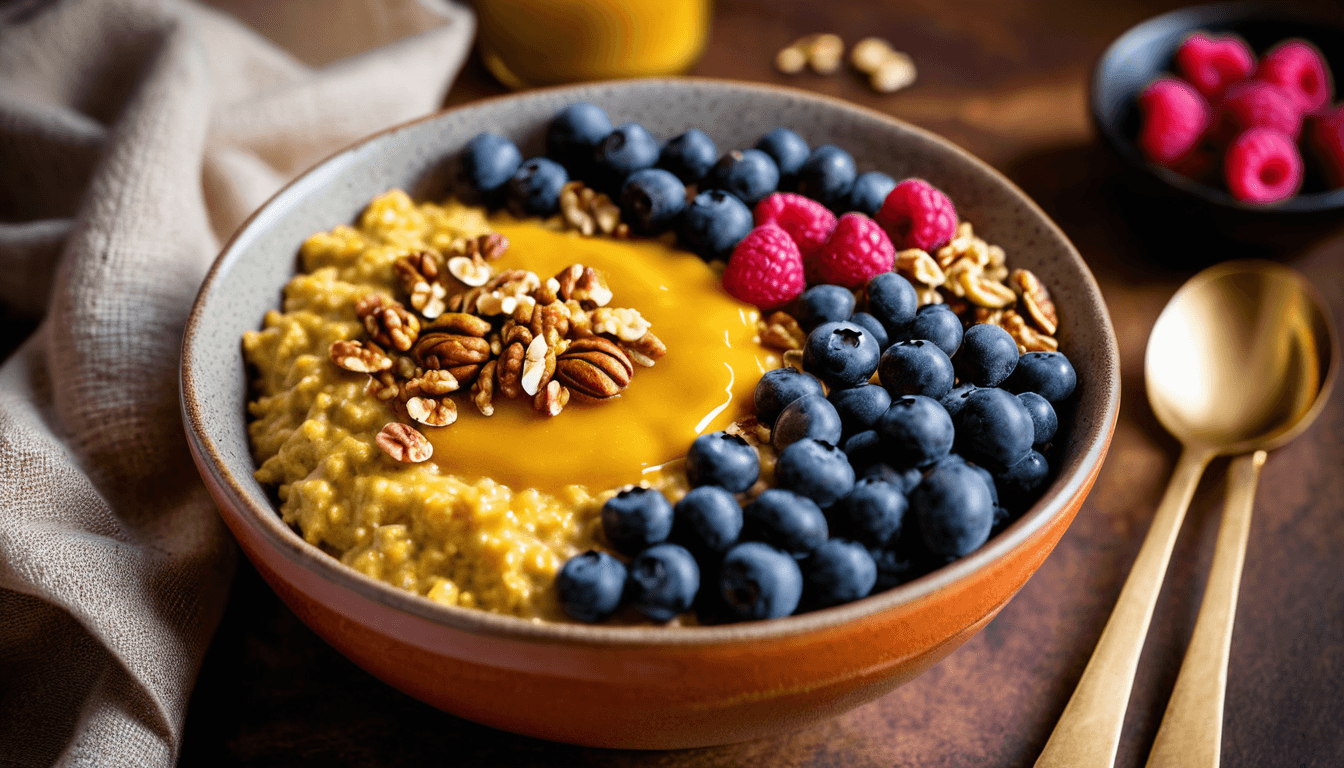
Turmeric Golden Oats with Berries
Anti-inflammatory breakfast combining curcumin-rich turmeric, antioxidant berries, and omega-3 walnuts
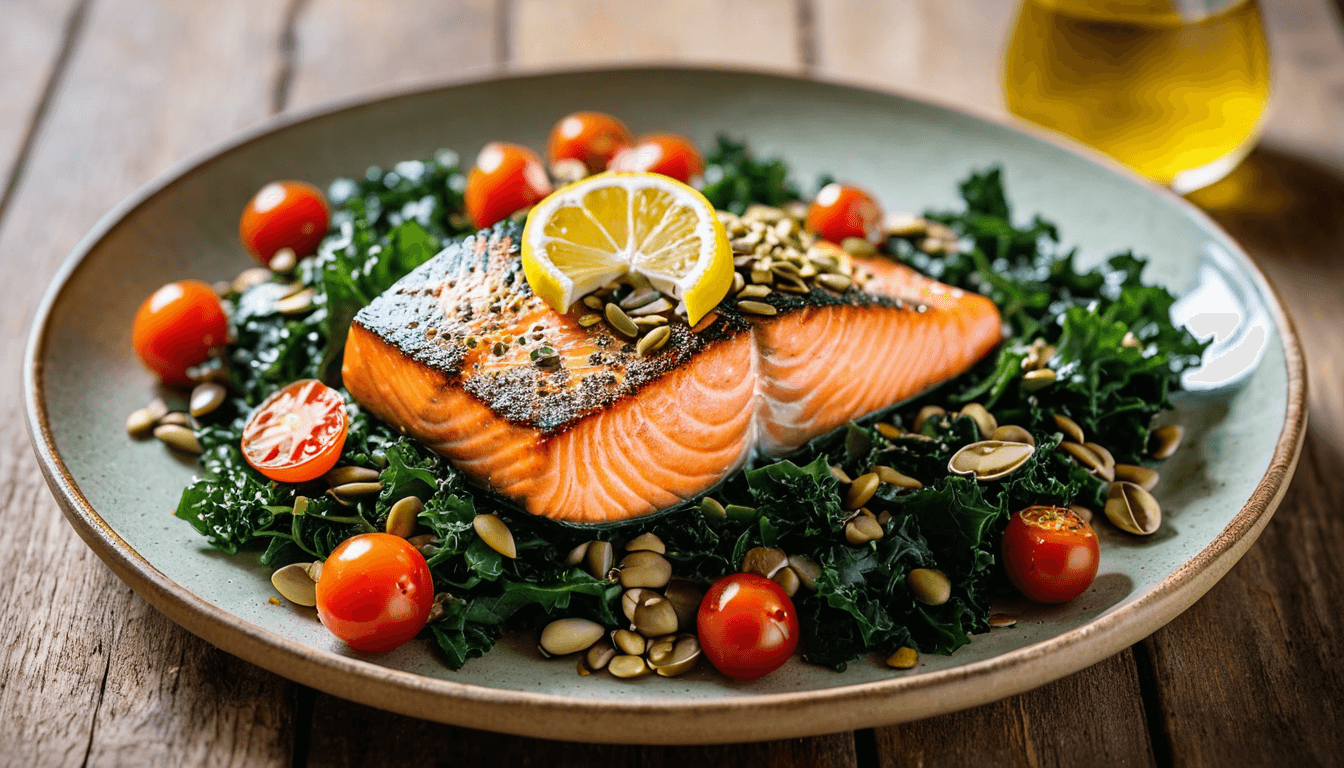
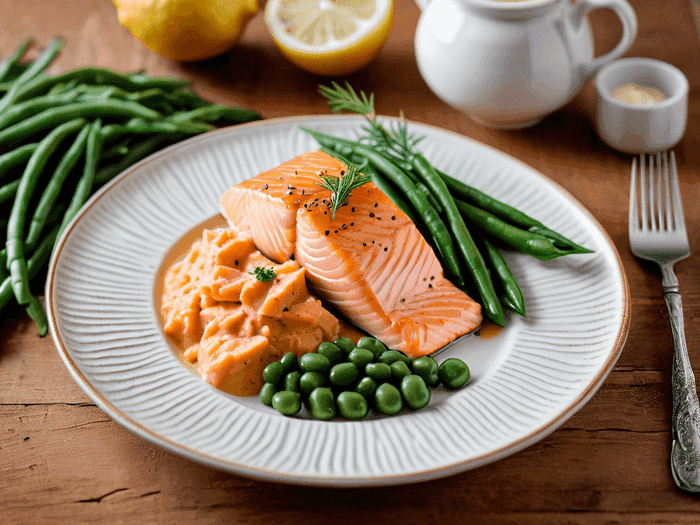
Wild Salmon & Kale Power Salad
Omega-3 powerhouse lunch with cruciferous vegetables and anti-inflammatory olive oil dressing
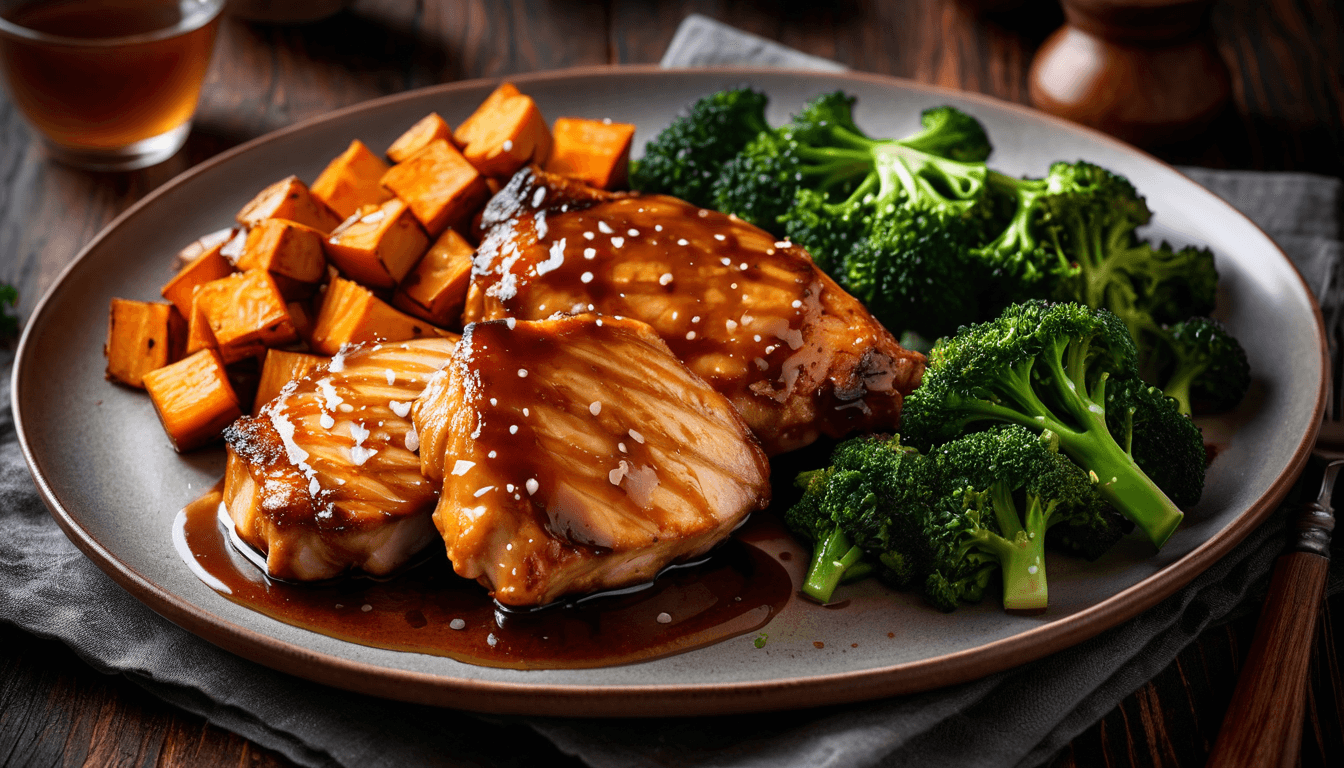
Ginger-Garlic Chicken & Sweet Potato
Anti-inflammatory dinner featuring healing ginger, garlic, and beta-carotene rich sweet potato
Frequently Asked Questions
Can I follow an anti-inflammatory diet during pregnancy?
An anti-inflammatory diet is generally well-suited to pregnancy because its pillars (vegetables, berries, fatty fish, olive oil, nuts, whole grains) overlap with standard prenatal recommendations. Fatty fish like salmon delivers DHA for fetal brain development (about 1.2g omega-3 per 100g per USDA). Avoid high-mercury fish, raw fish, unpasteurized cheese, and alcohol. Turmeric at culinary doses is safe, but high-dose curcumin supplements are not recommended during pregnancy. Increase calories by 300 to 450 kcal in trimesters 2 and 3. Consult your OB-GYN before making major dietary changes, especially if you have gestational diabetes or nutrient deficiencies.
Is an anti-inflammatory diet safe while breastfeeding?
Yes, an anti-inflammatory pattern is safe and beneficial while breastfeeding. The omega-3 DHA from fatty fish transfers into breast milk and supports infant neurological development. Eat 2 to 3 servings of low-mercury fatty fish weekly (salmon, sardines, trout). Berries, leafy greens, and olive oil supply antioxidants and healthy fats that may reduce postpartum inflammation. Add 450 to 500 kcal daily above pre-pregnancy intake. Hydrate at 3 to 3.5 liters to maintain milk supply. Skip high-dose anti-inflammatory supplements like fish oil above 3g daily or curcumin extracts while nursing unless your physician approves.
Can athletes benefit from an anti-inflammatory diet?
Athletes often benefit from an anti-inflammatory diet because it reduces exercise-induced inflammation and supports recovery. Tart cherry juice has evidence for reducing muscle soreness, and omega-3s from fatty fish (salmon provides roughly 2.2g per 100g per USDA) lower post-workout inflammation markers. Emphasize berries, leafy greens, olive oil, turmeric, and ginger. Avoid fully restricting carbs since endurance and high-intensity training need 4 to 7g per kg bodyweight. Time carbs around workouts using sweet potato, oats, and fruit. Protein at 1.6 to 2g per kg bodyweight supports muscle repair. Avoid processed foods and seed oils, which may promote inflammation.
How do I do an anti-inflammatory diet on a $60 weekly budget?
An anti-inflammatory diet fits a $60 budget with strategic shopping. Use canned sardines or tuna instead of fresh salmon ($1.50 per tin, 2g omega-3 per serving per USDA), frozen berries instead of fresh ($3 per bag), extra-virgin olive oil store-brand ($9 per 750ml), and dried legumes ($1.50 per lb). Sample week: 2 lb dried lentils, 6 cans sardines, 1 dozen eggs, 3 lb frozen mixed berries, 5 lb frozen vegetables, 2 lb sweet potato, 1 kg oats, 1 bottle olive oil, onion, garlic, turmeric, ginger, and seasonal greens. Total runs $55 to $60 and covers 21 meals. Budget versions work; skip imported olive oil and wild salmon initially.
Can I meal prep anti-inflammatory meals for one person?
Anti-inflammatory prep for one works well because most components store 4 to 5 days. Sunday: cook a pot of lentils or brown rice, roast 2 trays of vegetables seasoned with turmeric and olive oil, bake 3 salmon or sardine portions, and prep overnight oats with berries and chia. Build lunch bowls: grain plus vegetable plus protein plus olive oil and lemon. Snack on a handful of walnuts (about 15g per serving, rich in ALA omega-3 per USDA) plus fruit. Freeze extra berries and make smoothies with frozen fruit and ground flaxseed. Typical prep runs 90 minutes and covers 12 to 15 meals.
Can an anti-inflammatory diet help with type 2 diabetes?
Yes. An anti-inflammatory diet can reduce HbA1c by 0.3 to 0.6 points over 3 months and improves insulin sensitivity. Chronic low-grade inflammation drives insulin resistance, so reducing inflammatory food (refined carbs, seed oils, ultra-processed foods) while adding omega-3s, polyphenols, and fiber improves blood sugar control. Emphasize legumes (15g net carbs per 100g cooked lentils per USDA), berries, leafy greens, and fatty fish. Walnuts at 1oz daily improve lipid profile. Coordinate with your physician if you take insulin or sulfonylureas; rapid improvements can cause low blood sugar if doses are not adjusted.
Does an anti-inflammatory diet help with autoimmune conditions?
There is promising but not definitive evidence that anti-inflammatory eating helps autoimmune conditions like rheumatoid arthritis, Hashimoto's, and psoriasis. A Mediterranean-style anti-inflammatory pattern shows modest improvements in joint pain, fatigue, and disease activity in clinical studies, typically at 12 to 24 weeks. Removing ultra-processed foods, added sugar, and industrial seed oils (soybean, corn) while adding fatty fish, leafy greens, berries, and turmeric is a reasonable first step. Do not stop prescribed medications based on diet. Some autoimmune patients follow stricter patterns like AIP (autoimmune protocol) for short periods as an elimination trial.
Can an anti-inflammatory diet help IBS?
Anti-inflammatory eating can complement IBS management but is not automatically gut-friendly. Key triggers overlap: onions, garlic, legumes, and wheat are anti-inflammatory but also high-FODMAP. A low-FODMAP anti-inflammatory version uses garlic-infused olive oil, canned lentils rinsed thoroughly, berries (blueberries are low-FODMAP), and cooked rather than raw leafy greens. Fatty fish, olive oil, turmeric, and ginger are safe. Many IBS patients report reduced inflammation and bloating once they identify their personal FODMAP triggers. Work with a registered dietitian for structured elimination and reintroduction, since untreated IBS can lead to nutrient gaps.
Does anti-inflammatory eating help with high cholesterol?
Yes. Anti-inflammatory diets lower LDL cholesterol by 8 to 15% in 8 to 12 weeks. The drivers are soluble fiber from oats and legumes (oats provide 10g fiber per 100g uncooked per USDA), replacement of saturated fat with monounsaturated and omega-3 fats, and polyphenols from berries and olive oil. Aim for 2 tablespoons of extra-virgin olive oil daily, fatty fish twice weekly, and at least 25g fiber daily. Walnuts improve LDL modestly at 1oz per day. Limit red meat to twice weekly and avoid processed meat. Repeat a lipid panel at 8 to 12 weeks to measure your response.
Can I batch cook anti-inflammatory meals for a family of four?
Anti-inflammatory family batch cooking centers on three weekly anchors: a large pot of lentil soup with turmeric and ginger (yields 8 servings), a traybake of salmon with sweet potato and broccoli (yields 6 servings), and a grain bowl base using farro or brown rice (yields 8 servings). Sunday: roast two sheet pans of vegetables seasoned with olive oil and turmeric, cook 1kg of legumes, and prep 1kg of grains. Per USDA, 100g cooked lentils delivers 9g protein, so a 1kg batch covers protein needs for all four adults at one meal. Keep berries, walnuts, and olive oil stocked. Weekly prep runs 2 to 2.5 hours.
How do I order anti-inflammatory meals at restaurants?
Anti-inflammatory restaurant eating focuses on choosing fish, olive oil, vegetables, and whole grains while avoiding fried foods, seed oils, and ultra-processed items. Good choices: grilled salmon with vegetables, Greek salads with olive oil dressing, Mediterranean grain bowls, sushi with brown rice, or Indian dishes with turmeric-heavy curries. Avoid deep-fried items (almost always cooked in seed oil), cream sauces, and refined bread baskets. Ask for olive oil and lemon for dressing. Steakhouses work for grilled fish or lean beef with vegetable sides. At Asian restaurants, request dishes cooked in less oil and skip fried appetizers. Chain restaurants make anti-inflammatory eating harder due to default seed oil use.
Which freezer meals fit an anti-inflammatory diet?
Good anti-inflammatory freezer options include lentil or bean chili seasoned with cumin and turmeric (3 months), salmon or tuna patties (1 month), vegetable-heavy soups using olive oil as the fat (3 months), frozen berries for smoothies (6 months), turkey meatballs in tomato sauce (3 months), and sweet potato-lentil shepherd's pie (3 months). Avoid frozen meals with hydrogenated oils, high sodium, or added sugar. Freeze portions in glass containers and thaw overnight in the refrigerator. Pre-portioned smoothie bags (frozen berries plus spinach plus chia seeds) save weekday time. Label with the prep date and use within the recommended window.
How does anti-inflammatory compare to the Mediterranean diet?
They overlap significantly. The Mediterranean diet is the most evidence-based anti-inflammatory eating pattern, so for most people, the two are functionally the same. Differences: anti-inflammatory protocols sometimes eliminate gluten, dairy, or nightshades for sensitive individuals, while standard Mediterranean allows all three. Anti-inflammatory eating also emphasizes specific additions like turmeric, ginger, and green tea more explicitly. Choose Mediterranean if you want a tested, flexible framework. Choose a stricter anti-inflammatory version (like AIP or Wahls protocol) if you have an autoimmune condition and standard Mediterranean has not produced results after 12 weeks.
Anti-inflammatory vs keto: which is better?
Both can reduce inflammation but through different mechanisms. Keto reduces inflammation by lowering blood glucose and insulin, which drives down inflammatory cytokines in some people. Anti-inflammatory Mediterranean-style eating works through polyphenols, omega-3s, and fiber. For most people with generalized inflammation, a Mediterranean-style anti-inflammatory pattern is easier to maintain long-term and has more evidence. For people with refractory neurological conditions, drug-resistant epilepsy, or severe insulin resistance, keto is more effective. Keto may increase inflammation in some people if based heavily on seed oils and processed meats. Choose based on your goal and sustainability preferences.
When is an anti-inflammatory diet NOT the right choice?
An anti-inflammatory diet fits most people but is not ideal in a few cases. If you have a severe fish allergy, a key omega-3 source is removed. Budget under $50 per week makes fatty fish and olive oil hard to afford consistently. People with IBS or severe SIBO may need a low-FODMAP modification, since some anti-inflammatory staples (garlic, onions, legumes) trigger symptoms. Eating disorder history makes restrictive anti-inflammatory protocols like AIP risky. If you dislike fish, leafy greens, or olive oil, adherence collapses fast. A general Mediterranean pattern with occasional anti-inflammatory spices often works better in those cases.
Are nightshades really bad for inflammation?
Probably not for most people. The common claim that nightshades (tomatoes, peppers, eggplant, potatoes) cause inflammation is weak outside of specific autoimmune populations. Controlled studies show tomatoes and peppers actually reduce inflammation markers because of lycopene and capsaicin. Roughly 5 to 10% of people with rheumatoid arthritis or psoriasis report symptom improvement when eliminating nightshades, but this is individual and requires a structured 4 to 6 week trial with systematic reintroduction. Do not eliminate nightshades based on a general internet recommendation. They are nutrient-dense foods with strong evidence of benefit for most eaters.
Do I need anti-inflammatory supplements?
Most anti-inflammatory benefits come from food, but targeted supplements help some people. Fish oil at 1 to 2g EPA/DHA daily lowers inflammation markers; skip if you eat fatty fish twice weekly. Curcumin (500 to 1,000mg daily of a standardized extract with piperine) may reduce joint pain in osteoarthritis. Vitamin D at 1,000 to 2,000 IU daily is often low regardless of diet and affects inflammation. Magnesium glycinate 200 to 400mg helps sleep and muscle tension. Skip proprietary blends with dozens of herbs, which are mostly marketing. Discuss supplements with your physician if you take blood thinners or have kidney issues.
What about cheat days on an anti-inflammatory diet?
The anti-inflammatory framework is more flexible than strict protocols, so a single off-plan meal rarely undoes progress. However, a full cheat day of processed food, fried items, and sugar can cause 24 to 72 hours of elevated inflammation markers, joint pain flares, or digestive distress in sensitive people. A more sustainable approach is 90/10 or 80/20 eating: clean during the week, flexible at social events, without a designated cheat day. Sensitivity to off-plan meals tends to increase over time, which some people find discouraging and others find useful as a built-in deterrent. Notice your personal response and adjust accordingly.
Is an anti-inflammatory diet sustainable long-term?
Yes, especially in its Mediterranean-style form. Sustainability depends on flexibility. A strict AIP-style anti-inflammatory diet has low 1-year adherence (under 25%), while a Mediterranean-style anti-inflammatory pattern has 60%+ adherence at 2 years in clinical trials. The sustainability drivers are no off-limits foods at the strict level, a wide variety of flavorful ingredients, and gradual symptom improvements that reinforce the pattern. Most long-term adherents transition from structured rules to intuitive eating within 3 to 6 months. Batch cooking, a weekly shopping ritual, and a rotation of 10 to 15 anchor meals keep the diet sustainable indefinitely.
Explore Related Resources
Discover more tools and guides for your nutrition journey
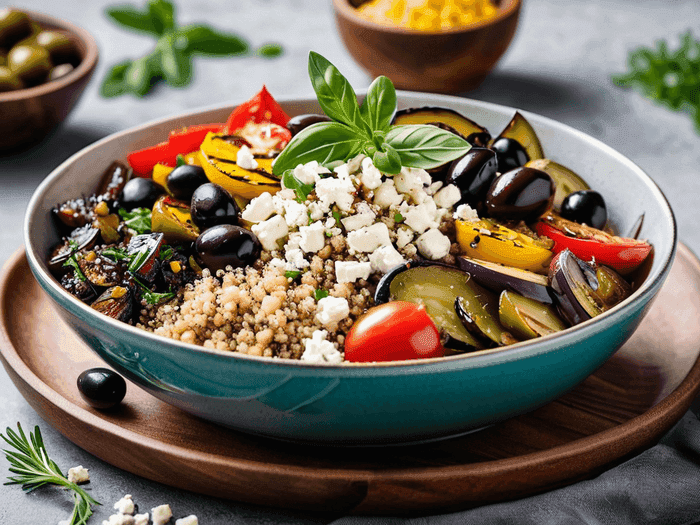
Mediterranean Diet
The gold standard for anti-inflammatory eating
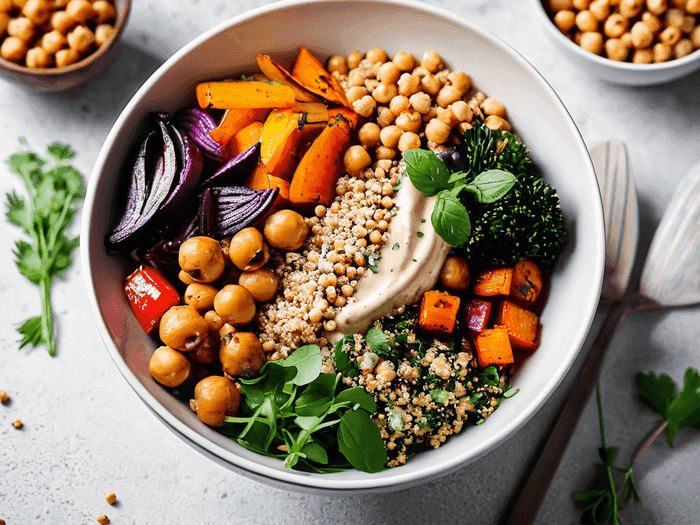
Vegan Diet
Plant-powered inflammation reduction
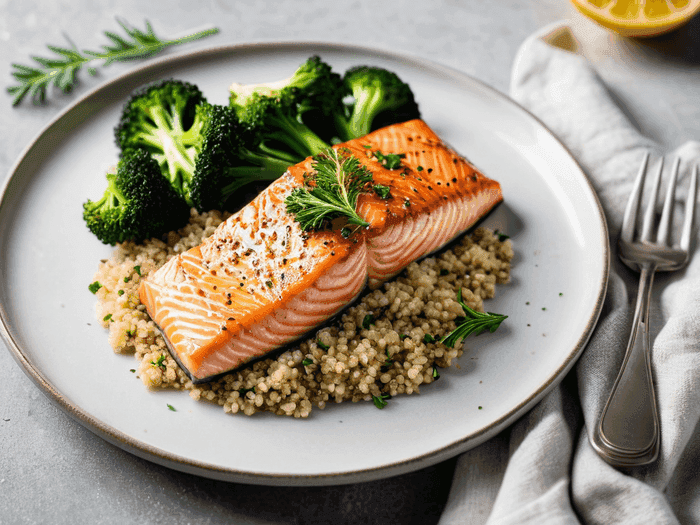
DASH Diet
Heart-healthy anti-inflammatory approach
Seniors
Reduce inflammation as you age
Water Calculator
Stay hydrated to fight inflammation
Sample 3-day anti-inflammatory meal plan
Real foods, USDA-verified macros. No registration required.
Day 1
Day total: 2661 kcalRoasted escarole with banana chips and turnip greens breakfast
Baked fish with pork and shrimp chips lunch bowl
- Pork, ground, cooked40 g
- Potato chips, lightly salted30 g
- Fish, tofu40 g
- Shrimp chips40 g
- Fish, salmon, baked or broiled75 g
Served chicken with potato chips and sweet potato chips dinner plate
- Chicken, nuggets, dark and white meat, frozen61 g
- Potato chips, restructured60 g
- Sweet potato chips60 g
Baked fish with potato chips snack
Day 2
Day total: 3045 kcalBaked fish with mustard greens and peanut spread breakfast
- Mustard greens, frozen30 g
- Potato chips, restructured30 g
- Coconut, packaged25 g
- Peanut spread, reduced sugar30 g
- Fish, salmon, baked or broiled75 g
Baked fish with potato sticks and potato chips lunch bowl
Baked fish with potato sticks and potato chips dinner plate
Baked fish with potato chips snack
Day 3
Day total: 2865 kcalBaked fish with potato chips and coconut breakfast
Baked salmon cake sandwich with coconut cream and lime souffle lunch bowl
Baked fish with mustard greens and soy nut butter dinner plate
- Fish, salmon, baked or broiled65 g
- Lemon pie filling41 g
- Turnip greens, cooked, boiled49 g
- Soy nut butter49 g
- Mustard greens, frozen122 g
Simmered peanut butter with omega-3 with turnip greens snack
Shopping list for 3 days
Finfish and Shellfish Products
Fruits and Fruit Juices
- Banana chips67 g
- Olives, green50 g
- Coconut, fresh50 g
- Coconut cream, canned50 g
- Lime souffle50 g
- Lemon pie filling41 g
- Coconut, packaged25 g
Legumes and Legume Products
Meals, Entrees, and Side Dishes
Nut and Seed Products
- Almond oil14 g
Pork Products
Vegetables and Vegetable Products
- Mustard greens, frozen152 g
- Potato chips, restructured150 g
- Turnip greens, cooked, boiled133 g
- Escarole, cooked, boiled84 g
- Sweet potato chips60 g
- Potato chips, unsalted60 g
- Potato sticks, plain60 g
- Potato chips, NFS60 g
- Potato sticks, flavored60 g
- Potato chips, plain60 g
- Potato chips, ruffled60 g
- Vegetable oil, NFS60 g
- Turnip greens, fresh, cooked60 g
- Potato chips, lightly salted30 g
Get a personalized 7-day plan with shopping list
This sample shows 3 days. The full version generates 7 days adapted to your weight, activity, and household.
Top anti-inflammatory foods, USDA-ranked
Highest-scoring foods for this diet, ranked by macro fit per USDA FoodData Central data.
Waxgourd, (chinese preserving melon), raw
Vegetables and Vegetable Products13 kcalProtein: 0.4gCarbohydrates: 3gTotal fat: 0.2gLemon peel, raw
Fruits and Fruit Juices47 kcalProtein: 1.5gCarbohydrates: 16gTotal fat: 0.3gCorn bran, crude
Cereal Grains and Pasta224 kcalProtein: 8.4gCarbohydrates: 85.6gTotal fat: 0.9gEscarole, cooked, boiled
Vegetables and Vegetable Products15 kcalProtein: 1.2gCarbohydrates: 3.1gTotal fat: 0.2gEndive, raw
Vegetables and Vegetable Products17 kcalProtein: 1.3gCarbohydrates: 3.4gTotal fat: 0.2gChicory, witloof, raw
Vegetables and Vegetable Products17 kcalProtein: 0.9gCarbohydrates: 4gTotal fat: 0.1gChicory greens, raw
Vegetables and Vegetable Products23 kcalProtein: 1.7gCarbohydrates: 4.7gTotal fat: 0.3gTurnip greens, cooked, boiled
Vegetables and Vegetable Products20 kcalProtein: 1.1gCarbohydrates: 4.4gTotal fat: 0.2gTurnip greens, cooked, boiled
Vegetables and Vegetable Products20 kcalProtein: 1.1gCarbohydrates: 4.4gTotal fat: 0.2gTurnip greens, fresh, cooked
Vegetables and Vegetable Products20 kcalProtein: 1.1gCarbohydrates: 4.4gTotal fat: 0.2gCarob flour
Legumes and Legume Products222 kcalProtein: 4.6gCarbohydrates: 88.9gTotal fat: 0.7gBaobab powder
Fruits and Fruit Juices250 kcalProtein: 3.7gCarbohydrates: 79.7gTotal fat: 0.5gAlmond oil
Nut and Seed Products884 kcalProtein: 0gCarbohydrates: 0gTotal fat: 100gFish, tofu
Finfish and Shellfish Products177 kcalProtein: 4gCarbohydrates: 4.5gTotal fat: 16gCereals ready-to-eat, SUN COUNTRY
Breakfast Cereals200 kcalProtein: 17.6gCarbohydrates: 59.5gTotal fat: 5.2gWheat bran, crude
Cereal Grains and Pasta216 kcalProtein: 15.6gCarbohydrates: 64.5gTotal fat: 4.3gCocoa powder, not reconstituted
Prepared Foods228 kcalProtein: 19.6gCarbohydrates: 57.9gTotal fat: 13.7gOil, cooking and salad
Fats and Oils884 kcalProtein: 0gCarbohydrates: 0gTotal fat: 100gPork, ground, cooked
Pork Products393 kcalProtein: 22.8gCarbohydrates: 1.4gTotal fat: 32.9gBacon and tomato dressing
Sausages and Luncheon Meats326 kcalProtein: 1.8gCarbohydrates: 2gTotal fat: 35g