AI-Powered Intermittent Fasting Meal Plans
Let our AI create perfectly timed, nutrient-dense meals for your fasting schedule. Optimized for 16:8, 18:6, and OMAD protocols to maximize fat burning and metabolic health.
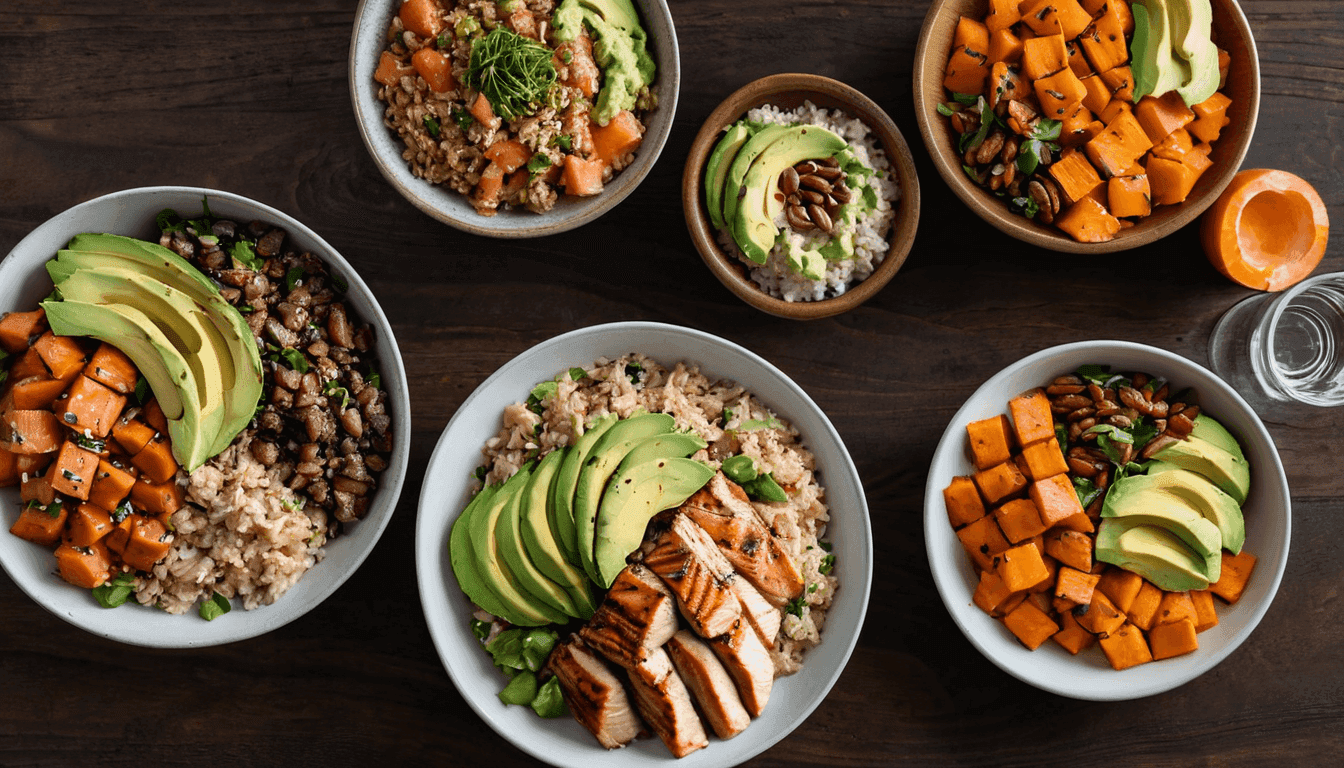
How Our AI Agent Supports Your Fasting
Our AI understands the science of time-restricted eating and nutrient timing. It creates meal plans that maximize nutrient absorption during your fasting window, support autophagy during fasting periods, and ensure you meet all nutritional requirements despite eating fewer meals per day.
Smart Eating Windows
AI schedules meals within your chosen fasting protocol (16:8, 18:6, OMAD) and optimizes nutrient timing for maximum benefit
Calorie-Dense Nutrition
Designs satisfying, nutrient-packed meals that deliver your full daily requirements within your compressed eating window
Break-Fast Optimization
Selects the ideal first meal to gently break your fast while maximizing nutrient absorption and minimizing digestive stress
Adaptive Scheduling
Adjusts meal complexity and prep time based on your schedule - quick meals for busy days, elaborate ones when you have time
Why AI for Intermittent Fasting?
Maximize your fasting window results with perfectly balanced meals that deliver complete nutrition in fewer eating hours through time-restricted eating
Optimized meal timing to break your fast with the right nutrients
Higher calorie-density meals that fit your compressed eating window
Balanced macros across fewer meals to maintain muscle and energy
Family-friendly plans where fasting members and non-fasting members share one shopping list
Regenerate any single meal without disrupting your entire fasting schedule
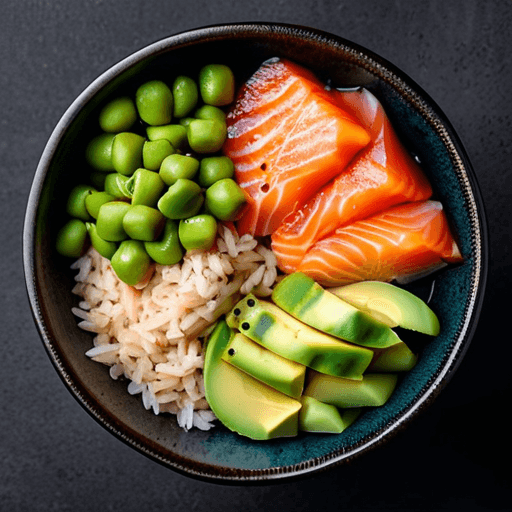
Sample Intermittent Fasting Meals
AI-generated nutrient-dense meals designed for compressed eating windows
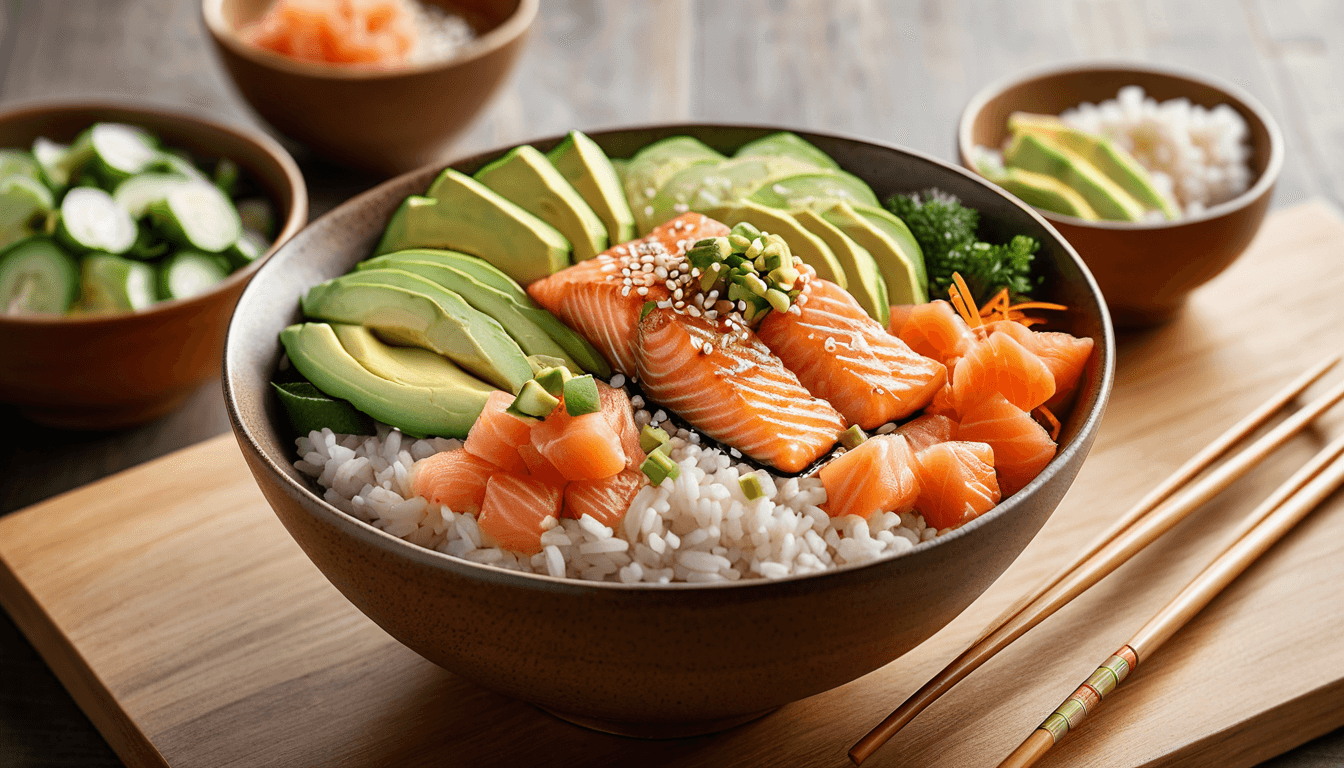
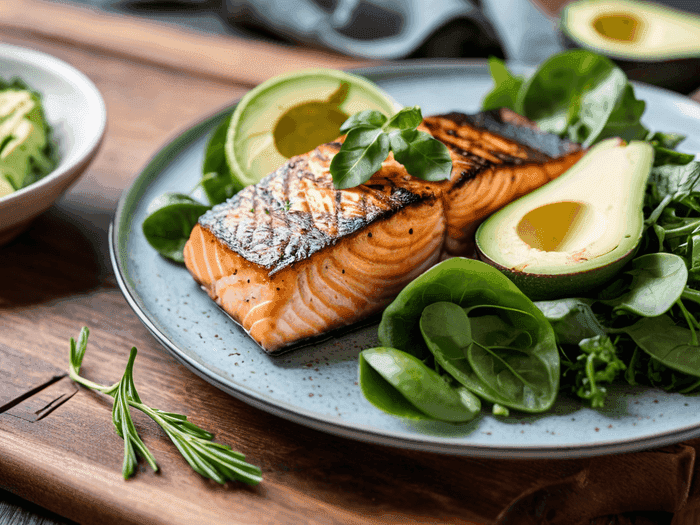
Fast-Breaking Salmon Bowl
Omega-3 rich first meal with easily digestible proteins and healthy fats to gently break your fast
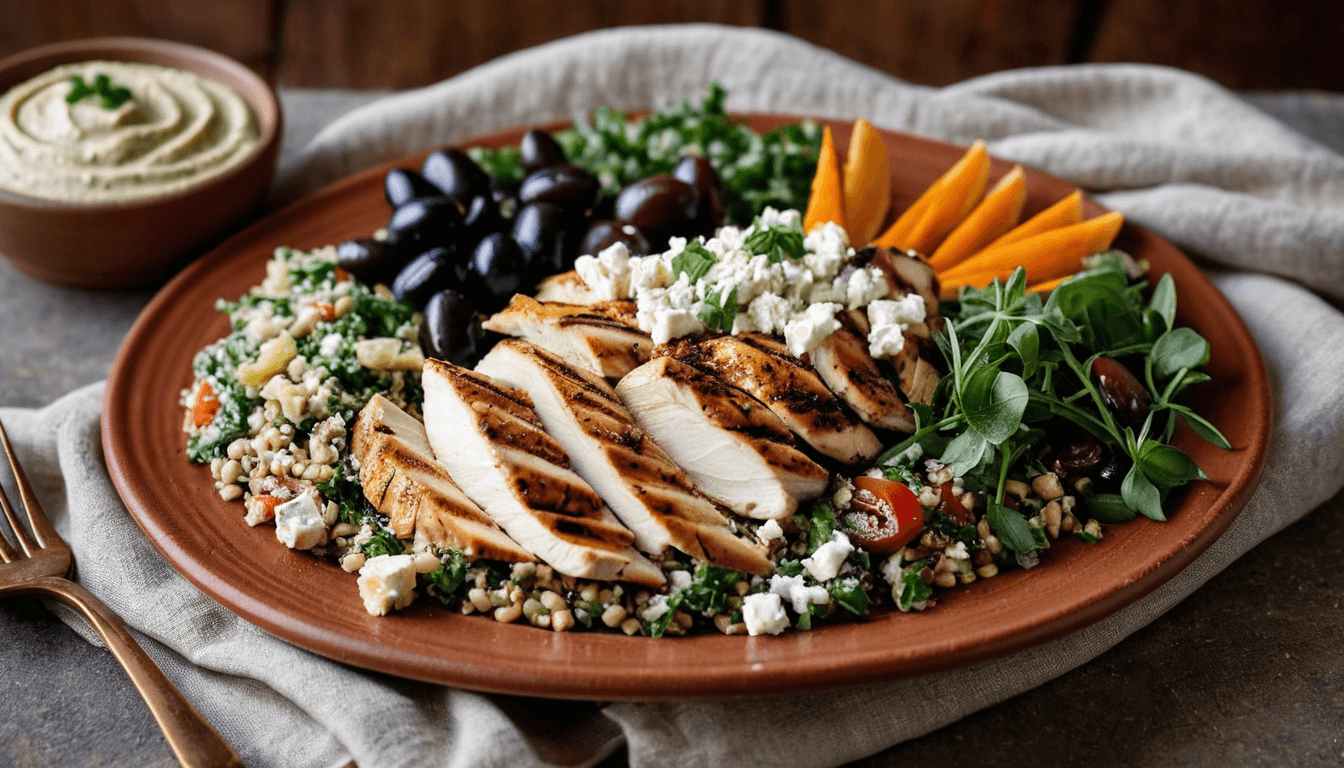
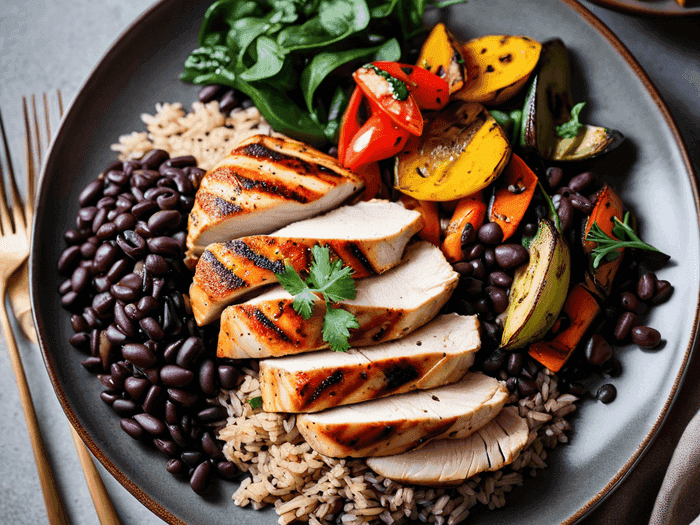
Mediterranean Power Plate
Calorie-dense lunch combining lean proteins, complex carbs, and heart-healthy fats
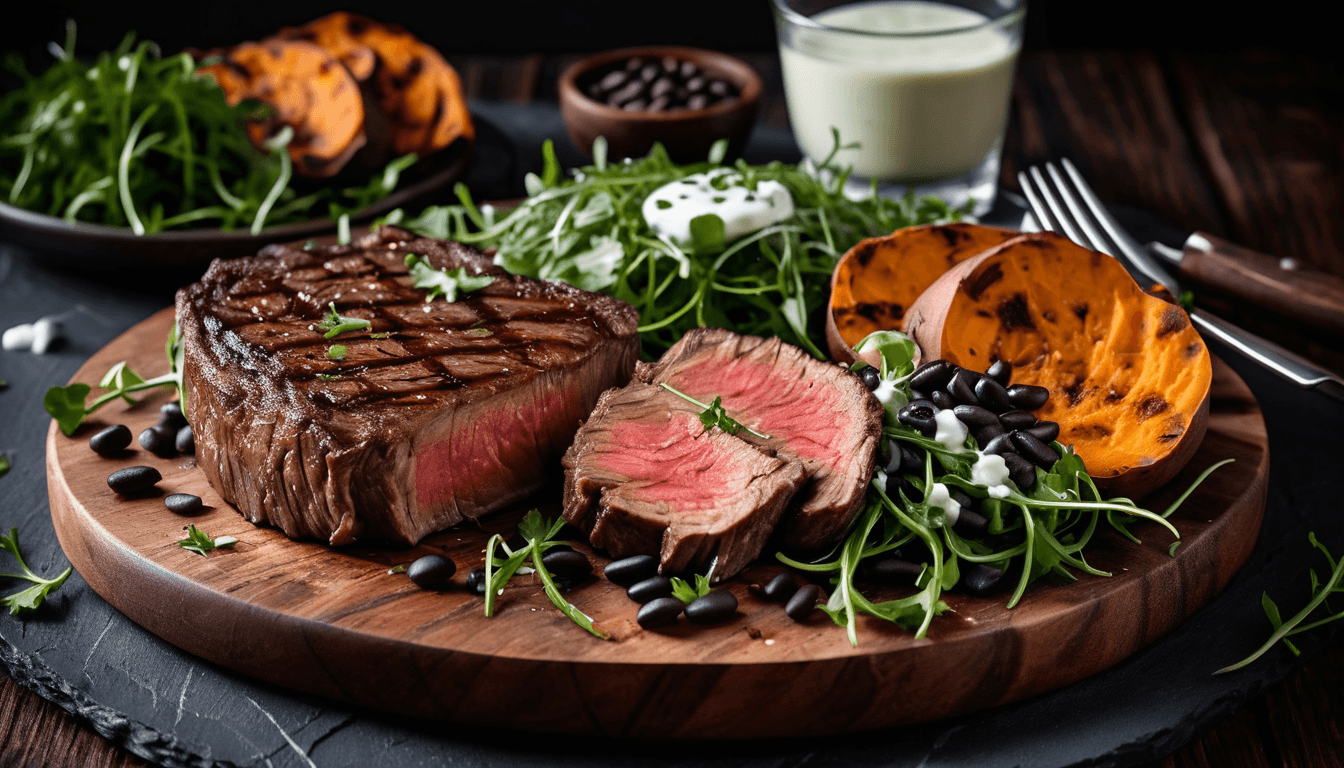
Steak & Loaded Sweet Potato
Satisfying final meal with complete protein and complex carbs to sustain you through your fast
Frequently Asked Questions
Can I do intermittent fasting while breastfeeding?
Intermittent fasting is generally not recommended while breastfeeding, especially in the first 6 months when milk supply is sensitive to calorie and fluid changes. Sudden calorie restriction can reduce milk volume within days. If your physician approves a gentle 12:12 pattern after the first 6 months (eating from 7am to 7pm), monitor your weight, baby's weight gain, and supply weekly. Never attempt 16:8 or longer fasts while exclusively breastfeeding. Hydration at 3 to 3.5 liters remains essential. Calcium, protein, and omega-3 intake matter more than fasting timing. Consult your physician before starting any fasting protocol while breastfeeding.
Is intermittent fasting safe during pregnancy?
Intermittent fasting is not recommended during pregnancy. The body needs a steady supply of glucose and nutrients for fetal development, and prolonged fasts can lower blood sugar, stress the baby, and cause ketone production that the fetus absorbs. Even a 14-hour overnight fast is typically the upper limit, and most OB-GYNs recommend 3 meals plus 2 snacks during pregnancy. If you were fasting before pregnancy, discontinue immediately on a positive pregnancy test. Consult your physician before making any dietary changes during pregnancy, particularly if you have gestational diabetes or other complications.
How should athletes time fasting with training?
Athletes can use intermittent fasting but should time workouts within the eating window for best performance. The most common pattern: eat from noon to 8pm, train between 4 and 6pm, then have a large post-workout meal with protein and carbs. Morning fasted cardio works for Zone 2 training (60 to 90 minutes of easy aerobic work) but hurts high-intensity and strength performance. During the eating window, aim for 1.6 to 2g protein per kg bodyweight (chicken breast delivers 31g per 100g per USDA) and 4 to 6g carbs per kg if training hard. Endurance athletes training 10+ hours weekly often struggle with 16:8; a 14:10 pattern is usually more sustainable.
How do I do intermittent fasting on a $50 weekly budget?
Intermittent fasting pairs well with a tight budget because you eat 1 to 2 fewer meals per day. Anchor meals on eggs ($4 per dozen, 6g protein per large egg per USDA), dried legumes ($1.50 per lb, 9g protein per 100g cooked per USDA), oats ($0.10 per serving), frozen vegetables, bananas, and chicken thighs ($2 per lb). Sample week: 2 dozen eggs, 2 lb lentils, 2 lb chicken thighs, 4 lb rice, 5 lb frozen vegetables, 3 lb bananas, 1 kg oats, 1 jar peanut butter, olive oil, and seasonal produce. Total runs $40 to $50 and covers 14 substantial meals across 7 days (assuming 2 meals daily on 16:8). Skip expensive fasting-compliant electrolyte products; plain salt water works.
How do I meal prep for intermittent fasting as a single person?
IF meal prep for one works well because you only need to prepare 10 to 14 meals per week. Sunday: cook a large batch of brown rice or quinoa, roast two trays of vegetables, grill 4 chicken breasts or bake a salmon portion, and prepare a jar of overnight oats for breaking fast. Build meals as bowls: grain plus vegetable plus protein plus olive oil. Keep Greek yogurt, berries, and nuts for the second meal of the day. On 16:8, plan your first meal as 40 to 50% of daily calories and the second as 50 to 60%. Typical prep runs 90 minutes and covers the full week.
Can intermittent fasting help type 2 diabetes?
Intermittent fasting can improve insulin sensitivity and lower HbA1c by 0.3 to 0.7 points over 12 weeks in type 2 diabetes. The longer daily fasting window gives insulin more time to drop, improving glucose handling over time. However, IF can also cause low blood sugar, especially in people on insulin or sulfonylureas. Never start IF while on these medications without physician oversight. A 14:10 or 16:8 pattern is safer than OMAD (one meal a day) for diabetics. Eat balanced meals within the window (protein plus fat plus low-glycemic carbs) rather than refined carbs that spike glucose. Monitor glucose 4 times daily during the first 2 weeks.
Does intermittent fasting help PCOS?
Intermittent fasting shows promise for PCOS because it lowers insulin levels, which is the underlying driver of PCOS symptoms. Small studies show improvements in menstrual regularity, androgen levels, and insulin resistance over 8 to 12 weeks. A 16:8 pattern is most commonly studied. Eat balanced meals within the window with 25 to 35g of protein (chicken breast delivers 31g per 100g per USDA), plenty of non-starchy vegetables, and healthy fats. Avoid refined carbs and added sugar during your eating window, which undo the insulin benefits. Some women with PCOS find strict fasting stressful; if periods become more irregular or stress increases, shift to 14:10 or stop.
Can I do intermittent fasting with high blood pressure?
Intermittent fasting can lower blood pressure modestly, typically 5 to 8 mmHg systolic over 8 to 12 weeks, comparable to a moderate sodium reduction. The mechanisms are weight loss, reduced insulin, and improved vascular function. If you take blood pressure medications, check readings twice daily during the first 2 weeks because rapid drops can cause dizziness. Stay well-hydrated during fasts; dehydration can worsen blood pressure variability. Electrolytes matter: 500 to 1,000mg sodium daily (more if active), 200 to 400mg magnesium, and adequate potassium from fruits and vegetables in the eating window. Coordinate medication adjustments with your physician.
Is intermittent fasting safe with IBS?
Intermittent fasting can help or hurt IBS depending on the person. Some IBS sufferers benefit from longer digestive rest between meals, which reduces bloating and allows the migrating motor complex to clear the small intestine. Others find that large meals within a short eating window trigger symptoms. Start with 14:10 rather than 16:8 and eat smaller, more frequent meals within the window. Focus on low-FODMAP foods if you have identified triggers. Avoid breaking a long fast with high-FODMAP foods like onions, garlic, or large legume portions. Work with a registered dietitian if symptoms worsen.
Can I batch cook for a family doing intermittent fasting?
Families often mix fasting and non-fasting members, which complicates batch cooking. Focus on recipes that work both ways: a large pot of soup, chili, or stew; traybakes of chicken with roasted vegetables; and large salads with protein. Non-fasting family members (typically kids) eat breakfast separately, then everyone eats lunch and dinner together during the parent's eating window. Per USDA, 100g cooked chicken breast provides 31g protein, so a 1.5 lb batch covers the family. Plan two main meals plus a family-wide snack time. Weekly prep runs 2 to 2.5 hours. Do not impose fasting on children; it is for adults only.
How do I handle social meals while fasting?
Intermittent fasting is one of the most socially flexible approaches because you can shift your eating window to match events. If dinner plans are at 7pm, skip breakfast and eat lunch later (noon to 8pm window). If a brunch is scheduled at 11am, shift to a 10am to 6pm window. A 14:10 or 16:8 pattern allows most social meals without breaking protocol. For events outside your window, you can choose: eat the meal anyway (breaks fast for that day), order beverages only (unsweetened coffee, tea, or sparkling water with lime stays compliant), or shift your window. Most adherents maintain IF long-term by being flexible about exact hours rather than skipping events.
How does 16:8 compare to 18:6 and OMAD?
16:8 fasts 16 hours and eats in an 8-hour window. 18:6 extends the fast to 18 hours with a 6-hour eating window. OMAD (one meal a day) compresses all eating into roughly 1 hour. For most people, 16:8 is the sweet spot for sustainable results and social flexibility. 18:6 and OMAD produce slightly more weight loss in the short term but carry higher risks of nutrient gaps, muscle loss, and disordered eating patterns. Women often respond better to 14:10 than 16:8 due to hormonal sensitivity. Start with 14:10 for 2 weeks, then progress to 16:8 if you feel good. Only try OMAD for specific goals under medical supervision.
Intermittent fasting vs calorie counting: which is better?
Both work if you maintain a calorie deficit. Head-to-head trials show similar weight loss outcomes at 6 and 12 months. Choose IF if you prefer rule-based eating (eat during these hours, skip the rest), dislike tracking food, and have a predictable schedule. Choose calorie counting if you want granular control, have a history of overeating in short windows, or train hard and need to hit macro targets precisely. Many people combine both: an eating window plus loose tracking of protein (1.6 to 2g per kg bodyweight) and total calories. IF can fail if you overeat during the window; tracking prevents this drift.
Intermittent fasting vs keto: which should I choose?
Keto restricts carbs to induce ketosis; IF restricts eating hours. They work through different mechanisms but can be combined. Choose IF if you want flexibility on food choices and structure on timing. Choose keto if you want to control what you eat more than when. Combined keto plus IF produces the fastest weight loss but is socially restrictive and hard to sustain past 3 months. IF alone is easier socially and usually more sustainable. Research suggests that for most health markers (insulin sensitivity, blood pressure, weight), the two are roughly equivalent. Pick the one that fits your lifestyle and temperament.
When is intermittent fasting NOT the right choice?
IF is a poor fit for several groups. Pregnant and breastfeeding women should not fast. Children and adolescents need regular meals for growth. People with a history of eating disorders often find IF triggers restrictive or binge patterns. Type 1 diabetics and people on insulin require careful medical supervision. Athletes training 10+ hours weekly usually cannot fuel adequately on IF without careful planning. People with adrenal issues or hypoglycemia may feel worse on longer fasts. Those with high-stress jobs or irregular schedules often cannot sustain IF consistently. If you feel worse after 3 weeks of consistent IF, stop and try a different approach.
Do I need to worry about muscle loss on intermittent fasting?
Muscle loss is a common concern but is mostly avoidable. The research shows that IF combined with strength training preserves muscle as well as non-fasting diets, as long as protein intake is adequate (1.6 to 2g per kg bodyweight) and resistance training happens 3 to 4 times weekly. Break your fast with 30 to 40g of protein (about 150g of chicken breast per USDA) and hit total daily protein by the end of your eating window. Avoid OMAD if muscle retention matters, since hitting protein needs in one meal is difficult. Creatine at 5g daily supports performance. Older adults (60+) may need higher protein (up to 2.2g per kg) to preserve muscle on IF.
Do I need electrolytes while fasting?
Yes, especially for fasts beyond 16 hours or in hot weather. Sodium is the main concern; aim for 1,000 to 2,000mg daily (1/2 to 1 teaspoon of salt) added to water during longer fasts. Potassium from fruits and vegetables in your eating window usually covers needs. Magnesium glycinate 200 to 400mg before bed helps with sleep and muscle cramps. Common fasting symptoms (headaches, fatigue, dizziness) are almost always due to low sodium, not low glucose. Skip expensive fasting-branded electrolyte powders; plain salt water or a $5 generic electrolyte mix works just as well. Be cautious with electrolyte supplementation if you have kidney issues or take blood pressure medications.
Will coffee break my fast?
Plain black coffee does not break a fast from a weight loss or blood sugar perspective. It has essentially zero calories and does not trigger insulin release. Adding a splash of milk or cream (under 50 kcal) stays well within 'practical fasting' for most goals, though purists consider any calories a broken fast. Sweetened coffee, lattes, and coffee with more than a tablespoon of cream do break a fast and should be moved to your eating window. Artificial sweeteners are debated: they do not contain calories but may trigger an insulin response in some people. If fat loss stalls, tighten to black coffee only during the fast.
Is intermittent fasting sustainable long-term?
IF has good long-term sustainability for many people because it is rule-based and does not restrict food choices. 2-year adherence rates typically run 40 to 55%, better than calorie counting and comparable to Mediterranean. The sustainability drivers are flexibility on food, no tracking, and clear boundaries (eat during these hours, not those). Common failure modes are overeating during the window (undoing the calorie deficit), social strain from rigid schedules, and gradual window creep back to standard 3-meal eating. People who adopt a flexible 14:10 pattern rather than strict 16:8 tend to sustain IF for years. Periodic breaks of 1 to 2 weeks are fine and often helpful.
Explore Related Resources
Discover more tools and guides for your nutrition journey
Intermittent Fasting Recipes
See all Intermittent Fasting recipes →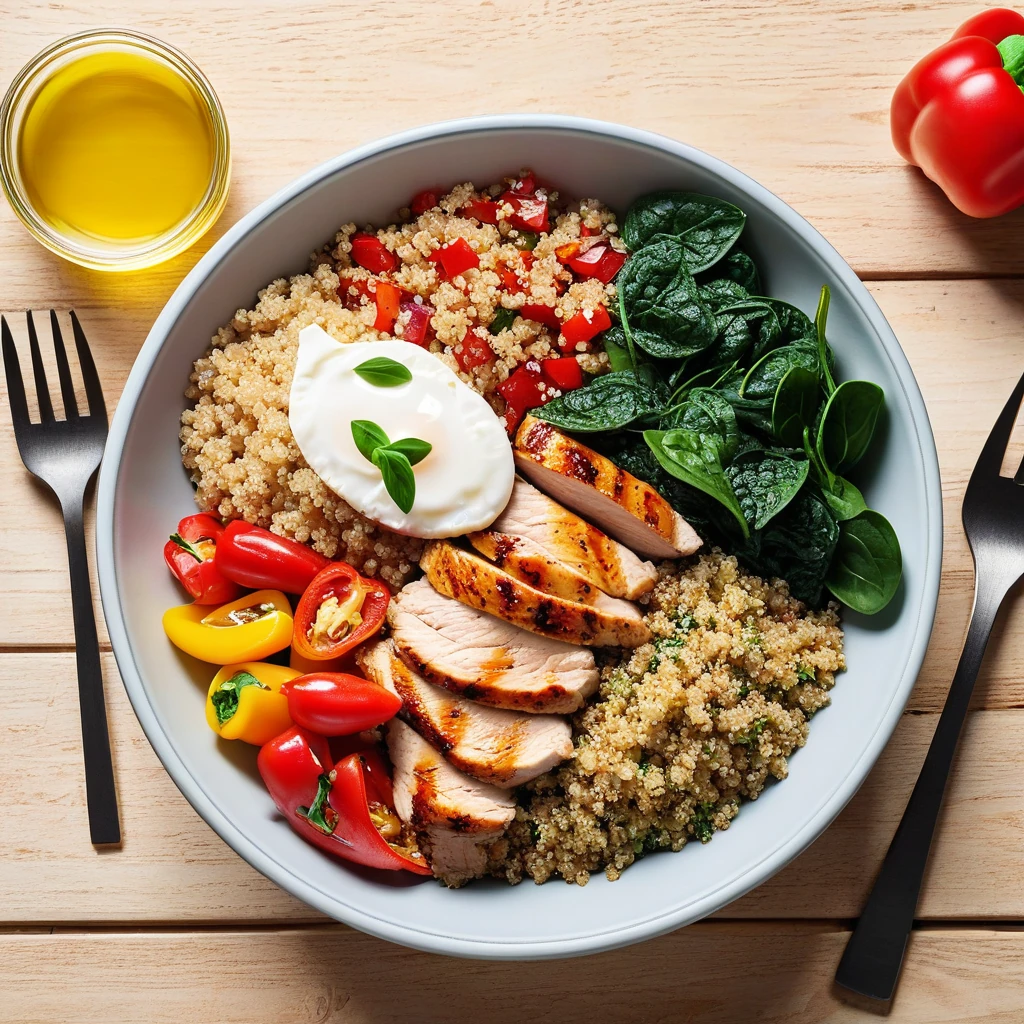
Protein-Packed Quinoa Bowl
A nutritious bowl filled with quinoa, grilled chicken, and fresh vegetables, perfect for a balanced breakfast.
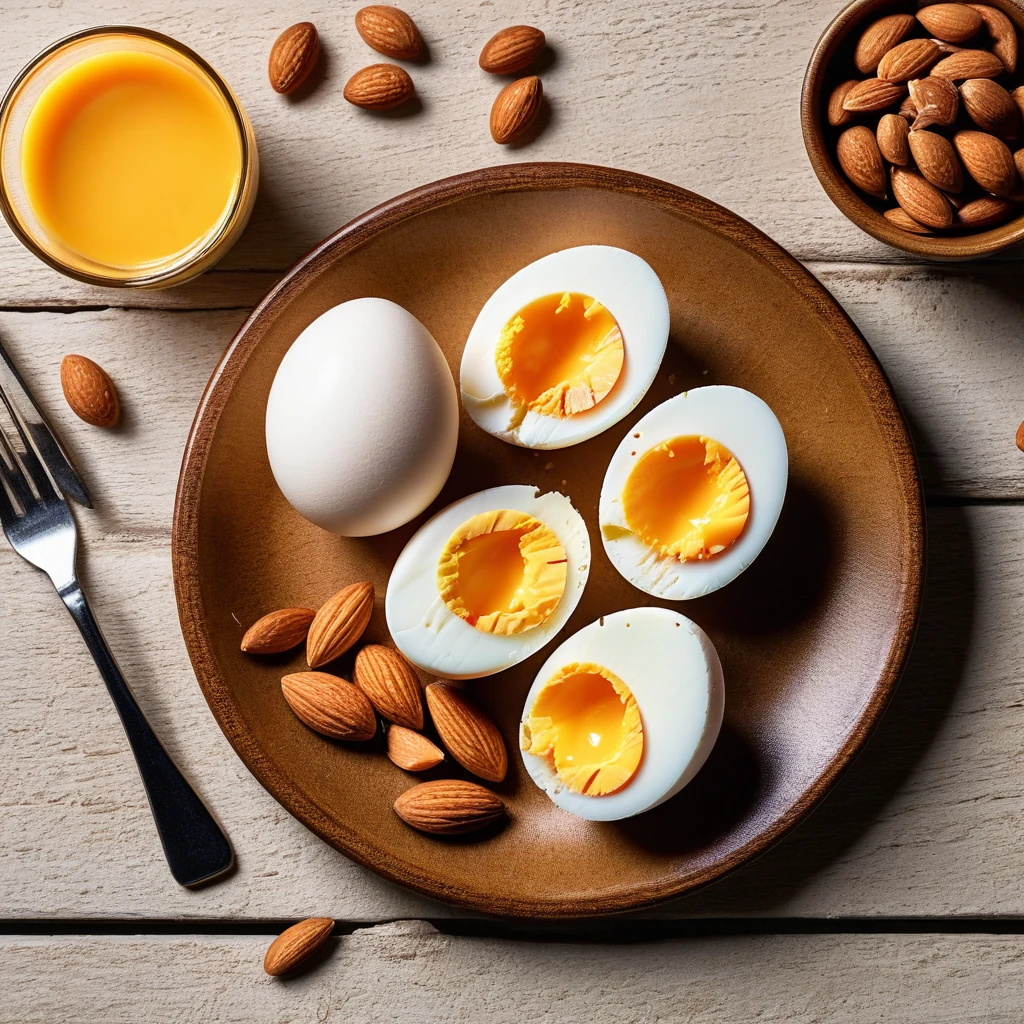
Hard-Boiled Eggs with Cheddar Cheese and Almonds
Protein-rich snack with hard-boiled eggs, sharp cheddar cheese, and roasted almonds
Breakfast: Grilled Chicken and Vegetable Omelette
A high-protein breakfast featuring grilled chicken, eggs, broccoli, and bell pepper with a touch of olive oil.
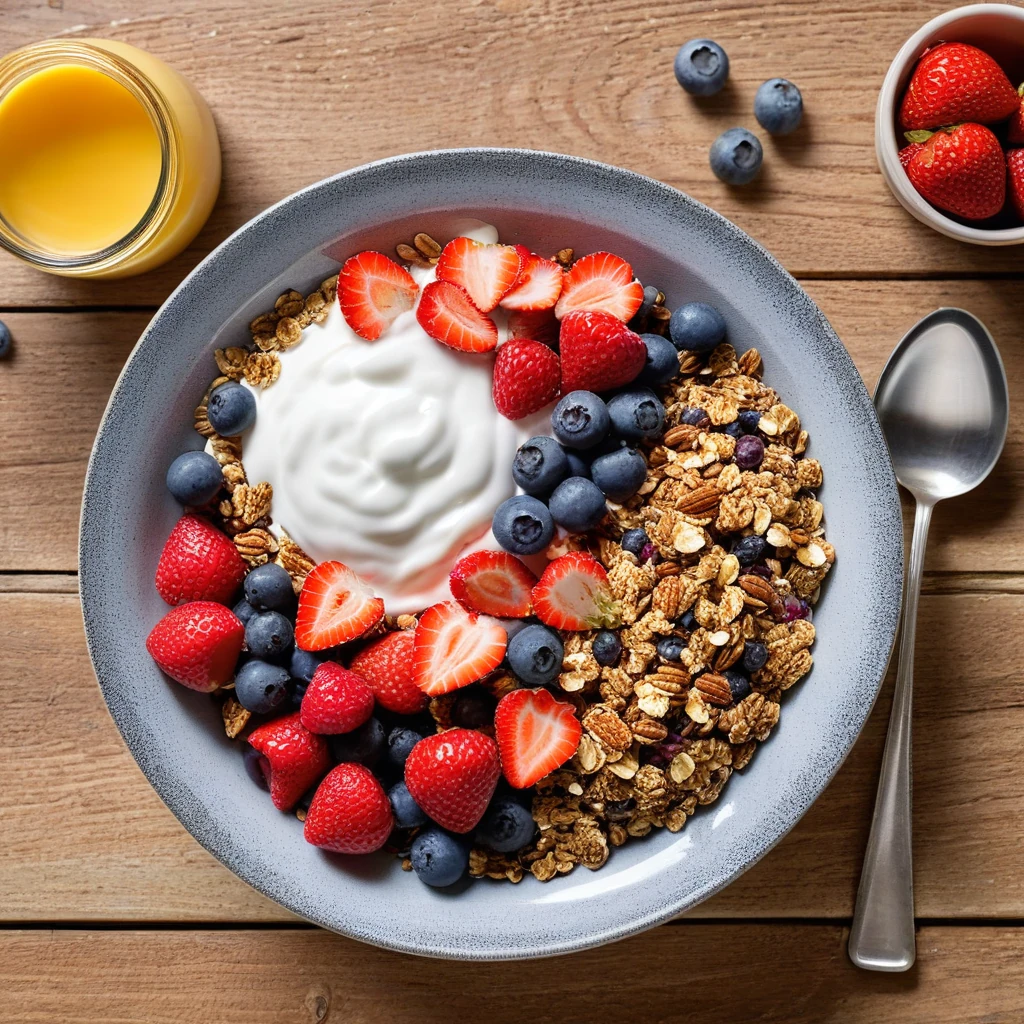
Greek Yogurt Parfait with Berries and Granola
A delicious and nutritious Greek yogurt parfait layered with fresh berries and crunchy granola, perfect for a satisfying snack.
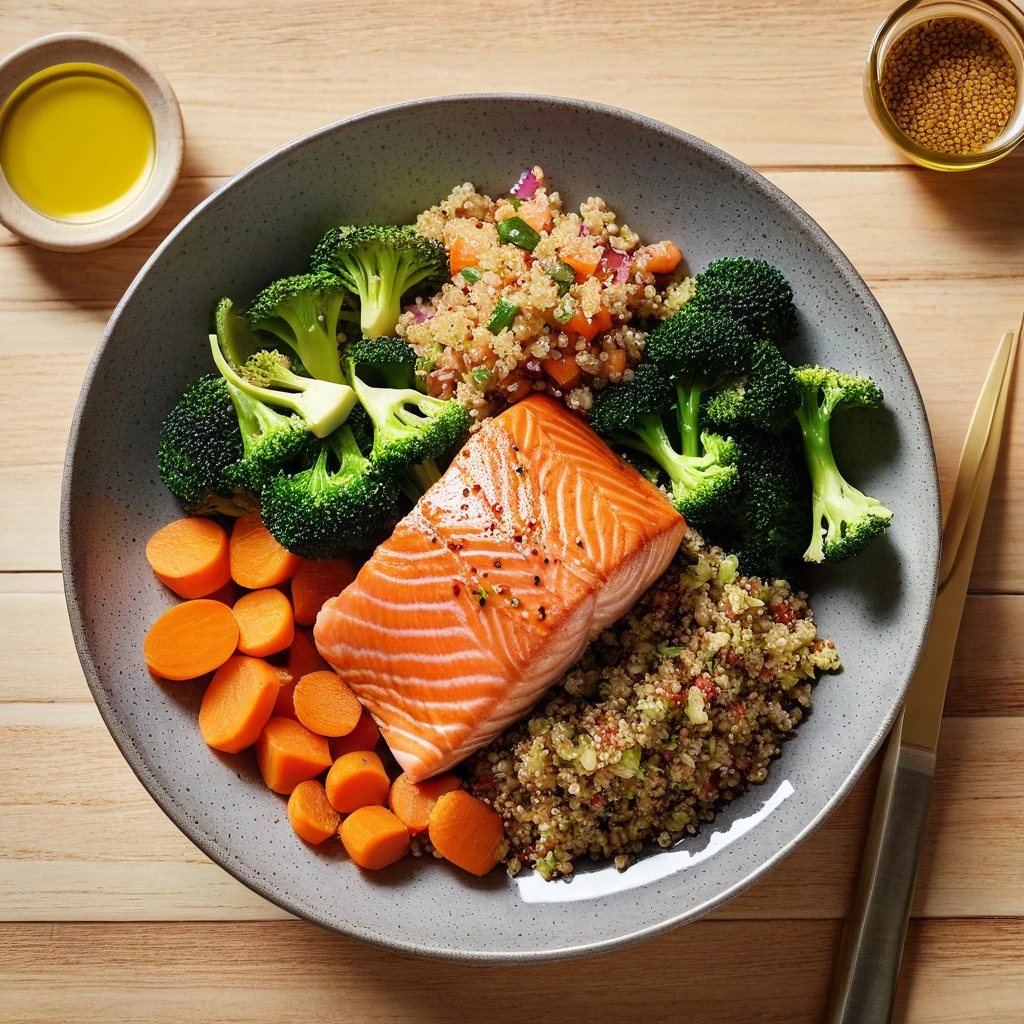
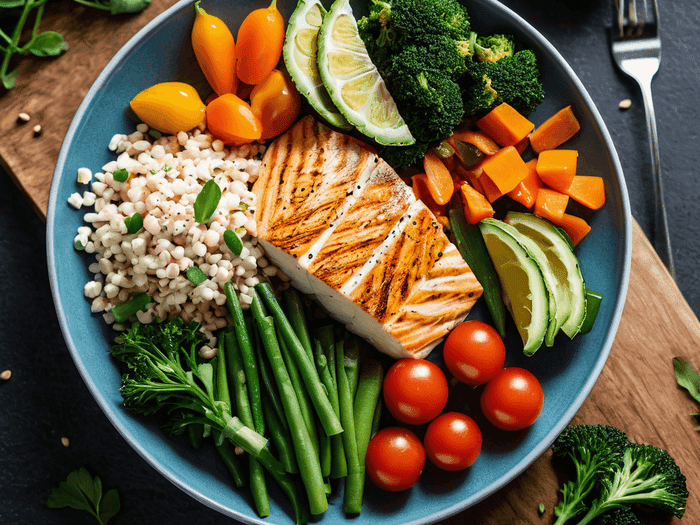
Sustainable Salmon Quinoa Bowl
A nutritious bowl filled with grilled sustainable salmon, quinoa, and a medley of colorful vegetables, drizzled with a lemon-tahini dressing, perfect for supporting your health goals.
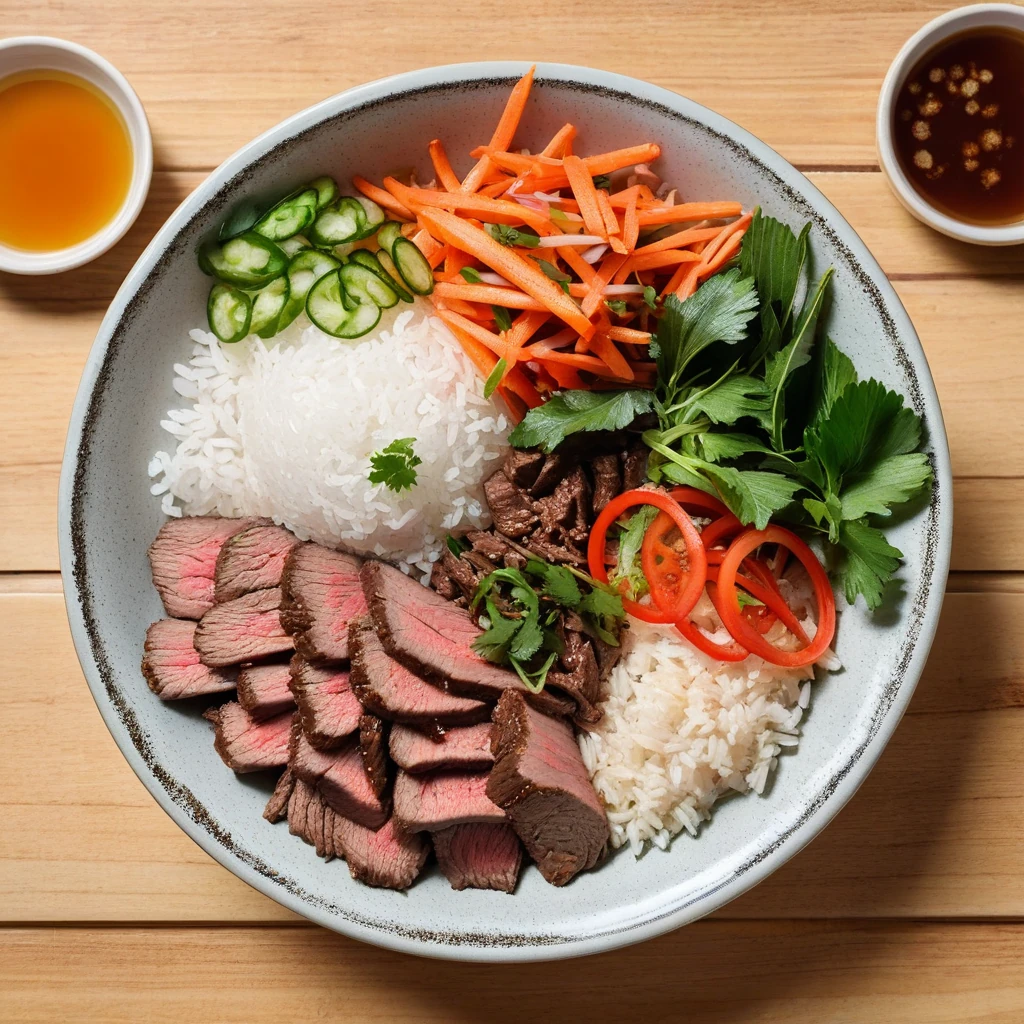
Vietnamese Beef Banh Mi Bowl
Marinated beef with pickled vegetables, cilantro, and crispy shallots over rice
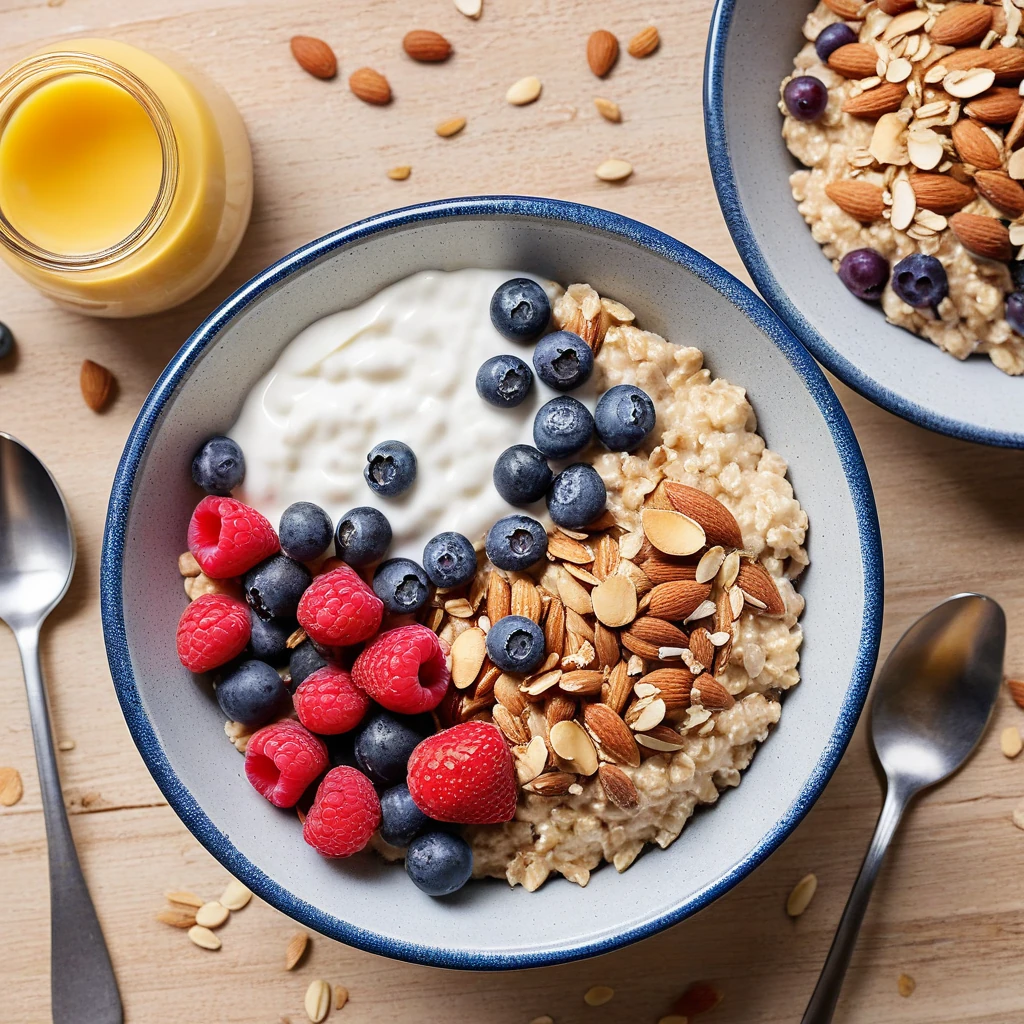
Oatmeal with Berries and Almonds
Creamy oatmeal topped with fresh berries, sliced almonds, and a drizzle of honey for a nutritious morning start
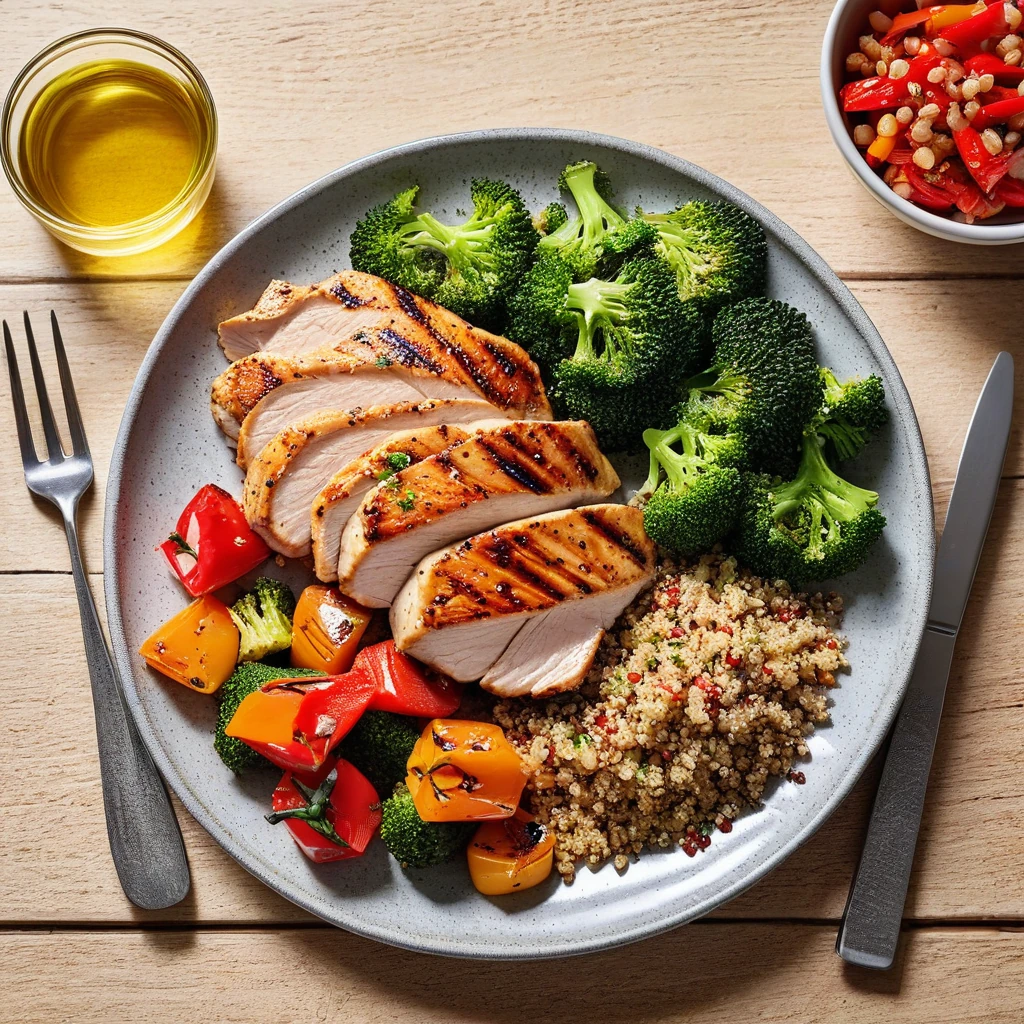
Grilled Chicken Breast with Quinoa and Vegetables
Lean grilled chicken breast served with fluffy quinoa, roasted broccoli, and bell peppers
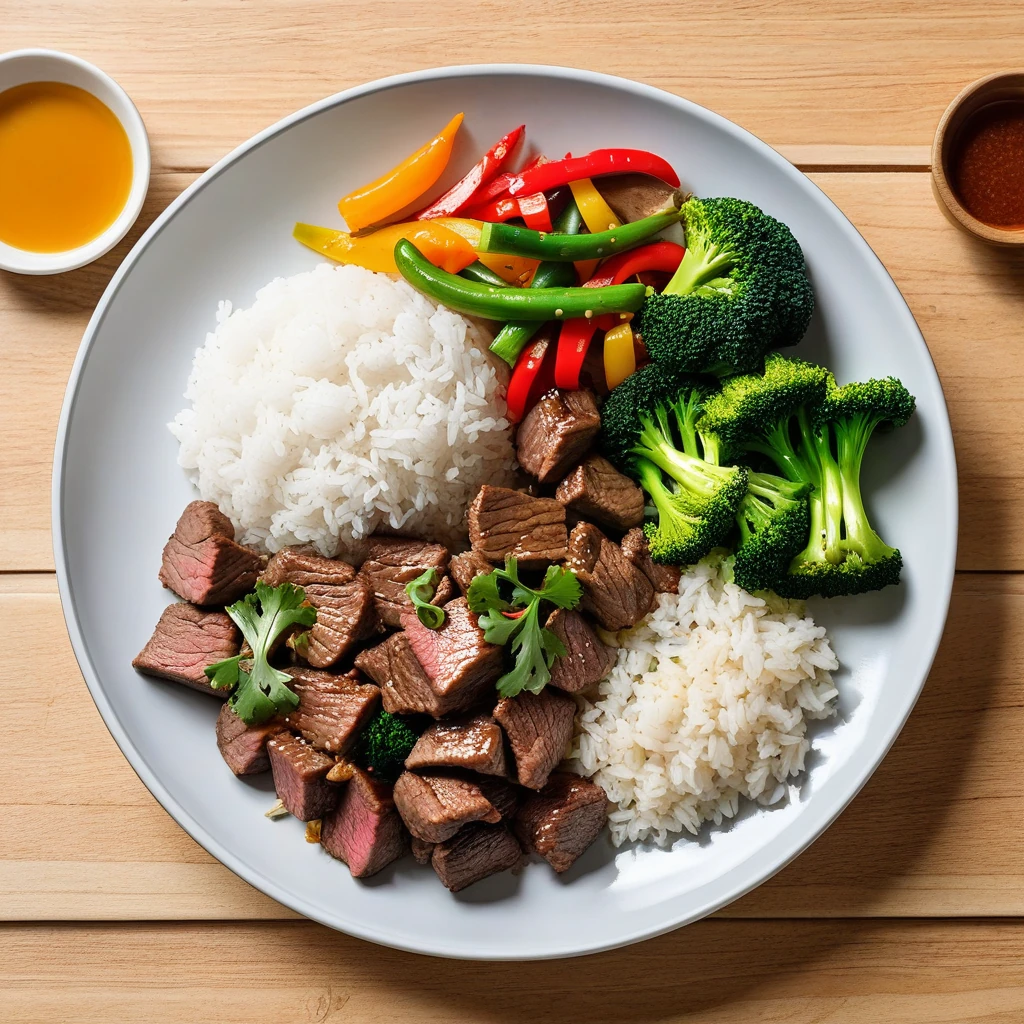
Beef and Vegetable Stir-Fry with Jasmine Rice
Tender lean beef strips stir-fried with colorful vegetables including bell peppers, broccoli, and snap peas, served over fluffy jasmine rice with a light ginger-soy sauce
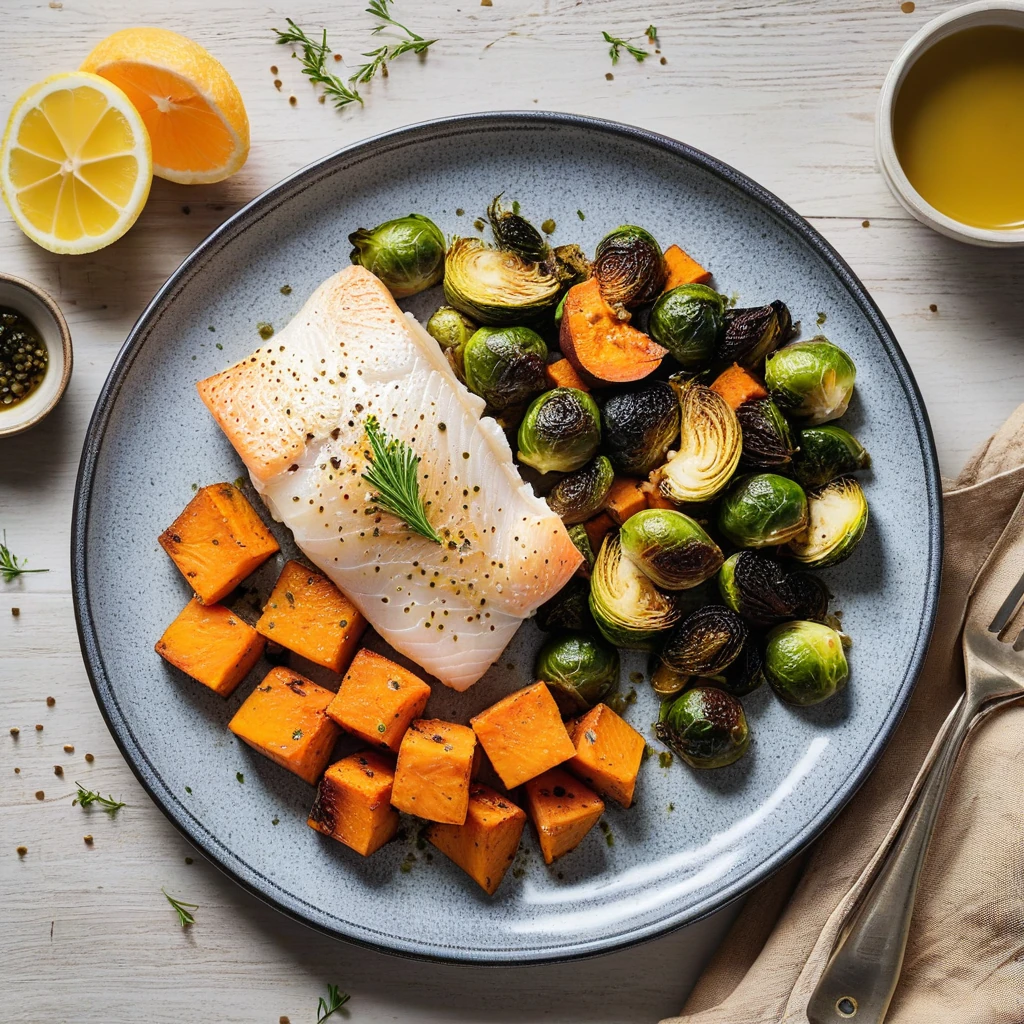
Baked Cod with Roasted Brussels Sprouts and Sweet Potato
Flaky white fish seasoned with herbs and lemon, paired with crispy roasted Brussels sprouts and creamy sweet potato for a light yet satisfying dinner
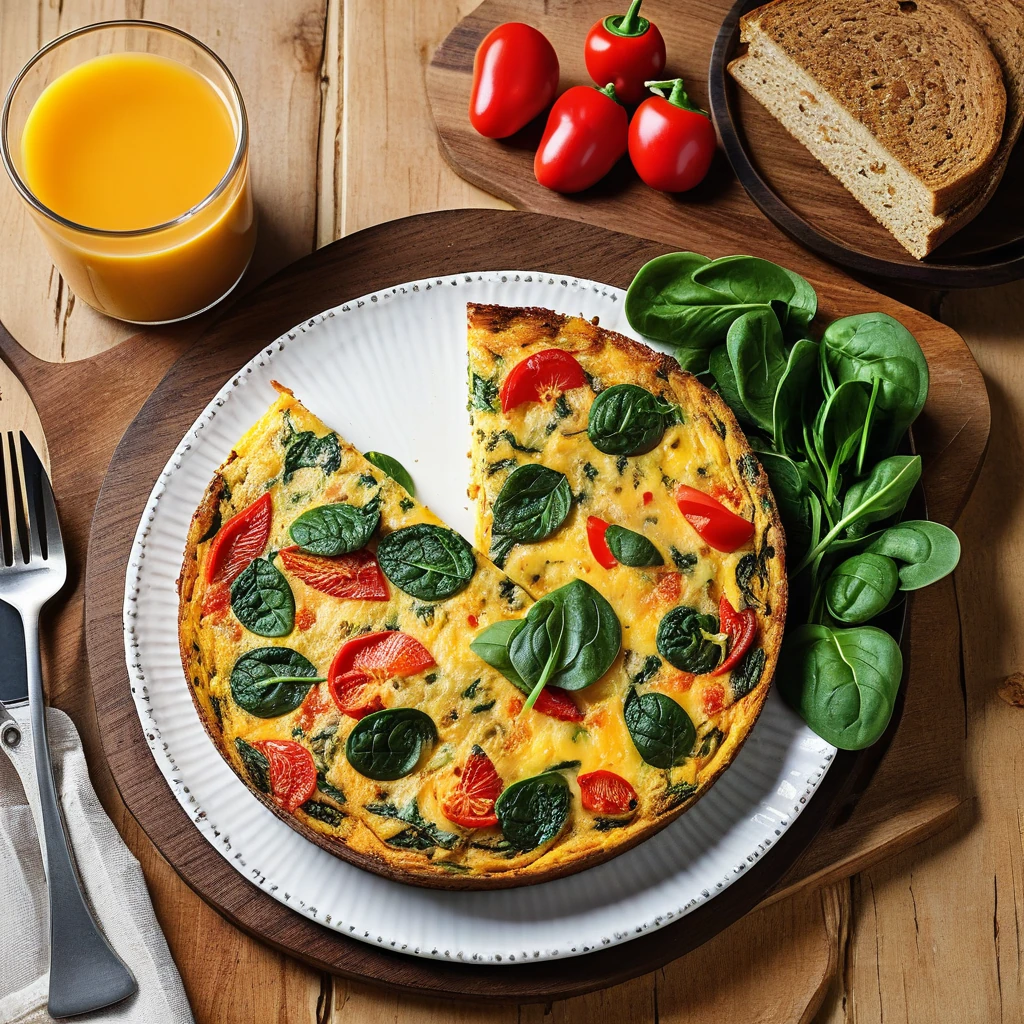
Veggie and Cheese Breakfast Frittata
Fluffy baked frittata with bell peppers, spinach, and cheddar cheese, served with whole grain toast
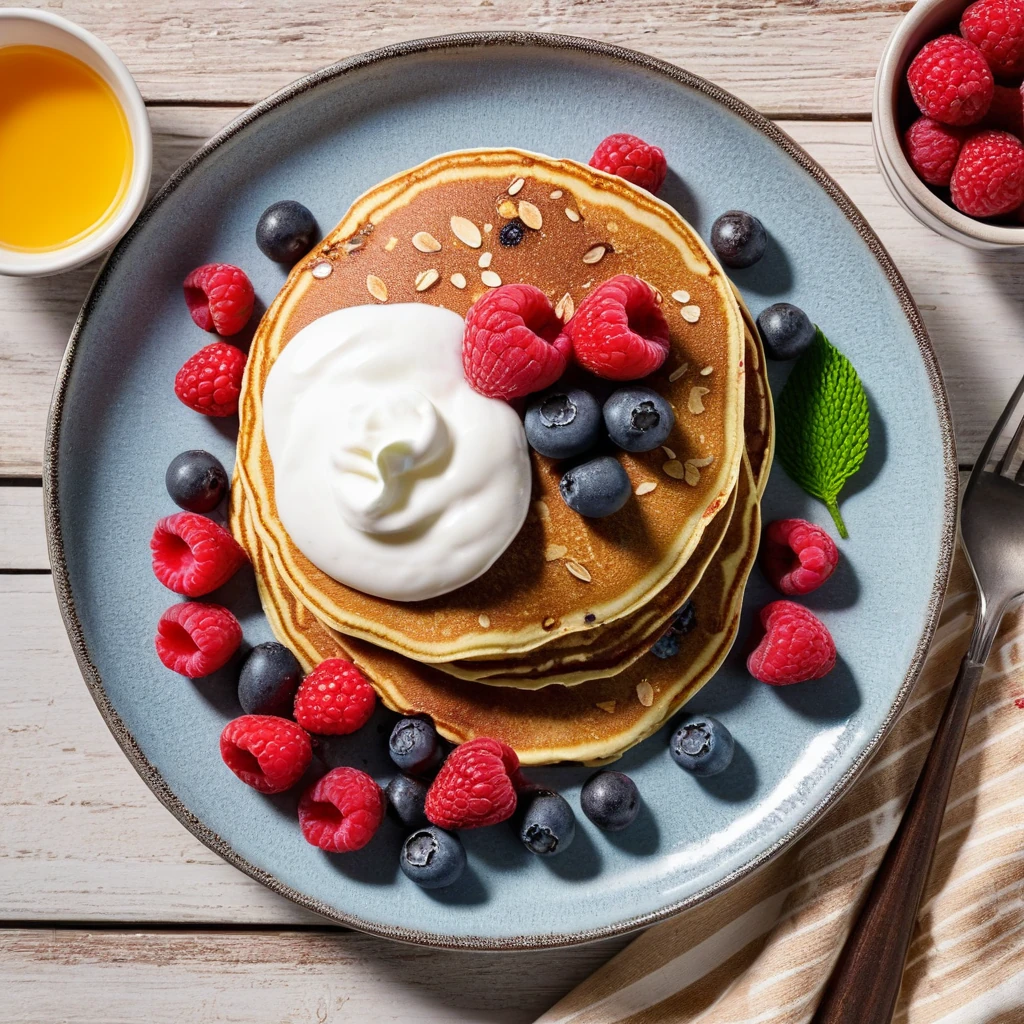
Protein Pancakes with Berries and Greek Yogurt
Fluffy protein-enriched pancakes topped with fresh berries, Greek yogurt, and a drizzle of honey