AI-Powered Vegetarian Meal Plans
Personalized lacto-ovo vegetarian meal plans with complete protein, iron, and B12 coverage
How Our AI Agent Helps You
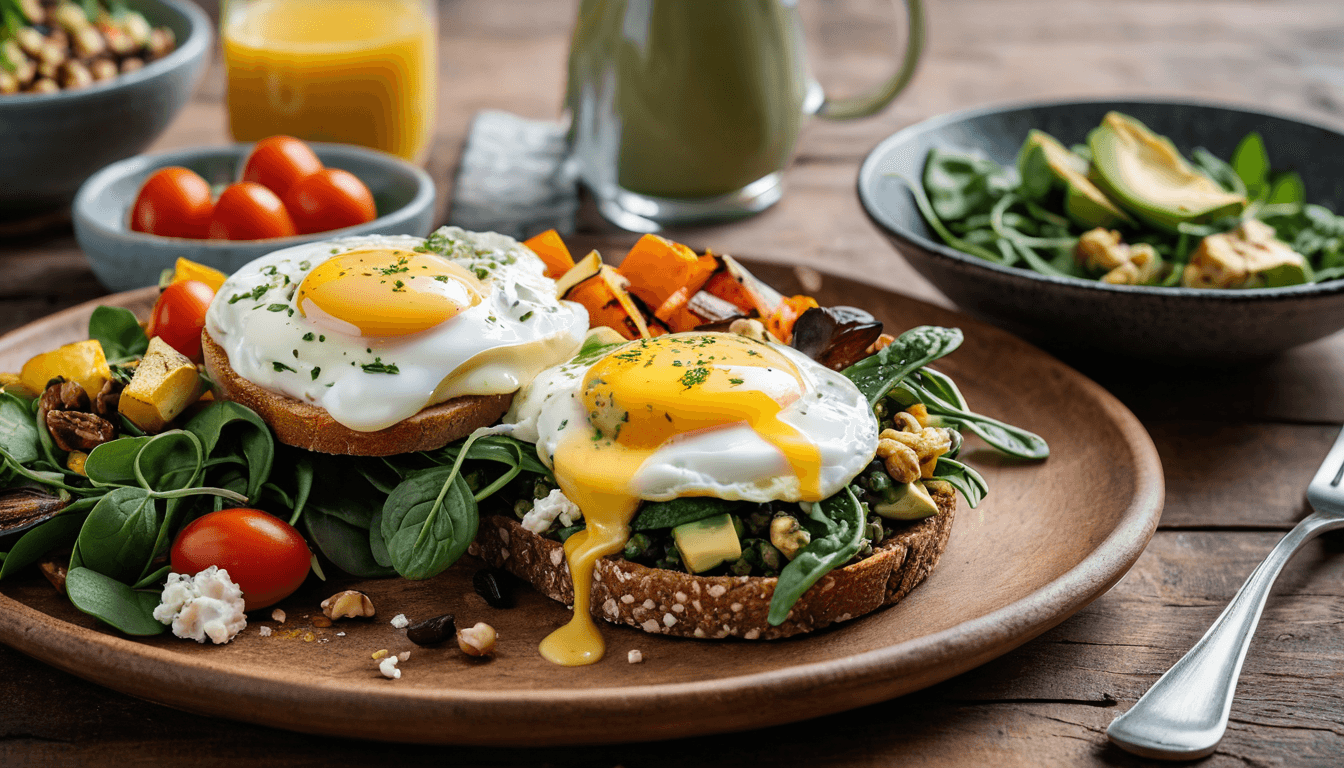
Advanced AI technology that understands lacto-ovo vegetarian nutrition including protein combining, iron absorption, B12 adequacy, and calcium balance. The system builds meals around beans, lentils, tofu, tempeh, eggs, Greek yogurt, and cheese while keeping meals varied, family-compatible, and affordable. Hidden animal-based ingredients in stocks, gelatin, rennet cheese, and Worcestershire sauce are automatically flagged.
Complete Protein Tracking
AI combines grains, legumes, eggs, and dairy to deliver all nine essential amino acids daily
Iron Optimization
Smart pairing of plant iron with vitamin C sources to boost non-heme iron absorption
B12 and Nutrient Coverage
Ensures B12 from eggs, dairy, or fortified foods plus adequate zinc, omega-3 (ALA), and iodine
Family Meal Flexibility
Recipes that scale for mixed households, swapping a protein component for meat-eaters without cooking twice
Why Choose AI for a Vegetarian Diet?
Eat meat-free with confidence that every meal hits your nutrition targets
Complete protein at every meal by combining grains, legumes, eggs, and dairy
Adequate iron through lentils, spinach, and tofu, paired with vitamin C for absorption
Reliable B12 coverage through eggs, dairy, and fortified foods
Family-friendly meals that work even when not everyone is vegetarian
Lower grocery costs compared to meat-centered meal plans
Sample Vegetarian Meals
AI-generated meal ideas with complete protein and balanced micronutrients
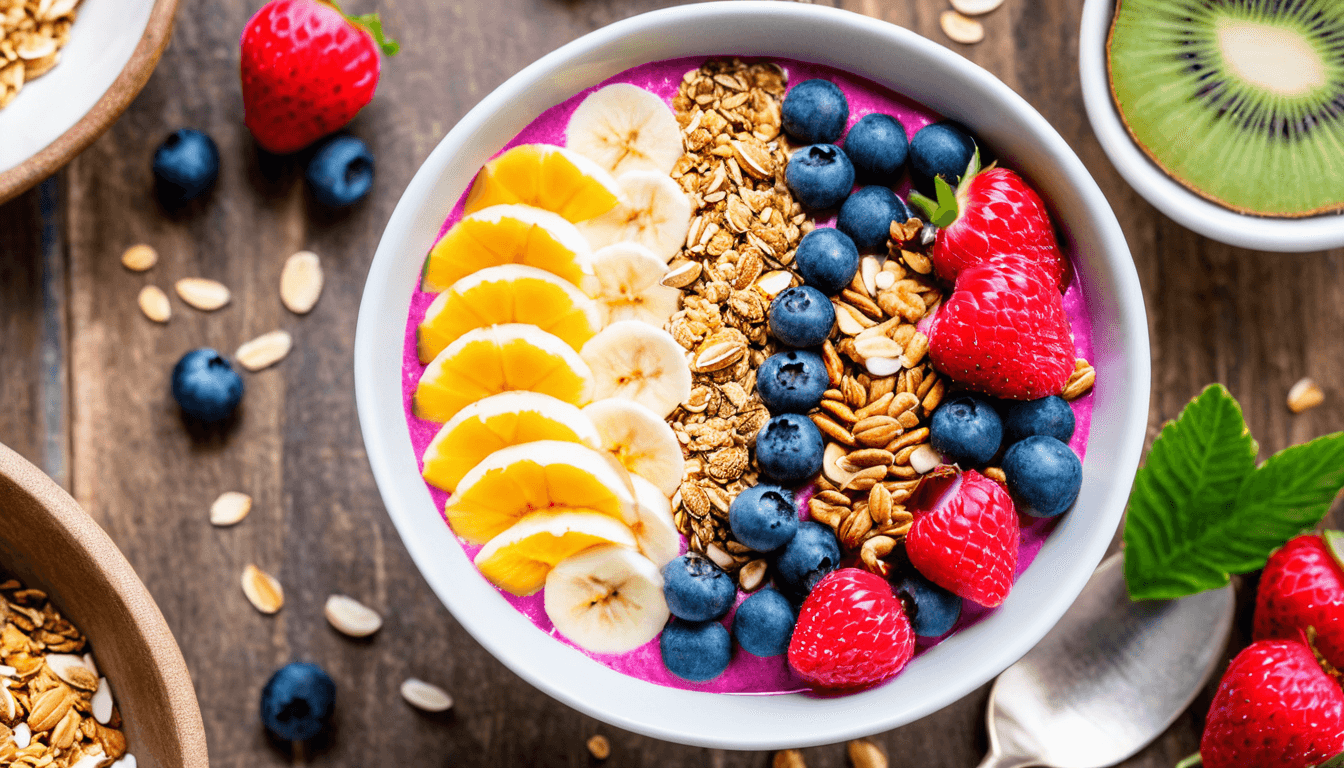
Greek Yogurt Parfait with Granola and Berries
High-protein breakfast with plain Greek yogurt, walnuts, and mixed berries
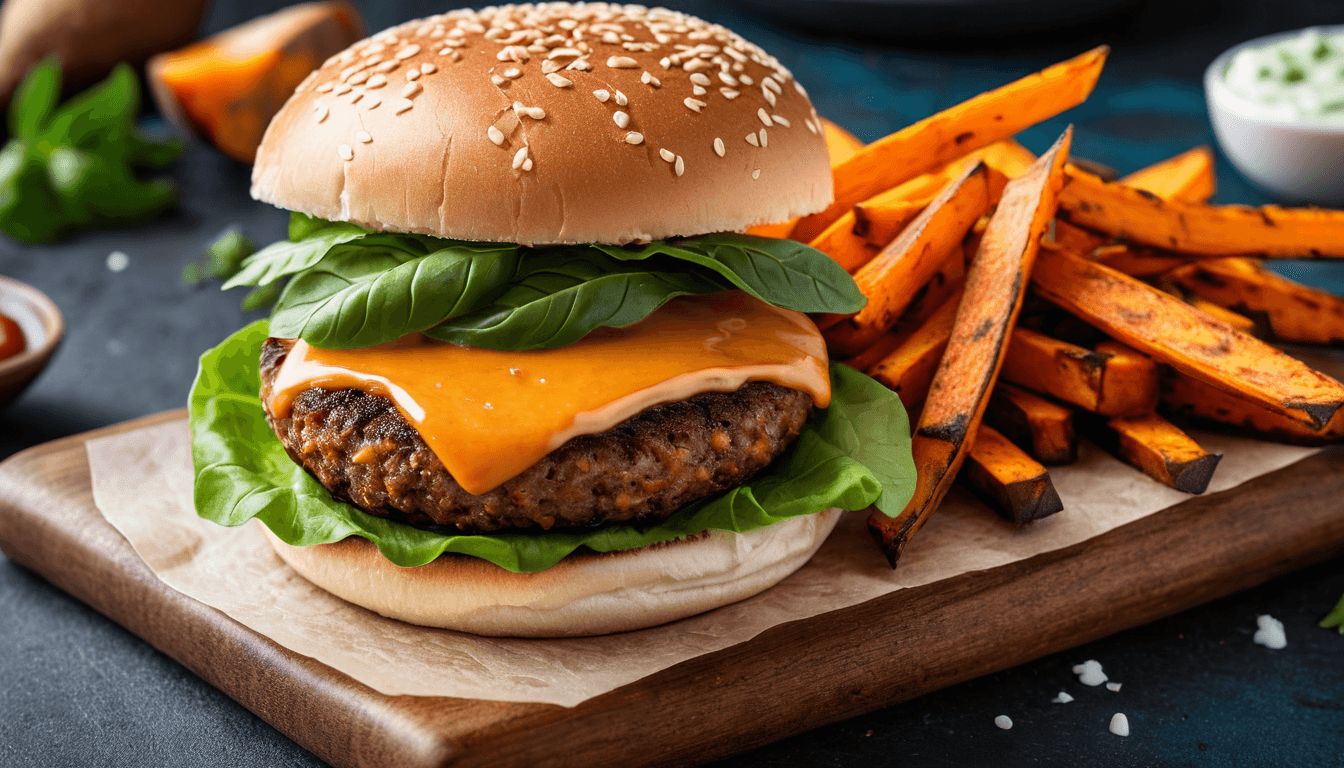
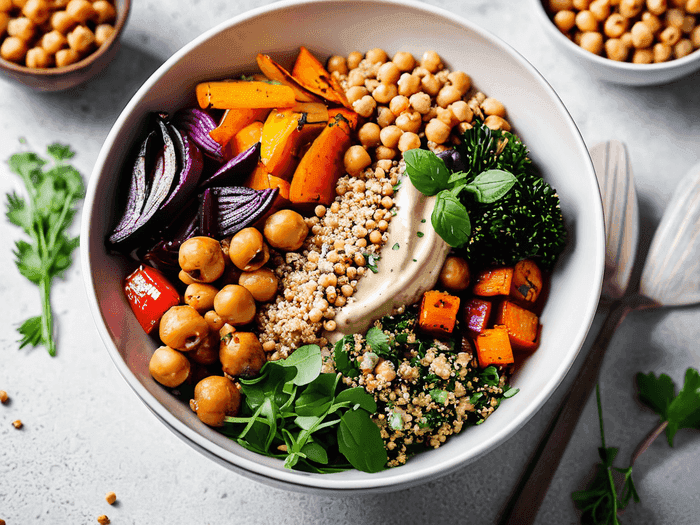
Chickpea and Quinoa Buddha Bowl
Complete plant protein from chickpeas and quinoa with roasted vegetables and tahini
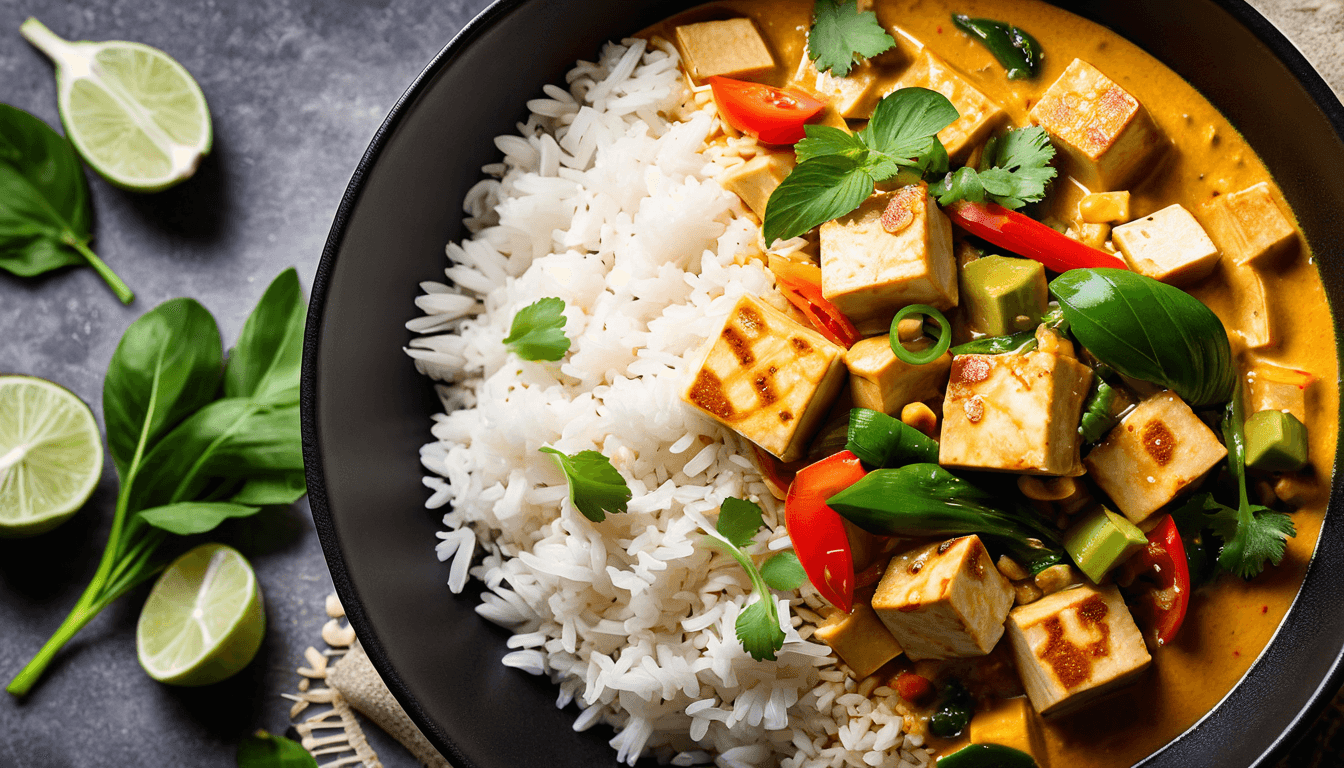
Vegetable Frittata with Feta and Spinach
Protein-packed dinner with eggs, sauteed spinach, tomatoes, and crumbled feta
Frequently Asked Questions
What is a lacto-ovo vegetarian diet?
A lacto-ovo vegetarian diet excludes meat, poultry, and fish but includes dairy (lacto) and eggs (ovo). It is the most common form of vegetarianism in North America and Europe because it keeps two strong protein sources and simplifies meeting calcium, vitamin D, and B12 needs compared with fully plant-based eating. Other patterns include lacto-vegetarian (dairy, no eggs), ovo-vegetarian (eggs, no dairy), pescatarian (adds fish), and vegan (no animal products at all). When doctors and dietitians say vegetarian without further qualification, they usually mean lacto-ovo.
Can I get enough protein as a vegetarian?
Yes, easily. Adult protein needs are roughly 0.8g per kg of body weight for sedentary adults and 1.2-1.6g per kg for active people or those building muscle. A 150-pound adult needs about 55-110g of protein daily, which is achievable with 3 eggs (18g), 1 cup Greek yogurt (20g per USDA), 1 cup cooked lentils (18g), 4 oz firm tofu (20g), and 1 oz cheddar cheese (7g) across a day, totaling 83g before any grain or vegetable protein is counted. The outdated idea that vegetarians must combine proteins within a single meal has been debunked; eating varied plant and dairy proteins across the day covers all nine essential amino acids.
What are the best sources of iron for vegetarians?
Iron from plant foods is non-heme iron, which is absorbed less efficiently than the heme iron in meat. Strong vegetarian sources include lentils (6.6mg per cup cooked per USDA), white beans (8mg per cup), tofu (3.4mg per half cup), fortified breakfast cereals (often 18mg per serving, or 100 percent DV), spinach (6.4mg per cup cooked), pumpkin seeds (2.5mg per ounce), and dark chocolate. Pairing iron-rich foods with vitamin C (bell peppers, citrus, strawberries, broccoli) can boost absorption by 2-3 times. Avoid drinking coffee or tea within an hour of iron-rich meals, since tannins cut absorption by roughly 50 percent. Women of childbearing age, pregnant women, and endurance athletes should check ferritin every 1-2 years.
Do vegetarians need to supplement B12?
Lacto-ovo vegetarians usually get enough B12 through eggs and dairy. Two eggs provide about 1.1mcg, a cup of milk provides 1.3mcg, and 1 ounce of Swiss cheese provides 0.9mcg per USDA, which together exceed the 2.4mcg daily RDA for adults. However, absorption declines with age (atrophic gastritis affects 10-30 percent of adults over 50) and with long-term proton-pump inhibitor or metformin use. Anyone over 50, on acid-reducing medications, or eating eggs and dairy infrequently should test B12 levels annually and consider a 500-1,000mcg daily supplement or fortified foods. B12 deficiency causes irreversible nerve damage if missed, so routine screening is worthwhile.
Is a vegetarian diet safe during pregnancy?
Yes. The Academy of Nutrition and Dietetics states that appropriately planned vegetarian diets are nutritionally adequate for all life stages including pregnancy and lactation. Key nutrients to watch are iron (needs increase to 27mg daily), protein (increases by about 25g per day), folate (600mcg prenatal), B12 (2.6mcg), calcium (1,000mg), iodine (220mcg), omega-3 DHA (200-300mg), zinc, and vitamin D. A high-quality prenatal vitamin usually fills the iron, folate, B12, and iodine gaps. DHA is not abundant in vegetarian foods and often needs an algae-based supplement. Discuss your plan with your obstetrician and ideally a prenatal dietitian during the first trimester.
What about feeding kids a vegetarian diet?
Children thrive on well-planned vegetarian diets. Key focus areas are adequate calories (vegetarian meals are often lower in calorie density than mixed diets), protein from eggs, dairy, legumes, and tofu at every meal, iron from fortified cereal and beans, B12 from eggs and dairy, and omega-3 from walnuts, flax, chia, and possibly algae supplements. Picky eaters benefit from familiar formats: bean chili, veggie burgers, grilled cheese with tomato soup, pasta with lentil bolognese, and scrambled eggs with toast. Pediatricians sometimes recommend a multivitamin with iron for toddlers and preschoolers. Growth charts should be tracked at regular visits, and an annual check on iron and B12 status is reasonable for school-age children.
How do I cook vegetarian meals when only part of my family is vegetarian?
The easiest pattern is to build a vegetarian base and add a meat component on the side for meat-eaters rather than cooking two separate meals. Examples: pasta with marinara where family members add cooked Italian sausage or meatballs to their own bowls; taco night with seasoned black beans or lentils as the default and shredded chicken or ground beef as an add-on; build-your-own bowls with rice, roasted vegetables, beans, and eggs or grilled chicken. Casseroles, stir-fries, and soups split well by setting aside a vegetarian portion before adding meat to the rest. This reduces cooking time by 40-50 percent compared with two full meals and gives kids and meat-eaters autonomy.
Are vegetarian meat substitutes healthy?
It depends on the product. Minimally processed options like tofu (around 180mg sodium per half cup), tempeh, seitan, edamame, and lentil patties are nutritionally solid. Highly processed imitation meats (Beyond Meat, Impossible Burger, most frozen veggie burgers) can deliver decent protein but often contain 350-500mg sodium per serving, refined oils, and a long ingredient list. They work well for social occasions (cookouts, burger nights) or transitioning from meat, but should not form the base of a vegetarian diet. The healthier pattern centers on whole-food protein: beans, lentils, chickpeas, tofu, tempeh, eggs, Greek yogurt, and cottage cheese, with meat substitutes as occasional treats.
Will I lose or gain weight on a vegetarian diet?
Vegetarians on average have slightly lower BMI than meat-eaters, driven mostly by higher fiber and lower calorie density from vegetables, fruits, and whole grains. However, vegetarian eating does not automatically cause weight loss. Cheese-heavy pasta, creamy risotto, veggie pizza, and processed snacks can easily push calorie intake above a mixed diet. If weight loss is a goal, center meals on non-starchy vegetables, legumes, and moderate whole grains, limit cheese to 1-2 servings per day, and track portion sizes of nuts, avocado, and oils. If weight gain is wanted (underweight or athletic goals), add calorie-dense foods like nut butters, full-fat Greek yogurt, cheese, whole eggs, and olive oil.
What are the hidden non-vegetarian ingredients I should watch for?
Several common products contain meat-derived ingredients that surprise new vegetarians. Watch for: gelatin in marshmallows, gummy candies, and some yogurts (made from animal collagen); rennet in hard cheeses like authentic Parmigiano-Reggiano and some cheddars (look for vegetable rennet or microbial enzyme); anchovies in Worcestershire sauce, Caesar dressing, and many fish sauces; lard in some pastries, tortillas, and refried beans; chicken or beef stock in canned soups, stuffings, and restaurant rice; L-cysteine in some commercial breads; and carmine (red food coloring from insects) in some juices and yogurts. Reading labels for 2-3 weeks trains the eye. Vegetarian-certified labels (the V in a circle) confirm compliance.
How does a vegetarian diet affect cholesterol and heart health?
Vegetarians typically have LDL cholesterol 10-15 percent lower than meat-eaters, driven by lower saturated fat intake and higher soluble fiber from beans, oats, and vegetables. Cardiovascular disease rates are roughly 25-30 percent lower in long-term vegetarians. However, benefits depend on diet quality: cheese-heavy or highly processed vegetarian eating can still raise LDL and blood pressure. For optimal heart benefits, emphasize whole grains, legumes, nuts (especially walnuts and almonds), olive oil, and limit cheese and butter. Adding 2 tablespoons of ground flax or chia daily provides plant omega-3 (ALA), and an algae-based DHA/EPA supplement bridges the gap since only fish and algae contain the long-chain omega-3s most linked to cardiac outcomes.
Can vegetarians build muscle and gain strength?
Yes. Multiple studies show equivalent muscle-building results between vegetarians and meat-eaters when total protein intake matches (1.6-2.2g per kg of body weight) and resistance training is consistent. Practical vegetarian protein stacks for a 180-pound athlete targeting 150g daily: breakfast of 3 eggs plus 1 cup Greek yogurt (38g), post-workout shake with whey protein (25g), lunch of lentil and quinoa bowl with feta (35g), snack of cottage cheese with nuts (22g), dinner of tofu stir-fry with edamame (30g). Whey or casein protein powder simplifies the math, while pea and soy protein work for ovo-vegetarians avoiding dairy. Expect similar strength gains and recovery rates as omnivore peers.
What about eating vegetarian at restaurants and when traveling?
Most cuisines have strong vegetarian options: Indian (dal, paneer dishes, vegetable curries), Italian (pasta marinara, margherita pizza, eggplant parmesan), Mexican (bean and cheese burritos, enchiladas verdes, quesadillas), Mediterranean and Middle Eastern (hummus, falafel, tabbouleh, lentil soup), Thai (tofu pad see ew, vegetable curry), and Ethiopian (most entrees are naturally vegetarian). American diners offer eggs all day, and breakfast is often the easiest vegetarian meal when traveling. Confirm that soups, rice, and beans are not cooked with meat stock or lard, since this is the most common cross-over. Fast-food options include Chipotle sofritas or veggie bowls, Subway veggie delite, and Taco Bell bean burritos.
How do I transition from eating meat to vegetarian?
A gradual transition is easier than a cold-turkey switch. A common pattern: week 1-2 swap out red meat for poultry and fish; week 3-4 eliminate poultry; week 5-6 remove fish; week 7-8 establish a vegetarian pantry and rotation. Another approach is meatless Monday scaling to 5 meatless days per week over 2 months. Start by identifying 6-8 vegetarian meals you actually enjoy (veggie chili, bean burritos, pasta primavera, cheese omelette, lentil soup, grilled cheese with tomato soup, veggie stir-fry, Buddha bowl) and rotate them. Stock the pantry with canned beans, lentils, quinoa, tofu, eggs, Greek yogurt, and frozen vegetables. Energy dips in the first 2 weeks are usually from low iron or calories; increase legume portions and add nuts.
Is vegetarian eating more expensive or cheaper than eating meat?
On a protein-per-dollar basis, vegetarian eating is significantly cheaper. Dried lentils cost around $0.15 per half-cup cooked serving (9g protein), canned black beans about $0.50 per cup (15g protein), a dozen eggs around $3 (6g protein each), and a 5-pound bag of rice around $5. For comparison, chicken breast runs $4-6 per pound, ground beef $5-7 per pound, and salmon $10-15 per pound. A vegetarian grocery budget for one person can stay under $40 per week while hitting all nutrition targets. Costs rise when relying heavily on processed meat substitutes ($5-8 per pack), specialty plant milks, and restaurant meals. Homemade vegetarian cooking consistently beats omnivore cooking on cost.
Do I need to worry about soy if I eat a lot of tofu and tempeh?
No, for most people. The concern about soy phytoestrogens and hormone disruption has not held up in large human studies. Moderate soy intake (1-2 servings per day of tofu, tempeh, edamame, or soy milk) is associated with neutral or beneficial effects on breast cancer risk, prostate cancer, bone density, and menopause symptoms. Whole soy foods also provide 8-10g complete protein per serving and are rich in calcium and iron. Fermented soy (tempeh, miso, natto) has slight digestive advantages. Highly processed soy protein isolates (in some bars and shakes) are fine in moderation but should not be the main soy source. People with diagnosed thyroid disease should separate soy intake from levothyroxine dosing by 4 hours, since soy can modestly reduce absorption.
Explore Related Resources
Discover more tools and guides for your nutrition journey
Sample 3-day vegetarian meal plan
Real foods, USDA-verified macros. No registration required.
Day 1
Day total: 3004 kcalScrambled cheese with cereal or granola bar with nuts and potato chips breakfast
- Cheese, mozzarella50 g
- Cereal or granola bar with nuts, chocolate coated50 g
- Potato chips, lightly salted60 g
- Wheat germ oil50 g
Scrambled cheese with egg and peanut spread lunch bowl
- Egg, white, frozen26 g
- Potato chips, restructured31 g
- Noodles, flat26 g
- Peanut spread, reduced sugar31 g
- Cheese, mozzarella79 g
Scrambled egg substitute with crackers and potato chips dinner plate
Steamed noodles with potato chips snack
Day 2
Day total: 2833 kcal
Day 2
Day total: 2833 kcalScrambled cheese with egg substitute and soy nut butter breakfast
- Egg substitute, omelet25 g
- Tortilla chips, flavored25 g
- Potato chips, unsalted30 g
- Soy nut butter30 g
- Cheese, mozzarella75 g
Scrambled cheese with tortilla chips and potato chips lunch bowl
Scrambled cheese with tortilla chips and crackers dinner plate
- Cheese, Swiss50 g
- Tortilla chips, other flavors (Doritos)50 g
- Potato chips, plain60 g
- Crackers, butter50 g
Simmered peanut butter with omega-3 with potato chips snack
Day 3
Day total: 2940 kcal
Day 3
Day total: 2940 kcalScrambled cheese with crackers and sweet potato chips breakfast
- Cheese, Swiss50 g
- Crackers, butter50 g
- Sweet potato chips60 g
Simmered vitasoy usa nasoya with peanuts and potato sticks lunch bowl
- Vitasoy USA Nasoya, Lite Silken Tofu60 g
- Peanuts, all types60 g
- Potato sticks, plain60 g
- Vegetable oil, NFS60 g
Scrambled cheese with mori-nu and peanut butter dinner plate
- MORI-NU, Tofu34 g
- Peanut butter, smooth style34 g
- Potato sticks, flavored34 g
- Banana chips28 g
- Cheese, mozzarella85 g
Fresh coconut cream with coconut snack
Shopping list for 3 days
Cereal Grains and Pasta
Dairy and Egg Products
Fruits and Fruit Juices
- Packaged Coconut50 g
- Canned Coconut Cream50 g
- Banana Chips28 g
Legumes and Legume Products
Vegetables and Vegetable Products
Get a personalized 7-day plan with shopping list
This sample shows 3 days. The full version generates 7 days adapted to your weight, activity, and household.
Top vegetarian foods, USDA-ranked
Highest-scoring foods for vegetarian eating, ranked by protein and micronutrient density per USDA FoodData Central data.
Egg, white, dried
Dairy and Egg Products357 kcalProtein: 84.1gCarbohydrates: 4.5gTotal fat: 0.3gSeaweed, spirulina, raw
Vegetables and Vegetable Products26 kcalProtein: 5.9gCarbohydrates: 2.4gTotal fat: 0.4gCheese, mozzarella
Dairy and Egg Products141 kcalProtein: 31.7gCarbohydrates: 3.5gTotal fat: 0gCheese, Mozzarella
Dairy and Egg Products141 kcalProtein: 31.7gCarbohydrates: 3.5gTotal fat: 0gCheese, Swiss
Dairy and Egg Products127 kcalProtein: 28.4gCarbohydrates: 3.4gTotal fat: 0gCheese, Swiss
Dairy and Egg Products127 kcalProtein: 28.4gCarbohydrates: 3.4gTotal fat: 0gEgg, white, dried
Dairy and Egg Products376 kcalProtein: 82.4gCarbohydrates: 4.5gTotal fat: 0gEgg, white, dried
Dairy and Egg Products351 kcalProtein: 76.9gCarbohydrates: 4.2gTotal fat: 0g
Show all 20 foods
Alfalfa seeds, sprouted, raw
Vegetables and Vegetable Products23 kcalProtein: 4gCarbohydrates: 2.1gTotal fat: 0.7gCorn bran, crude
Cereal Grains and Pasta224 kcalProtein: 8.4gCarbohydrates: 85.6gTotal fat: 0.9gEgg, white, dried
Dairy and Egg Products379 kcalProtein: 80.5gCarbohydrates: 6.9gTotal fat: 0.3gCowpeas, leafy tips, boiled
Vegetables and Vegetable Products22 kcalProtein: 4.7gCarbohydrates: 2.8gTotal fat: 0.1gVital wheat gluten
Cereal Grains and Pasta370 kcalProtein: 75.2gCarbohydrates: 13.8gTotal fat: 1.9gVitasoy USA Nasoya, Lite Silken Tofu
Legumes and Legume Products43 kcalProtein: 8.2gCarbohydrates: 0gTotal fat: 1.1gSeeds, sunflower seed flour
Nut and Seed Products326 kcalProtein: 48.1gCarbohydrates: 35.8gTotal fat: 1.6gBaobab powder
Fruits and Fruit Juices250 kcalProtein: 3.7gCarbohydrates: 79.7gTotal fat: 0.5gCowpeas, leafy tips, boiled
Vegetables and Vegetable Products22 kcalProtein: 4.7gCarbohydrates: 2.8gTotal fat: 0.1gEgg, white, frozen
Dairy and Egg Products48 kcalProtein: 10.2gCarbohydrates: 0.9gTotal fat: 0.1gMORI-NU, Tofu
Legumes and Legume Products38 kcalProtein: 7gCarbohydrates: 1gTotal fat: 0.7gWheat bran, crude
Cereal Grains and Pasta216 kcalProtein: 15.6gCarbohydrates: 64.5gTotal fat: 4.3g
Vegetarian Diet Recipes
See all Vegetarian Diet recipes →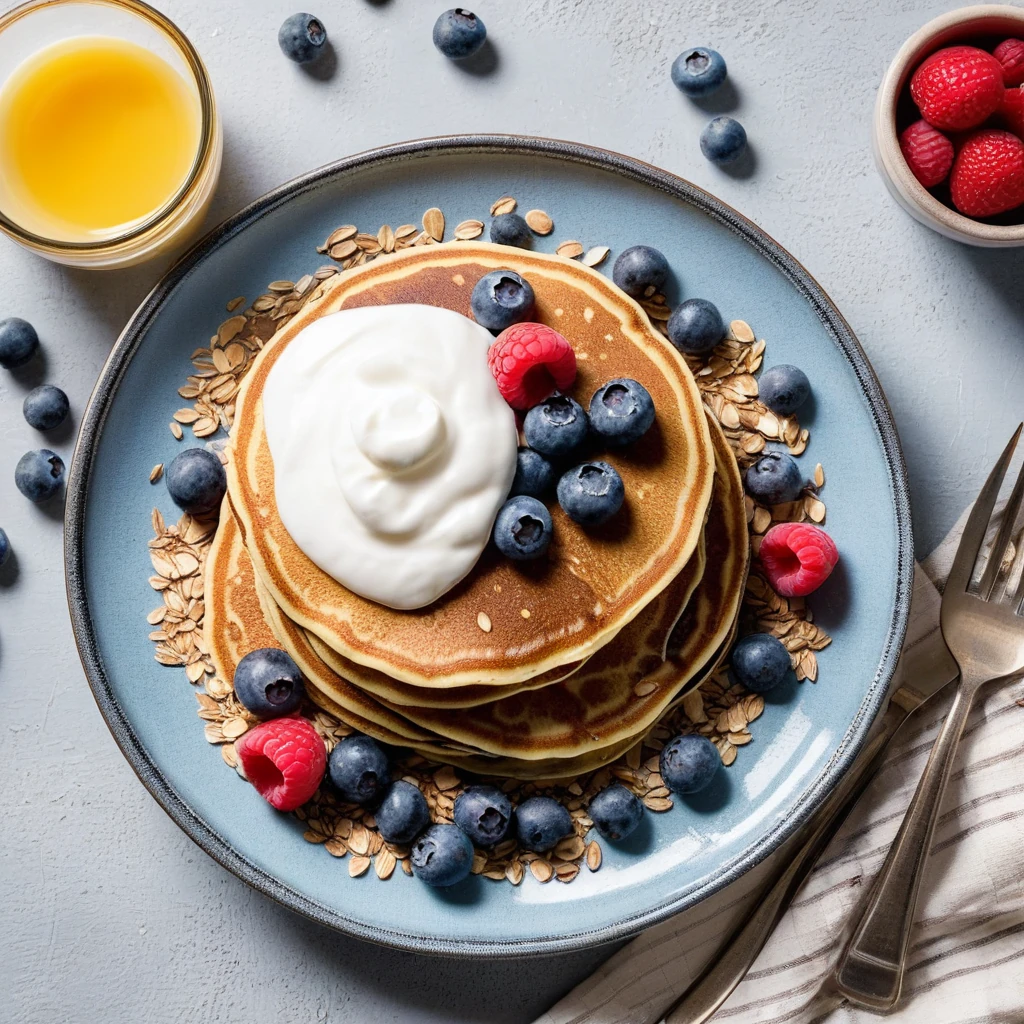
Protein Pancakes with Greek Yogurt and Berries
Fluffy protein-enriched pancakes topped with Greek yogurt, fresh berries, and a drizzle of honey
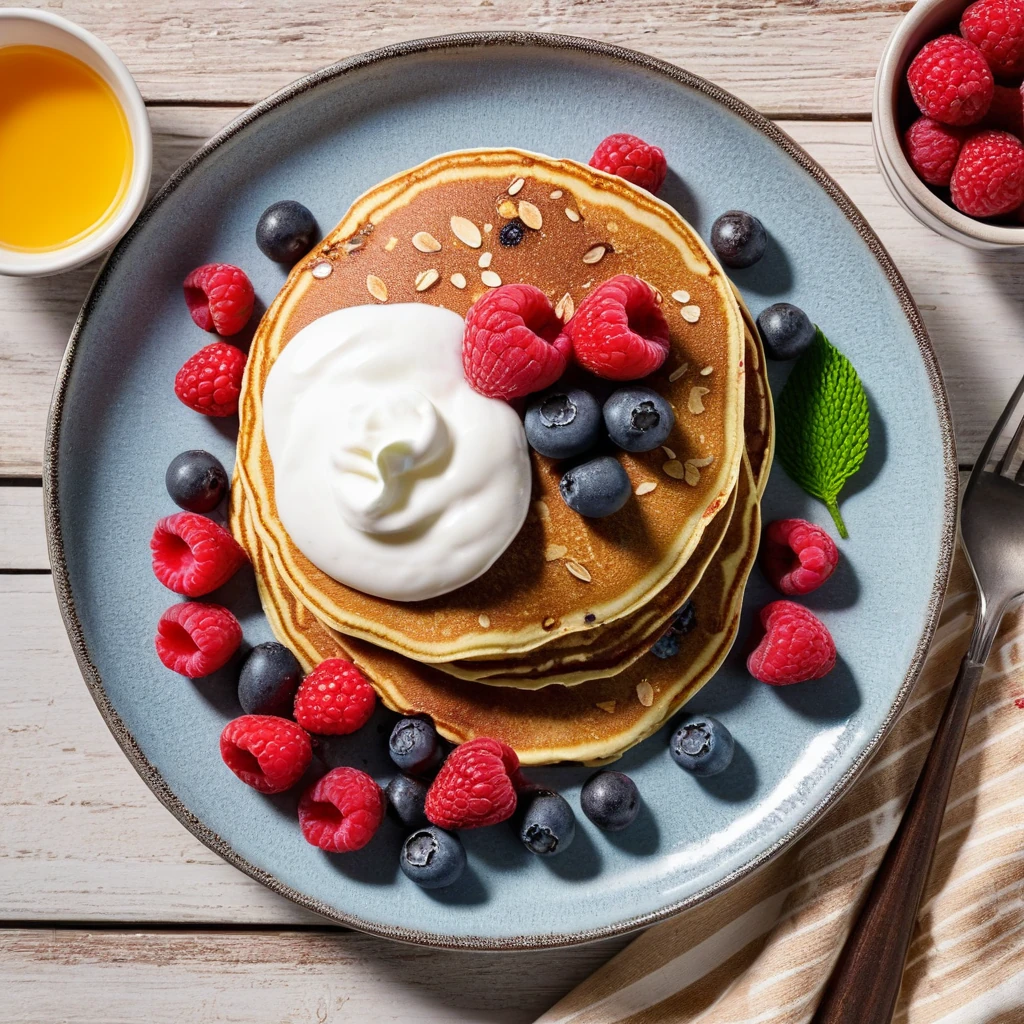
Protein Pancakes with Berries and Greek Yogurt
Fluffy protein-enriched pancakes topped with fresh berries, Greek yogurt, and a drizzle of honey
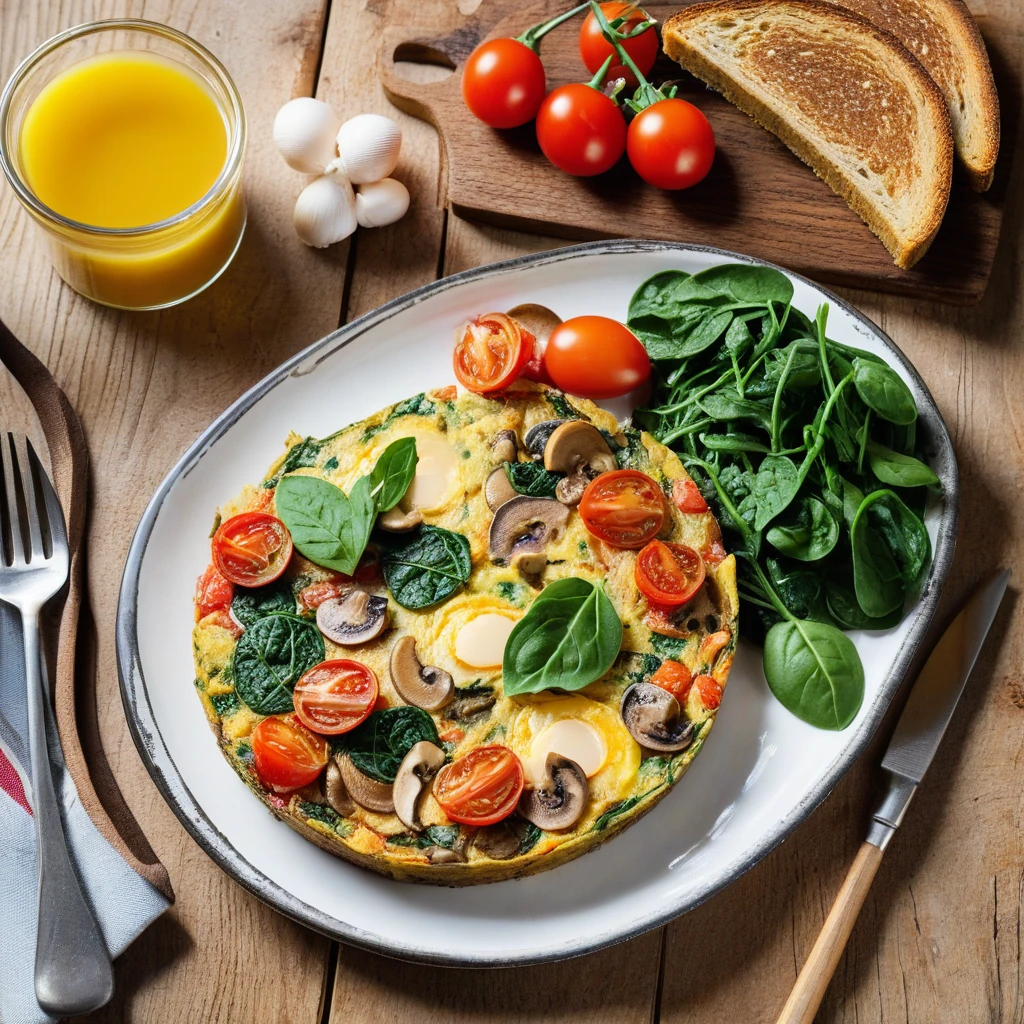
Vegetable Frittata with Whole Wheat Toast
Fluffy egg-based frittata loaded with spinach, mushrooms, and tomatoes, served with whole wheat toast and a side of fresh berries
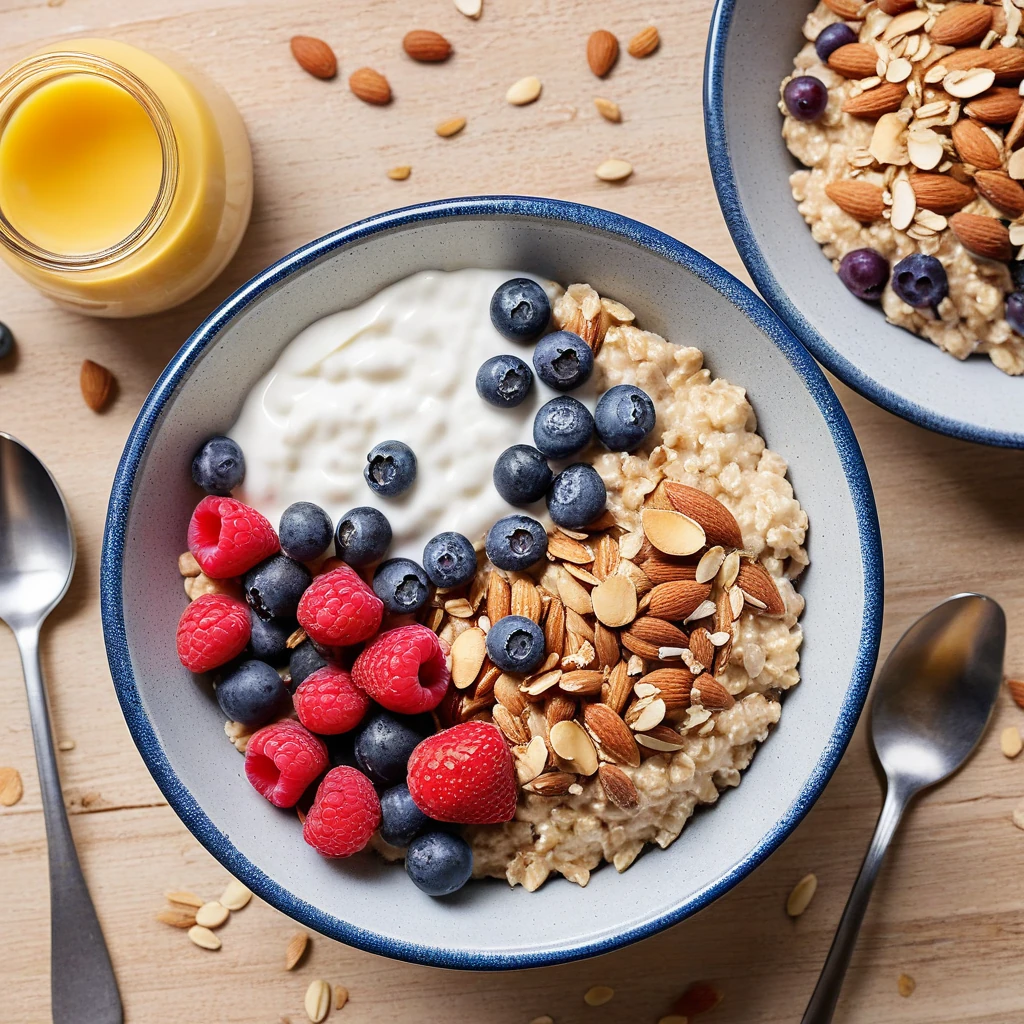
Oatmeal with Berries and Almonds
Creamy oatmeal topped with fresh berries, sliced almonds, and a drizzle of honey for a nutritious morning start
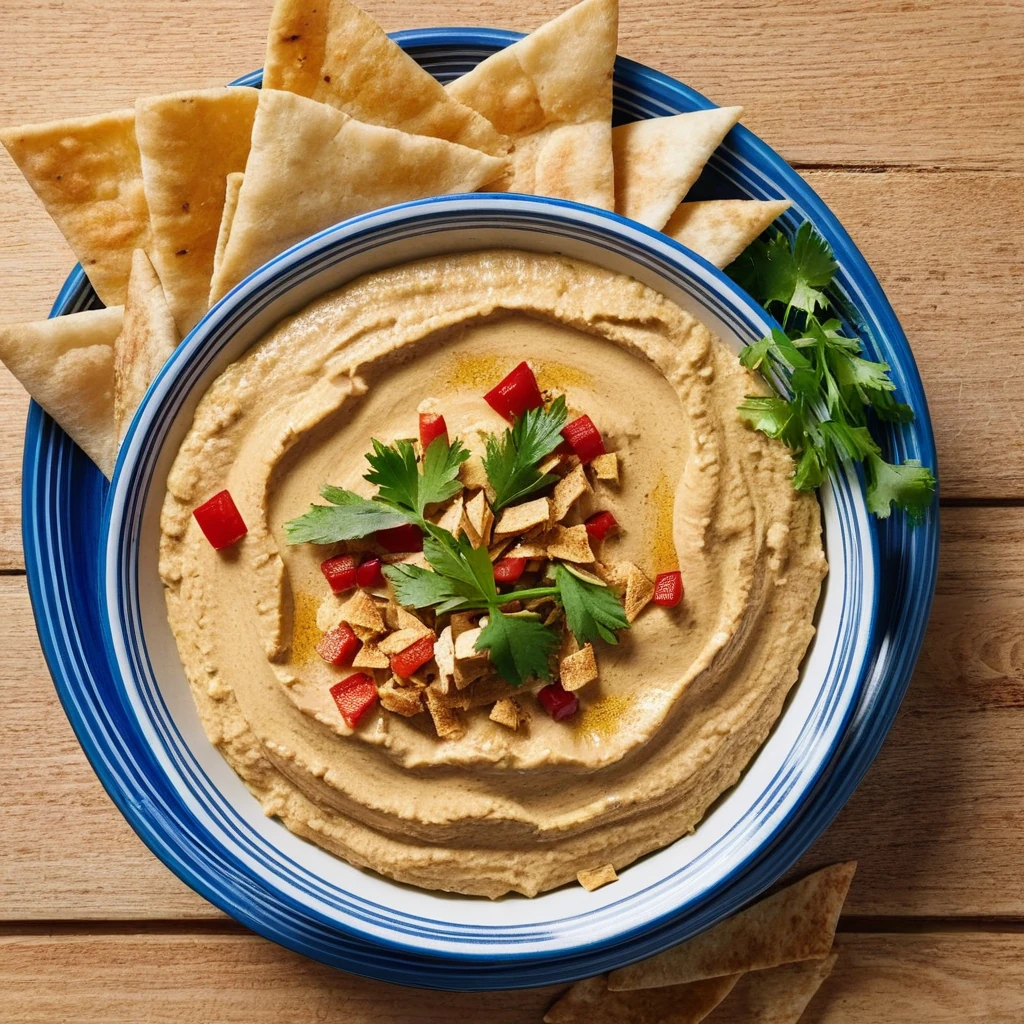
Hummus with Pita Chips
Creamy chickpea hummus served with crispy pita chips for dipping
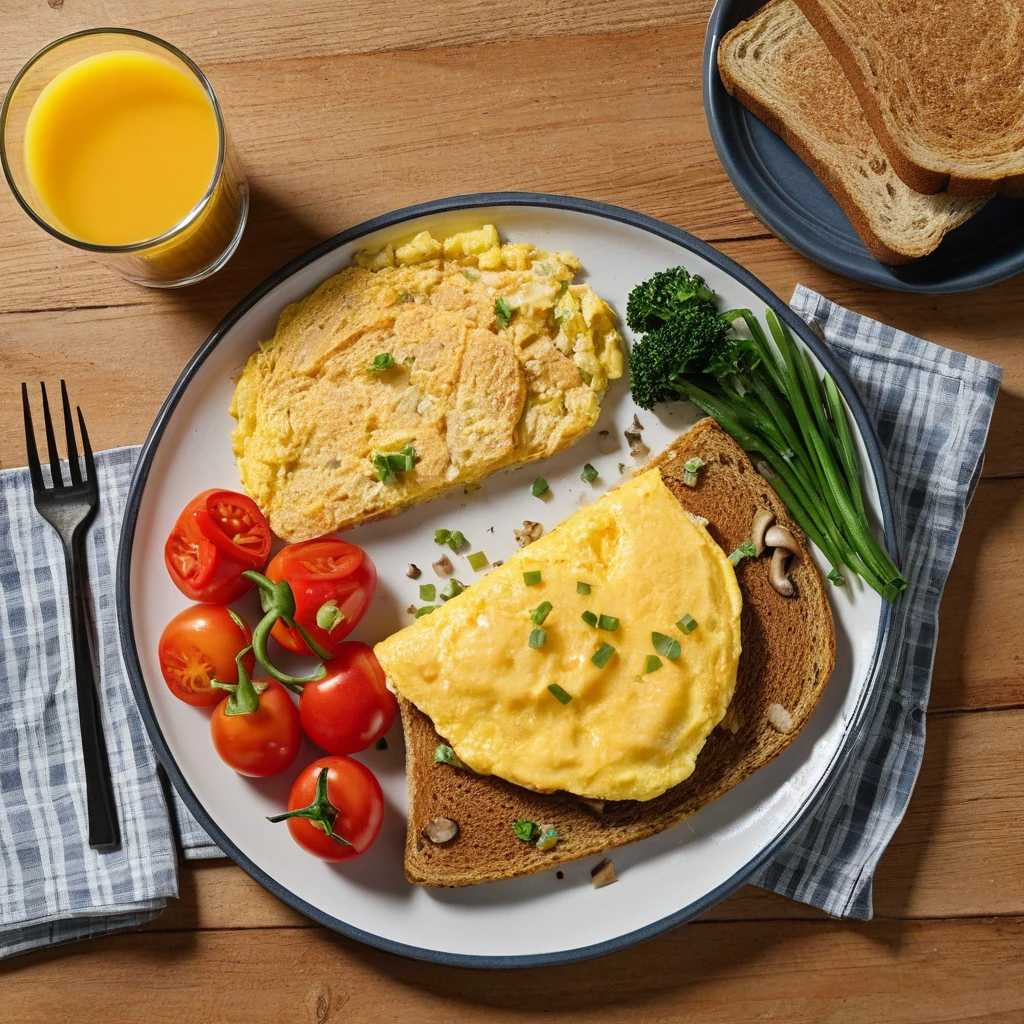
Veggie and Cheese Omelet with Whole Wheat Toast
Fluffy three-egg omelet filled with sautéed mushrooms, bell peppers, and cheddar cheese, served with whole wheat toast and butter
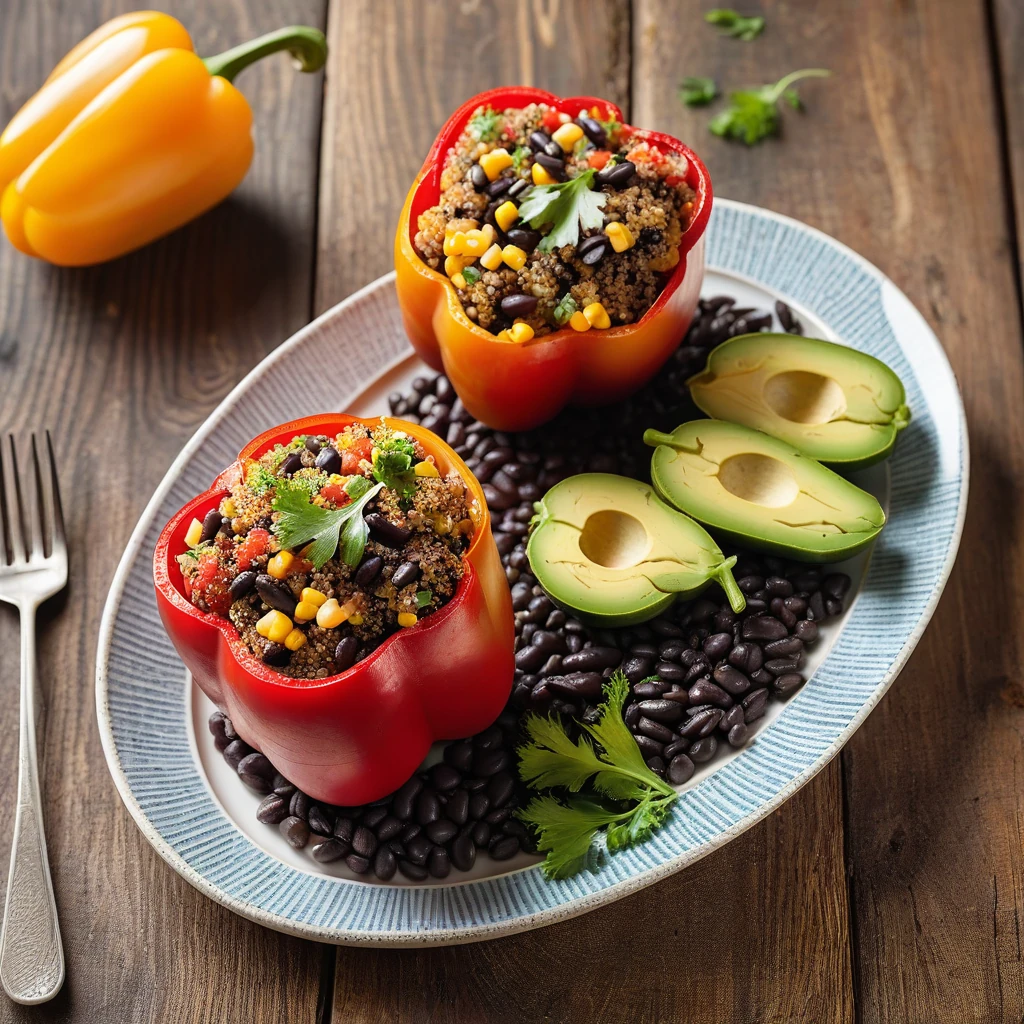
Quinoa and Black Bean Stuffed Bell Peppers
Colorful bell peppers stuffed with a savory mixture of quinoa, black beans, corn, and spices, topped with avocado and fresh cilantro.
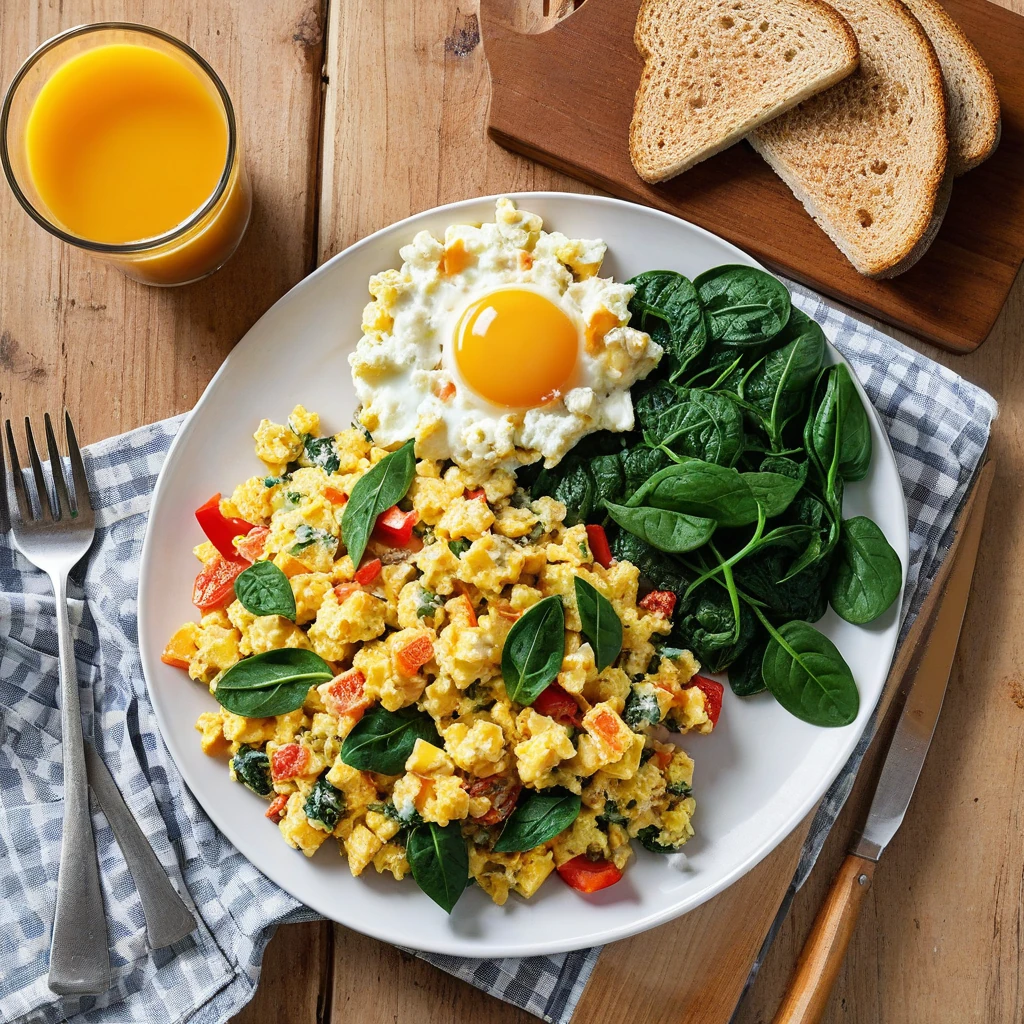
Vegetable and Cheese Egg Scramble with Whole Wheat Toast
Fluffy scrambled eggs with sautéed vegetables, cheddar cheese, and whole wheat toast with butter
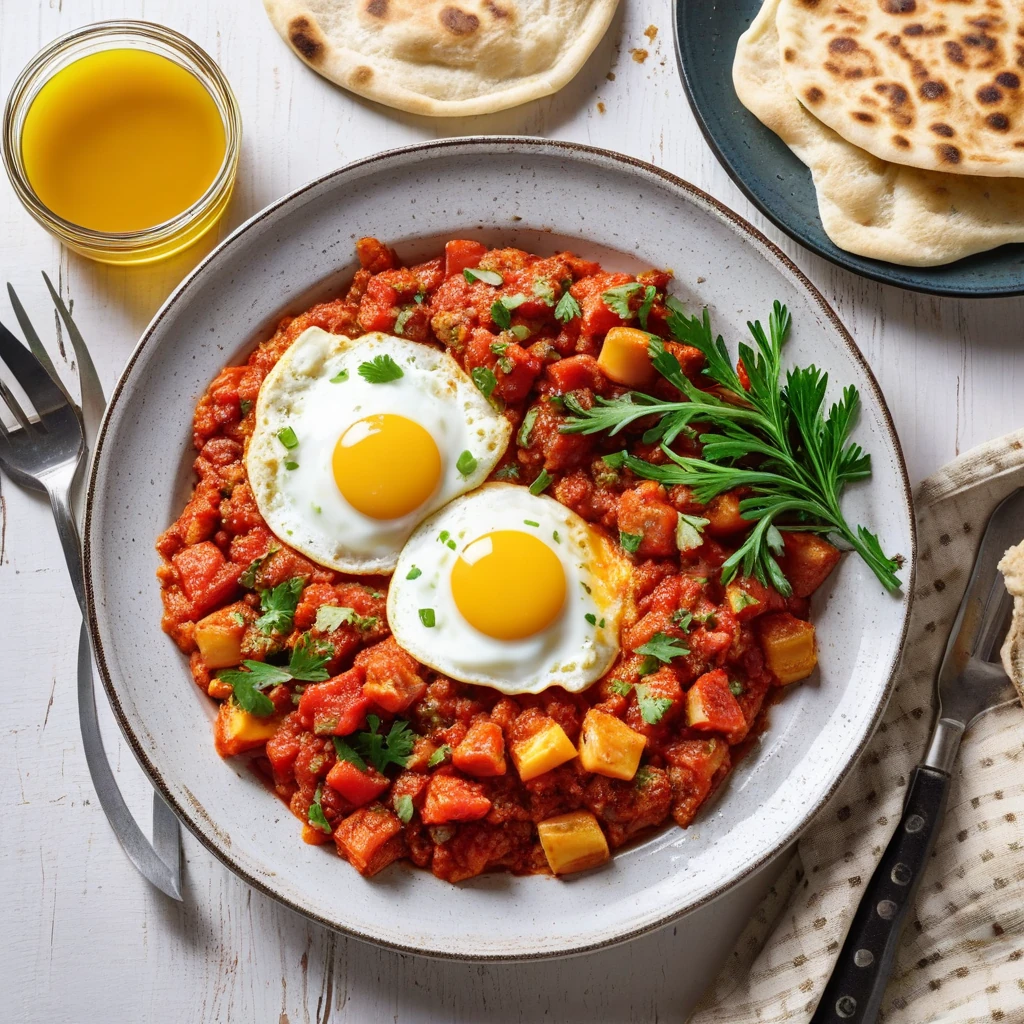
Shakshuka with Whole Wheat Pita
Middle Eastern eggs poached in spiced tomato sauce, served with warm whole wheat pita bread
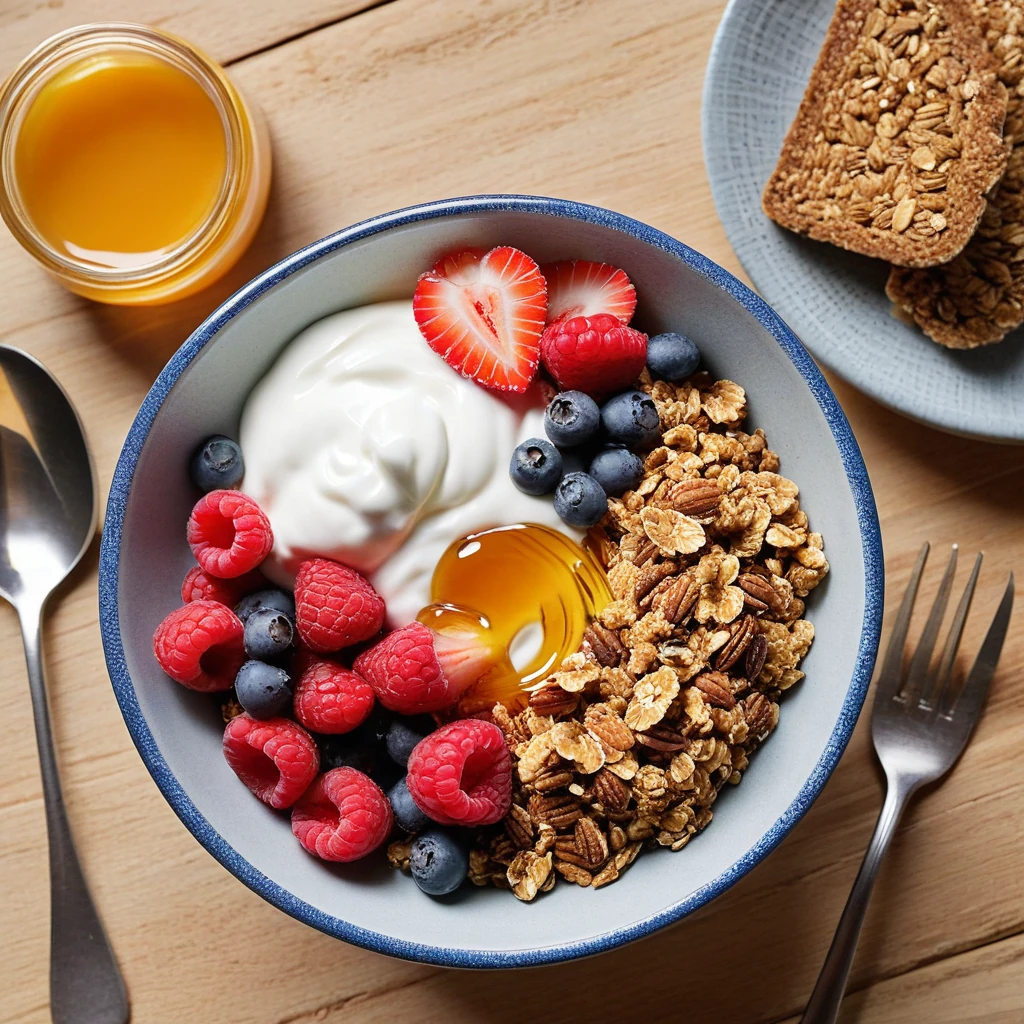
Greek Yogurt Parfait with Granola and Honey
Creamy Greek yogurt layered with homemade granola and fresh berries, drizzled with honey for a balanced and satisfying breakfast
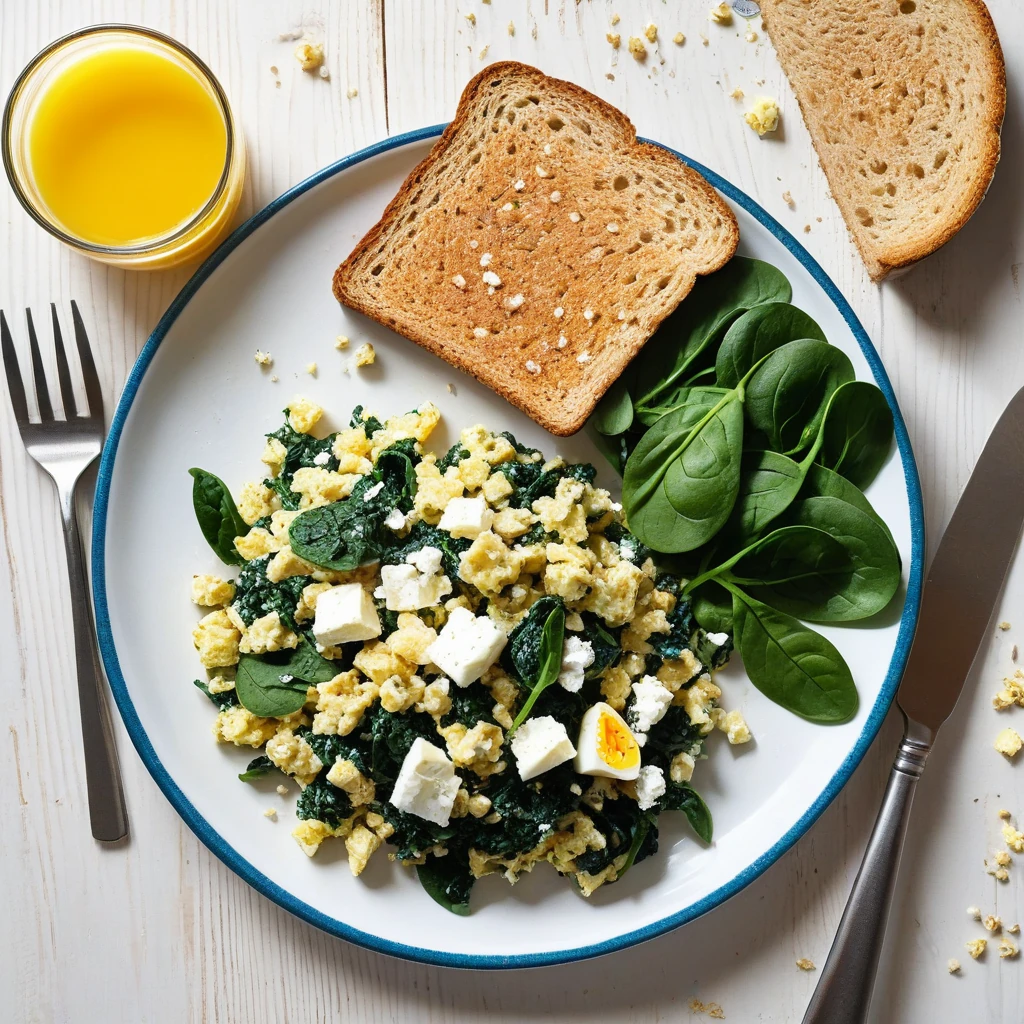
Spinach and Feta Egg Scramble with Whole Grain Toast
Fluffy scrambled eggs with fresh spinach and crumbled feta cheese, served with whole grain toast and a side of fresh berries
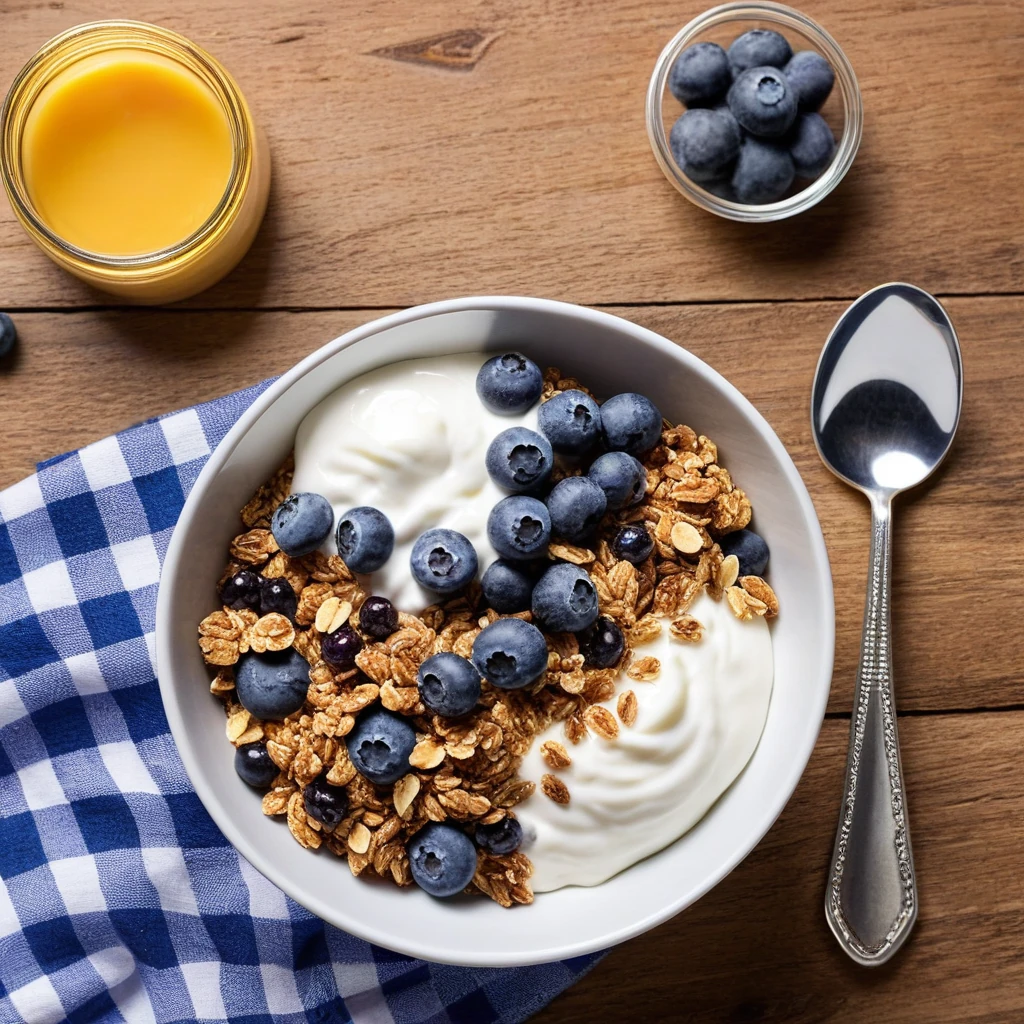
Greek Yogurt with Granola and Blueberries
Creamy Greek yogurt topped with crunchy granola and fresh blueberries