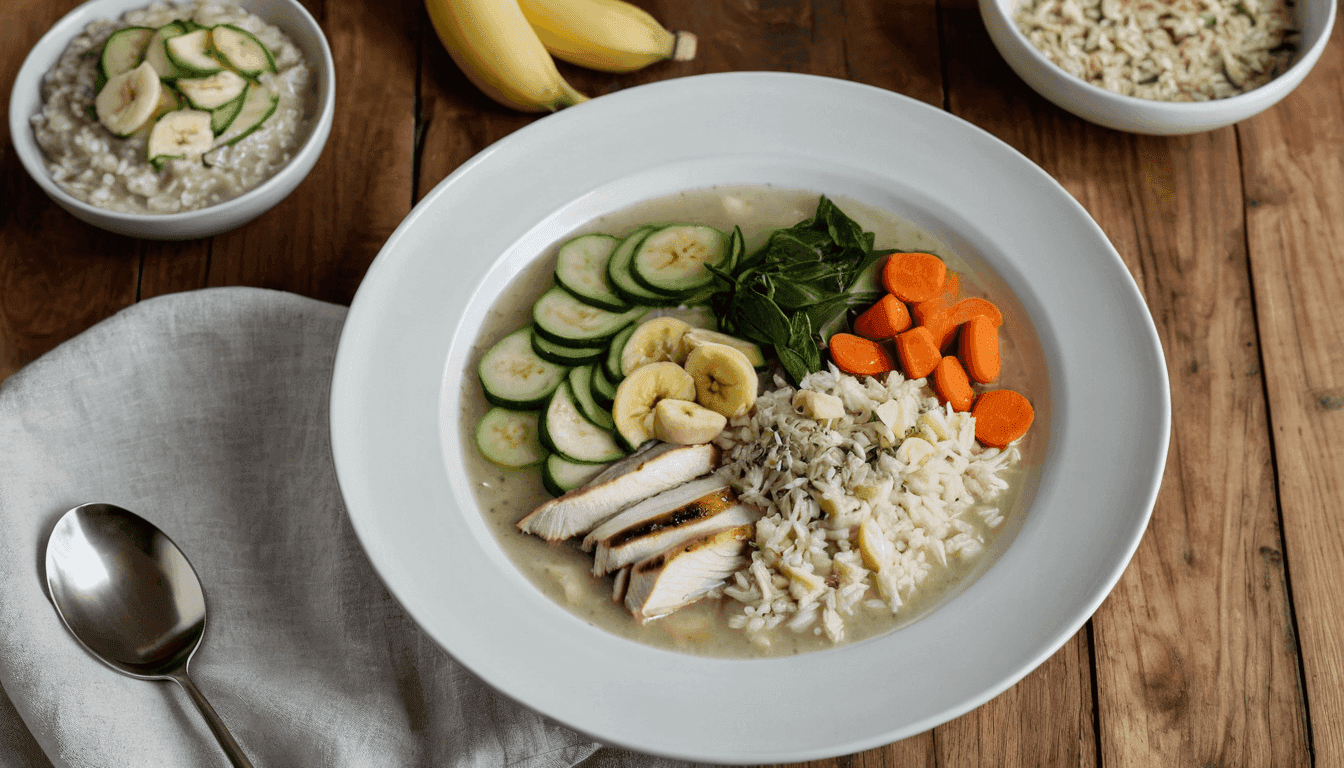
"Nightshades, dairy, gluten, legumes — I read about all of them, but I cannot run a clean elimination on my own."
AI meal planning · USDA-verified
Meal Planning for Autoimmune Conditions
Elimination-aware planning with USDA-backed nutrient profiling. AIP category exclusions by default, omega-3 prioritization, and a structured reintroduction phase.
MEDICAL
THE CHALLENGE
Identifying Triggers Is Hard Without a Structured Plan
Autoimmune flares can be tied to specific food categories — but figuring out which ones requires more rigor than guessing.
"My elimination phase becomes a list of restrictions instead of a real meal plan."
"I do not know which foods are highest in omega-3 EPA and DHA without a database."
"Reintroduction is the part I always skip, so I never learn what actually triggers me."
THE SOLUTION
AIP-Aware Plans Built From USDA Data
Meals are constructed from USDA FoodData Central with AIP category allowlists applied by default. The planner highlights anti-inflammatory foods, prioritizes omega-3 sources, and lets you stage a structured reintroduction phase one food at a time.
WHY IT WORKS
What the Plan Does for You
Specific, USDA-backed mechanisms instead of vague anti-inflammatory advice.
AIP category exclusions applied by default: gluten, dairy, eggs, legumes, nightshades, nuts, seeds, alcohol, refined sugar
Customizable exclusions if your clinician has identified additional triggers or removed restrictions
Omega-3 EPA and DHA tracking with foods sorted by anti-inflammatory potential
Micronutrient density priority for vitamin D, magnesium, zinc, and selenium — minerals frequently low in autoimmune populations
Structured reintroduction tracker that lets you add one food category at a time and log symptom response
Per-meal nutrient profile so you can confirm calorie and protein targets even with significant restrictions
Recipe substitutions that swap excluded ingredients for AIP-compatible alternatives
Plan exports for sharing with your rheumatologist, gastroenterologist, or registered dietitian
[pages.scenarios.autoimmune.benefits.item9]
HOW IT WORKS
How It Works
Our AI makes healthy eating simple with a personalized, science-backed approach
STEP 01
Profile and Exclusions
Set your starting exclusions (full AIP, modified, or your clinician's protocol) and any additional triggers you have identified.
STEP 02
Elimination Phase Plan
Generate weekly menus that strictly respect your exclusions while meeting calorie, protein, and micronutrient targets from USDA data.
STEP 03
Reintroduction Phase
Stage one food category at a time, with the planner adding it to a small number of meals while you log symptom response.
STEP 04
Personalize Long-Term
Lock in tolerated foods and exclude confirmed triggers, generating a sustainable long-term pattern that fits your real diagnosis.
REAL RESULTS
What People Following AIP Tell Us They Want
Common themes from early users exploring AI-assisted meal planning for autoimmune conditions. Not individual medical outcomes — always consult your healthcare team.
Running a clean elimination is the part I could never do consistently. Having a weekly plan that just respects the rules makes it possible.
Early user feedback
Person managing Hashimoto's thyroiditis
Goal: a clean elimination phase I can sustain
Reintroducing one food at a time, in specific meals, is what AIP guides describe but never make easy. Staging it inside a plan is what I needed.
User story
Person with rheumatoid arthritis on AIP
Goal: structured reintroduction tracking
Knowing which foods supply meaningful omega-3 versus which are just labelled anti-inflammatory makes the choices easier when I shop.
Community feedback
Person managing psoriatic arthritis
Goal: USDA-backed omega-3 visibility
Your transformation starts here
Build an AIP-Aware Plan
Generate an elimination-phase weekly plan with per-meal nutrient visibility — calibrated to your exclusions and your clinician's guidance.
No credit card requiredStart in under 3 minutes
BY THE NUMBERS
How Autoimmune-Aware Plans Are Built
Plans are constructed from USDA FoodData Central nutrition data and apply AIP category allowlists by default.
91,243
USDA Foods with Full Nutrient Profile
macro and micronutrient values pulled from FoodData Central
80+
Tracked Nutrients per Food
including omega-3 EPA, DHA, vitamin D, magnesium, zinc
26
USDA Food Categories Mapped
to AIP allowlists for elimination and reintroduction
Reintroduction-aware
Phase Tracking
stage one food category at a time with symptom logging

WHAT YOU GET
AIP-Aware Nutrition Technology
Built around per-food USDA values and AIP category mapping rather than generic anti-inflammatory heuristics.
AIP Category Exclusions
Default exclusions match standard AIP guidance: gluten, dairy, eggs, legumes, nightshades, nuts, seeds, refined sugar, alcohol
Omega-3 EPA and DHA Highlighting
Foods rich in long-chain omega-3 (such as salmon, sardines, mackerel) are prioritized, with USDA values per serving
Micronutrient Density Priority
Vitamin D, magnesium, zinc, and selenium tracked per meal — minerals where autoimmune populations frequently run low
Structured Reintroduction Tracker
Add one excluded food category at a time, in specific meals, and log symptom response to identify your individual triggers
WHO IT'S FOR
Who Can Benefit?
Our AI meal planning serves a diverse community of health-conscious individuals and professionals
Hashimoto's Thyroiditis
People with autoimmune hypothyroidism who want gluten-free and AIP-aware menus that respect typical thyroid-supportive nutrient priorities
Rheumatoid Arthritis
Adults with RA exploring elimination diets to identify dietary contributors to flares and to stack anti-inflammatory eating with their medical regimen
Lupus, Psoriasis, Mixed CTD
People with systemic autoimmune conditions seeking nutrient-dense plans that minimize common triggers without sacrificing protein or micronutrient adequacy
Crohn's, UC, Celiac
People with autoimmune gastrointestinal conditions where strict gluten avoidance and trigger identification are part of standard management
B2B
Clinicians and Dietitians
Healthcare professionals who want AIP-aware sample plans they can adapt for patients during elimination and reintroduction phases
AIP Curious
Individuals exploring whether dietary triggers contribute to their symptoms before committing to a long-term elimination protocol
FAQ
Frequently Asked Questions
What does the planner mean by AIP?
AIP stands for Autoimmune Protocol — a structured elimination diet originally developed as a more restrictive paleo variant for people with autoimmune conditions. The standard elimination phase removes gluten, dairy, eggs, legumes, nightshades (tomato, pepper, eggplant, potato), nuts, seeds, refined sugar, alcohol, and most processed foods. Reintroduction follows in a structured order, one food category at a time. The planner applies these exclusions by default and lets you customize them if your clinician has a different protocol.
How long should elimination last?
Most AIP guides recommend 30 to 90 days of strict elimination before beginning reintroduction. Shorter periods often do not produce a clear baseline; longer periods can become unnecessarily restrictive. Your clinician may set a different duration based on your specific diagnosis, lab markers, and symptom pattern. The planner does not enforce a specific duration — it generates compliant menus for as long as you stay in the elimination phase, then helps you stage reintroduction systematically.
Which foods are highest in anti-inflammatory omega-3?
Per USDA FoodData Central, the most concentrated sources of long-chain omega-3 (EPA + DHA) are oily fish. Atlantic salmon supplies roughly 2,000 mg of EPA + DHA per 100 g cooked, sardines roughly 1,400 mg per 100 g, mackerel roughly 2,500 mg per 100 g, and herring roughly 2,000 mg per 100 g. Plant sources such as flaxseed and chia provide ALA, which converts to EPA and DHA at a low rate (around 5 to 10 percent). The planner sorts protein options by EPA + DHA content so you can hit anti-inflammatory targets efficiently.
What about nightshades — are they really a problem?
Evidence on nightshades (tomato, pepper, eggplant, potato, paprika) and autoimmune disease is mixed. Some people with rheumatoid arthritis and other autoimmune conditions report symptom improvement when nightshades are removed, while controlled trials are limited. The pragmatic AIP approach is to exclude nightshades during the elimination phase, then reintroduce them as a single category and track symptom response. The planner respects this by excluding nightshades by default and treating them as a single reintroduction step.
How do I get enough protein with eggs and legumes excluded?
Protein adequacy on AIP relies on fish, poultry, red meat, organ meats, and shellfish. A 150 g cooked salmon fillet provides about 35 g of protein per USDA data, a 150 g chicken breast about 46 g, and 100 g of beef liver about 25 g with very high vitamin A, B12, and folate density. Three protein-forward meals per day typically reach 1.2 to 1.6 g per kg body weight, which is the protein target most clinicians use for healthy adults. The planner verifies your daily protein meets your target.
Can I follow this without a diagnosis?
AIP can be followed without a formal autoimmune diagnosis, but you should be cautious. Long-term restrictive eating without clinical oversight can mask nutrient deficiencies and create disordered patterns. If you do not have an autoimmune diagnosis, consider working with a registered dietitian or a physician familiar with elimination diets before committing to more than a short trial. The planner is a tool, not a substitute for clinical judgement on whether elimination is appropriate for you.
How do I log reintroduction outcomes?
When you advance to the reintroduction phase, you select one food category to test (such as eggs, then dairy, then legumes). The planner adds that category to two or three meals across a 3-day window and lets you log symptom response — joint pain, fatigue, digestive symptoms, skin changes, mood. After the window, you either accept the category as tolerated and add it to your long-term plan, or exclude it and move to the next category. This is the standard AIP reintroduction protocol applied inside a meal plan.
Does this replace my medication?
No. Diet is one input into autoimmune management, alongside medication, sleep, stress management, and exercise. The planner does not adjust any medical treatment and does not promise symptom resolution. Many people on AIP-style elimination diets continue immunomodulatory or biologic therapy throughout. Always consult your prescribing physician — rheumatologist, endocrinologist, gastroenterologist, or primary care — before changing how you eat, especially if you take corticosteroids, methotrexate, biologics, or other medications affected by nutritional status.
Explore Related Resources
Discover more tools and guides for your nutrition journey

Scientific sources
Authoritative references informing the recommendations on this page.
Efficacy of the Autoimmune Protocol Diet for Inflammatory Bowel Disease
Inflammatory Bowel Diseases · 2017
studyEfficacy of the Autoimmune Protocol Diet as Part of a Multi-disciplinary, Supported Lifestyle Intervention for Hashimoto's Thyroiditis
Cureus · 2019
studyMarine n-3 Polyunsaturated Fatty Acids and the Treatment of Rheumatoid Arthritis
Annals of the Rheumatic Diseases · 2013
studyVitamin D and Autoimmunity: New Aetiological and Therapeutic Considerations
Annals of the Rheumatic Diseases · 2007
reviewUSDA FoodData Central
U.S. Department of Agriculture, Agricultural Research Service · 2024
database