AI-Powered Carnivore Diet Meal Plans
Let our AI create personalized carnivore diet meal plans with diverse animal-based proteins, organ meats, and optimized nutrient profiles
Build your carnivore rotation in 60 seconds
Skip the same-ribeye-every-night trap. Our AI rotates ruminants, poultry, eggs, and seafood across 7 days, schedules organ meats (liver, heart) at evidence-based frequency for micronutrient coverage, and returns an aggregated bulk-buy shopping list grouped by store section.
Want plant variety alongside meat? See the keto meal plan guide
How Our AI Optimizes Your Carnivore Plan
Our nutrition-specialized AI understands the science behind the carnivore diet. It creates varied, nutrient-dense meal plans that rotate protein sources, include organ meats strategically, and ensure you get complete nutrition from animal foods. Plan for yourself or your household with multi-participant support.
Protein Source Rotation
AI intelligently rotates between ruminant meats, poultry, seafood, and eggs to prevent monotony and maximize nutrition
Organ Meat Strategy
Schedules liver, heart, and other organ meats at optimal frequency for complete micronutrient coverage without overdoing it
Fat-to-Protein Ratio Tracking
Ensures proper fat-to-protein ratios to avoid protein overconsumption and maintain energy on a zero-carb plan
Single Meal Regeneration
Swap out any individual meal or full day without disrupting your carefully balanced carnivore rotation
Why Choose AI for Carnivore?
Maximize variety and nutrient density on a meat-only, animal-based diet
Diverse protein rotation across beef, lamb, pork, poultry, and seafood
Strategic organ meat inclusion for complete micronutrient coverage
Simplified meal prep with focused ingredient lists
Multi-participant planning with individual carnivore preferences
Consolidated meat shopping list optimized for bulk buying
Sample Carnivore Diet Meals
AI-generated animal-based meals with optimal variety and nutrient density

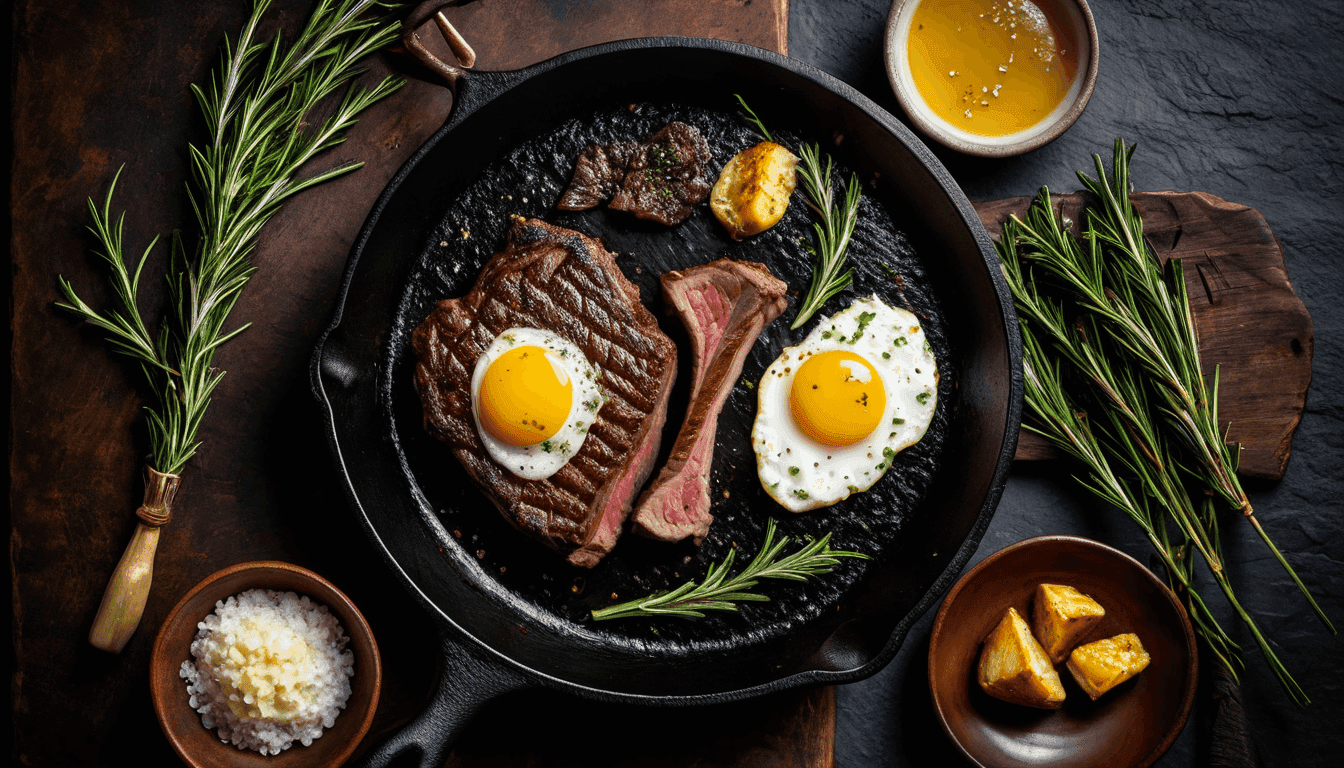
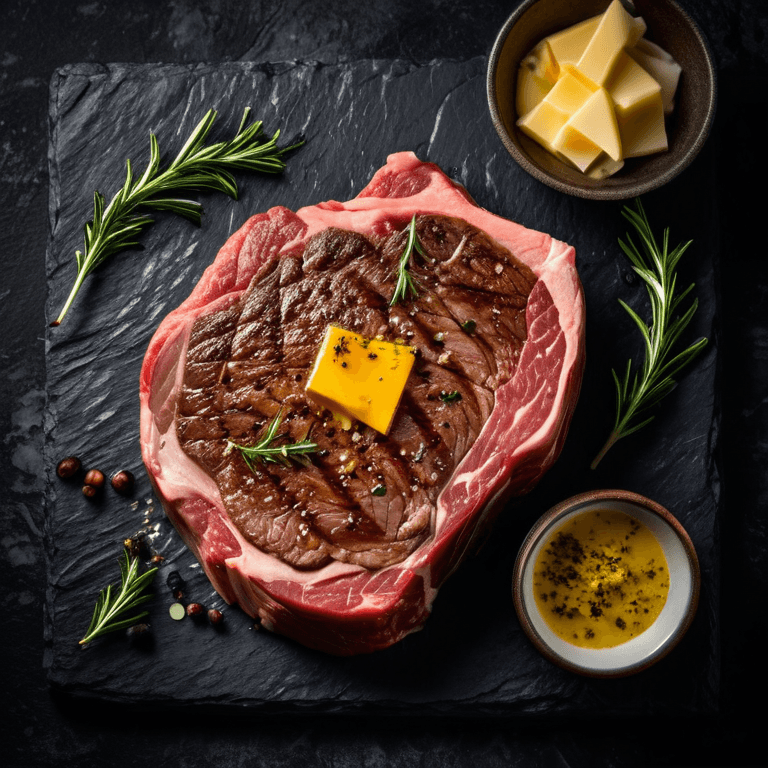
Ribeye Steak with Butter and Eggs
Grass-fed ribeye seared in butter, served with perfectly cooked eggs for a hearty carnivore breakfast
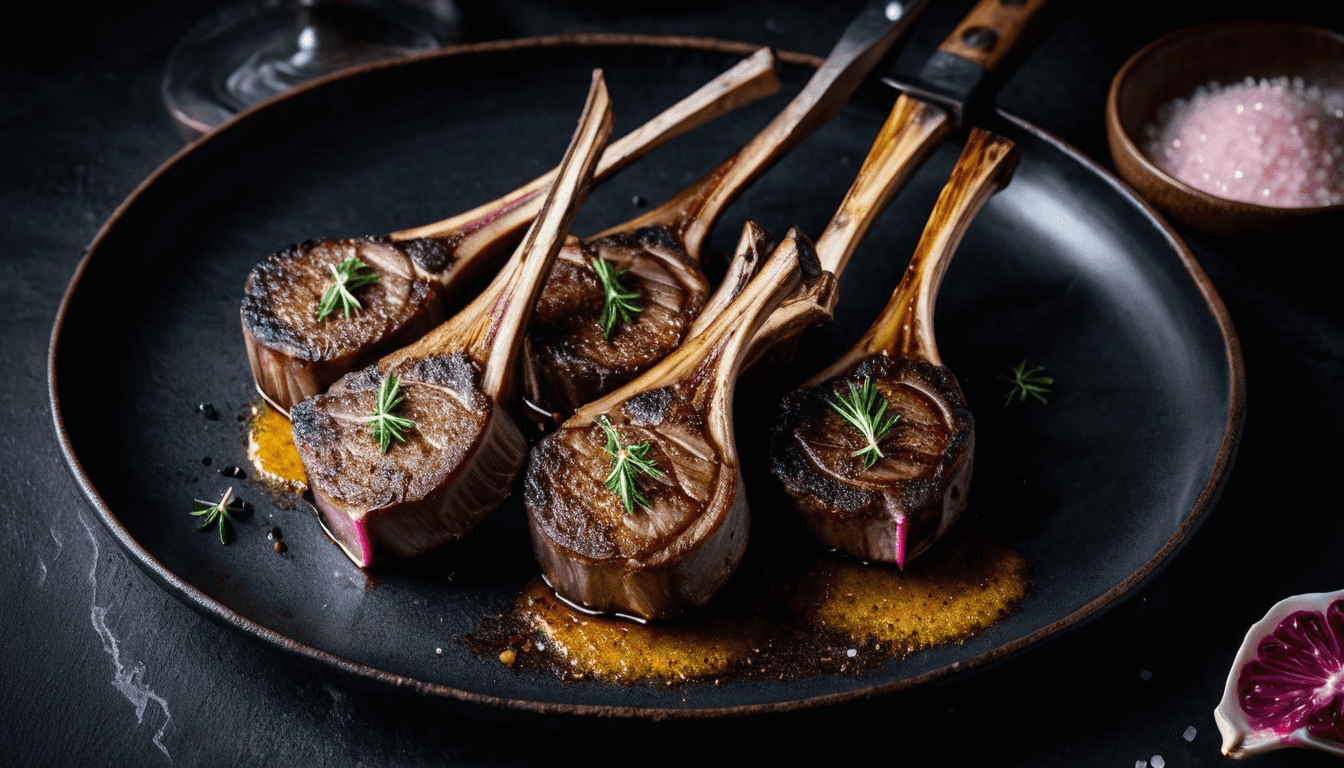
Lamb Chops with Bone Marrow
Tender lamb chops with roasted bone marrow for rich flavor and fat-soluble vitamins
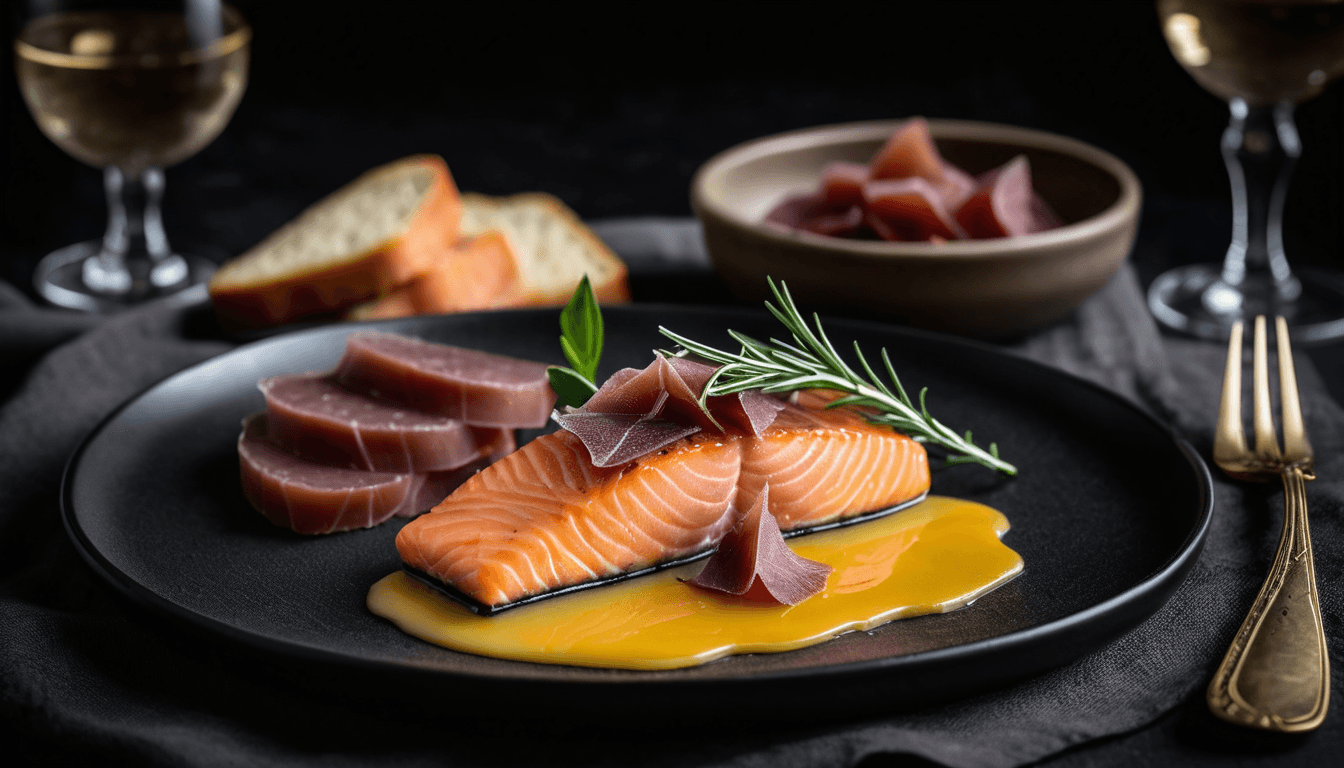
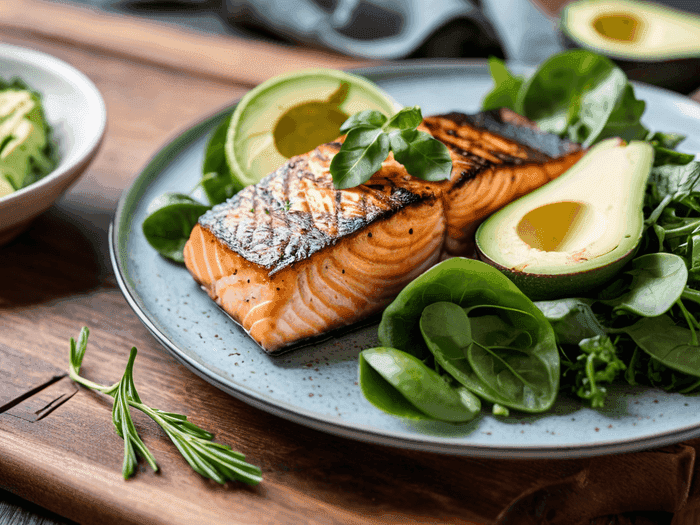
Wild Salmon with Beef Liver Pate
Omega-3 rich wild salmon paired with nutrient-dense homemade beef liver pate
Frequently Asked Questions
Can I do the carnivore diet while breastfeeding?
The carnivore diet is generally not recommended while breastfeeding without medical supervision. Although it provides complete protein and fat, the near-absence of carbohydrates can reduce milk supply in some women, and the lack of plant foods may limit certain micronutrients. If your physician approves it, include organ meats for folate and iron, bone-in canned sardines (380mg calcium per 100g per USDA), and eggs daily. Hydrate at 3.5 to 4 liters to maintain supply. Monitor baby's weight gain and your own energy weekly. Consult your physician before starting carnivore while breastfeeding, especially in the first 6 months when supply is most sensitive.
Is the carnivore diet safe during pregnancy?
The carnivore diet is generally not recommended during pregnancy without strict medical oversight. Fetal development requires folate (lentils deliver 181mcg per 100g cooked per USDA, which carnivore excludes), fiber for maternal constipation, and a range of phytonutrients. If a carnivore pattern is used, liver twice monthly, eggs daily, bone-in fish, and iodized salt are essential to cover folate, iodine, and calcium. Most OB-GYNs prefer a less restrictive pattern during pregnancy. Consult your physician before any restrictive eating plan during pregnancy, especially if you have had nutrient deficiencies or complications in previous pregnancies.
Can athletes perform on the carnivore diet?
Strength and power athletes often perform well on carnivore once adapted (2 to 6 weeks), because high-protein meat-based eating supports muscle mass. However, endurance athletes and those doing high-intensity glycolytic work usually see performance drop because they lack carbs for anaerobic output. Beef delivers 26g protein per 100g cooked per USDA, making protein targets easy. Fat intake needs to be high (60 to 70% of calories) to fuel training. Electrolytes are critical: 3,000 to 5,000mg sodium daily during hot training. Expect performance dips in week 1 to 3, then partial recovery. Mixed athletes often prefer carnivore-adjacent patterns that include fruit or honey around training.
How much does carnivore cost per week?
Carnivore runs more expensive than most diets because meat is the primary food. A budget carnivore week costs $80 to $100 for one person, while grass-fed versions run $120 to $180. Cut costs by using ground beef ($4 per lb, 26g protein per 100g cooked per USDA), chicken thighs ($2 per lb), eggs ($4 per dozen), canned sardines ($1.50 per tin), and occasional organ meats like liver ($2 per lb). Skip expensive cuts like ribeye until budget allows. Buying whole chickens, sides of beef from a local farmer, or sale-priced cuts saves 30 to 50%. Pair with a chest freezer to buy in bulk. Conventional meat still delivers nutrition benefits if grass-fed is not affordable.
How do I meal prep carnivore for one person?
Carnivore prep for one is simple because meals are 1 to 2 ingredients. Sunday: grill 4 to 6 servings of steak or chicken, hard-boil 6 eggs, bake 2 lb of ground beef into patties, and cook a batch of bone broth. Keep canned sardines, pre-cooked bacon, and hard cheese for emergencies. Meals can be as minimal as: breakfast 3 eggs plus bacon, lunch 200g ground beef, dinner 200g steak plus butter. Some add raw or cooked dairy (heavy cream, aged cheese) for variety. Freeze cooked meat in single-meal portions. Typical prep runs 60 to 90 minutes. Skip pre-cut produce since you will not eat it.
Can the carnivore diet help type 2 diabetes?
Carnivore can dramatically improve blood sugar in type 2 diabetes because it eliminates carbohydrates, the direct driver of glucose spikes. HbA1c often drops 1.0 to 1.5 points over 12 weeks in anecdotal reports, though controlled studies are limited. Fasting glucose typically normalizes in 2 to 4 weeks. If you take insulin or sulfonylureas, you must work with your physician before starting carnivore because blood sugar can drop rapidly in week 1 and medication doses will need reduction. Monitor glucose 4 times daily during the first 2 weeks. The diet is sustainable for diabetes management for some people, though others prefer the broader flexibility of a low-carb Mediterranean or standard keto approach.
Is the carnivore diet safe for kidney disease?
The carnivore diet is usually not appropriate for chronic kidney disease stage 3 or higher. The high protein load (often 2 to 3g per kg bodyweight) increases nitrogen waste, which damaged kidneys cannot clear efficiently. Phosphorus from meat is another concern. For stage 1 to 2 CKD, carnivore may still be problematic if protein exceeds 1.2g per kg bodyweight. Always consult your nephrologist before starting any high-protein diet with diagnosed kidney issues. A carnivore-adjacent pattern with controlled protein (eggs, fatty fish, occasional meat) plus low-potassium vegetables can sometimes work under dietitian guidance. Do not attempt carnivore on your own with kidney disease.
Does carnivore help autoimmune conditions?
Some people with autoimmune conditions (Hashimoto's, rheumatoid arthritis, psoriasis, IBD) report symptom improvements on carnivore, often within 4 to 12 weeks. The hypothesis is that eliminating all plant foods removes potential antigenic triggers. Evidence is largely anecdotal; controlled studies are minimal. Carnivore functions as an ultra-strict elimination protocol, which makes it useful as a short-term diagnostic tool to identify food sensitivities, with systematic reintroduction afterward. Do not stop prescribed medications. If symptoms do not improve within 8 weeks, carnivore is unlikely to help in your case. A less restrictive AIP (autoimmune protocol) is often a better first step.
Can carnivore cause constipation?
Most people experience changed bowel habits in the first 2 to 4 weeks on carnivore, but actual constipation is uncommon after adaptation because fiber is not strictly required when stool volume is small. If you do experience constipation: increase fat intake (butter, tallow), add magnesium citrate 200 to 400mg daily, drink more water (3 to 4 liters), add salt (3,000 to 5,000mg sodium), and ensure you are eating enough (many carnivores undereat early). Some add bone broth. If constipation persists beyond 4 weeks, consider that your gut microbiome may need time to adjust, or that carnivore may not be right for you. Blood in stool or severe pain warrants medical evaluation.
Can I batch cook carnivore for a family of four?
Carnivore family batch cooking is straightforward because there are few ingredients. Sunday: roast a large cut (pork shoulder, brisket, whole chicken) yielding 8 to 12 servings; cook 3 lb of ground beef into patties or a simple Bolognese-style meat sauce; hard-boil 12 eggs; bake 2 lb of bacon. Per USDA, 100g cooked ground beef delivers 26g protein, so 3 lb covers the family for 2 to 3 meals. Keep variety with different cuts, organ meats once weekly, fish twice weekly, and varied cooking methods (roast, grill, slow cook, ground). Weekly prep runs 90 minutes. Kids may resist carnivore; do not impose it on children without pediatric guidance.
How do I eat out on carnivore?
Carnivore eating out is easy in the right venues. Best options: steakhouses (ribeye, filet, sides of butter), seafood restaurants (grilled fish or shellfish, skip rice and sauces), brazilian rodizio buffets, burger places (skip the bun, double patty), and breakfast diners (steak and eggs, bacon and eggs). Avoid most fast-food burger chains since their meat often contains fillers and sauces contain sugar. Ask for no marinades, glazes, or breading. Plain salt, pepper, and butter are the safe condiments. Japanese BBQ and Korean BBQ work well if you specify no sauce. Skip sushi rolls; stick to sashimi. Ethnic restaurants with plant-heavy menus (Indian, Thai, Ethiopian) are harder.
How do I travel on the carnivore diet?
Travel on carnivore requires packing protein you can eat cold. Good options: beef jerky (check for sugar and soy-free brands), hard-boiled eggs, canned sardines or tuna in olive oil, pre-cooked bacon, hard cheese, and pepperoni sticks. Airports increasingly offer grilled chicken or plain beef sandwiches (remove the bun). At hotels, book a mini-fridge and visit a grocery store on arrival for rotisserie chicken, pre-cooked bacon, eggs, and hard cheese. On road trips, plan meal stops at steakhouses, diners, or BBQ restaurants. Skip most airline meals. For multi-day travel without kitchen access, expect to relax standards slightly or survive on beef jerky and canned fish.
Carnivore vs keto: which is better?
Carnivore is a stricter subset of keto. Keto allows non-starchy vegetables, nuts, seeds, berries, and cheese; carnivore removes all plant foods. Choose carnivore if you want maximum simplicity, have autoimmune conditions unresponsive to keto, or are doing a strict 30 to 90 day elimination trial. Choose keto if you want fiber, more food variety, social flexibility, and long-term sustainability. Keto produces similar blood sugar and weight outcomes for most people with far better adherence past 6 months. Many carnivore followers eventually transition to keto or a low-carb Mediterranean pattern once they identify which plant foods they tolerate.
Carnivore vs paleo: how do they differ?
Carnivore eliminates all plant foods; paleo includes vegetables, fruits, nuts, and seeds while excluding grains, legumes, and dairy. Choose carnivore if you suspect specific plant foods are triggering symptoms and want to test that theory with complete elimination. Choose paleo for better nutrient variety, long-term sustainability, and lower cost. Paleo provides fiber, polyphenols, and vitamin C (bell peppers deliver 128mg per 100g per USDA) that carnivore lacks. Most carnivore-adjacent eaters eventually transition to paleo after identifying their specific triggers. A 30 to 90 day carnivore trial followed by systematic reintroduction is a more practical use than indefinite carnivore.
When is carnivore NOT the right choice?
Carnivore is a poor fit for several groups. People with chronic kidney disease cannot safely handle the protein load. Those with a history of eating disorders often find the rigidity triggers restrictive patterns. Pregnant and breastfeeding women usually need more variety. Athletes doing heavy endurance or glycolytic training struggle on zero carbs. Tight budgets below $80 per week make carnivore hard to sustain. People who dislike meat or find the monotony hard to tolerate usually fail within weeks. Those on budgets or living with non-carnivore family members face extra friction. A low-carb paleo or standard keto approach works better in these cases.
Do I need supplements on carnivore?
Most carnivore eaters cover their nutrients from nose-to-tail eating (organs, bones, connective tissue), but a few gaps are common if you eat only muscle meat. Vitamin C is technically low but adequate for most people because there are no competing antioxidants demanding it. Magnesium is often low; 200 to 400mg glycinate daily helps. Electrolytes (sodium 3,000 to 5,000mg, plus potassium from meat) are critical. Some add a trace mineral supplement. Eat liver once or twice monthly for folate, copper, and vitamin A. Skip most carnivore-branded supplements, which are overpriced. Vitamin D (1,000 to 2,000 IU daily) is often low regardless of diet.
Will I get scurvy on carnivore?
Scurvy is unlikely on a properly executed carnivore diet despite the extremely low vitamin C intake. Historical evidence from Inuit populations and explorers living on meat-only diets (notably Vilhjalmur Stefansson's documented 12-month Bellevue Hospital study) showed no scurvy. The hypothesis is that vitamin C demand drops significantly without carbohydrates competing for glucose transporters, and fresh meat and organs provide small but adequate amounts. Fresh meat, especially organ meats, contains enough vitamin C to prevent deficiency. Scurvy risk increases only with cooked-and-frozen preserved meat over many months. Most healthy carnivore followers never develop any vitamin C deficiency markers.
Is carnivore sustainable long-term?
Carnivore has lower long-term adherence than almost any other diet. 1-year completion rates in surveys run 20 to 35%, significantly worse than keto, paleo, or Mediterranean. The drop-offs typically come from social friction, cost, boredom, and the psychological strain of ultra-restriction. Carnivore works best as a 30 to 90 day elimination trial followed by systematic reintroduction, rather than as a lifetime pattern. People who sustain carnivore 2+ years usually do so for specific autoimmune or psychiatric indications where the restriction is medically justified. For general health or weight loss, a less restrictive pattern (keto, paleo, Mediterranean) usually produces better long-term outcomes.
What happens when I reintroduce plant foods?
Reintroduction after 30 to 90 days of strict carnivore follows the same logic as Whole30. Add one plant food group at a time every 3 to 5 days: berries on day 31, leafy greens on day 34, other vegetables on day 37, nuts on day 40, fruit on day 43, dairy on day 46, and so on. Note symptoms over 48 hours: joint pain, digestion, skin, sleep, energy, mood, cravings. Keep a log. The goal is identifying which foods you tolerate well (likely most of them) and which cause problems. Most carnivore followers rebuild toward a relaxed paleo or animal-based pattern with 2 to 4 plant foods they tolerate best.
Explore Related Resources
Discover more tools and guides for your nutrition journey

Carnivore Diet Recipes
See all Carnivore Diet recipes →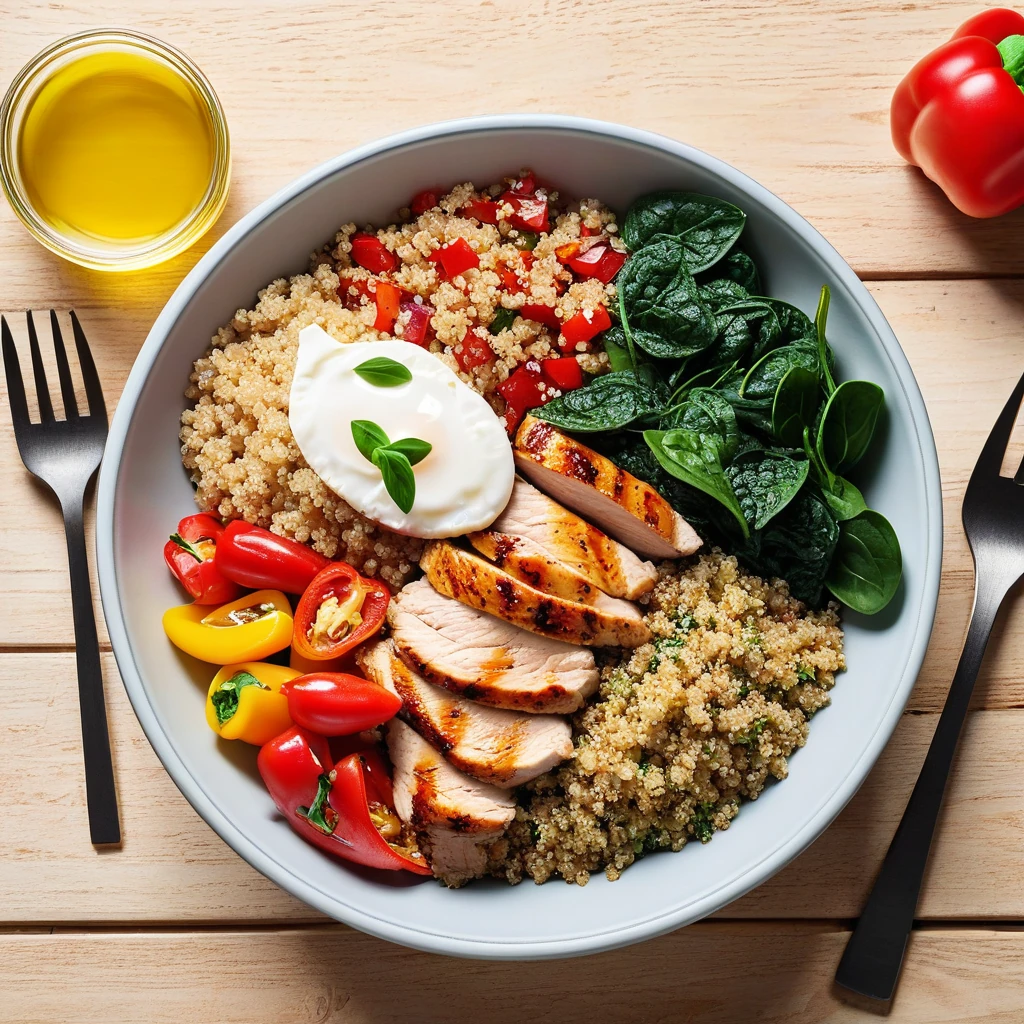
Protein-Packed Quinoa Bowl
A nutritious bowl filled with quinoa, grilled chicken, and fresh vegetables, perfect for a balanced breakfast.

Hard-Boiled Eggs with Cheddar Cheese and Almonds
Protein-rich snack with hard-boiled eggs, sharp cheddar cheese, and roasted almonds
Breakfast: Grilled Chicken and Vegetable Omelette
A high-protein breakfast featuring grilled chicken, eggs, broccoli, and bell pepper with a touch of olive oil.
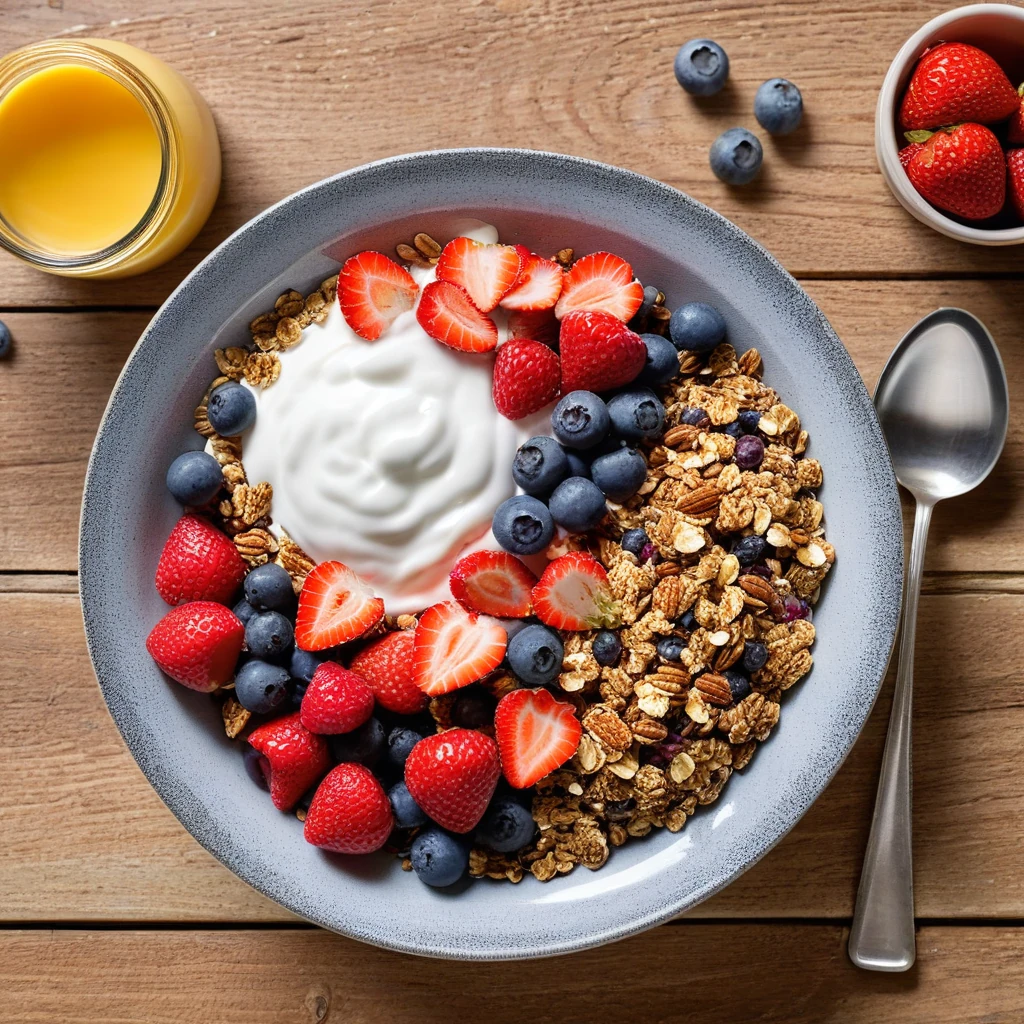
Greek Yogurt Parfait with Berries and Granola
A delicious and nutritious Greek yogurt parfait layered with fresh berries and crunchy granola, perfect for a satisfying snack.
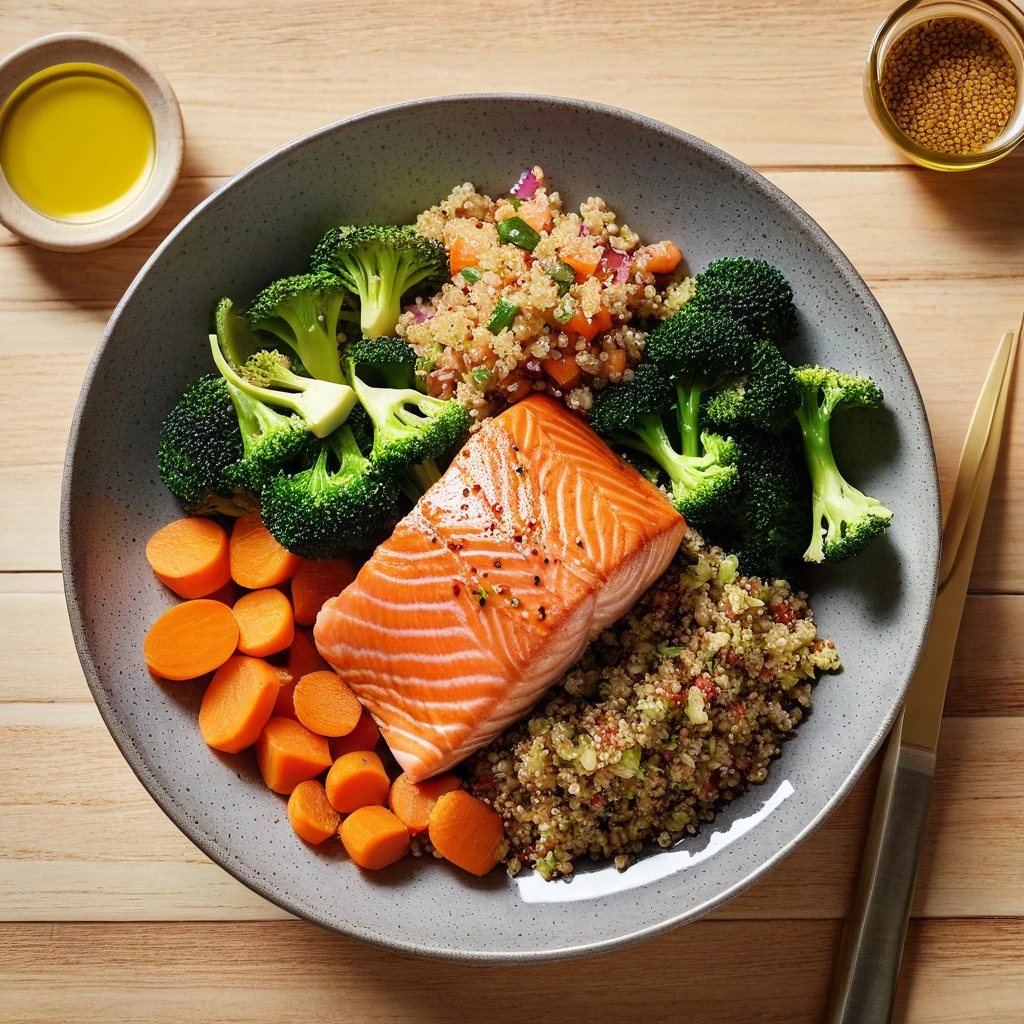
Sustainable Salmon Quinoa Bowl
A nutritious bowl filled with grilled sustainable salmon, quinoa, and a medley of colorful vegetables, drizzled with a lemon-tahini dressing, perfect for supporting your health goals.
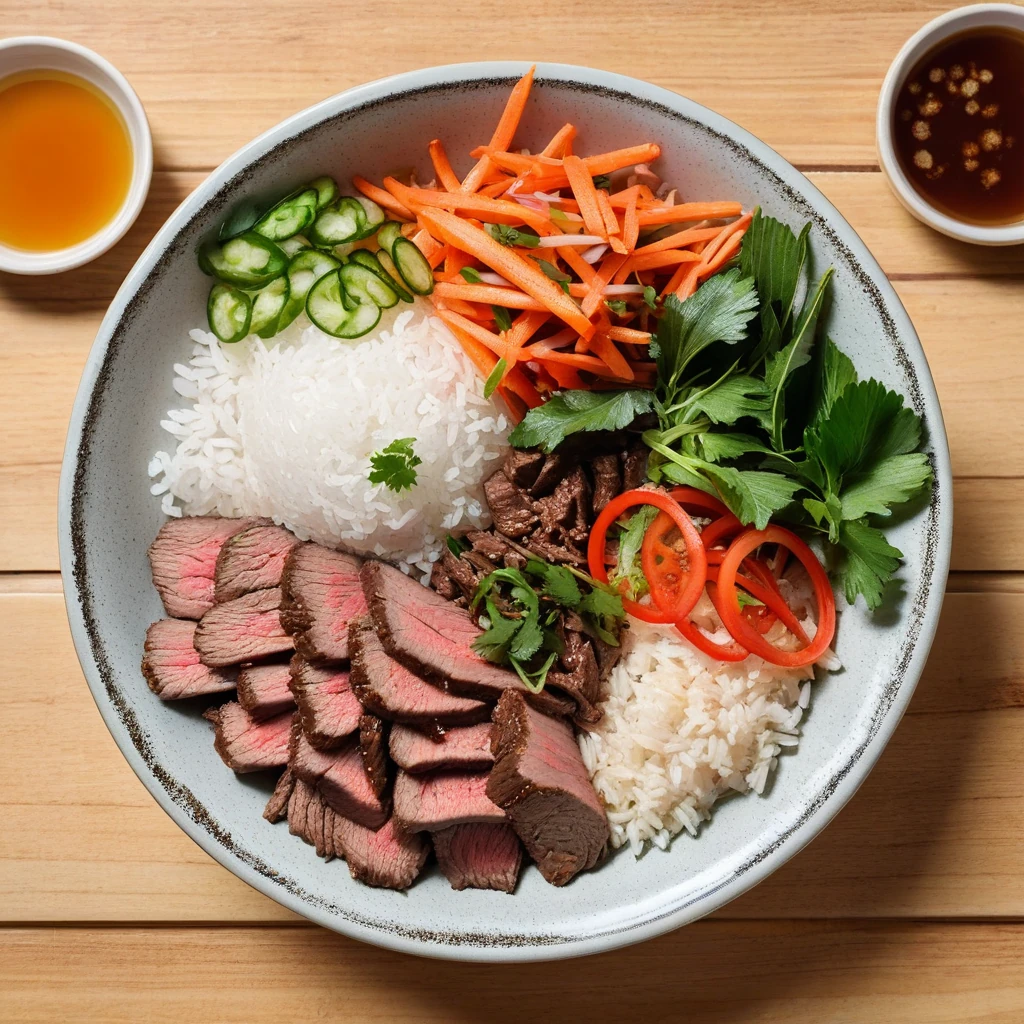
Vietnamese Beef Banh Mi Bowl
Marinated beef with pickled vegetables, cilantro, and crispy shallots over rice
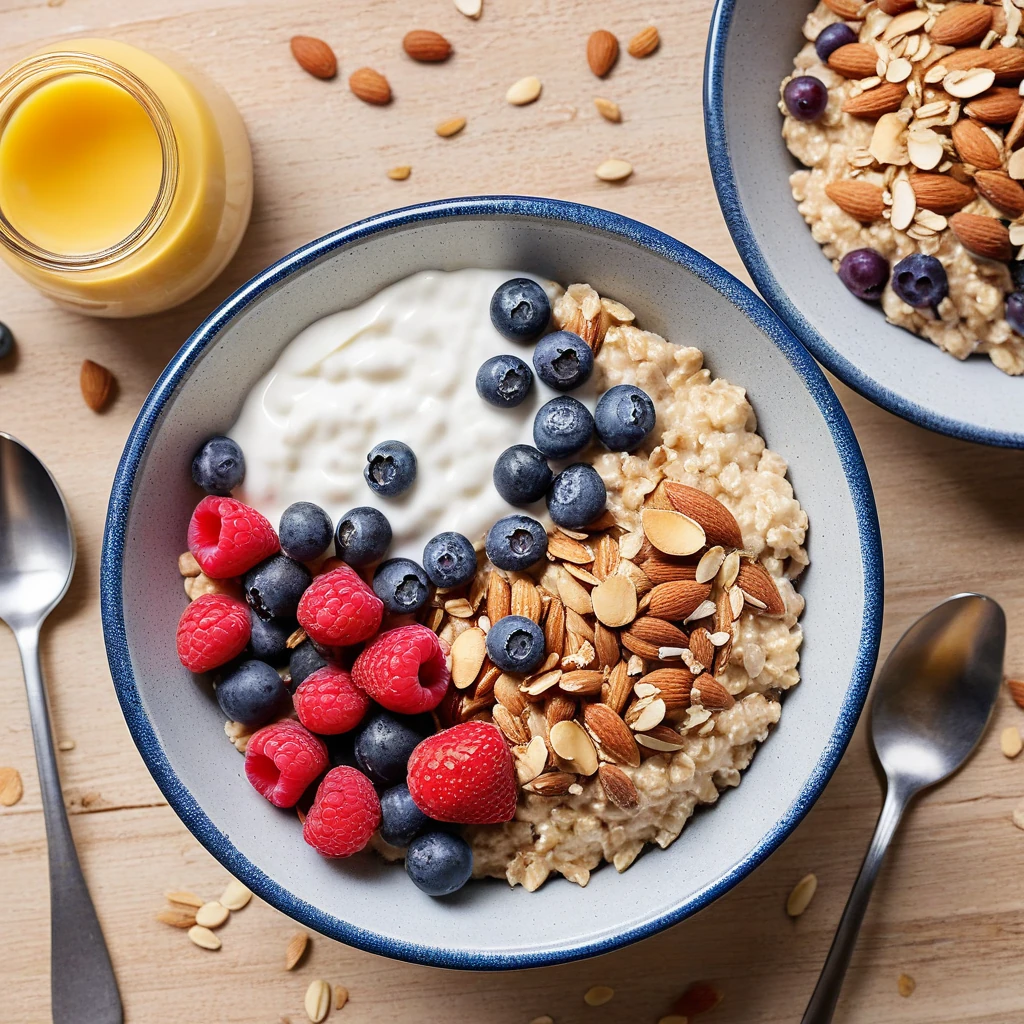
Oatmeal with Berries and Almonds
Creamy oatmeal topped with fresh berries, sliced almonds, and a drizzle of honey for a nutritious morning start
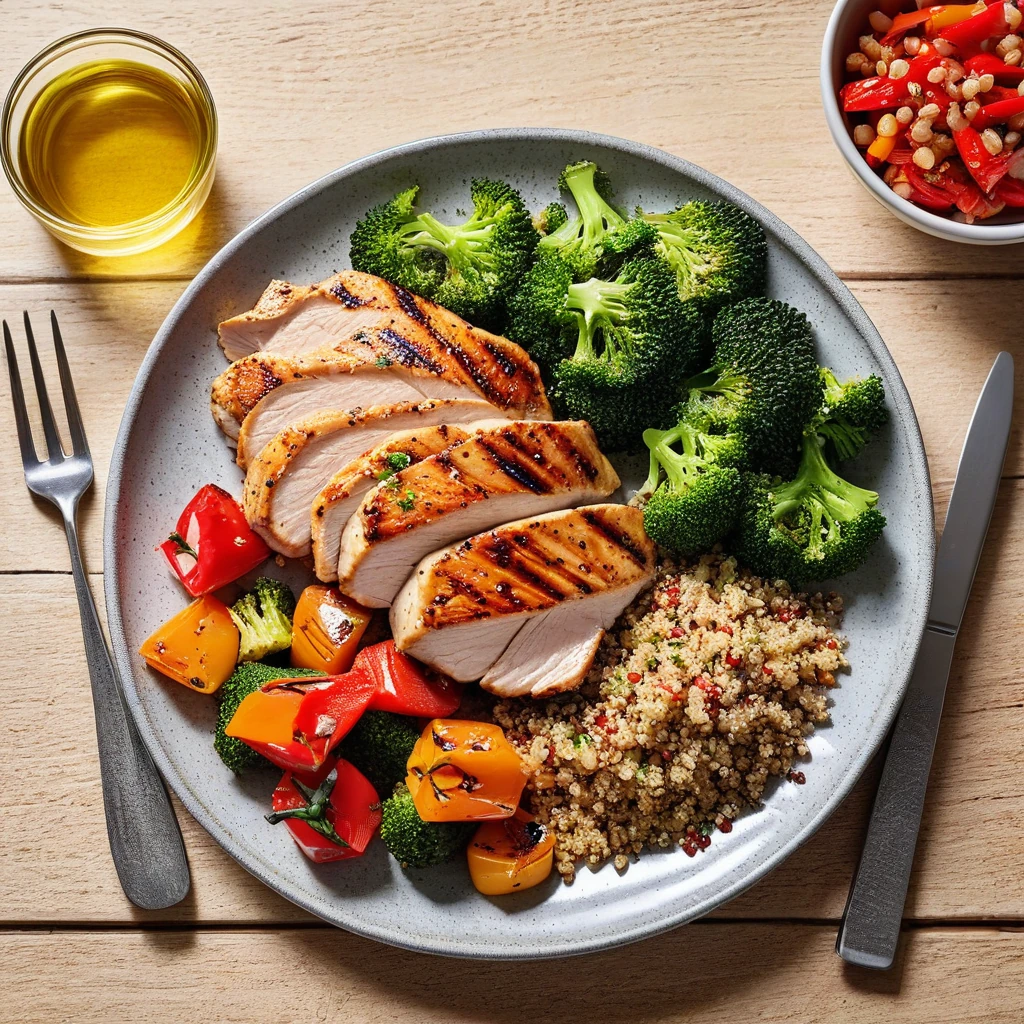
Grilled Chicken Breast with Quinoa and Vegetables
Lean grilled chicken breast served with fluffy quinoa, roasted broccoli, and bell peppers
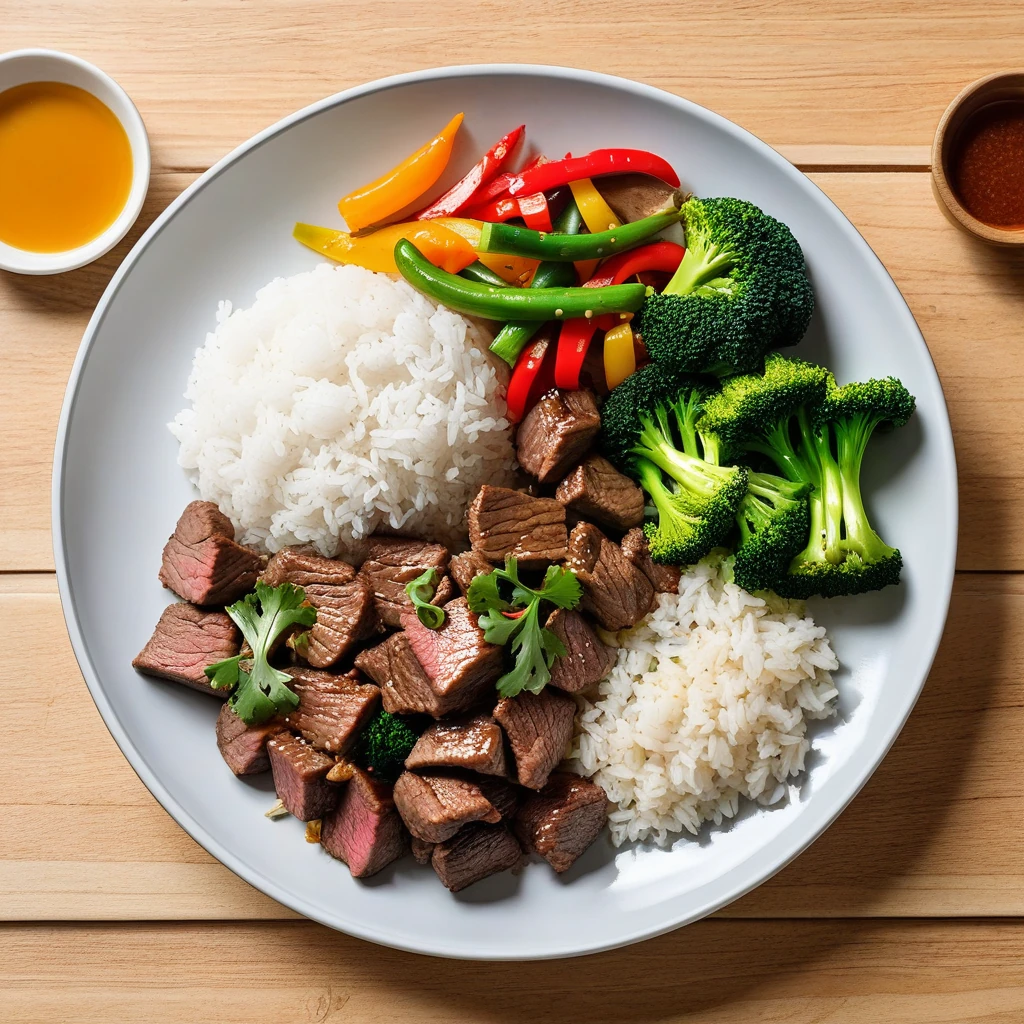
Beef and Vegetable Stir-Fry with Jasmine Rice
Tender lean beef strips stir-fried with colorful vegetables including bell peppers, broccoli, and snap peas, served over fluffy jasmine rice with a light ginger-soy sauce
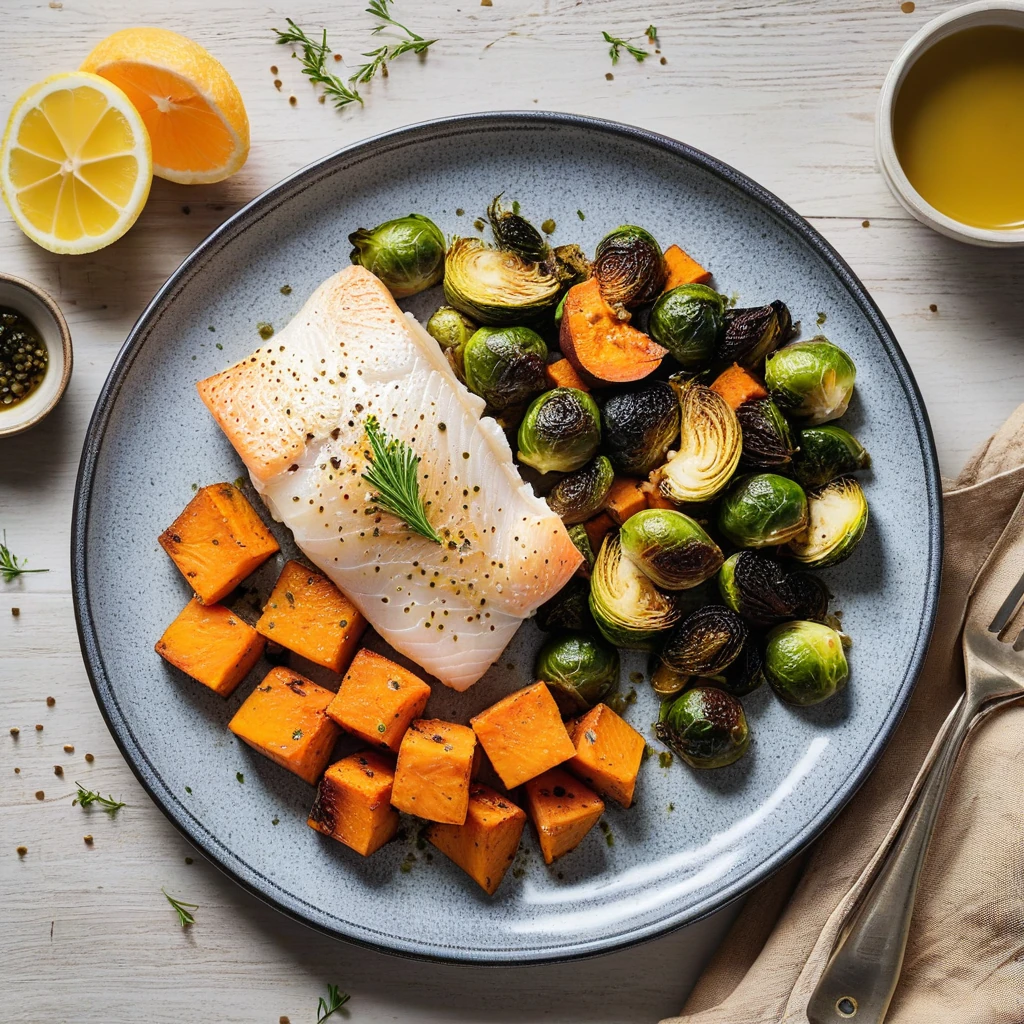
Baked Cod with Roasted Brussels Sprouts and Sweet Potato
Flaky white fish seasoned with herbs and lemon, paired with crispy roasted Brussels sprouts and creamy sweet potato for a light yet satisfying dinner

Veggie and Cheese Breakfast Frittata
Fluffy baked frittata with bell peppers, spinach, and cheddar cheese, served with whole grain toast

Protein Pancakes with Berries and Greek Yogurt
Fluffy protein-enriched pancakes topped with fresh berries, Greek yogurt, and a drizzle of honey