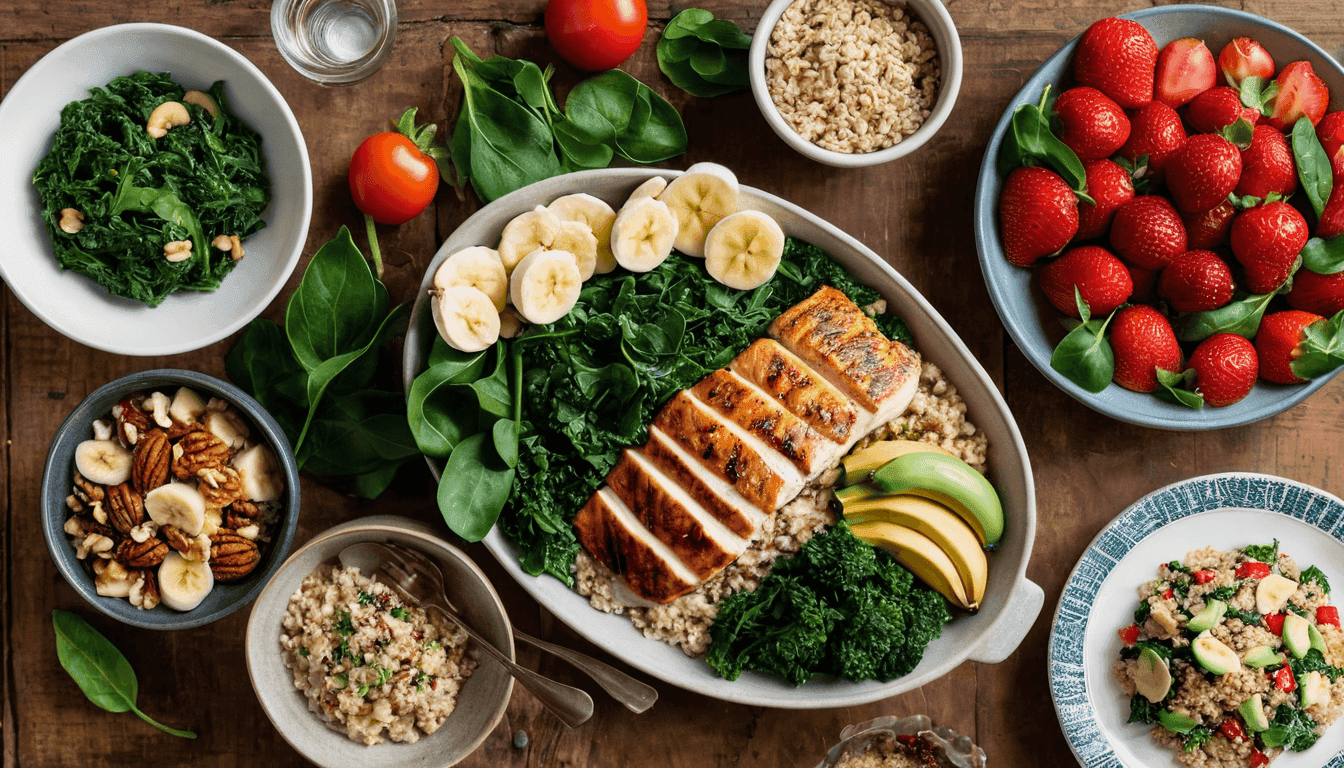
How Our AI Personalizes Your DASH Plan
Our nutrition-specialized AI understands the DASH dietary guidelines developed by the National Heart, Lung, and Blood Institute. It creates personalized DASH meal plans that control sodium, boost potassium, and emphasize whole grains, fruits, and lean proteins. Plan for yourself or your whole household with multi-participant support.
Sodium Intelligence
AI tracks sodium across every ingredient and meal to keep you within standard (2,300mg) or low (1,500mg) DASH targets
Mineral Balance Optimization
Automatically ensures adequate potassium, calcium, and magnesium through strategic food selection for blood pressure control
Multi-Participant Heart Health
Plan DASH meals for the whole family with SHARED or INDIVIDUAL dish modes and one unified shopping list
Granular Plan Adjustments
Regenerate a single meal, whole day, or entire plan without losing your carefully sodium-optimized schedule
Why Choose AI for the DASH Diet?
The #1 doctor-recommended diet for hypertension, personalized by AI
Clinically proven to lower blood pressure in as little as 2 weeks
Precise sodium tracking across all meals and participants
Balanced potassium, calcium, and magnesium for heart health
Multi-participant planning for couples and families
Unified shopping list with heart-healthy ingredient swaps
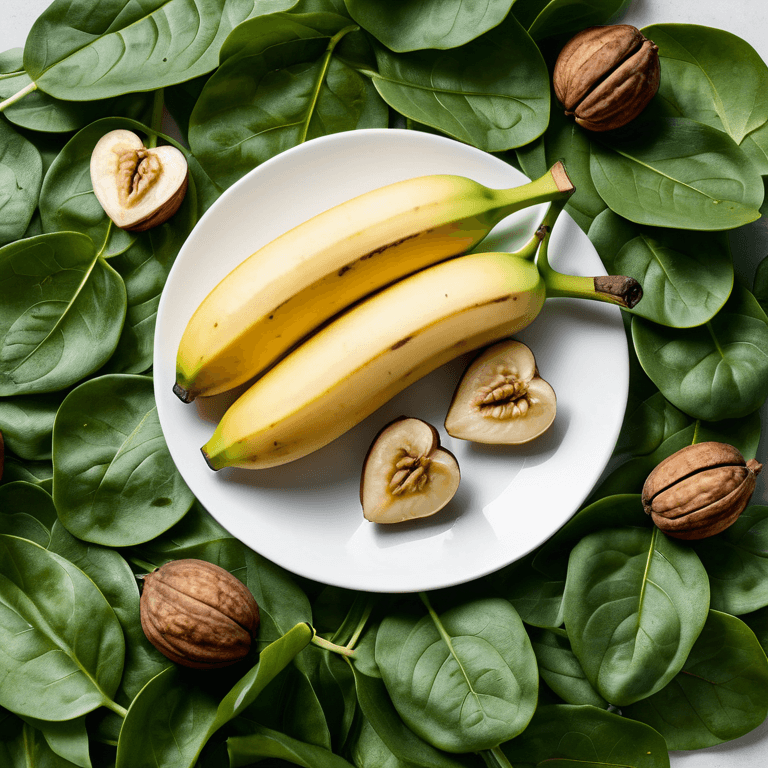
Sample DASH Diet Meals
AI-generated heart-healthy, sodium-controlled meal ideas
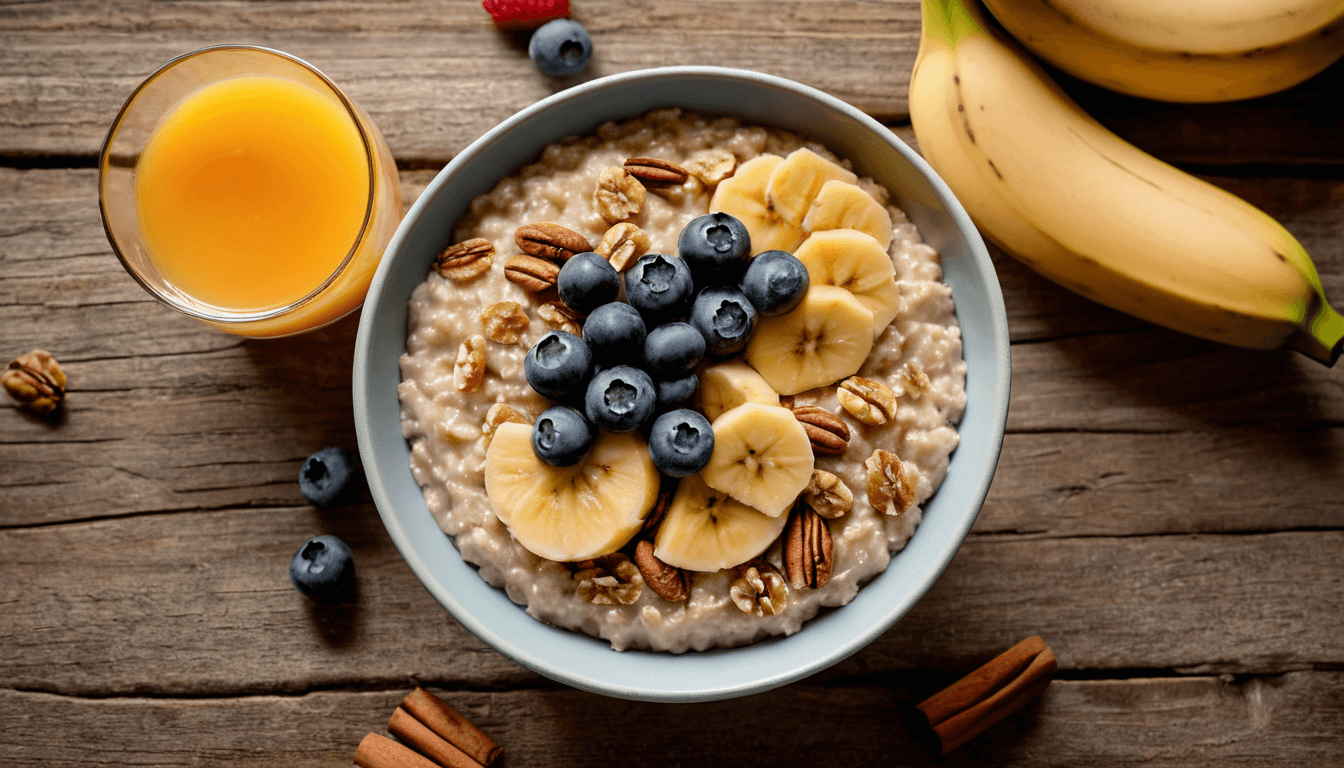
Oatmeal with Banana and Walnuts
Whole grain oatmeal topped with potassium-rich banana and heart-healthy walnuts
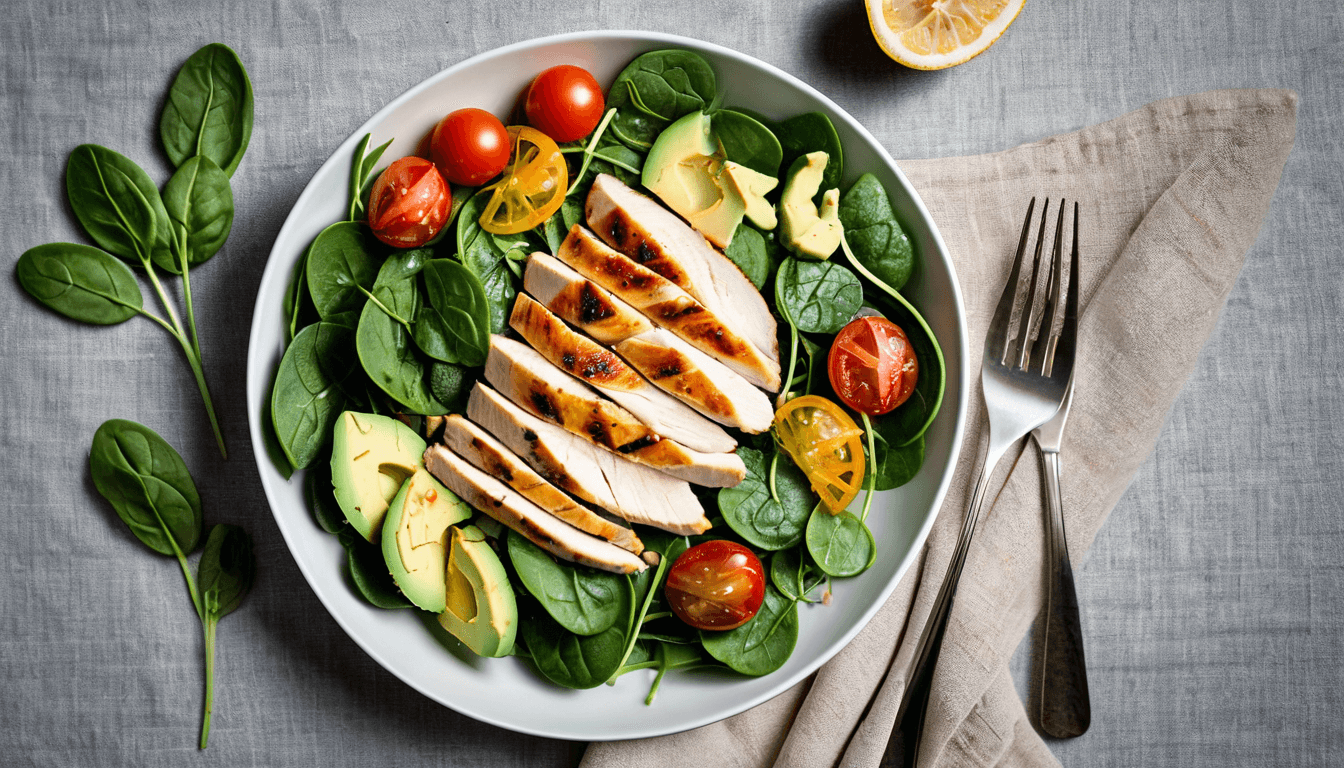
Grilled Chicken Salad with Avocado
Fresh salad with lean grilled chicken, avocado, and a lemon vinaigrette
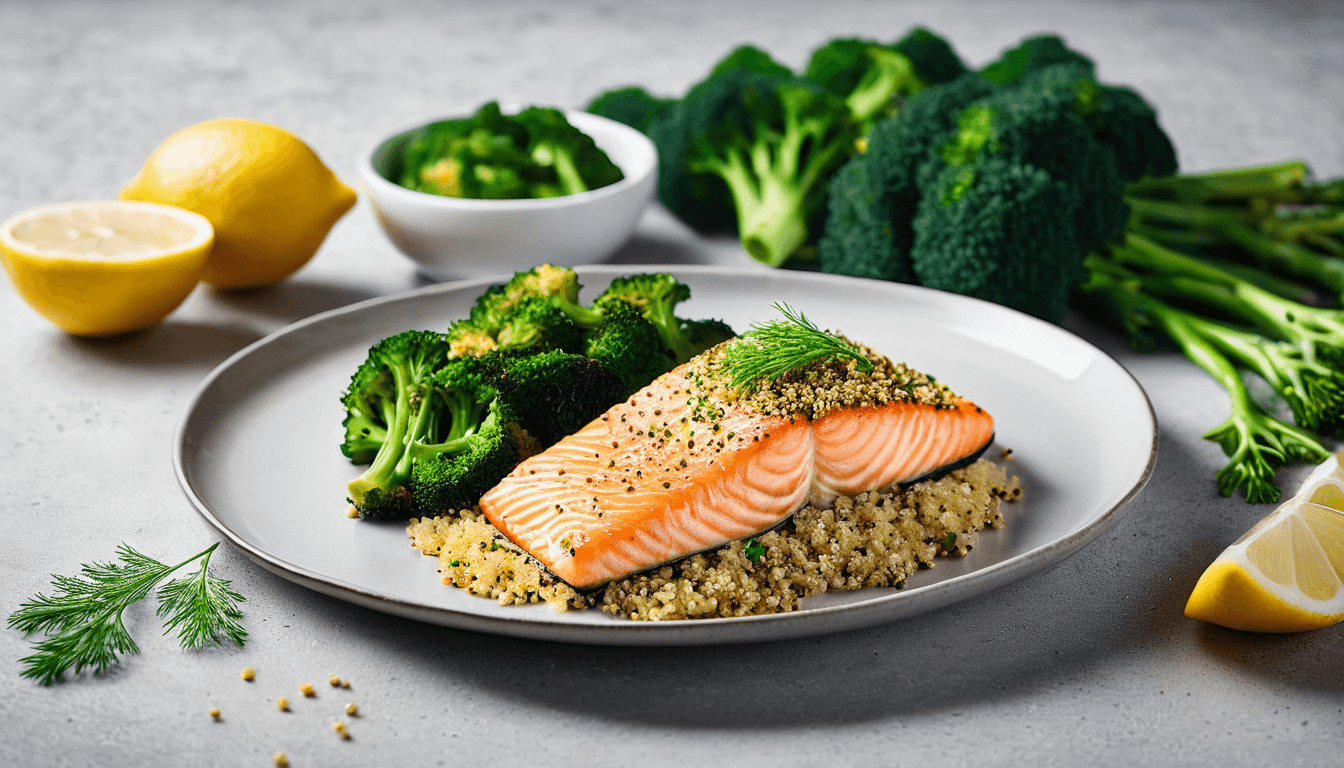
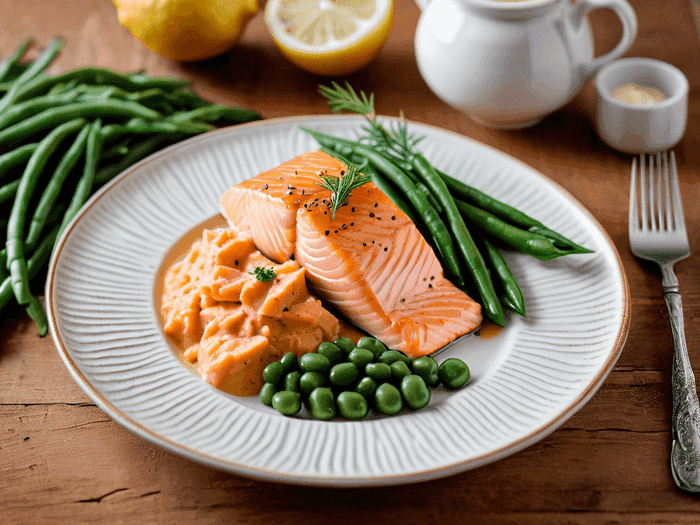
Baked Salmon with Quinoa and Steamed Broccoli
Omega-3 rich salmon with mineral-packed quinoa and potassium-loaded broccoli
Frequently Asked Questions
Is the DASH diet safe while pregnant?
DASH is generally well-suited to pregnancy because it emphasizes fruits, vegetables, lean protein, whole grains, and low-fat dairy, all of which support fetal development. It may reduce the risk of gestational hypertension and preeclampsia. Keep sodium at 2,300mg daily rather than the strict 1,500mg target unless your OB-GYN advises otherwise. Increase calories by 300 to 450 kcal in trimesters 2 and 3. Target 1,000mg calcium from dairy (plain yogurt delivers 110mg per 100g per USDA) and 27mg iron from lean meat plus legumes. Avoid high-mercury fish. Consult your physician before making major dietary changes during pregnancy.
Can I follow DASH while breastfeeding?
DASH supports breastfeeding well because it is nutrient-dense and flexible on calories. Add 450 to 500 kcal daily above your pre-pregnancy intake, prioritizing whole grains, lean protein, and healthy fats. Calcium demand is high; aim for 3 servings of dairy plus dark leafy greens. Potassium-rich foods like bananas (358mg per 100g per USDA) and sweet potato help if blood pressure was elevated in pregnancy. Hydration at 3 to 3.5 liters is critical for milk supply. Keep sodium at 2,300mg daily rather than the stricter 1,500mg cap unless a physician directs otherwise, since milk volume can drop with dehydration.
How do athletes use DASH for training?
DASH works well for endurance and general fitness athletes because it is naturally high in carbohydrates and potassium. Whole grains, fruit, and starchy vegetables supply 4 to 6g of carbs per kg bodyweight, enough for moderate training. Sodium is the key adjustment. Standard DASH targets 1,500 to 2,300mg sodium, but athletes training 60+ minutes in heat may need 3,000mg or more to replace sweat losses. Add electrolyte drinks during long sessions. Protein intake at 1.6 to 2g per kg bodyweight from chicken, fish, and low-fat dairy supports recovery. Strength athletes may need to bump protein further using eggs, turkey, or cottage cheese.
How do I do DASH on a $60 weekly grocery budget?
DASH fits a $60 budget well because its staples are cheap. Anchor on dried beans ($1.50 per lb), oats ($0.10 per serving), brown rice ($1 per lb), frozen vegetables ($1 per lb), bananas, apples, cabbage, and carrots. Protein rotates across eggs ($4 per dozen), chicken leg quarters ($1 per lb), canned tuna ($1 per can), and a block of low-fat cheese. A sample week: 2 dozen eggs, 3 lb chicken, 4 cans tuna, 2 lb dried beans, 1 kg rice, 5 lb mixed frozen vegetables, 3 lb potatoes, 2 lb apples, 1 gallon milk, and a head of cabbage. Season with garlic, pepper, and herbs instead of salt.
How do I meal prep DASH for one person?
DASH prep for one works well because grain-vegetable-protein bowls are the core. Sunday: cook a pot of brown rice (4 servings), roast two trays of mixed vegetables, grill 4 chicken breasts, hard-boil 4 eggs. Build lunches as grain bowls with 1/2 cup rice, 1 cup roasted vegetables, 3 oz protein, and a splash of olive oil and lemon. Keep plain Greek yogurt, fruit, and unsalted nuts on hand for breakfast and snacks. Use herbs, garlic, vinegar, and citrus instead of bottled sauces (most of which are high in sodium). Typical prep runs 90 minutes and covers 12 meals for the week.
Is DASH effective for type 2 diabetes?
DASH can help manage type 2 diabetes but was designed for blood pressure, not blood sugar. The emphasis on fruit and whole grains can push daily carbs above 200g, which some diabetics tolerate poorly. A modified DASH approach helps: keep the fruit, vegetables, low-fat dairy, and lean protein, but reduce grain portions to 4 to 6 servings instead of 7 to 8, and favor lower-glycemic grains like steel-cut oats and barley. Pair all carbs with protein and healthy fat. Expect HbA1c reductions of 0.3 to 0.5 points over 3 months. Adjust insulin or medications with your physician before starting.
Does DASH help with chronic kidney disease?
DASH is often not appropriate for stage 3+ CKD without modification. Standard DASH is high in potassium (4,700mg daily target) and phosphorus from dairy, whole grains, and nuts, both of which can accumulate dangerously when kidneys cannot clear them. However, a modified DASH adjusted by a renal dietitian (lower potassium, lower phosphorus, controlled protein) can still lower blood pressure and slow kidney decline. Do not attempt DASH on your own with CKD. Consult your nephrologist and a renal dietitian for individualized targets, especially if lab values show elevated potassium or phosphorus.
Is DASH good for IBS?
DASH is moderately IBS-friendly but requires adjustment. Common DASH staples like legumes, onions, garlic, apples, and wheat are high-FODMAP and trigger IBS symptoms in sensitive individuals. A low-FODMAP DASH version works: use garlic-infused olive oil, sourdough over standard whole wheat, canned lentils rinsed thoroughly, and bananas plus berries instead of apples and pears. Lactose-free dairy replaces regular milk. Cooked vegetables are often better tolerated than raw. Run a 4 to 6 week elimination phase under dietitian guidance, then reintroduce foods systematically. Symptoms that persist despite a clean diet should be evaluated for SIBO or other conditions.
Will DASH help my cholesterol?
Yes. DASH lowers LDL cholesterol by roughly 10 to 12% in clinical trials over 8 weeks. The mechanisms are soluble fiber from oats and legumes (oats deliver 10g fiber per 100g uncooked per USDA), replacement of saturated fat with unsaturated fat from nuts and seeds, and increased plant sterols from fruits and vegetables. Aim for 25 to 30g fiber daily. Nuts at 1/4 cup per day (almonds, walnuts) provide polyunsaturated and monounsaturated fats. Limit butter, processed meat, and full-fat dairy. Expect LDL improvement at 8 to 12 weeks with a repeat lipid panel. If you take statins, continue them unless your physician adjusts the prescription.
Can DASH help PCOS?
DASH may help PCOS because it is high in fiber, plant foods, and lean protein, all of which support insulin sensitivity. However, the grain-heavy nature of DASH can work against women with severe insulin resistance. A modified low-carb DASH (4 servings of grains instead of 7 to 8) often produces better results for PCOS. Emphasize non-starchy vegetables, berries, low-fat Greek yogurt (10g protein per 100g per USDA), lean fish, and legumes. Resistance training twice weekly amplifies insulin benefits. Expect menstrual regularity improvements within 3 to 6 months. Coordinate with your endocrinologist, especially if you take metformin or spironolactone.
Can I batch cook DASH for a family of four?
DASH family batch cooking centers on three weekly anchors: a large pot of vegetable-lentil soup (yields 8 servings), a grain salad using quinoa or farro (yields 6 servings), and a traybake of chicken with vegetables and potatoes (yields 6 servings). Sunday prep: cook 1kg brown rice, roast two sheet pans of vegetables, grill 2 lbs of chicken breast. Per USDA, 100g cooked chicken breast delivers 31g protein, so 1 lb covers protein for all four adults at dinner. Keep unsalted nuts, fresh fruit, and plain yogurt for snacks. Label containers with dates. Prep takes about 2 hours weekly.
How do I eat DASH at restaurants?
DASH at restaurants focuses on lowering sodium. Ask for entrees without added salt, sauces and dressings on the side, and substitute vegetables for fries. Grilled or roasted proteins beat breaded or fried. Avoid soy sauce, teriyaki, and most Asian sauces (often 1,000+mg sodium per serving). Good options: grilled salmon with steamed vegetables, roast chicken with salad, Mexican fajitas (skip chips and cheese), or Mediterranean grilled fish with lemon. Be cautious with pizza, deli sandwiches, Chinese food, and canned soups at chains, all of which can exceed a full day of sodium in one meal. Restaurant meals typically add 1,500 to 3,000mg of sodium even at healthy places.
What are good DASH-friendly freezer meals?
Freezer-friendly DASH options include vegetable and bean chili seasoned with garlic and chili powder (3 months); turkey meatballs with tomato sauce (3 months); chicken and vegetable soup (3 months); lentil and vegetable curry using fresh spices (3 months); individual portions of baked salmon or white fish (1 month); and cooked brown rice or quinoa in single-cup portions (2 months). Avoid freezing raw salad greens, mashed potatoes, or cream-based soups. Use low-sodium canned tomatoes and broth. Freeze portions in glass containers for best taste. Thaw overnight in the refrigerator before reheating.
How does DASH compare to the Mediterranean diet?
DASH and Mediterranean overlap heavily on fruits, vegetables, whole grains, and lean protein but differ in focus. DASH was designed for blood pressure and emphasizes sodium limits, potassium and calcium targets, and low-fat dairy. Mediterranean emphasizes olive oil, nuts, and fatty fish and is less focused on sodium. For hypertension, DASH is the clear winner. For general heart health, longevity, and cognitive protection, Mediterranean has more evidence. Many people combine both: Mediterranean principles plus DASH sodium discipline. Both have high long-term adherence and similar weight-loss outcomes. If cost is a concern, DASH is cheaper because of lower reliance on olive oil and fish.
How does DASH compare to low-sodium diets?
DASH is a specific eating pattern while low-sodium is just a sodium cap. A low-sodium diet alone (under 2,300mg daily) lowers blood pressure modestly. DASH lowers blood pressure more because it combines sodium restriction with high potassium, magnesium, and calcium intake plus reduced saturated fat. Clinical trials show DASH with 1,500mg sodium drops systolic blood pressure 8 to 14 mmHg in hypertensive patients, roughly double what sodium restriction alone achieves. If you can only do one, pick DASH. If you already follow DASH and need more benefit, tighten sodium to 1,500mg.
When is DASH NOT the right choice?
DASH is not ideal for people who need very low-carb approaches for severe insulin resistance or refractory epilepsy, those with stage 3+ CKD without dietitian supervision (potassium and phosphorus load), people with severe lactose intolerance who cannot substitute dairy, or athletes with extreme sodium needs in heat. It is also not necessary if you have optimal blood pressure and no cardiovascular risk factors. If you dislike fruit, low-fat dairy, or cooking, adherence tends to collapse. A Mediterranean pattern may be a better fit in that case.
Is dairy really necessary on DASH?
Dairy is a DASH pillar because it delivers calcium, potassium, and magnesium in a convenient package. Three servings daily are recommended. You can still do DASH without dairy by replacing those nutrients: calcium from sardines with bones (380mg per 100g per USDA), fortified plant milks, and leafy greens; potassium from bananas, sweet potato, and beans; magnesium from almonds and pumpkin seeds. Non-dairy DASH requires more planning but produces similar blood pressure outcomes. Lactose-intolerant eaters often tolerate Greek yogurt and hard cheeses fine because fermentation reduces lactose.
Do I need supplements on DASH?
Most DASH eaters cover their nutrients from food, but a few gaps are worth watching. Vitamin D is frequently low; 1,000 to 2,000 IU daily works for most adults. Vitamin B12 becomes relevant if you cut red meat significantly. Omega-3 (EPA/DHA 1g daily) is useful if you eat fish less than twice weekly. A magnesium supplement is generally unnecessary on DASH because the diet is naturally magnesium-rich. If blood pressure is the target, potassium supplements should only be taken under medical supervision since overdosing is dangerous in people with kidney issues or on ACE inhibitors.
Is DASH sustainable long-term?
DASH has among the highest long-term adherence rates in clinical studies, often exceeding 60% at 2 years. The flexibility, absence of off-limits foods, and focus on adding nutrients rather than cutting them make it easier to maintain than restrictive diets. The main sustainability challenges are sodium vigilance at restaurants and the cooking time required, since most DASH meals are home-cooked. People who establish a weekly shopping and prep routine tend to stay on DASH for years. Blood pressure improvements typically appear within 2 weeks and stabilize by 8 to 12 weeks, creating strong positive reinforcement.
Does DASH really lower blood pressure?
Yes, with strong clinical evidence. The original DASH trial showed systolic blood pressure drops of 5 to 11 mmHg in 8 weeks without sodium restriction. Adding sodium restriction to 1,500mg daily added another 3 mmHg reduction. The effect rivals some blood pressure medications and often allows dose reduction in coordination with a physician. The key drivers are potassium (4,700mg daily target), magnesium, calcium, and reduced saturated fat. Changes appear within 2 weeks and peak around 8 weeks. Do not stop blood pressure medications based on DASH alone; coordinate with your physician using at-home readings over 2 to 4 weeks before any dose changes.
Explore Related Resources
Discover more tools and guides for your nutrition journey
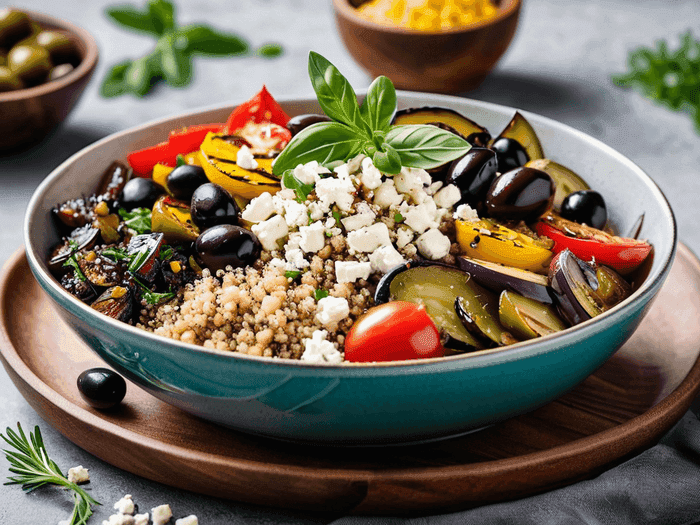
Mediterranean Diet
Similar heart-healthy principles
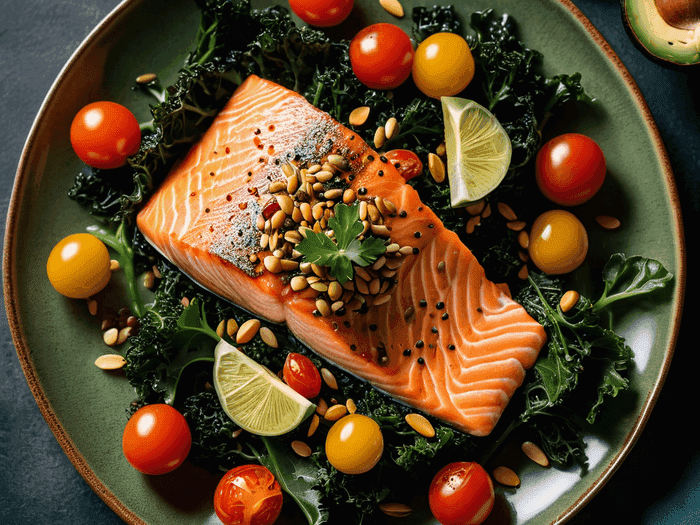
Anti-Inflammatory Diet
Further reduce chronic inflammation
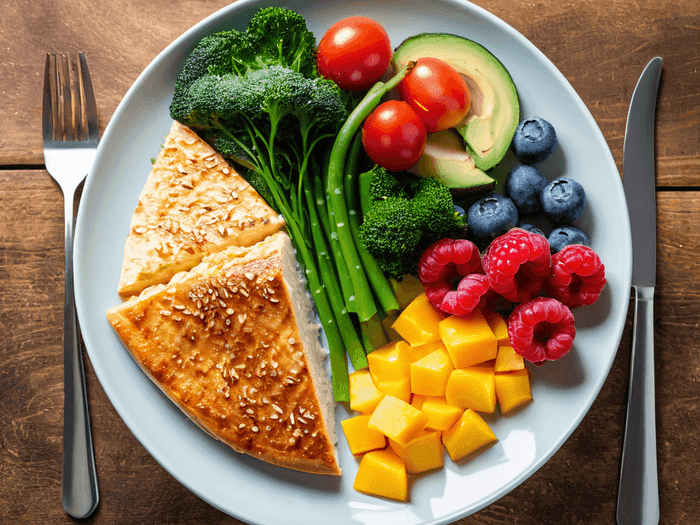
Diabetes Management
DASH principles for blood sugar control
Seniors
Heart-healthy eating for older adults
BMI Calculator
Track your body mass index
Sample 3-day DASH meal plan
Real foods, USDA-verified macros. No registration required.
Day 1
Day total: 2280 kcalScrambled cheese with coffee and potato chips breakfast
- Cheese, swiss50 g
- Coffee, instant39 g
- Potato chips, unsalted60 g
- Chia seeds10 g
Scrambled cheese with coffee and cereals ready-to-eat lunch bowl
- Cheese, Swiss50 g
- Cereals ready-to-eat, wheat germ20 g
- Vegetable tempura60 g
- Crackers, matzo, whole-wheat21 g
- Coffee, instant70 g
Roasted pork with wheat germ and carrots dinner plate
Creamy cereals ready-to-eat with potatoes snack
Day 2
Day total: 2725 kcalScrambled cheese with game meat and cereal or granola bar with nuts breakfast
- Game meat, opossum, roasted40 g
- Cereal or granola bar with nuts, chocolate coated25 g
- Seeds, sesame seeds, whole, roasted and toasted5 g
- Cereal or granola bar, with coconut25 g
- Cheese, parmesan75 g
Scrambled cheese with cereal or granola bar and banana chips lunch bowl
Scrambled cheese with cereal or granola bar (kind fruit and nut bar) and cereal or granola bar dinner plate
- Cheese, low-sodium50 g
- Cereal or granola bar (KIND Fruit and Nut Bar)50 g
- Coconut, fresh50 g
- Cereal or granola bar, fruit and nut50 g
Steamed crackers with lime souffle snack
- Lime souffle50 g
- Crackers, wheat50 g
Day 3
Day total: 2971 kcalScrambled cheese with tortilla chips and potato chips breakfast
Scrambled cheese with cereal and crackers lunch bowl
Scrambled cheese with turkey and potatoes dinner plate
- Turkey, young hen, roasted40 g
- Potatoes, hash brown30 g
- Vegetable tempura30 g
- Coconut cream, canned25 g
- Cheese, parmesan75 g
Grilled chicken with potatoes snack
Shopping list for 3 days
Baked Products
Breakfast Cereals
Cereal Grains and Pasta
- Wheat germ72 g
- Cereal or granola bar, coated with non-chocolate coating50 g
- Cereal or granola bar (KIND Fruit and Nut Bar)50 g
- Cereal or granola bar, fruit and nut50 g
- Crackers, wheat50 g
- Tortilla chips, reduced sodium50 g
- Crackers, woven wheat50 g
- Cereal, granola50 g
- Cereal or granola bar with nuts, chocolate coated25 g
- Cereal or granola bar, with coconut25 g
Dairy and Egg Products
- Cheese, parmesan200 g
- Cheese, swiss150 g
- Cheese, low-sodium50 g
- Cheese, Cheddar50 g
Fruits and Fruit Juices
- Banana chips50 g
- Coconut, fresh50 g
- Lime souffle50 g
- Coconut cream, canned25 g
Lamb, Veal, and Game Products
Nut and Seed Products
Pork Products
Poultry Products
Prepared Foods
- Coffee, instant109 g
Vegetables and Vegetable Products
Get a personalized 7-day plan with shopping list
This sample shows 3 days. The full version generates 7 days adapted to your weight, activity, and household.
Top DASH foods, USDA-ranked
Highest-scoring foods for this diet, ranked by macro fit per USDA FoodData Central data.
Leavening agents, cream of tartar
Baked Products258 kcalProtein: 0gCarbohydrates: 61.5gTotal fat: 0gLeavening agents, baking powder
Baked Products97 kcalProtein: 0.1gCarbohydrates: 46.9gTotal fat: 0.4gBaobab powder
Fruits and Fruit Juices250 kcalProtein: 3.7gCarbohydrates: 79.7gTotal fat: 0.5gTextured vegetable protein, dry
Prepared Foods366 kcalProtein: 51.1gCarbohydrates: 32.9gTotal fat: 3.3gCorn bran, crude
Cereal Grains and Pasta224 kcalProtein: 8.4gCarbohydrates: 85.6gTotal fat: 0.9gWheat bran, crude
Cereal Grains and Pasta216 kcalProtein: 15.6gCarbohydrates: 64.5gTotal fat: 4.3gWheat bran
Cereal Grains and Pasta216 kcalProtein: 15.6gCarbohydrates: 64.5gTotal fat: 4.3gCereals ready-to-eat, SUN COUNTRY
Breakfast Cereals200 kcalProtein: 17.6gCarbohydrates: 59.5gTotal fat: 5.2gFlour, soy
Legumes and Legume Products366 kcalProtein: 51.1gCarbohydrates: 32.9gTotal fat: 3.3gTea, iced
Prepared Foods315 kcalProtein: 20.2gCarbohydrates: 58.7gTotal fat: 0gSoy flour, low-fat
Legumes and Legume Products372 kcalProtein: 49.8gCarbohydrates: 30.6gTotal fat: 8.9gFungi, Cloud ears, dried
Vegetables and Vegetable Products284 kcalProtein: 9.3gCarbohydrates: 73gTotal fat: 0.7gCoffee, instant
Prepared Foods351 kcalProtein: 11.6gCarbohydrates: 76gTotal fat: 0.2gRice bran, crude
Cereal Grains and Pasta316 kcalProtein: 13.4gCarbohydrates: 49.7gTotal fat: 20.9gSeeds, chia seeds, dried
Nut and Seed Products486 kcalProtein: 16.5gCarbohydrates: 42.1gTotal fat: 30.7gIncaparina, dry mix (corn and soy flours)
Breakfast Cereals379 kcalProtein: 21.8gCarbohydrates: 60.5gTotal fat: 5.6gApricots, dehydrated (low-moisture)
Fruits and Fruit Juices320 kcalProtein: 4.9gCarbohydrates: 82.9gTotal fat: 0.6gLeavening agents, yeast
Baked Products325 kcalProtein: 40.4gCarbohydrates: 41.2gTotal fat: 7.6gCheese, swiss
Dairy and Egg Products374 kcalProtein: 28.4gCarbohydrates: 3.4gTotal fat: 27.4gMacaroni and cheese loaf, chicken
Sausages and Luncheon Meats228 kcalProtein: 11.8gCarbohydrates: 11.6gTotal fat: 15g