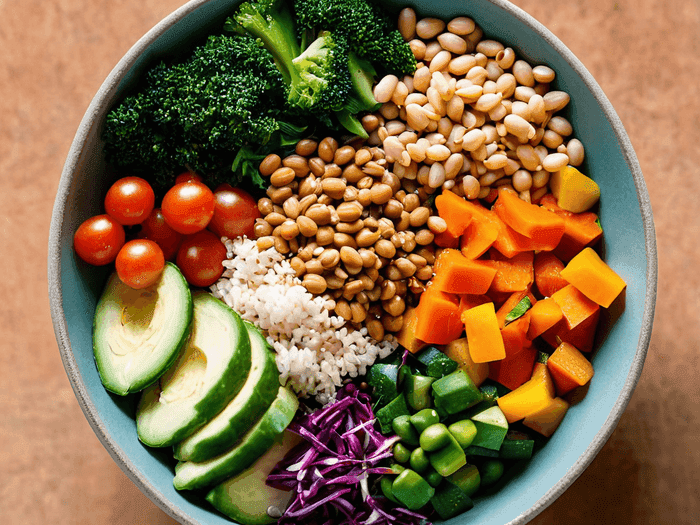
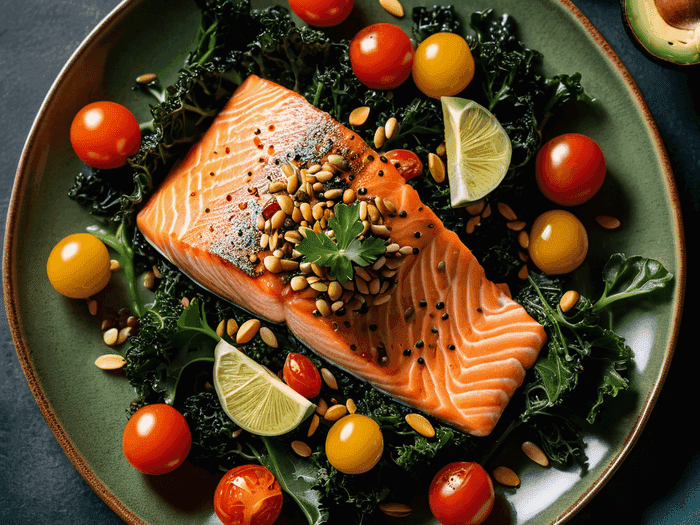
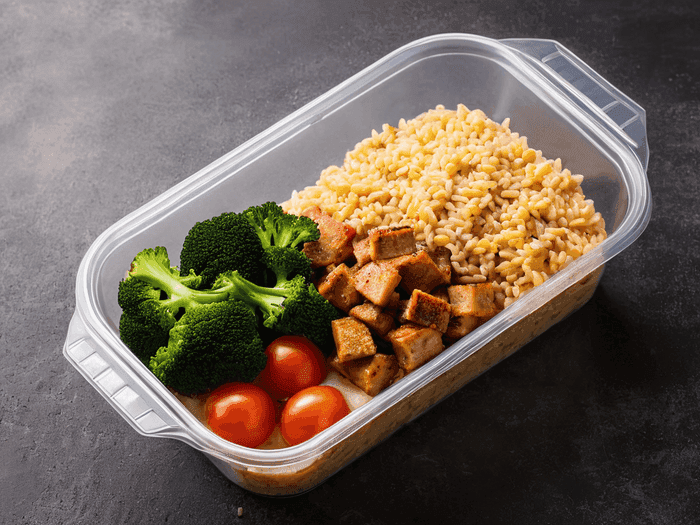
Плани веганського харчування, що працюють за допомогою Штучного Інтелекту
Нехай наш агент ШІ створює персоналізовані рослинні дієти, оптимізовані для повного харчування і стійкості.
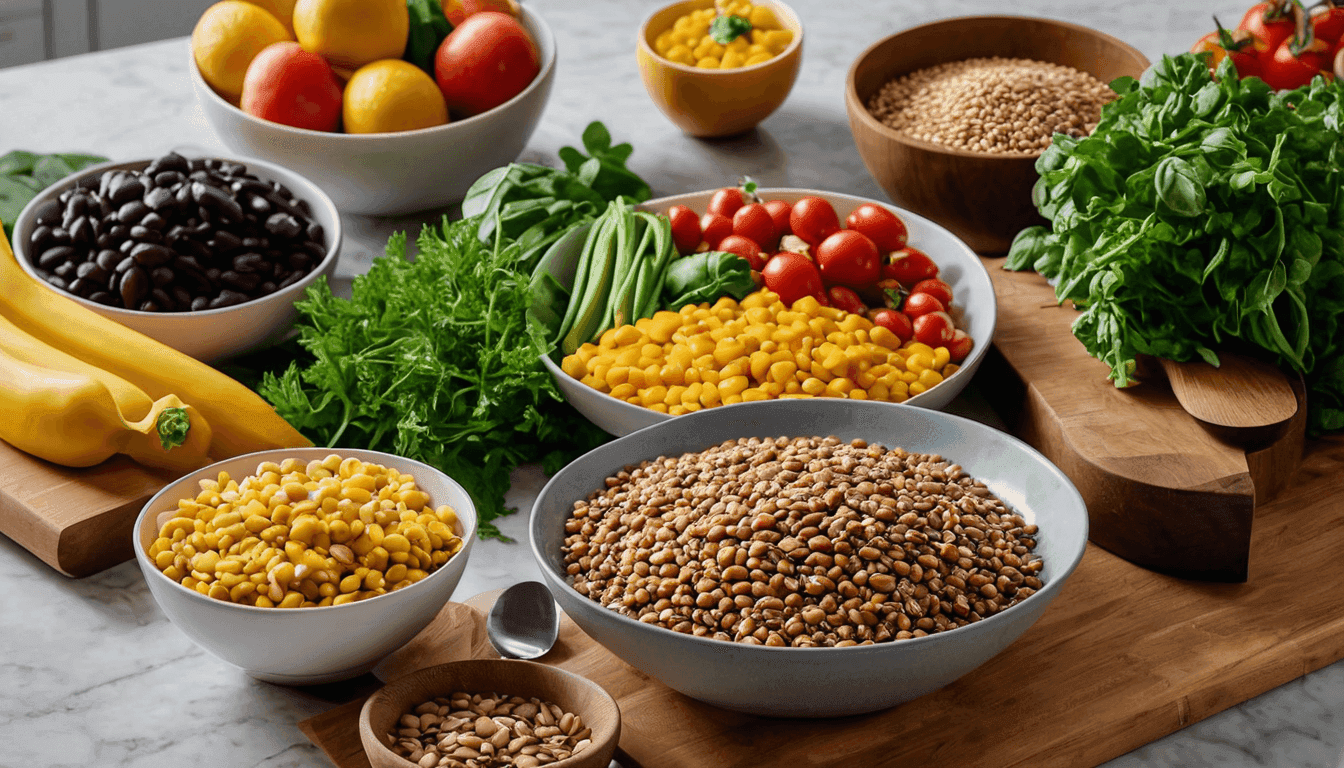
Як наш агент ШІ допомагає вам
Передова технологія штучного інтелекту, яка розуміє принципи рослинної дієти для повноцінного споживання білка, оптимальної абсорбції поживних речовин та екологічної стійкості.
Повноцінне харчування
Штучний інтелект гарантує отримання всіх необхідних поживних речовин, включаючи вітамін B12, залізо та повноцінні білки з рослинного походження.
Баланс рослинного білка
Розумні комбінації бобових, зернових і горіхів для забезпечення повного спектра амінокислот у кожному прийомі їжі
Сезонні рослинні продукти
Штучний інтелект рекомендує найкращі сезонні фрукти та овочі для оптимальної харчової цінності і сталого використання природних ресурсів
Екологічний вплив
Слідкуйте за зменшенням вашого вуглецевого сліду та екологічними перевагами від рослинного способу життя
Чому обрати ШІ для веганської дієти?
Насолоджуйтесь повноцінною рослинною дієтою з науково обґрунтованим плануванням прийомів їжі.
Повноцінне харчування з усіма необхідними вітамінами та мінералами
Оптимальне комбінування білків для повного амінокислотного профілю
Зменшений вплив на навколишнє середовище та вуглецевий слід
Покращене травлення та здоров’я кишечника
Креативна, смачна різноманітність рослинних страв

Приклад веганських страв
Ідеї рослинних страв, створені ШІ, для повноцінної дієти і задоволення
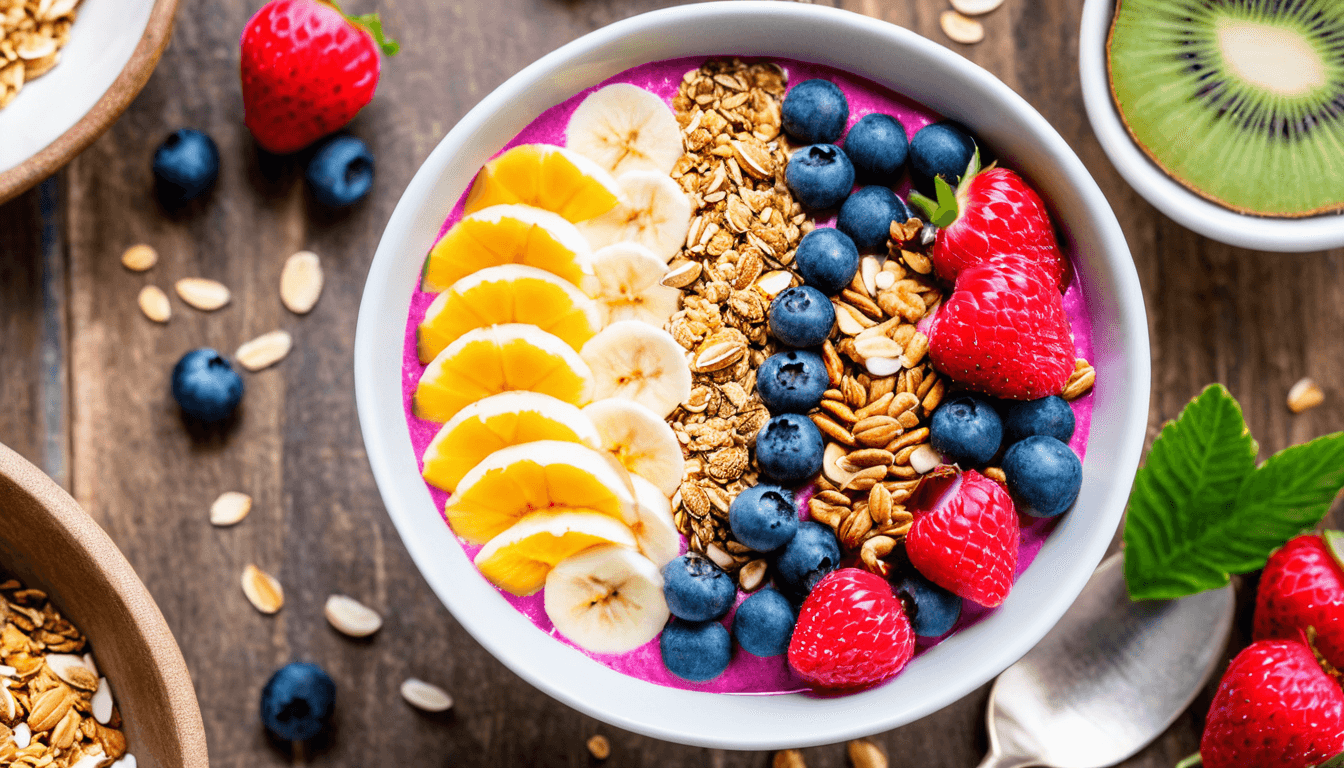
Чаша кіноа з тахіні соусом
Повноцінний білковий сніданок із здоровими жирами і складними вуглеводами
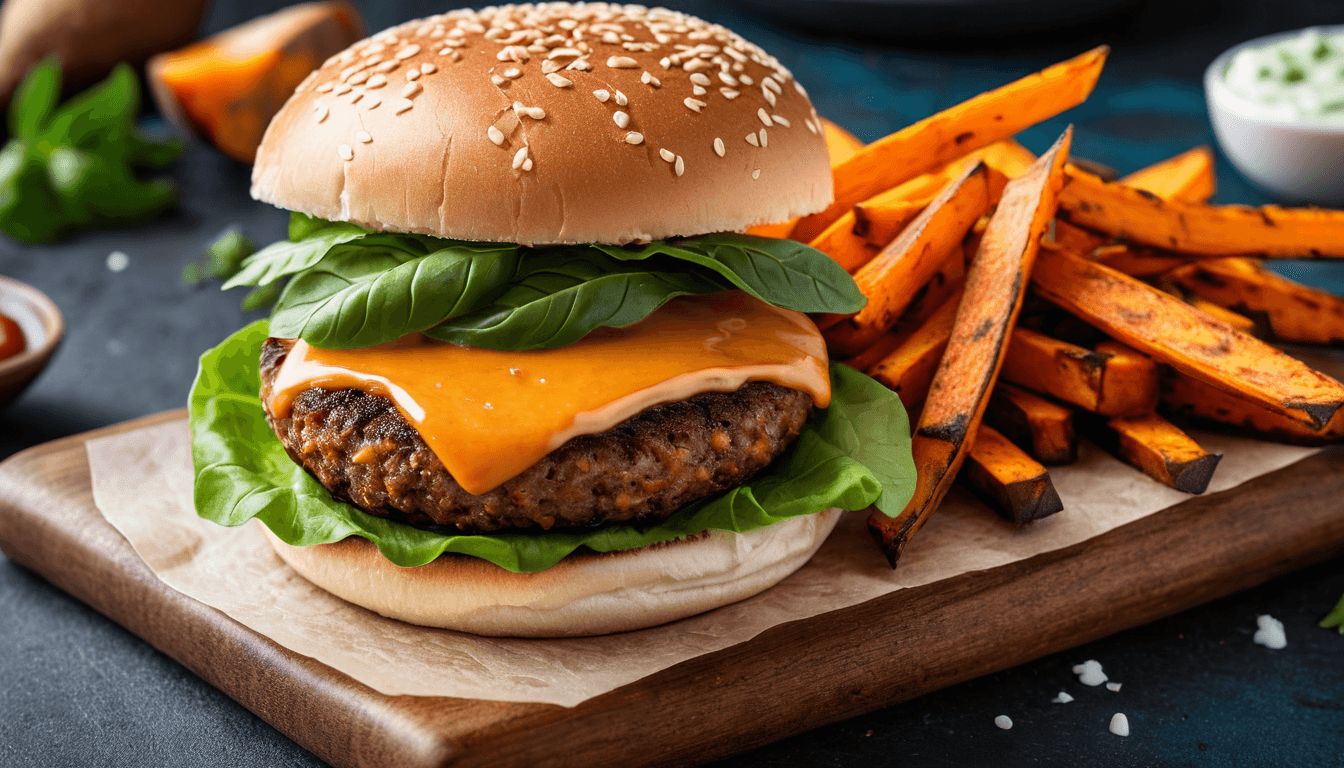
Каррі із сочевиці та овочів
Обід, багатий білками, із волокнами й протизапальними спеціями
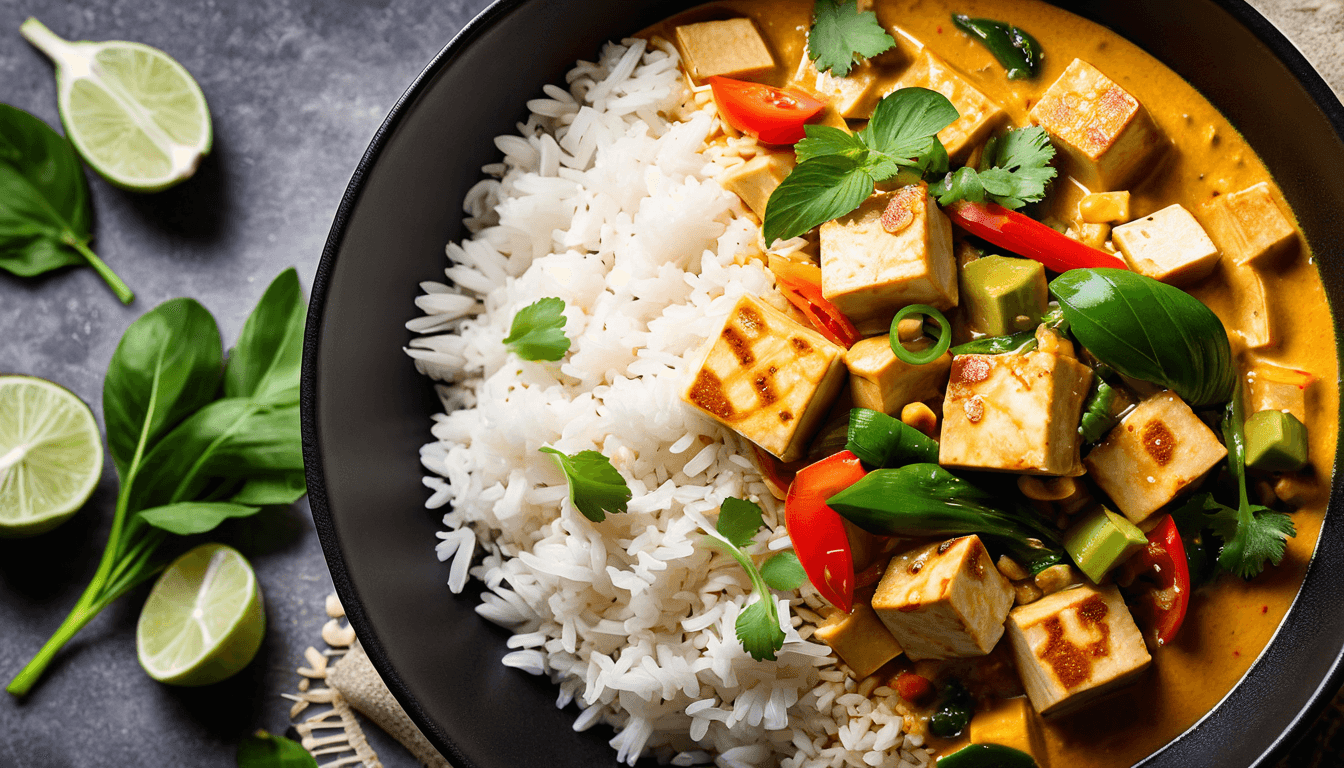
Фаршовані болгарські перці з чорним горохом
Потужний вечірній прийом їжі з повноцінними білками та овочами
Часто ставлені запитання
Чи є веганський раціон харчування повноцінним з точки зору поживності?
Добре спланована веганська дієта може задовольнити всі потреби в поживних речовинах. Ключові поживні речовини, які потрібно контролювати, включають вітамін B12 (рекомендується доповнення), залізо, кальцій, омега-3 жирні кислоти, цинк і вітамін D. Сильні рослинні джерела включають варені лінзи (9 г білка та 7,9 г клітковини на 100 г за даними USDA FoodData Central), твердовий тофу (8 г білка та 350 мг кальцію на 100 г за даними USDA) та насіння гарбуза (8,8 мг заліза на 100 г за даними USDA). Наш ШІ-планувальник харчування забезпечує охоплення всіх необхідних поживних речовин у ваших щоденних планах завдяки стратегічному поєднанню продуктів і виділяє будь-які прогалини.
Як отримати достатньо білка на веганській дієті?
Чудові джерела рослинного білка включають бобові (варені сочевиця містять 9 г білка на 100 г за даними USDA FoodData Central, нут 8,9 г на 100 г, чорні боби 8,9 г на 100 г), тофу (8 г на 100 г за даними USDA), темпе (20 г на 100 г за даними USDA), сейтан, едамаме, варена квіноа (4,4 г на 100 г за даними USDA), насіння конопель (31 г на 100 г за даними USDA) та харчову дріжджову крихту. Поєднання різних рослинних білків протягом дня забезпечує отримання всіх необхідних амінокислот. Більшість дорослих потребують 0,8-1,0 г білка на кг ваги тіла на добу; активні дорослі часто ставлять за мету 1,2-1,6 г/кг.
Які переваги для здоров'я має перехід на веганство?
Дослідження пов'язують добре сплановану веганську дієту з нижчим ризиком серцевих захворювань, діабету 2 типу та деяких видів раку. Користь включає нижчий рівень холестерину, зниження артеріального тиску, здоровішу вагу тіла та покращене здоров'я кишківника. Рослинна дієта також багата на клітковину, антиоксиданти та фітонутрієнти, що підтримують загальне здоров'я. Відварені чорні боби містять 8,7 г клітковини на 100 г, згідно з USDA FoodData Central, а один середній авокадо забезпечує 6,7 г клітковини, за даними USDA, обидва продукти підтримують кардіометабольне здоров'я.
Як штучний інтелект може допомогти у плануванні веганського харчування?
Аналіз планування харчування за допомогою штучного інтелекту ваші поживні потреби, уподобання та цілі для автоматичного створення збалансованих веганських планів харчування. Він забезпечує повні профілі амінокислот, відстежує мікронутрієнти, такі як В12 та залізо, пропонує сезонні інгредієнти, створює списки покупок та адаптує рецепти до вашого рівня кулінарних навичок та часових обмежень.
Що мені їсти на першому тижні як вегану?
Почніть з знайомих страв, які ви вже любите і які випадково є веганськими: паста з маринарою, смажені овочі з тофу, бургери з бобів, смузі-боули та вівсянка. Поступово досліджуйте нові інгредієнти, такі як темпе, харчова дріжджова крихта та рослинне молоко. Наш ШІ створює плавний перехідний план, який знайомить з новими продуктами, зберігаючи страви простими та ситними.
Чи підходить веганська дієта для схуднення?
Веганські дієти зазвичай містять менше калорій і насичених жирів, але більше клітковини, що природним чином сприяє контролю ваги. Дослідження показують, що вегани зазвичай мають нижчий індекс маси тіла (BMI), ніж невегани. Однак результати залежать від вибору продуктів — найбільш ефективним є харчування на основі цілих рослин. Продукти, такі як варені сочевиця (116 ккал на 100 г за даними USDA FoodData Central) і вівсянка (71 ккал на 100 г за даними USDA), забезпечують високий рівень насичення на калорію. Наш ШІ оптимізує розміри порцій і макроелементи відповідно до ваших конкретних цілей щодо ваги.
Що є поширеними помилками при початку веганської дієти?
Поширені помилки включають недостатнє споживання калорій, надмірне вживання оброблених веганських продуктів, ігнорування доповнення вітаміном B12, відсутність різноманітності джерел білка та різке виключення багатьох продуктів. Планування збалансованих страв з цільнозернових продуктів, бобових, овочів, фруктів, горіхів та насіння допомагає уникнути цих пасток.
Чи можуть спортсмени досягати успіхів на веганській дієті?
Так, багато елітних спортсменів успішно дотримуються веганських дієт. Рослинна їжа може підтримувати спортивні результати завдяки швидшому відновленню, зниженню запалення та стійкій енергії. Ключові аспекти включають достатнє споживання калорій, часування білка (1,4-2 г на кг ваги тіла), доповнення залізом і вітаміном B12, а також стратегічне використання продуктів з високим вмістом білка. Темпе містить 20 г білка на 100 г за даними USDA FoodData Central, сейтан — близько 25 г білка на 100 г, а одна столові ложка насіння конопель додає приблизно 3 г білка за даними USDA. Перед тренуванням добре підходять легкозасвоювані вуглеводи, такі як вівсянка та банани (89 ккал і 23 г вуглеводів на 100 г за даними USDA).
Чи безпечна веганська дієта під час годування грудьми?
Добре спланована веганська дієта може підтримувати лактацію, але лактація збільшує калорійні потреби приблизно на 450-500 ккал на день і вимагає пильної уваги до кількох поживних речовин. Приділіть пріоритет доповненню вітаміном B12 (250-500 мкг на день; дефіцит у немовлят, які годуються грудьми, є найпоширенішим ризиком), DHA з олії водоростей (200-300 мг на день), залізом із варених сочевиць (3,3 мг на 100 г за даними USDA FoodData Central) та насінням гарбуза (8,8 мг на 100 г за даними USDA), а також кальцієм із збагаченого рослинного молока (приблизно 300 мг на склянку) плюс тофу, згущений сульфатом кальцію (350 мг на 100 г за даними USDA). Гідратація в обсязі 3-3,5 літра на день захищає запаси. Перед початком або відновленням веганської дієти під час годування грудьми, особливо якщо ваш немовлятко отримує виключно грудне молоко, обов'язково порадьтеся з лікарем або консультантом із лактації.
Чи підходить веганська дієта під час вагітності?
Так, добре сплановані веганські дієти вважаються безпечними під час вагітності провідними медичними організаціями, зокрема Американською академією харчування та дієтології. Потреба в калоріях зростає на 300–450 ккал у другому та третьому триместрах, і кілька нутрієнтів потребують особливої уваги. Прийом B12 (мінімум 250 мкг на день) є обов'язковим. Фолат природно високий на веганських дієтах завдяки вареній сочевиці (181 мкг фолату на 100 г за даними USDA FoodData Central) та вареному шпинату (146 мкг на 100 г за даними USDA). Потреба в залізі під час вагітності майже подвоюється; поєднуйте багаті на залізо продукти, як-от тофу (5,4 мг заліза на 100 г за даними USDA), із джерелами вітаміну C для кращого засвоєння. DHA з олії водоростей підтримує розвиток мозку плода. Уникайте сирих паростків та немитих овочів і фруктів. Завжди узгоджуйте зміни в раціоні під час вагітності зі своїм акушером-гінекологом, особливо якщо у вас раніше були дефіцити нутрієнтів.
Як приготувати веганські страви для однієї людини без залишків?
Веганський план харчування для однієї людини працює найкраще з гнучкою системою компонентів, а не з 7 ідентичними стравами. Кожної неділі приготуйте одну велику порцію зернових (3 склянки сухої квіноа дають 9 склянок готової, 4,4 г білка на 100 г за даними USDA FoodData Central), одну велику каструлю бобових (2 склянки сухих лінз дають 6 склянок готових з 9 г білка на 100 г за даними USDA), одну форму запечених овочів і 2-3 соуси (тахіні-лимон, арахісово-соєвий, сальса верде). Створюйте різноманітні миски протягом тижня. Твердий тофу, темпе та заморожені едамаме зберігаються кілька тижнів. Купуйте оптом сухі боби замість консервованих, щоб знизити вартість наполовину, і заморожуйте будь-які залишки в порціях по 1 склянці. Загальний час підготовки на тиждень становить 90-120 хвилин і дає 12-15 страв.
Як дотримуватися веганського харчування в ресторанах та під час подорожей?
Більшість кухонь пристосовані до веганського харчування, щойно ви знаєте закономірності. Надійні варіанти: індійська (дал, чана масала, овочеві карі з рисом), тайська (овочеві карі з кокосовим молоком, уточнюйте щодо рибного соусу), середземноморська (хумус, фалафель, табуле), мексиканська (буріто з квасолею без сиру, овочі фахіта), ефіопська (майже все пісне меню веганське) та японська (овочеві маки, едамаме з 11 г білка на 100 г за даними USDA FoodData Central, місо-суп). Для подорожей беріть білки тривалого зберігання: смажений нут, пакетики арахісової пасти, вівсянку швидкого приготування, сухофрукти та протеїнові батончики. Більшість аеропортів пропонують овочеві рапи, фруктові стаканчики та салати зі звичайним хумусом. У готелях зі сніданком майже завжди є вівсянка, фрукти, арахісова паста й тости. Повідомляйте авіакомпанії за 48 годин про код веганського харчування (VGML).
Чи потрібні мені добавки при веганській дієті, особливо вітамін B12?
Прийом вітаміну B12 є обов'язковим для всіх, хто дотримується веганської дієти, оскільки надійних джерел B12 немає в рослинній їжі (збагачені харчові дріжджі та збагачене рослинне молоко допомагають, але не повинні бути єдиним джерелом). Стандартна рекомендація — 250–500 мкг ціанокобаламіну щодня або 2500 мкг щотижня. Окрім B12, розгляньте вітамін D (1000–2000 МО на день, особливо взимку), омега-3 DHA/EPA на основі водоростей (250–500 мг на день) та йод (150 мкг на день, який часто пропускають, оскільки вегани зазвичай відмовляються від йодованої солі та морепродуктів). Залізо, кальцій і цинк зазвичай досяжні через цільні продукти за умови різноманітного раціону: 100 г вареної сочевиці дають 3,3 мг заліза за даними USDA, а 100 г збагаченого тофу містять 350 мг кальцію за даними USDA. Доцільно щороку здавати аналіз крові з контролем B12, феритину, вітаміну D та гомоцистеїну.
Чи підходить веганська дієта, якщо у мене захворювання нирок?
Рослинне харчування часто корисне при хронічній хворобі нирок (ХХН) до 3-ї стадії, оскільки знижує кислотне навантаження, артеріальний тиск і викликану тваринним білком гіперфільтрацію. Кілька нефрологічних настанов нині рекомендують часткові або повні рослинні моделі харчування на ранніх стадіях ХХН. Однак запущена ХХН (4–5 стадії) потребує ретельного контролю калію, фосфору та загального білка. Можливо, доведеться обмежити рослинні продукти з високим вмістом калію, як-от варений шпинат (466 мг на 100 г за даними USDA FoodData Central), авокадо (485 мг на 100 г за даними USDA) та варену чорну квасолю (355 мг на 100 г за даними USDA). Фосфор із цільних злаків, горіхів і бобових менш біодоступний, ніж тваринний фосфор, що насправді є перевагою при ХХН. Завжди узгоджуйте перехід на веганство з нефрологом-дієтологом, якщо у вас ХХН 3-ї стадії або вище, і уникайте замінників солі на основі хлориду калію.
Чи можу я дотримуватися веганської дієти, приймаючи препарати для лікування діабету, такі як Ozempic або Wegovy?
Веганство плюс GLP-1 можливе, але потребує додаткової уваги до споживання білка, оскільки обидва підходи знижують апетит. Багато користувачів, які приймають GLP-1, скаржаться на труднощі з вживанням достатньої кількості їжі, і білок найчастіше стає дефіцитним. Слідкуйте за тим, щоб щодня споживати 80-100 г білка з густих рослинних джерел: порція темпе містить 20 г білка на 100 г за даними USDA FoodData Central, сейтан — 25 г на 100 г, тофу — 17 г на 100 г, а склянка протеїнового порошку з гороху чи сої — 25 г. Майте під рукою легкі для вживання варіанти на випадок нудоти: смузі зі соєвим молоком і протеїновим порошком, едамаме, хумус із цільнозерновими крекерами. Уникайте високоволокнистих страв одразу після ін'єкції, якщо нудота сильна, оскільки сповільнене опорожнення шлунка посилює дискомфорт. Координуйте будь-які значні зміни в дієті з вашим лікарем, особливо під час початкового підвищення дози.
Веганство проти вегетаріанства: яка різниця та яке краще?
Вегетаріанські дієти виключають м'ясо, птицю та рибу, але зазвичай включають молочні продукти та яйця (лакто-ово-вегетаріанство). Веганські дієти виключають усі продукти тваринного походження, зокрема молочні продукти, яйця та мед. Веганське харчування зазвичай дає більше клітковини, менше насичених жирів і менший вплив на довкілля, але потребує запланованого прийому B12, оскільки вегетаріанці можуть отримувати B12 з яєць (1,1 мкг на велике яйце за даними USDA) та молочних продуктів (0,5 мкг на склянку молока за даними USDA). Кальцій легше отримати на вегетаріанській дієті через молочні продукти, тоді як вегани покладаються на збагачене рослинне молоко (близько 300 мг на склянку) та тофу, осаджений кальцієм (350 мг на 100 г за даними USDA FoodData Central). Обидві моделі можуть бути дуже корисними для здоров'я; правильний вибір залежить від ваших етичних пріоритетів, алергій та харчових уподобань. Багато людей починають із вегетаріанства й переходять на веганство протягом місяців чи років.
Веганський проти Середземноморського: який здоровіший?
Обидві дієти мають вагомі докази користі для серцево-судинної системи, але вони наголошують на різних механізмах. Середземноморська зосереджена на оливковій олії, жирній рибі, горіхах, бобових, овочах і цільних злаках, із помірною кількістю молочних продуктів та обмеженим м'ясом. Веганська усуває всі продукти тваринного походження й покладається на бобові, соєві продукти, горіхи, насіння та злаки як джерела білка. Середземноморська модель має найбільший масив довгострокових серцево-судинних доказів (PREDIMED, Lyon Heart Study), тоді як веганські дієти демонструють найбільше зниження холестерину та ваги за 6–12 місяців. Веганська модель на основі цільних продуктів дає більше клітковини (варена сочевиця містить 7,9 г на 100 г за даними USDA FoodData Central проти 0 г у лососі) та більше калію на калорію. Середземноморської часто легше дотримуватися в соціальному плані, і вона може краще підтримувати спортивні результати. Найздоровіша версія будь-якої з них базується на цільних продуктах; перероблений веганський фастфуд і смажені середземноморські страви втрачають більшість користі.
Дослідіть пов'язані ресурси
Відкрийте більше інструментів та посібників для вашого шляху до здорового харчування