Медітеранські плани харчування із застосуванням ШІ
Нехай наш штучний інтелект створює персоналізовані середземноморські дієти, оптимізовані для здоров’я серця та довголіття.
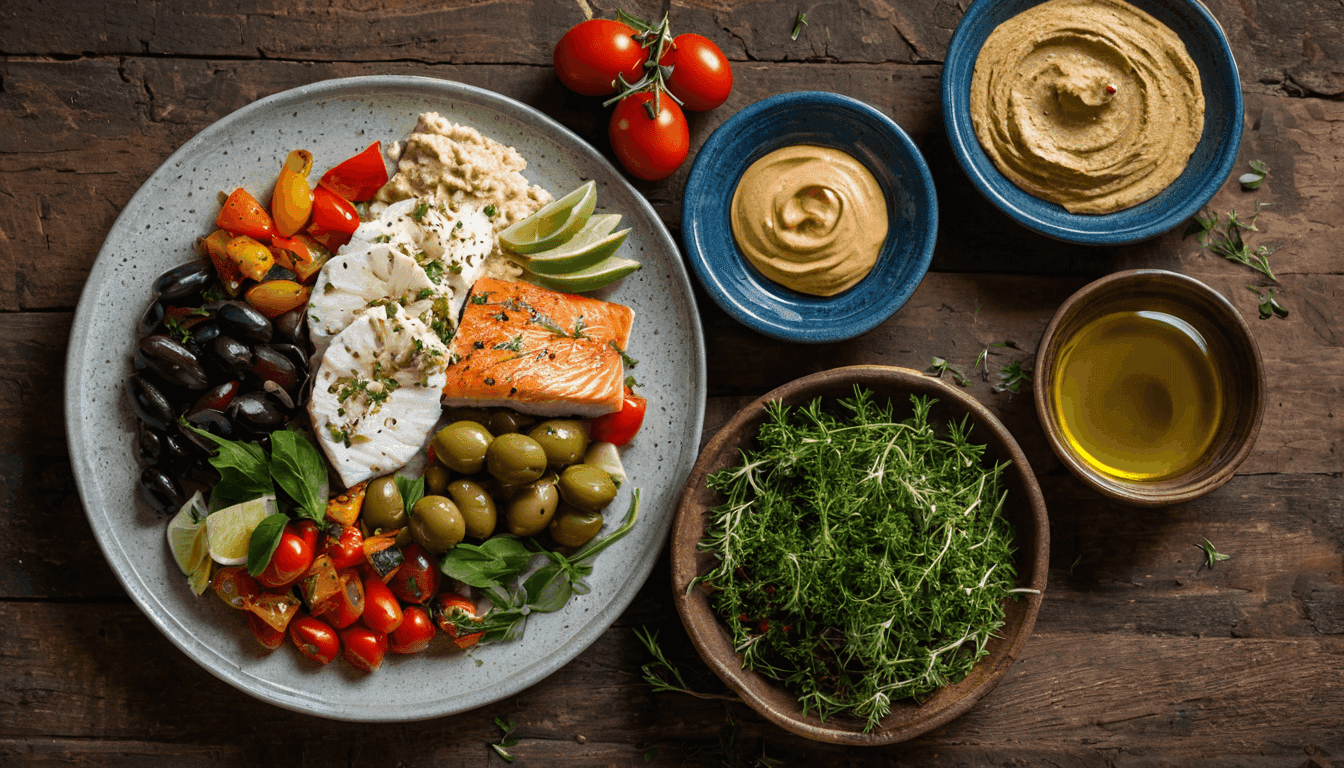
Як наш ШІ‑агент допомагає вам
Передова технологія штучного інтелекту, що розуміє принципи середземноморської дієти для здоров’я серця, довголіття та збалансованого благополуччя. Наша персональна система планування середземноморських прийомів їжі інтегрує оливкову олію, свіжі продукти, нежирні білки й корисні жири для створення автентичних, смаколиків, що підтримують серцево-судинне здоров’я та сприяють протизапальним перевагам.
Оптимізація здоров’я серця
Штучний інтелект створює дієтичні плани, багаті корисними для серця жирами та поживними речовинами, що підтримують здоров’я серцево-судинної системи
Інтеграція оливкової олії
Розумні рекомендації щодо включення високоякісної оливкової олії та корисних жирів у ваші щоденні прийоми їжі
Фокус на свіжих продуктах
Штучний інтелект пріоритезує сезонні, свіжі овочі та фрукти для максимізації поживної цінності й смакових якостей у вашій середземноморській дієті.
Аналітика довголіття
Відстежуйте, як принципи середземноморської дієти сприяють досягненню ваших довгострокових цілей щодо здоров’я та благополуччя.
Чому обрати ШІ для середземноморської дієти?
Підвищте здоров’я серця та довголіття завдяки науково підтвердженій харчувальній підтримці.
Покращене серцево‑судинне здоров’я та зменшений ризик захворювань серця
Підвищена функціональність мозку та захист когнітивних процесів
Кращий контроль ваги та метаболічне здоров’я
Підвищена тривалість життя та здорове старіння
Смачні, ситні страви з свіжих інгредієнтів
Приклад середземноморських страв
Ідеї здорових для серця страв, створені ШІ, натхнені середземноморською кухнею.
Грецький йогурт з ягодами та горіхами
Сніданок багатий білками з антиоксидантами та корисними жирами
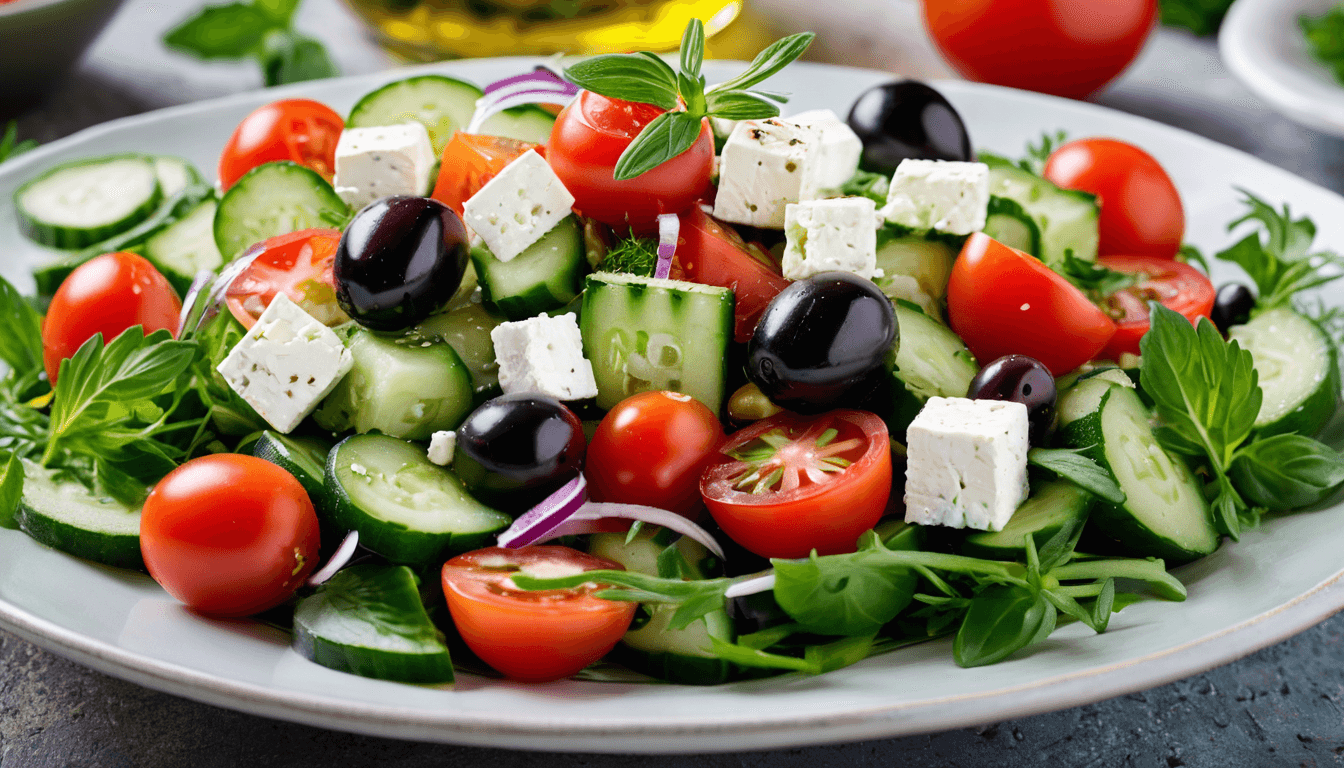
Середземноморський салат із нуту
Обід багатий на волокна з оливковою олією, овочами та бобовими
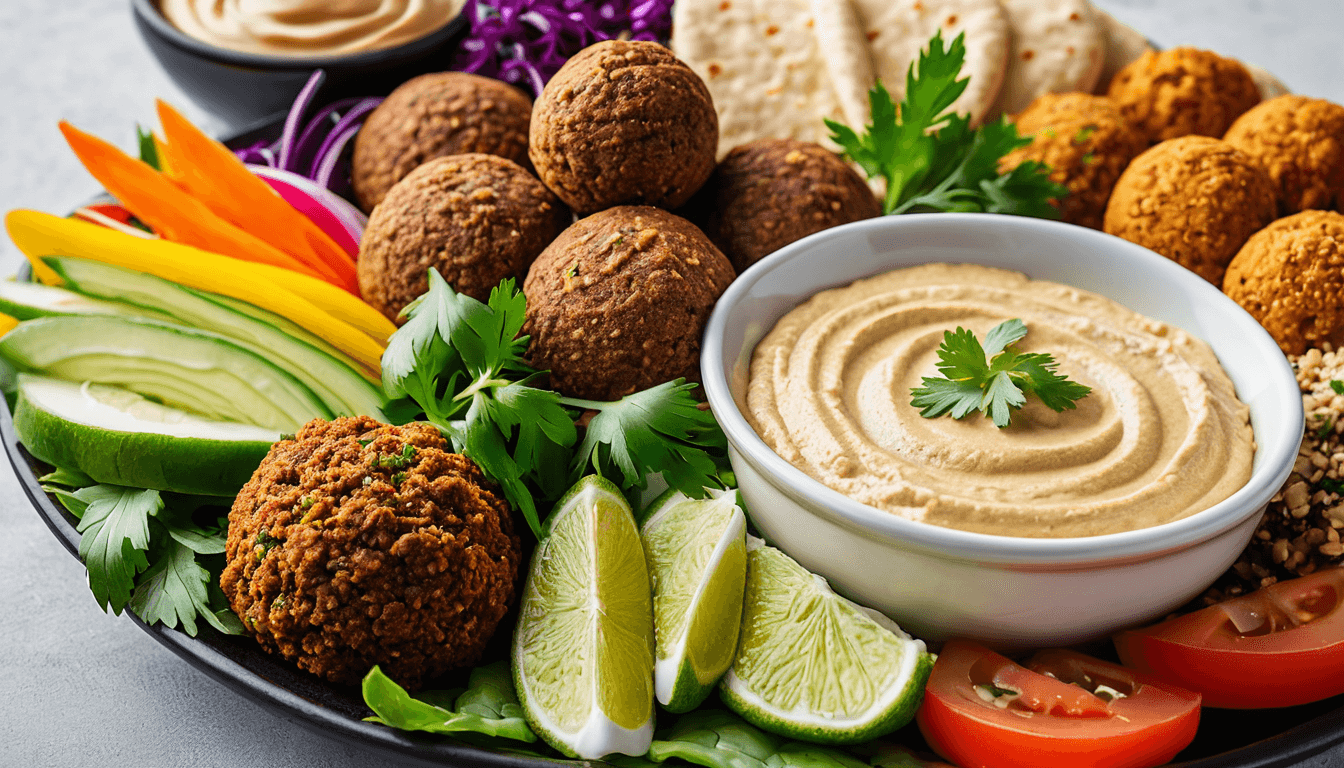
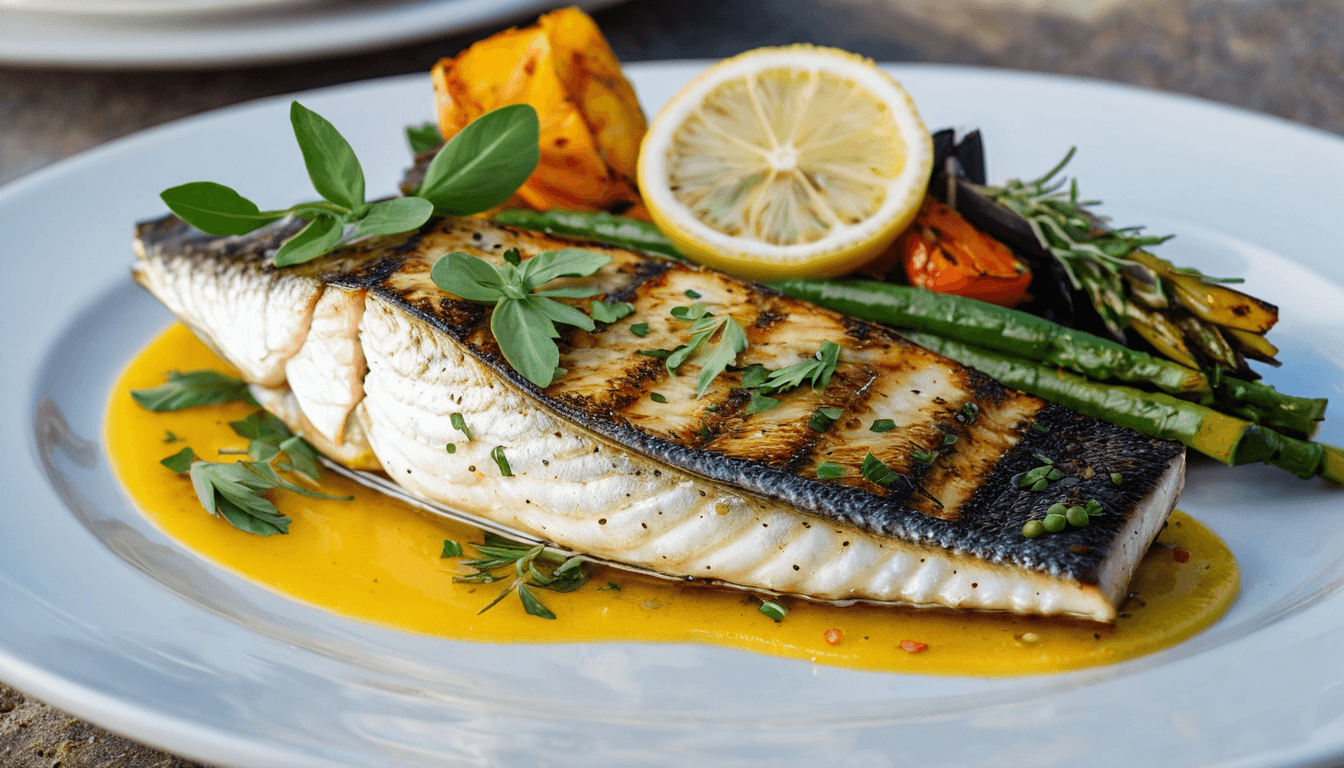
Грильована риба з печеними овочами
Омега‑3 багатий вечірній обід із сезонних середземноморських овочів
Часто ставлені запитання
Чи можу я дотримуватися середземноморської дієти під час годування грудьми?
Дієта Середземномор'я є однією з найкраще підтримуваних моделей харчування для годуючих матерів, оскільки природним чином забезпечує додаткові 450-500 ккал та ключові поживні речовини, необхідні для годування грудьми. Лосось і сардини містять омега-3 ДГК (приблизно 2,2 г на 100 г атлантичного лосося за даними USDA), який переходить у грудне молоко і підтримує розвиток мозку дитини. Оливкова олія, листові овочі та бобові забезпечують фолієву кислоту, залізо та здорові жири. Уникайте риб з високим вмістом ртуті, таких як меч-риба та королівська макрель, і обмежте споживання тунець-албакор до 6 унцій на тиждень. Підтримуйте гідратацію на рівні 3-3,5 літра на день. На відміну від обмежувальних дієт, середземноморська дієта не вимагає відстеження калорій або макронутрієнтів під час лактації.
Чи безпечна середземноморська дієта під час вагітності?
Середземноморська дієта часто рекомендується під час вагітності та пов'язана з нижчими показниками гестационного діабету та прееклампсії в спостережних дослідженнях. Зосередьтеся на продуктах, багатих фолієвою кислотою, таких як сочевиця (181 мкг фолієвої кислоти на 100 г вареної за даними USDA) та листові овочі, залізо з бобових і нежирного м'яса, а також омега-3 жирні кислоти з риби з низьким вмістом ртуті, наприклад, сардини та лосось. Обмежте споживання сирої риби, непастеризованого сиру та алкоголю. Споживайте 2-3 порції риби на тиждень, достатню кількість цільних злаків та 4-5 столових ложок оливкової олії щодня. Обговоріть будь-які значні зміни в дієті з вашим акушер-гінекологом, особливо якщо у вас гестационний діабет або дефіцит поживних речовин.
Як дотримуватися середземноморської дієти при тижневому бюджеті на продукти 75 доларів?
Середземноморське харчування стає дорогим лише тоді, коли ви купуєте імпортну оливкову олію, свіжу дику рибу та елітний сир. З бюджетом у 75 доларів на тиждень будуйте страви навколо сухих бобових (чечевиця коштує приблизно 2 долари за фунт, 9 г білка на 100 г варених за даними USDA), консервованих сардин і тунець в оливковій олії, яєць, заморожених овочів, цільнозернової пасти, коричневого рису та вівса оптом. Типовий тиждень: 2 фунти чечевиці та нуту (6 доларів), десяток яєць (4 долари), 6 банок сардин і тунця (12 доларів), 5 фунтів заморожених змішаних овочів (10 доларів), цільнозернову пасту та рис (8 доларів), оливкова олія власного бренду 750 мл (9 доларів), сезонні фрукти (12 доларів), цибуля, часник, трави (6 доларів), грецький йогурт без добавок (8 доларів). Загалом приблизно 75 доларів з 21 готовою стравою.
Як підготувати середземноморський раціон для однієї людини?
Середземноморська підготовка для однієї особи працює добре, оскільки більшість компонентів зберігаються 4-5 днів. Один раз на тиждень запікайте дві форми овочів (перці, кабачки, баклажани), готуйте каструлю фарро або коричневого рису та готуйте ротацію білків: запечену форель у неділю, варені яйця в середині тижня та консервовані нутові боби для зернових мисок. Зберігайте оливкову олію окремо. Створюйте обіди як зернові миски, поєднуючи будь-яку крупу з будь-яким овочем і будь-яким білком плюс фета та оливкова олія. Сардини на цільнозернових крекерах — це 2-хвилинна вечеря. Купуйте оливкову олію та бобові в більших кількостях, оскільки вони добре зберігаються, але свіжі овочі зберігайте тижневим запасом.
Чи можу я дотримуватися середземноморської дієти при діабеті 2 типу?
Дієта Середземномор'я має переконливі докази ефективності у контролі діабету 2 типу. Дослідження PREDIMED показало, що вона знижує ризик серцево-судинних подій приблизно на 30% у пацієнтів з високим ризиком, а також зазвичай зменшує рівень HbA1c на 0,3–0,6 пунктів. Зосередьтеся на продуктах з низьким глікемічним індексом, таких як сочевиця (15 г чистих вуглеводів на 100 г вареної, за даними USDA), цільні зерна в помірних порціях та некрохмалисті овочі. Поєднуйте всі продукти з вмістом вуглеводів з білками, жирами та клітковиною, щоб запобігти різким стрибкам рівня глюкози. Оливкова олія та жирна риба зменшують інсулінорезистентність. Обмежте споживання фруктових соків і рафінованого макарону. Контролюйте свою реакцію на цільні зерна, оскільки індивідуальні реакції можуть відрізнятися. Координуйте дії з лікарем, якщо ви приймаєте інсулін або сульфонілсечовину, оскільки дозу препарату може потребувати коригування.
Чи підходить середземноморська дієта для IBS?
Дієта Середземномор'я може бути адаптована для IBS, але не є автоматично дружньою до кишечника. Ключові тригери включають часник, цибулю, бобові та пшеницю, всі вони містять багато FODMAPів. НизькоFODMAPова версія Середземномор'я використовує оливкову олію з ароматом часнику замість свіжого часнику, кислий хліб або хліб із спельти замість стандартного цільнозернового, консервовані сочевиці, ретельно промиті (що зменшує FODMAPи), а також приготовані, а не сири овочі. Лосось, яйця, оливки, фета та тверді сири природно містять низький рівень FODMAPів. Систематично повертайте продукти після 4-6 тижнів елімінаційної фази. Працюйте з зареєстрованим дієтологом, якщо симптоми зберігаються, оскільки нелікована IBS може призвести до прогалин у поживних речовинах.
Чи допомагає середземноморська дієта при високому рівні холестерину?
Так. Клінічні дослідження послідовно показують, що середземноморська дієта знижує рівень ЛПНЩ на 10-15% і трохи підвищує рівень ЛПВЩ протягом 3-6 місяців. Це досягається завдяки розчинній клітковині з бобових і вівса (вівес містить 10 г клітковини на 100 г необроблених, за даними USDA), мононенасиченим жирам з оливкової олії, які замінюють насичені жири, та омега-3 жирним кислотам з жирної риби. Слідкуйте за споживанням 2 столових ложок екстра-девственої оливкової олії щодня, 2-3 порцій жирної риби на тиждень і принаймні 25 г клітковини на день. Обмежте споживання масла, обробленого м'яса та глибоко смаженої їжі. Зробіть повний ліпідний профіль до початку та знову через 3 місяці, щоб побачити індивідуальну реакцію. Якщо ви приймаєте статини, продовжуйте їх приймати, якщо лікар не скаже іншого.
Чи може середземноморська дієта допомогти в управлінні PCOS?
Дієта Середземномор'я добре підходить для PCOS, оскільки вона природно протизапальна та наголошує на низькоглікемічних вуглеводах, які не викликають стрибків інсуліну. Жінки з PCOS зазвичай мають вищий рівень інсулінорезистентності, і зменшення споживання рафінованих вуглеводів, а також додавання оливкової олії, жирної риби та клітковини може покращити менструальну регулярність та рівні андрогенів протягом 3-6 місяців. Приділяйте пріоритет лінзам, нуту, ягодам, листовим овочам та лососеві (20 г білка на 100 г за даними USDA). Обмежуйте порції пасти та хліба до помірних кількостей, приблизно 1 склянка варених на одне блюдо. Повнотужний грецький йогурт зазвичай краще засвоюється, ніж з низьким вмістом жиру, оскільки насичення має значення для контролю інсуліну. Результати часто добре поєднуються з силовими тренуваннями двічі на тиждень.
Як мені дотримуватися середземноморської дієти в ресторанах?
Споживання їжі середземноморської кухні в ресторанах зазвичай просте. Добрі варіанти включають грильовану рибу чи курку з овочами та салатом із оливкової олії та лимона, грецький мезе (хумус, цацикі, грильований восьминіг, долмади), італійські антипасті з оливок та грильованих овочів, а також іспанські тапас, такі як гамбас аль ахілло. Оминайте соуси на основі вершків, смажені речі та страви з рафінованої білої пасти. При замовленні пасти просіть цільнозернову, якщо вона доступна, і запитуйте про додаткові овочі. У немедітеранських ресторанах шаблон все ще працює: пісний білок, овочі, здорові жири, помірні вуглеводи. Келих червоного вина до вечері відповідає традиційному шаблону, але є необов'язковим.
Чи дійсно макарони підходять для середземноморської дієти?
Так, макарони є частиною традиційної середземноморської дієти, але важливі порції та спосіб приготування. Традиційні порції менші (приблизно 60-80 г сухих макаронів, або приблизно 1 чашка варених) і служать засобом для овочів, бобових, оливкової олії та морепродуктів, а не головним елементом страви. Макарони аль денте мають нижчий глікемічний індекс, ніж м'які варені макарони, оскільки крохмаль менше желатинізується. Цільнозернові сорти додають клітковини (6 г на 100 г сухих макаронів за даними USDA) і ще більше уповільнюють всмоктування глюкози. Поєднуйте макарони з білком і жирами: креветки та оливкова олія, сардини та помідори або нут та шпинат. Уникайте важких кремових соусів і надмірних американських порцій.
Як готувати середземноморські страви великими партіями для родини з чотирьох осіб?
Для родини з чотирьох осіб сплануйте три щотижневі основні страви: велику каструлю лінзового або бобового супу (вихід 8 порцій), запіканку з лосося та овочів (вихід 6 порцій) та макаронну або зернову страву з бобами (вихід 6 порцій). Кожної неділі запікайте велику форму змішаних овочів і готуйте партіями одну цільну зернову культуру, таку як фарро, булгур або коричневий рис. Завжди майте вдома фету, оливки, консервовану рибу та хумус для швидкого доповнення страв. Згідно з даними USDA, 100 г варених лінз містять 9 г білка, тому партія з 500 г покриває потреби в білку для чотирьох дорослих на одне прийом їжі. Позначайте контейнери інструкціями щодо розігрівання та датою. Типова підготовка займає від 2 до 2,5 годин на тиждень.
Чи потрібні мені добавки при середземноморській дієті?
Більшість людей, які дотримуються справжнього середземноморського раціону, покривають потреби в поживних речовинах за допомогою їжі, але деякі прогалини є поширеними. Вітамін D часто низький незалежно від дієти, і більшість дорослих отримують користь від 1000–2000 МО на день, особливо взимку. Вітамін B12 слід приймати у вигляді добавок, якщо ви їсте рибу лише час від часу або дотримуєтесь переважно рослинної версії. Додавання омега-3 (EPA/DHA) у кількості 1 г на день є розумним, якщо ви не їсте жирну рибу принаймні двічі на тиждень. Залізо може бути низьким у жінок, які менструюють, тому поєднуйте рослинні джерела заліза з продуктами, багатими вітаміном С, такими як перці (128 мг на 100 г за даними USDA). Простий мультивітамін плюс вітамін D підходить для більшості випадків.
Дієта середземномор'я проти кето: яка краща для мене?
Якщо ваша головна мета — довгострокове здоров'я серцево-судинної системи, мозку та стійкість, середземноморська дієта має більше десятиліть підтверджень і значно простіша у соціальному плані для дотримання. Якщо ваша мета — швидке зниження ваги, суворий контроль рівня цукру в крові або управління епілептичними нападами, кетогенна дієта ефективніша у короткостроковій перспективі. Середземноморська дієта дозволяє вживати цільні зерна, бобові та фрукти, що робить її більш соціально гнучкою та зручнішою для подорожей. Кетогенна дієта забезпечує швидше початкове зниження ваги, але має вищий відсоток відмов після 12 місяців. Багато людей дотримуються кетогенної дієти протягом 3-6 місяців для досягнення конкретної мети, а потім переходять на середземноморську для довгострокового підтримання ваги.
Коли середземноморська дієта не є правильним вибором?
Дієта Середземномор'я підходить більшості людей, але вона не ідеальна для тих, хто потребує суворого обмеження вуглеводів (наприклад, при важкій інсулінорезистентності, що вимагає кетозу), людей з целіакією, які не можуть переносити пшеницю без заміни, осіб з алергією на морепродукти чи рибу (що усуває важливий джерело білка), та тих, хто має бюджет менше 50 доларів на тиждень, якщо вони очікують свіжу рибу та якісну оливкову олію. Вона також менш ефективна для швидкого схуднення порівняно з низькокалорійними чи низьковуглеводними методами. Якщо ви сильно не любите бобові, оливкову олію чи рибу, нав'язування цього шаблону зазвичай зазнає невдачі. Модифікована версія, яка використовує горіхи, птицю та яйця замість риби, все ще може бути ефективною.
Чи схудну я на середземноморській дієті?
Більшість людей втрачають вагу на середземноморській дієті, хоча зазвичай це відбувається повільніше, ніж при низькоуглеводних або низькокалорійних підходах. Очікуйте втрати від 0,5 до 1,5 фунтів на тиждень, коли ви заміните перероблені продукти та червоне м'ясо цільними продуктами, оливковою олією, рибою та бобовими. Насичуючий ефект клітковини (бобові, цільні зерна) та білка разом з об'ємом овочів природно знижує калорійність без відстеження. Контроль порцій оливкової олії (яка є калорійною, 120 ккал на столову ложку) та горіхів все ще має значення. Додавання 150 хвилин ходьби на тиждень значно прискорює результати. Довгострокове збереження ваги через 2 роки краще, ніж у більшості інших дієт у клінічних дослідженнях.
Чи можна пити вино на середземноморській дієті?
Помірне споживання вина під час їжі є традиційною частиною середземноморського способу життя, зазвичай 1 склянка (150 мл) для жінок і 1-2 для чоловіків, як правило, червоне вино, яке подають до вечері. Поліфеноли в червоному вині можуть мати певні кардіоваскулярні переваги, але останні дослідження свідчать, що ці переваги менші, ніж вважалося раніше, і не переважують ризики вживання алкоголю для всіх. Якщо ви взагалі не п'єте, немає причин починати. Якщо ви споживаєте алкоголь, обмежте його вживання помірною кількістю і уникайте надмірного споживання. Вагітні жінки, люди з захворюваннями печінки або ті, хто має історію зловживання алкоголем, повинні повністю уникати вина.
Скільки оливкової олії я повинен використовувати щодня?
Типовий середземноморський раціон передбачає споживання 3-4 столові ложки екстра-девственої оливкової олії на день, розподілені між приготуванням їжі, заправками для салатів та завершенням страв. Одна столова ложка містить приблизно 120 ккал та 14 г жиру, переважно мононенасиченої олеїнової кислоти, а також полифеноли, які сприяють протизапальним властивостям дієти. Використовуйте її для приготування їжі на слабкому та середньому вогні (до 180 °C або 350 °F), для смаження та поливання готових страв. Обирайте темні скляні пляшки з датою збору врожаю за останні 12 місяців, щоб гарантувати свіжість та вміст полифенолів. Зберігайте подалі від тепла та світла. Бюджетні варіанти, позначені просто як оливкова олія, підходять для приготування їжі; екстра-девствену олію зберігайте для використання в сирому вигляді.
Що робити, якщо у мене немає доступу до свіжих середземноморських інгредієнтів?
Ви не повинні жити в середземноморському кліматі, щоб харчуватися за середземноморською дієтою. Цей шаблон добре працює з консервованими та замороженими замінниками: консервовані помідори, консервована сардина в оливковій олії, консервовані нут і сочевиця, заморожена шпинатна капуста, заморожені ягоди та магазинна оливкова олія підходять. Сушені трави можуть замінити свіжі (використовуйте третину кількості). Якщо свіжа риба недоступна або дорога, консервована сардина, макрель і тунець забезпечать подібний вміст омега-3 за значно нижчою ціною. Фарро, булгур і перлова пшениця можуть бути замовлені онлайн оптом. Основний принцип — цільні продукти плюс здорові жири плюс рослинне різноманіття — не залежить від поштових індексів Середземномор'я.
Чи дозволений фета чи повнотожирні молочні продукти в середземноморській дієті?
Помірне споживання молочних продуктів є частиною традиційного середземноморського раціону, переважно у вигляді йогурту, фети та твердих сирів, таких як пармезан, а не молока чи вершків. Слід прагнути до 1-2 порцій на день, наприклад, 170 г грецького йогурту (10 г білка на 100 г за даними USDA) на сніданок та 30 г фети в салаті на обід. У більшості сучасних інтерпретацій перевагу надають повнот жирним продуктам над знежиреними, оскільки жир сприяє насиченню та засвоєнню жиророзчинних вітамінів. Якщо у вас непереносимість лактози, зазвичай добре переносяться старі сири та грецький йогурт, оскільки ферментація зменшує вміст лактози. Уникайте підсолоджених ароматизованих йогуртів, які містять 15-25 г доданого цукру на порцію.
Чи є середземноморська дієта стійкою у довгостроковій перспективі?
Дієта Середземномор'я має найвищі показники довгострокового дотримання в клінічних дослідженнях, часто перевищуючи 60% через 2 роки порівняно з 40% або менше для низькожирових чи низьковуглеводних підходів. Гнучкість щодо цільнозернових продуктів, бобових, фруктів, вина та рідкісного вживання м'яса робить її соціально легкою, а акцент на смакові якості, а не на обмеженнях, знижує втому від дієти. Більшість людей переходять від структурованої початкової версії до інтуїтивної версії протягом 3-6 місяців. Жодна їжа повністю не заборонена, що зменшує спалахи переїдання. Головним фактором стійкості є те, що вона смачна: оливкова олія, часник, лимон, трави та запечені овочі не здаються дієтичною їжею.
Дослідіть пов'язані ресурси
Відкрийте більше інструментів та посібників для вашого шляху до здорового харчування
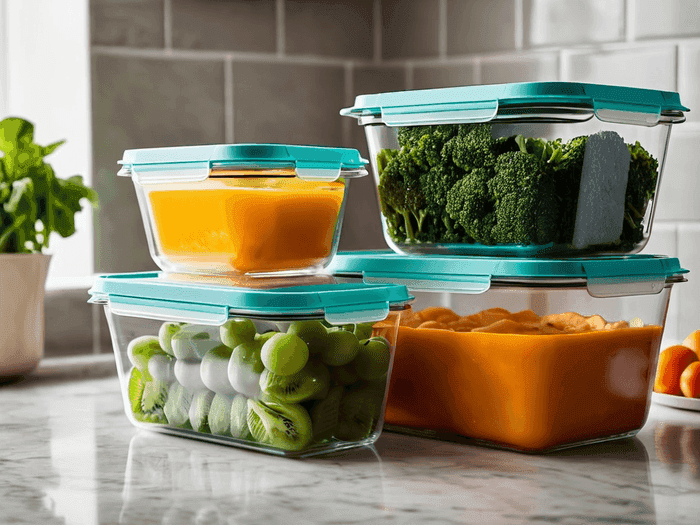
Рецепти Середземноморська дієта
Переглянути всі рецепти Середземноморська дієта →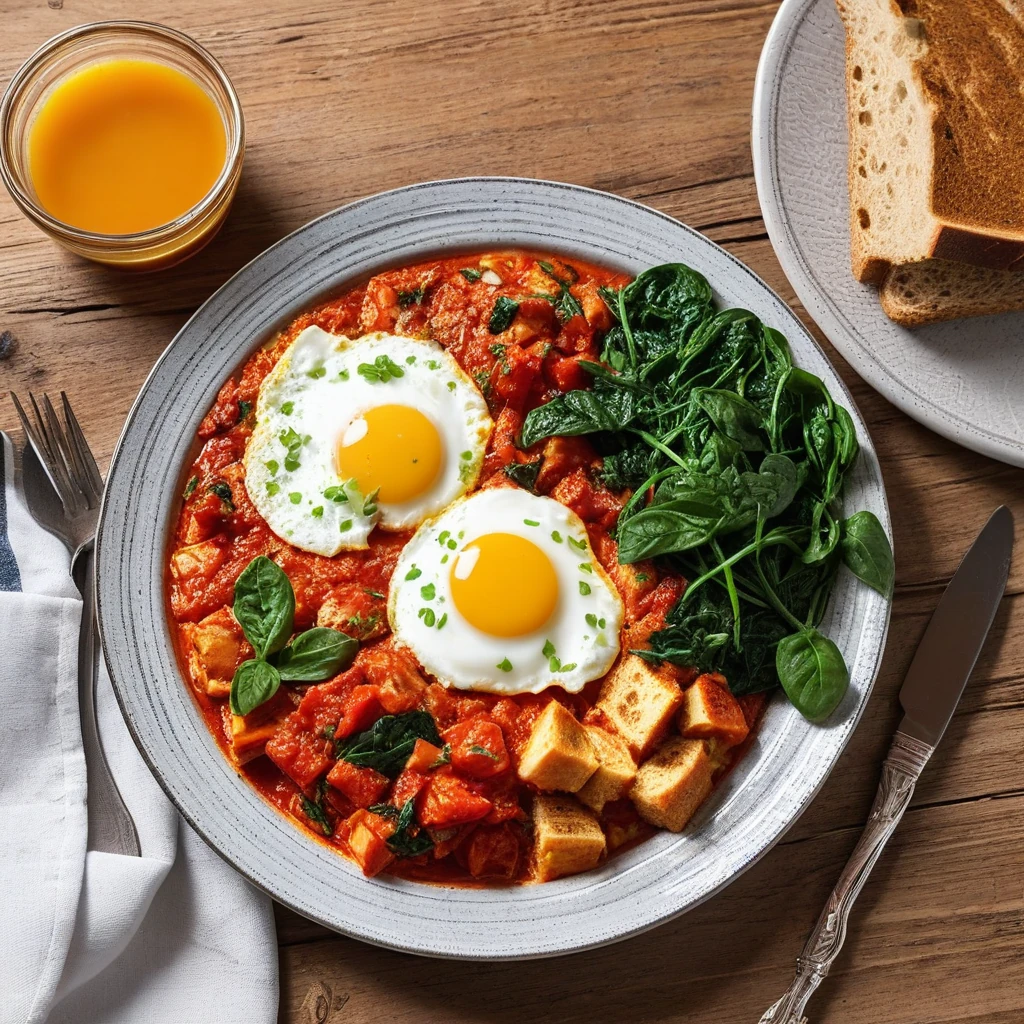
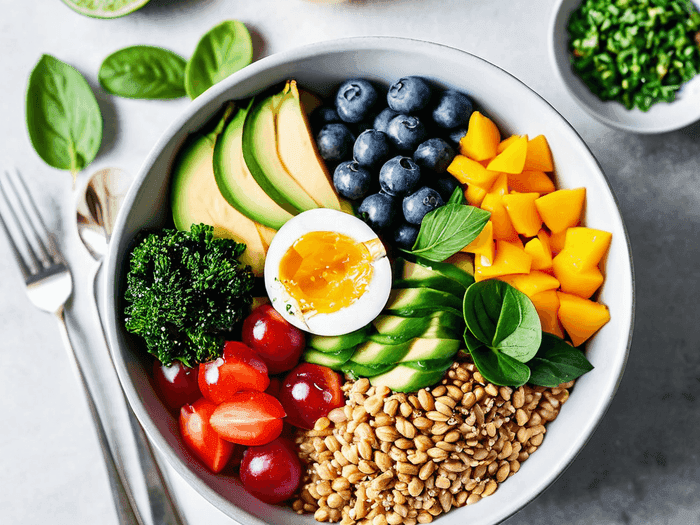
Turkish Shakshuka with Whole Wheat Bread
Eggs poached in savory tomato sauce with spinach and onions, served with toasted whole wheat bread
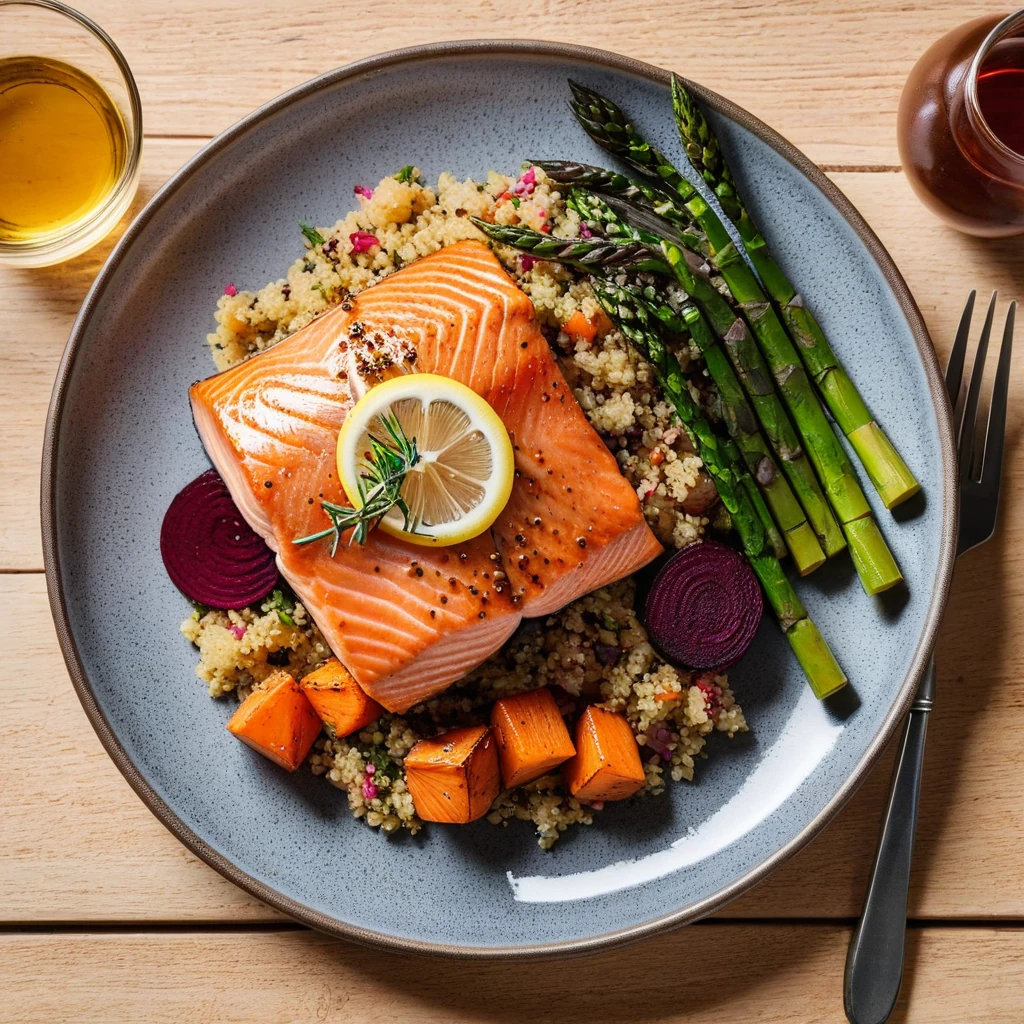
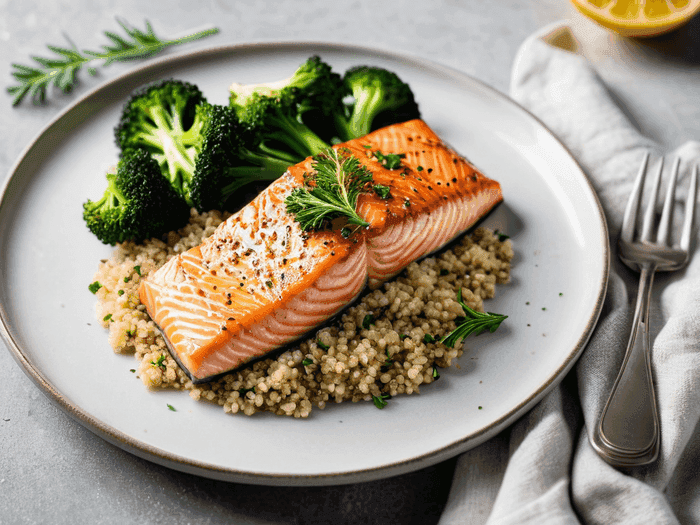
Roasted Salmon with Root Vegetables and Quinoa
Pan-seared salmon fillet served with roasted carrots and beets, fluffy quinoa, and steamed asparagus with lemon dressing
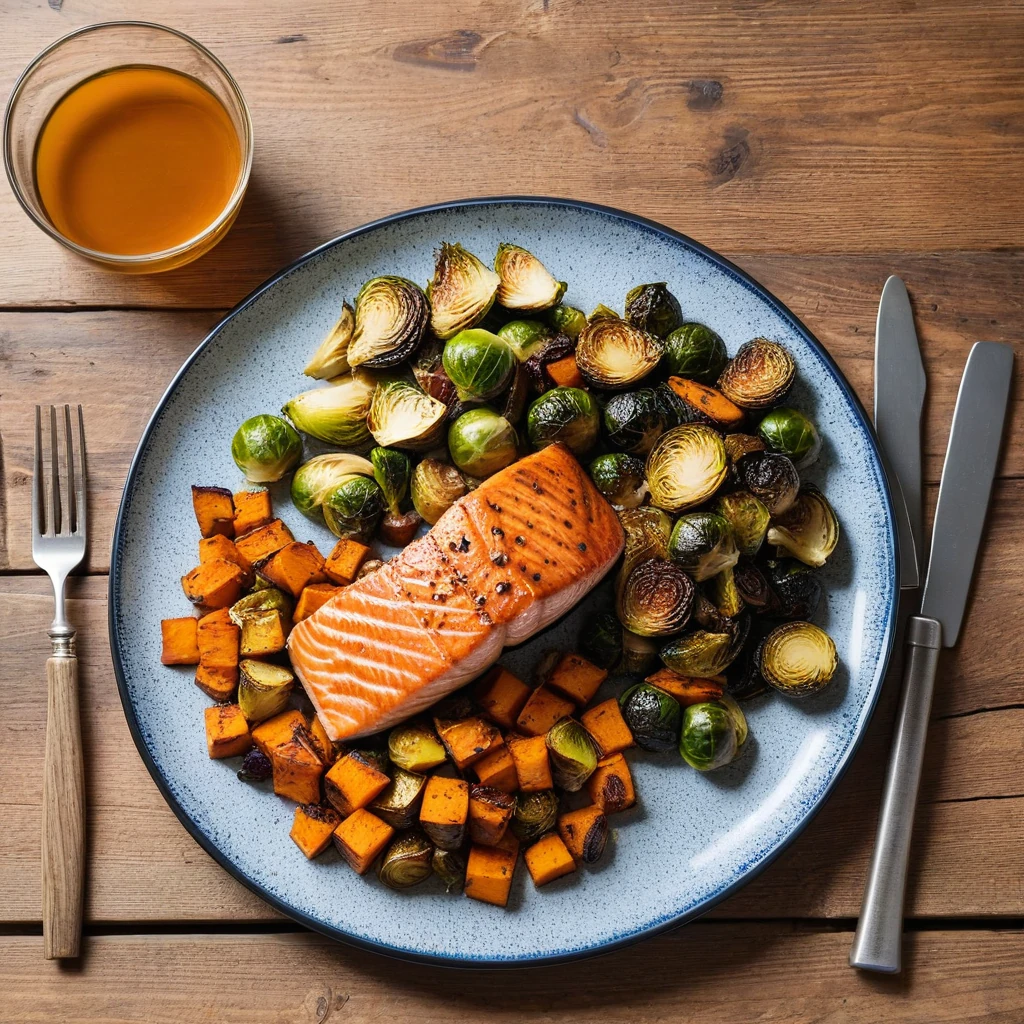
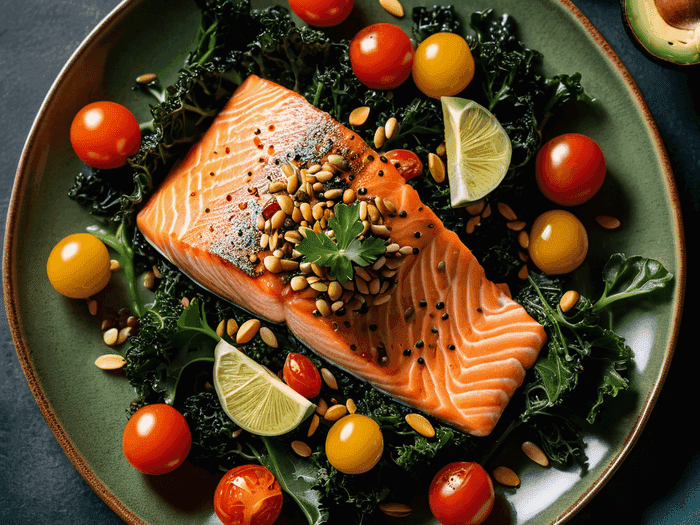
Grilled salmon with sweet potato and roasted Brussels sprouts
Omega-3 rich salmon fillet served alongside creamy sweet potato and crispy roasted Brussels sprouts with olive oil