ШІ-Підживлені плани харчування GLP-1
Безкоштовне персоналізоване харчування для користувачів Ozempic, Wegovy та Mounjaro. Наш ШІ створює високобілкові, поживні плани харчування, які мінімізують побічні ефекти та максимізують ваші результати — не потрібно вводити дані кредитної картки, щоб почати.
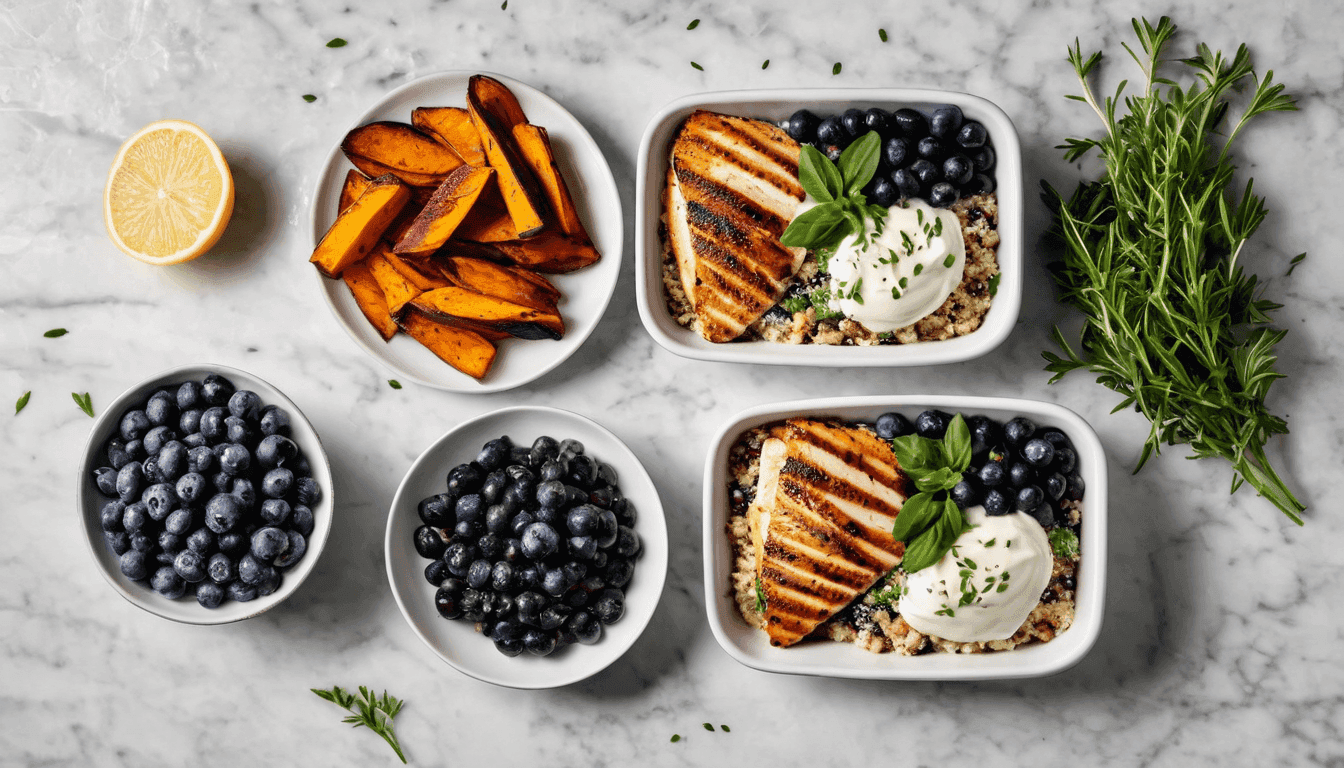
Як наш ШІ-агент допомагає користувачам GLP-1
Наш спеціалізований з харчування штучний інтелект розуміє унікальні дієтичні потреби користувачів медикаментів GLP-1. Він створює плани, які надають пріоритет споживанню білка, контролюють розміри порцій для зменшення апетиту та обирають інгредієнти, що мінімізують поширені побічні ефекти, такі як нудота - все це одночасно забезпечуючи повноцінне харчування з меншими порціями.
Планування з пріоритетом білка
ШІ надає пріоритет споживанню 25-30 г білка за кожним прийомом їжі, щоб запобігти втраті м'язової маси — головній проблемі для користувачів GLP-1, які швидко скидають вагу.
Управління побічними ефектами
Автоматично обирає продукти та текстури, які зменшують нудоту, здуття живота та шлунково-кишковий дискомфорт, поширені при застосуванні semaglutideу та tirzepatideу.
Розумне визначення розміру порцій
Адаптує розміри страв до вашого мінливого апетиту, забезпечуючи достатнє споживання мікронутрієнтів з кожним куснем.
Плани для домогосподарств з кількома особами
Створюйте плани харчування для користувачів GLP-1 разом з іншими членами сім'ї з різними потребами, використовуючи режими страв SHARED або INDIVIDUAL та єдиний список покупок.
Чому ШІ Планування Харчування для Ліків GLP-1?
Думаєте, що їсти під час прийому Ozempicа або інших препаратів GLP-1? Споживання правильних продуктів є критично важливим для досягнення результатів та комфорту. Наш ШІ впорається з складністю, тож вам не доведеться турбуватися.
Високобілкові страви для збереження м'язової маси під час схуднення
Рецепти, дружні до нудоти, розроблені для мінімізації побічних ефектів GLP-1
Поживні менші порції, що відповідають вашому зменшеному апетиту
Автоматичні списки покупок для всього домогосподарства з плануванням для кількох учасників
Гранулярне оновлення плану харчування - заміна окремої страви без необхідності перебудовувати весь план.
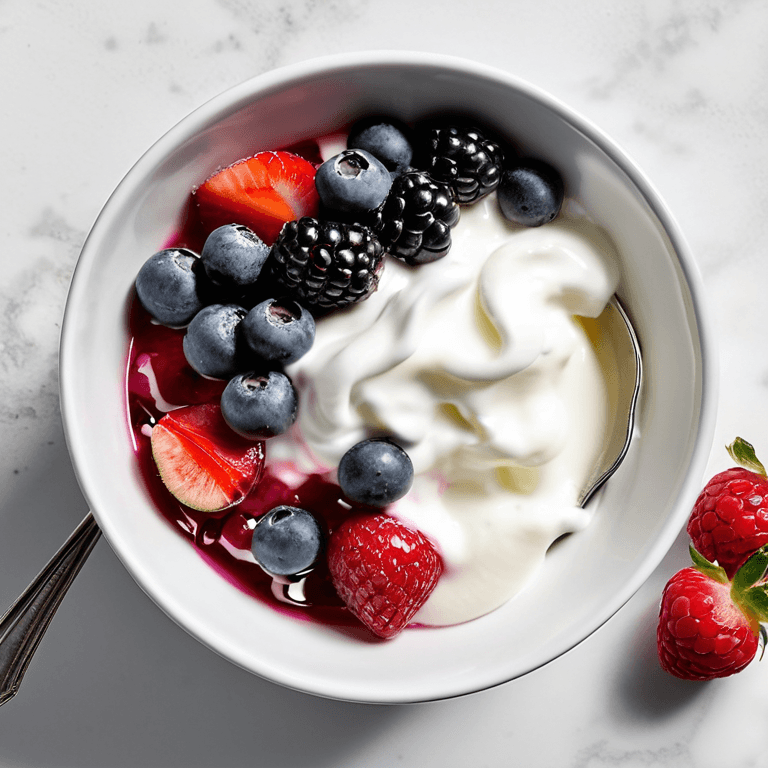
Приклади дружніх до GLP-1 страв
ШІ-генеровані високобілкові, поживні страви, оптимізовані для користувачів медикаментів GLP-1
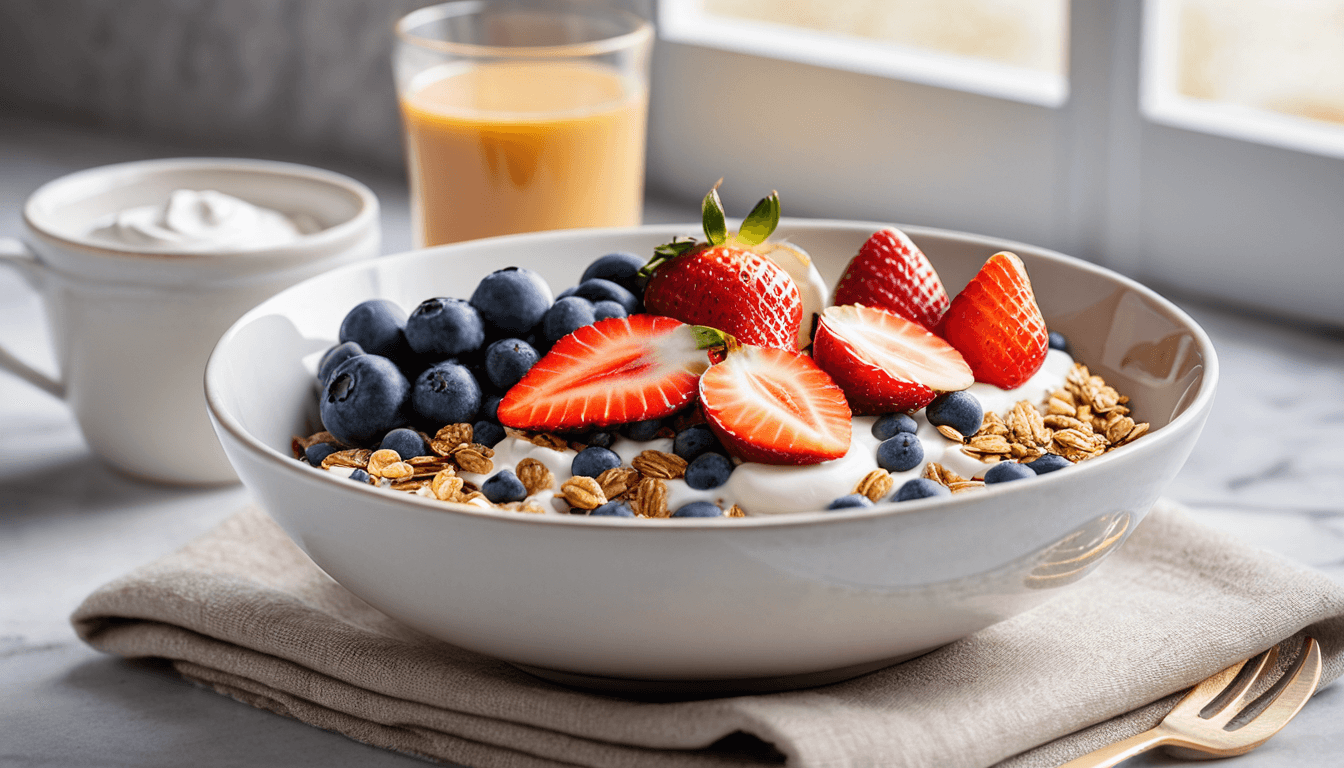
Бокал з грецьким йогуртом і білком
Високобілковий сніданок, який легко засвоюється шлунком, з пробіотиками для підтримки здоров'я травної системи
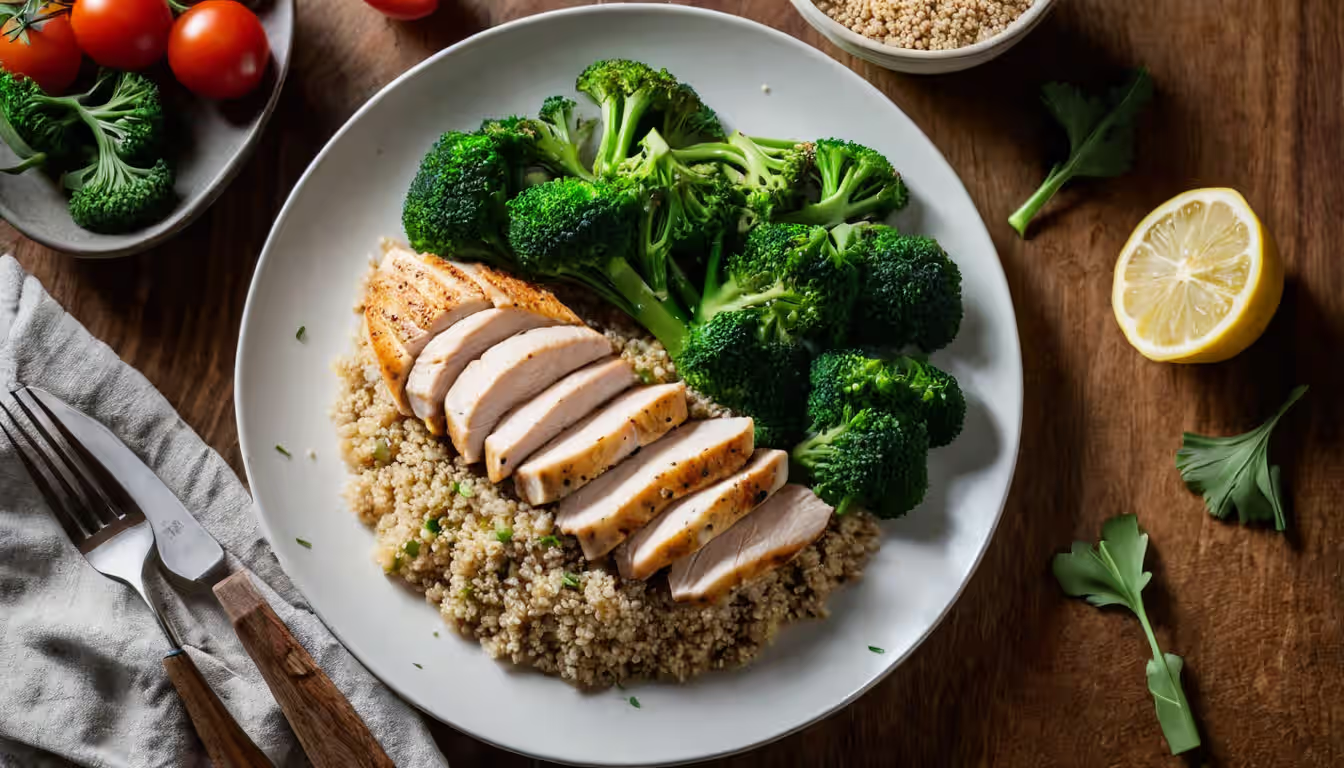
Курка з лимоном і травами з квіноєю
Худий білок з складними вуглеводами та цитрусовими ароматами, які допомагають контролювати нудоту
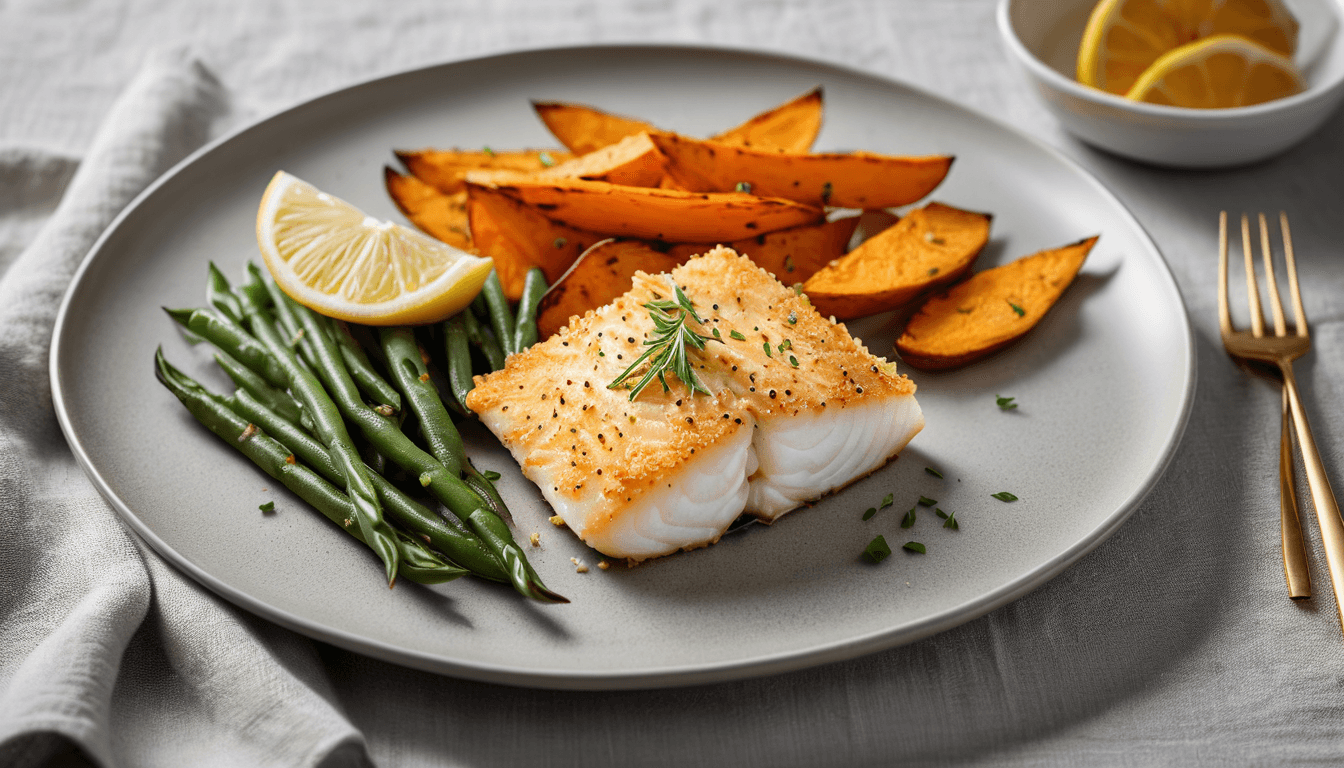
Запечений код з солодким картоплям
Легка, легко засвоюванна вечеря, насичена білком та необхідними поживними речовинами
Часто ставлені запитання
Чи можна приймати препарати GLP-1 під час вагітності?
Лікарські засоби GLP-1 (semaglutide, tirzepatide, liraglutide) не рекомендовані під час вагітності. Дослідження на тваринах свідчать про потенційну шкоду для плода, а дані щодо людей є недостатніми. Більшість виробників радять припинити прийом лікарського засобу принаймні за 2 місяці до планування вагітності. Якщо ви завагітніли, приймаючи GLP-1, негайно зверніться до свого лікаря. Під час вагітності зосередьтеся на збалансованому харчуванні цільовими продуктами з додатковими 300–450 ккал порівняно з рівнем споживання до вагітності. Після закінчення грудного вигодовування ви можете обговорити відновлення прийому GLP-1 з лікарем. Перед внесенням будь-яких змін у прийом лікарських засобів або дієту під час вагітності, особливо якщо у вас діабет 2 типу, який раніше лікувався за допомогою GLP-1, обов'язково проконсультуйтеся з лікарем.
Чи можна годувати грудьми під час прийому препаратів GLP-1?
Лікарські засоби GLP-1 зазвичай не рекомендуються під час годування грудьми через обмежені дані про вплив на дитину. Більшість джерел з лактації радять утриматися від початку прийому препаратів GLP-1 під час вигодовування. Якщо ви приймали препарати GLP-1 і завагітніли, обговоріть час відновлення прийому з лікарем лише після відлучення від грудей. Під час годування грудьми зосередьтеся на харчуванні з високим вмістом поживних речовин, а не на активному зниженні ваги: додайте 450-500 ккал щодня до споживання до вагітності, приділяйте увагу білку (куряче філе містить 31 г на 100 г за даними USDA), здоровим жирам і гідратації на рівні 3-3,5 літра. Перед прийомом будь-яких ліків або значними змінами в раціоні під час годування грудьми обов'язково проконсультуйтеся з лікарем.
Чи можуть спортсмени приймати препарати GLP-1?
Спортсмени, які приймають GLP-1, стикаються з двома основними проблемами: зниження апетиту, що ускладнює досягнення цілей калорійності та білкового споживання, і зменшення енергозабезпечення для високої інтенсивності роботи. Очікуйте, що продуктивність знизиться протягом перших 4-8 тижнів після кожного підвищення дози, оскільки організм адаптується до нижчого рівня глюкози та апетиту. Приділіть пріоритет споживанню 1,6-2 г білка на кілограм ваги тіла з високобілкових джерел: яйця, курка, лосось, грецький йогурт (10 г білка на 100 г за даними USDA). Вживайте вуглеводи перед тренуванням з рису, вівса або солодкого картопля. Агресивно гідратуйтесь (3-4 літри). Креатин по 5 г на день допомагає. Деякі спортсмени припиняють прийом GLP-1 під час конкурентних сезонів і відновлюють у позасезонний період. Обговоріть це з вашим лікарем.
Скільки коштує дотримання дієти GLP-1 щотижня?
Споживання їжі з GLP-1 часто дешевше, ніж раніше, оскільки порції значно зменшуються. Багато людей витрачають 40-60 доларів на тиждень на їжу, що становить половину їхнього бюджету до початку лікування. Основна увага має приділятися щільності поживних речовин, а не кількості. Зверніть увагу на яйця (4 долари за десяток), грецький йогурт (5 доларів за літр), курячі стегенця (2 долари за фунт, 22 г білка на 100 г готового продукту за даними USDA), консервовану рибу, сухі бобові та заморожені овочі. Білковий порошок (20 доларів на місяць) допоможе заповнити прогалини, коли тверда їжа здається неапетитною. Ігноруйте дорогі протеїнові коктейлі та замінники їжі з позначкою GLP-1; звичайний ізолят сироваткового білка або казеїн працюють однаково. Ретельно стежте за споживанням білка, оскільки це найпоширеніша проблема.
Як готувати їжу за планом GLP-1?
Підготовка їжі для GLP-1 повинна наголошувати на невеликих, високобілкових порціях, які зберігаються окремо. Неділя: приготуйте 2 фунти курячої грудки або стегенець (розрізати на 6-8 невеликих порцій), зваріть 8 яєць, зробіть партію супу з бобами та куркою, багату білком, і розподіліть грецький йогурт з ягодами по окремих баночках. Використовуйте невеликі контейнери (8-12 унцій), оскільки ви будете їсти менше за один прийом їжі. Зберігайте протеїнові коктейлі в холодильнику напоготові на дні, коли відчуваєте нудоту. Перекуси розміром з закуску (3-4 унції білка плюс півсклянки овочів) кожні 3-4 години краще працюють, ніж 3 великі прийоми їжі. Типова підготовка займає 60-90 хвилин і забезпечує 12-15 невеликих порцій.
Як дієтичні добавки GLP-1 діють при діабеті 2 типу?
Лікарські засоби GLP-1 мають схвалення FDA для лікування діабету 2 типу та забезпечують значне зниження рівня HbA1c на 1,0–1,8 пунктів протягом 6 місяців, а також втрату ваги на 10–20%. Механізми включають уповільнення опорожнення шлунка (ви довше відчуваєте ситість), збільшення секреції інсуліну у відповідь на прийом їжі, зниження викиду глюкагону та центральне пригнічення апетиту. Поєднуйте препарати GLP-1 з збалансованими стравами (білок плюс волокна плюс здорові жири), щоб максимізувати ефект. Уникайте великих вуглеводних страв, які можуть викликати нудоту через уповільнене опорожнення шлунка. Контролюйте рівень глюкози під час зміни дози. Тісно координуйте з лікарем коригування медикаментів, особливо якщо ви приймаєте інсулін або сульфонілсечовину.
Чи можуть GLP-1 допомогти при ПКОЯ?
Лікарські засоби GLP-1 (позначні для PCOS у більшості випадків) можуть покращити чутливість до інсуліну, сприяти зниженню ваги та у багатьох жінок відновити регулярність менструацій протягом 3-6 місяців. Клінічні дослідження демонструють перспективні результати, хоча і менш виражені, ніж при діабеті. Механізм полягає у зменшенні резистентності до інсуліну, основного чинника, що викликає симптоми PCOS. Поєднуйте ліки з високобілковими стравами (30 г білка на прийом їжі), листовими овочами та низькоглікемічними вуглеводами. Уникайте рафінованих вуглеводів, які різко підвищують рівень глюкози. Більшість пацієнтів з PCOS спостерігають покращення рівня андрогенів протягом 12 тижнів. Лікарські засоби GLP-1 є рецептурними препаратами; обговоріть їх з ендокринологом або гінекологом. Не використовуйте складені або не схвалені FDA версії.
Як впоратися з побічними ефектами GLP-1 за допомогою їжі?
Більшість побічних ефектів GLP-1 (нудота, запор, втома, рефлюкс) покращуються завдяки правильному вибору продуктів. Споживайте 4-6 невеликих прийомів їжі замість 3 великих. У перші 48 годин після ін'єкції віддавайте перевагу простим, низькокалорійним продуктам: грецький йогурт, яйця, куряча грудка, рис, тост, банани. Уникайте жирної, смаженої, гострої або надто важкої їжі, яка посилює нудоту через уповільнене виведення шлункового вмісту. Запор часто зустрічається: поступово збільшуйте споживання клітковини, пийте 3 літри води на день і додайте магнію цитрат 200-400 мг. Чай з імбиром і м'ятою допомагає при нудоті. Якщо нудота не проходить протягом більш ніж 3 днів, зверніться до лікаря для коригування дози.
Чи втратлю я м'язи на GLP-1?
Втрата м'язової маси є відомим ризиком при застосуванні препаратів GLP-1, дослідження показують, що від 30 до 40% втраченої ваги може становити м'язова маса без втручання. Для захисту м'язів існують два стратегії: достатня кількість білка (від 1,6 до 2 г на кг ваги тіла, що складно досягти при зниженому апетиті) та силові тренування 3-4 рази на тиждень. Білкові коктейлі допомагають досягти необхідних показників, коли тверда їжа не викликає апетиту. Старшим людям (від 60 років) потрібно більше білка (від 2 до 2,2 г на кг ваги тіла), щоб зберегти м'язову масу. Креатин у дозі 5 г на день підтримує силу. Контролюйте склад тіла за допомогою ДЕКСА або домашніх ваг з вимірюванням відсотка жирової тканини. Якщо втрата м'язової маси значна, обговоріть повільніший темп збільшення дози з лікарем.
Як я можу готувати їжу партіями для родини, коли я на дієті GLP-1?
Коли один член сім'ї дотримується дієти GLP-1, приготуйте спільну основну страву та розділіть тарілку для того, хто дотримується GLP-1, на менші порції. Щотижневі опорні страви: гриль з білків (курка, риба, нежирне м'ясо) у порціях 4-8 унцій для сім'ї та 3-4 унції для того, хто дотримується GLP-1; велика каструля супу чи чилі (той, хто дотримується GLP-1, бере меншу чашку); і гарнір з зернових (рис, кінва), який той, хто дотримується GLP-1, може пропустити. За даними USDA, 100 г відвареної курячої грудки містить 31 г білка. Сімейні вечері здаються звичайними; той, хто дотримується GLP-1, просто бере менше. Уникайте перетворення вечері на медичну подію навколо людини, яка дотримується GLP-1. Щотижневе приготування займає 2 години для сім'ї з чотирьох осіб.
Як мені їсти в ресторані, перебуваючи на GLP-1?
Їжте поза домом на дієті GLP-1 можна контролювати, якщо ви встановите очікування. Замовляйте порції розміром з закуску, коли це можливо, діліть основні страви або плануйте одразу упакувати половину. Найкращі варіанти: страви з акцентом на білку (смажена риба, стейк, курка) з невеликою порцією овочів. Уникайте смаженої чи жирної їжі, яка посилює нудоту. Пропускайте буфети; спокуса з'їсти більше, ніж потрібно, сильна і часто викликає дискомфорт. Мексиканська, середземноморська та японська кухні зазвичай підходять через яскраві смакові відтінки та акцент на білку. Алкоголь сильніше впливає на GLP-1; максимум один напій. Просіть соуси окремо. Очікуйте залишки і насолоджуйтеся ними протягом 2-3 прийомів їжі.
Як подорожувати на медикаментах GLP-1?
Подорожі з GLP-1 потребують попереднього планування. Упакуйте ліки в жорсткий ізольований кейс з пакетиками льоду (багато GLP-1 потребують холодильника, хоча зберігання без холодильника дозволено на 28 днів). Дотримуйтесь рецептури при проходженні через аеропорт. Упакуйте високобілкові перекуси: білкові батончики, ятки, консервовану тунець, чашки грецького йогурту, зварені круто яйця. Час ін'єкцій підберіть так, щоб уникнути піку нудоти в день подорожі; багато людей роблять ін'єкції за 2 дні до від'їзду. Під час польоту пийте достатньо води (зневоднення посилює побічні ефекти GLP-1). Пропускайте авіаперельоти, якщо їжа здається жирною. У ресторанах очікуйте, що будете їсти менше, ніж зазвичай, і запакуйте залишки. Поступово пристосовуйтеся до нових часових поясів для часу ін'єкцій.
GLP-1 плюс кето: чи це працює?
Комбінація GLP-1 та кето може посилити втрату ваги, але має ризики. Поєднання може спричинити сильний нудотний стан, втому та електролітний дисбаланс, оскільки обидва знижують рівень глюкози в крові та апетит. Якщо ви вирішите спробувати це поєднання, почніть з GLP-1 протягом 4-8 тижнів, а потім перейдіть на низьковуглеводну дієту, а не на сувору кето (50-100 г вуглеводів замість 20-50 г). Електроліти мають критичне значення: натрій 3000-5000 мг, калій з овочів, магній 200-400 мг. Пийте 3-4 літри води на день. Для більшості людей GLP-1 самостійно з збалансованим цільним харчуванням дає подібні результати з кращою прихильністю. Обговоріть будь-яке агресивне поєднання з вашим лікарем.
GLP-1 проти підрахунку калорій: що краще?
Лікарські засоби GLP-1 підходять для людей, які не можуть підтримувати дефіцит калорій лише за допомогою сили волі, часто через сильний голод або інсулінорезистентність. Підрахунок калорій ефективний для людей із сильним контролем апетиту та готовністю відстежувати споживання їжі. Лікарські засоби GLP-1 забезпечують швидше та більш значне зниження ваги (на 10–20% протягом 6 місяців) порівняно з підрахунком калорій (на 5–8% за той самий період). Однак, ліки GLP-1 є рецептурними препаратами, які мають свою вартість, побічні ефекти та ймовірність повернення втраченої ваги після припинення прийому. Багато людей поєднують обидва методи: використовують ліки GLP-1 для подолання плато, одночасно навчаючись стійким харчовим звичкам. Обговоріть із лікарем, чи підходять препарати GLP-1 для вашої ситуації.
Коли препарати GLP-1 не є правильним вибором?
GLP-1 не підходять для кількох груп. Вагітні або годуючі жінки не повинні їх приймати. Люди з особистою або сімейною історією медулярного раку щитоподібної залози або MEN 2 мають протипоказання. Важка гастропарезія або шлунково-кишкові розлади погіршуються при прийомі GLP-1 через вже сповільнене випорожнення шлунка. Ті, хто має активні розлади харчової поведінки, можуть вважати небезпечним пригнічення апетиту. Люди з дуже обмеженим бюджетом часто не можуть дозволити собі місячну вартість від 500 до 1500 доларів без страхування. Ті, хто не бажає робити ін'єкції або відстежувати побічні ефекти, є поганими кандидатами. Обговоріть альтернативи з лікарем, якщо будь-який з цих випадків стосується вас: метформін, зміни способу життя або інші препарати можуть бути ефективнішими.
Чи повернеться вага після припинення прийому GLP-1?
Так, відновлення втраченої ваги є поширеним явищем після припинення прийому GLP-1. Дослідження показують, що приблизно 60-70% втраченої ваги повертається протягом 1-2 років, якщо звички способу життя не були постійно змінені. Ліки частково працюють за рахунок пригнічення апетиту, тому, коли їх прийом припиняється, повертається відчуття голоду. Стратегії для зменшення відновлення втраченої ваги: формувати стійкі харчові звички під час фази GLP-1 (білок багаті страви, силове тренування, кулінарія партіями), поступово знижуйте дозу препарату, а не припиняйте його прийом різко, і продовжуйте щотижневе зважування після припинення прийому, щоб вчасно виявити відхилення. Багато людей залишаються на нижчих підтримуючих дозах протягом тривалого часу. Обговоріть плани поступового зниження дози та підтримуюче дозування з вашим лікарем.
Чи потрібні мені добавки при прийомі препаратів GLP-1?
Кілька добавок важливі для GLP-1 через зменшений об'єм їжі. Вітамін D (1000–2000 МО на день) часто буває низьким незалежно від дієти. Поглинання вітаміну B12 може знизитися через уповільнене спорожнення шлунка; 500 мкг на день допомагає, особливо у літніх людей. Магній гліцинат 200–400 мг допомагає при запорах та м'язових судорогах. Загальний мультивітамін покриває мікронутрієнтні прогалини при низькому калорійному споживанні. Білковий порошок (сироватковий або казеїновий, 25 г на порцію) допомагає досягти білкових цілей. Додавання електролітів може допомогти при втомі. Уникайте дорогих добавок GLP-1. Обговоріть з вашим лікарем, якщо ви приймаєте інші ліки, щоб уникнути взаємодій.
Чи є життя на GLP-1 стійким у довгостроковій перспективі?
Довгострокове використання GLP-1 стає все більш поширеним завдяки зростаючим доказам. Клінічні випробування тривалістю 2+ роки демонструють стійке зниження ваги та метаболічні переваги для людей, які продовжують приймати ліки. Основними викликами для сталого застосування є вартість (часто від 500 до 1500 доларів на місяць без страхування), побічні ефекти (нудота, втома, запор), режим ін'єкцій та поступові зміни складу тіла. Багато пацієнтів планують залишатися на нижчих підтримуючих дозах постійно, а не повністю припиняти лікування. Страхове покриття покращується, але різниться. Сталість значною мірою залежить від формування постійних звичок харчування та фізичних вправ, щоб ліки стали підтримкою, а не єдиним фактором впливу на вашу вагу.
Чи можна вживати алкоголь під час лікування препаратами GLP-1?
Алкоголь сильніше впливає на GLP-1, ніж до лікування. Багато користувачів повідомляють про відчуття сп'яніння після одного напою, тоді як раніше вони витримували дві чи три порції. Механізм полягає в уповільненні опорожнення шлунка та пригніченні апетиту, що зменшує розведення алкоголю їжею. Деякі користувачі описують втрату інтересу до алкоголю взагалі, що є задокументованим побічним ефектом GLP-1 і може бути корисним. Якщо ви п'єте, обмежте себе однією порцією за раз, завжди з їжею, і добре гідратуйтеся. Уникайте бінгового пиття, що може спричинити сильний нудотний рефлекс та блювання на GLP-1. Якщо у вас є історія зловживання алкоголем, обговоріть це з лікарем; деякі повідомляють про зниження бажання пити на GLP-1.
Дослідіть пов'язані ресурси
Відкрийте більше інструментів та посібників для вашого шляху до здорового харчування
Рецепти Дієта з медикаментозним супроводом GLP-1
Переглянути всі рецепти Дієта з медикаментозним супроводом GLP-1 →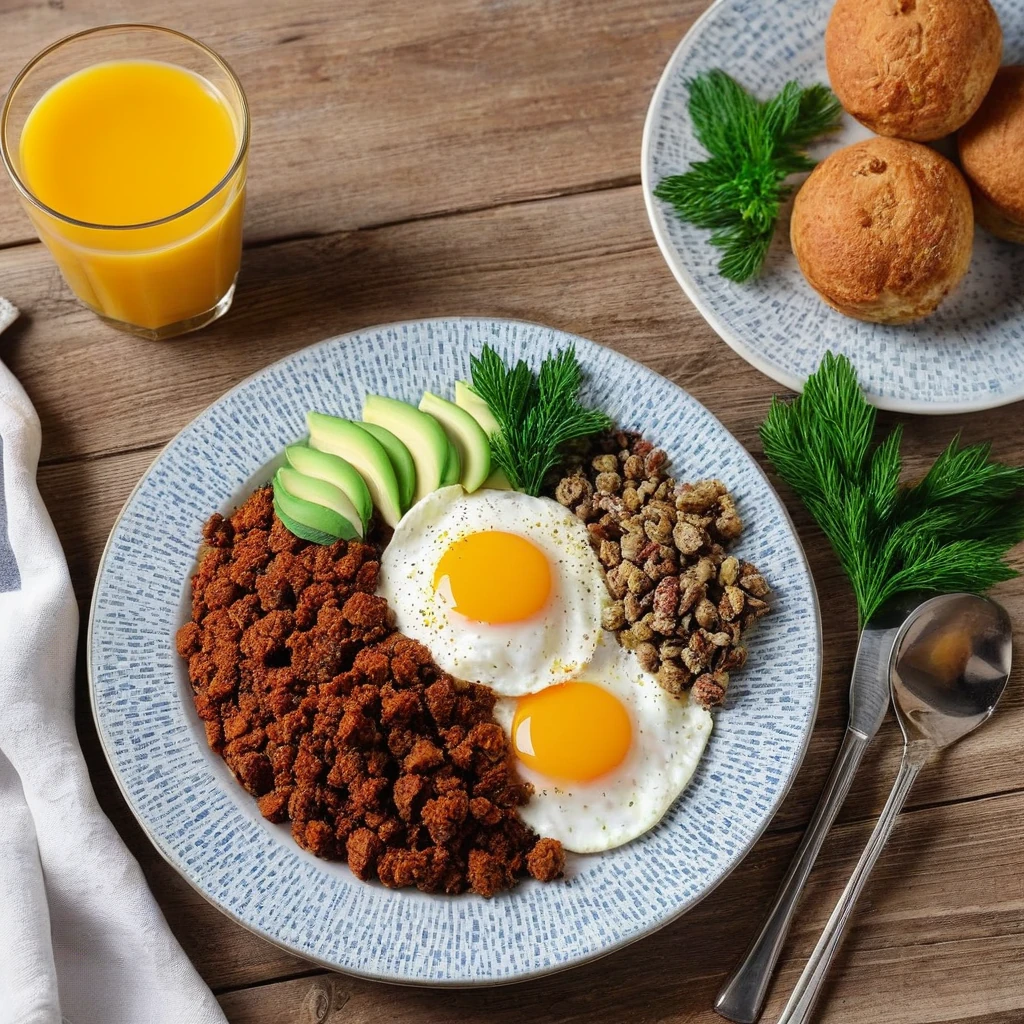
Яйця з беконом та хлібом
Смажені яйця з беконом, цільнозерновим хлібом, помідорами та оливковою олією
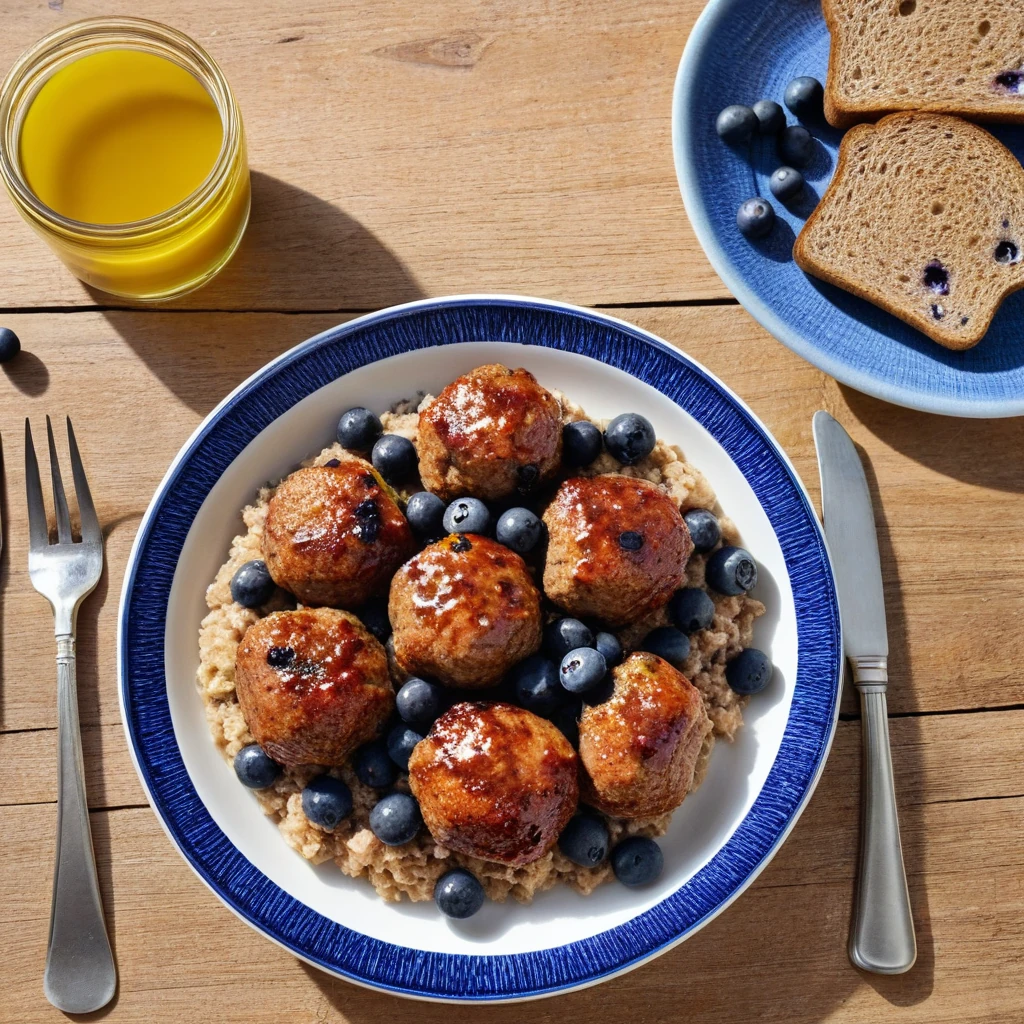
Turkey meatballs with whole wheat toast and blueberries
Lean ground turkey meatballs served with whole wheat toast and fresh blueberries, drizzled with olive oil for healthy fats
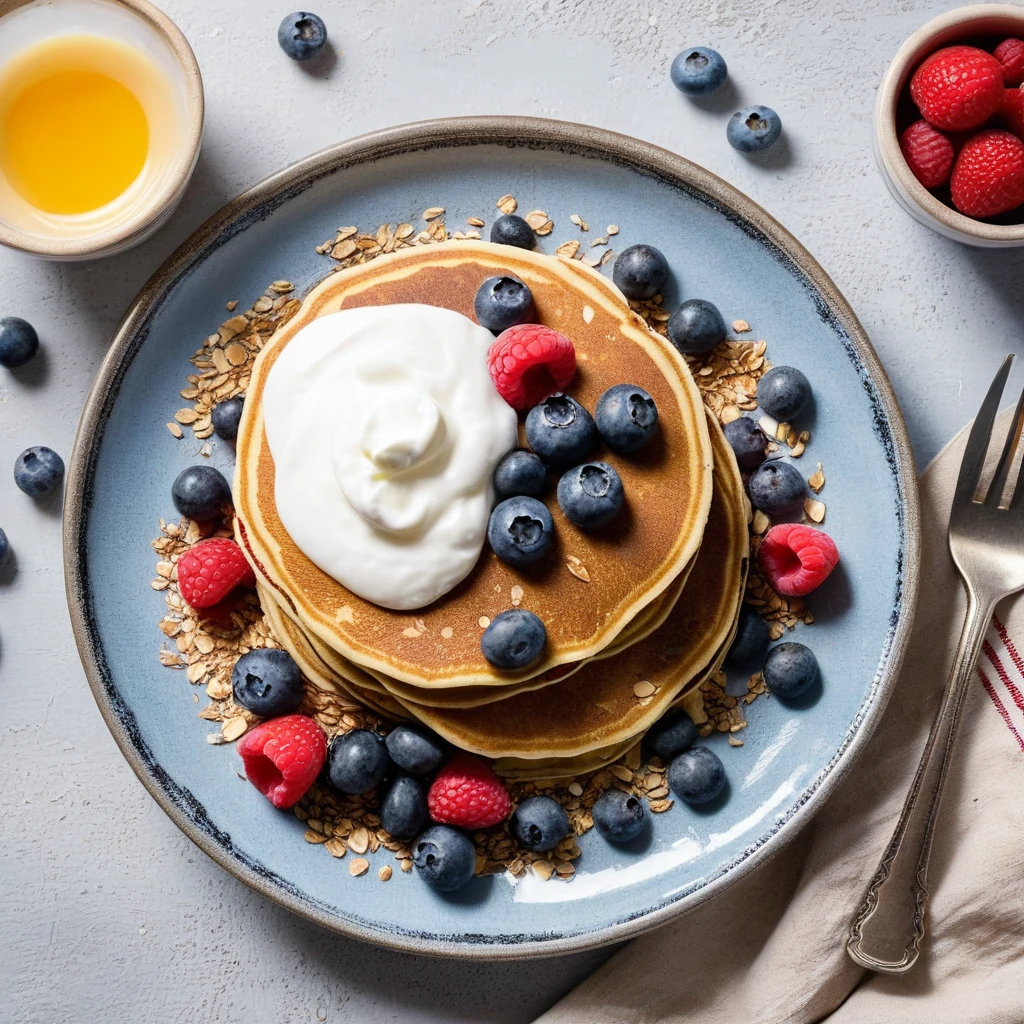
Protein Pancakes with Greek Yogurt & Berries
Fluffy oat flour pancakes topped with whole eggs, egg whites, fresh blueberries, creamy Greek yogurt, and honey drizzle. High in protein and complex carbs for sustained energy.
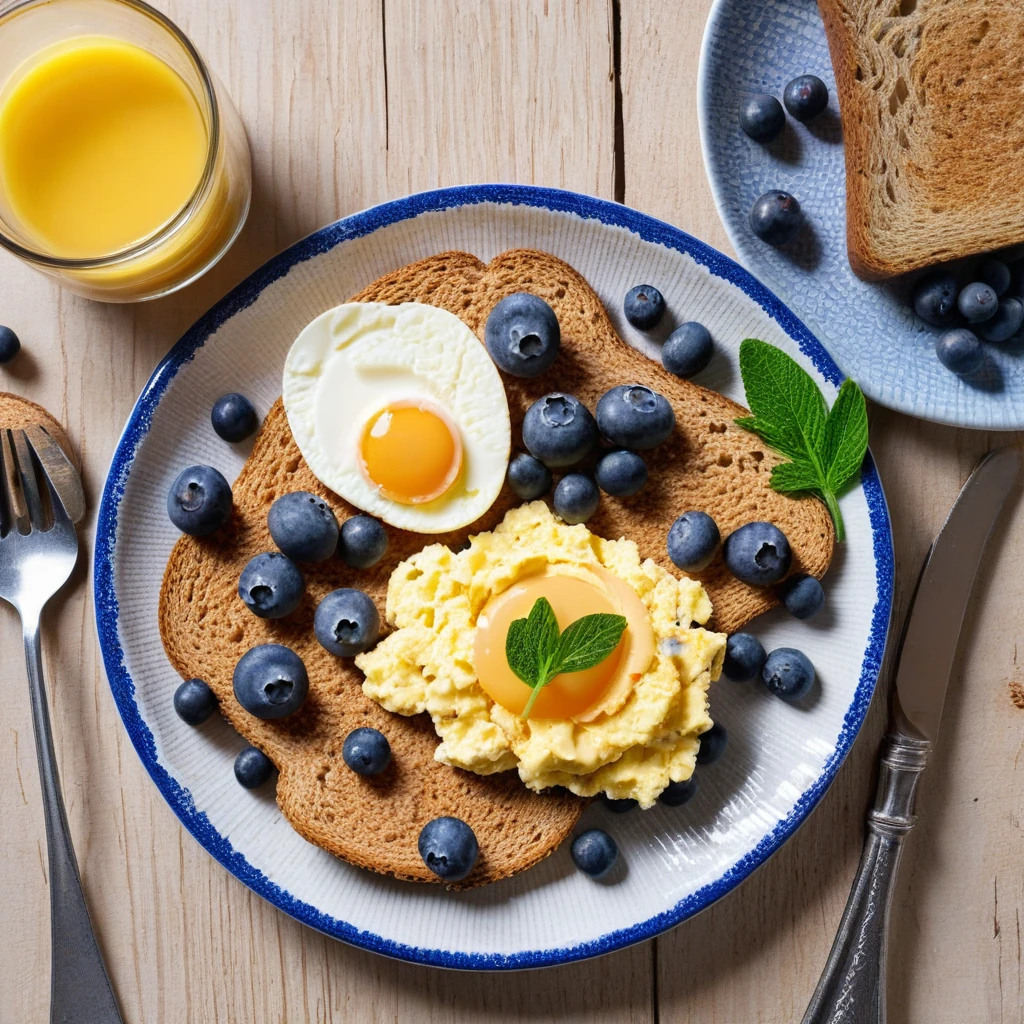
Scrambled Eggs with Whole Wheat Toast and Blueberries
Fluffy scrambled eggs served with toasted whole wheat bread and fresh blueberries for a nutritious start to the day
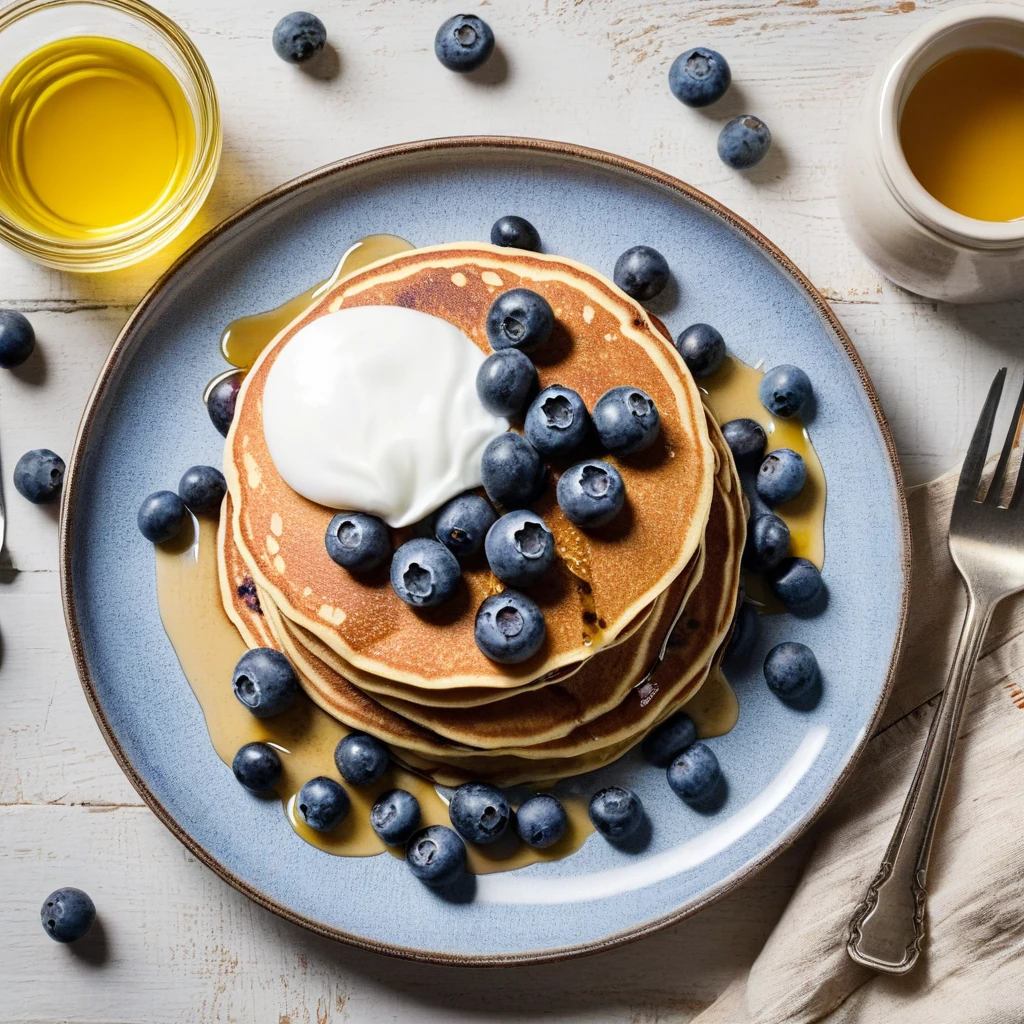
Protein Pancakes with Blueberries
Fluffy oat flour pancakes made with eggs and Greek yogurt, topped with fresh blueberries and drizzled with olive oil
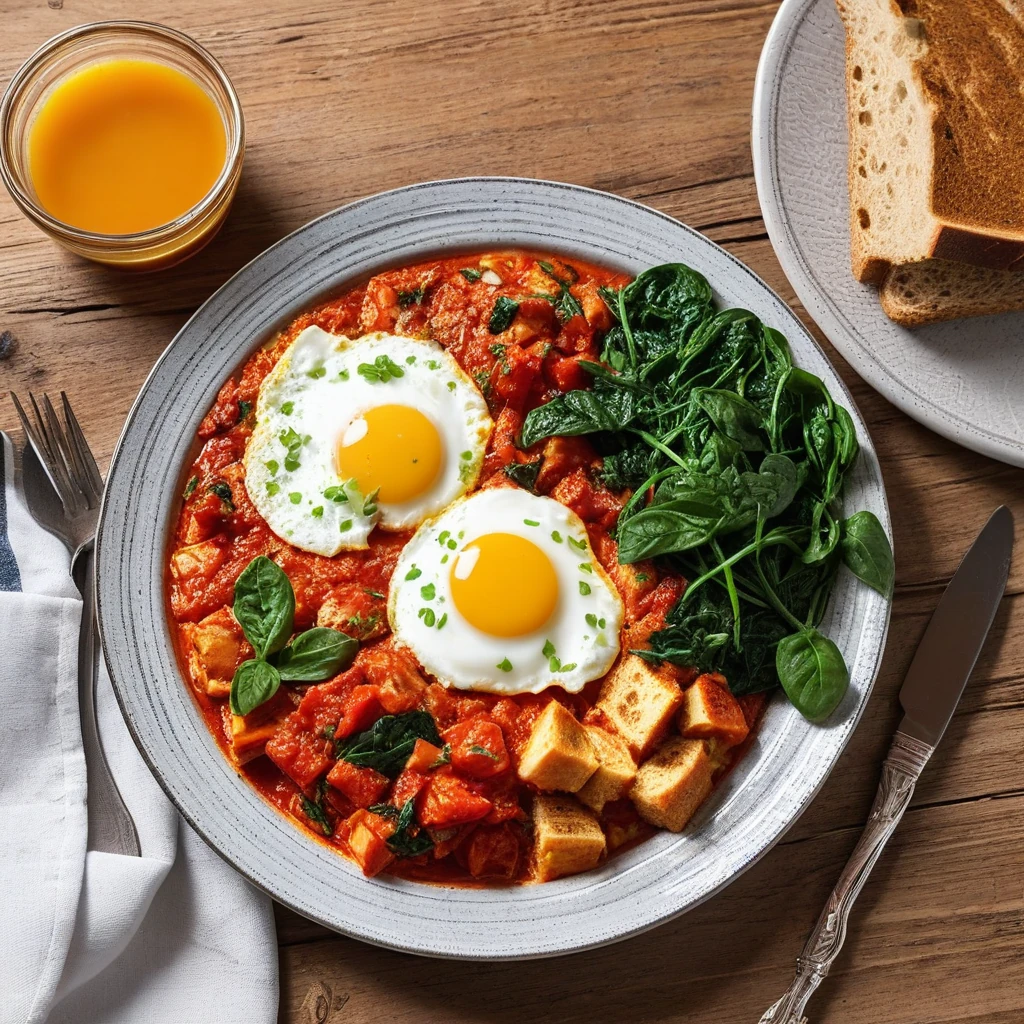
Turkish Shakshuka with Whole Wheat Bread
Eggs poached in savory tomato sauce with spinach and onions, served with toasted whole wheat bread
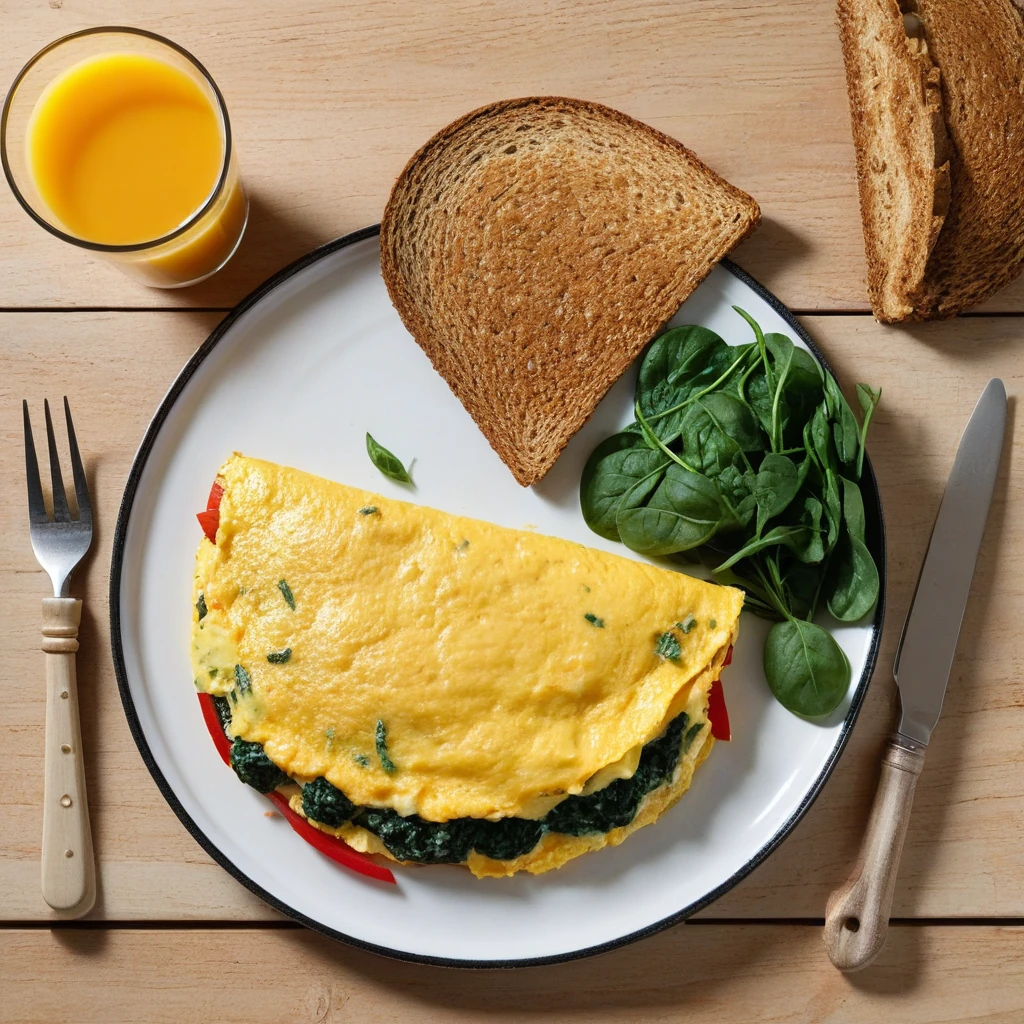
Vegetable and Cheese Omelet with Whole Grain Toast
A fluffy omelet filled with spinach and red bell pepper, topped with melted cheddar cheese, served with buttered whole wheat toast
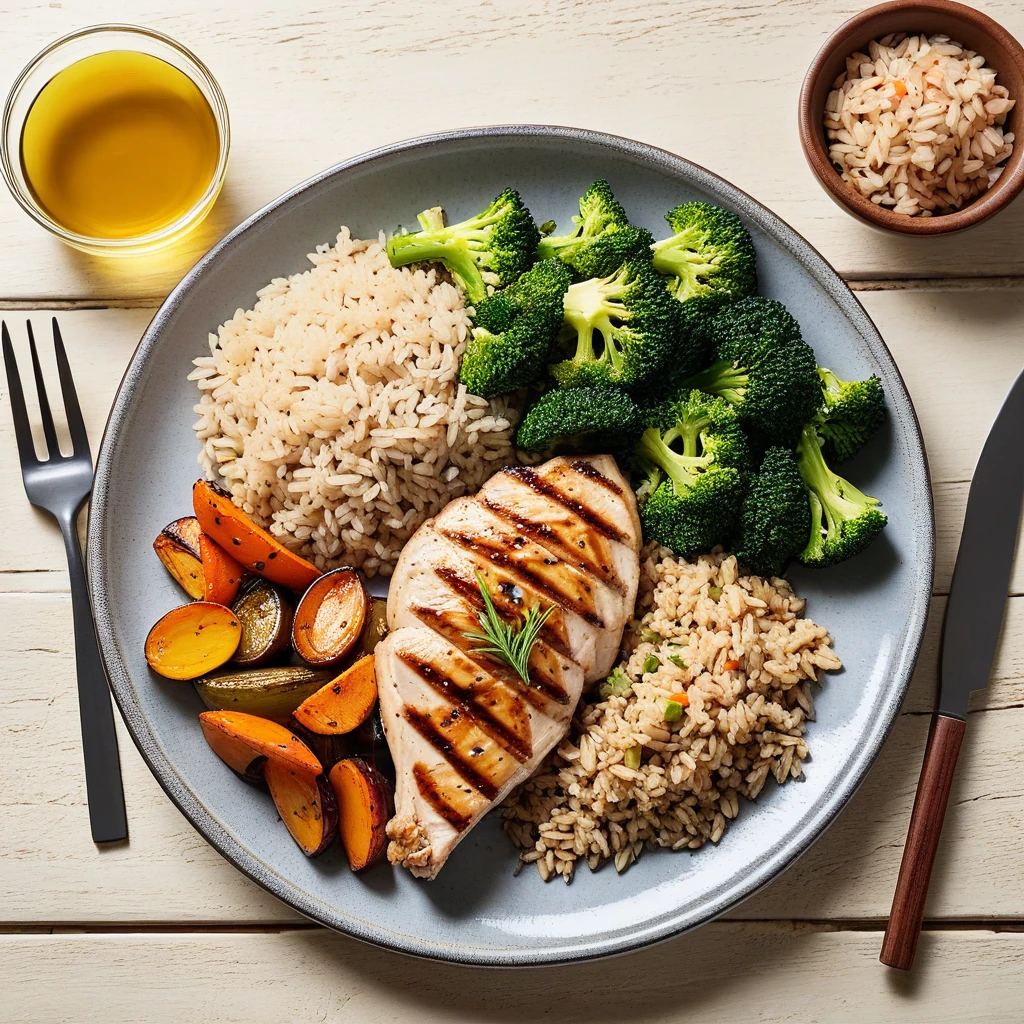
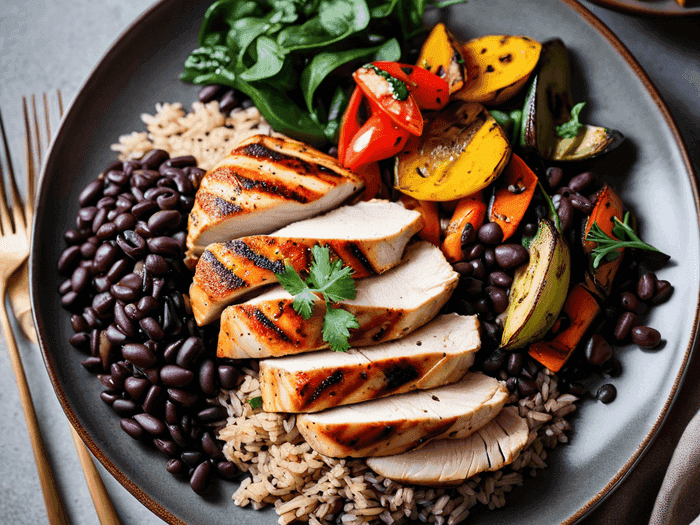
Grilled Chicken Breast with Brown Rice and Roasted Vegetables
Tender grilled chicken breast served over fluffy brown rice with a medley of steamed broccoli and carrots, drizzled with olive oil
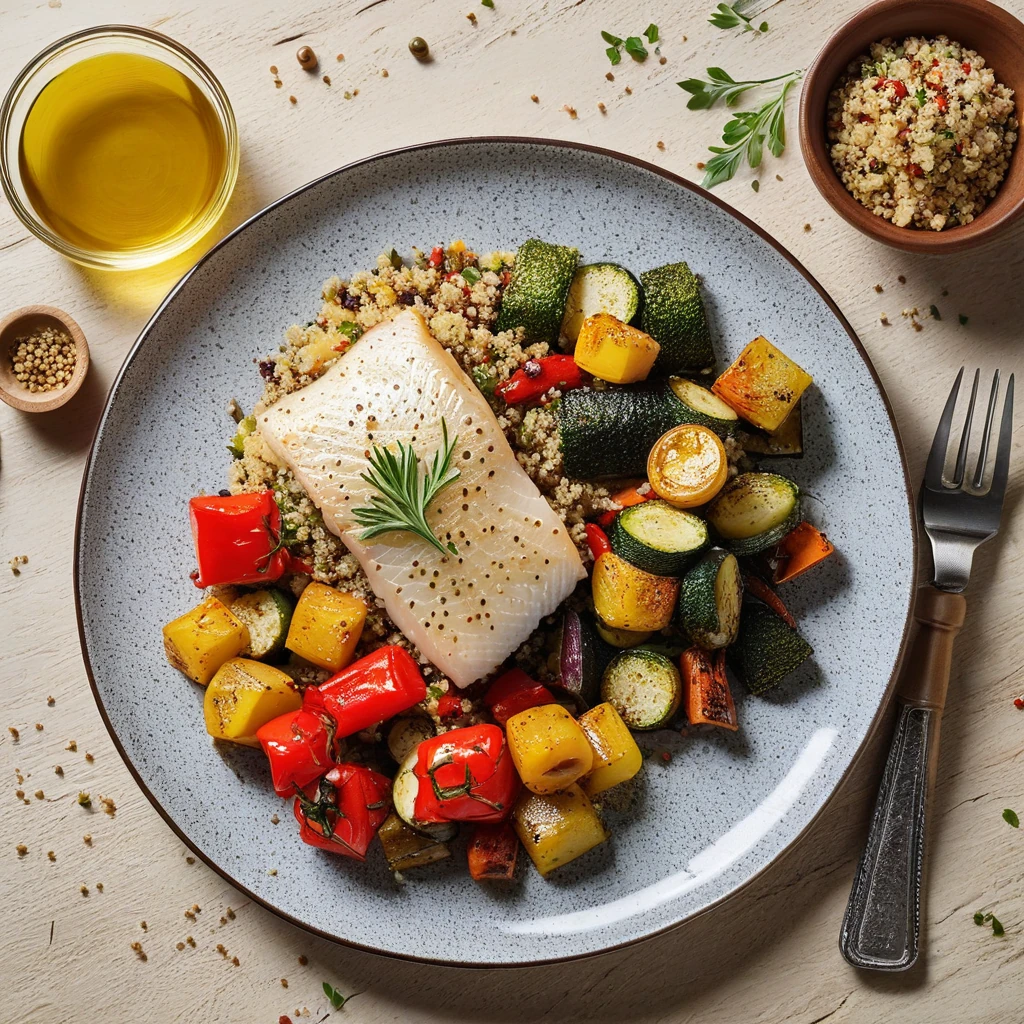
Baked Cod with Quinoa and Roasted Vegetables
Delicate baked cod fillet served with fluffy quinoa and a medley of roasted red bell peppers and zucchini
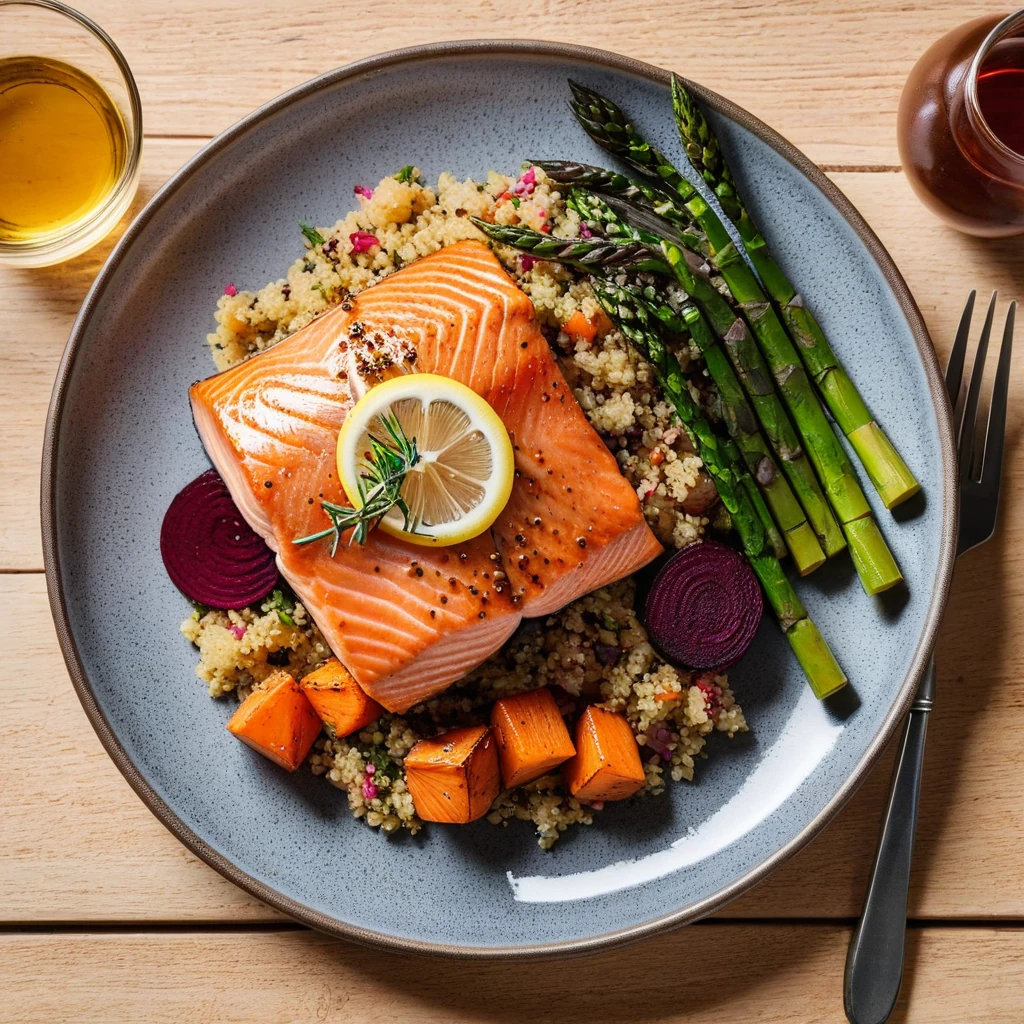
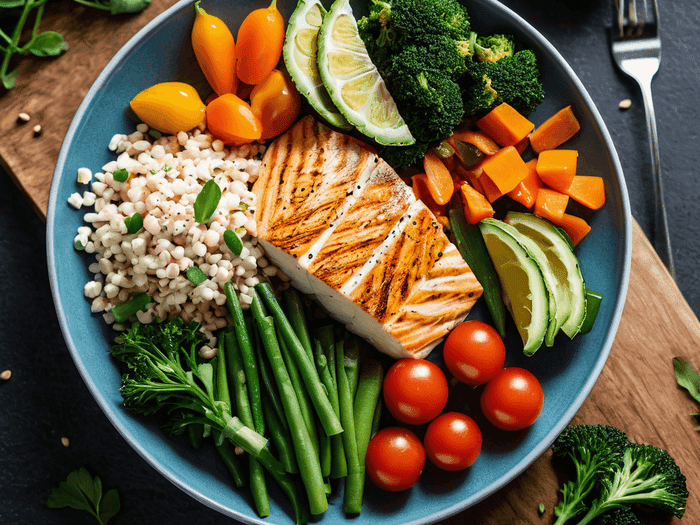
Roasted Salmon with Root Vegetables and Quinoa
Pan-seared salmon fillet served with roasted carrots and beets, fluffy quinoa, and steamed asparagus with lemon dressing
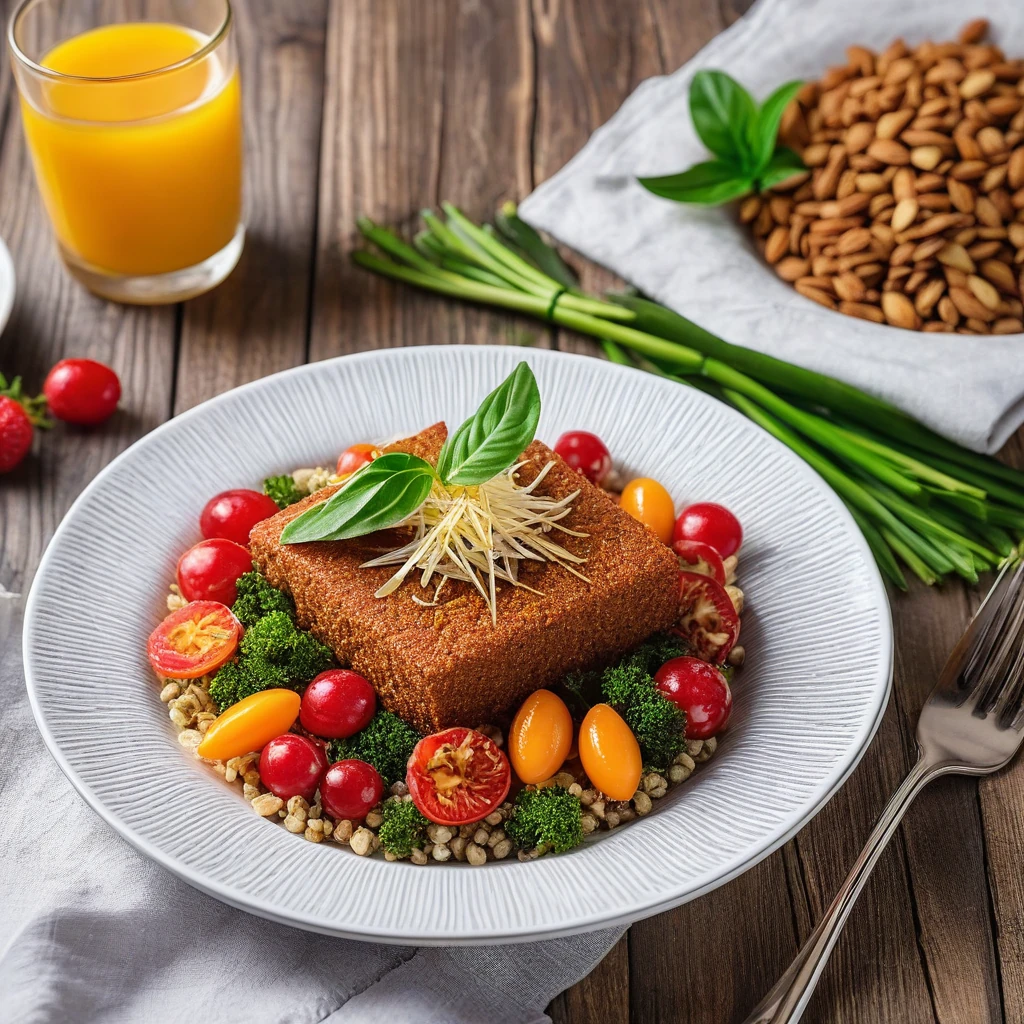
Курка з рисом та овочами
Смажена куриця з білим рисом, брокколі та червоним перцем
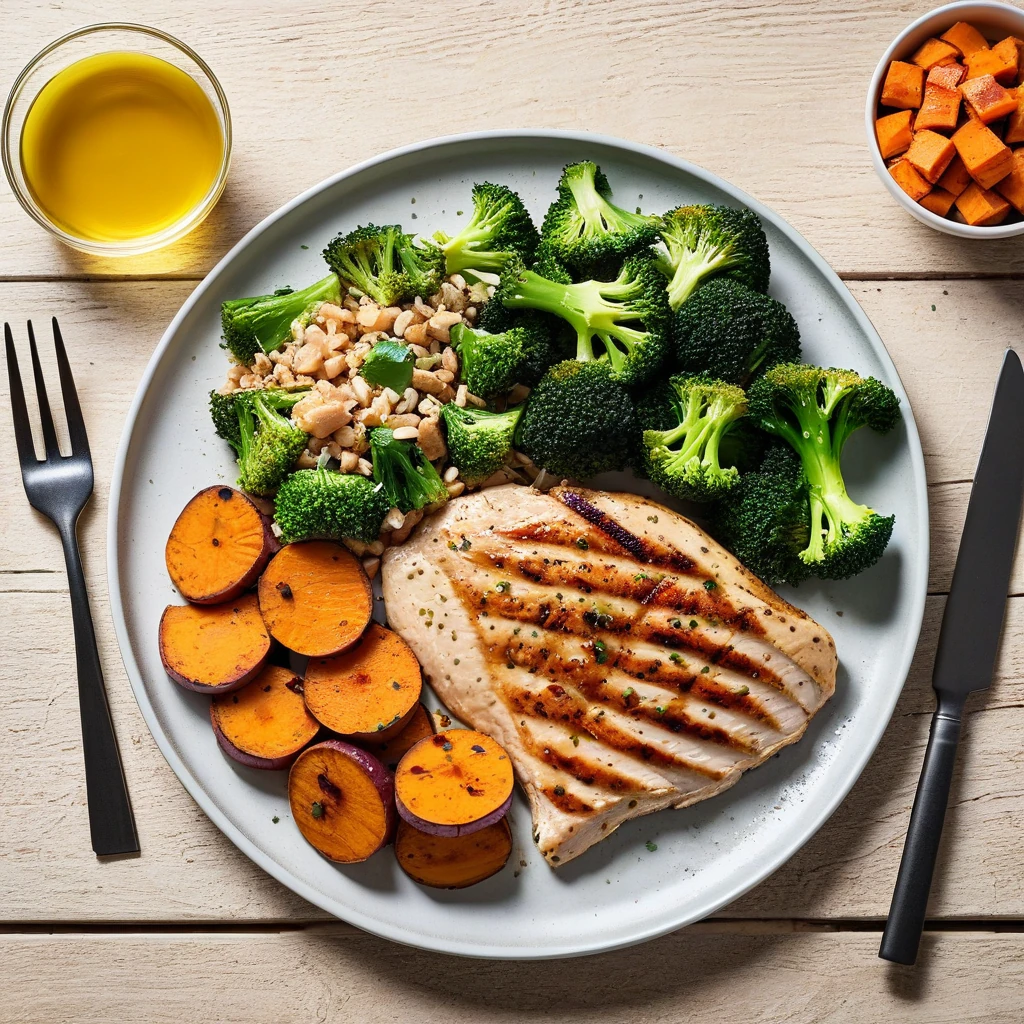
Grilled Chicken Breast with Sweet Potato and Broccoli
Lean grilled chicken breast paired with roasted sweet potato and fresh broccoli, drizzled with olive oil