ШІ-Підживлені Плани Харчування з Періодичним Постом
Дозвольте нашому ШІ створювати ідеально синхронізовані та поживні страви відповідно до вашого розкладу голодування. Оптимізовано для протоколів 16:8, 18:6 та OMAD для максимального спалювання жиру та метаболічного здоров'я.
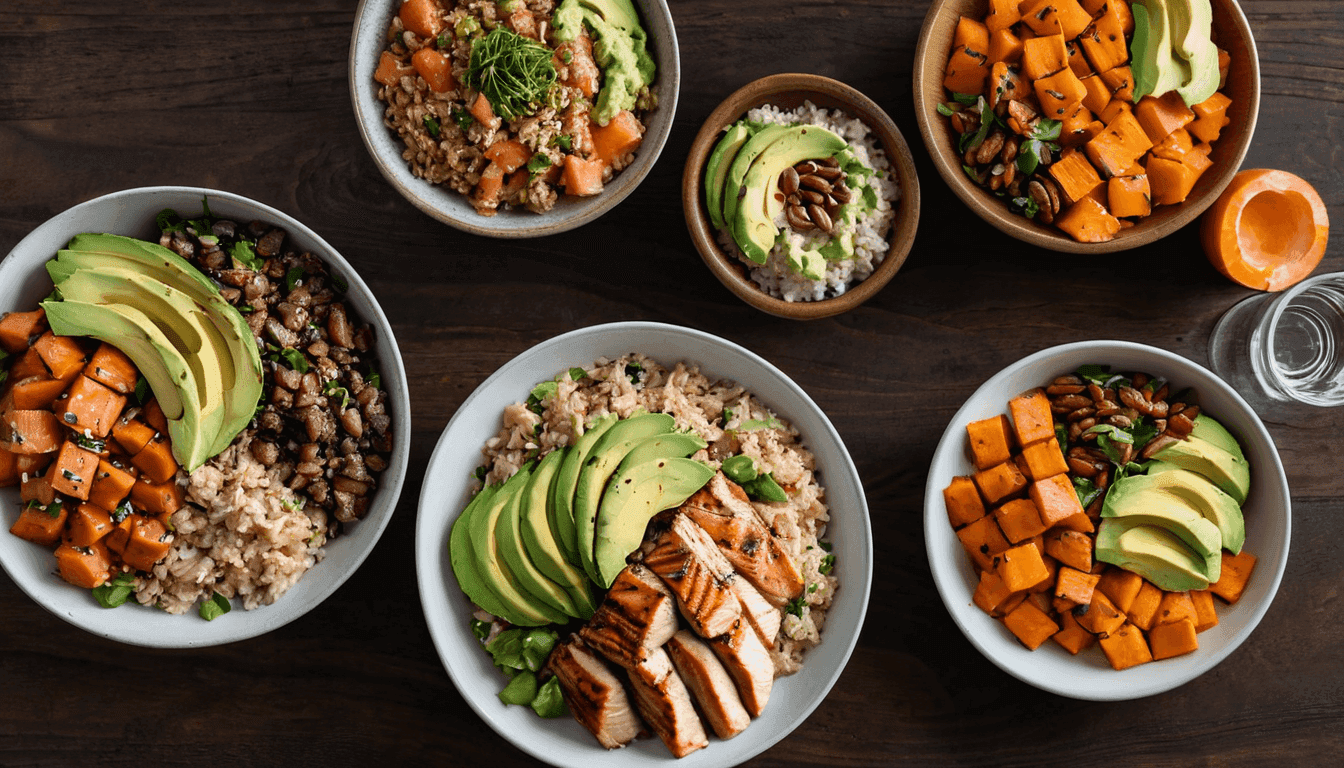
Як наш ШІ-агент підтримує ваше постування
Наш штучний інтелект розуміє науку про часове обмеження прийому їжі та часовий розподіл поживних речовин. Він створює плани харчування, які максимізують всмоктування поживних речовин протягом вашого періоду голодування, підтримують аутофагію під час періодів голодування та гарантують виконання всіх ваших потреб у харчуванні, незважаючи на те, що ви споживаєте менше їжі на день.
Розумні вікна харчування
ШІ розкладає прийоми їжі відповідно до обраного вами протоколу голодування (16:8, 18:6, OMAD) та оптимізує часування поживних речовин для максимальної користі.
Калорійне Харчування
Розробляє задовільні, поживні страви, які забезпечують повні щоденні потреби в межах вашого стислого вікна прийому їжі
Оптимізація розвантажувального дня
Вибирає ідеальну першу страву для м'якого розриву вашого посту, максимізуючи поглинання поживних речовин та мінімізуючи травний стрес
Адаптивне планування
Регулює складність страв та час приготування залежно від вашого розкладу — швидкі страви для зайнятих днів, вишукані — коли у вас є час.
Чому ШІ для інтервального голодування?
Максимізуйте результати вашого вікна посту за допомогою ідеально збалансованих страв, які забезпечують повноцінне харчування за меншу кількість годин прийому їжі завдяки обмеженому в часі харчуванню.
Оптимізований час прийому їжі, щоб розірвати піст правильними поживними речовинами
Вищі за калорійністю страви, які підходять для вашого стиснутого вікна харчування
Збалансовані макроелементи в меншій кількості прийомів їжі для підтримки м'язової маси та енергії
Сімейні плани, де учасники, які постяться, і непостійні учасники ділять один список покупок.
Перезгенеруйте будь-яку окрему страву без порушення всього розкладу посту
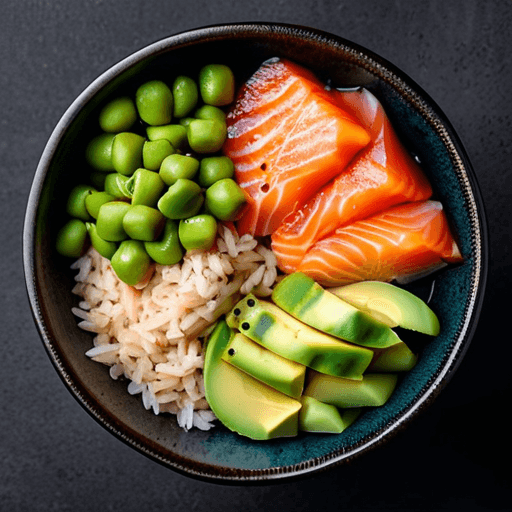
Прикладові страви для перериваного голодування
ШІ-генеровані поживні страви, розроблені для стислих вікон харчування
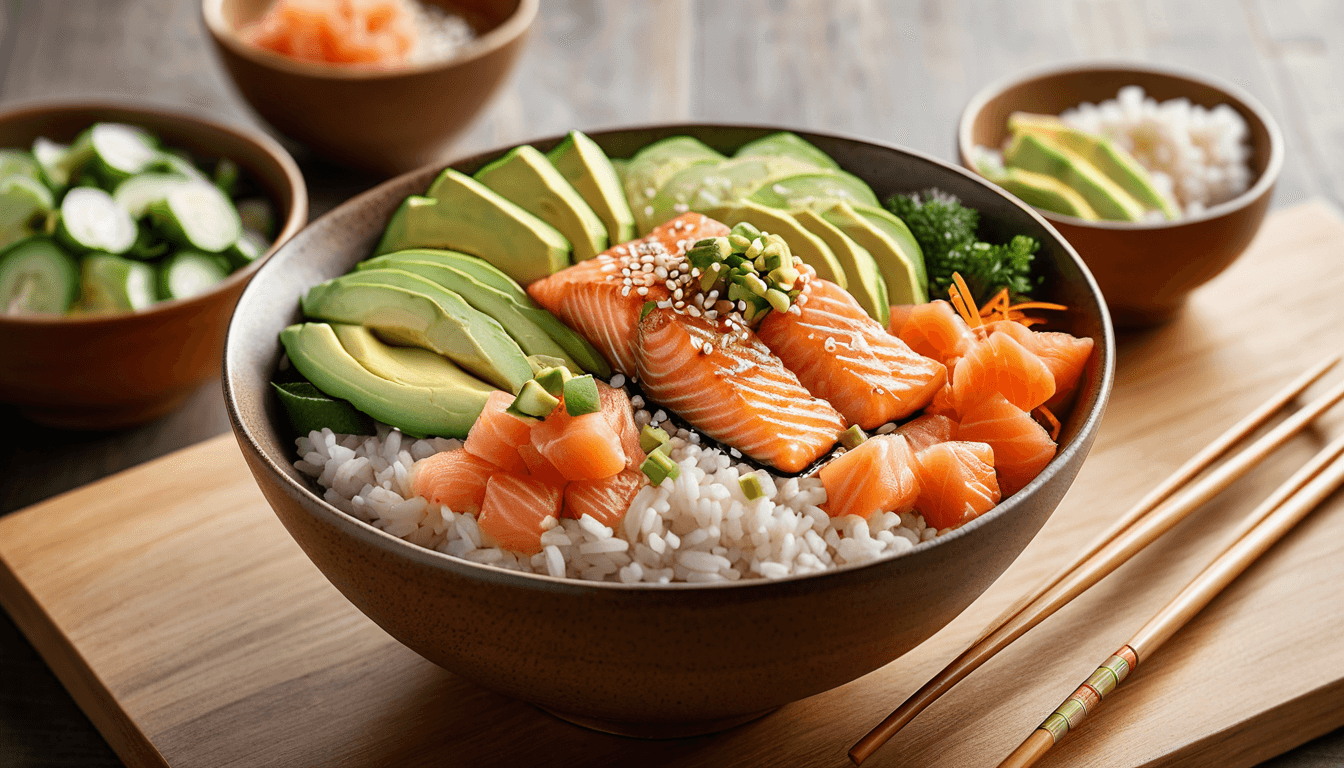
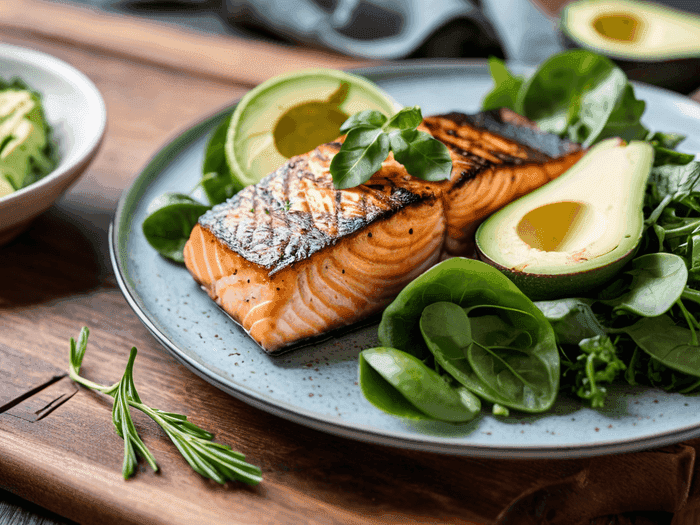
Пірог з лососем для розриву посту
Рання страва, багата на омега-3, з легко засвоюваними білками та здоровими жирами, щоб м'яко розірвати ваш піст.
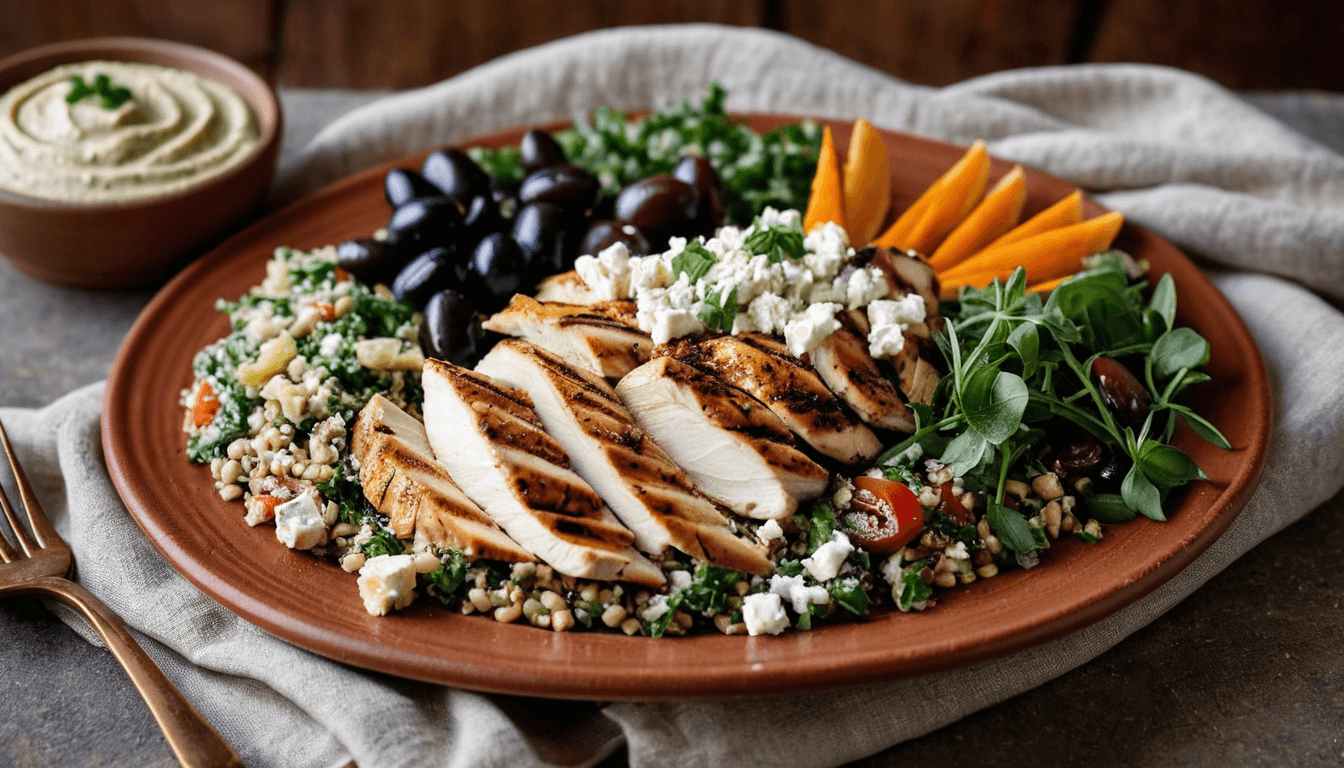
Середземноморська потужна тарілка
Калорійний обід, що поєднує пісні білки, складні вуглеводи та корисні жири для серця.
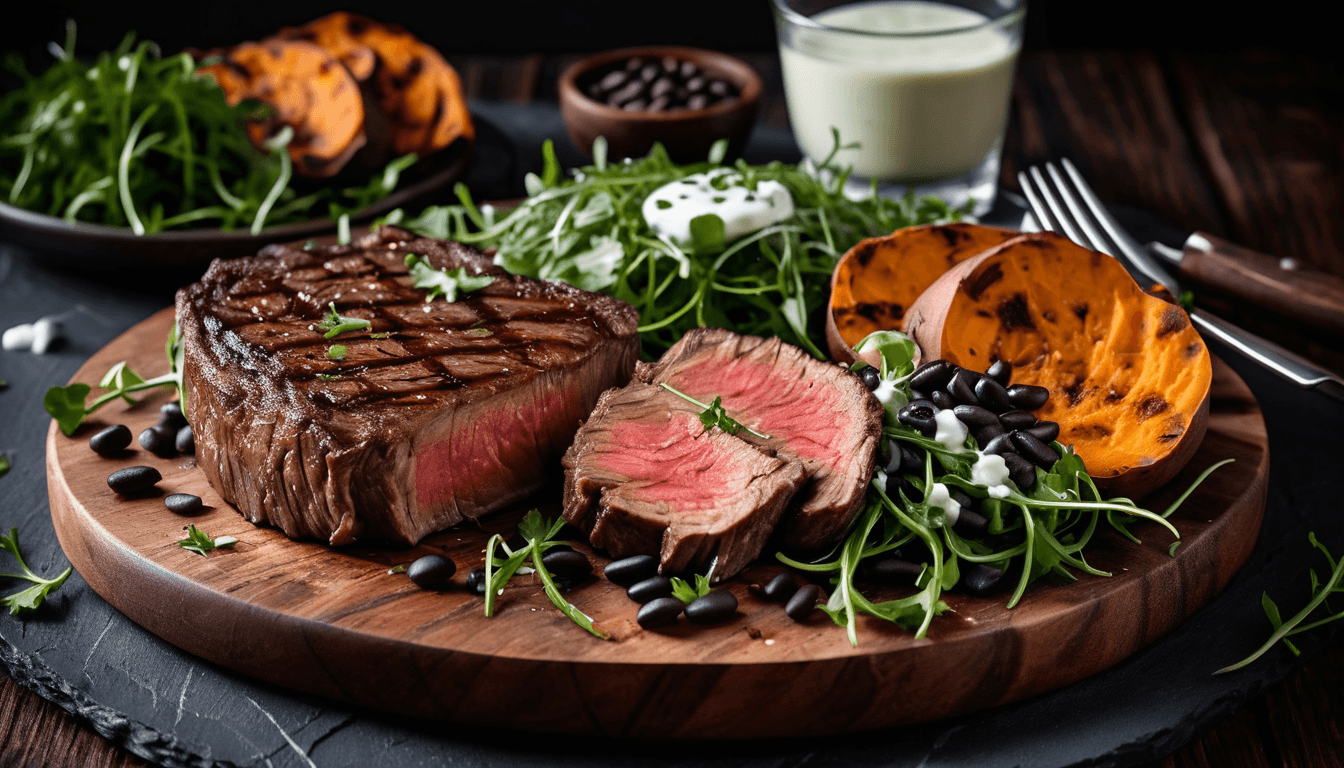
Стейк та запечений солодкий картопля
Задовільний останній прийом їжі з повноцінним білком і складними вуглеводами, щоб підтримати вас під час вашого посту
Часто ставлені запитання
Чи можна практикувати інтервальне голодування під час годування грудьми?
Періодичне голодування зазвичай не рекомендується під час годування грудьми, особливо протягом перших 6 місяців, коли лактація чутлива до змін калорійності та рідини. Раптове обмеження калорійності може зменшити об'єм молока впродовж кількох днів. Якщо ваш лікар схвалить легкий режим 12:12 після перших 6 місяців (їжа з 7 ранку до 7 вечора), стежте за своєю вагою, набором ваги дитини та лактацією щотижня. Ніколи не намагайтеся дотримуватися режиму 16:8 або довших періодів голодування під час виключного годування грудьми. Залишайтеся гідратованими на рівні 3-3,5 літра. Вживання кальцію, білка та омега-3 має більше значення, ніж час голодування. Перед початком будь-якого режиму голодування під час годування грудьми обов'язково проконсультуйтеся з лікарем.
Чи безпечне інтервальне голодування під час вагітності?
Періодичне голодування не рекомендується під час вагітності. Організм потребує постійного надходження глюкози та поживних речовин для розвитку плоду, а тривалі періоди голодування можуть знижувати рівень цукру в крові, стресувати дитину та спричиняти виробництво кетонів, які поглинає плід. Навіть 14-годинне нічне голодування зазвичай є верхньою межею, і більшість акушерів-гінекологів рекомендують 3 прийоми їжі плюс 2 перекуси під час вагітності. Якщо ви голодували до вагітності, негайно припиніть це, як тільки отримаєте позитивний результат тесту на вагітність. Перед будь-якими змінами в раціоні під час вагітності обов'язково проконсультуйтеся з лікарем, особливо якщо у вас діабет вагітних або інші ускладнення.
Як спортсменам синхронізувати пост з тренуваннями?
Спортсмени можуть використовувати інтервальне голодування, але повинні планувати тренування в межах вікна харчування для найкращої продуктивності. Найпоширеніший шаблон: їжте з 12:00 до 20:00, тренуйтеся між 16:00 і 18:00, а потім споживайте великий післятренувальний прийом їжі з білками та вуглеводами. Ранкова кардіо-тренування в стані голоду підходить для тренувань у зоні 2 (60–90 хвилин легкої аеробіки), але негативно впливає на високу інтенсивність і силові показники. У межах вікна харчування споживайте 1,6–2 г білка на кілограм ваги тіла (куряче філе містить 31 г білка на 100 г за даними USDA) та 4–6 г вуглеводів на кілограм, якщо тренування інтенсивні. Спортсмени-витривалості, які тренуються понад 10 годин на тиждень, часто стикаються з труднощами при дотриманні режиму 16:8; зазвичай більш стійким є режим 14:10.
Як дотримуватися інтервального голодування з тижневим бюджетом у 50 доларів?
Періодичне голодування добре поєднується з обмеженим бюджетом, адже ви їсте на 1-2 страви менше на день. Основними стравами можуть бути яйця (4 долари за десяток, 6 г білка в одному великому яйці за даними USDA), сухі бобові (1,50 долара за фунт, 9 г білка на 100 г варених за даними USDA), вівсянка (0,10 долара за порцію), заморожені овочі, банани та курячі стегенця (2 долари за фунт). Приклад тижня: 2 десятки яєць, 2 фунти сочевиці, 2 фунти курячих стегенець, 4 фунти рису, 5 фунтів заморожених овочів, 3 фунти бананів, 1 кг вівсянки, 1 банка арахісового масла, оливкова олія та сезонні продукти. Загальна сума становить 40-50 доларів, що вистачає на 14 повноцінних страв протягом 7 днів (припустимо, 2 страви на день у режимі 16:8). Не варто купувати дорогі продукти для періодичного голодування; проста солона вода працює так само добре.
Як готувати їжу заздалегідь для інтервального голодування як одна людина?
Якщо підготовка їжі для однієї людини працює добре, тому що вам потрібно приготувати лише 10-14 страв на тиждень. Неділя: зваріть велику порцію коричневого рису або квіноа, запечіть дві порції овочів, смажте 4 курячі грудки або запечіть порцію лосося, і приготуйте банку вівсяної каші для розриву посту. Створюйте страви у вигляді мисок: зернові + овочі + білок + оливкова олія. Зберігайте грецький йогурт, ягоди та горіхи для другої страви дня. У режимі 16:8 плануйте першу страву як 40-50% від добової калорійності, а другу — як 50-60%. Типова підготовка триває 90 хвилин і охоплює весь тиждень.
Чи може інтервальне голодування допомогти при діабеті 2 типу?
Періодичне голодування може покращити чутливість до інсуліну та знизити рівень HbA1c на 0,3-0,7 пунктів протягом 12 тижнів у людей з діабетом 2 типу. Довший щоденний період голодування дає інсуліну більше часу, щоб опуститися, покращуючи обробку глюкози з часом. Однак періодичне голодування також може спричинити низький рівень цукру в крові, особливо у людей, які приймають інсулін або сульфонілсечовину. Ніколи не починайте періодичне голодування, якщо ви приймаєте ці ліки без нагляду лікаря. Схема 14:10 або 16:8 безпечніша для діабетиків, ніж ОМАд (одне харчування на день). Харчуйтеся збалансованими стравами в межах вікна (білок плюс жир плюс низькоглікемічні вуглеводи), а не рафінованими вуглеводами, які підвищують рівень глюкози. Контролюйте рівень глюкози 4 рази на день протягом перших двох тижнів.
Чи допомагає інтермітентне голодування при PCOS?
Періодичне голодування обіцяє бути ефективним для ПКО, оскільки знижує рівень інсуліну, що є основною причиною симптомів ПКО. Дослідження на невеликих групах показують покращення менструального циклу, рівня андрогенів та інсулінорезистентності протягом 8-12 тижнів. Найчастіше досліджуваним варіантом є режим 16:8. Споживайте збалансовані страви протягом періоду харчування з вмістом 25-35 г білка (куряче філе містить 31 г білка на 100 г за даними USDA), багато некрохмалистих овочів та здорових жирів. Уникайте рафінованих вуглеводів та доданого цукру під час періоду харчування, оскільки вони нівелюють переваги для рівня інсуліну. Деяким жінкам з ПКО суворе голодування може бути стресовим; якщо менструальний цикл стає менш регулярним або рівень стресу зростає, перейдіть на режим 14:10 або припиніть голодування.
Чи можу я займатися інтервальним голодуванням при високому тиску крові?
Періодичне голодування може трохи знизити артеріальний тиск, зазвичай на 5-8 мм рт. ст. систолічного протягом 8-12 тижнів, що порівнювано зі зниженням споживання натрію в помірній кількості. Механізми цього процесу — втрата ваги, зниження рівня інсуліну та покращення судинної функції. Якщо ви приймаєте ліки від високого тиску, перевіряйте свій тиск двічі на день протягом перших двох тижнів, оскільки швидке зниження тиску може спричинити запаморочення. Підтримуйте належний рівень гідратації під час голодування; зневоднення може погіршити варіабельність артеріального тиску. Електроліти мають значення: 500-1000 мг натрію на день (більше, якщо ви активні), 200-400 мг магнію та достатня кількість калію з фруктами та овочами протягом вікна споживання їжі. Координуйте коригування ліків із вашим лікарем.
Чи безпечне інтервальне голодування при синдромі подразненого кишечника?
Періодичне голодування може допомогти або погіршити синдром подразненого кишечника залежно від людини. Деяким людям з синдромом подразненого кишечника допомагає довший період відпочинку травної системи між прийомами їжі, що зменшує здуття живота та дозволяє міграторному моторному комплексу очистити тонкий кишечник. Інші виявляють, що великі порції їжі протягом короткого вікна харчування викликають симптоми. Почніть з співвідношення 14:10, а не 16:8, і споживайте менші та частіші прийоми їжі протягом вікна. Зосередьтеся на продуктах з низьким вмістом FODMAP, якщо ви визначили тригери. Уникайте розриву тривалого голодування продуктами з високим вмістом FODMAP, такими як цибуля, часник або великі порції бобових. Зверніться до зареєстрованого дієтолога, якщо симптоми погіршуються.
Чи можна готувати їжу наперед для сім'ї, яка дотримується інтервального голодування?
Родини часто поєднують постячих і непостячих членів, що ускладнює приготування їжі великими партіями. Зосередьтеся на рецептах, які підходять для обох варіантів: велика каструля супу, чилі або тушкованого м'яса; запіканки з куркою та запеченими овочами; великі салати з білком. Непостячі члени родини (зазвичай діти) снідають окремо, а потім усі разом обідають і вечеряють під час вікна харчування батьків. За даними USDA, 100 г вареної курячої грудки містить 31 г білка, тому партія вагою 1,5 фунта вистачить на всю родину. Плануйте два основні прийоми їжі плюс загальний перекус для всієї родини. Щотижневе приготування займає від 2 до 2,5 годин. Не нав'язуйте постіння дітям; воно призначене лише для дорослих.
Як мені враховувати спільні прийоми їжі під час посту?
Періодичне голодування — один з найгнучкіших соціальних підходів, оскільки ви можете змінювати своє вікно харчування відповідно до подій. Якщо вечеря запланована на 19:00, пропустіть сніданок і з'їжте обід пізніше (вікно з 12:00 до 20:00). Якщо бранч запланований на 11:00, перейдіть до вікна з 10:00 до 18:00. Схема 14:10 або 16:8 дозволяє брати участь у більшості соціальних заходів без порушення протоколу. Для подій, які випадають за межами вашого вікна, ви можете обрати: з'їсти їжу все одно (порушує пост на цей день), замовити лише напої (несолодка кава, чай або газована вода з лаймом відповідають вимогам), або змінити вікно. Більшість прихильників підтримують ПГ у довгостроковій перспективі, будучи гнучкими щодо точних годин, а не пропускаючи заходи.
Як 16:8 порівнюється з 18:6 та ОМАС?
16:8 передбачає 16 годин голодування та прийом їжі протягом 8-годинного вікна. 18:6 подовжує голодування до 18 годин з 6-годинним вікном для їжі. OMAD (одна страва на день) стискає весь прийом їжі приблизно в 1 годину. Для більшості людей 16:8 — це ідеальний варіант для стійких результатів і соціальної гнучкості. 18:6 та OMAD дають трохи більше втрати ваги у короткостроковій перспективі, але мають вищий ризик дефіциту поживних речовин, втрати м'язової маси та розладів харчової поведінки. Жінки часто краще реагують на 14:10, ніж на 16:8, через гормональну чутливість. Почніть з 14:10 на 2 тижні, а потім перейдіть до 16:8, якщо почуваєтеся добре. Спробуйте OMAD лише для конкретних цілей під медичним наглядом.
Періодичне голодування проти підрахунку калорій: що краще?
Обидва методи працюють, якщо ви підтримуєте дефіцит калорій. У дослідженнях, що порівнюють ці методи, спостерігаються подібні результати схуднення через 6 та 12 місяців. Оберіть інтервальне голодування (IF), якщо ви віддаєте перевагу структурованому харчуванню (їжте протягом певних годин і пропускайте решту), не любите вести харчовий щоденник і маєте передбачуваний розпорядок дня. Виберіть підрахунок калорій, якщо ви хочете мати більш детальний контроль, маєте звичку переїдати за короткий проміжок часу або займаєтеся інтенсивними тренуваннями і потребуєте точного дотримання цілей макронутриєнтів. Багато людей поєднують обидва методи: вікно харчування та приблизний підрахунок білка (1,6-2 г на кг ваги тіла) та загальної кількості калорій. Інтервальне голодування може бути неефективним, якщо ви переїдаєте протягом вікна харчування; підрахунок калорій запобігає такому відхиленню.
Періодичне голодування проти кето: що краще обрати?
Кето обмежує споживання вуглеводів для досягнення кетозу; ІФ обмежує час прийому їжі. Вони працюють через різні механізми, але їх можна поєднувати. Оберіть ІФ, якщо ви хочете гнучкості у виборі продуктів і структури часу. Оберіть кето, якщо ви більше турбуєтеся про те, що їсте, ніж про час. Поєднання кето та ІФ забезпечує найшвидше схуднення, але є соціально обмеженим і важко дотримуватися його довше трьох місяців. Сама ІФ соціально простіша і зазвичай більш стійка. Дослідження свідчать, що для більшості показників здоров'я (інсулінорезистентності, артеріального тиску, ваги) вони приблизно еквівалентні. Оберіть той варіант, який відповідає вашому способу життя та темпераменту.
Коли інтервальне голодування не є правильним вибором?
ІФ погано підходить для кількох груп. Вагітні та годуючі жінки не повинні дотримуватися посту. Діти та підлітки потребують регулярного харчування для росту. Люди з історією розладів харчової поведінки часто знаходять, що ІФ викликає обмежувальні або надмірні моделі харчування. Діабетики 1 типу та люди, які приймають інсулін, потребують ретельного медичного нагляду. Спортсмени, які тренуються понад 10 годин на тиждень, зазвичай не можуть належним чином забезпечувати себе енергією за допомогою ІФ без ретельного планування. Люди з проблемами надниркових залоз або гіпоглікемією можуть почуватися гірше під час тривалих постів. Ті, хто має високооплачувану роботу або нерівний графік, часто не можуть послідовно дотримуватися ІФ. Якщо ви почуваєтеся гірше після 3 тижнів послідовного дотримання ІФ, припиніть і спробуйте інший підхід.
Чи потрібно мені турбуватися про втрату м'язів при інтервальному голодуванні?
Втрата м'язової маси є поширеною проблемою, але її можна здебільшого уникнути. Дослідження показують, що ІР, поєднана з силовими тренуваннями, зберігає м'язову масу так само ефективно, як і не-постійні дієти, за умови достатнього споживання білка (1,6–2 г на кг ваги тіла) та проведення силових тренувань 3–4 рази на тиждень. Розривайте пост з 30–40 г білка (приблизно 150 г курячої грудки за даними USDA) і досягайте загальної денної норми білка до кінця вашого вікна харчування. Уникайте ОМАР, якщо збереження м'язової маси є важливим, оскільки споживання необхідної кількості білка за один прийом їжі є складним завданням. Креатин у дозі 5 г на день підтримує продуктивність. Дорослим віком від 60 років може знадобитися більше білка (до 2,2 г на кг) для збереження м'язової маси при ІР.
Чи потрібні мені електроліти під час посту?
Так, особливо під час тривалих постів понад 16 годин або в спекотну погоду. Головна проблема — натрій; намагайтеся споживати 1000–2000 мг на день (1/2–1 чайну ложку солі) у воді під час тривалих постів. Потас, що міститься у фруктах та овочах, зазвичай покриває потреби в межах вашого прийому їжі. Магній гліцинат 200–400 мг перед сном допомагає покращити сон та зменшити м'язові судоми. Загальні симптоми посту (головний біль, втомленість, запаморочення) майже завжди спричинені низьким вмістом натрію, а не глюкози. Уникайте дорогих електролітних порошків для посту; проста солона вода або загальний електролітний суміш за 5 доларів працюють так само добре. Будьте обережні з електролітними добавками, якщо у вас є проблеми з нирками або ви приймаєте ліки від високого тиску.
Чи перериває кава піст?
Проста чорна кава не порушує пост від перспективи втрати ваги чи рівня цукру в крові. Вона має практично нульові калорії та не викликає викиду інсуліну. Додавання трохи молока чи вершків (менше 50 ккал) залишається в межах «практичного посту» для більшості цілей, хоча чистодійники вважають, що будь-які калорії порушують пост. Кава з цукром, латте та кава з більш ніж однією столовою ложкою вершків порушують пост і повинні бути перенесені до вашого вікна споживання. Штучні підсолоджувачі є предметом дискусій: вони не містять калорій, але можуть викликати викид інсуліну у деяких людей. Якщо втрата жиру зупинилася, обмежтесь чорною кавою під час посту.
Чи є інтервальне голодування стійким у довгостроковій перспективі?
Інтермітентне голодування має добру довгострокову стійкість для багатьох людей, оскільки воно базується на правилах і не обмежує вибір їжі. Рівні дотримання протягом 2 років зазвичай становлять від 40 до 55%, що краще, ніж підрахунок калорій, і порівнянно з середземноморською дієтою. Фактори, що забезпечують стійкість, — це гнучкість у виборі їжі, відсутність необхідності відстежувати споживання та чіткі межі (їжте протягом цих годин, а не тих). Найпоширеніші причини невдачі — переїдання під час вікна (знищення калорійного дефіциту), соціальний стрес через жорсткі розклади та поступове повернення до стандартного триразового харчування. Люди, які приймають гнучкий 14:10 патерн, а не суворий 16:8, зазвичай дотримуються інтермітентного голодування протягом багатьох років. Періодичні перерви на 1-2 тижні допустимі та часто корисні.
Дослідіть пов'язані ресурси
Відкрийте більше інструментів та посібників для вашого шляху до здорового харчування
Рецепти Періодичне голодування
Переглянути всі рецепти Періодичне голодування →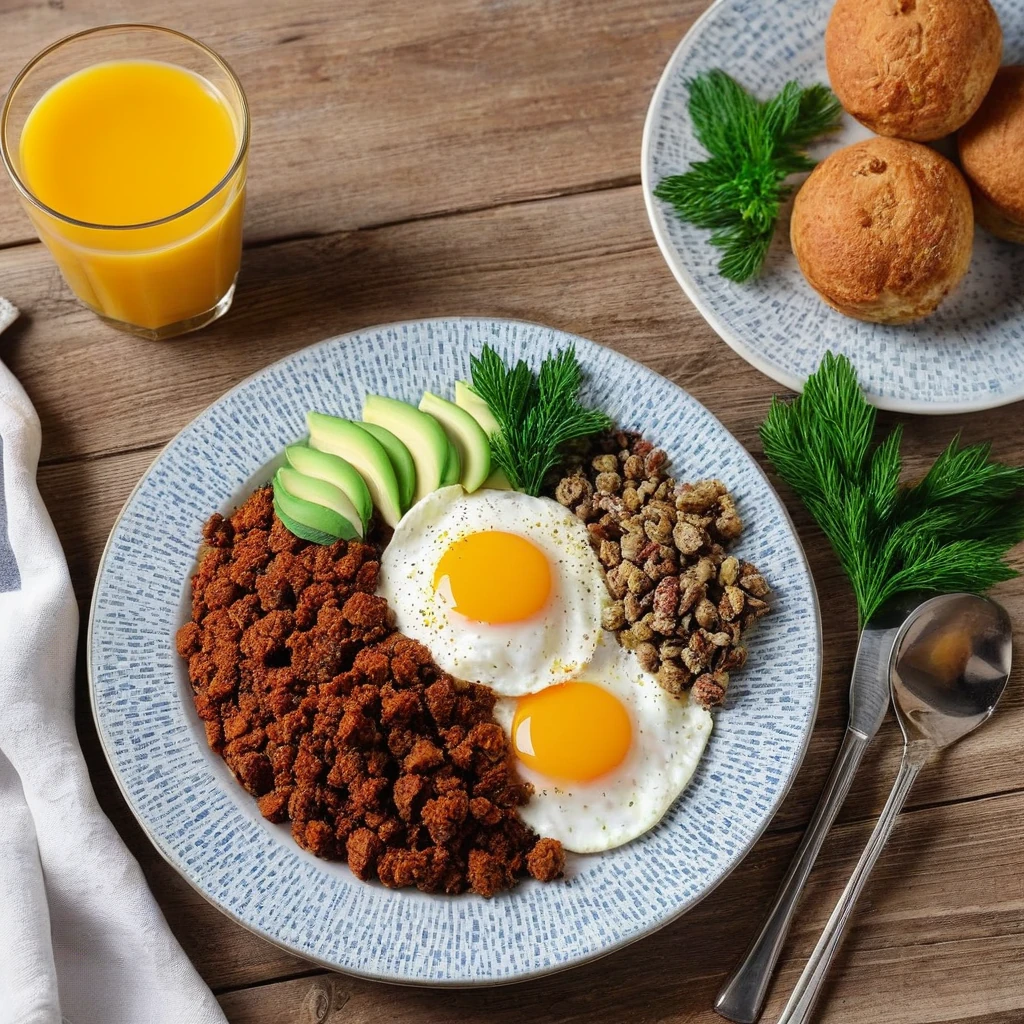
Яйця з беконом та хлібом
Смажені яйця з беконом, цільнозерновим хлібом, помідорами та оливковою олією
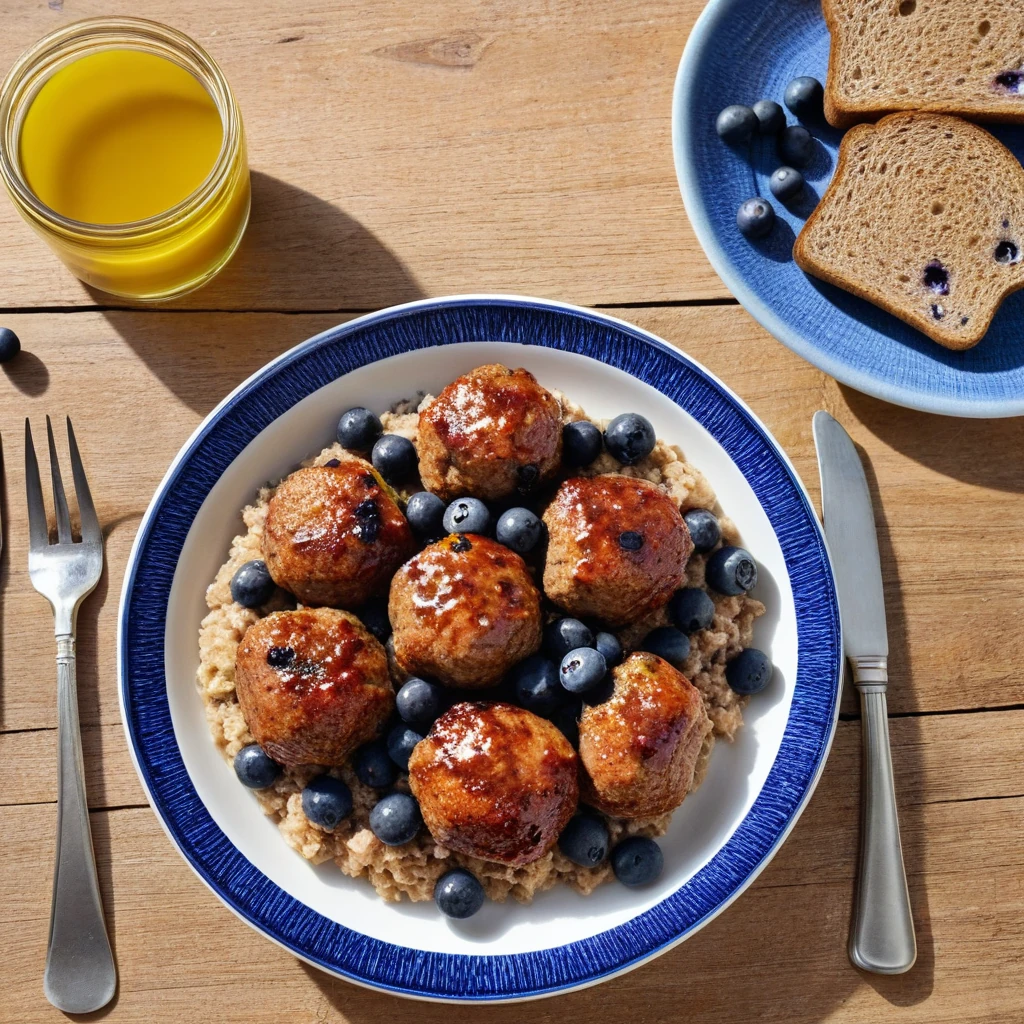
Turkey meatballs with whole wheat toast and blueberries
Lean ground turkey meatballs served with whole wheat toast and fresh blueberries, drizzled with olive oil for healthy fats
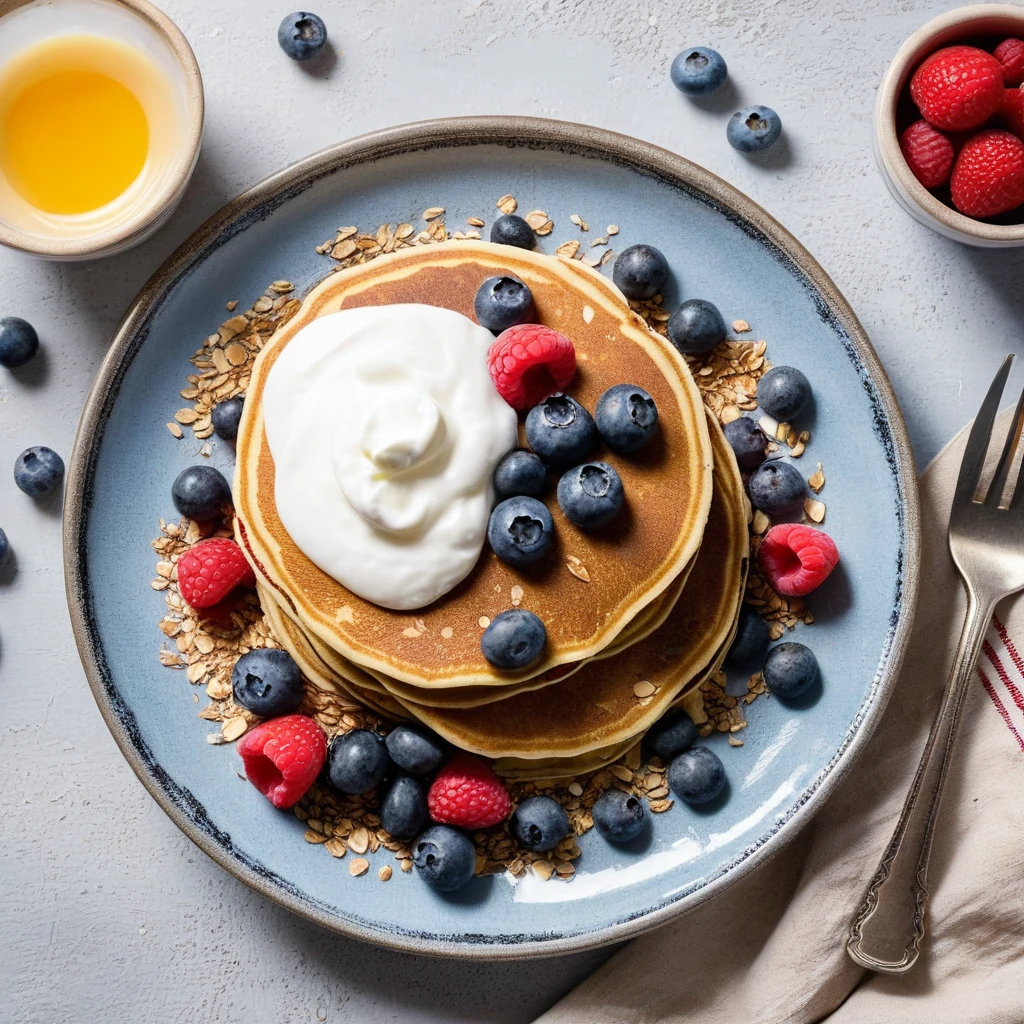
Protein Pancakes with Greek Yogurt & Berries
Fluffy oat flour pancakes topped with whole eggs, egg whites, fresh blueberries, creamy Greek yogurt, and honey drizzle. High in protein and complex carbs for sustained energy.
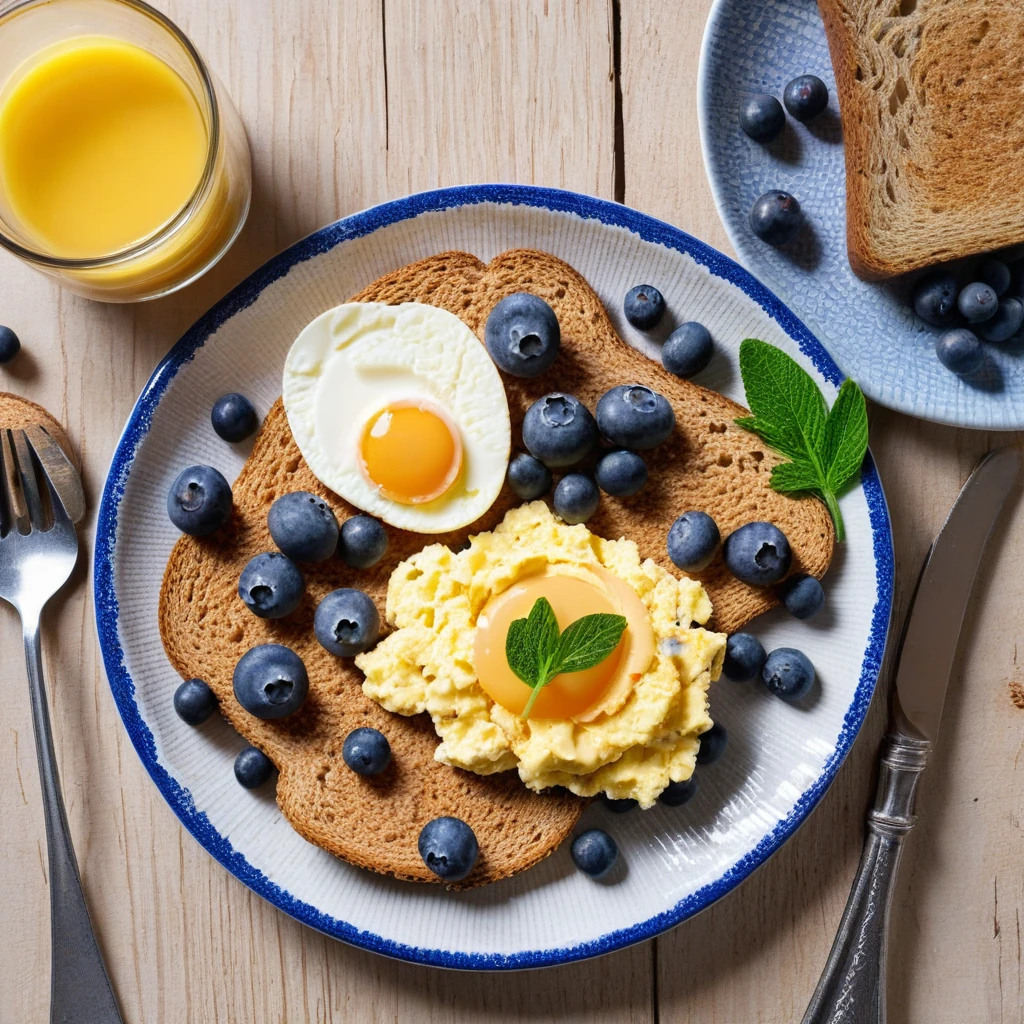
Scrambled Eggs with Whole Wheat Toast and Blueberries
Fluffy scrambled eggs served with toasted whole wheat bread and fresh blueberries for a nutritious start to the day
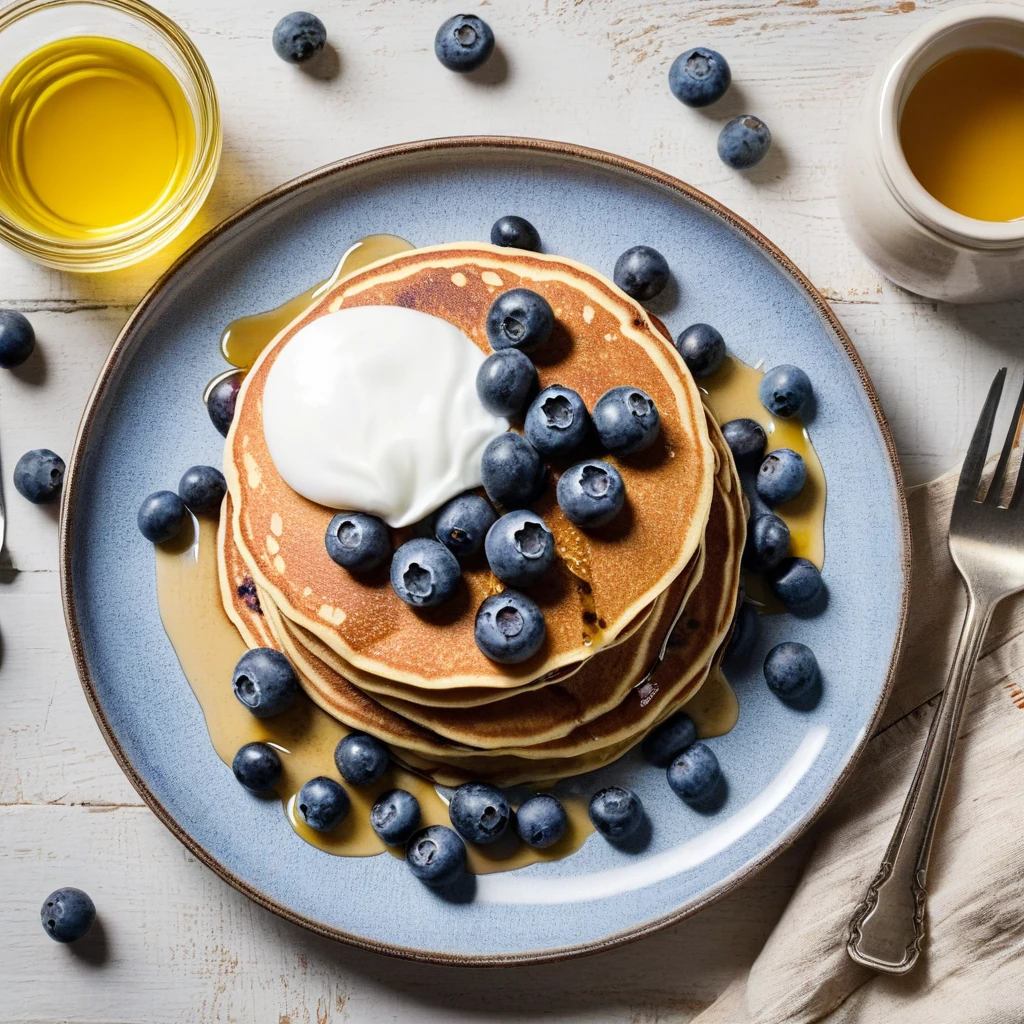
Protein Pancakes with Blueberries
Fluffy oat flour pancakes made with eggs and Greek yogurt, topped with fresh blueberries and drizzled with olive oil
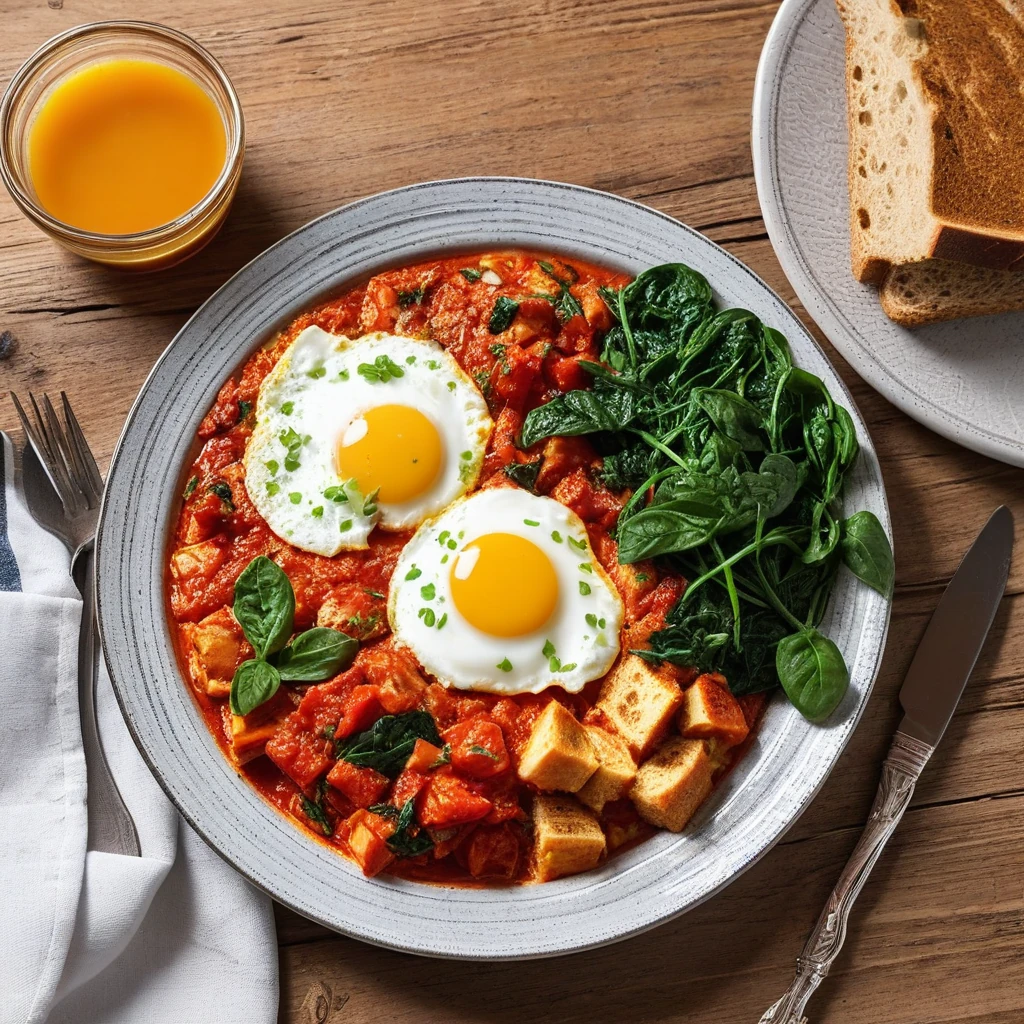
Turkish Shakshuka with Whole Wheat Bread
Eggs poached in savory tomato sauce with spinach and onions, served with toasted whole wheat bread
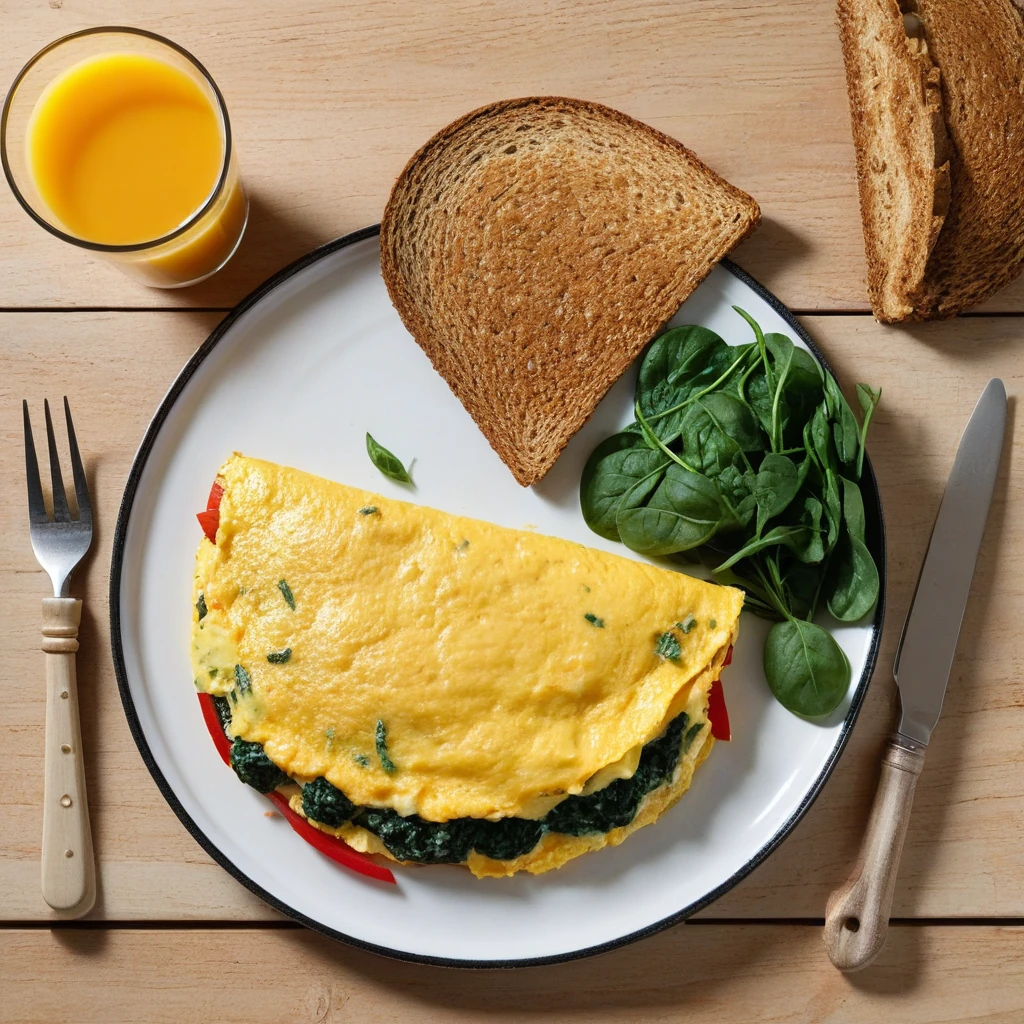
Vegetable and Cheese Omelet with Whole Grain Toast
A fluffy omelet filled with spinach and red bell pepper, topped with melted cheddar cheese, served with buttered whole wheat toast
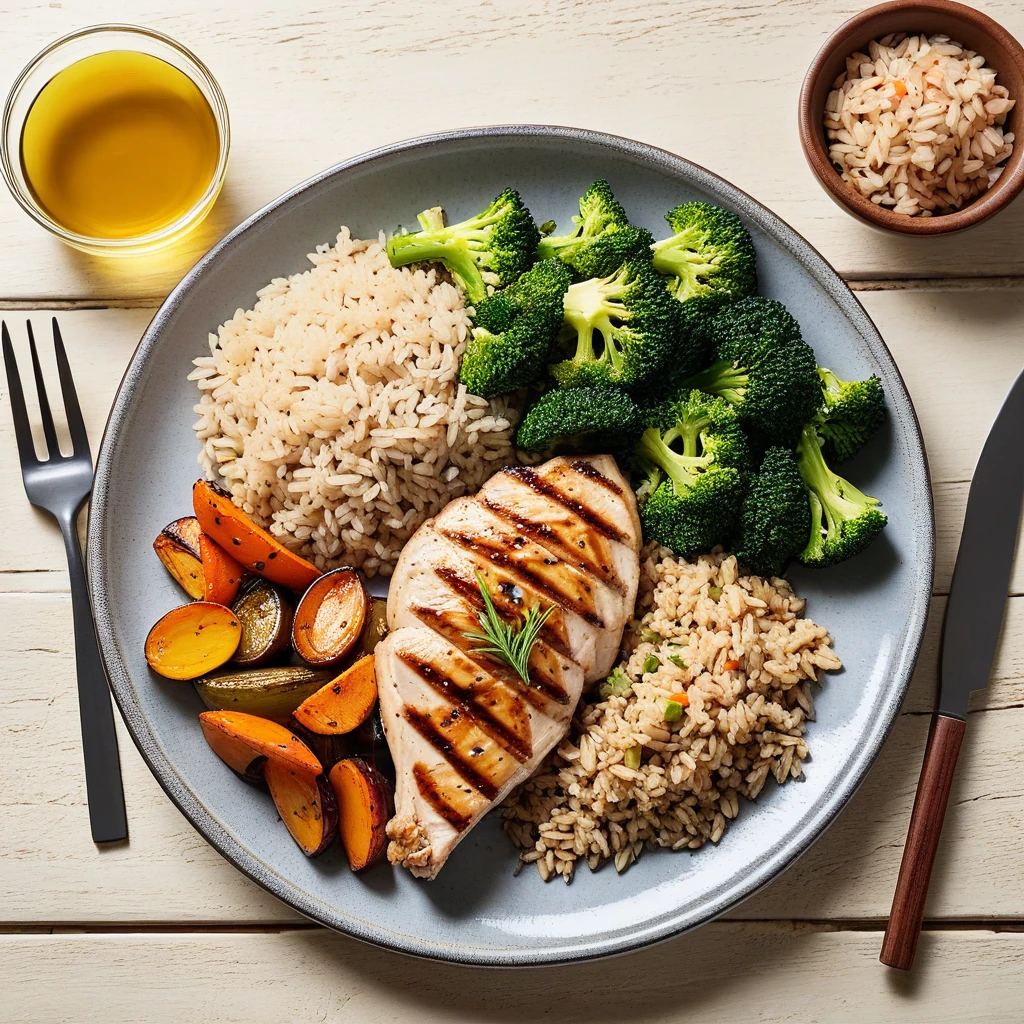
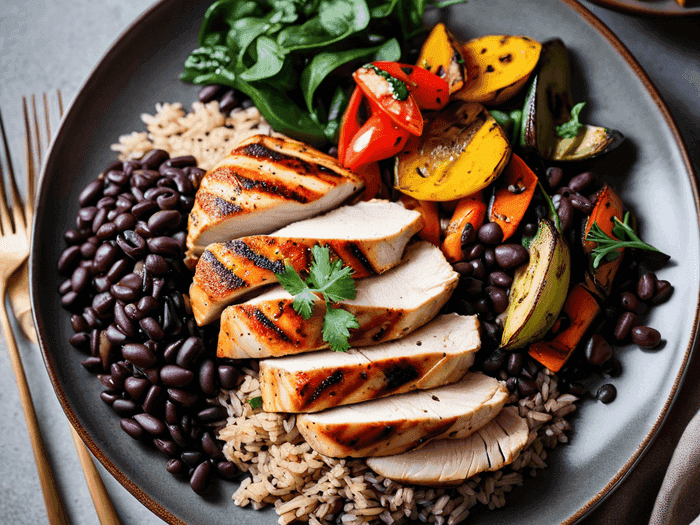
Grilled Chicken Breast with Brown Rice and Roasted Vegetables
Tender grilled chicken breast served over fluffy brown rice with a medley of steamed broccoli and carrots, drizzled with olive oil
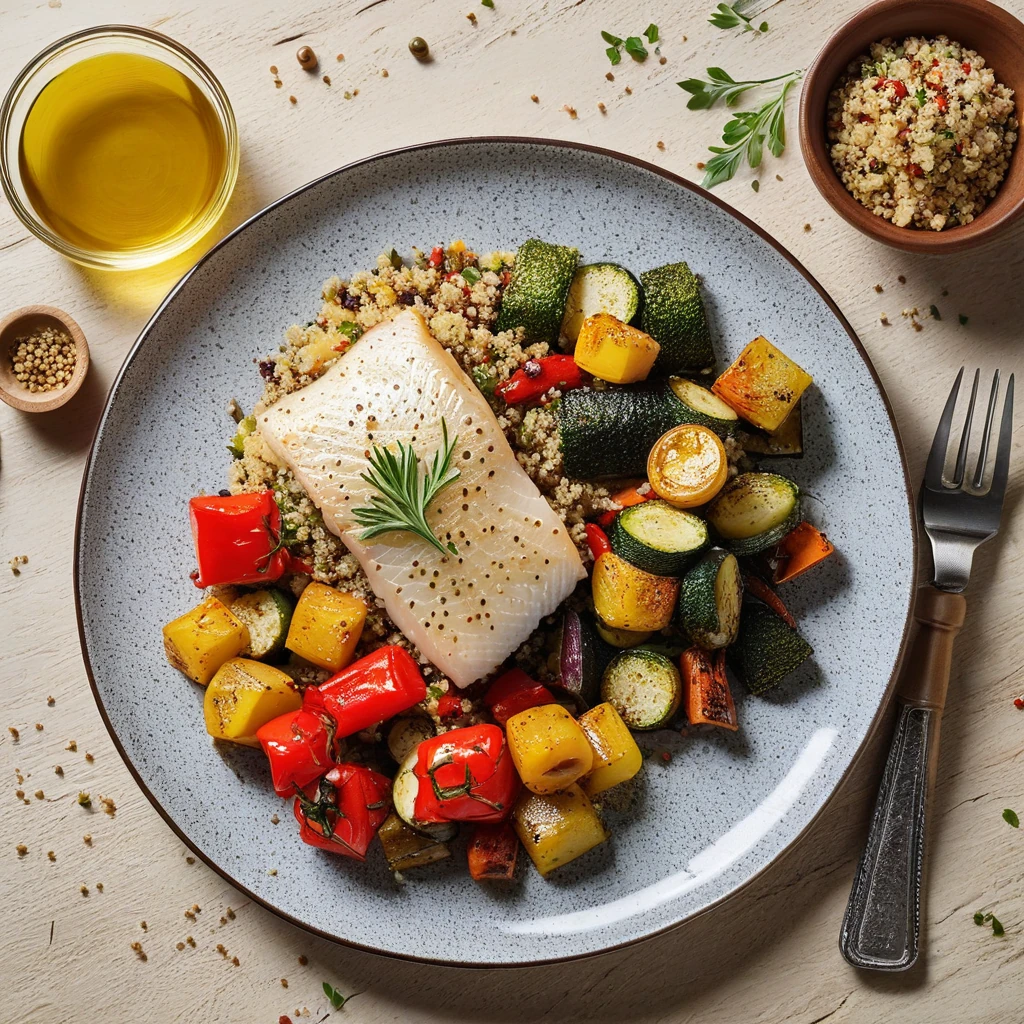
Baked Cod with Quinoa and Roasted Vegetables
Delicate baked cod fillet served with fluffy quinoa and a medley of roasted red bell peppers and zucchini
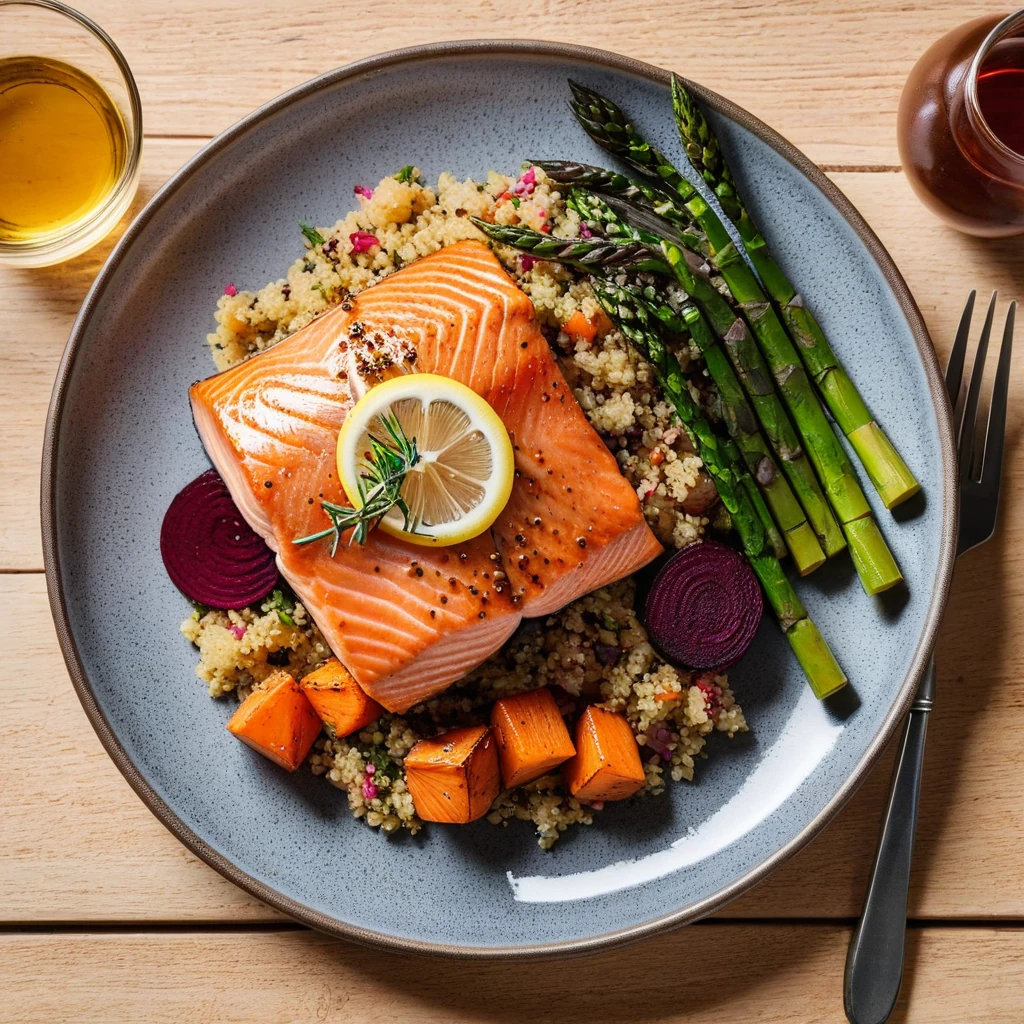
Roasted Salmon with Root Vegetables and Quinoa
Pan-seared salmon fillet served with roasted carrots and beets, fluffy quinoa, and steamed asparagus with lemon dressing
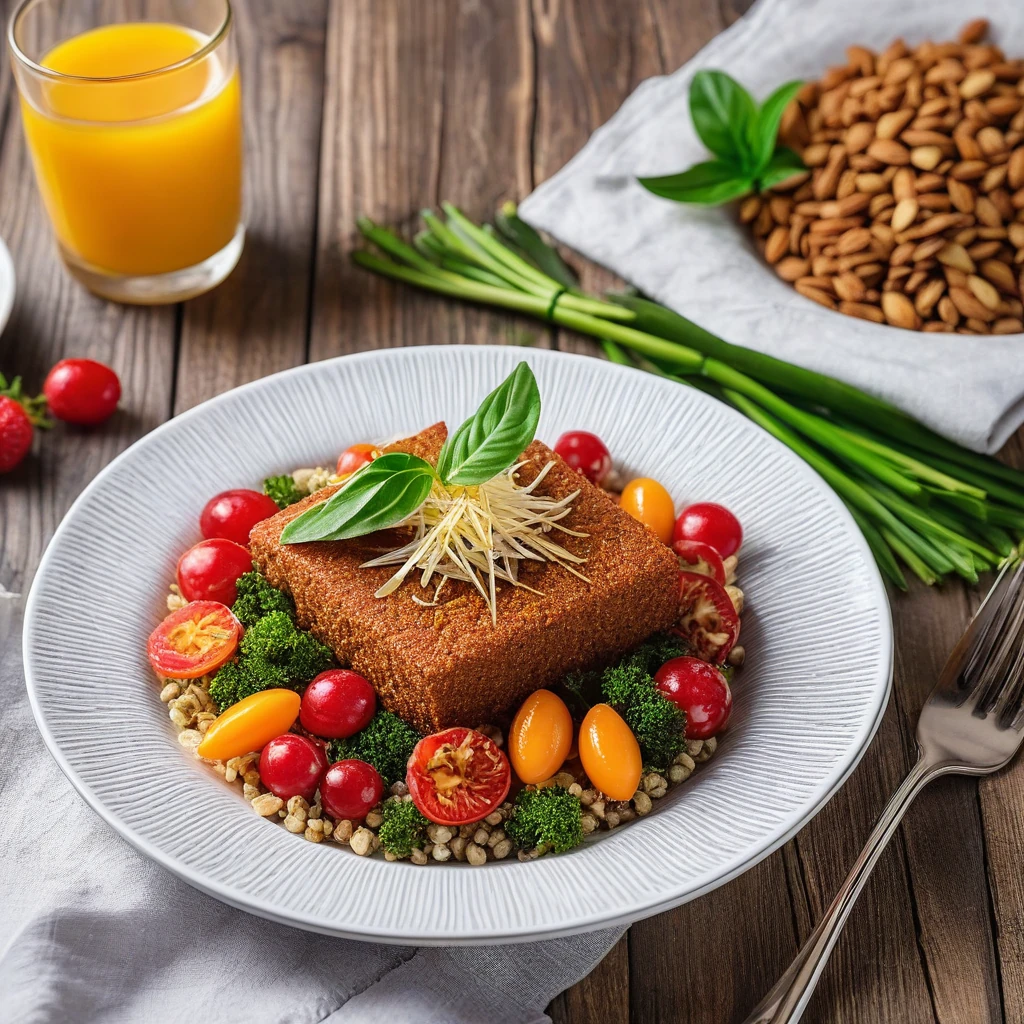
Курка з рисом та овочами
Смажена куриця з білим рисом, брокколі та червоним перцем
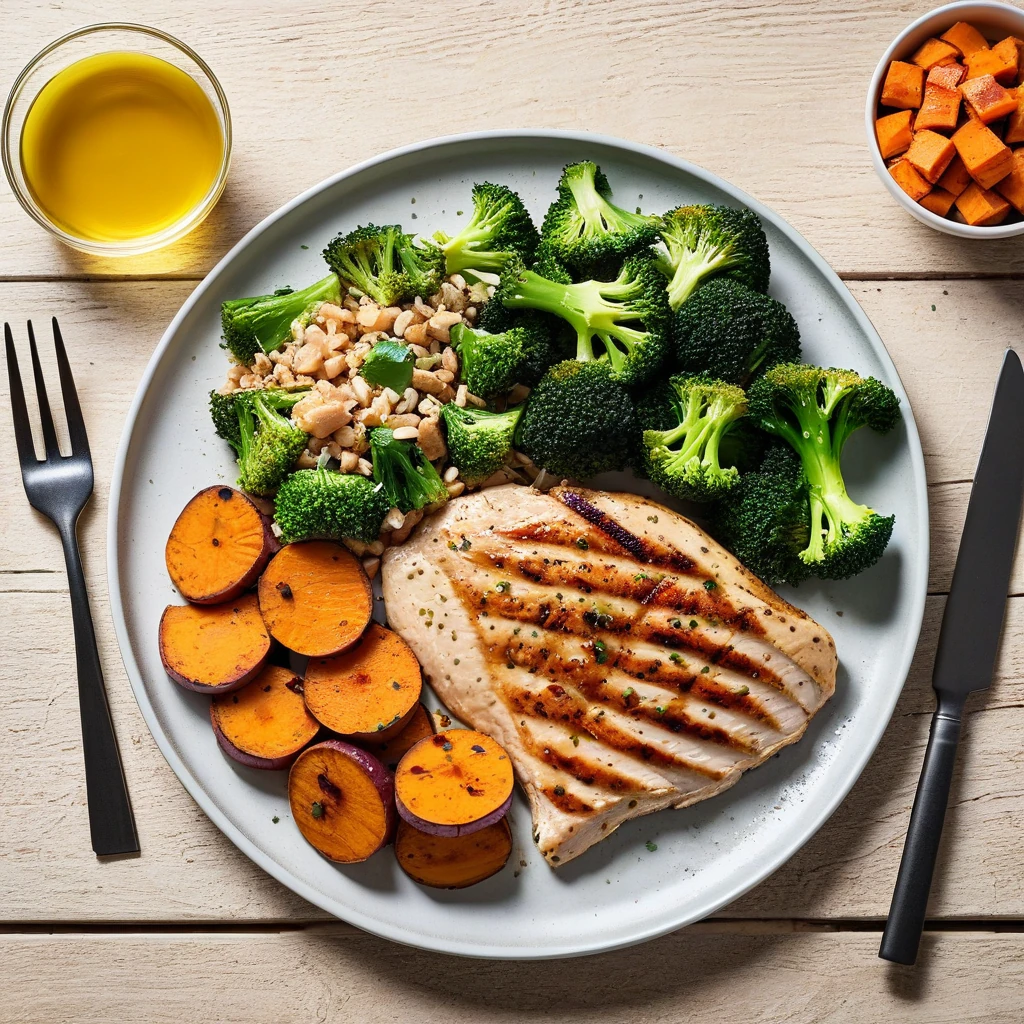
Grilled Chicken Breast with Sweet Potato and Broccoli
Lean grilled chicken breast paired with roasted sweet potato and fresh broccoli, drizzled with olive oil