Плани харчування при діабеті, керовані ШІ
Нехай наш агент штучного інтелекту створить персоналізовані діабетичні плани харчування, оптимізовані для контролю рівня цукру в крові та загального здоров'я.
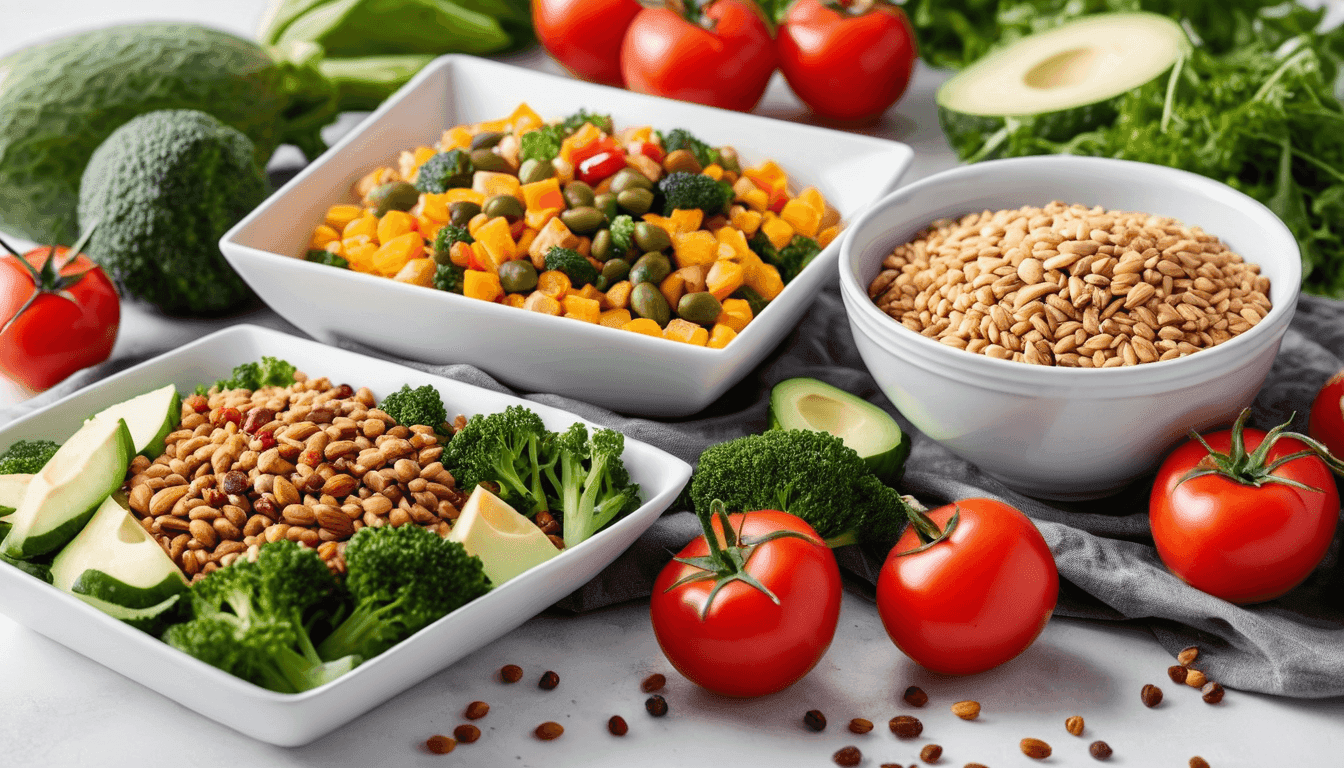
Створіть план харчування, врахований до рівня глюкози, за 60 секунд
Розкажіть нам про вашу норму вуглеводів на прийом їжі та цільову кількість клітковини. Наш ШІ повертає 7-денний план, створений навколо страв з низьким глікемічним індексом і високою щільністю клітковини [перевірте з вашим ДІП], поєднує кожен вуглевод з білком і жиром, щоб згладити піки, та узагальнює ваш список покупок. Тільки для освітніх цілей — не замінює клінічну допомогу.
Хочете серцево-здоровий цільнозерновий шаблон з подібною глікемічною логікою? Перегляньте посібник з планом харчування середземноморської дієти
Як наш агент ШІ допомагає вам
Розвинена технологія штучного інтелекту, що розуміє принципи управління діабетом: контроль рівня цукру в крові, оптимізація інсуліну та довгострокове метаболічне здоров’я. Наша персоналізована система планування харчування для діабетиків точно обчислює вміст вуглеводів, глікемічний вплив і час прийому поживних речовин, щоб підтримувати стабільні рівні глюкози, запобігати ускладненням та сприяти загальному благополуччю, при цьому дозволяючи насолоджуватись смачними й ситними стравами.
Розумний контроль глюкози
Штучний інтелект аналізує ваші патерни рівня цукру в крові та створює страви, що допомагають підтримувати стабільні рівні глюкози протягом дня
Фокус на низькому глікемічному рівні
Автоматично вибирає продукти низького глікемічного індексу, що мінімізують піки цукру в крові та підтримують довгострокове здоров’я
Точний підрахунок вуглеводів
Надає точні дані щодо вмісту вуглеводів та рекомендації щодо часу прийому для кращого управління інсуліном
Відстеження рівня цукру в крові
Інтегрується з вашим моніторингом глюкози, щоб безперервно оптимізувати рекомендації щодо прийому їжі на підставі ваших відповідей.
Чому обрати ШІ для дієти при діабеті?
Підвищте контроль рівня цукру в крові за допомогою науково обґрунтованої дієти
Покращено контроль рівня глюкози у крові та рівень HbA1c
Зменшений ризик ускладнень діабету
Кращий контроль ваги та стабільність енергії
Серцево‑здорова дієта для кардіоваскулярного захисту
Спрощений підрахунок вуглеводів та час прийому їжі
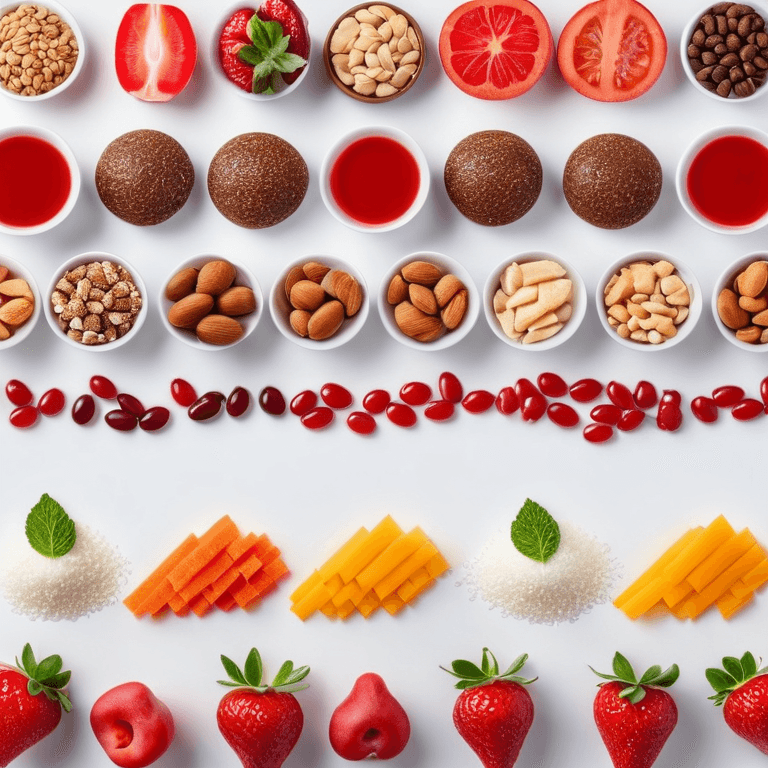
Приклад діабетичних страв
Ідеї низькогікемічних страв, створені ШІ, для оптимального контролю рівня цукру в крові
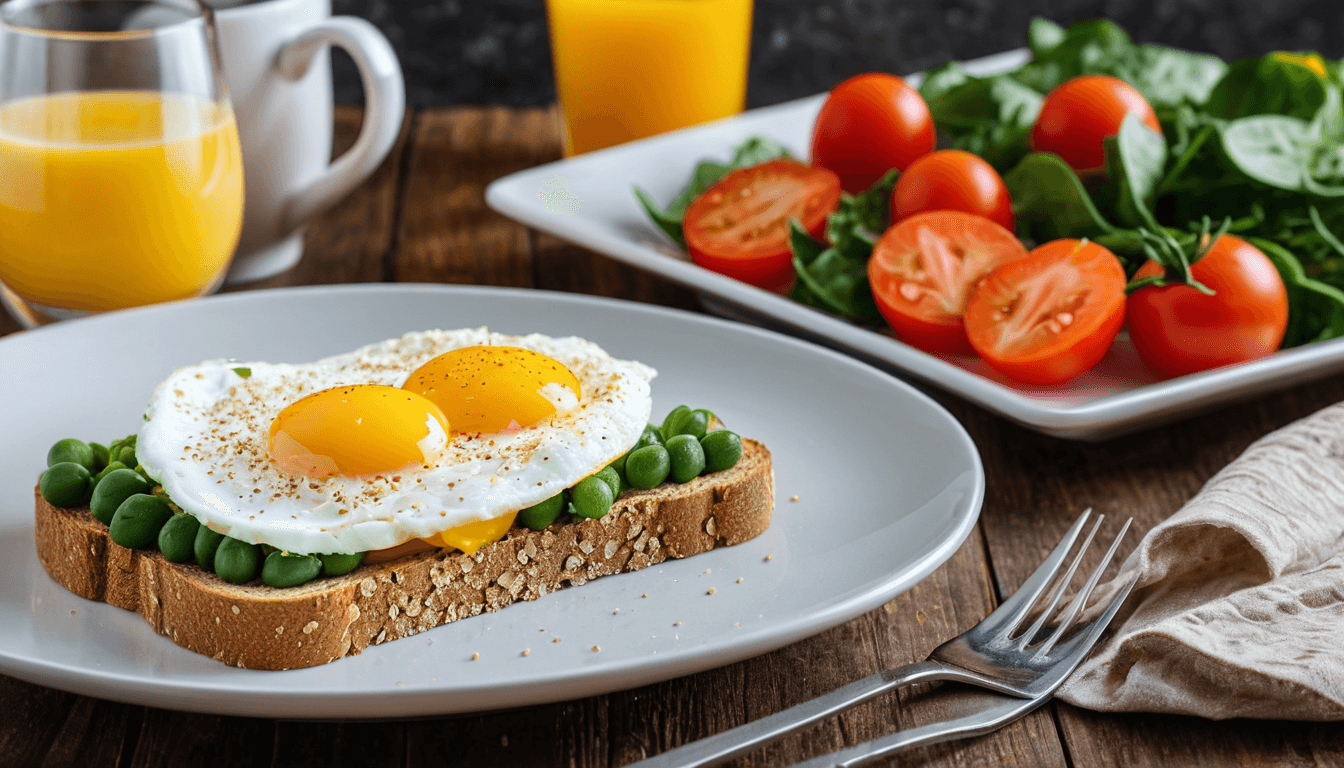
Сталь‑кута овес із горіхами і корицею
Сніданок із низьким ІГ, багатий клітковиною і білком для стабільного рівня цукру.
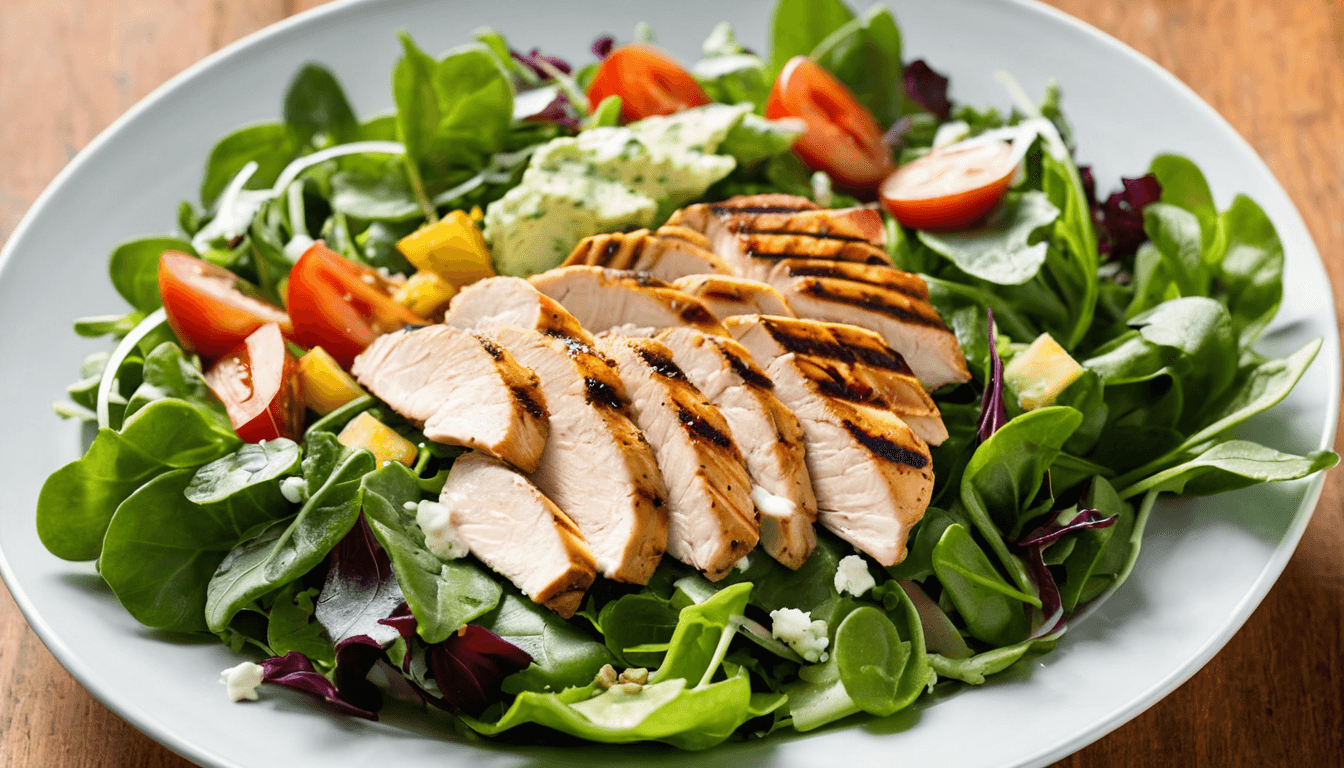
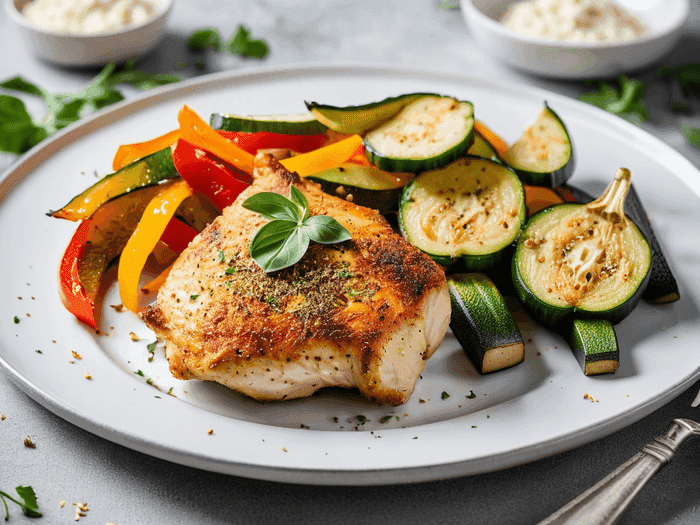
Салат із грильованою куркою і овочами
Низьковуглеводний обід, багатий на нежирний білок та неперекваші овочі
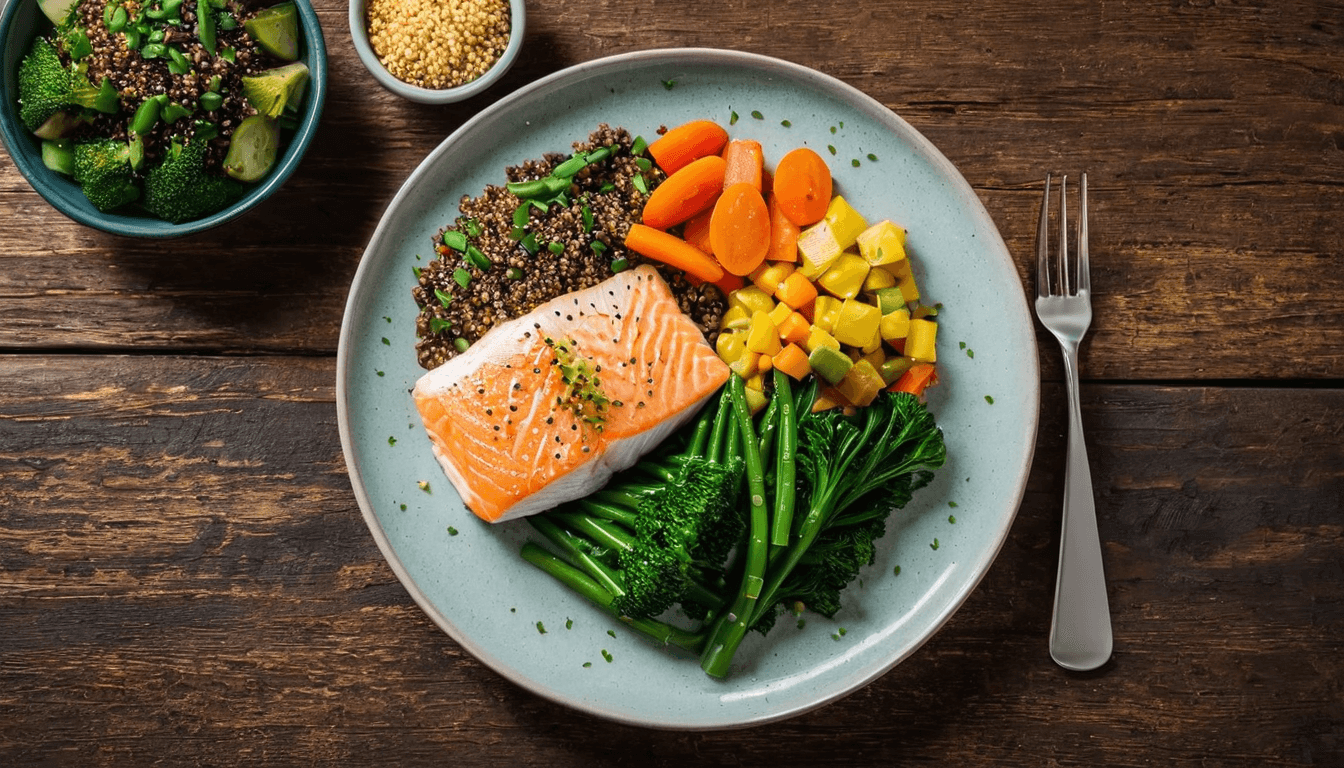
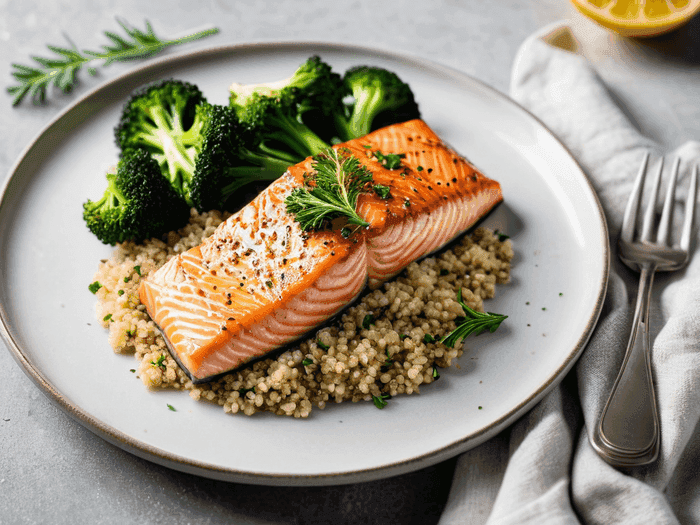
Запечена тріска з кіноа та броколі
Збалансований вечерю з комплексними вуглеводами і серцево‑здоровим білком
Часто ставлені запитання
Чи можу я контролювати гестаційний діабет за допомогою дієтичного плану, дружнього до діабету, під час вагітності?
Так. Дієта є першим методом лікування гестационного діабету, і приблизно 70-85% жінок контролюють його лише за допомогою їжі. Споживайте 175 г вуглеводів на день, розподілених між 3 прийомами їжі та 2-3 перекусами, не дозволяючи проміжкам між прийомами їжі перевищувати 4 годин. Надавайте перевагу вуглеводам з низьким глікемічним індексом, таким як сочевиця (15 г чистих вуглеводів на 100 г вареної за даними USDA), ягоди та грубо змелені вівсяні пластівці. Поєднуйте кожен вуглевод з білком і жирами, щоб згладити реакцію на глюкозу. Сніданок часто є найскладнішим прийомом їжі; багатьом жінкам потрібно обмежити його до 15-30 г вуглеводів. Контролюйте рівень глюкози натще та після їжі відповідно до цілей, встановлених вашим акушер-гінекологом. Завжди координуйте дії з вашим акушером і сертифікованим діабетологом.
Чи можу я дотримуватися дієтичного плану для діабетиків, поки годую грудьми?
Годування грудьми при діабеті, як правило, захисне: воно зазвичай знижує потребу в інсуліні та покращує контроль глюкози. Калорійні потреби зростають приблизно на 500 ккал на день, які мають надходити з поживних джерел, а не з рафінованих вуглеводів. Включайте складні вуглеводи, такі як квіноа (21 г вуглеводів на 100 г вареної за даними USDA), грецький йогурт з повним вмістом жиру (10 г білка на 100 г за даними USDA), яйця, лосось і листові овочі. Ризик гіпоглікемії зростає під час і після годування, тому багатьом жінкам потрібен перекус із білками та вуглеводами поруч. Якщо ви приймаєте інсулін, ваш ендокринолог може зменшити дози на 10–25%. Гідратація критично важлива — 3+ літри на день. Обговоріть значні зміни зі своєю командою з лікування діабету.
Як керувати діабетом при бюджеті на продукти 50 доларів на тиждень?
Дієта, дружня до діабету, на 50 доларів на тиждень — реалістична, якщо ви зосередитеся на сухих бобових, яйцях, заморожених овочах та доступних цільнозернових продуктах. Типовий тиждень: 2 фунти (907 г) сухих лінз і бобів (4 долари), 1 десяток яєць (4 долари, 6 г білка кожне за даними USDA), 1 фунт (454 г) заморожених курячих стегенець (4 долари), 2 банки тунець (4 долари), 1 фунт (454 г) вівсяних пластівців (4 долари), 5 фунтів (2,27 кг) заморожених овочів (10 доларів), 1 фунт (454 г) капусти та 1 фунт (454 г) моркви (3 долари), цибуля та часник (3 долари), оливкова олія (6 доларів), сезонні яблука та ягоди (8 доларів). Це дає приблизно 21 прийом їжі з стабільним впливом на рівень цукру в крові. Уникайте цукровмісних напоїв, готових продуктів для діабетиків та білого хліба. Готуйте партіями двічі на тиждень, щоб розтягнути порції.
Як підготувати дієтичні страви для однієї людини з діабетом?
Для підготовки до діабету для однієї особи створіть 3-денний обертовий набір, а не повний тиждень, оскільки свіжі овочі втрачають якість. Під час кожної сесії приготування: зваріть одну порцію білка (4 курячих грудки або 6 варених яєць), одну цільнозернову страву (1 склянка сухої квіноа або вівса з цільного зерна) і запечіть одну форму безкрохмальних овочів. Розподіліть по контейнерах з трьома відділеннями, кожен з яких містить 15-30 г вуглеводів, 25-35 г білка та 10-15 г жиру. Зберігайте заморожені ягоди (7 г чистих вуглеводів на 100 г за даними USDA) і консервований тунець як екстрені страви. Попорційно перекуси, такі як мигдаль, в пакетики по 1 унції, щоб уникнути переїдання. Загальний час приготування становить приблизно 60-90 хвилин двічі на тиждень.
Чи можу я дотримуватися цієї дієти, якщо у мене діабет 1-го типу?
Діабетично-дружній раціон діє як для 1 типу, так і для 2, хоча акцент зміщується з втрати ваги чи А1С на самостійні, передбачувані прийоми їжі, що відповідають дозуванню інсуліну. Точно підрахуйте кількість вуглеводів (ваги продуктів допомагає шкала, оскільки "середній" яблуко коливається від 15 до 30 г вуглеводів у реальних вимірюваннях). Поєднуйте вуглеводи з білками та жирами, що сповільнює всмоктування та зменшує післяїдний пік на 30-60 хвилин. Уникайте ультранизьковуглецевих підходів без нагляду ендокринолога, оскільки вони значно впливають на співвідношення інсуліну до вуглеводів. ЦГМ (безперервний глюкометр) плюс цей раціон зазвичай покращує час у межах на 10-20%. Координуйте коригування дози з вашою командою діабетичного догляду.
Як дієта для діабету взаємодіє з Ozempic або іншими препаратами GLP-1?
Лікарські засоби GLP-1, такі як Ozempic, Wegovy, Mounjaro та Труліті, сповільнюють опорожнення шлунка та знижують апетит, що добре поєднується з діабетом-дружньою дієтою, але може викликати гіпоглікемію, якщо ви також приймаєте інсулін або сульфонілсечовину. Поширені проблеми включають нудоту при великих або жирних стравах, тому порції вагою 400–500 ккал зазвичай краще переносяться. Зберігайте високий рівень білка, приблизно 1,2–1,6 г на кг ваги тіла, оскільки пацієнти GLP-1 втрачають більше м'язової маси, коли білок недостатній. Вміст клітковини з овочів (броколі містить 2,6 г на 100 г за даними USDA) допомагає при запорі, поширеному побічному ефекті. Співпрацюйте зі своїм лікарем, щоб при необхідності поступово зменшувати дозу інсуліну та пероральних діабетичних ліків.
Чи сумісна дієтична дієта для діабетиків з гіпертонією?
Так, харчові моделі для діабету та гіпертонії значною мірою перетинаються. Обидва стани покращуються завдяки зниженню споживання доданого цукру та рафінованих вуглеводів, збільшенню споживання клітковини до 25-35 г на день, обмеженню споживання натрію до менше 2300 мг на день і акценту на продуктах, багатих калієм, таких як листові овочі, боби та солодкий картопель (337 мг калію на 100 г за даними USDA). Принципи дієти DASH чітко застосовні: 4-5 порцій овочів, 4-5 порцій фруктів, 2-3 порції низькокалорійних молочних продуктів і пісного білка. Уникайте обробленого м'яса, консервованих супів і ресторанної їжі з високим вмістом натрію. Покращення артеріального тиску зазвичай спостерігаються протягом 2-4 тижнів послідовного харчування. Координуйте коригування медикаментів із лікарем, який їх призначив.
Чи може цей план харчування допомогти при хронічному захворюванні нирок та діабеті одночасно?
Хвороба нирок на тлі діабету потребує змін у стандартному діабетичному раціоні. Зазвичай обмежують споживання білка до 0,6-0,8 г на кілограм ваги тіла (нижче за діабетичний стандарт), може знадобитися обмежити калій (уникати бананів, картоплі, апельсинів), а фосфор слід контролювати (обмежити молочні продукти, горіхи, цільні зерна). Соль обмежується до 2000 мг на день. Вуглеводи залишаються помірними та низькоглікемічними. Це найсуворіше поєднання, і воно обов'язково потребує консультації дієтолога, що спеціалізується на нирковій дієті. Не розробляйте цей раціон самостійно. Проводьте лабораторні тести еГФР, альбуміну сечі, калію та фосфору кожні 3 місяці. Деякі фосфатні зв'язувачі та інгібітори СГЛТ2 також можуть взаємодіяти з харчовими планами.
Як мені впоратися з святами та вечірками при діабеті?
Різдвяне харчування при діабеті працює, якщо ви заздалегідь сплануєте три речі. По-перше, з'їжте їжу з білком і клітковиною за 90 хвилин до події (наприклад, грецький йогурт з горіхами або яйця з авокадо), щоб ви не були голодні при прибутті. По-друге, огляньте весь стіл перед тим, як накрити, і оберіть один свідомий вуглевод, наприклад, невелику порцію вашого улюбленого десерту або один шматок хліба, замість того, щоб їсти кожен доступний вуглевод. По-третє, прогуляйтеся 15-20 хвилин після їжі, щоб знизити пік глюкози приблизно на 20-30%. Якщо ви приймаєте інсулін, плануйте час введення болюсу відповідно до фактичної кількості вуглеводів, а не за припущенням. Також допомагає пити воду між напоями.
Як відстежувати покращення рівня HbA1c лише за допомогою дієти?
Коефцієнт A1C відображає середній рівень цукру в крові за попередні 8-12 тижнів, тому чекайте принаймні 3 місяці між тестами, щоб побачити вплив змін у раціоні. Типове зниження коефіцієнта A1C завдяки постійному покращенню харчування становить від 0,5 до 1,5 пунктів. Для швидшого зворотного зв'язку використовуйте безперервний глюкометр (CGM) або вимірюйте рівень цукру натще 2-3 ранки на тиждень. Цільовий рівень цукру натще – менше 130 мг/дл, а після їжі (через 2 години) – менше 180 мг/дл, згідно з більшістю рекомендацій для діабетиків. Відстежуйте прийом їжі разом із рівнем глюкози протягом першого місяця, щоб виявити особисті тригери. Деякі люди сильно реагують на вівсянку чи банани, незважаючи на їхню репутацію здорової їжі. Індивідуальна реакція різна.
Що стосується захворювань щитовидної залози поряд з діабетом?
Гіпотиреоз поширений при цукровому діабеті 1 типу (приблизно 15-30% поширеності) і дещо поширений при діабеті 2 типу. Діабетична дієта поєднується з лікуванням щитовидної залози з кількома зауваженнями: приймайте левотироксин на порожній шлунок і чекайте 30-60 хвилин перед їжею, оскільки їжа (особливо багата на волокна або кальцій) знижує всмоктування. Соя, кава та кальцієві добавки приймаються окремо від ліків щонайменше за 4 години. Продукти, багаті селеном, такі як бразильські горіхи (1-2 на день), та йод із яєць, риби та молочних продуктів підтримують функцію щитовидної залози. Слідкуйте за плато втрати ваги, оскільки нелікований або недостатньо лікуваний гіпотиреоз сповільнює метаболізм. Контролюйте ТШ кожні 6 місяців разом з А1С.
Як управління діабетом перетинається з синдромом подразненого кишечника?
Керування IBS та діабетом одночасно складно, адже багато продуктів, безпечних для IBS (білий рис, простий тост), підвищують рівень цукру в крові, тоді як багато продуктів з низьким глікемічним індексом ( бобові, сира овочева маса, цибуля, часник) містять багато FODMAPів і провокують IBS. Прийнятним компромісом може бути стиль харчування середземноморської дієти з низьким вмістом FODMAPів: грецький йогурт без лактози, твердовий тофу, квіноа (17 г вуглеводів на 100 г вареної за даними USDA), лосось, яйця, шпинат, кабачки, болгарський перець та полуниці. Замість свіжого часнику використовуйте оливкову олію з часниковим ароматом, а консервовані бобові ретельно промивайте. Почніть з суворої 4-тижневої елімінаційної дієти, а потім поступово повертайте продукти. Реєстрований дієтолог, який спеціалізується на обох захворюваннях, вартує своїх грошей. Спільні моніторинги симптомів та рівня глюкози допомагають виявити особисті провокатори.
Чи можу я їсти в ресторанах з діабетом?
Так, і більшість ресторанних меню можна адаптувати. Стратегія за замовчуванням: пісний білок (смажена риба, курка або стейк), подвійна порція некрохмалистих овочів, пропускаємо або зменшуємо порцію крохмалистих продуктів, соуси окремо. Стейк-хауси, середземноморська, мексиканська (без рису та тортильї) та азійська кухні (уникаючи солодких соусів) підходять. Будьте обережні з прихованими цукрами в теріякі, барбекю, солодкому чилі та глазурованих стравах (часто додано 15–30 г цукру на основну страву). Кремові супи та кошики з хлібом додають 30–60 г швидких вуглеводів до основного блюда. Алкоголь із їжею зазвичай безпечний у помірних кількостях, але може спричинити затримку гіпоглікемії, якщо ви приймаєте інсулін. Перевіряйте рівень глюкози через 2 години після їжі, щоб дізнатися про моделі ресторанів.
Як приготувати партіями страви дружні до діабету для родини з чотирьох осіб?
Створіть три щотижневі основні страви для родини з чотирьох осіб: одну повільно приготовану страву з нежирного м'яса (стегенця курячі, чилі з індички або запечена яловичина), одну страву на основі бобових (суп з сочевиці або тушковані боби) та одну вечерю з риби (трейбейк з лосося). Завжди готуйте велику порцію запечених нестархових овочів і один цільнозерновий продукт (коричневий рис, квіноа або ячмінь). Згідно з довідкою USDA, 100 г вареного курячого філе містить 31 г білка, тому 500 г вареного м'яса покриває потреби в білку для чотирьох дорослих. Подавайте кожну вечерю з постійною кількістю вуглеводів від 30 до 45 г. Зберігайте заморожені ягоди та грецький йогурт без добавок на десерт. 2,5-годинна підготовка в неділю дає 12 вечерь для родини. Заморозьте половину на третій і четвертий тижні.
Діабетична дієта проти кето для контролю рівня цукру в крові: що краще?
Обидва підходи покращують глікемічний контроль, але вони підходять різним людям. Збалансована діабетична дієта (45-60 г вуглеводів на прийом їжі з цільних продуктів) є більш стійкою в довгостроковій перспективі, соціально легшою та безпечнішою для людей, які приймають інсулін. Строгий кетогенний раціон (менше 30 г чистих вуглеводів на день) забезпечує швидше зниження рівня А1С, часто на 1-1,5 бали за 6 місяців, але вимагає ретельного моніторингу медикаментів і має вищі показники відмови. Пацієнти з діабетом 2 типу без складних режимів прийому ліків можуть отримати користь від кетогенної дієти на 3-6 місяців, а потім перейти на помірну низьковуглеводну дієту. Пацієнтам з діабетом 1 типу рідко слід починати кетогенну дієту без нагляду ендокринолога. Жодна з дієт не лікує діабет; обидві допомагають контролювати його.
Коли дієтичний план для діабетиків НЕ є достатнім?
Дієта сама по собі часто є недостатньою, коли рівень HbA1c залишається вище 8,5%, коли рівень глюкози натще регулярно перевищує 180 мг/дл, незважаючи на постійне харчування, коли тип 2 прогресував до значного порушення функції бета-клітин або якщо у вас є тип 1 (який завжди потребує інсуліну). Дієта також не дає бажаного ефекту, якщо стрес, нестача сну або хронічні інфекції призводять до високого рівня кортизолу та глюкози незалежно від харчування. У всіх цих випадках препарати, такі як метформін, інгібітори SGLT2 або агоністи GLP-1, працюють разом з дієтою, а не замінюють її. Якщо покращення дієтичних звичок протягом 3 місяців не впливає на рівень HbA1c, проконсультуйтеся з лікарем щодо додавання або коригування медикаментів. Уникнення медикаментів, коли вони необхідні, збільшує ризик довгострокових ускладнень.
Чи потрібні мені добавки, якщо у мене діабет?
Більшість людей з діабетом отримують користь від базової рутини прийому добавок. Вітамін D часто має низький рівень і підтримує чутливість до інсуліну; 1000–2000 МО на день — це поширена доза. Магній (300–400 мг на день) підтримує метаболізм глюкози та часто з часом виснажується метформіном. Вітамін B12 також знижується при тривалому застосуванні метформіну, тому 500–1000 мкг на день — це розумна доза. Омега-3 з 2–3 порцій жирної риби на тиждень (або 1 г на день у вигляді добавки) підтримує здоров’я серцево-судинної системи. Пропустіть корицю, хром і берберин, якщо ваш лікар не погодиться, оскільки докази суперечливі, а деякі взаємодіють з ліками. Завжди повідомляйте про прийом добавок своїй команді з лікування діабету.
Чи безпечні для діабету штучні підсолоджувачі?
Більшість нутриційних підсолоджувачів (стевія, сукралоза, аспартам, фрукт монка, алулоз) не підвищують рівень глюкози в крові в короткостроковій перспективі і вважаються безпечними FDA при типовому споживанні. Однак останні дослідження свідчать, що деякі підсолоджувачі (особливо сукралоза та сакарін) можуть змінювати мікробіом кишечника та інсулінову відповідь у сприйнятливих людей з часом. Алулоз і фрукт монка мають найчистіші профілі та не підвищують рівень глюкози чи інсуліну. Практичний підхід: використовуйте підсолоджувачі як міст до зменшення споживання цукру, а не як постійну підтримку, і намагайтеся знизити загальну перевагу солодкого смаку протягом 6-12 місяців. Якщо реакція глюкози непередбачувана, тестуйте окремі підсолоджувачі за допомогою глюкометра або СГМ.
Чи втратлю я м'язи на діабетичній дієті?
Втрата м'язової маси не є невід'ємною частиною дієтичного плану для людей з діабетом, але ризик виникає, якщо споживання білка занадто низьке або якщо ви швидко втрачаєте вагу без тренувань опору. Слідкуйте за тим, щоб щодня споживати від 1,2 до 1,6 г білка на кілограм ваги тіла, розподіливши його між 3-4 прийомами їжі. Для людини вагою 75 кг це приблизно 90-120 г білка, що можна отримати, наприклад, з яєць на сніданок, грецького йогурту чи курки на обід та риби чи нежирного м'яса на вечерю. Тренування опору принаймні двічі на тиждень допоможуть зберегти м'язову масу під час зниження ваги. Старшим людям з діабетом потрібно трохи більше білка — близько 1,5–1,8 г на кілограм ваги тіла, оскільки ефективність синтезу м'язового білка з віком зменшується. Слідкуйте за силою стискання руки та співвідношенням талії до стегон, а не лише за вагою на вагах.
Чи є дієтичний план для діабету стійким у довгостроковій перспективі?
Так, тому що добре розроблений діабетичний раціон не є обмежувальним у традиційному розумінні. Він ближчий до стандартного здорового харчування з увагою до часу та якості споживання вуглеводів. Більшість людей дотримуються його протягом багатьох років, особливо коли помітно, що рівень глюкози реагує на вибір продуктів, що створює тісні зворотні зв'язки. Стійкість покращується, коли ви створюєте ротацію надійних страв у кількості 15-20, а не намагаєтеся досягти безмежного різноманіття. Соціальне харчування, подорожі та відпустки можливі з використанням вищезгаданих стратегій. Дотримання раціону не вимагає досконалості: 80% дотримання протягом багатьох років краще, ніж 100% дотримання протягом 3 місяців, а потім відмови від нього. Співпраця з сертифікованим діабетологом протягом перших 6 місяців сприяє довгостроковому успіху.
Дослідіть пов'язані ресурси
Відкрийте більше інструментів та посібників для вашого шляху до здорового харчування