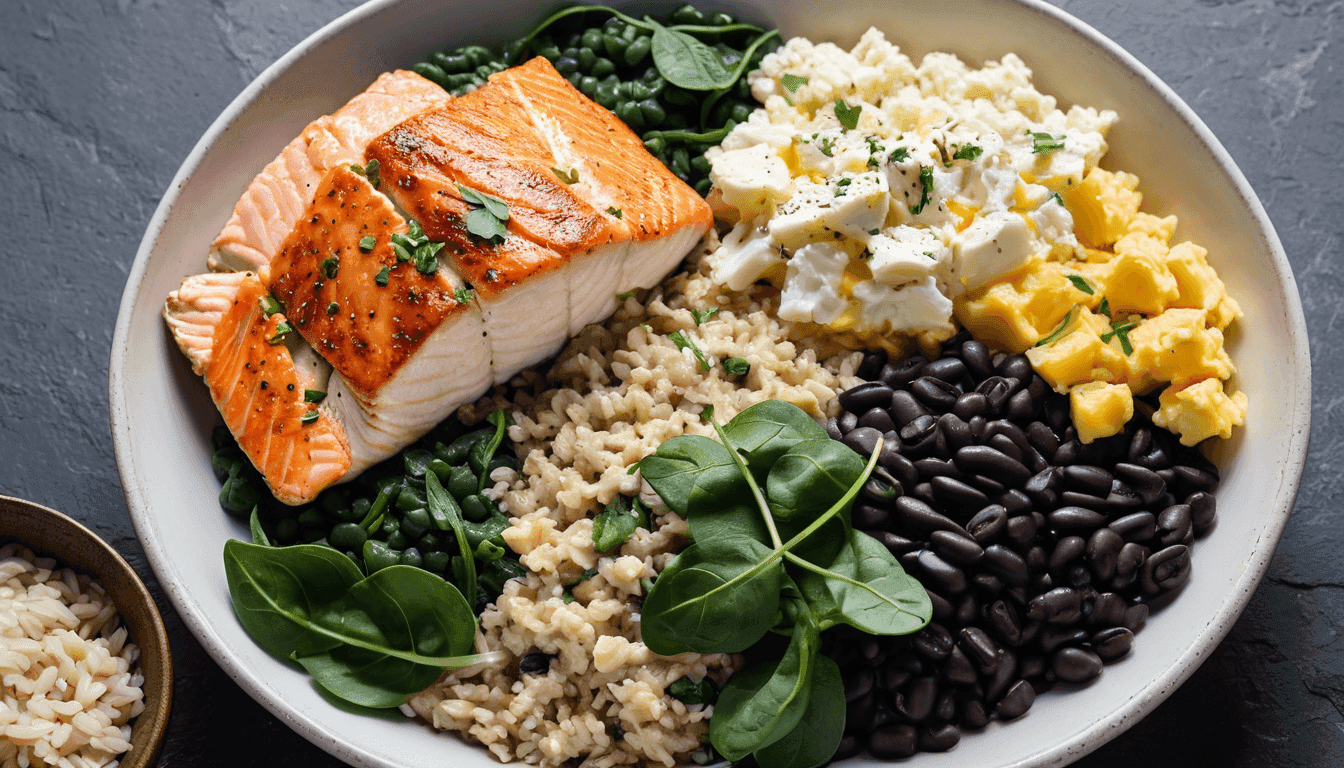
How Our AI Agent Maximizes Your Protein
Our nutrition-specialized AI calculates your optimal protein intake based on body weight, activity level, and goals. It distributes protein evenly across meals for maximum absorption, sources from diverse whole foods, and ensures complementary amino acid profiles - all while keeping meals genuinely delicious.
Personalized Protein Targets
AI calculates your ideal daily protein based on weight, activity, and goals - then distributes it optimally across every meal
Diverse Protein Sources
Rotates between animal and plant proteins to ensure complete amino acid profiles and prevent meal monotony
Meal Prep Optimized
Designs protein-forward meals that batch-cook efficiently, with ingredients that stay fresh and taste great reheated
Smart Macro Balancing
Pairs protein with the right carbs and fats for optimal absorption, satiety, and sustained energy throughout the day
Why AI for High Protein Diets?
Protein is the #1 nutrition priority worldwide. Let AI handle the math so you can focus on enjoying delicious, protein-packed meals.
Hit your exact protein targets (1.6-2.2g/kg) with precisely calculated meals
Diverse protein sources - avoid meal fatigue with AI-generated variety
Balanced macros that support muscle growth, recovery, and sustained energy
Multi-person plans: different protein targets for each family member, one shared shopping list
Swap any single meal instantly without recalculating your entire daily macros
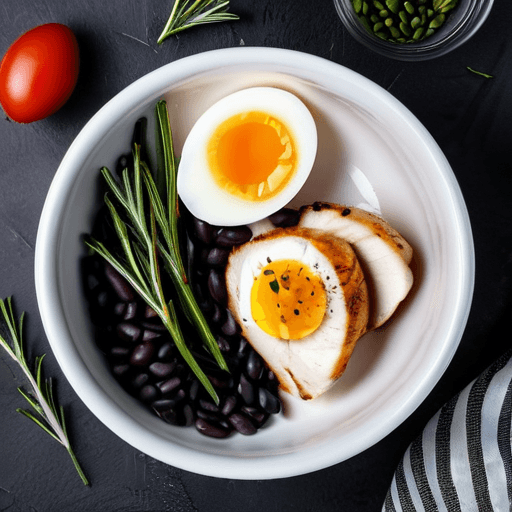
Sample High Protein Meals
AI-generated protein-packed meals designed for muscle building, recovery, and active lifestyles
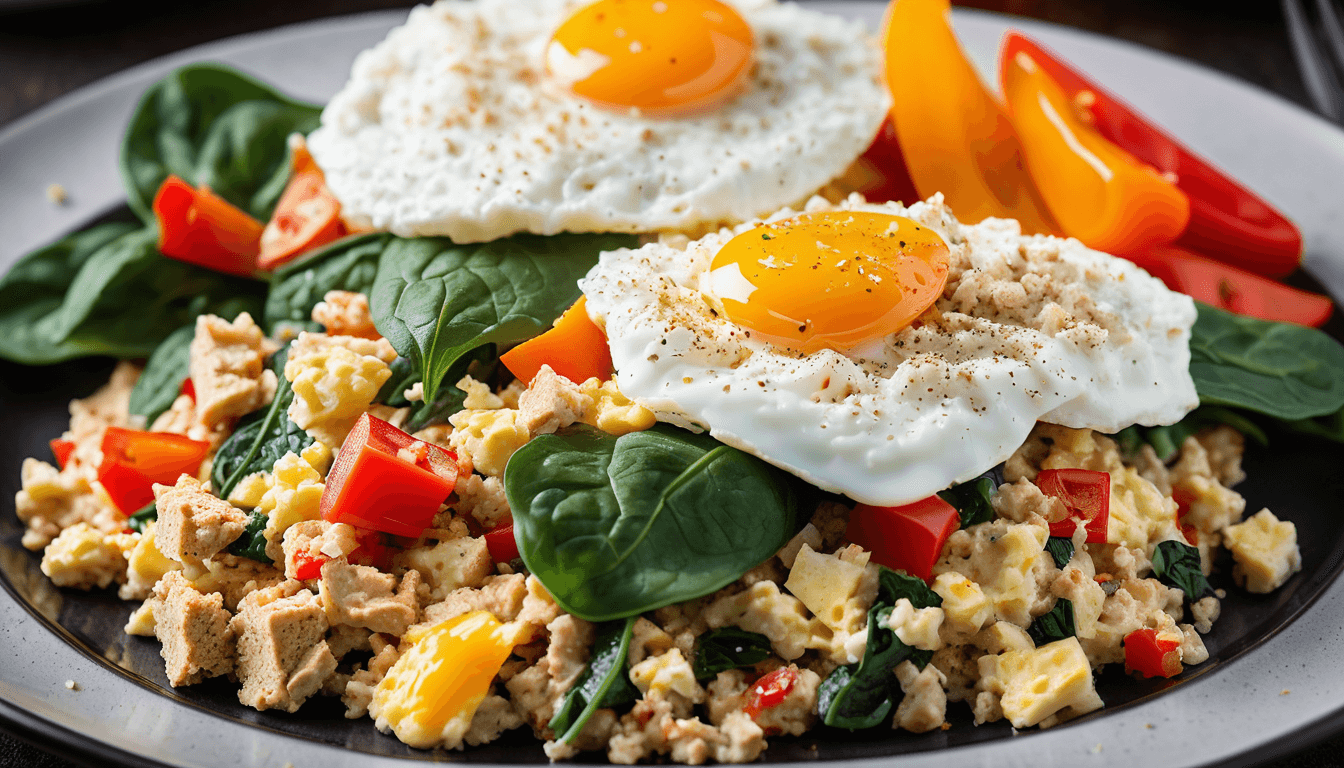
Turkey & Egg White Scramble
Protein-loaded breakfast with lean ground turkey, egg whites, spinach, and whole grain toast
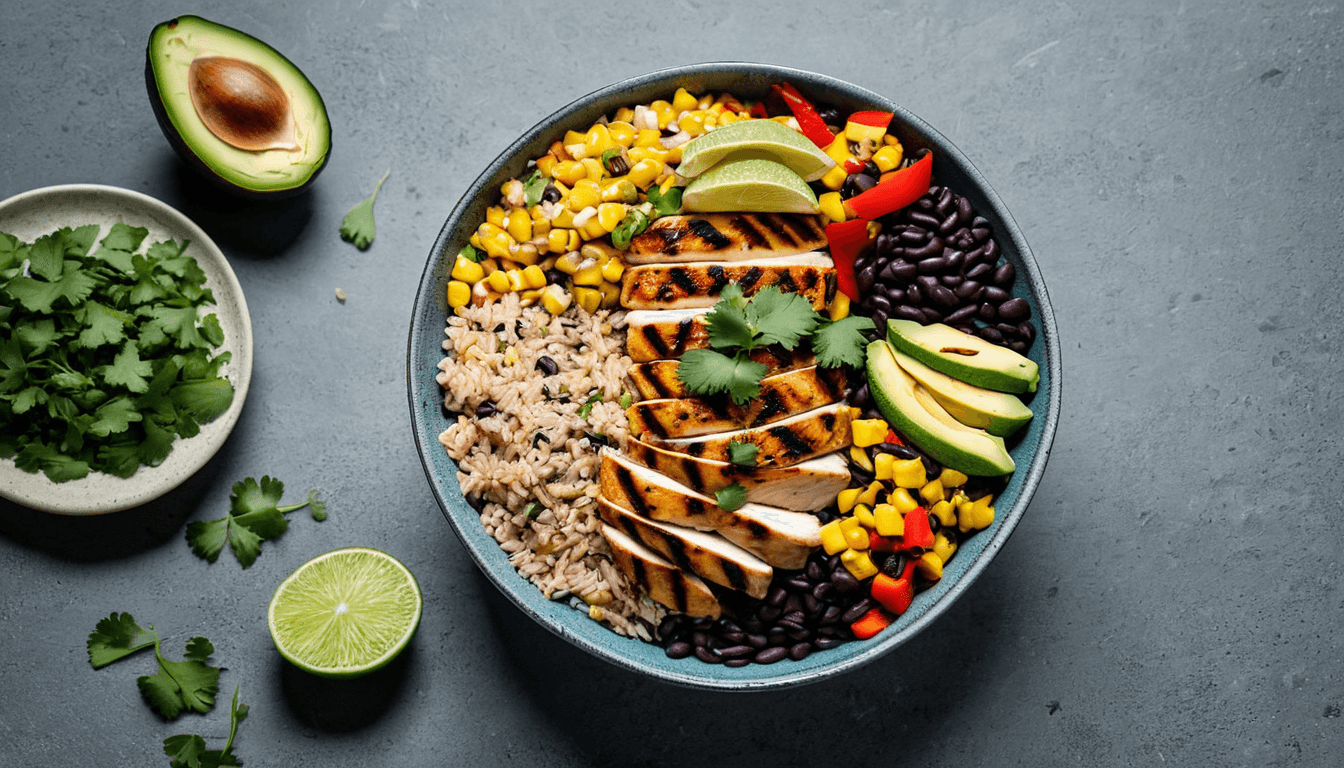
Grilled Chicken & Black Bean Bowl
Dual-source protein lunch combining animal and plant proteins with complex carbs
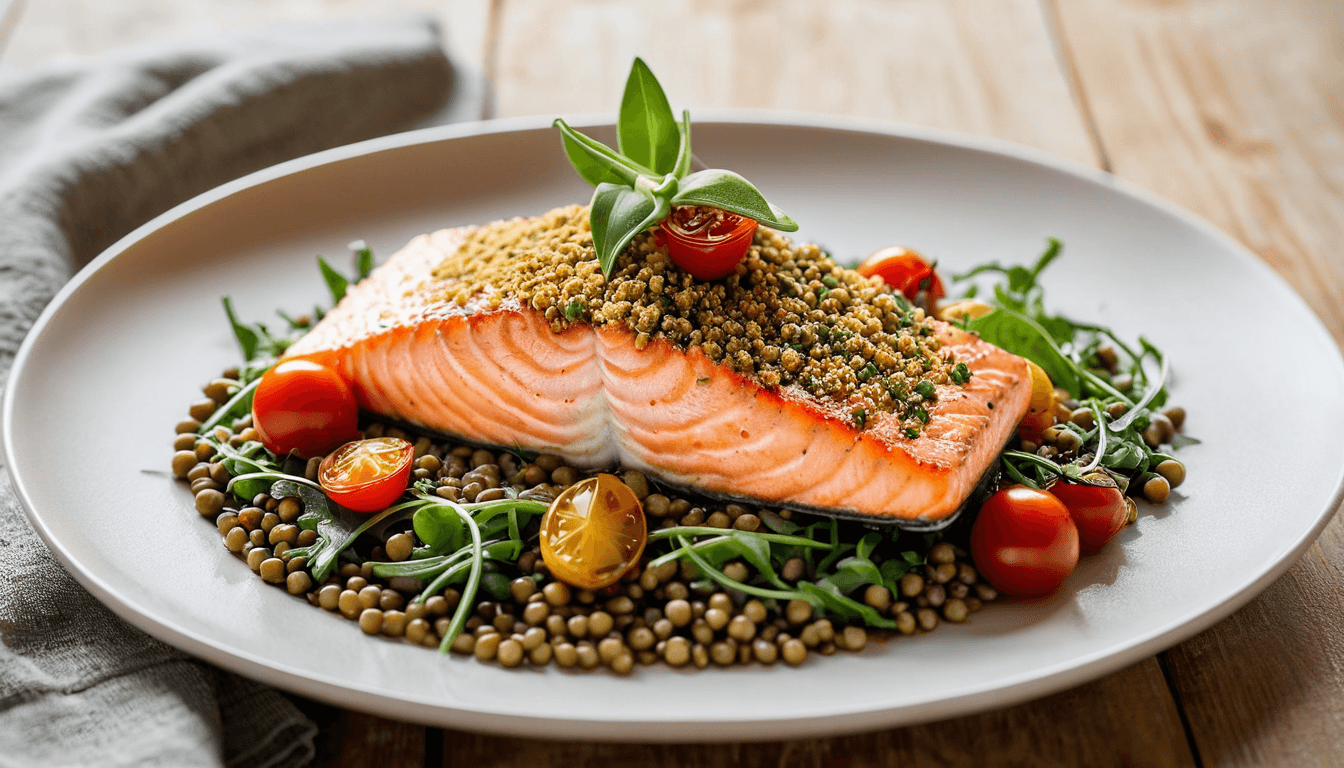
Herb-Crusted Salmon with Lentils
Omega-3 rich dinner with plant-based protein side for complete amino acid coverage
Frequently Asked Questions
Can I follow a high-protein diet while pregnant?
Protein needs rise during pregnancy from about 0.8g per kg body weight to roughly 1.1g per kg, or an extra 25g per day in the second and third trimesters. This is moderate, not extreme, and a whole-food diet built around eggs (13g protein per 100g per USDA), salmon (20g protein per 100g per USDA), Greek yogurt, lentils, and chicken easily covers it. Very high protein intakes above 1.8g per kg have not been studied in pregnancy and are not recommended. Avoid protein powders unless cleared by your OB-GYN, since most are not tested for safety in pregnancy. Get adequate carbs for fetal brain development. Consult your physician before any major dietary change during pregnancy.
Is high-protein safe for breastfeeding mothers?
Yes, and breastfeeding raises protein needs modestly, to about 1.1g per kg body weight. A 150-pound woman needs roughly 75g protein daily during lactation, which is achievable with 3 meals each containing 25g protein: 3 eggs at breakfast, 120g chicken at lunch, and 170g salmon at dinner. Breastfeeding also increases calorie needs by 450 to 500 kcal per day, so do not let high-protein turn into a calorie deficit. Hydration matters because higher protein intake raises water needs. Avoid pre-workout supplements, high-caffeine protein bars, and untested protein powders during lactation. Keep taking a prenatal vitamin. If milk supply drops, add more carbs and fats before blaming protein.
What is the actual protein target for strength athletes?
Evidence-based targets for strength athletes are 1.6 to 2.2g per kg body weight, based on meta-analyses of resistance training studies. For a 180-pound athlete (82 kg), this is 130 to 180g protein daily, split across 4 to 5 meals of 30 to 45g each. Higher intakes do not reliably add muscle but also do no harm in healthy people. Distribution matters: each meal should hit the leucine threshold (roughly 2.5 to 3g leucine, found in about 25 to 30g of high-quality protein). Whey protein is convenient post-workout because of its fast absorption, but whole-food protein from chicken, beef (26g protein per 100g cooked per USDA), fish, and eggs gives the same outcome over 24 hours.
How do I do high-protein on a $60 weekly grocery budget?
Cheap protein sources beat expensive ones gram-for-gram. A $60 plan hitting 120g protein daily might include: 3 dozen eggs ($9), 3 lb chicken thighs or drumsticks ($9), 2 lb frozen ground turkey ($10), 1 lb dry lentils ($3), 2 tubs plain Greek yogurt ($8), 1 kg whey protein (bulk) ($10), canned tuna 4-pack ($6), 1 lb cottage cheese ($5). Per USDA, 100g cottage cheese provides 11g protein for under $0.50 per serving, and 100g cooked lentils provides 9g protein for $0.20. Skip high-markup items like grass-fed steak, wild salmon, and branded bars. Frozen protein is nutritionally identical to fresh. A single whey scoop (about $0.50) hits 24g protein faster than any whole food.
Is plant protein as good as animal protein?
Plant proteins work for muscle building when total intake and variety are adequate, but they are less efficient gram-for-gram because of lower leucine content and lower digestibility. Animal proteins average 90 to 97 percent digestibility; plant proteins average 75 to 85 percent. Practically, a plant-based eater needs roughly 20 to 30 percent more total protein to match a meat eater. Best plant sources include soy (tofu, tempeh, edamame), seitan (strictly not gluten-free), lentils, chickpeas, and pea protein isolate. Combine sources through the day (rice plus beans, hummus plus whole grain bread) to cover all essential amino acids. Supplementing with 30g pea or soy protein post-workout makes hitting leucine targets easier.
Will high protein hurt my kidneys?
For healthy people, high protein does not cause kidney disease. Studies up to 2.5g per kg body weight for months at a time show no drop in kidney function in healthy adults. This myth comes from studies of people with pre-existing chronic kidney disease, where protein restriction does help slow progression. The line is clear: if your eGFR is above 60 and you have no protein in urine, high protein is safe. If you have stage 3 or higher kidney disease, diabetic nephropathy, or a single kidney, target moderate protein (0.6 to 0.8g per kg) and consult your nephrologist. Hydration matters because protein metabolism raises nitrogen waste, so aim for at least 3 liters of water daily on high-protein intakes.
Can high-protein help with GLP-1 medications like Ozempic?
Yes, prioritizing protein is one of the most important strategies for anyone on GLP-1 medications. These drugs suppress appetite aggressively, leading to dramatic calorie drops and disproportionate muscle loss in early months. Hitting at least 1.6g protein per kg target body weight preserves muscle. Practical targets: 25 to 35g protein per meal, prioritized over carbs and fats when appetite is low. High-density options help: a whey shake (24g protein in 200 ml), Greek yogurt (10g protein per 100g per USDA), cottage cheese, eggs, and pre-cooked chicken. Resistance training twice a week is also critical. Coordinate with your prescribing doctor on targets and monitor lean mass if possible.
Does high protein help or hurt blood pressure?
Moderate-to-high protein (around 25 percent of calories) has been shown in trials to modestly lower systolic blood pressure by 2 to 4 mmHg, particularly when protein replaces refined carbohydrates. The DASH-style high-protein diet (DASH-HP) showed stronger blood pressure reductions than the original DASH. Best protein sources for blood pressure include fish, poultry, legumes, and low-fat dairy. Cured and processed meats (bacon, deli meats, sausage) raise sodium intake and can offset the benefit, so limit those to occasional inclusion. Hydration and adequate potassium matter more on high-protein intakes. If you are on blood pressure medication, monitor readings when making dietary changes and consult your physician.
How do I meal prep high-protein for one person?
Single-person protein prep works best with rotating 3-meal batches rather than 7 identical servings. Twice a week, cook 600g chicken breast (giving about 186g protein at 31g per 100g per USDA), 6 hard-boiled eggs (36g protein total), and a pot of lentils (1 cup dry yields about 50g protein). Portion into 3-compartment containers with pre-washed greens and microwaveable rice pouches. Keep whey protein on hand for low-effort meals. A typical prep day runs 60 to 90 minutes and covers 4 to 5 days of high-protein eating without boredom. Freeze half the chicken raw in marinated portions for week two. Cottage cheese, Greek yogurt, and canned tuna stretch between prep sessions without cooking.
Is there such a thing as too much protein in one meal?
The idea that the body 'wastes' protein above 30g per meal is oversimplified. Older studies suggested muscle protein synthesis maxes out around 25 to 30g, but newer research shows that larger doses (up to 100g in one sitting) continue to build muscle, just over a longer window. Practically, splitting protein across 3 to 5 meals at 25 to 40g each is more efficient for steady amino acid availability and usually easier to digest. Eating 60g at one meal is fine if it fits your schedule. What does not work is eating all daily protein in one meal and fasting the rest of the day, since muscle protein synthesis dips over long periods without intake.
High protein versus calorie counting: which works better for weight loss?
They work together rather than compete. High protein makes calorie restriction easier because protein is the most satiating macronutrient and preserves lean mass during a deficit. A trial directly comparing 1.6g per kg protein versus 0.8g per kg in a 500-calorie deficit showed the high-protein group lost more body fat and kept more muscle. Strict calorie counting without attention to protein often leads to rapid weight loss but poor body composition. The practical middle ground is: calculate a moderate calorie deficit (500 kcal below maintenance), hit 1.6 to 2.0g protein per kg target body weight, and let carbs and fats fill the rest without obsessive tracking. Resistance training multiplies the benefit.
Do I need protein powder, or can I get enough from food?
Most people can hit 1.6g per kg body weight from whole food alone, especially if breakfast includes eggs or Greek yogurt. Protein powder is a convenience tool, not a requirement. It shines for three cases: low-appetite situations (GLP-1 medications, illness), post-workout when food is impractical, and budget-conscious eaters who need cheap protein density (whey at $0.50 per 24g scoop is cheaper than most animal proteins per gram). Whey isolate and casein are best-studied; pea and soy work well for plant-based eaters. If you use powder, limit to 1 to 2 scoops daily and build the rest from whole foods so you get the fiber, micronutrients, and satiety that shakes do not provide.
How do I manage high-protein with high cholesterol?
High protein does not raise cholesterol by itself; the saturated fat and cholesterol that often accompany animal protein sources do. If your LDL is elevated, prioritize lean animal proteins (chicken breast, turkey, egg whites, fish) and plant proteins (lentils, beans, tofu, tempeh) over red meat and full-fat dairy. Salmon is a standout because its omega-3s actively lower triglycerides (per USDA, 100g salmon provides 2.3g omega-3). Replace butter with olive oil, cut processed meats, and add soluble fiber from oats and beans, which lowers LDL independent of protein. Recheck lipids 8 to 12 weeks after dietary changes. Coordinate with your physician if you are on statins.
Is post-workout protein timing really important?
The 'anabolic window' is more flexible than marketing suggests. Current research shows the window is about 4 to 6 hours post-exercise, not 30 minutes. Total daily protein intake and distribution across 3 to 5 meals matter much more than precise timing. However, if you train fasted or have not eaten in 4 hours before training, eating protein within 2 hours after the session does improve outcomes. A 20 to 40g dose of whey, Greek yogurt, or chicken works well. The one exception is older adults (over 60), where the post-exercise muscle protein synthesis response is weaker, and a 40g dose within 2 hours of training does appear to help.
Can high-protein cause constipation or digestive issues?
High protein with low fiber and low water often causes constipation, especially when protein replaces fiber-rich carbs. The fix is not less protein, it is adding fiber and water. Target 25 to 35g fiber daily from vegetables, berries, chia seeds (34g fiber per 100g per USDA), beans, and whole grains. Drink 3 to 4 liters of water, especially on training days. Whey protein can also cause bloating in lactose-sensitive people; switching to whey isolate or plant protein usually resolves it. If digestive symptoms persist beyond 2 weeks of adjustments, check for FODMAP sensitivities in protein sources like legumes, Greek yogurt, and certain protein powders with polyols or inulin added.
High-protein versus intermittent fasting: can they work together?
Yes, but hitting protein targets is harder during a compressed eating window. For 16:8 fasting (8-hour eating window), you need to fit 120 to 160g protein into 2 to 3 meals, which means each meal hits 40 to 60g protein. Practically, this looks like a 4-egg plus Greek yogurt breakfast at noon (40g protein), a 200g chicken plus beans lunch (50g protein), and a 200g salmon or steak dinner (45g protein). OMAD (one meal a day) is harder because 120g protein in one sitting can feel heavy and may not maximize muscle protein synthesis. If you train intensely, consider breaking a long fast with a whey shake rather than a full meal to start absorption quickly.
When is a high-protein diet NOT the right choice?
High protein is a poor fit for people with stage 3 or higher chronic kidney disease, certain liver conditions (advanced cirrhosis with hepatic encephalopathy), and rare urea cycle disorders. It is also often unnecessary for sedentary older adults who are not building muscle and may benefit more from moderate protein (1.0 to 1.2g per kg) plus adequate calories. For people with a history of eating disorders, tracking grams of protein can trigger restrictive patterns; a 'protein-first' qualitative approach works better. Finally, if budget or cooking time is a constraint and high-protein adds stress rather than improves outcomes, a moderate-protein whole-food approach (around 1.0g per kg) still covers most health goals.
Can I get enough protein while traveling?
Yes, with a few staples. Airports: Starbucks egg bites (17g protein), beef jerky, Greek yogurt cups, and pre-made protein boxes cover short trips. Long-haul travel: pack single-serve whey packets (24g protein each), shelf-stable tuna pouches, and protein bars with at least 15g protein per serving. Hotels: breakfast buffets usually include eggs, yogurt, and cheese. Dinner out: order double protein (ask for 8 oz chicken instead of 4 oz), skip the bread, and add a side of beans or edamame. Convenience store protein options include hard-boiled eggs, string cheese, and milk (8g protein per cup per USDA). Plan for 20 to 30g protein at every meal to avoid hitting the end of the day short.
Is eating only chicken and rice every day sustainable long-term?
Technically yes from a nutrition standpoint, but most people burn out within 4 to 8 weeks from boredom and mild nutrient gaps (mainly omega-3s, antioxidants, and fiber variety). Sustainable high-protein eating rotates at least 5 protein sources weekly: chicken, beef or turkey, fish (for omega-3), eggs, Greek yogurt or cottage cheese, and a plant source like lentils or tofu. Vary carbs between rice, quinoa, oats, potatoes, and sweet potatoes. Add 2 servings of vegetables to every meal. The 'chicken and rice' approach works for a 12-week contest prep but fails as a lifestyle. Build a rotation of 8 to 10 high-protein meals you genuinely enjoy and cycle through them.
Do I need to track grams, or is it enough to eat protein at every meal?
The 'protein-first' qualitative approach (palm-sized protein at every meal) gets most people to about 1.2 to 1.4g per kg body weight without any tracking. That covers general health, weight maintenance, and moderate training goals. If you are specifically trying to build muscle or preserve it during a significant calorie deficit, tracking for 2 to 4 weeks gives you a realistic baseline and usually reveals you are under-eating protein. After you calibrate, most people can estimate accurately enough to stop tracking. Apps that scan barcodes make tracking take 3 to 5 minutes a day. Use whatever approach you will actually sustain; perfect tracking inconsistently is worse than rough estimates every day.
Explore Related Resources
Discover more tools and guides for your nutrition journey
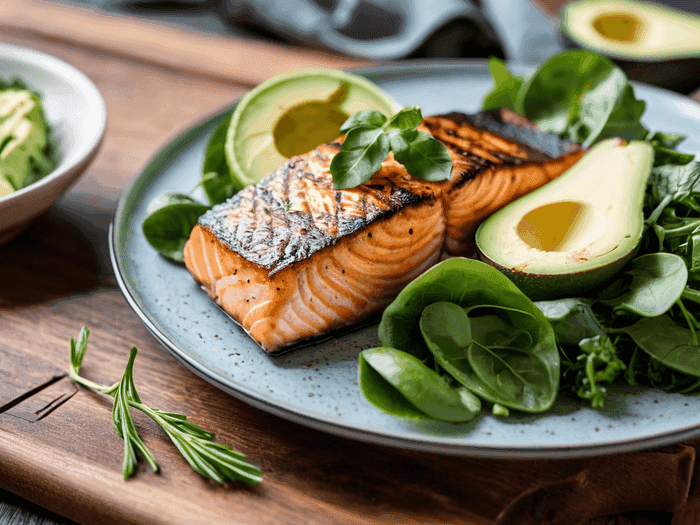
Keto Diet
High-protein meets low-carb
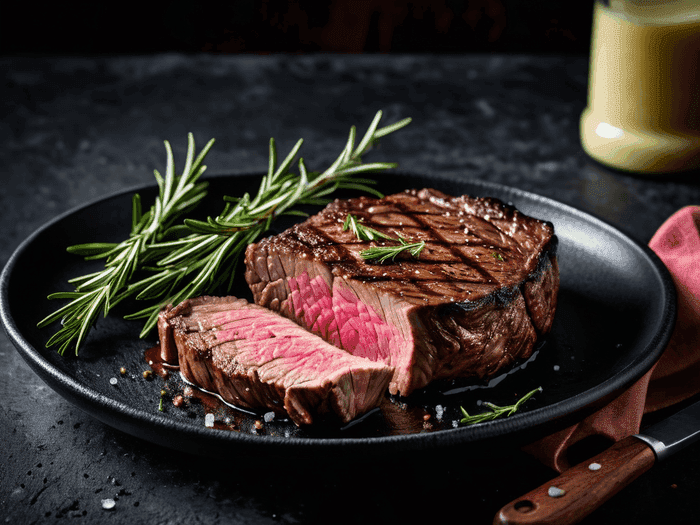
Carnivore Diet
Maximum protein from animal sources
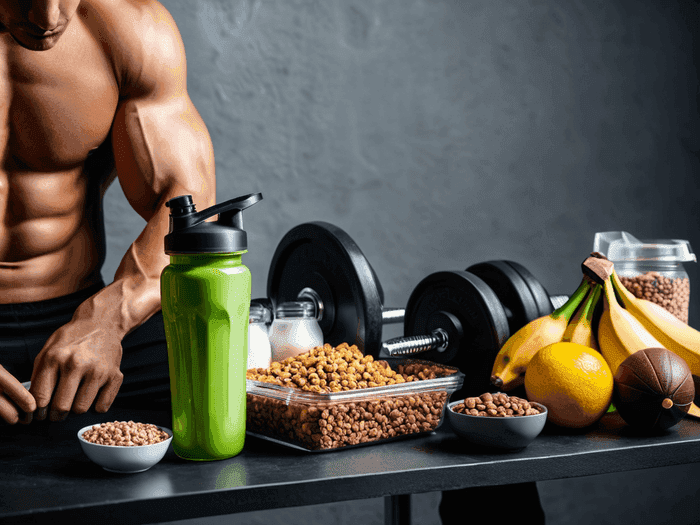
Athletes
Protein strategies for peak performance
Muscle Gain
Build muscle with optimal protein
Protein Calculator
Find your daily protein needs
Sample 3-day high-protein meal plan
Real foods, USDA-verified macros. No registration required.
Day 1
Day total: 2426 kcalBaked fish with wheat germ and cereals ready-to-eat breakfast
- Fish, cod, cooked80 g
- Cereals ready-to-eat, SUN COUNTRY20 g
- Potato chips, lightly salted60 g
- Wheat germ50 g
Roasted veal with cheese and cereal or granola bar with nuts lunch bowl
- Cheese, mozzarella30 g
- Cereal or granola bar with nuts, chocolate coated30 g
- Potato chips, restructured36 g
- Banana chips30 g
- Veal, leg, top round, grilled91 g
Scrambled cheese with cereal or granola bar and potato chips dinner plate
Scrambled cheese with noodles snack
- Cheese, Swiss50 g
- Noodles, flat50 g
Day 2
Day total: 2497 kcalRoasted veal with chicken breast and crackers breakfast
- Chicken breast, oven-roasted10 g
- Crackers, wonton25 g
- Potato chips, restructured30 g
- Noodles, chow mein25 g
- Veal, leg, top round, grilled76 g
Prepared moose with tortilla chips and potato chips lunch bowl
Baked crustaceans with tortilla chips and crackers dinner plate
- Crustaceans, shrimp, cooked80 g
- Tortilla chips, nacho cheese flavor (Doritos)50 g
- Potato chips, NFS60 g
- Crackers, NFS50 g
Baked fish with tortilla chips snack
Day 3
Day total: 2802 kcalBaked fish with potato chips and coconut breakfast
- Fish, cooked80 g
- Potato chips, plain61 g
- Coconut, fresh50 g
Baked fish with coconut cream and potato chips lunch bowl
- Fish, tuna, canned in water80 g
- Coconut cream, canned50 g
- Potato chips, lightly salted60 g
- Vegetable oil, NFS60 g
Roasted veal with cheese and peanut spread dinner plate
- Cheese, Mozzarella26 g
- Peanut spread, reduced sugar31 g
- Potato chips, restructured31 g
- Soy nut butter31 g
- Veal, leg, top round, grilled78 g
Pan-seared turkey with peanut butter with omega-3 snack
Shopping list for 3 days
Breakfast Cereals
Cereal Grains and Pasta
- Cereal or granola bar, with coconut55 g
- Wheat germ50 g
- Noodles, flat50 g
- Tortilla chips, flavored50 g
- Tortilla chips, nacho cheese flavor (Doritos)50 g
- Crackers, NFS50 g
- Tortilla chips, other flavors (Doritos)50 g
- Cereal or granola bar with nuts, chocolate coated30 g
- Crackers, wonton25 g
- Noodles, chow mein25 g
Dairy and Egg Products
- Cheese, Swiss100 g
- Cheese, mozzarella56 g
Finfish and Shellfish Products
Fruits and Fruit Juices
- Coconut, fresh50 g
- Coconut cream, canned50 g
- Banana chips30 g
Lamb, Veal, and Game Products
Legumes and Legume Products
Prepared Foods
- Moose83 g
Sausages and Luncheon Meats
Vegetables and Vegetable Products
Get a personalized 7-day plan with shopping list
This sample shows 3 days. The full version generates 7 days adapted to your weight, activity, and household.
Top high-protein foods, USDA-ranked
Highest-scoring foods for this diet, ranked by macro fit per USDA FoodData Central data.
Fish, cod, cooked
Finfish and Shellfish Products84 kcalProtein: 20.4gCarbohydrates: 0gTotal fat: 0.3gCrustaceans, shrimp, cooked
Finfish and Shellfish Products99 kcalProtein: 24gCarbohydrates: 0.2gTotal fat: 0.3gFish, haddock, steamed
Finfish and Shellfish Products87 kcalProtein: 20.6gCarbohydrates: 0gTotal fat: 0.6gCrustaceans, shrimp, raw
Finfish and Shellfish Products85 kcalProtein: 20.1gCarbohydrates: 0gTotal fat: 0.5gFish, cooked
Finfish and Shellfish Products82 kcalProtein: 19.4gCarbohydrates: 0gTotal fat: 0.6gEgg, white, dried
Dairy and Egg Products357 kcalProtein: 84.1gCarbohydrates: 4.5gTotal fat: 0.3gRuffed Grouse, breast meat, raw
Poultry Products112 kcalProtein: 25.9gCarbohydrates: 0gTotal fat: 0.9gFish, tuna, canned in water
Finfish and Shellfish Products86 kcalProtein: 19.4gCarbohydrates: 0gTotal fat: 1gFish, pollock, raw
Finfish and Shellfish Products76 kcalProtein: 17.2gCarbohydrates: 0gTotal fat: 0.8gCheese, mozzarella
Dairy and Egg Products141 kcalProtein: 31.7gCarbohydrates: 3.5gTotal fat: 0gCheese, Mozzarella
Dairy and Egg Products141 kcalProtein: 31.7gCarbohydrates: 3.5gTotal fat: 0gFrog legs, raw
Finfish and Shellfish Products73 kcalProtein: 16.4gCarbohydrates: 0gTotal fat: 0.3gEmu, outside drum, raw
Poultry Products103 kcalProtein: 23.1gCarbohydrates: 0gTotal fat: 0.5gNutritional powder mix, whey based
Prepared Foods352 kcalProtein: 78.1gCarbohydrates: 6.3gTotal fat: 1.6gTurkey, breast, smoked
Sausages and Luncheon Meats95 kcalProtein: 20.9gCarbohydrates: 1.3gTotal fat: 0.7gGame meat, moose, roasted
Lamb, Veal, and Game Products134 kcalProtein: 29.3gCarbohydrates: 0gTotal fat: 1gPork, cured, shank
Pork Products91 kcalProtein: 18.7gCarbohydrates: 0.7gTotal fat: 1.9gBeef, top round steak, raw
Beef Products116 kcalProtein: 23.6gCarbohydrates: 0gTotal fat: 2.5gVital wheat gluten
Cereal Grains and Pasta370 kcalProtein: 75.2gCarbohydrates: 13.8gTotal fat: 1.9gSeaweed, spirulina, dried
Vegetables and Vegetable Products290 kcalProtein: 57.5gCarbohydrates: 23.9gTotal fat: 7.7g