План харчування без глютену на основі штучного інтелекту
Нехай наш агент ШІ створює персоналізовані безглютенові дієтичні плани, оптимізовані для безпеки й повноти харчування.
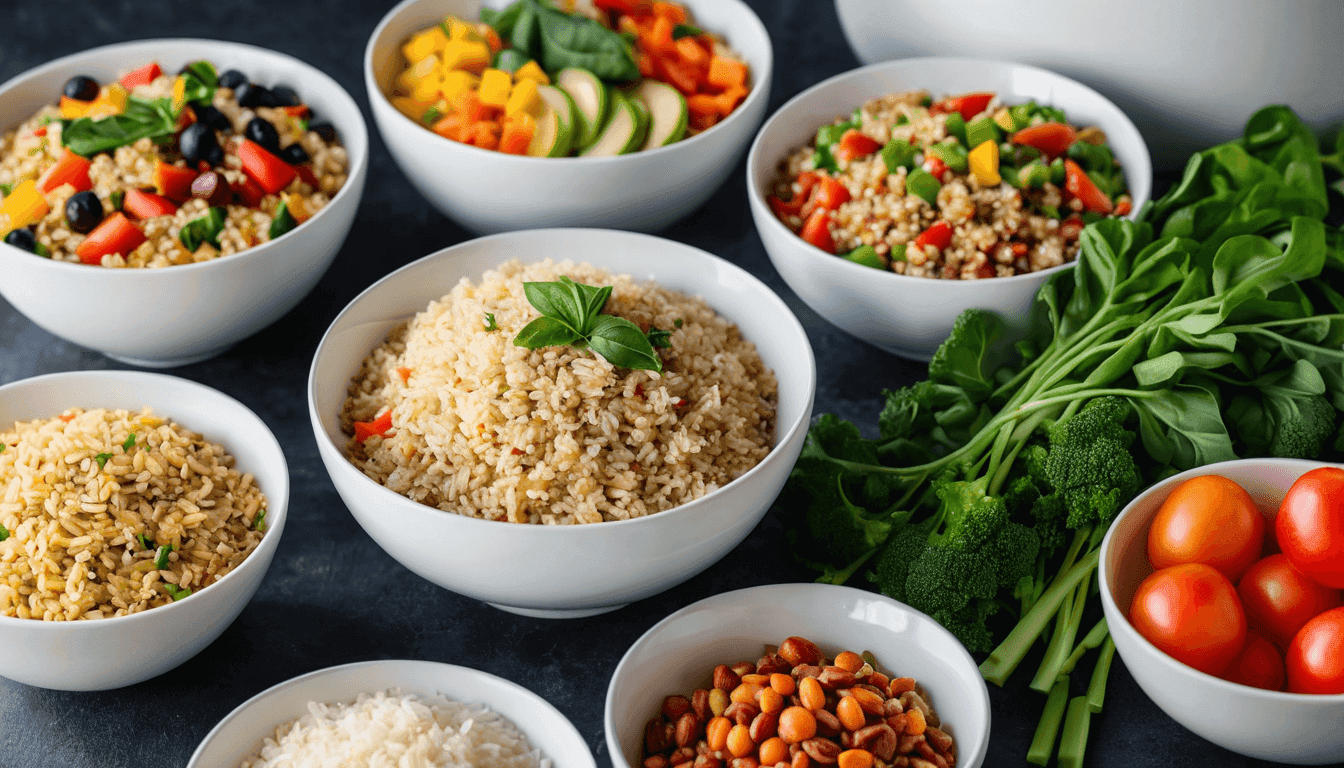
Як наш агент ШІ допомагає вам
Розвинена технологія штучного інтелекту, що розуміє принципи безглютенового харчування та безпеки при управлінні целіакою, чутливістю до глютену і оптимальним травленням. Наша персоналізована система планування безглютенових страв ретельно виявляє приховані джерела глютену, запобігає кросконтамінації та включає поживні альтернативні зернові для забезпечення безпечних, смачних прийомів їжі, що підтримують загоєння кишечника і загальне благополуччя.
Виявлення глютену
Штучний інтелект виявляє та усуває всі джерела глютену, забезпечуючи повну безпеку.
Альтернативні зерна
Розумні рекомендації щодо безглютенових зернових і борошен для різноманітних та смачних страв
Запобігання кросконтамінації
Штучний інтелект надає рекомендації щодо безпечної приготування та зберігання продуктів без глютену
Відстеження симптомів
Наглядайте за своїм самопочуттям і симптомами, щоб оптимізувати дієту без глютену
Чому обрати ШІ для безглютенової дієти?
Насолоджуйтесь безпечним, смачним харчуванням без глютену за підтримки наукових даних.
Повне усунення глютену з 100 % гарантією безпеки
Питно збалансовані страви без зернових, що містять глютен
Зменшені травні симптоми і поліпшене здоров’я кишечника
Різноманітні варіанти страв із альтернативними крупами та борошнами
Рекомендації та поради щодо запобігання кросконтамінації
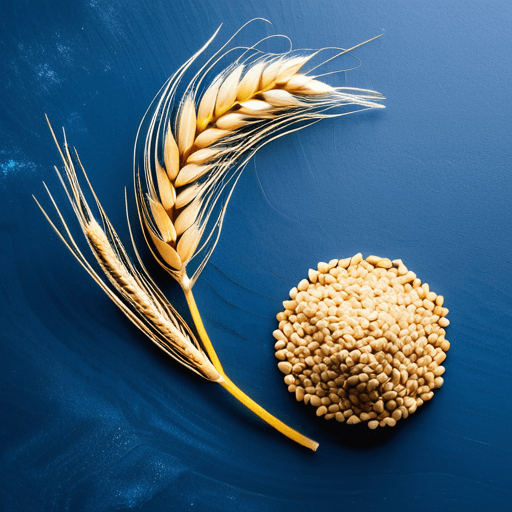
Приклад безглютенових страв
Безпечні й смачні ідеї страв, створені ШІ, для безглютенового способу життя
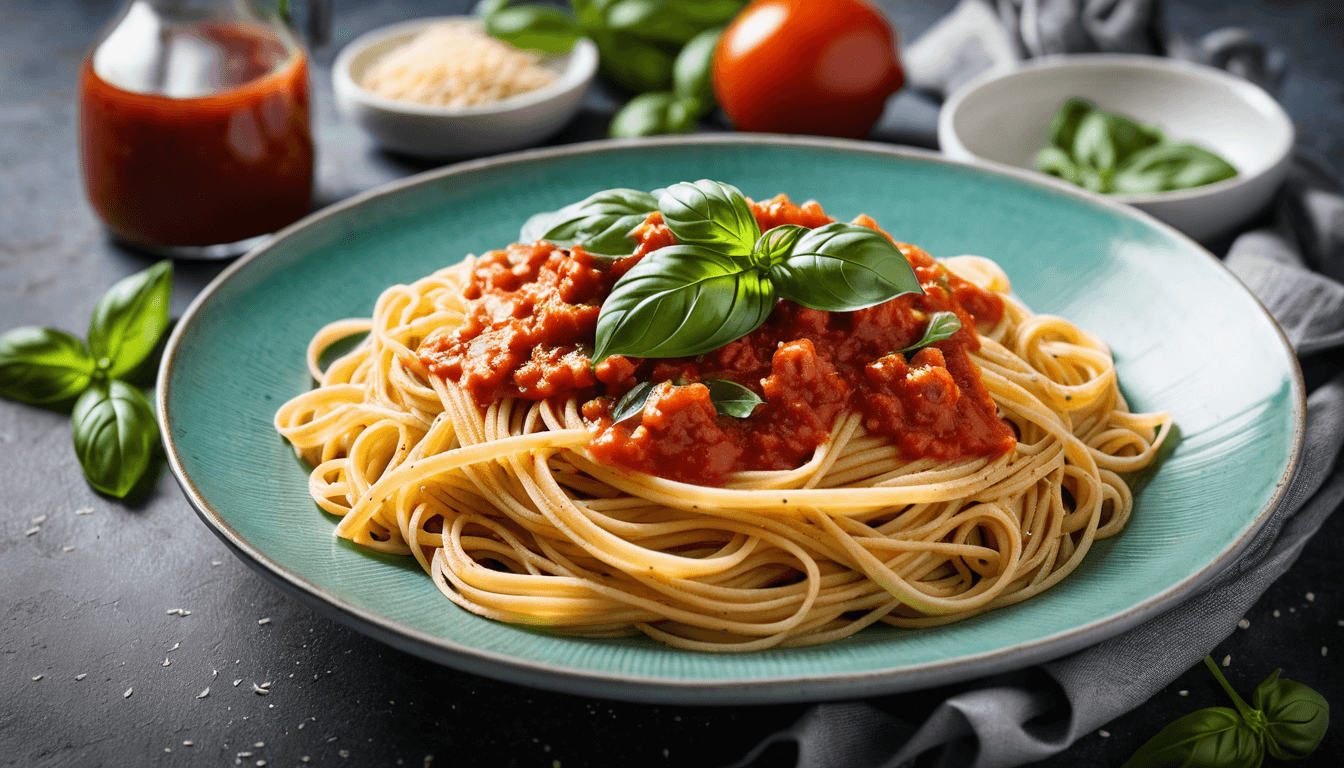
Порідж із кіноа і ягід
Питний сніданок із безглютенових цільнозернових продуктів і антиоксидантів
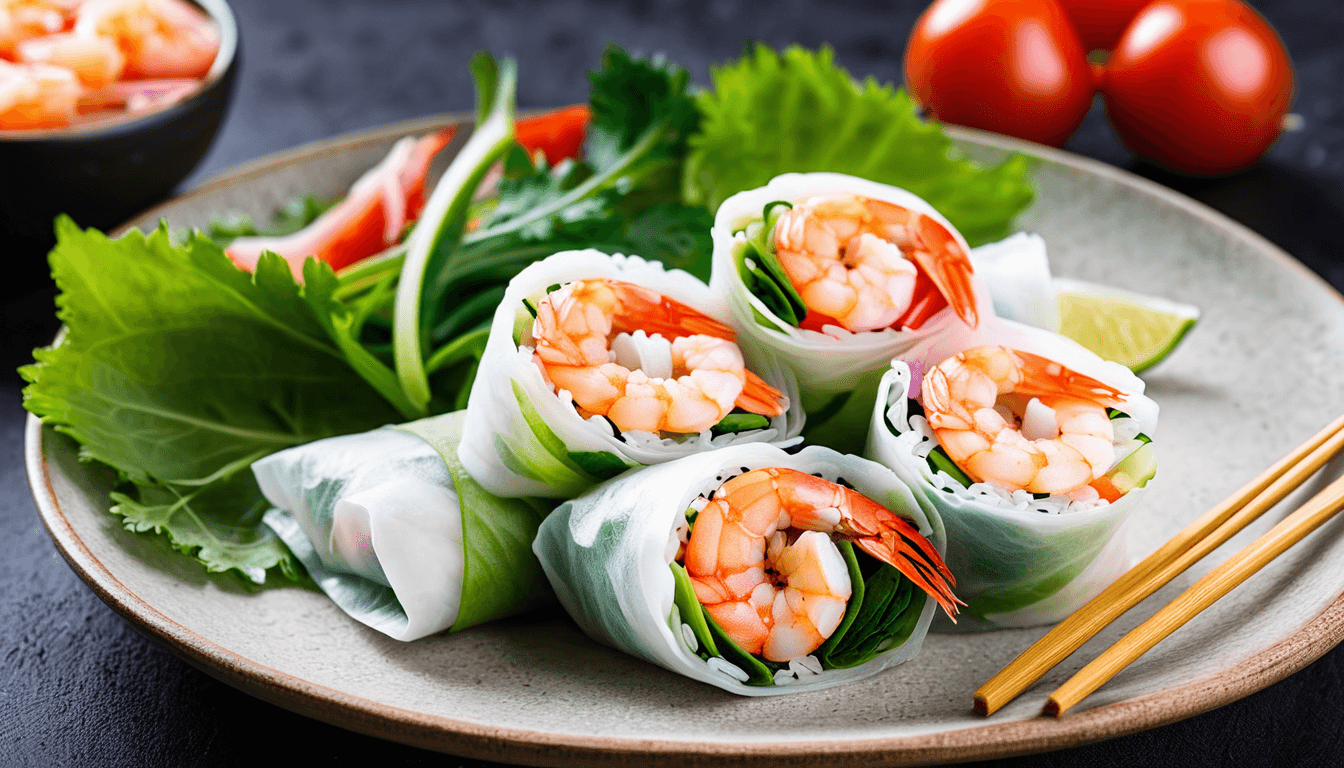
Миска рису з грильованою куркою
Задовольняючий обід із безпечних злаків і нежирного білка
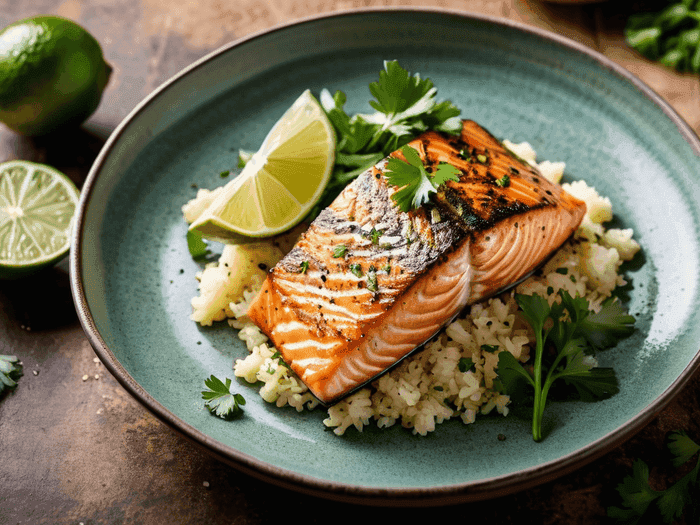
Запечений лосось із солодкою картоплею
Вечеря, багата омега‑3, із природно безглютеновими цілодобовими продуктами
Часто ставлені запитання
Чи можу я дотримуватися суворої безглютенової дієти під час вагітності?
Безпека суворої безглютенової дієти під час вагітності та медична необхідність у випадку целіакії, оскільки постійне вплив глютену підвищує ризик викидня та низької маси тіла при народженні. Виклик полягає в тому, щоб забезпечити поживні речовини, які зазвичай надають цільнозернові продукти з глютеном: залізо, фолієву кислоту, вітаміни групи В та клітковину. Звертайтеся до природних безглютенових продуктів, таких як квіноа (4,4 г білка та 2,8 г клітковини на 100 г вареної за даними USDA), сочевиця, яйця, листові овочі та збагачені безглютенові зернові. Пренатальні вітаміни слід перевіряти на наявність глютену, оскільки деякі традиційні бренди використовують пшеничні наповнювачі. Обговоріть будь-які зміни дієти під час вагітності з вашим акушером-гінекологом та, ідеально, з зареєстрованим дієтологом, обізнаним з целіакією.
Чи безпечно годувати грудьми на безглютеновій дієті?
Так, і це обов'язково, якщо у вас целіакія. сліди глютену не переходять у грудне молоко таким чином, що шкодить дитині, але ваш власний стан здоров'я має значення. Грудне вигодовування збільшує калорійні потреби приблизно на 450-500 ккал на день, а безглютенові дієти часто бувають низькими за вмістом заліза, кальцію та клітковини. Приділяйте пріоритет щільним продуктам, таким як лосось (20 г білка на 100 г за даними USDA), яйця (13 г білка на 100 г за даними USDA), грецький йогурт, боби, кінва та тушковані листові овочі. Продовжуйте приймати безглютенові пренатальні або постнатальні вітаміни. Якщо лактація знижується або ви відчуваєте постійну втому, перевірте рівень заліза, вітаміну B12 та вітаміну D і проконсультуйтеся з лікарем.
Чи можуть спортсмени досягати високих результатів на безглютеновій дієті?
Безглютенове харчування не обмежує спортивні результати, якщо споживання вуглеводів і білків залишається достатнім. Основна проблема — недостатнє енергозабезпечення: пшеничний хліб і макарони — це висококалорійні джерела вуглеводів, а їх заміна потребує планування. Створюйте страви з рису (28 г вуглеводів на 100 г вареного за даними USDA), картоплі (17 г вуглеводів на 100 г за даними USDA), квіноа, вівсянки без глютену та бобових. Спортсменам-витривалості зазвичай потрібно від 5 до 7 г вуглеводів на кілограм ваги тіла в дні тренувань. Якщо у вас немає целіакії чи документовано підтвердженої чутливості, перехід на безглютенове харчування не дає переваг у спортивних результатах і може ускладнити енергозабезпечення в день змагань, тому докази не підтримують його як загальну стратегію для спортсменів.
Як дотримуватися безглютенової дієти при тижневому бюджеті на продукти 60 доларів?
Безглютенові спеціальні продукти дорогі, тому складайте страви з продуктів, які природно не містять глютену. Щотижневий план на 60 доларів може включати: 2 десятка яєць (6 доларів), 3 фунти курячих стегенець (9 доларів), 2 фунти сухого рису (4 долари), 2 фунти сухих сочевиць (4 долари), 5 фунтів заморожених овочів (10 доларів), 1 фунт вівсяних пластівців, що не містять глютену (5 доларів), арахісове масло (4 долари), банани та яблука (6 доларів), консервований тунець (6 доларів) і сир плюс йогурт (6 доларів). За даними USDA, 100 г варених сочевиць містить 9 г білка та 8 г клітковини приблизно за 0,20 долара за порцію. Пропускайте хліб, макарони та крекери, що не містять глютену, якщо вони не вписуються в бюджет, оскільки вони в 2-4 рази дорожчі за звичайні версії.
Чи можна безпечно їсти в ресторанах при целіакії?
Так, але основним ризиком є перехресне забруднення, а не сам меню. Зателефонуйте заздалегідь і запитайте, чи має кухня окреме місце для приготування страв без глютену, окремі фритюрниці та персонал, який пройшов навчання з протоколів целіакії. Безпечніші кухні включають мексиканську (кукурудзяні тортильї, рис, боби, грильоване м'ясо), стейк-хауси (прості м'ясні страви з овочами, без маринаду), тайську та в'єтнамську (рисові локшини, але перевірте, чи соєвий соус не є тамарі), а також суші-ресторани, які використовують окремий соєвий соус. Уникайте спільних фритюрниць повністю, оскільки картопля фрі, смажена разом з панированими продуктами, не є безпечною. Додатки, такі як "Знайди мене без глютену", надають перевірені спільнотою ресторани, безпечні для людей з целіакією. Якщо є сумніви, замовте просте грильоване м'ясо та парові овочі з запеченим картопляним гарніром.
Як керувати безглютеновим харчуванням та IBS одночасно?
Багато людей з IBS також реагують на FODMAPs, які містяться в деяких злаках з глютеном. Видалення пшениці іноді покращує симптоми IBS навіть без целіакії, оскільки пшениця багата на фруктани. Найкраще підійде наглянутий низькоFODMAPовий план без глютену на 2-6 тижнів, а потім систематичне повторне введення. Безпечні продукти включають білий рис, вівсянку з позначкою "без глютену" (деякі люди переносять вівсянку, інші — ні), квіноа, яйця, твердовий тофу, молочні продукти без лактози та моркву. Уникайте цибулі, часнику, більшості бобових під час фази усунення, а також жувальної гумки без цукру з поліолами. Працюйте з зареєстрованим дієтологом, оскільки перекриваючі обмеження можуть призвести до дефіциту поживних речовин, якщо їх дотримуватися тривалий час без нагляду.
Чи може безглютенова дієта допомогти при захворюваннях щитовидної залози, зокрема при хешимото?
Приблизно 5-10 відсотків людей з хашимото також мають целіакію, і в цій групі суворе безглютенове харчування знижує рівень тиреоїдних антитіл і може зменшити дозу медикаментів з часом. Для пацієнтів з хашимото без целіакії докази суперечливі. Дехто почувається краще під час безглютенового випробування тривалістю 3-6 місяців, тоді як інші не бачать змін. Якщо ви вирішите спробувати, будьте ретельними, оскільки часткове видалення глютену не дасть чіткої відповіді. Пройдіть тест на антитіла тканинного трансглутамінази (tTG-IgA), поки ви ще споживаєте глютен, перш ніж починати, оскільки тест недійсний після видалення глютену. Проконсультуйтеся з ендокринологом і попросіть повторити аналізи ТШ, вільного Т4 та антитіл через 6 місяців.
Чи потрібні мені добавки при безглютеновій дієті?
Більшість людей, які дотримуються суворої безглютенової дієти, отримують користь від багаточинникового вітамінного комплексу, який містить залізо, фолієву кислоту, вітамін B12, тіамін, рибофлавін та ніяцину, оскільки збагачені пшеничні продукти зазвичай є основним джерелом цих поживних речовин у стандартному раціоні. Здоров'я кісток також важливо при целіакії через попереднє поглинання, тому кальцій (приблизно 1000 мг на день з їжею та добавками) і вітамін D (1000-2000 МО на день) є поширеними добавками. Ще одна прогалина — це клітковина, і насіння льону, чіа та псилій допомагають її заповнити (100 г чіа забезпечує 34 г клітковини за даними USDA). Переконайтеся, що кожен добавок сертифікований як безглютеновий, оскільки деякі містять пшеничний крохмаль. Рекомендується щорічне обстеження крові (феритин, вітамін B12, вітамін D).
Які приховані джерела глютену легко пропустити?
Поширені приховані джерела глютену включають соєвий соус (використовуйте тамарі замість нього), багато марок пива, ячмінний оцет, лікер, деякі супи та соуси, загущені пшеничним борошном, сітан, кускус, деякі марки вівса (зараження під час виробництва), панірні продукти, смажені страви в тісті, імітаційний краб (сурімі), певні заправки для салатів та маринади, деякі ліки та покриття вітамінів, причастя, а також бальзами для губ або помади. Завжди читайте етикетки; правила дозволяють позначати «без глютену» лише тоді, коли продукти містять менше 20 ppm глютену. Вівс — особливий випадок: технічно вони безглютенові, але часто обробляються на спільних об'єктах, тому шукайте спеціально сертифікований безглютеновий вівс.
Як приготувати безглютенові страви для родини з чотирьох людей?
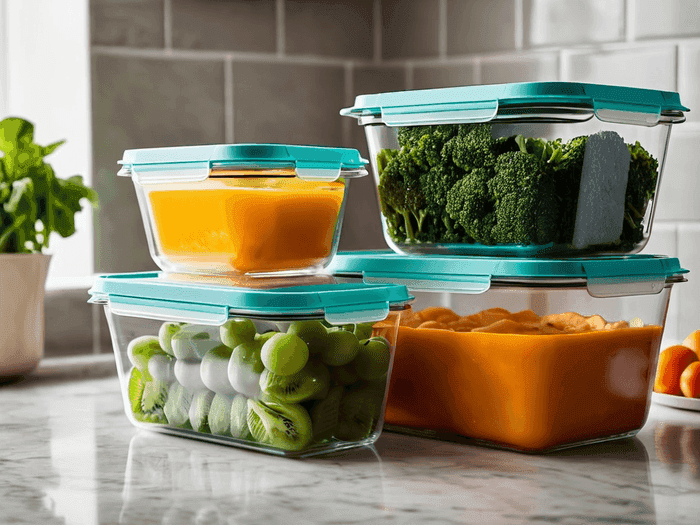
Заплануйте три базові білки та дві базові крохмалисті їжі на тиждень. Типова недільна підготовка дає 12 сімейних вечерь за приблизно 3 години. Приготуйте цілу запечену курку (приблизно 31 г білка на 100 г грудки за даними USDA), деко з чилі з м'ясом індички та форму запеченого лосося. Подавайте з 6 чашками приготованого рису та великою каструлею квіноа. Зберігайте білки в порціях на 2 дні, а зернові — в багаторазових контейнерах. Заморозьте половину чилі на другий тиждень. Завжди майте під рукою природні безглютенові начинки: консервовані боби, попередньо промиті зелені овочі, заморожені овочі, яйця та безглютенові лаваші. Все позначайте датою приготування та інструкціями щодо повторного нагрівання, щоб будь-який член сім'ї міг зібрати вечерю без ризику перехресного забруднення від спільного тостера чи дошки для нарізання.
Чи можу я ділити кухню з людьми, які їдять глютен, якщо у мене целіакія?
Так, з спеціалізованими інструментами та чіткими правилами. Найбільший ризик становлять важкі для чищення речі: придбайте окремий тостер (або використовуйте пакети для тостерів), окрему дуршлаг і різну дошку для нарізання, набір для масла та джему з позначками (крухти від хліба легко переносяться), а також власні дерев'яні ложки (дерево пористе). Нержавіюча сталь, кераміка та скло безпечні після ретельного миття. Готуйте безглютенові страви першими, якщо використовуєте спільну плиту, і зберігайте безглютенові інгредієнти на верхніх полицях, щоб уникнути забруднення борошном. Один спільний губка може бути джерелом забруднення, тому використовуйте окремі губки. Навчіте інших членів сім'ї, що навіть крихти хліба або пилок борошна в повітрі можуть спричинити симптоми.
Безглузткова дієта проти низькофруктозної: яка підходить мені?
Безглютенова дієта обов'язкова, якщо у вас целіакія або документовано алергія на глютен; ніщо інше не є замінником. Низько-FODMAP спрямована на симптоми IBS, спричинені ферментованими вуглеводами (фруктани, лактоза, поліоли, галактани, фруктоза), і пшениця — лише один із багатьох джерел FODMAP. Якщо симптоми зберігаються після переходу на безглютенову дієту, підозрюйте інші FODMAPи. Ці дві дієти перетинаються, але не є однаковими: безглютенова дозволяє цибулю, часник і мед, які обмежує низько-FODMAP; низько-FODMAP дозволяє кислий спельтовий хліб (низький за вмістом фруктанів), який забороняється безглютеновою. Почніть з безглютенової дієти, якщо у вас є фактори ризику целіакії. Спробуйте низько-FODMAP як наглядуваний випробування на 2-6 тижнів, якщо ваш основний симптом — здуття живота або біль у животі без маркерів целіакії.
Чи допустимі дні "збіжок" при целіакії?
Ні, не якщо діагноз підтверджено як целіакія. Навіть сліди глютену пошкоджують слизову оболонку кишечника на тижні, а повторне вплив підвищує ризик розвитку лімфоми кишечника, остеопорозу та постійних дефіцитів поживних речовин. Симптоми після впливу глютену різняться: деякі люди не відчувають нічого гострого, але все одно мають пошкодження слизової оболонки при біопсії. Це відрізняється від нецеліакійної чутливості до глютену, де невеликі кількості іноді можна переносити без довгострокового впливу. Якщо ви підозрюєте, що відреагували на прихований вплив глютену, дотримуйтеся курсу; спроба «збалансувати» його більш суворими днями не допомагає. Відстежуйте реакції та обговоріть будь-які моделі з вашим гастроентерологом.
Чи безпечне вівсяне молоко при безглютеновій дієті?
Тільки якщо на етикетці чітко вказано "без глютену". Овес природно не містить глютену, але звичайне овсяне молоко часто виготовляється з вівса, обробленого в тих самих установах, де обробляють пшеницю, жито або ячмінь. Більшість великих брендів овсяного молока не перевіряють вміст глютену, і він може значно перевищувати поріг 20 ppm. Бренди з сертифікатом "без глютену" безпечні для вживання. Також пам'ятайте, що приблизно у 10% людей з целіакією спостерігається реакція на білок авенін, який міститься в вівсі, незалежно від забруднення. Якщо ви додаєте овсяне молоко до раціону і симптоми повертаються, спробуйте замінити його мигдальним, соєвим або рисовим молоком, щоб з'ясувати, чи авенін є причиною. Обов'язково читайте етикетку кожного пакування, оскільки склад іноді змінюється.
Чи дійсно глютен шкідливий для людей без целіакії?
Для більшості людей без целіакії, алергії на пшеницю або нецеліакійної чутливості до глютену (приблизно 95 відсотків населення) сам глютен нешкідливий. Великі огляди не виявили користі від переходу на безглютенову дієту для загального населення. Відчуття покращення, яке багато людей відчувають при виключенні глютену, часто пов'язане з випадковим зменшенням споживання ультрапрацованих продуктів, рафінованих вуглеводів і продуктів пшениці з високим вмістом FODMAP. Якщо ви почуваєтеся краще на безглютеновій дієті, але аналізи крові не підтверджують целіакію, подумайте, чи ви, можливо, реагуєте на FODMAPи або просто споживаєте більше цільних продуктів. Безглютенові дієти також можуть призвести до зниження вмісту клітковини та збільшення витрат, тому перехід на безглютенову дієту — це не нейтральний вибір.
Як дотримуватися безглютенової дієти під час тривалих подорожей або кемпінгу?
Запасіться сухими, природно безглютеновими продуктами: пакетиками швидкого рису, консервованим тунецьом або куркою, горіховим маслом, сертифікованими безглютеновими пакетами вівсянки, сушеними фруктами, горіхами, беф-джеркі (перевірте наявність глютену) та протеїновими батончиками з перевіреними інгредієнтами. Для кемпінгу заздалегідь поріжте страви на порції в пакетах із застібкою, щоб уникнути перехресного забруднення спільним обладнанням. Під час польотів більшість великих авіакомпаній пропонують безглютенові страви за 24 години до вильоту, хоча ризик перехресного забруднення в літаку реальний, тому візьміть із собою запас їжі. У міжнародних поїздках додатки, такі як Find Me Gluten Free, охоплюють більшість міст. Друкуйте та носіть із собою картку ресторану місцевою мовою, де пояснюється целіакія та потреба в безглютеновій їжі. Завжди беріть із собою дві додаткові порції їжі на випадок затримки.
Чи може безглютенова дієта бути стійкою у довгостроковій перспективі, чи вона надто обмежувальна?
Безглютенова дієта є стійкою протягом тривалого часу для людей, які потребують її з медичних причин, оскільки вона передбачає заміну кількох категорій зернових, а не виключення цілих груп продуктів. Проблеми зі стійкістю зазвичай виникають через надмірну залежність від дорогих перероблених безглютенових продуктів (пастрі, зернові, крекери), а не від природних цільних продуктів без глютену. Цільна безглютенова дієта, що базується на рисі, картоплі, квіноа, бобових, рибі, яйцях, м'ясі, овочах та фруктах, є повноцінною з точки зору харчування та соціально прийнятною за умови певної підготовки. Соціальне харчування стає легшим з часом, коли ви дізнаєтеся безпечні мережеві ресторани та маршрути подорожей. Перші 3-6 місяців є найскладнішими. Після цього більшість людей повідомляють, що безглютенова дієта стає рутинною, а не обмежувальною.
Чи корисна безглютенова дієта для PCOS?
Дослідження щодо безглютенової дієти як методу лікування ПКО обмежені. Інсулінорезистентність є спільним фактором для обох станів, і деякі жінки з ПКО виявляють, що безглютенове харчування зменшує набряклість і допомагає контролювати вагу, ймовірно, через випадкове зменшення споживання рафінованих вуглеводів. Однак сам глютен не впливає на овуляцію або рівні гормонів у жінок з ПКО, якщо у них немає целіакії. Більш переконливі докази підтримують помірне зменшення споживання вуглеводів (приблизно 100–150 г на день), збільшення споживання білка (1,4 г на кілограм ваги тіла) та силові тренування. Якщо ви хочете спробувати безглютенову дієту для лікування ПКО, робіть це протягом трьох місяців і відстежуйте регулярність циклу та маркери інсуліну. Обов'язково проконсультуйтеся з лікарем, особливо якщо ви намагаєтеся завагітніти.
Що стосується перехресної реакції: чи означає відмову від глютену також відмову від інших зернових?
Ні, це поширений міф. «Хрестова реакція» між глютеном та іншими зернами (кукурудза, рис, вівсянка) рекламована деякими джерелами альтернативної медицини, але не підтверджена рецензованими дослідженнями. Винятком є вівсянка у невеликої групи хворих на целіакію (приблизно 5-10 відсотків), які реагують на авенін. Кукурудза, рис, квіноа, сорго, просо, гречка та теф безпечні для переважної більшості людей з целіакією. Якщо симптоми зберігаються попри суворе дотримання безглютенової дієти, ймовірні причини такі: приховане подальше споживання глютену, непереносимість лактози (поширена серед недіагностованих хворих на целіакію), чутливість до FODMAP або рефрактерна целіакія. Зверніться до гастроентеролога, замість того щоб виключати більше злаків.
Як швидко я почуваюся краще після відмови від глютену при целіакії?
Поліпшення симптомів відбувається по-різному. Багато людей відчувають помітне покращення протягом 2-4 тижнів, спочатку зникаючи такі симптоми, як здуття живота, діарея та біль у животі. Втома, "туман" у голові та біль у суглобах часто проходять за 2-6 місяців. Повне відновлення слизової оболонки на біопсії зазвичай займає 1-2 роки, а деякі дорослі ніколи повністю не одужують, особливо ті, кому поставили діагноз після 40 років. Протягом перших 3 місяців енергія може навіть знизитися, оскільки організм відновлюється, а всмоктування все ще порушене. Перегодовування тіла, виснаженого дефіцитом поживних речовин, найкраще відбувається за допомогою продуктів, багатих залізом, таких як яловичина (2,6 мг заліза на 100 г за даними USDA), листові овочі та бобові. Якщо ви не відчуваєте покращення протягом 6 місяців, перегляньте діагноз із лікарем.
Дослідіть пов'язані ресурси
Відкрийте більше інструментів та посібників для вашого шляху до здорового харчування