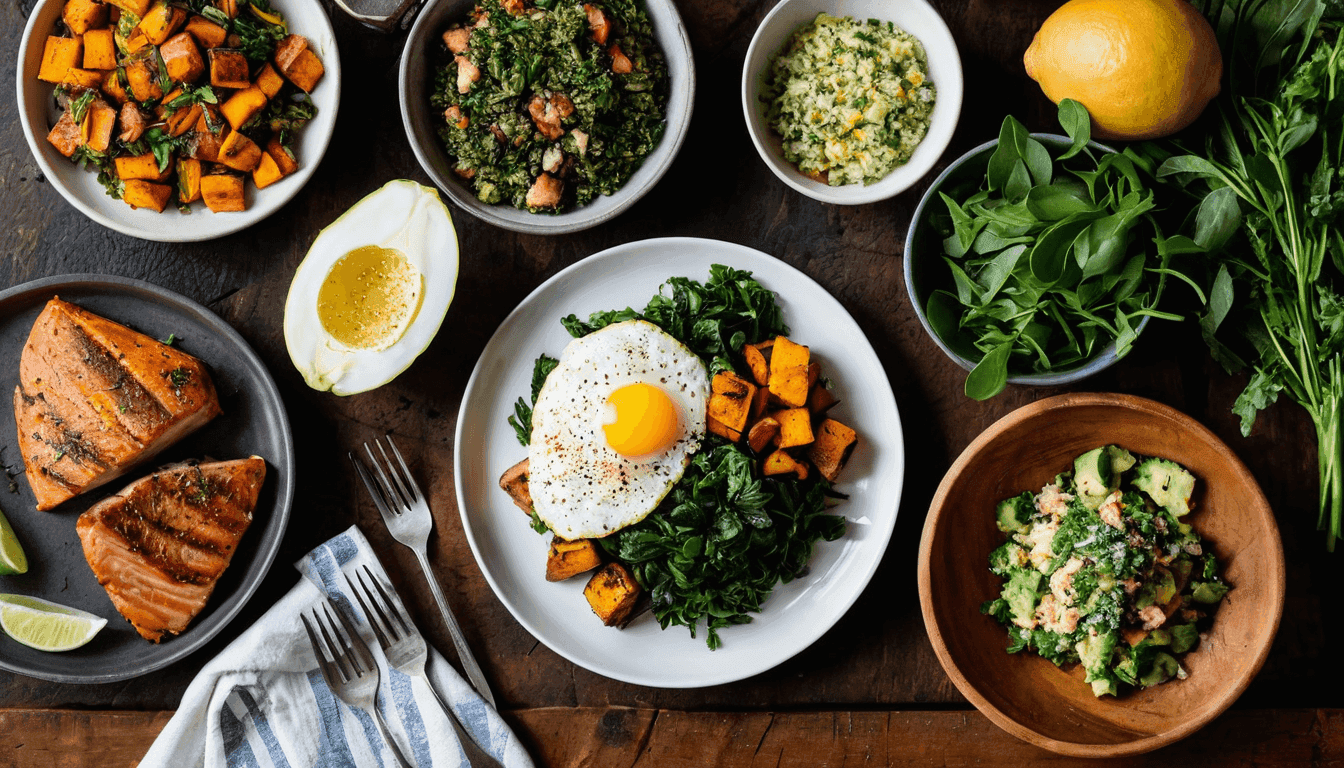
How Our AI Manages Your Whole30 Journey
Our nutrition-specialized AI understands every Whole30 rule and restriction. It generates meals that are fully compliant, avoiding all added sugar, alcohol, grains, legumes, soy, and dairy. Plan for yourself or your entire household with multi-participant support and SHARED or INDIVIDUAL dish modes.
Strict Compliance Engine
AI cross-checks every ingredient against Whole30 rules, ensuring zero non-compliant items slip through
Variety Without Violations
Generates diverse, flavorful meals across 30 days so you never feel restricted or bored
Family Whole30 Support
Plan compliant meals for the whole household with shared dishes for adults and modified options for kids
Day-by-Day Regeneration
Swap out any single day or meal while keeping the rest of your 30-day plan intact and fully compliant
Why Choose AI for Whole30?
A complete 30-day reset with 100% compliant meals and zero planning headache
100% Whole30-compliant recipes with zero guesswork
Discover food sensitivities through a structured elimination protocol
Reduced cravings and improved energy within the first two weeks
Multi-participant Whole30 for couples and families doing it together
Unified compliant shopping list so nothing off-plan sneaks in
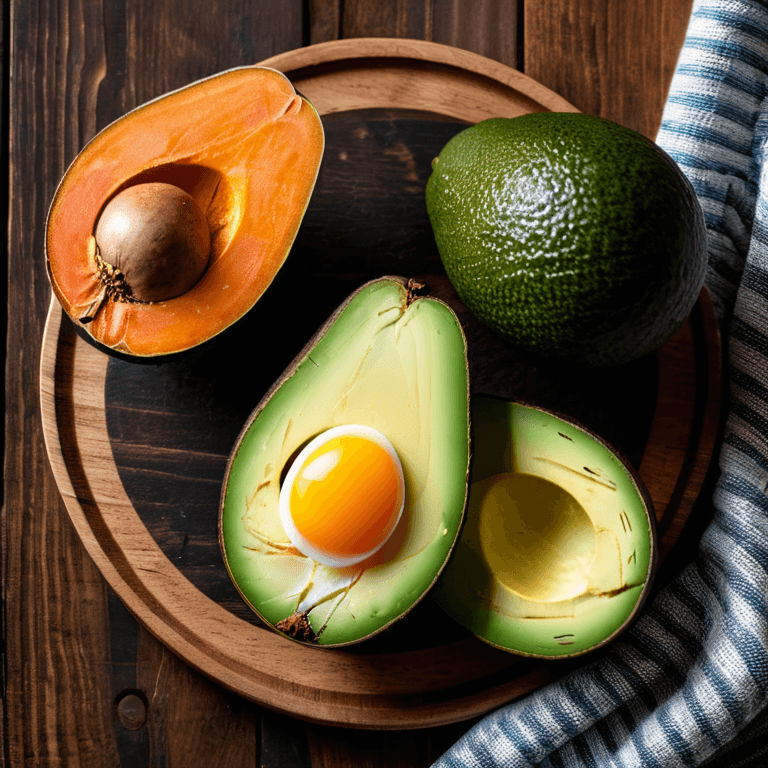
Sample Whole30 Meals
AI-generated fully compliant Whole30 meal ideas that are delicious and satisfying
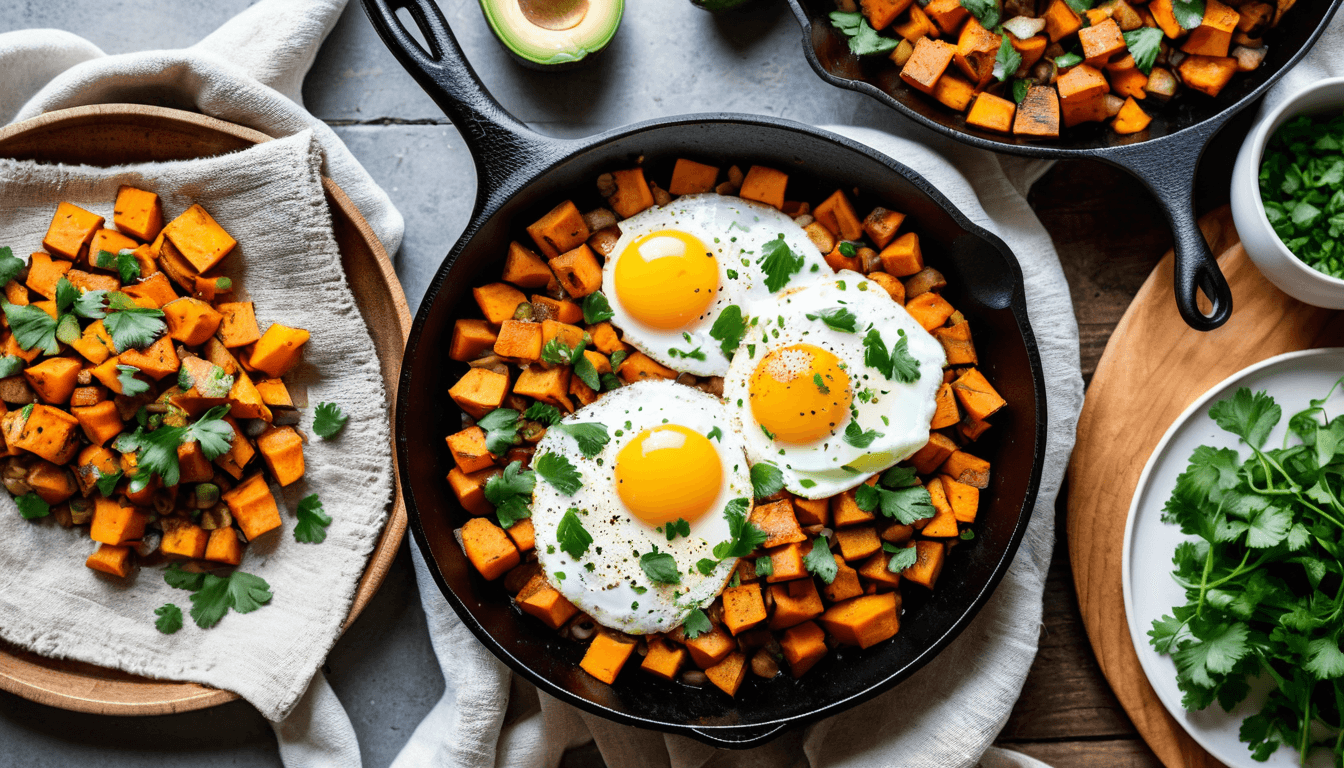
Sweet Potato Hash with Eggs and Avocado
Hearty breakfast hash with roasted sweet potato, eggs, and creamy avocado
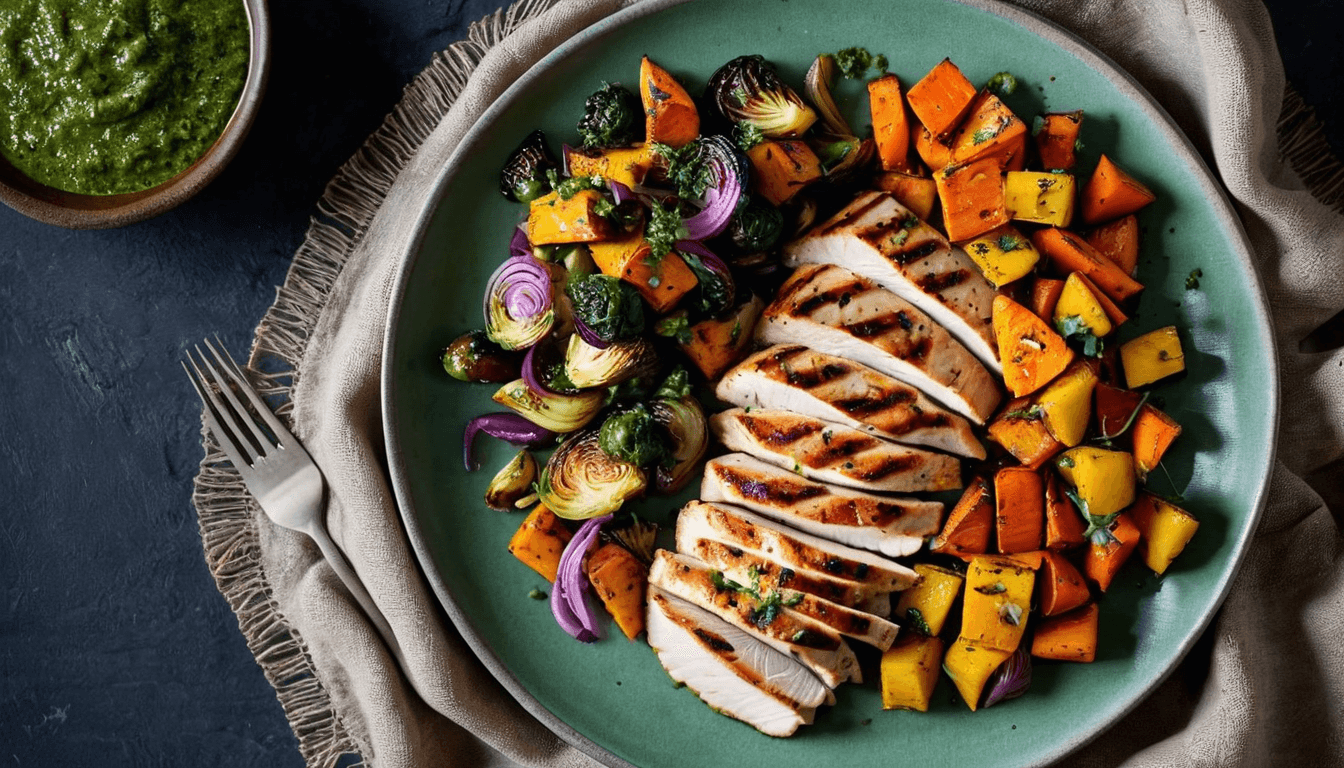
Grilled Chicken with Roasted Vegetables and Chimichurri
Juicy grilled chicken with seasonal roasted vegetables and fresh herb chimichurri
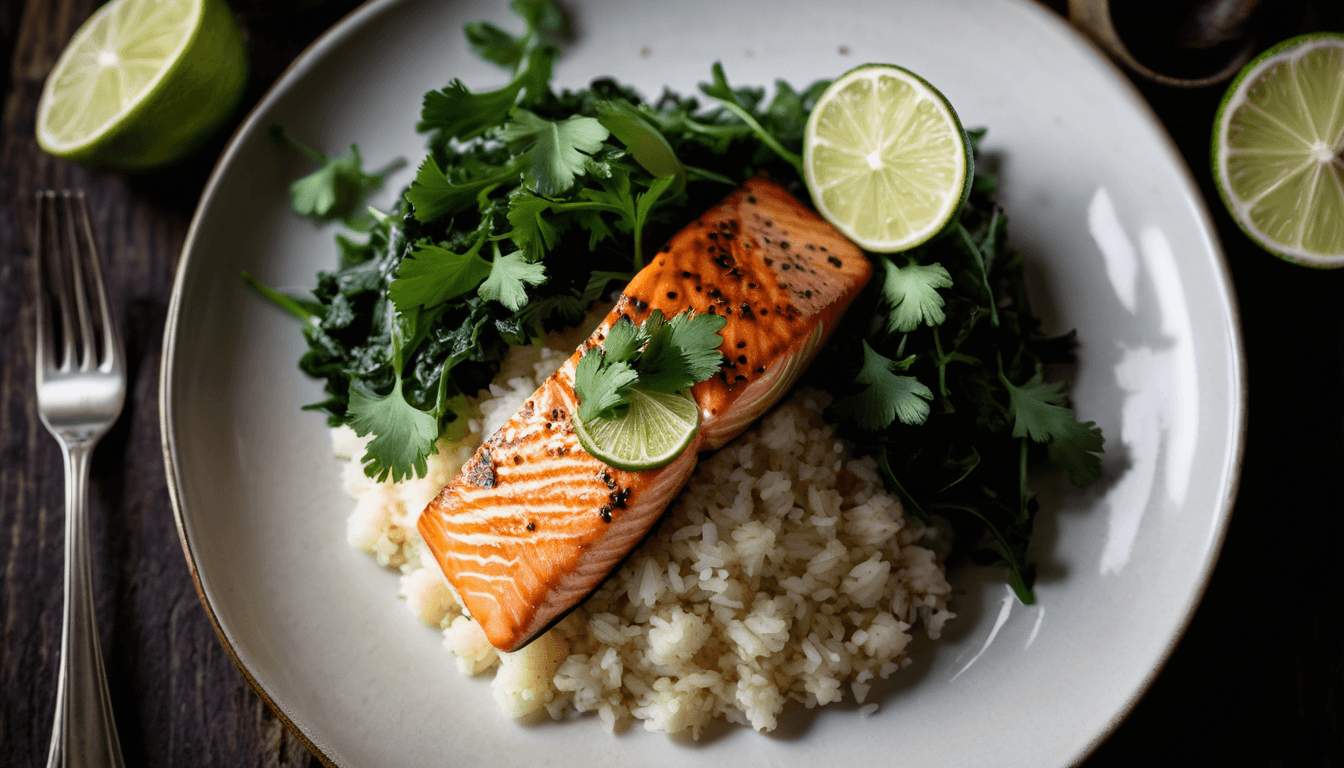
Pan-Seared Salmon with Coconut-Lime Cauliflower Rice
Wild-caught salmon with fragrant coconut-lime cauliflower rice and sauteed greens
Frequently Asked Questions
Can I do Whole30 while breastfeeding?
Whole30 can work while breastfeeding but requires attention to calories and calcium. Nursing adds 450 to 500 kcal daily, so increase portions of sweet potato (86 kcal per 100g per USDA), avocado, and fatty cuts of meat during the 30 days. Because Whole30 excludes dairy and legumes, calcium intake often drops; add bone-in canned sardines (380mg calcium per 100g per USDA), cooked leafy greens, and almonds daily. Hydrate at 3 to 3.5 liters to maintain milk supply. Monitor supply carefully during the first week since any sudden calorie drop can reduce output. Consult your physician before starting Whole30 while breastfeeding.
Is Whole30 safe during pregnancy?
Whole30 is generally not recommended during pregnancy without medical supervision. The 30-day window is short, but the restrictions can strain folate, iron, and calcium intake when nutrient demand is highest. If your OB-GYN approves it, include cooked spinach (146mcg folate per 100g per USDA), liver once or twice monthly, bone-in fish, and iodine from sea vegetables. Many pregnant women who want the Whole30 structure adopt a modified version that includes legumes and dairy to cover nutrient gaps. Consult your physician before starting any restrictive eating plan while pregnant, particularly if you have had nutritional deficiencies or gestational diabetes.
Can athletes do Whole30?
Athletes can complete Whole30 but usually need to increase carbs beyond the typical Whole30 template. Training loads above 5 hours weekly need 4 to 6g of carbs per kg bodyweight, which means generous portions of sweet potato, plantain, squash, and fruit at every meal. Pre-workout: a banana (23g carbs per 100g per USDA) with nut butter 60 minutes before. Post-workout: a starchy carb plus protein within an hour. Expect a performance dip during week 1 as your body adapts. Endurance athletes doing 10+ hour weeks sometimes struggle with Whole30 because it excludes convenient carb sources like oats and rice. Most see performance return by week 2.
How do I do Whole30 on a $75 weekly budget?
Whole30 is expensive by default, but $75 works with careful shopping. Anchor proteins on whole chicken ($1.50 per lb, roasts for multiple meals), eggs ($4 per dozen), canned sardines ($1.50 per tin, 25g protein per 100g per USDA), and ground beef ($4 per lb). Use frozen vegetables, sweet potato ($1 per lb), and cabbage ($0.70 per lb). Skip expensive Whole30-compliant packaged items (ghee, cashew butter, compliant bacon) which inflate the budget fast. Cook with olive oil or coconut oil in bulk. Sample week: 1 whole chicken, 2 dozen eggs, 2 lb ground beef, 6 cans sardines, 5 lb sweet potato, 4 lb frozen vegetables, 3 lb cabbage, onions, avocados, and compliant mustard. Total around $75.
Can I meal prep Whole30 as a single person?
Whole30 prep for one requires more planning than flexible diets because you cannot grab convenience foods mid-week. Sunday prep: roast a whole chicken (4 to 5 meals), hard-boil 6 eggs, roast two trays of vegetables, bake 4 sweet potatoes, and prep a compliant mayo or ranch dressing from coconut oil or olive oil. Build lunches as bowls with protein plus vegetable plus starchy carb plus fat. Keep compliant snacks (RXBARs with no sweetener, hard-boiled eggs, cucumber with tuna) for emergencies. Avoid pre-cut produce which spoils fast. Typical prep runs 2 hours and covers 10 to 12 meals.
Can Whole30 help with type 2 diabetes?
Whole30 can improve blood sugar in type 2 diabetes because it eliminates added sugar, grains, and most processed carbs for 30 days. Typical HbA1c reduction over a full 30-day cycle is modest (0.2 to 0.4 points) due to the short duration. The bigger benefit is identifying which foods spike your glucose during reintroduction. Keep starchy carb portions (sweet potato, plantain) moderate and pair them with protein and fat. If you take insulin or sulfonylureas, work with your physician before starting, since blood sugar can drop rapidly in the first week. Whole30 is a useful 30-day reset but not a long-term diabetes strategy.
Can I do Whole30 with high blood pressure?
Whole30 can help lower blood pressure over 30 days because it eliminates processed food (the largest source of sodium in most diets) and emphasizes potassium-rich foods like sweet potato, avocado (485mg potassium per 100g per USDA), and leafy greens. Expect modest systolic drops of 3 to 8 mmHg. Be careful with Whole30-compliant bacon, olives, and salted nuts, which can still be high in sodium. Check labels on compliant products since added salt is common. If you take blood pressure medications, monitor at home twice daily during week 1 and coordinate with your physician if readings drop below 100/60.
Is Whole30 appropriate for kidney disease?
Whole30 is usually not appropriate for stage 3 or higher chronic kidney disease without medical supervision. The diet is high in protein (often 1.5 to 2g per kg bodyweight) and high in potassium from sweet potato, avocado, and leafy greens, both of which can be dangerous when kidneys cannot excrete them. Phosphorus from nuts is another concern. If you have CKD and want the structure of Whole30 for a food-sensitivity reset, work with a renal dietitian to build a modified version with controlled protein, potassium, and phosphorus. Do not start Whole30 on your own with diagnosed kidney disease. Always consult your physician before making significant dietary changes.
Can I do Whole30 on GLP-1 medications?
Whole30 pairs well with GLP-1 medications like semaglutide or tirzepatide in principle, since both encourage whole-food eating. The challenge is hitting protein and calorie targets because GLP-1s reduce appetite significantly. Aim for 70 to 90g protein daily using dense sources: 3 eggs (18g), 4oz chicken breast (26g per USDA), 4oz salmon (23g per USDA). High-fat Whole30 meals may worsen nausea right after injection; eat moderate fat and smaller portions early in the week. Hydrate at 3 liters daily. Consult your prescriber before any large dietary change on GLP-1s, since rapid weight loss requires dose and electrolyte monitoring.
Can I batch cook Whole30 for a family of four?
Whole30 family batch cooking centers on three weekly anchors: a large roast or whole chicken (yields 8 servings), a big pot of chili using ground beef and vegetables (yields 8 servings), and a traybake of salmon or chicken thighs with sweet potato and broccoli (yields 6 servings). Sunday: roast two sheet pans of vegetables, cook 2kg of ground beef for multiple uses, and bake 6 sweet potatoes. Per USDA, 100g cooked ground beef delivers 26g protein, so a 2kg batch covers several family dinners. Keep compliant snacks (hard-boiled eggs, fruit, almonds) on hand. Weekly prep runs 2.5 hours. Kids accept Whole30 if you frame it as a short family project rather than a diet.
How do I eat out on Whole30?
Eating out on Whole30 is difficult but doable. Call ahead if possible and ask about ingredients. Good options: grilled steak, chicken, or fish with steamed or grilled vegetables and no sauce; sushi sashimi with coconut aminos (skip rice and soy sauce); Mexican fajitas without tortillas, rice, beans, cheese, or sour cream; Indian tandoori meats with vegetables (ask about ghee versus butter); steakhouse fare with salad and a plain baked potato. Ask for olive oil and lemon for dressing. Avoid anything with marinades, glazes, or house sauces, which almost always contain sugar or soy. Expect to eat more plainly than you are used to. Many Whole30 completers skip restaurants entirely for 30 days.
How do I travel on Whole30?
Travel on Whole30 requires aggressive planning. Pack hard-boiled eggs, RXBARs (no-sweetener version), beef jerky (check for sugar and soy), fresh fruit, almond butter single-serve packets, and compliant tuna pouches. Book hotels with mini-fridges and visit a grocery store on arrival for bananas, avocados, pre-washed salad greens, and rotisserie chicken (check for added sugar). At airports, grab plain fruit, hard-boiled eggs, or plain nuts. Skip airline meals which almost always contain non-compliant ingredients. Some people pause Whole30 for travel and restart; others push through. If you travel more than 2 days per month, consider starting Whole30 during a stable home stretch.
How does Whole30 compare to paleo?
Whole30 is essentially strict paleo for exactly 30 days, with added restrictions (no sweeteners of any kind, no legumes, no paleo baked goods, no alcohol, no 'SWYPO' recreations of off-plan foods). Paleo is a long-term lifestyle with more flexibility. Choose Whole30 if you want a structured 30-day reset to identify food sensitivities or break sugar cravings. Choose paleo if you want a sustainable long-term pattern that allows honey, occasional wine, and reintroduced foods based on tolerance. Many people run Whole30 once, reintroduce foods systematically, and transition to paleo or a Mediterranean pattern afterward.
How does Whole30 compare to keto?
Whole30 focuses on food quality while keto focuses on macronutrient ratios. Whole30 allows starchy carbs like sweet potato and fruit (often 100 to 200g carbs daily), while keto caps carbs at 20 to 50g to induce ketosis. Choose Whole30 for a 30-day food-sensitivity reset without ketosis. Choose keto for rapid weight loss, blood sugar control, or specific neurological conditions. Whole30 is easier for most people socially and has a clear end date, while keto is often adopted long-term. Whole30 can be done in a lower-carb version, but the program officially discourages this because undereating carbs is a common early mistake.
When is Whole30 NOT the right choice?
Whole30 is a poor fit for several groups. People with eating disorder history often find the strict rules trigger relapse. Athletes training 10+ hours weekly may struggle with carb intake and performance. Pregnant and breastfeeding women usually need more flexibility than Whole30 allows, though modified versions work. People with severe IBS may not tolerate the shift toward sweet potato, cruciferous vegetables, and fiber. Those with tight budgets below $50 weekly cannot afford the meat-heavy template. Travelers and people with unpredictable schedules often cannot sustain 30 consecutive days. A relaxed paleo or Mediterranean approach fits those cases better.
What are common Whole30 mistakes?
The most common Whole30 mistakes: undereating fat and calories (the #1 reason people feel terrible); overeating fruit and Lara Bars as sweet substitutes (undermines the sugar reset); recreating non-compliant foods with compliant ingredients (banana pancakes, almond-flour pizza) which misses the psychological reset; drinking too much coffee to compensate for low energy in week 1; skipping electrolytes (sodium, magnesium, potassium) which causes headaches and cramps; and eating the same 3 meals every day, which makes reintroduction less informative. Follow the program template strictly for the first 30 days before making adjustments.
What happens during Whole30 reintroduction?
Reintroduction is where Whole30 delivers its real value. After 30 compliant days, you reintroduce one food group at a time over 10 days (typical schedule: legumes on day 31, non-gluten grains on day 34, dairy on day 37, gluten on day 40). Eat the food group twice on the introduction day and return to Whole30 for 2 days to observe effects: digestion, skin, sleep, energy, joint pain, mood, cravings. Keep a symptom journal. The goal is identifying which groups you tolerate and which cause problems, not finding excuses to add everything back. Skipping reintroduction throws away most of the program's benefit.
Should I do Whole30 more than once?
Most people benefit from Whole30 once or twice, not continuously. The program is designed as a 30-day reset, not a lifestyle. Running back-to-back Whole30s can lead to disordered eating patterns and social isolation. A reasonable rhythm is one Whole30 per year, typically after the holidays or before a big event, or when symptoms creep back. Between rounds, use what you learned during reintroduction to build a sustainable pattern: mostly Whole30-style food with selective reintroduction of foods you tolerate. Treating Whole30 as a forever diet misses its design and often leads to burnout by month 3.
Do I need supplements on Whole30?
Most Whole30 eaters cover their nutrients from food, but a few gaps are common. Calcium runs low because Whole30 excludes dairy; if you do not eat bone-in fish or cooked leafy greens daily, a 500mg calcium supplement helps. Vitamin D (1,000 to 2,000 IU daily) is often low regardless of diet. Magnesium glycinate 200 to 400mg helps with sleep and muscle cramps, common in the first week. A good electrolyte mix (sodium plus magnesium plus potassium) at 500 to 1,000mg sodium daily prevents headaches. Skip pre-workout supplements containing artificial sweeteners, which are not compliant. B12 is rarely a concern on Whole30 since meat is abundant.
Is Whole30 sustainable long-term?
Whole30 is explicitly not designed for long-term use. The program is 30 days plus 10 days of reintroduction, after which you transition to a sustainable pattern informed by what you learned. Trying to stay on strict Whole30 for 6+ months typically leads to diet fatigue, social strain, and rebound overeating. The real sustainable output of Whole30 is a personalized eating pattern (paleo, Mediterranean, or a hybrid) with selective reintroduction of tolerated foods. Completers who treat Whole30 as a tool rather than a destination tend to maintain 70 to 80% of their changes 1 year later. Completers who try to stay strict typically drop off within 3 to 4 months.
Explore Related Resources
Discover more tools and guides for your nutrition journey
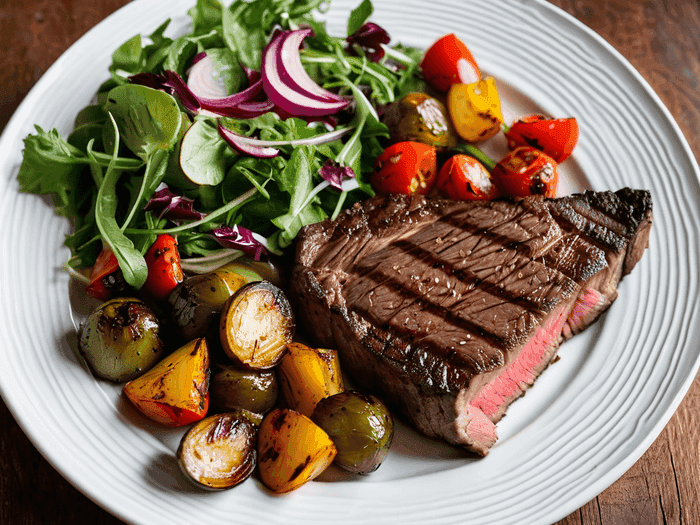
Paleo Diet
Continue ancestral eating after Whole30
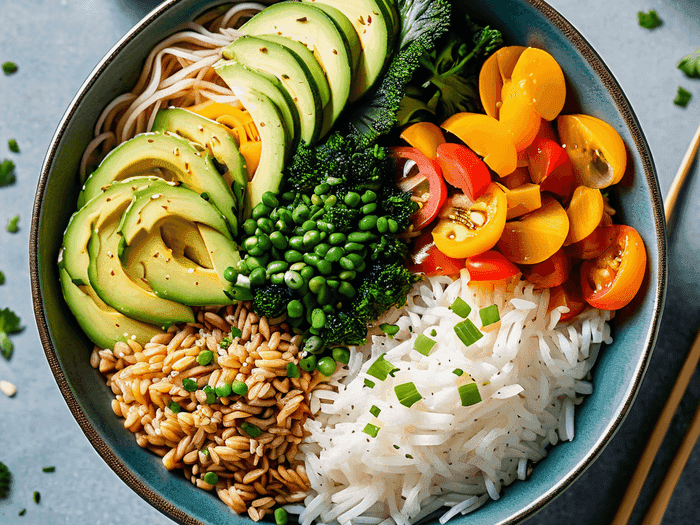
Gluten-Free Diet
Maintain gluten-free after your reset

IBS Management
Use Whole30 as an elimination protocol
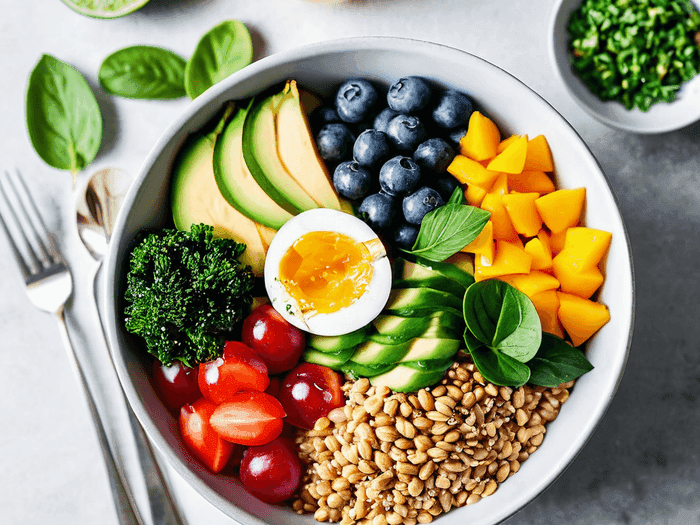
Healthy Lifestyle
Build lasting habits after Whole30
Macro Calculator
Reintroduce foods with macro tracking
Sample 3-day Whole30 meal plan
Real foods, USDA-verified macros. No registration required.
Day 1
Day total: 3200 kcalRoasted pork with fish and shrimp chips breakfast
Pan-seared turkey with potato chips and sweet potato chips lunch bowl
- Turkey, breast, smoked20 g
- Potato chips, restructured60 g
- Sweet potato chips60 g
- Olive oil50 g
- Banana chips50 g
Prepared tea with potato sticks and potato chips dinner plate
Prepared moose with potato chips snack
- Moose26 g
- Potato chips, restructured60 g
Day 2
Day total: 3729 kcalRoasted pork with veal and potato sticks breakfast
- Veal, leg, top round, grilled40 g
- Potato chips, unsalted30 g
- Potato sticks, flavored30 g
- Coconut, packaged25 g
- Pork, cracklings75 g
Grilled turkey with potato chips and coconut lunch bowl
Grilled chicken with coconut cream and potato chips dinner plate
Seared beef with potato chips snack
Day 3
Day total: 4094 kcalGrilled turkey with shrimp chips and potato chips breakfast
Roasted pork with beef and shrimp chips lunch bowl
Roasted pork with shrimp chips and potato chips dinner plate
- Pork, cracklings80 g
- Shrimp chips80 g
- Potato chips, lightly salted60 g
- Peanut oil10 g
- Sweet potato chips60 g
Baked fish with potato chips snack
Shopping list for 3 days
Beef Products
Finfish and Shellfish Products
- Shrimp chips240 g
- Fish, pompano, fried80 g
- Fish, cod, cooked40 g
Fruits and Fruit Juices
- Olive oil50 g
- Banana chips50 g
- Coconut, fresh50 g
- Coconut cream, canned50 g
- Coconut, packaged25 g
Lamb, Veal, and Game Products
Nut and Seed Products
- Peanut oil10 g
Pork Products
- Pork, cracklings305 g
Poultry Products
Sausages and Luncheon Meats
Vegetables and Vegetable Products
Get a personalized 7-day plan with shopping list
This sample shows 3 days. The full version generates 7 days adapted to your weight, activity, and household.
Top Whole30 foods, USDA-ranked
Highest-scoring foods for this diet, ranked by macro fit per USDA FoodData Central data.
Fish, cod, cooked
Finfish and Shellfish Products84 kcalProtein: 20.4gCarbohydrates: 0gTotal fat: 0.3gCrustaceans, shrimp, cooked
Finfish and Shellfish Products99 kcalProtein: 24gCarbohydrates: 0.2gTotal fat: 0.3gFish, haddock, steamed
Finfish and Shellfish Products87 kcalProtein: 20.6gCarbohydrates: 0gTotal fat: 0.6gCrustaceans, shrimp, raw
Finfish and Shellfish Products85 kcalProtein: 20.1gCarbohydrates: 0gTotal fat: 0.5gFish, cooked
Finfish and Shellfish Products82 kcalProtein: 19.4gCarbohydrates: 0gTotal fat: 0.6gSeaweed, spirulina, raw
Vegetables and Vegetable Products26 kcalProtein: 5.9gCarbohydrates: 2.4gTotal fat: 0.4gWatercress, raw
Vegetables and Vegetable Products11 kcalProtein: 2.3gCarbohydrates: 1.3gTotal fat: 0.1gWatercress, raw
Vegetables and Vegetable Products11 kcalProtein: 2.3gCarbohydrates: 1.3gTotal fat: 0.1gRuffed Grouse, breast meat, raw
Poultry Products112 kcalProtein: 25.9gCarbohydrates: 0gTotal fat: 0.9gNutritional powder mix, whey based
Prepared Foods352 kcalProtein: 78.1gCarbohydrates: 6.3gTotal fat: 1.6gNutritional powder mix, protein
Prepared Foods352 kcalProtein: 78.1gCarbohydrates: 6.3gTotal fat: 1.6gFish, tuna, canned in water
Finfish and Shellfish Products86 kcalProtein: 19.4gCarbohydrates: 0gTotal fat: 1gEmu, outside drum, raw
Poultry Products103 kcalProtein: 23.1gCarbohydrates: 0gTotal fat: 0.5gTurkey, breast, smoked
Sausages and Luncheon Meats95 kcalProtein: 20.9gCarbohydrates: 1.3gTotal fat: 0.7gGame meat, moose, roasted
Lamb, Veal, and Game Products134 kcalProtein: 29.3gCarbohydrates: 0gTotal fat: 1gAlfalfa seeds, sprouted, raw
Vegetables and Vegetable Products23 kcalProtein: 4gCarbohydrates: 2.1gTotal fat: 0.7gPork, cured, shank
Pork Products91 kcalProtein: 18.7gCarbohydrates: 0.7gTotal fat: 1.9gBeef, top round steak, raw
Beef Products116 kcalProtein: 23.6gCarbohydrates: 0gTotal fat: 2.5gSeeds, sunflower seed flour
Nut and Seed Products326 kcalProtein: 48.1gCarbohydrates: 35.8gTotal fat: 1.6gLemon peel, raw
Fruits and Fruit Juices47 kcalProtein: 1.5gCarbohydrates: 16gTotal fat: 0.3g