AI-Powered Gluten-Free Meal Plans
Let our AI agent create personalized gluten-free meal plans optimized for safety and nutritional completeness
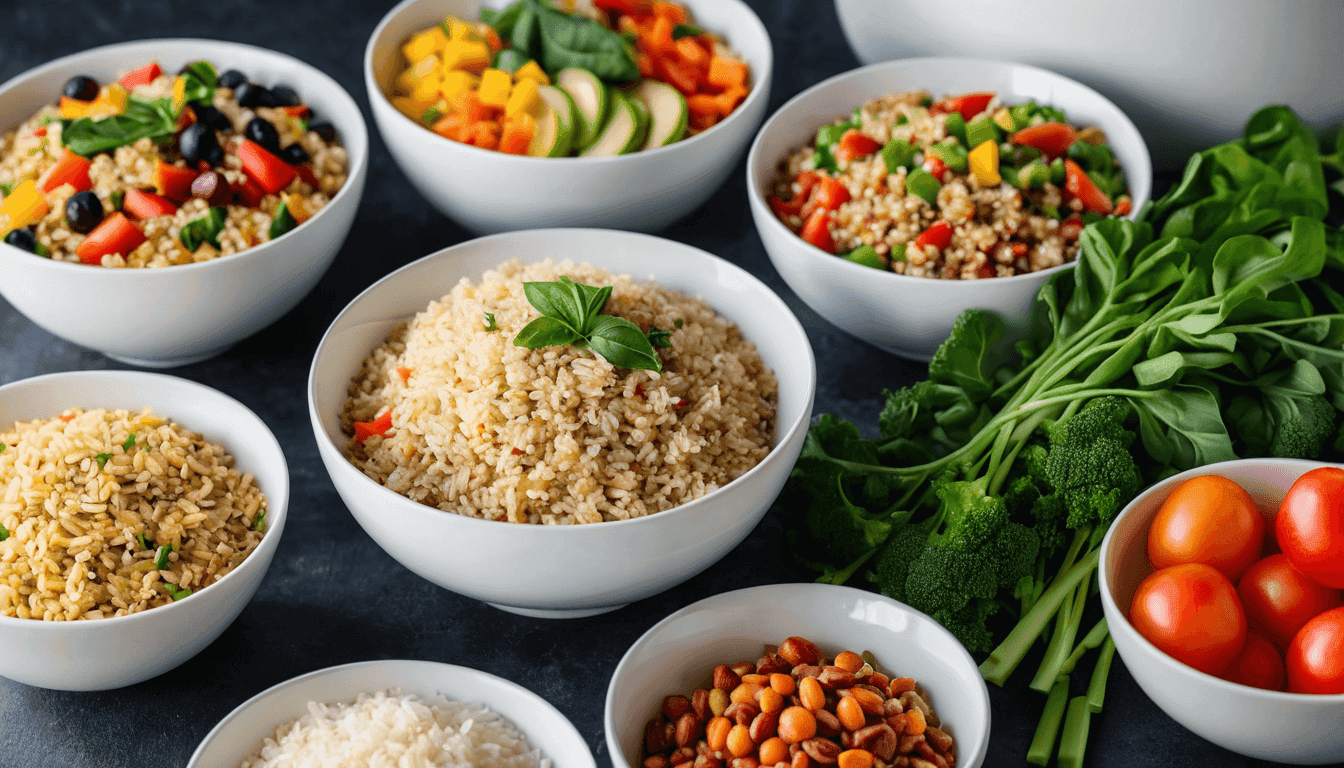
How Our AI Agent Helps You
Advanced AI technology that understands gluten-free nutrition and safety principles for celiac disease management, gluten sensitivity, and optimal digestive health. Our personalized gluten-free meal planning system meticulously identifies hidden sources of gluten, prevents cross-contamination, and incorporates nutritious alternative grains to ensure safe, delicious meals that support intestinal healing and overall wellness.
Gluten Detection
AI identifies and eliminates all sources of gluten, ensuring complete safety
Alternative Grains
Smart recommendations for gluten-free grains and flours for diverse and delicious meals
Cross-Contamination Prevention
AI provides guidance on safe preparation and storage of gluten-free foods
Symptom Tracking
Monitor your wellbeing and symptoms to optimize your gluten-free diet
Why Choose AI for Gluten-Free Diet?
Experience safe, delicious gluten-free eating with scientifically-backed nutrition
Complete gluten elimination with 100% safety assurance
Nutritionally balanced meals without gluten-containing grains
Reduced digestive symptoms and improved gut health
Diverse meal options with alternative grains and flours
Cross-contamination prevention guidance and tips
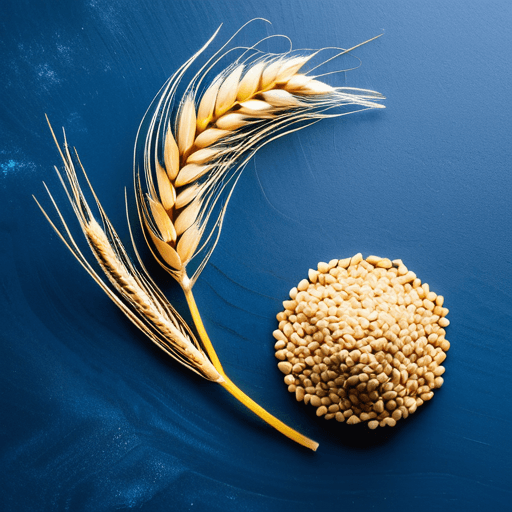
Sample Gluten-Free Meals
AI-generated safe and delicious meal ideas for gluten-free living
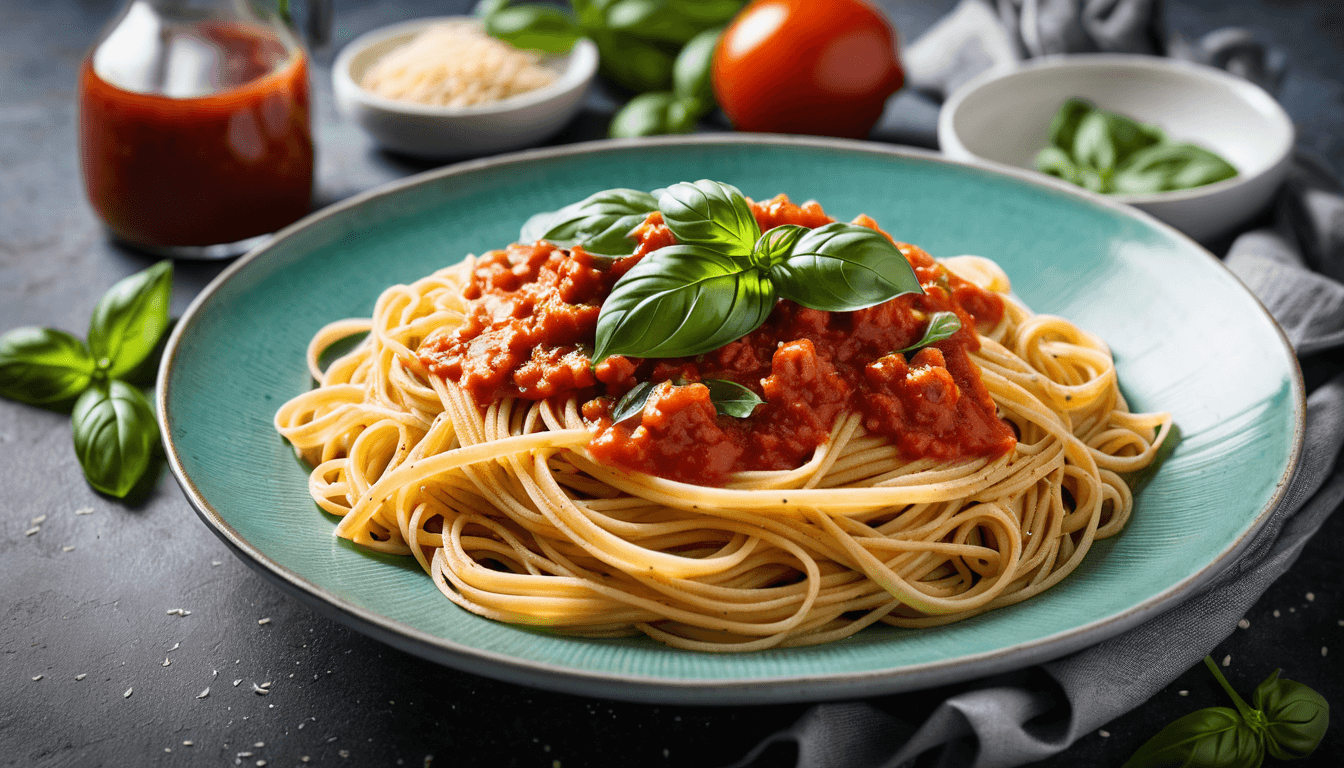
Quinoa Porridge with Berries
Nutritious breakfast with gluten-free whole grains and antioxidants
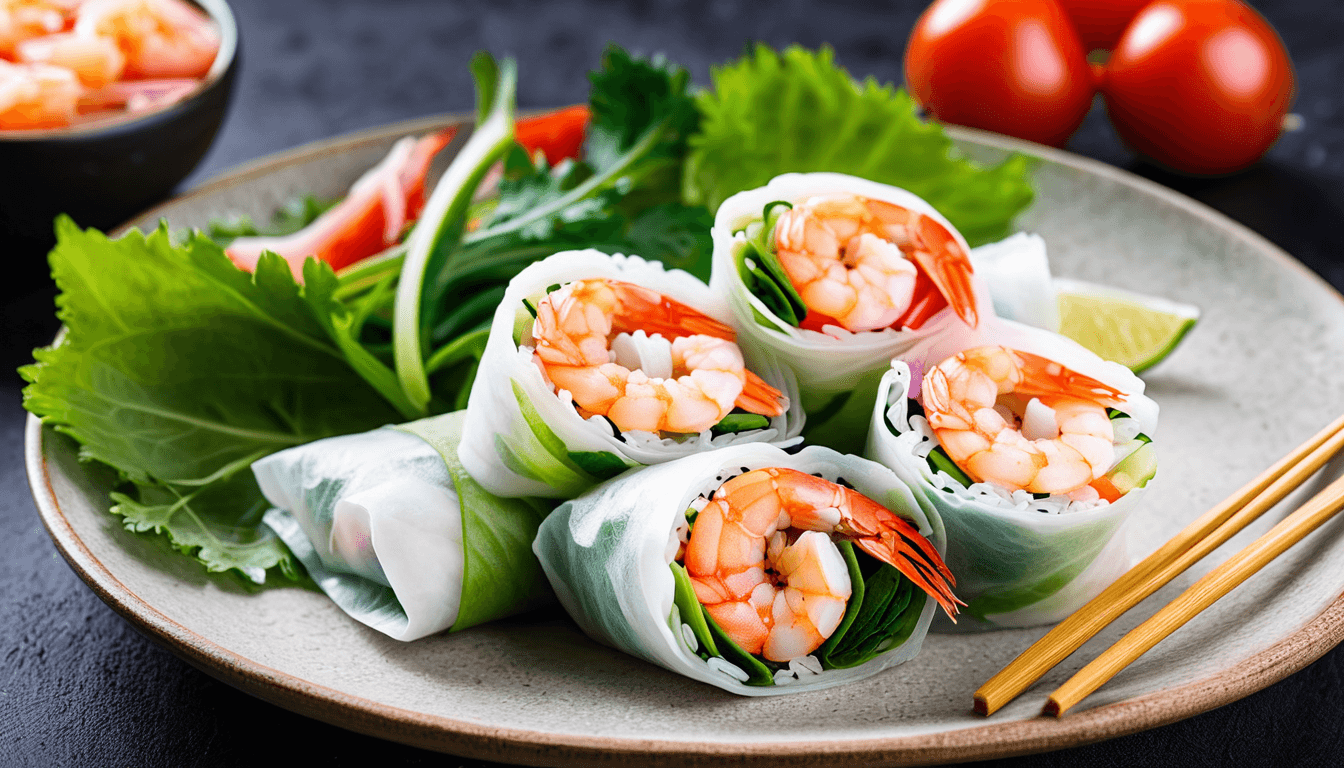
Rice Bowl with Grilled Chicken
Satisfying lunch with safe grains and lean protein
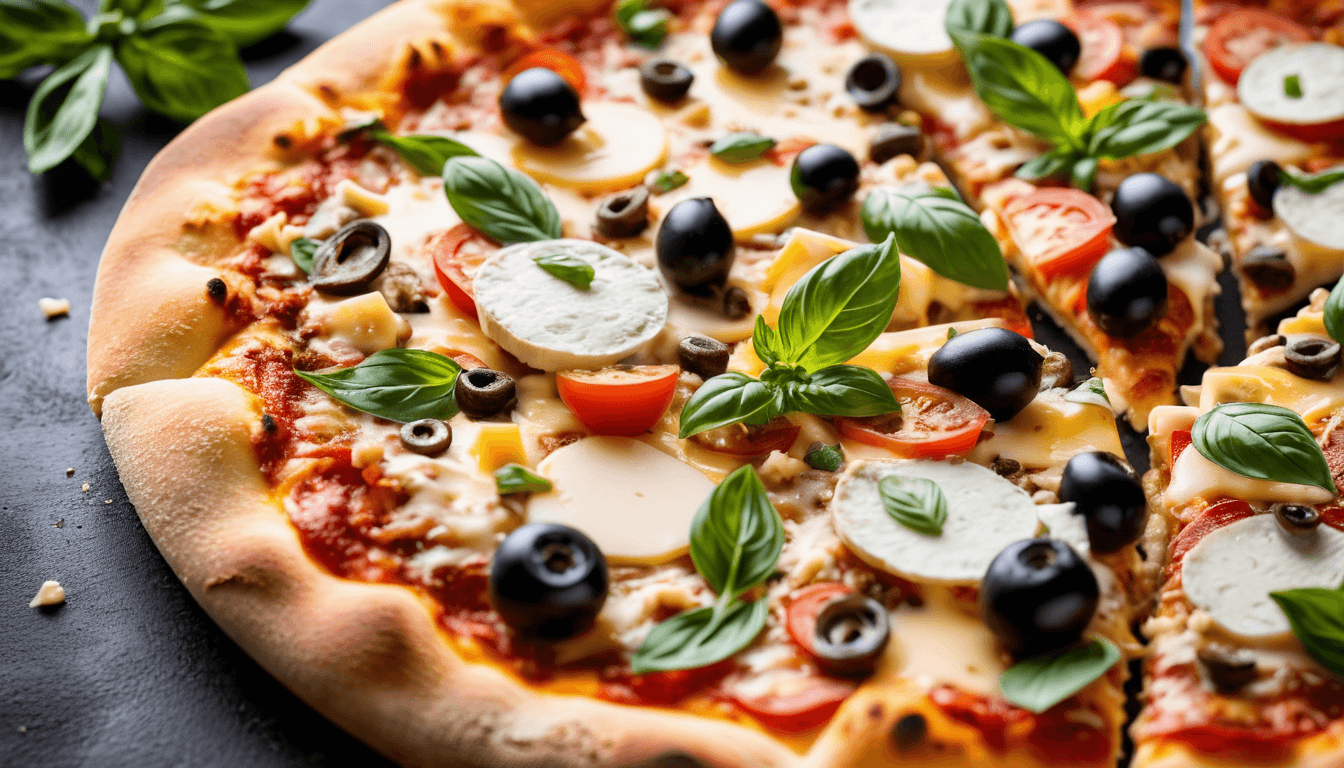
Baked Salmon with Sweet Potato
Omega-3 rich dinner with naturally gluten-free whole foods
Frequently Asked Questions
Can I follow a strict gluten-free diet while pregnant?
A strict gluten-free diet is safe during pregnancy and is medically necessary if you have celiac disease, since ongoing gluten exposure raises the risk of miscarriage and low birth weight. The challenge is covering nutrients that gluten-containing whole grains usually provide: iron, folate, B vitamins, and fiber. Lean on naturally gluten-free whole foods like quinoa (4.4g protein and 2.8g fiber per 100g cooked per USDA), lentils, eggs, leafy greens, and fortified gluten-free cereals. Prenatal vitamins should be verified as gluten-free, since a few conventional brands use wheat-derived fillers. Discuss any dietary change during pregnancy with your OB-GYN and ideally a registered dietitian familiar with celiac.
Is it safe to breastfeed on a gluten-free diet?
Yes, and it is required if you have celiac disease. Traces of gluten do not pass through breast milk in ways that harm the infant, but your own nutrient status matters. Breastfeeding raises caloric needs by roughly 450 to 500 kcal per day, and gluten-free diets commonly run low on iron, calcium, and fiber. Prioritize dense foods like salmon (20g protein per 100g per USDA), eggs (13g protein per 100g per USDA), Greek yogurt, beans, quinoa, and cooked leafy greens. Keep taking a gluten-free prenatal or postnatal vitamin. If milk supply dips or you feel persistently fatigued, get iron, B12, and vitamin D levels checked and consult your physician.
Can athletes perform well on a gluten-free diet?
Gluten-free eating does not limit athletic performance when carbohydrate and protein intake stay adequate. The pitfall is under-fueling: wheat-based bread and pasta are high-density carb sources, and replacing them takes planning. Build meals around rice (28g carbs per 100g cooked per USDA), potatoes (17g carbs per 100g per USDA), quinoa, oats labeled gluten-free, and legumes. Endurance athletes typically need 5 to 7g carbs per kg of body weight on training days. Unless you have celiac disease or a documented sensitivity, going gluten-free offers no performance edge and can make event-day fueling harder, so the evidence does not support it as a general strategy for athletes.
How do I eat gluten-free on a $60 weekly grocery budget?
Gluten-free specialty products are expensive, so build meals around foods that are naturally gluten-free. A weekly $60 plan might include: 2 dozen eggs ($6), 3 lb chicken thighs ($9), 2 lb dry rice ($4), 2 lb dry lentils ($4), 5 lb frozen vegetables ($10), 1 lb rolled oats labeled gluten-free ($5), peanut butter ($4), bananas and apples ($6), canned tuna ($6), and cheese plus yogurt ($6). Per USDA, 100g of cooked lentils provides 9g protein and 8g fiber at roughly $0.20 per serving. Skip gluten-free breads, pastas, and crackers unless they fit the budget, since they are 2 to 4 times the price of conventional versions.
Can I eat at restaurants safely with celiac disease?
Yes, but cross-contamination is the main risk, not the menu itself. Call ahead and ask whether the kitchen has dedicated gluten-free prep space, separate fryers, and staff trained on celiac protocols. Safer cuisines include Mexican (corn tortillas, rice, beans, grilled meats), steakhouses (plain meat plus vegetables, no marinade), Thai and Vietnamese (rice noodles, but verify soy sauce is tamari), and sushi places that keep separate soy sauce. Avoid shared fryers entirely because French fries cooked alongside breaded items are not safe. Apps like Find Me Gluten Free list community-verified celiac-safe restaurants. When in doubt, order unadorned grilled protein plus steamed vegetables and a baked potato.
How do I manage gluten-free and IBS at the same time?
Many people with IBS also react to FODMAPs, which overlap with gluten-containing grains. Removing wheat sometimes improves IBS symptoms even without celiac disease, because wheat is high in fructans. The cleanest approach is a supervised low-FODMAP gluten-free plan for 2 to 6 weeks, then systematic reintroduction. Safer foods include white rice, oats labeled gluten-free (some people tolerate oats, others do not), quinoa, eggs, firm tofu, lactose-free dairy, and carrots. Avoid onions, garlic, most legumes during the elimination phase, and sugar-free gum with polyols. Work with a registered dietitian, since overlapping restrictions can lead to nutrient gaps if done long-term without guidance.
Can gluten-free help with thyroid disease, specifically Hashimoto's?
Roughly 5 to 10 percent of people with Hashimoto's also have celiac disease, and in that group, strict gluten-free eating lowers thyroid antibodies and may reduce medication dose over time. For Hashimoto's patients without celiac disease, evidence is mixed. Some feel better on a gluten-free trial of 3 to 6 months, while others see no change. If you try it, be thorough since partial gluten removal does not give a clean answer. Get tissue transglutaminase (tTG-IgA) antibody testing while still eating gluten before starting, since the test is invalid after gluten is removed. Consult your endocrinologist and request TSH, free T4, and antibody retests after 6 months.
Do I need supplements on a gluten-free diet?
Most people on a strict gluten-free diet benefit from a multivitamin that covers iron, folate, B12, thiamin, riboflavin, and niacin, since fortified wheat products are usually the main source of these nutrients in a standard diet. Bone health also matters in celiac disease because of past malabsorption, so calcium (around 1,000 mg daily from food plus supplement) and vitamin D (1,000 to 2,000 IU daily) are common additions. Fiber is another gap, and flax, chia, and psyllium husk help fill it (100g of chia provides 34g fiber per USDA). Verify every supplement is certified gluten-free, since some use wheat-derived starch. Get bloodwork (ferritin, B12, vitamin D) annually.
What hidden sources of gluten are easy to miss?
Common hidden gluten sources include soy sauce (use tamari instead), many brands of beer, malt vinegar, licorice, some soups and gravies thickened with wheat flour, seitan, couscous, some brands of oats (cross-contamination), panko-breaded items, battered fried foods, imitation crab (surimi), certain salad dressings and marinades, some medications and vitamin coatings, communion wafers, and lip balms or lipsticks. Always read labels; regulations allow 'gluten-free' claims only when products contain under 20 ppm gluten. Oats are a special case: they are technically gluten-free but often processed in shared facilities, so look for specifically certified gluten-free oats.
How do I batch cook gluten-free for a family of four?
Plan three base proteins and two base starches per week. A typical Sunday prep produces 12 family dinners in about 3 hours. Cook a whole roast chicken (roughly 31g protein per 100g breast per USDA), a sheet pan of ground turkey chili, and a tray of baked salmon. Pair with 6 cups cooked rice and a big pot of quinoa. Store proteins in 2-day portions and grains in reusable containers. Freeze half the chili for week two. Keep naturally gluten-free fillers on hand: canned beans, pre-washed greens, frozen vegetables, eggs, and gluten-free wraps. Label everything with cooking date and reheat instructions so any family member can assemble a meal without risking cross-contamination from a shared toaster or cutting board.
Can I share a kitchen with gluten-eaters if I have celiac disease?
Yes, with dedicated tools and clear rules. The hard-to-clean items are the risk: get a separate toaster (or use toaster bags), a dedicated colander and cutting board, a labeled butter and jam set (crumbs from bread transfer easily), and your own wooden spoons (wood is porous). Stainless steel, ceramic, and glass are safe after a thorough wash. Cook gluten-free food first when sharing a stovetop, and store gluten-free ingredients on upper shelves to avoid flour fallout. A single shared sponge can be a contamination source, so use separate sponges. Teach other household members that even crumbs from bread or flour dust in the air can trigger symptoms.
Gluten-free versus low-FODMAP: which is right for me?
Gluten-free is mandatory if you have celiac disease or documented gluten allergy; nothing else substitutes. Low-FODMAP targets IBS symptoms caused by fermentable carbs (fructans, lactose, polyols, galactans, fructose), and wheat is only one FODMAP source among many. If symptoms persist after going gluten-free, suspect other FODMAPs. The two diets overlap but are not the same: gluten-free allows onions, garlic, and honey, which low-FODMAP restricts; low-FODMAP allows sourdough spelt (low in fructans), which gluten-free prohibits. Start with gluten-free if you have celiac risk factors. Try low-FODMAP as a 2 to 6 week supervised trial if your main symptom is bloating or abdominal pain without celiac markers.
Are cheat days ever okay with celiac disease?
No, not if the diagnosis is confirmed celiac disease. Even trace gluten damages the intestinal lining for weeks, and repeated exposure raises long-term risk of intestinal lymphoma, osteoporosis, and persistent nutrient deficiencies. Symptoms after gluten exposure vary widely: some people feel nothing acutely but still show mucosal damage on biopsy. This is different from non-celiac gluten sensitivity, where occasional small amounts may be tolerated without long-term damage. If you suspect you reacted to a hidden gluten exposure, stay the course; trying to 'balance' it with more strict days does not help. Track reactions and discuss any patterns with your gastroenterologist.
Is oat milk safe on a gluten-free diet?
Only if it is explicitly labeled gluten-free. Oats are naturally gluten-free, but conventional oat milk often comes from oats processed in facilities that also handle wheat, rye, or barley. Most major oat milk brands do not test for gluten and can contain well above the 20 ppm threshold. Brands certified gluten-free are safe. Also note that about 1 in 10 people with celiac disease reacts to a protein in oats called avenin, independent of contamination. If you introduce oat milk and symptoms return, swap to almond, soy, or rice milk to see if avenin is the issue. Read every batch label since formulations occasionally change.
Is gluten really bad for people without celiac disease?
For most people without celiac disease, wheat allergy, or non-celiac gluten sensitivity (roughly 95 percent of the population), gluten itself is not harmful. Large reviews have not found benefits to going gluten-free in the general population. The perceived improvement many people experience when cutting gluten often comes from incidentally reducing ultra-processed foods, refined carbs, and high-FODMAP wheat products. If you feel better gluten-free but blood tests are negative for celiac, consider whether you may be reacting to FODMAPs or simply eating more whole foods. Gluten-free diets also risk lower fiber and higher cost, so going gluten-free is not a neutral choice.
How do I do a gluten-free diet on long-distance travel or camping?
Pack shelf-stable, naturally gluten-free basics: instant rice pouches, canned tuna or chicken, nut butter, certified gluten-free oat packets, dried fruit, nuts, beef jerky (verify gluten-free), and protein bars with vetted ingredients. For camping, pre-portion meals into zip bags to avoid cross-contamination with shared gear. When flying, most major airlines offer gluten-free meals ordered 24 hours ahead, though cross-contamination risk in airplane galleys is real, so bring backup food. Internationally, apps like Find Me Gluten Free cover most cities. Carry a printed restaurant card in the local language explaining celiac disease and gluten-free needs. Always pack 2 extra meals beyond your trip length in case of delays.
Can gluten-free be sustainable long-term, or is it restrictive?
Gluten-free is indefinitely sustainable for people who need it medically, since it involves swapping a few grain categories, not eliminating food groups. Sustainability issues usually come from over-relying on expensive processed gluten-free products (pastries, cereals, crackers) rather than naturally gluten-free whole foods. A whole-food gluten-free diet built around rice, potatoes, quinoa, legumes, fish, eggs, meat, vegetables, and fruit is nutritionally complete and socially workable with some preparation. Social eating gets easier over time as you learn safe restaurant chains and travel routines. The initial 3 to 6 months are the hardest. After that, most people report gluten-free feels routine, not restrictive.
Is a gluten-free diet helpful for PCOS?
Evidence for gluten-free as a PCOS treatment is limited. The two share insulin resistance as a common driver, and some women with PCOS find that gluten-free eating reduces bloating and helps with weight management, likely because it incidentally reduces refined carbs. But gluten itself has not been shown to affect ovulation or hormone levels in PCOS absent celiac disease. Stronger evidence supports moderate carb reduction (around 100 to 150g daily), higher protein (1.4g per kg body weight), and resistance training. If you want to trial gluten-free for PCOS, do it for 3 months and track cycle regularity and insulin markers. Consult your doctor, especially if you are trying to conceive.
What about cross-reactivity: does giving up gluten mean giving up other grains too?
No, this is a common myth. 'Cross-reactivity' between gluten and other grains (corn, rice, oats) is marketed by some alternative-medicine sources but is not supported by peer-reviewed research. The exception is oats in a small subset of celiac patients (around 5 to 10 percent) who react to avenin. Corn, rice, quinoa, millet, sorghum, buckwheat, and teff are all safe for the vast majority of people with celiac disease. If symptoms persist despite a strict gluten-free diet, the likely causes are: continued hidden gluten exposure, lactose intolerance (common in untreated celiac), FODMAP sensitivity, or refractory celiac disease. See your gastroenterologist rather than cutting more grains.
How quickly do I feel better after going gluten-free with celiac disease?
Symptom improvement varies. Many people feel noticeably better within 2 to 4 weeks, with digestive symptoms (bloating, diarrhea, abdominal pain) resolving first. Fatigue, brain fog, and joint pain often take 2 to 6 months. Full mucosal healing on biopsy typically takes 1 to 2 years, and some adults never fully heal, especially those diagnosed after age 40. During the first 3 months, energy may actually drop because your body is repairing and absorption is still impaired. Refeeding a nutrient-depleted body works best with iron-rich foods like beef (2.6mg iron per 100g per USDA), leafy greens, and legumes. If you do not feel improvement by 6 months, revisit the diagnosis with your physician.
Explore Related Resources
Discover more tools and guides for your nutrition journey
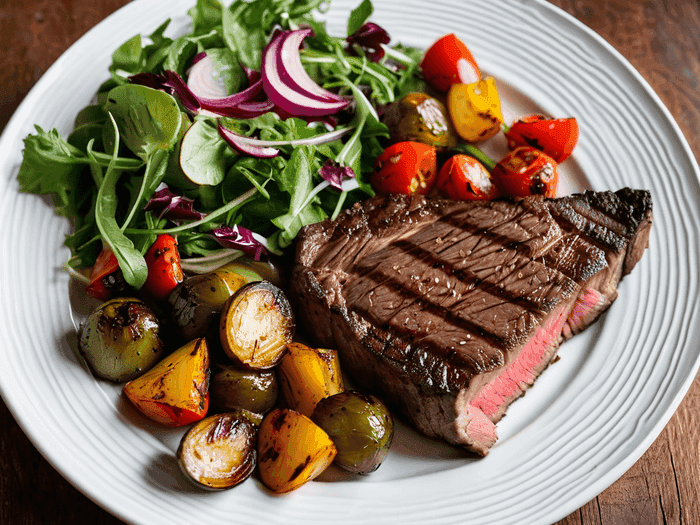
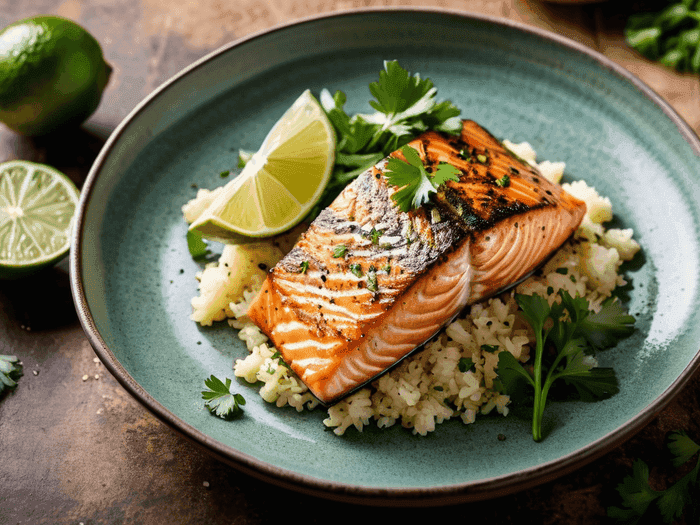
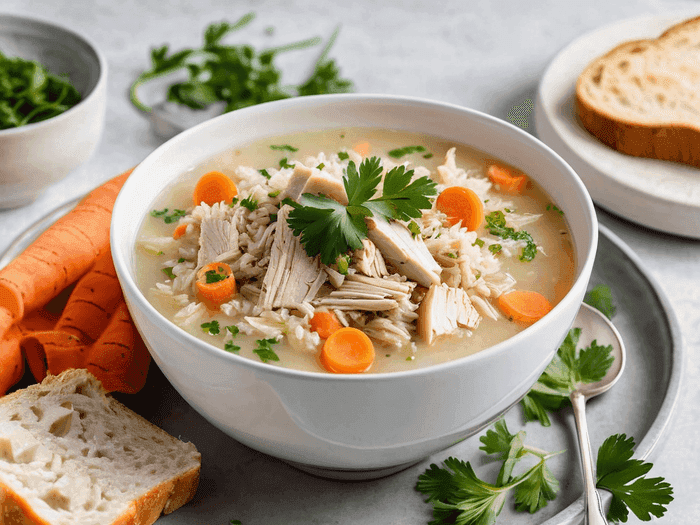
Sample 3-day gluten-free meal plan
Real foods, USDA-verified macros. No registration required.
Day 1
Day total: 2809 kcalBaked fish with potato chips and sweet potato chips breakfast
Roasted veal with fish and potato chips lunch bowl
- Fish, tuna, canned in water43 g
- Potato chips, restructured32 g
- Potato sticks, plain32 g
- Banana chips27 g
- Veal, leg, top round, grilled80 g
Pan-seared chicken breast with potato sticks and potato chips dinner plate
Pan-seared chicken breast with potato chips snack
Day 2
Day total: 2703 kcal
Day 2
Day total: 2703 kcalRoasted veal with mori-nu and coconut cream breakfast
- MORI-NU, Tofu31 g
- Potato chips, unsalted31 g
- Coconut, packaged26 g
- Coconut cream, canned26 g
- Veal, leg, top round, grilled77 g
Roasted pork with potato chips and coconut lunch bowl
Baked fish with lemon pie filling and lime souffle dinner plate
Baked fish with peanut spread snack
Day 3
Day total: 3820 kcal
Day 3
Day total: 3820 kcalBaked fish with potato chips and sweet potato chips breakfast
Baked fish with soy nut butter and potato sticks lunch bowl
Roasted veal with fish and peanuts dinner plate
- Fish, mackerel, fried40 g
- Peanut butter with omega-3, creamy30 g
- Peanuts, all types30 g
- Shrimp chips40 g
- Veal, leg, top round, grilled75 g
Grilled turkey with peanuts snack
Shopping list for 3 days
Finfish and Shellfish Products
- Mackerel120 g
- Cooked Cod80 g
- Fried Salmon80 g
- Fried Pompano80 g
- Salmon Cake or Patty80 g
- Canned in Water Tuna43 g
- Shrimp Chips40 g
Fruits and Fruit Juices
- Fresh Coconut53 g
- Olive Oil50 g
- Lime Souffle50 g
- Lemon Pie Filling50 g
- Banana Chips27 g
- Packaged Coconut26 g
- Canned Coconut Cream26 g
Lamb, Veal, and Game Products
Legumes and Legume Products
Pork Products
Poultry Products
Sausages and Luncheon Meats
Vegetables and Vegetable Products
Get a personalized 7-day plan with shopping list
This sample shows 3 days. The full version generates 7 days adapted to your weight, activity, and household.
Top gluten-free foods, USDA-ranked
Highest-scoring foods for this diet, ranked by macro fit per USDA FoodData Central data.
Fish, cod, cooked
Finfish and Shellfish Products84 kcalProtein: 20.4gCarbohydrates: 0gTotal fat: 0.3gCrustaceans, shrimp, cooked
Finfish and Shellfish Products99 kcalProtein: 24gCarbohydrates: 0.2gTotal fat: 0.3gFish, haddock, steamed
Finfish and Shellfish Products87 kcalProtein: 20.6gCarbohydrates: 0gTotal fat: 0.6gCrustaceans, shrimp, raw
Finfish and Shellfish Products85 kcalProtein: 20.1gCarbohydrates: 0gTotal fat: 0.5gFish, cooked
Finfish and Shellfish Products82 kcalProtein: 19.4gCarbohydrates: 0gTotal fat: 0.6gEgg, white, dried
Dairy and Egg Products357 kcalProtein: 84.1gCarbohydrates: 4.5gTotal fat: 0.3gSeaweed, spirulina, raw
Vegetables and Vegetable Products26 kcalProtein: 5.9gCarbohydrates: 2.4gTotal fat: 0.4gWatercress, raw
Vegetables and Vegetable Products11 kcalProtein: 2.3gCarbohydrates: 1.3gTotal fat: 0.1g
Show all 20 foods
Watercress, raw
Vegetables and Vegetable Products11 kcalProtein: 2.3gCarbohydrates: 1.3gTotal fat: 0.1gRuffed Grouse, breast meat, raw
Poultry Products112 kcalProtein: 25.9gCarbohydrates: 0gTotal fat: 0.9gCheese, mozzarella
Dairy and Egg Products141 kcalProtein: 31.7gCarbohydrates: 3.5gTotal fat: 0gNutritional powder mix, whey based
Prepared Foods352 kcalProtein: 78.1gCarbohydrates: 6.3gTotal fat: 1.6gFish, tuna, canned in water
Finfish and Shellfish Products86 kcalProtein: 19.4gCarbohydrates: 0gTotal fat: 1gEmu, outside drum, raw
Poultry Products103 kcalProtein: 23.1gCarbohydrates: 0gTotal fat: 0.5gTurkey, breast, smoked
Sausages and Luncheon Meats95 kcalProtein: 20.9gCarbohydrates: 1.3gTotal fat: 0.7gGame meat, moose, roasted
Lamb, Veal, and Game Products134 kcalProtein: 29.3gCarbohydrates: 0gTotal fat: 1gAlfalfa seeds, sprouted, raw
Vegetables and Vegetable Products23 kcalProtein: 4gCarbohydrates: 2.1gTotal fat: 0.7gPork, cured, shank
Pork Products91 kcalProtein: 18.7gCarbohydrates: 0.7gTotal fat: 1.9gBeef, top round steak, raw
Beef Products116 kcalProtein: 23.6gCarbohydrates: 0gTotal fat: 2.5gVitasoy USA Nasoya, Lite Silken Tofu
Legumes and Legume Products43 kcalProtein: 8.2gCarbohydrates: 0gTotal fat: 1.1g