
How Our AI Personalizes Your Low Carb Plan
Our nutrition-specialized AI understands the science behind carbohydrate reduction. It creates personalized low carb meal plans that balance your macros, match your taste preferences, and adjust to your daily activity level. Plan for yourself or your entire household with SHARED and INDIVIDUAL dish modes.
Smart Carb Budgeting
AI handles carb counting automatically, distributing your daily carb allowance across meals for steady energy and optimal blood sugar control
Flexible Carb Targets
Choose moderate (100-150g), low (50-100g), or very low carb targets and the AI adapts all recipes accordingly
Unified Shopping Lists
One consolidated shopping list for your entire household, whether participants share dishes or eat individually
Granular Meal Regeneration
Regenerate a full plan, single day, or individual meal without losing the rest of your carefully crafted low carb schedule
Why Choose AI for Low Carb?
A flexible approach to carb reduction and carb counting without the strictness of keto
Sustainable weight management without extreme restrictions
Flexible carb targets from 50g to 150g daily based on your goals
Improved blood sugar stability and energy levels
Multi-participant planning so the whole household eats well
Unified shopping list for all family members on low carb

Sample Low Carb Meals
AI-generated reduced carb meal ideas that keep you satisfied and on track

Herb-Crusted Chicken Thighs with Roasted Vegetables
Tender herb chicken with colorful roasted vegetables for a satisfying low carb dinner

Greek Yogurt Power Bowl
High-protein breakfast bowl with nuts, seeds, and a handful of berries
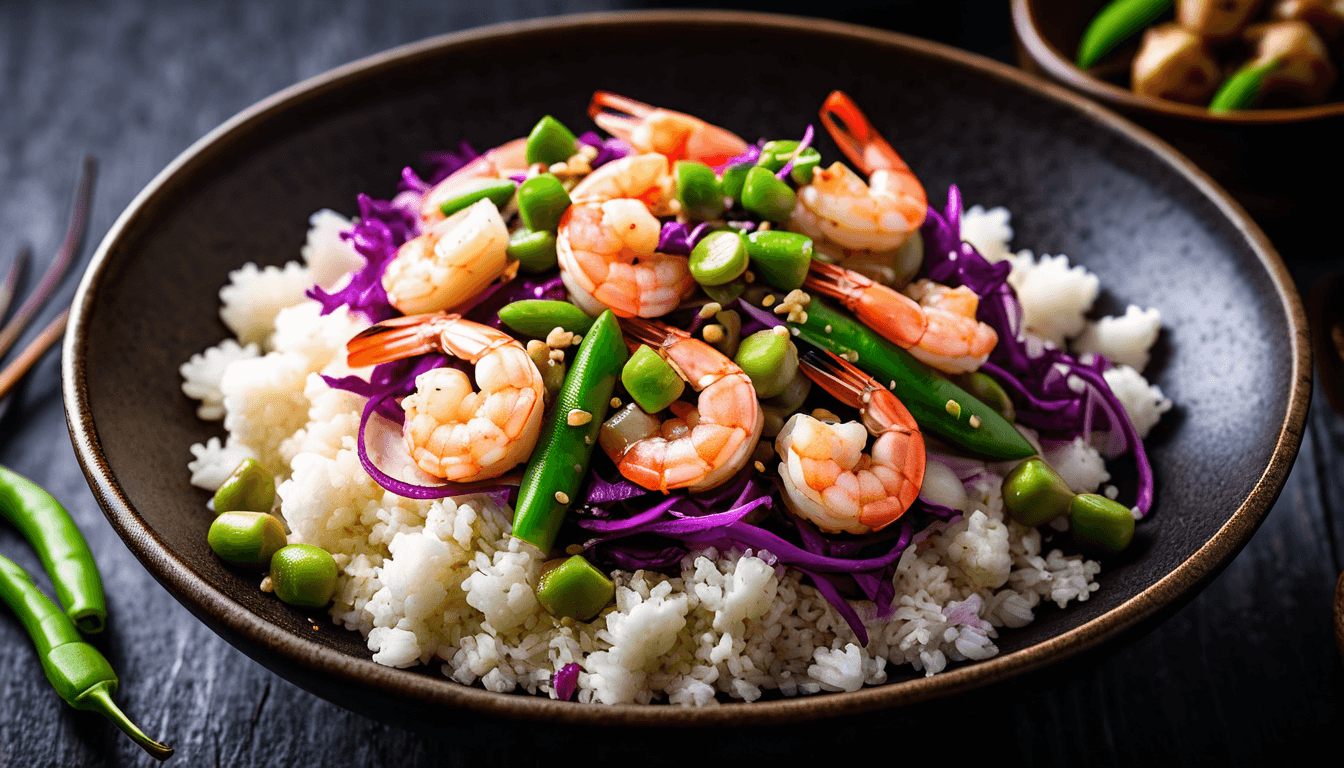
Shrimp Stir-Fry with Cauliflower Rice
Quick, flavorful shrimp stir-fry served over cauliflower rice with Asian-inspired sauce
Frequently Asked Questions
Can I follow a low-carb diet while pregnant?
A moderate low-carb diet (100 to 150g carbs daily) is generally safe during pregnancy and is sometimes used for gestational diabetes under medical supervision. Very low-carb approaches under 50g are not recommended because fetal brain development uses glucose and ketones in ways that have not been fully studied. Prioritize nutrient-dense carbs from berries, non-starchy vegetables, Greek yogurt (3.6g carbs per 100g per USDA), and legumes. Protein needs rise to about 1.1g per kg body weight, so include eggs, salmon, and lean meat at each meal. Take a prenatal vitamin with adequate folate, since some folate sources (fortified grains) are reduced on low-carb. Consult your OB-GYN before starting.
Is low-carb safe for breastfeeding?
Moderate low-carb (100 to 130g carbs daily) is safe for breastfeeding and does not typically affect milk supply. Caloric intake matters more than carb count during lactation, so maintain at least 1,800 to 2,200 kcal daily to support milk production. Very low-carb (below 50g) sometimes drops milk supply and is not recommended without monitoring. Prioritize hydration (at least 3 liters water daily) and whole-food carbs like oats, berries, sweet potatoes, and squash. Protein intake of 1.1g per kg body weight supports recovery. Salmon provides 20g protein per 100g per USDA and omega-3s that transfer to breast milk. Consult your doctor or lactation consultant before major dietary changes.
Can athletes perform well on a low-carb diet?
Low-carb supports low-to-moderate intensity endurance activities reasonably well, especially after 4 to 6 weeks of fat adaptation. For high-intensity efforts above 80 percent of max heart rate (sprints, CrossFit, team sports), performance typically drops because glycolysis requires carbs. Moderate low-carb (100 to 150g daily) is a better compromise than strict low-carb for most athletes, with carbs concentrated around training. Ultra-endurance athletes often do well on low-carb because fat stores provide far more sustained fuel than glycogen. If you notice drops in power output or repeated time-to-exhaustion, add 30 to 50g fast carbs 30 minutes before hard sessions. Track performance markers, not just scale weight.
How do I do low-carb on a $60 weekly grocery budget?
Low-carb is affordable when you avoid premium cuts and branded low-carb products. A typical week: 2 dozen eggs ($6), 3 lb chicken thighs ($9), 1 lb frozen ground beef ($6), 1 lb frozen fish or canned tuna ($6), 5 lb frozen non-starchy vegetables ($10), 2 avocados ($4), cheese and butter ($7), peanut butter ($4), 1 lb dry lentils or black beans for moderate-carb days ($3), berries ($5). Per USDA, 100g cooked chicken thigh provides 25g protein, and 100g cottage cheese has 11g protein with only 3.4g carbs. Skip keto bread, low-carb tortillas, and branded snacks. Frozen vegetables and meats are nutritionally identical to fresh. Eggs at about $0.30 each give 6g protein for minimal cost.
How do I meal prep low-carb for a family of four?
Plan three base proteins and two base vegetable sides per week. A Sunday prep of 2.5 to 3 hours covers 12 family dinners. Cook a whole roasted chicken (about 31g protein per 100g breast per USDA), a sheet pan of baked salmon, and a large pot of beef chili (no beans for lower carb, with beans for moderate). For sides, roast 2 trays of non-starchy vegetables (broccoli, bell peppers, zucchini, cauliflower) and steam a big batch of green beans. Keep berries, cheese, and nuts stocked for quick assembly. Label everything with reheat instructions. A family eating low-carb typically uses 2 to 3 lb protein daily, so buy in family packs and freeze half raw for week two.
Can I follow low-carb with type 2 diabetes?
Low-carb is one of the most evidence-backed dietary approaches for type 2 diabetes, consistently lowering HbA1c by 0.5 to 1.5 points over 6 to 12 months and often reducing medication needs. Start with moderate low-carb (75 to 100g daily) rather than strict, since it is easier to sustain and achieves most of the benefit. Prioritize non-starchy vegetables, whole-food protein, and healthy fats. Critical caution: if you take insulin, sulfonylureas, or SGLT2 inhibitors, carb restriction can cause dangerous hypoglycemia or diabetic ketoacidosis without medication adjustment. Never start without your endocrinologist actively titrating doses. Monitor glucose frequently the first 2 weeks and adjust as glucose stabilizes.
Does low-carb help with PCOS symptoms?
Low-carb often improves PCOS outcomes because insulin resistance is the underlying driver. Moderate low-carb (75 to 125g daily) lowers circulating insulin, which in turn reduces androgen production. Studies show improved menstrual regularity, reduced testosterone, and modest weight loss in women with PCOS after 12 to 24 weeks. Emphasize fiber from low-carb vegetables like broccoli (2.6g fiber per 100g per USDA) and flaxseeds, since gut health affects estrogen metabolism. Protein at 1.2 to 1.6g per kg body weight supports satiety and lean mass. If trying to conceive, stay in the moderate range (100 to 150g carbs) rather than going very low, and coordinate with your physician and reproductive endocrinologist.
How does low-carb interact with hypertension medication?
Low-carb eating often lowers blood pressure within 2 to 4 weeks, especially when it replaces processed carbs. Sodium excretion also rises on low-carb due to lower insulin, which can combine with blood pressure medications to cause dizziness, fatigue, or fainting. If you take diuretics, ACE inhibitors, or beta-blockers, monitor blood pressure daily during the first month. Many people need dose reductions or medication withdrawal within 4 to 8 weeks. Do not adjust medications yourself; coordinate with your prescribing doctor. Electrolyte attention (3 to 5g sodium, 3 to 4g potassium daily from food plus supplements if needed) prevents most issues. Hydrate with at least 3 liters water daily.
Is low-carb safe with kidney disease?
Moderate low-carb (100 to 150g carbs daily) with protein kept around 0.8 to 1.0g per kg body weight is generally tolerated in mild kidney disease (stage 1 to 2). Stricter low-carb versions that push protein above 1.2g per kg can stress filtration in stage 3 or higher chronic kidney disease. Emphasize plant fats (olive oil, avocado, nuts), moderate animal protein, and strict hydration. Creatinine, eGFR, and urine protein should be monitored every 3 months during transition. If you have diabetic nephropathy or take ACE inhibitors, do not start low-carb without your nephrologist reviewing labs first. Avoid kidney-stone risk factors by including citrate-rich foods like lemon water.
Do I need supplements on low-carb?
Most people benefit from electrolyte support during the first 2 to 4 weeks of low-carb as the kidneys excrete more sodium, potassium, and magnesium due to lower insulin. Typical baseline: 3 to 5g sodium, 3 to 4g potassium, 300 to 400mg magnesium daily from food plus supplements. If you eliminate grains, watch for B vitamins and folate; a plain multivitamin covers gaps. Fiber intake usually drops, so add chia (34g fiber per 100g per USDA), flax, or psyllium husk to hit 25 to 35g daily. If you eliminate dairy, add a calcium source or supplement. Omega-3 intake usually rises naturally through fish and eggs. Get bloodwork every 6 months to check lipids, vitamin D, and electrolytes.
How do I eat low-carb at restaurants and when traveling?
Most restaurants accommodate low-carb easily. Swap carb sides for extra vegetables, skip bread and tortillas, and ask for sauces on the side (many are sugar-based). Easier cuisines: steakhouses (grilled meats plus vegetables), Mexican (fajitas without tortillas, extra beans for moderate carb), Greek (gyro bowls, feta salads), Middle Eastern (hummus plus cucumber instead of pita), and breakfast diners (eggs, bacon, avocado). Avoid sushi rice, teriyaki sauces, and noodle dishes. When traveling, keep shelf-stable options handy: nuts, beef jerky, cheese sticks, hard-boiled eggs (6g protein each per USDA), pre-cooked chicken, and berries. Airport options include egg bites, charcuterie boxes, and salads with protein plus olive oil.
Low-carb versus keto: what is the actual difference?
Keto restricts carbs to under 30 to 50g daily with the specific goal of inducing ketosis, a metabolic state where the liver produces ketones as fuel. Low-carb is broader, ranging from 50 to 150g carbs daily without necessarily triggering ketosis. Keto requires higher fat (70 to 75 percent of calories) to avoid excess protein being converted to glucose. Low-carb allows moderate fat (30 to 50 percent) and higher protein flexibility. For weight loss and blood sugar control, both work; keto tends to show faster initial results (partly water weight) and stronger appetite suppression, while low-carb is more sustainable socially and easier to combine with athletic performance. Pick keto if you have specific metabolic goals; pick low-carb for flexibility.
Low-carb versus calorie counting: which is more effective?
Low-carb tends to be easier than calorie counting because protein and fat are more satiating than carbs, so caloric intake drops naturally without tracking. In head-to-head trials, low-carb and calorie restriction produce similar long-term weight loss, but adherence is usually higher with low-carb. The tradeoff is flexibility: calorie counting lets you eat any food, while low-carb restricts food categories. A hybrid approach works for many people: follow low-carb principles without strict tracking, and spot-check calories if weight loss stalls after 4 to 6 weeks. Protein is the common factor; whichever approach you pick, hitting 1.2 to 1.6g per kg body weight improves outcomes.
Low-carb versus intermittent fasting: can they work together?
Yes, and they compound well. Low-carb reduces insulin and stabilizes blood sugar, which makes fasting easier because hunger swings are smaller. Most people who try 16:8 fasting on a standard diet struggle with hunger around hour 12; on low-carb, the same window feels much easier after a week of adaptation. Start with low-carb alone for 3 to 4 weeks, then introduce a 14-hour overnight fast, then extend to 16 hours if it fits your schedule. Hit protein targets (1.2 to 1.6g per kg) within the eating window. Avoid OMAD (one meal a day) on very low-carb because it can crash electrolytes. Coordinate with your physician if you take medications that require food.
When is low-carb NOT the right choice?
Low-carb is a poor fit for competitive high-intensity athletes without targeted carb strategies, people with a history of eating disorders (restrictive rules can trigger cycles), pregnant women without medical supervision for strict versions, those with certain liver conditions or pancreatitis, and anyone on medications requiring carbs (some insulin regimens). If you eat out constantly, travel heavily, or thrive on fruit-heavy or grain-heavy meals, a Mediterranean or moderate-protein whole-food approach may be more sustainable. Cultural cuisines built around rice, pasta, or bread can feel restrictive on strict low-carb. Dietary strategies only work when they fit your actual life; a diet you abandon after 3 months is worse than a moderate approach you sustain for years.
Will I lose muscle on low-carb?
You can preserve muscle on low-carb if protein intake stays adequate (1.6 to 2.2g per kg target body weight) and you do resistance training at least twice a week. Early water and glycogen loss can look like muscle loss on the scale but is not; each gram of glycogen holds about 3g water, so a full glycogen depletion drops 3 to 5 pounds of water weight in the first week. True muscle loss risk rises if calories drop too low (below 1,200 for women, 1,500 for men) or if you rely too heavily on fat and skip protein-dense foods. A 150-pound person needs 110 to 135g protein daily, easily hit through 4 eggs at breakfast, 150g chicken at lunch, and 170g beef at dinner.
Can I have cheat days on low-carb?
Cheat days are less disruptive on moderate low-carb (100 to 150g) than on keto, since you are not dependent on ketosis. One higher-carb meal per week (120 to 200g carbs) can even help with hormone balance for active women and menstrual regularity. Full cheat days of 400+ carbs usually cause bloating, energy crashes, and 3 to 5 pounds of water weight gain that takes a week to normalize. A cyclical approach works for many: 5 to 6 days strict, 1 day at the higher end of your range, especially after heavy training. Social events become easier when you can plan a higher-carb meal around them rather than 'falling off' entirely. Frequent cheats above once a week typically stall results.
Is low-carb sustainable long-term?
Moderate low-carb is highly sustainable because it allows flexibility: 100 to 150g carbs accommodates fruit, beans, whole grains in small amounts, and the occasional social meal. Studies tracking low-carb adherence at 2 to 5 years show better retention than very-low-fat or strict calorie counting. Common reasons people quit include boredom (rotate protein sources weekly), social eating frustration (pre-plan restaurants), and rigid mindset (allow one higher-carb meal weekly). A sustainable version usually includes: seasonal whole foods, 1 to 2 planned higher-carb meals per week, and flexibility around holidays. If you dread meals or obsess over macros, loosen toward moderate rather than quit entirely. Long-term success is always about the version you can maintain.
Are all carbs really bad on low-carb?
No. The type of carbs matters more than the gram count for health outcomes. Fiber-rich carbs from vegetables, berries, legumes, and nuts barely affect blood sugar, and fiber is typically subtracted to get 'net carbs.' Refined carbs (white bread, sugary drinks, pastries) spike glucose and should be limited on any diet, not just low-carb. Black beans, for example, have 23g total carbs but 8g fiber per 100g cooked (per USDA), giving 15g net carbs that release slowly. Berries are similar: strawberries have 8g carbs per 100g with 2g fiber. On moderate low-carb, prioritize low-glycemic, high-fiber carbs. This distinction is why 'carbs are the enemy' is an oversimplification.
How do I fix a low-carb plateau after 2 months?
Plateaus at 6 to 8 weeks are normal as water weight stabilizes and metabolism adjusts. Before changing anything, verify actual intake for one week by weighing food, since hidden carbs in sauces, dressings, nuts, and dairy often creep up (almonds have 9g net carbs per 100g per USDA). Common fixes: tighten carbs by 20 to 30g for 2 weeks, add resistance training twice weekly, try a 16:8 fasting window, cut artificial sweeteners for 2 weeks (they may raise insulin in some people), and improve sleep. Check measurements and progress photos rather than scale weight alone, since body recomposition often continues even during weight plateaus. If nothing moves after 4 weeks of tightening, consider a brief refeed day to reset leptin and hormones.
Explore Related Resources
Discover more tools and guides for your nutrition journey
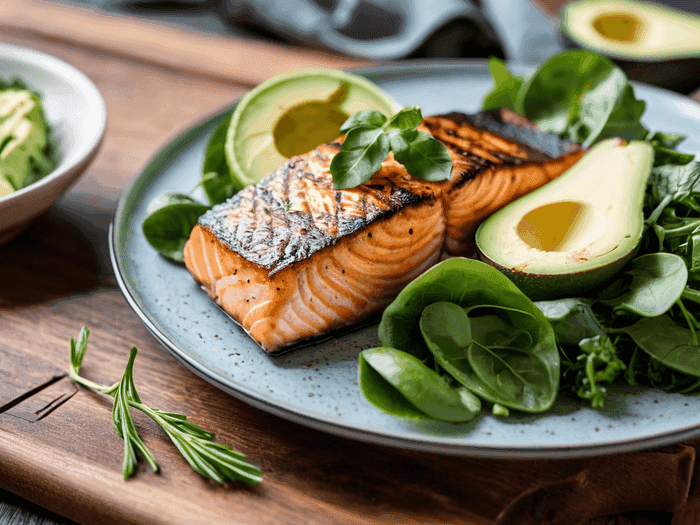
Keto Diet
The ultimate low-carb, high-fat approach
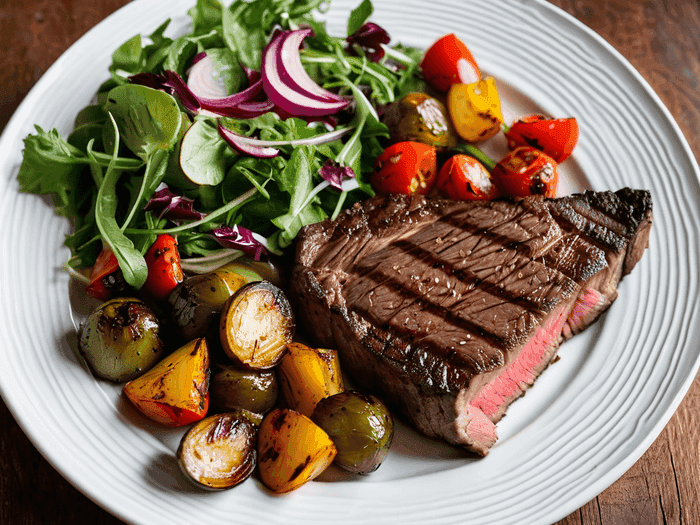
Paleo Diet
Eat like our ancestors for better health
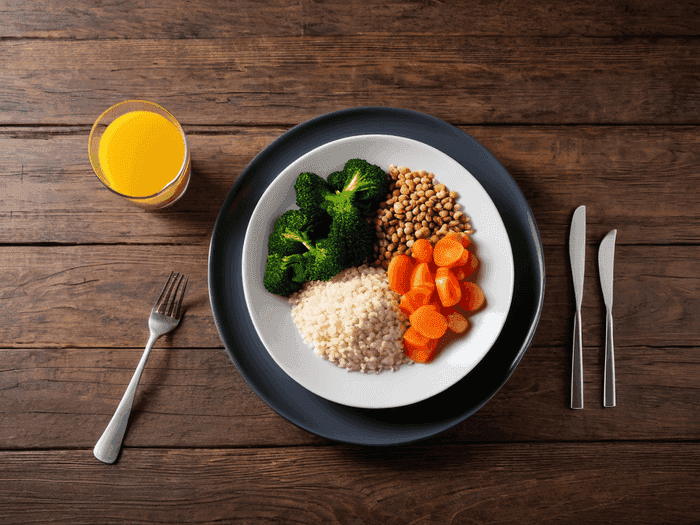
Diabetes Diet
Blood sugar-friendly meal planning
Macro Calculator
Calculate your ideal macronutrient ratios
Weight Loss
Sustainable weight management strategies
Sample 3-day low-carb meal plan
Real foods, USDA-verified macros. No registration required.
Day 1
Day total: 2379 kcalGrilled turkey with chicken and potato chips breakfast
Grilled chicken with turkey and lamb lunch bowl
- Turkey, wing, cooked45 g
- Potato chips, restructured33 g
- Lamb, composite of trimmed retail cuts, cooked45 g
- Meat, NFS12 g
- Chicken, breast, braised84 g
Scrambled cheese with potato chips and wheat germ oil dinner plate
Grilled turkey with sesame seeds snack
Day 2
Day total: 2631 kcalGrilled chicken with beef and pork breakfast
- Pork, fresh, rump half, roasted40 g
- Potato chips, restructured30 g
- Butter, light5 g
- Beef, flank, steak, braised40 g
- Chicken, breast, braised75 g
Roasted lamb with potato chips and olives lunch bowl
Scrambled cheese with meat and potato chips dinner plate
- Meat, ground28 g
- Potato chips, NFS60 g
- Vegetable oil, NFS60 g
- Cheese, goat50 g
Roasted pork with potato chips snack
- Pork, fresh, rump half, raw (Includes foods for USDA's Food Distribution Program)80 g
- Potato chips, plain60 g
Day 3
Day total: 2811 kcalSimmered tofu with potato chips and sweet potato chips breakfast
- Tofu, raw60 g
- Potato chips, ruffled60 g
- Sweet potato chips60 g
Grilled turkey with beef and banana chips lunch bowl
- Turkey, light or dark meat, cooked80 g
- Banana chips50 g
- Coconut oil50 g
- Beef, flank, steak, broiled80 g
Grilled turkey with chicken and beef dinner plate
- Sausage, turkey, cooked15 g
- Coconut, packaged37 g
- Chicken, breast, braised60 g
- Beef, flank, steak, broiled60 g
- Turkey, light or dark meat, cooked112 g
Seared beef with potato chips snack
Shopping list for 3 days
Beef Products
Cereal Grains and Pasta
- Wheat germ oil50 g
Dairy and Egg Products
- Cheese, goat100 g
Fats and Oils
- Butter, light10 g
Fruits and Fruit Juices
Lamb, Veal, and Game Products
Legumes and Legume Products
- Tofu, raw60 g
Nut and Seed Products
- Sesame seeds10 g
Poultry Products
Prepared Foods
- Meat, ground28 g
- Meat, NFS12 g
Sausages and Luncheon Meats
Vegetables and Vegetable Products
Get a personalized 7-day plan with shopping list
This sample shows 3 days. The full version generates 7 days adapted to your weight, activity, and household.
Top low-carb foods, USDA-ranked
Highest-scoring foods for this diet, ranked by macro fit per USDA FoodData Central data.
Turkey, ground
Poultry Products218 kcalProtein: 27.1gCarbohydrates: 0gTotal fat: 11.6gChicken, drumstick, braised
Poultry Products156 kcalProtein: 23.9gCarbohydrates: 0gTotal fat: 6gChicken, breast, braised
Poultry Products162 kcalProtein: 32.1gCarbohydrates: 0gTotal fat: 3.2gBeef, top loin steak, raw
Beef Products153 kcalProtein: 22.8gCarbohydrates: 0gTotal fat: 6.4gBeef, tenderloin roast, roasted
Beef Products174 kcalProtein: 27.7gCarbohydrates: 0gTotal fat: 6.4gBeef, eye of round roast, raw
Beef Products120 kcalProtein: 23.4gCarbohydrates: 0gTotal fat: 2.5gBeef, top round roast, raw
Beef Products121 kcalProtein: 23.7gCarbohydrates: 0gTotal fat: 2.4gBeef, short loin, t-bone steak, grilled
Beef Products218 kcalProtein: 27.4gCarbohydrates: 0gTotal fat: 11.3gBeef, short loin, porterhouse steak, raw
Beef Products145 kcalProtein: 22.7gCarbohydrates: 0gTotal fat: 5.4gTurkey, wing, cooked
Poultry Products221 kcalProtein: 27.4gCarbohydrates: 0gTotal fat: 12.4gTurkey, drumstick, cooked
Poultry Products200 kcalProtein: 27.9gCarbohydrates: 0gTotal fat: 9.8gPork, fresh, rump half, raw
Pork Products182 kcalProtein: 20.3gCarbohydrates: 0gTotal fat: 10.6gBeef, flank, steak, raw
Beef Products149 kcalProtein: 21.7gCarbohydrates: 0gTotal fat: 6.3gBeef, cured, canned
Sausages and Luncheon Meats250 kcalProtein: 27.1gCarbohydrates: 0gTotal fat: 14.9gFish, bluefish, raw
Finfish and Shellfish Products124 kcalProtein: 20gCarbohydrates: 0gTotal fat: 4.2gLamb, composite of trimmed retail cuts, cooked
Lamb, Veal, and Game Products294 kcalProtein: 24.5gCarbohydrates: 0gTotal fat: 20.9gMeat, NFS
Prepared Foods215 kcalProtein: 27.1gCarbohydrates: 0gTotal fat: 11.3gChicken, meatless
Legumes and Legume Products224 kcalProtein: 23.6gCarbohydrates: 3.6gTotal fat: 12.7gCheese, goat
Dairy and Egg Products364 kcalProtein: 21.6gCarbohydrates: 0.1gTotal fat: 29.8gSeeds, sesame seed kernels, dried (decorticated)
Nut and Seed Products631 kcalProtein: 20.5gCarbohydrates: 11.7gTotal fat: 61.2g