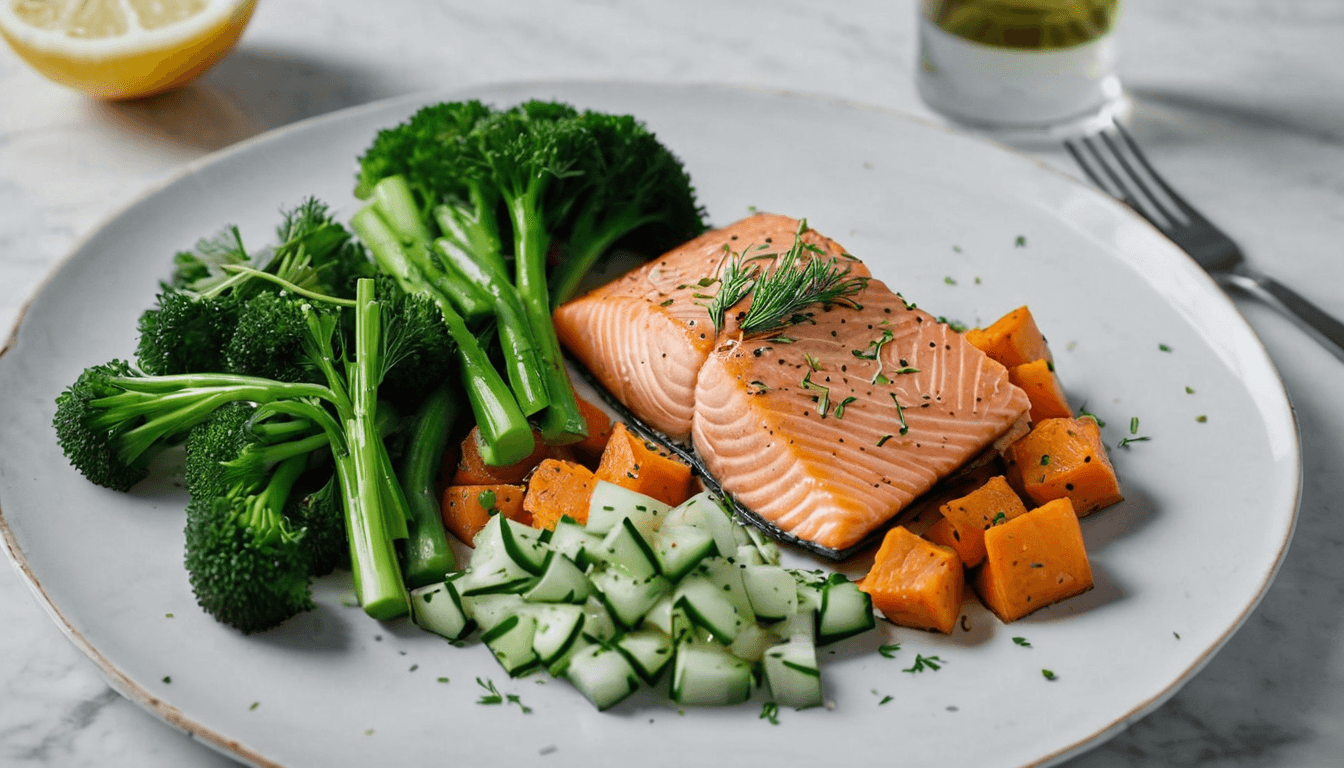
How Our AI Agent Helps You
Advanced AI technology that understands sodium metabolism, DASH principles, and blood-pressure management. The system tracks every milligram of sodium across breakfast, lunch, dinner, and snacks while keeping meals tasty and affordable, with special attention to hidden sources in bread, deli meats, canned soups, sauces, and restaurant dishes.
Sodium Tracking
AI monitors total daily sodium against your target and flags hidden sources in packaged foods
Flavor Without Salt
Smart herb, spice, citrus, and vinegar pairings that replace salt without sacrificing taste
Grocery Guidance
Brand-level recommendations for low-sodium bread, canned goods, deli meats, and condiments
Mineral Balance
Keeps potassium, magnesium, and calcium within DASH-recommended ranges to support blood pressure
Why Choose AI for a Low-Sodium Diet?
Take control of daily sodium without flavor sacrifice or label-reading fatigue
Stay under your personal sodium target (1,500-2,300mg per day)
Automatic detection of hidden sodium in processed foods and sauces
Flavor-forward recipes using herbs, spices, and acid in place of salt
DASH-aligned nutrition with balanced potassium, magnesium, and calcium
Restaurant and pantry swaps for unavoidable social eating
Sample Low-Sodium Meals
AI-generated meal ideas that keep sodium under 500mg per plate
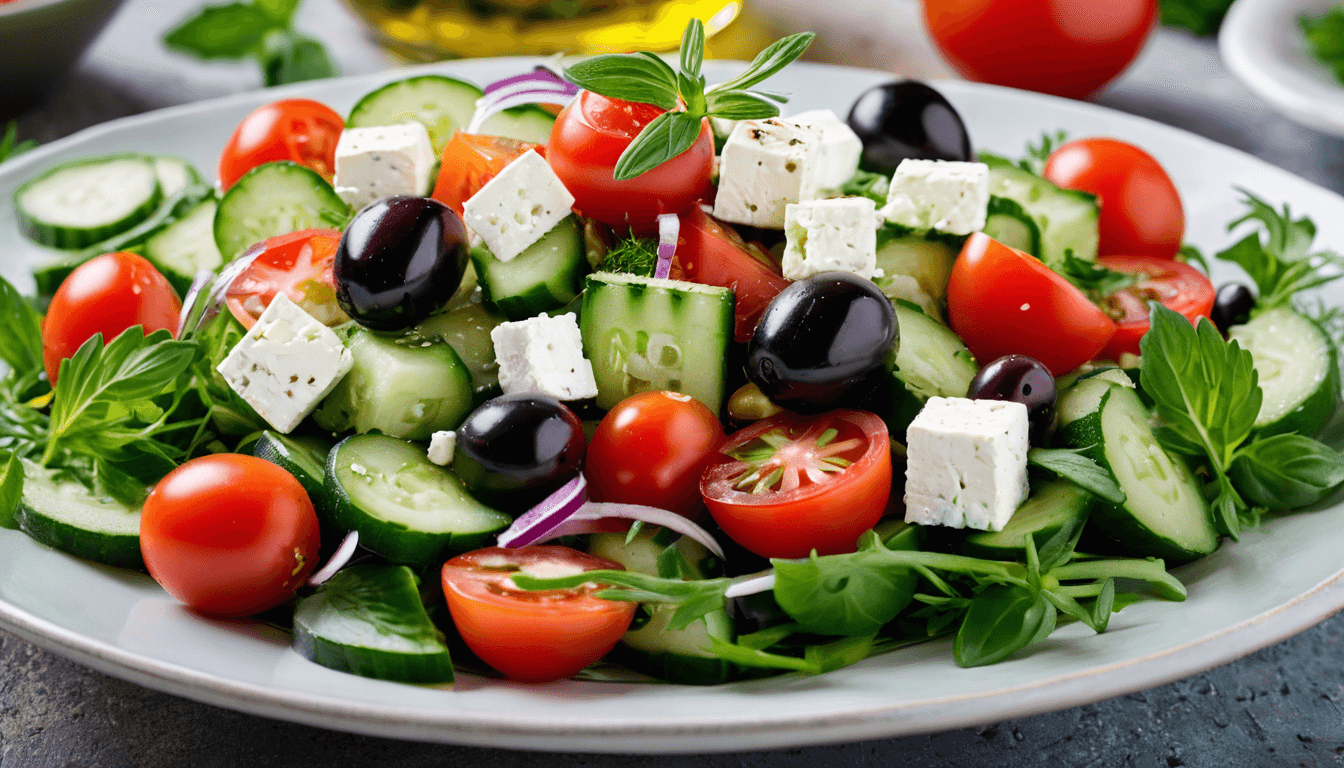
Herbed Oatmeal with Berries and Almonds
No-salt breakfast bowl with unsalted almonds, fresh berries, and cinnamon
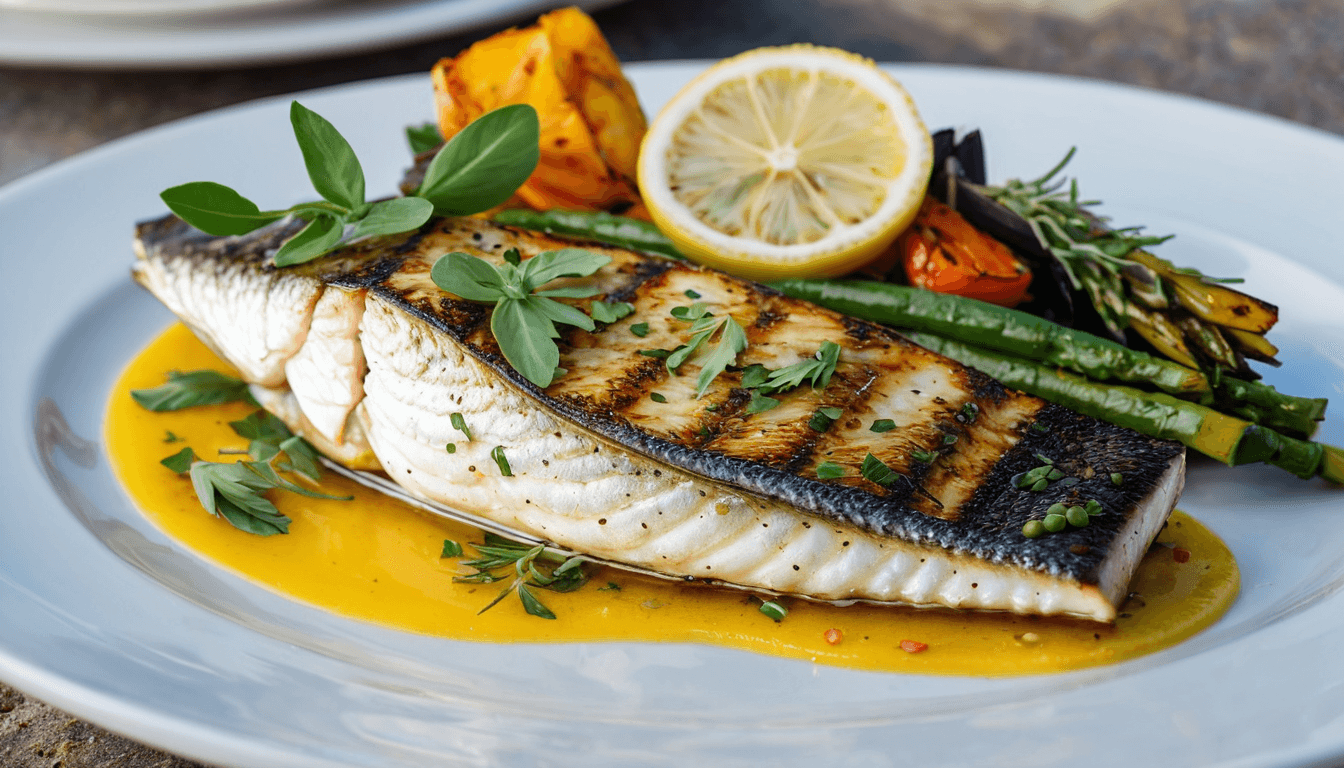
Lemon Herb Chicken with Roasted Vegetables
Fresh lemon, garlic, rosemary, and olive oil instead of salt for full flavor
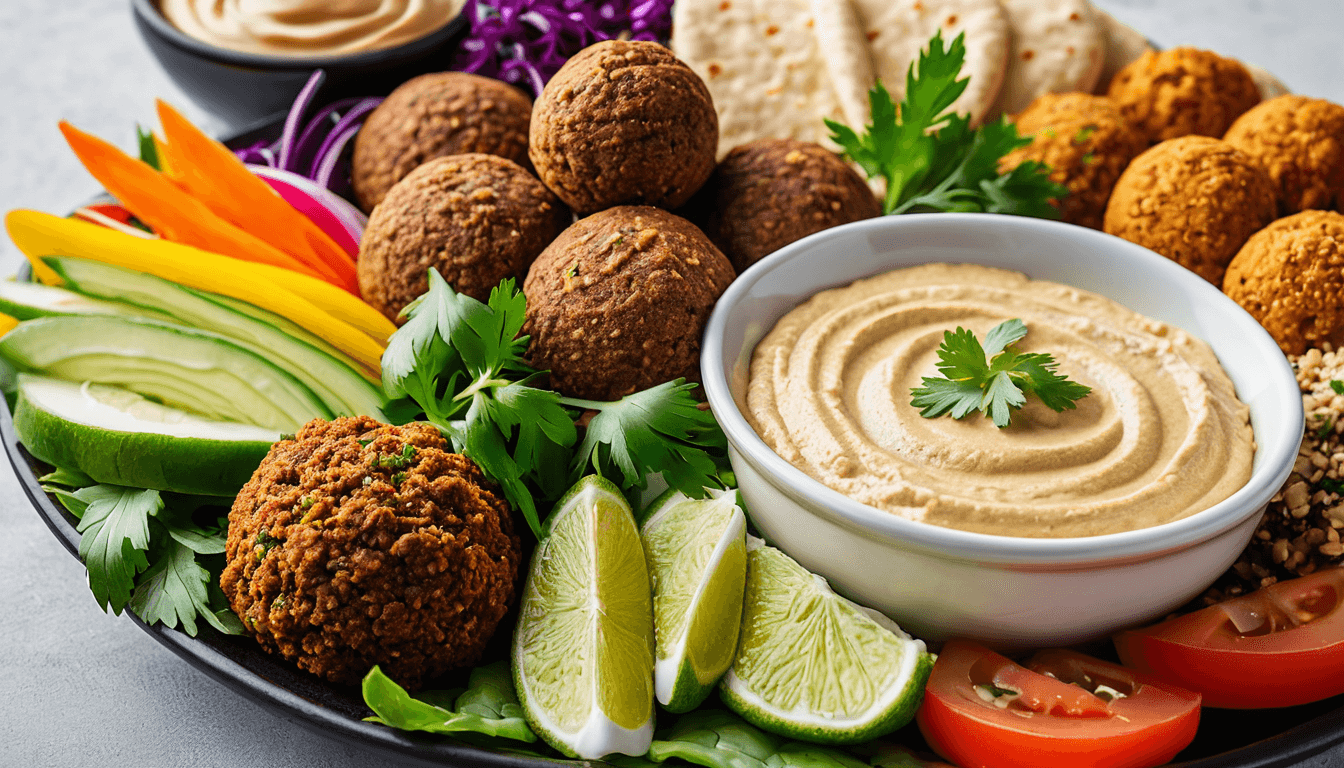
Baked Salmon with Quinoa Pilaf
Dill, capers, and citrus give salmon brightness without heavy sodium
Frequently Asked Questions
What is a low-sodium diet and who needs one?
A low-sodium diet typically limits sodium to 1,500 to 2,300mg per day, roughly equivalent to two-thirds to one teaspoon of table salt. The American Heart Association recommends under 2,300mg per day for most adults and under 1,500mg for people with high blood pressure, heart failure, or chronic kidney disease. Doctors commonly prescribe low-sodium eating after a hypertension diagnosis, for pregnancy-related swelling, and for patients on corticosteroids or certain heart medications. The average American currently consumes about 3,400mg daily, so most people are starting well above target.
Where does most dietary sodium actually come from?
Roughly 70 percent of sodium in the typical American diet comes from packaged and restaurant foods, not the salt shaker. The top sources are breads and rolls (often 150-230mg per slice), pizza, sandwiches, cold cuts and cured meats, soups, burritos and tacos, savory snacks like chips and crackers, chicken dishes from restaurants, cheese, and eggs and egg dishes when prepared out. Cooking at home with fresh ingredients and reading Nutrition Facts labels are the two single biggest levers for reducing daily sodium.
How is a low-sodium diet different from the DASH diet?
DASH (Dietary Approaches to Stop Hypertension) is a broader eating pattern emphasizing vegetables, fruits, whole grains, lean protein, and low-fat dairy while capping sodium at 1,500 or 2,300mg per day. A low-sodium diet focuses narrowly on the sodium target and may not specify what else you eat. In practice, low-sodium eating works best when paired with DASH-style food choices because potassium (4,700mg target per day), magnesium, and calcium counterbalance sodium's effect on blood pressure. You can think of DASH as a complete low-sodium framework with structured food groups, while a low-sodium label alone just enforces the milligram cap.
Is a low-sodium diet safe during pregnancy?
Mild sodium reduction (around 2,300mg per day) is generally safe and often helpful during pregnancy for women dealing with swelling or prehypertension. However, severe sodium restriction below 1,500mg is not routinely recommended in pregnancy unless directed by your obstetrician, since pregnancy increases blood volume and needs adequate sodium for fetal development and amniotic fluid balance. Women with gestational hypertension or preeclampsia should follow their doctor's individualized guidance rather than self-directing a very low-sodium pattern. Electrolyte balance is more sensitive in pregnancy, and lightheadedness or cramping warrants a call to your care team.
What are the hidden sodium traps I should watch for?
The biggest surprises are usually bread (a single slice can contain 180-230mg), deli turkey or ham (400-600mg per 2oz serving per USDA), canned soups (often 700-900mg per cup), cottage cheese (around 700mg per cup), tomato sauce (400-500mg per half cup), pickles and olives, soy sauce (900mg per tablespoon), salad dressings, and cereal (150-300mg per serving). Even sweet-tasting foods like breakfast cereals and pastries contain added sodium. Always check the Nutrition Facts panel: 5 percent daily value or less per serving is considered low-sodium, while 20 percent or more is high.
How much salt can I add while cooking at home?
If your daily target is 2,300mg, you have roughly one teaspoon of salt worth of total sodium to spend, but at least half of that usually gets consumed through bread, dairy, and other packaged foods before you pick up the shaker. That typically leaves 500-1,000mg for home cooking across the day. A practical pattern is to salt lightly at the end of cooking rather than throughout, since surface salt delivers more flavor per milligram. Use one-quarter teaspoon of salt (approximately 580mg sodium) across a meal for a family of four, lean on lemon, vinegar, herbs, garlic, and black pepper for depth, and skip the table shaker at serving time.
What should I eat at restaurants on a low-sodium diet?
Restaurant meals average 1,200-2,000mg of sodium per entree, which can blow through an entire day's budget in one sitting. Practical tactics: ask for sauces and dressings on the side, request grilled or steamed preparations over fried or sauteed, avoid soups and broths (usually 800-1,500mg per bowl), skip bread baskets, choose simple protein with plain vegetables, split entrees or take half home, and opt for balsamic vinegar and lemon wedges instead of salad dressing. Chain restaurants publish nutrition information online, so you can scan the menu in advance. Asian, Mexican, and deli cuisines tend to be the highest in sodium; grilled fish or chicken with steamed vegetables is usually the safest order.
Will a low-sodium diet actually lower my blood pressure?
Yes, for most people. Meta-analyses show that reducing sodium from roughly 3,400 to 1,500mg per day lowers systolic blood pressure by about 5-6 mmHg in people with hypertension and 2-3 mmHg in those with normal blood pressure. The effect is strongest for Black adults, older adults, and people who are salt-sensitive (roughly 25-50 percent of the population). Some people, called salt-resistant, see little blood pressure response. A one-month trial at 1,500mg per day while logging home blood pressure readings will show whether you personally respond. Most doctors pair dietary sodium reduction with potassium-rich foods, weight management, exercise, and limited alcohol for compounding effects.
Can I still eat cheese and bread on a low-sodium diet?
Yes, with smart choices. Low-sodium or no-salt-added cheeses include fresh mozzarella (around 85mg per ounce per USDA), Swiss (around 60mg per ounce), and ricotta (around 55mg per half cup), while hard cheeses like feta, blue, and parmesan run 300-400mg per ounce and should be used sparingly as flavor accents. For bread, look for loaves with 100mg sodium or less per slice. Trader Joe's low-sodium bread and Ezekiel 4:9 Low Sodium Sprouted Bread are two widely available options. Homemade bread gives you full control: standard recipes use 1 to 1.5 teaspoons of salt per loaf, which you can cut in half with minimal effect on flavor or rise.
How do I boost flavor when I cannot use salt?
Salt amplifies flavor, but acid, aromatics, umami, and heat can do the same work. Acids like lemon juice, lime, vinegar, and verjuice brighten dishes; aromatics like garlic, onion, shallots, and ginger build depth; umami-rich ingredients such as mushrooms, tomato paste, nutritional yeast, miso (use sparingly due to sodium), and Parmesan (in small amounts) add savoriness; and herbs and spices like smoked paprika, cumin, oregano, thyme, rosemary, black pepper, and chili flakes layer complexity. Roasting or browning ingredients concentrates natural flavor. Salt-free blends (Mrs. Dash, homemade Italian seasoning, za'atar minus the salt) handle everyday seasoning needs.
Is sea salt, pink Himalayan salt, or kosher salt lower in sodium?
No. All salt (table salt, sea salt, pink Himalayan, kosher, Celtic, fleur de sel) is approximately 40 percent sodium by weight, so one teaspoon of any of them contains roughly 2,300mg sodium. Kosher and flaky sea salts appear to contain less sodium per teaspoon only because the crystals are larger and less salt fits in the spoon by weight. Trace minerals in specialty salts are marketing, not nutrition, in the amounts consumed. The only salt products that actually reduce sodium are potassium-chloride blends (such as LoSalt or NoSalt), which replace part of the sodium with potassium. These should be avoided by people with kidney disease or those on potassium-sparing medications like lisinopril or spironolactone.
What medications interact with a low-sodium diet?
Several common medications can cause problems when sodium drops quickly. Diuretics such as furosemide, hydrochlorothiazide, and spironolactone can lead to low sodium (hyponatremia) if dietary sodium drops too low, causing confusion, weakness, and falls, especially in older adults. SSRIs like sertraline and fluoxetine also modestly increase hyponatremia risk. Lithium levels rise dangerously when sodium drops, since the body reabsorbs lithium in place of sodium, so anyone on lithium should only change sodium intake with psychiatric supervision. If you take blood pressure medication, sodium reduction may push blood pressure too low over a few weeks, and your doctor may reduce the dose. Blood tests for sodium, potassium, and kidney function every 3-6 months are wise during the transition.
How do I meal prep low-sodium dishes that still taste good after reheating?
Low-sodium meal prep benefits from big flavor anchors that hold up across 3-4 days. Build meals around roasted vegetables (bell peppers, zucchini, sweet potato, cherry tomatoes), unseasoned cooked grains like quinoa or brown rice, and lean proteins marinated in acid-herb mixtures (olive oil, lemon, garlic, oregano) rather than salty soy or teriyaki. Store sauces separately: homemade pesto, chimichurri, salsa verde, or yogurt-herb sauce add brightness on reheating. A single Sunday session can yield 8 servings: 2 lb chicken thighs, 3 cups cooked quinoa, 2 sheet pans of roasted vegetables, and 3 sauces. Label portions with date and reheat in the microwave with a tablespoon of water to restore moisture.
Can kids and teens follow a low-sodium diet safely?
Yes. The Dietary Guidelines recommend children ages 1-3 consume under 1,200mg sodium daily, ages 4-8 under 1,500mg, ages 9-13 under 1,800mg, and 14 and older under 2,300mg. Most American children currently exceed these limits, mainly through pizza, bread, chicken nuggets, cheese, and processed snacks. A low-sodium approach for kids usually means swapping nuggets for grilled chicken, white bread for lower-sodium whole grain, deli meat for fresh roasted turkey, and chips for unsalted popcorn or fresh fruit. Children with pediatric hypertension, kidney disease, or congenital heart conditions may need stricter targets set by their pediatrician. Taste preferences adjust in 2-4 weeks as kids recalibrate to lower salt levels.
What about low-sodium options for type 2 diabetes or kidney disease?
Low-sodium and diabetes pair naturally: both benefit from whole foods, limited processed carbs, and non-starchy vegetables. Watch combined diabetes-and-hypertension products marketed as heart-healthy, since many rely on artificial sweeteners or high-potassium salt substitutes. For chronic kidney disease stages 3-5, standard low-sodium guidance still applies, but potassium, phosphorus, and protein usually need simultaneous management. Salt substitutes containing potassium chloride are dangerous in advanced kidney disease and should be avoided. Tomatoes, oranges, potatoes, bananas, and beans contain meaningful potassium and may need limiting. A registered dietitian who specializes in renal nutrition should build the plan rather than relying on a generic low-sodium template.
How long until a low-sodium diet feels normal?
Taste buds adapt to lower salt in roughly 2-4 weeks for most people. The first week often feels flat because receptors are calibrated to higher baseline levels; by week 3 many people report that previously normal foods taste too salty. Pretzels, deli meats, and chain restaurant dishes become noticeably over-salted, which is the desired outcome. To speed adaptation, avoid reaching for the salt shaker at the table, use strong aromatics like garlic, ginger, and fresh herbs liberally, and give recipes a fair trial before deciding they are bland. Families who transition together tend to stick with changes longer than individuals. Keep a small bottle of salt substitute or half-sodium salt at the table for the transition month if psychologically helpful, but aim to need it less over time.
Explore Related Resources
Discover more tools and guides for your nutrition journey
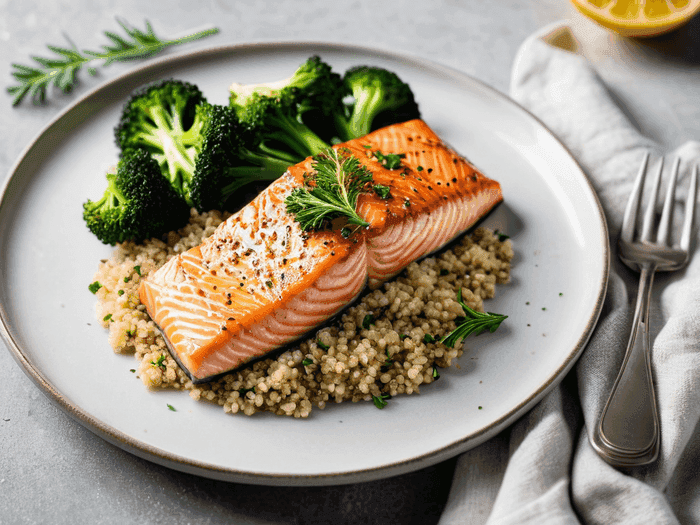
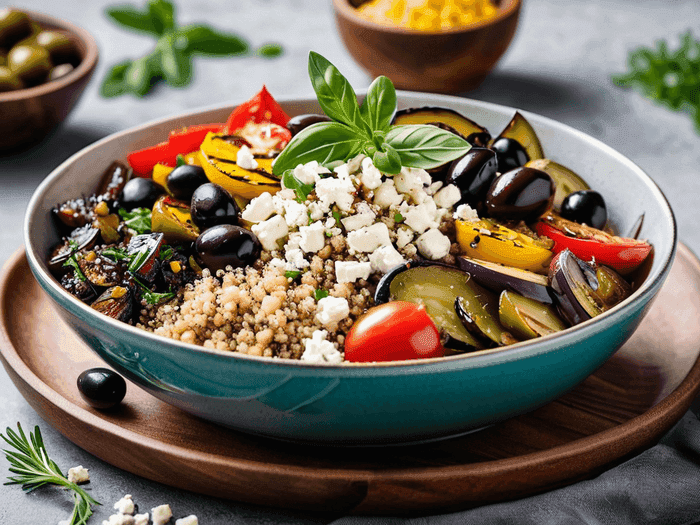
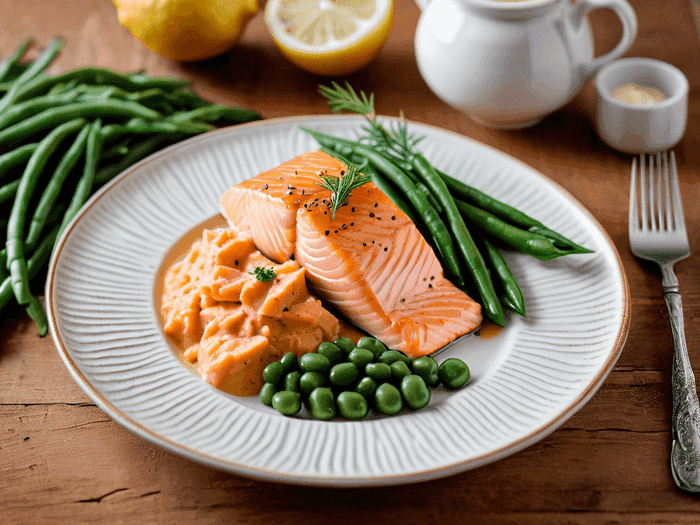
Sample 3-day low-sodium meal plan
Real foods, USDA-verified macros. No registration required.
Day 1
Day total: 2018 kcalRoasted fiddlehead ferns with cereals ready-to-eat and rice breakfast
- Fiddlehead ferns, frozen173 g
- Cereals ready-to-eat, POST58 g
- Oranges, raw139 g
- Rice, white, cooked139 g
Roasted pork with yogurt and crackers lunch bowl
- Pork, fresh, cooked124 g
- Yogurt, Greek83 g
- Oranges, raw100 g
- Cereals, whole wheat hot natural cereal, cooked with water41 g
- Crackers, matzo50 g
Pan-seared bratwurst with wheat germ and potato chips dinner plate
Toasted crackers with vegetable tempura snack
Day 2
Day total: 2275 kcalRoasted pork with rice and jam or jelly breakfast
- Pork, fresh, cooked80 g
- Rice, white, cooked50 g
- Potatoes, o'brien, frozen60 g
- Nuts, pecans10 g
- Jam or jelly, reduced sugar78 g
Pan-seared bratwurst with beans and banana chips lunch bowl
Pan-seared bratwurst with wheat germ and cereal or granola bar (kind fruit and nut bar) dinner plate
- Bratwurst, veal, cooked12 g
- Cereal or granola bar (KIND Fruit and Nut Bar)31 g
- Coconut, fresh31 g
- Wheat germ93 g
Steamed cereal or granola bar with lime souffle snack
Day 3
Day total: 2234 kcalRoasted fiddlehead ferns with tortilla chips and oranges breakfast
Roasted fiddlehead ferns with tortilla chips and crackers lunch bowl
- Fiddlehead ferns, frozen60 g
- Tortilla chips, low fat50 g
- Potato chips, unsalted60 g
- Crackers, matzo50 g
Roasted fiddlehead ferns with wheat germ and oats (includes foods for usda's food distribution program) dinner plate
- Fiddlehead ferns, frozen30 g
- Rice cake25 g
- Potato chips, unsalted30 g
- Oats (Includes foods for USDA's Food Distribution Program)25 g
- Wheat germ76 g
Roasted sweet potato paste with vegetable tempura snack
Shopping list for 3 days
Baked Products
- Crackers, matzo71 g
Breakfast Cereals
Cereal Grains and Pasta
Dairy and Egg Products
- Yogurt, Greek83 g
Fruits and Fruit Juices
- Oranges, raw325 g
- Banana chips80 g
- Lime souffle50 g
- Coconut, fresh31 g
Legumes and Legume Products
Nut and Seed Products
- Nuts, pecans10 g
Pork Products
- Pork, fresh, cooked204 g
Prepared Foods
Sausages and Luncheon Meats
Vegetables and Vegetable Products
Get a personalized 7-day plan with shopping list
This sample shows 3 days. The full version generates 7 days adapted to your weight, blood pressure goal, and household.
Top low-sodium foods, USDA-ranked
Highest-scoring foods for low-sodium eating, ranked by sodium content per serving per USDA FoodData Central data.
Flour, corn
Cereal Grains and Pasta364 kcalProtein: 6.2gCarbohydrates: 80.8gTotal fat: 1.7gBananas, ripe and slightly ripe, raw
Fruits and Fruit Juices97 kcalProtein: 0.7gCarbohydrates: 23gTotal fat: 0.3gApples, red delicious, raw
Fruits and Fruit Juices62 kcalProtein: 0.2gCarbohydrates: 14.8gTotal fat: 0.2gApples, granny smith, raw
Fruits and Fruit Juices59 kcalProtein: 0.3gCarbohydrates: 14.2gTotal fat: 0.1gCereals ready-to-eat, POST
Breakfast Cereals339 kcalProtein: 10.9gCarbohydrates: 80.7gTotal fat: 2.1gPears, asian, raw
Fruits and Fruit Juices42 kcalProtein: 0.5gCarbohydrates: 10.7gTotal fat: 0.2gFiddlehead ferns, frozen
Vegetables and Vegetable Products34 kcalProtein: 4.3gCarbohydrates: 5.7gTotal fat: 0.4gRice, white, cooked
Cereal Grains and Pasta130 kcalProtein: 2.4gCarbohydrates: 28.6gTotal fat: 0.2gRice, white, cooked
Cereal Grains and Pasta130 kcalProtein: 2.4gCarbohydrates: 28.7gTotal fat: 0.2gPasta, gluten-free, cooked
Cereal Grains and Pasta126 kcalProtein: 2.6gCarbohydrates: 27.9gTotal fat: 0.7gRice, white, cooked
Cereal Grains and Pasta130 kcalProtein: 2.4gCarbohydrates: 28.6gTotal fat: 0.2gLongans, raw
Fruits and Fruit Juices60 kcalProtein: 1.3gCarbohydrates: 15.1gTotal fat: 0.1gNuts, acorns, raw
Nut and Seed Products387 kcalProtein: 6.2gCarbohydrates: 40.8gTotal fat: 23.9gYogurt, Greek
Dairy and Egg Products95 kcalProtein: 7.5gCarbohydrates: 15.4gTotal fat: 0.4gSalad dressing, french dressing
Fats and Oils459 kcalProtein: 0.8gCarbohydrates: 15.6gTotal fat: 44.8gCereals, whole wheat hot natural cereal, cooked with water
Breakfast Cereals62 kcalProtein: 2gCarbohydrates: 13.7gTotal fat: 0.4gCrackers, matzo
Baked Products395 kcalProtein: 10gCarbohydrates: 83.7gTotal fat: 1.4gBeans, navy, boiled
Legumes and Legume Products140 kcalProtein: 8.2gCarbohydrates: 26.1gTotal fat: 0.6gBaby Toddler apples, Stage 1
Prepared Foods41 kcalProtein: 0.2gCarbohydrates: 10.8gTotal fat: 0.2gSweet potato, cooked
Vegetables and Vegetable Products82 kcalProtein: 1.7gCarbohydrates: 18.1gTotal fat: 0.4g