AI-Powered Diabetes Meal Plans
Let our AI agent create personalized diabetic meal plans optimized for blood sugar control and overall health
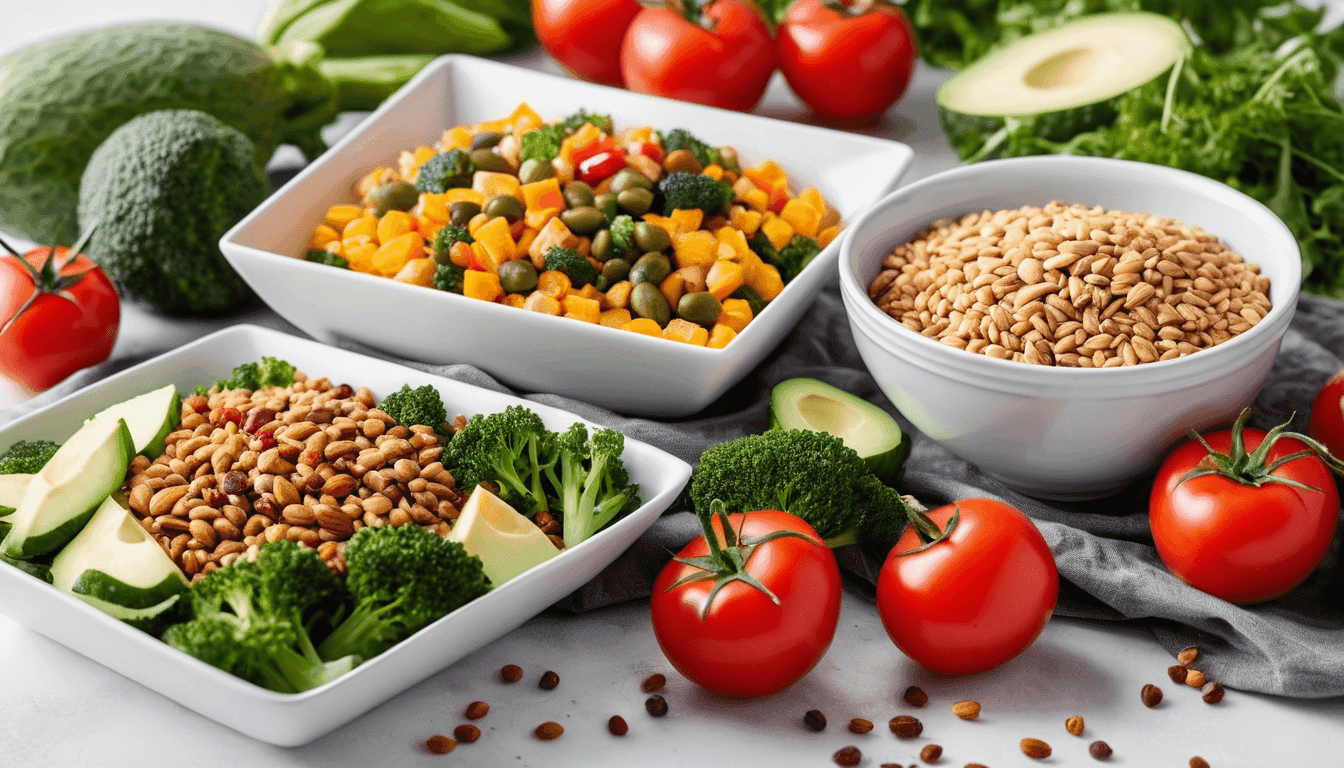
Generate a glucose-aware meal plan in 60 seconds
Tell us your carb cap per meal and target fiber. Our AI returns a 7-day plan built around low-glycemic-load meals with high fiber density [verify with your RDN], pairs every carb with protein and fat to blunt spikes, and aggregates your shopping list. Educational only — does not replace clinical care.
Want a heart-healthy whole-food pattern with similar glycemic logic? See the Mediterranean diet meal plan guide
Sample 3-day diabetes meal plan
Real foods, USDA-verified macros. No registration required.
Day 1
Day total: 3429 kcalBaked fish with peanut spread and potato chips breakfast
- Fish, haddock, steamed80 g
- Peanut spread, reduced sugar60 g
- Potato chips, lightly salted60 g
- Soybean oil60 g
Roasted veal with game meat and peanut butter with omega-3 lunch bowl
- Game meat, moose, roasted40 g
- Soy nut butter30 g
- Potato chips, restructured30 g
- Peanut butter with omega-3, creamy30 g
- Veal, leg, top round, grilled75 g
Simmered mori-nu with peanuts and potato chips dinner plate
Simmered peanuts with potato chips snack
Day 2
Day total: 3821 kcal
Day 2
Day total: 3821 kcalScrambled cheese with veal and peanut butter breakfast
- Veal, leg, top round, grilled40 g
- Peanut butter, smooth style30 g
- Potato chips, unsalted30 g
- Noodles, flat25 g
- Cheese, mozzarella75 g
Grilled turkey with peanut butter and potato chips lunch bowl
Grilled chicken with peanut butter and potato chips dinner plate
- Chicken, skin (drumsticks and thighs), roasted80 g
- Peanut butter, smooth style60 g
- Potato chips, plain60 g
- Wheat germ oil50 g
Roasted potato sticks with potato chips snack
Day 3
Day total: 3429 kcal
Day 3
Day total: 3429 kcalGrilled turkey with peanut butter and potato sticks breakfast
Grilled chicken with crackers and noodles lunch bowl
Roasted veal with chicken and tortilla chips dinner plate
- Chicken, tail40 g
- Tortilla chips, flavored25 g
- Potato chips, plain30 g
- Crackers, NFS25 g
- Veal, leg, top round, grilled75 g
Grilled turkey with tortilla chips snack
Shopping list for 3 days
Cereal Grains and Pasta
Dairy and Egg Products
Finfish and Shellfish Products
- Steamed Haddock80 g
Fruits and Fruit Juices
- Fresh Coconut50 g
Lamb, Veal, and Game Products
Legumes and Legume Products
Poultry Products
Vegetables and Vegetable Products
Get a personalized 7-day plan with shopping list
This sample shows 3 days. The full version generates 7 days adapted to your weight, activity, and household.
Top diabetes foods, USDA-ranked
Highest-scoring foods for this diet, ranked by macro fit per USDA FoodData Central data.
Fish, haddock, steamed
Finfish and Shellfish Products87 kcalProtein: 20.6gCarbohydrates: 0gTotal fat: 0.6gFish, cooked
Finfish and Shellfish Products82 kcalProtein: 19.4gCarbohydrates: 0gTotal fat: 0.6gEgg, white, dried
Dairy and Egg Products357 kcalProtein: 84.1gCarbohydrates: 4.5gTotal fat: 0.3gRuffed Grouse, breast meat, raw
Poultry Products112 kcalProtein: 25.9gCarbohydrates: 0gTotal fat: 0.9gSeaweed, spirulina, raw
Vegetables and Vegetable Products26 kcalProtein: 5.9gCarbohydrates: 2.4gTotal fat: 0.4gNutritional powder mix, whey based
Prepared Foods352 kcalProtein: 78.1gCarbohydrates: 6.3gTotal fat: 1.6gNutritional powder mix, protein
Prepared Foods352 kcalProtein: 78.1gCarbohydrates: 6.3gTotal fat: 1.6gFish, tuna, canned in water
Finfish and Shellfish Products86 kcalProtein: 19.4gCarbohydrates: 0gTotal fat: 1g
Show all 20 foods
Cheese, mozzarella
Dairy and Egg Products141 kcalProtein: 31.7gCarbohydrates: 3.5gTotal fat: 0gEmu, outside drum, raw
Poultry Products103 kcalProtein: 23.1gCarbohydrates: 0gTotal fat: 0.5gTurkey, breast, smoked
Sausages and Luncheon Meats95 kcalProtein: 20.9gCarbohydrates: 1.3gTotal fat: 0.7gGame meat, moose, roasted
Lamb, Veal, and Game Products134 kcalProtein: 29.3gCarbohydrates: 0gTotal fat: 1gMoose
Prepared Foods133 kcalProtein: 29gCarbohydrates: 0gTotal fat: 1gVital wheat gluten
Cereal Grains and Pasta370 kcalProtein: 75.2gCarbohydrates: 13.8gTotal fat: 1.9gBeef, top round steak, raw
Beef Products116 kcalProtein: 23.6gCarbohydrates: 0gTotal fat: 2.5gPork, Leg sirloin tip roast, raw
Pork Products113 kcalProtein: 22.9gCarbohydrates: 0gTotal fat: 1.7gSeeds, sunflower seed flour
Nut and Seed Products326 kcalProtein: 48.1gCarbohydrates: 35.8gTotal fat: 1.6gLeavening agents, yeast
Baked Products105 kcalProtein: 8.4gCarbohydrates: 18.1gTotal fat: 1.9gLemon peel, raw
Fruits and Fruit Juices47 kcalProtein: 1.5gCarbohydrates: 16gTotal fat: 0.3gLasagna with meat & sauce, low-fat, frozen entree
Meals, Entrees, and Side Dishes101 kcalProtein: 6.8gCarbohydrates: 13.5gTotal fat: 2.2g
How Our AI Agent Helps You
Advanced AI technology that understands diabetes management principles for blood sugar control, insulin optimization, and long-term metabolic health. Our personalized diabetic meal planning system precisely calculates carbohydrate content, glycemic impact, and nutrient timing to maintain stable glucose levels, prevent complications, and support overall wellness while still enjoying delicious, satisfying meals.
Smart Glucose Control
AI analyzes your blood sugar patterns and creates meals that help maintain stable glucose levels throughout the day
Low Glycemic Focus
Automatically selects low glycemic index foods that minimize blood sugar spikes and support long-term health
Precise Carb Counting
Provides accurate carbohydrate counts and timing recommendations for better insulin management
Blood Sugar Tracking
Integrates with your glucose monitoring to continuously optimize meal recommendations based on your responses
Why Choose AI for Diabetes Diet?
Experience better blood sugar control with scientifically-backed nutrition
Improved blood glucose control and HbA1c levels
Reduced risk of diabetic complications
Better weight management and energy stability
Heart-healthy nutrition for cardiovascular protection
Simplified carb counting and meal timing
Sample Diabetes-Friendly Meals
AI-generated low glycemic meal ideas for optimal blood sugar control
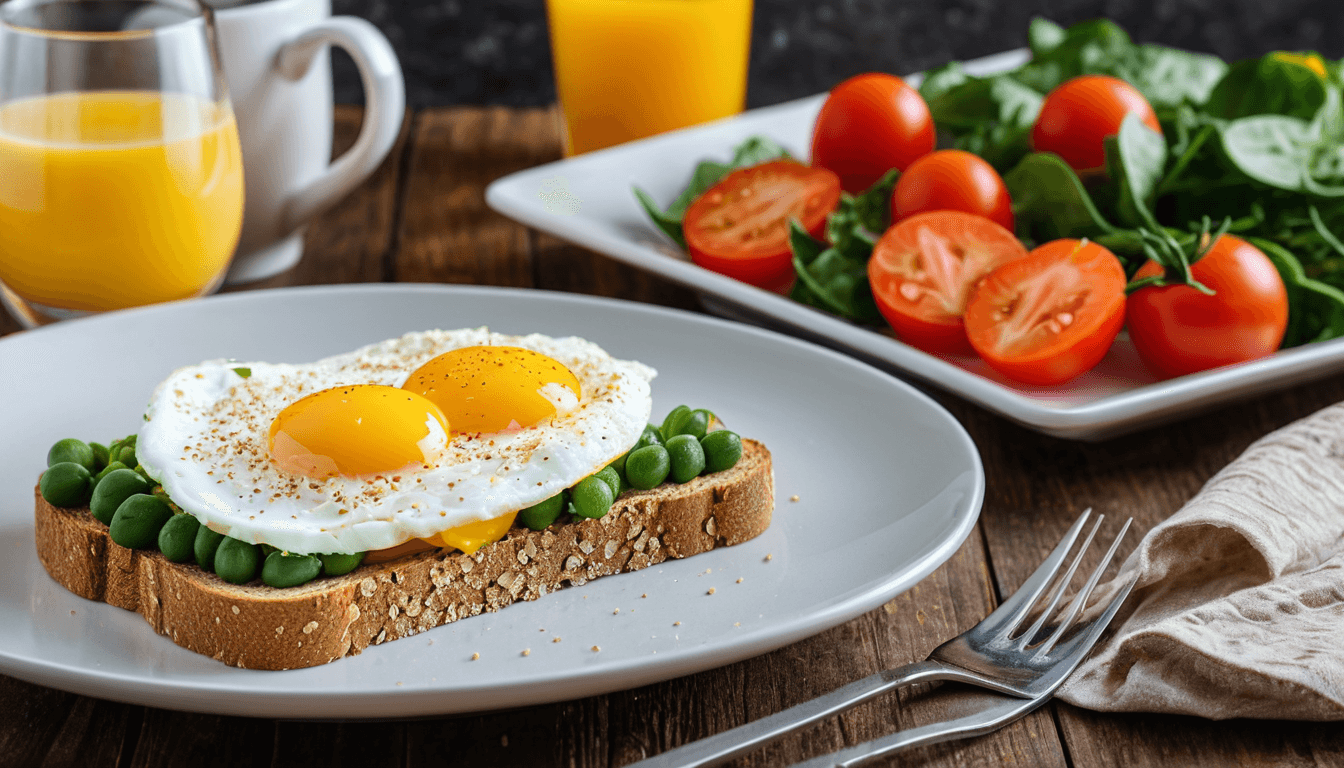
Steel-Cut Oats with Nuts & Cinnamon
Low GI breakfast with fiber and protein for steady glucose
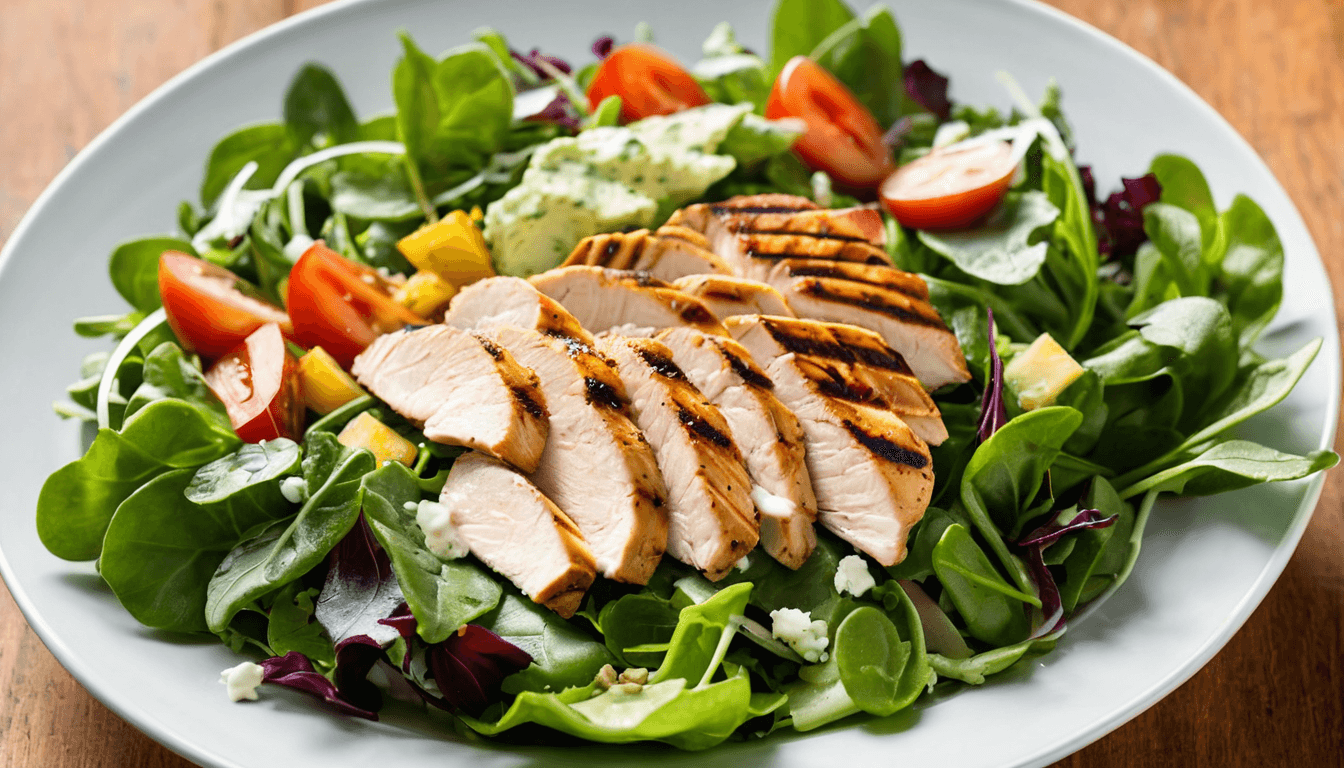
Grilled Chicken & Vegetable Salad
Low-carb lunch rich in lean protein and non-starchy vegetables
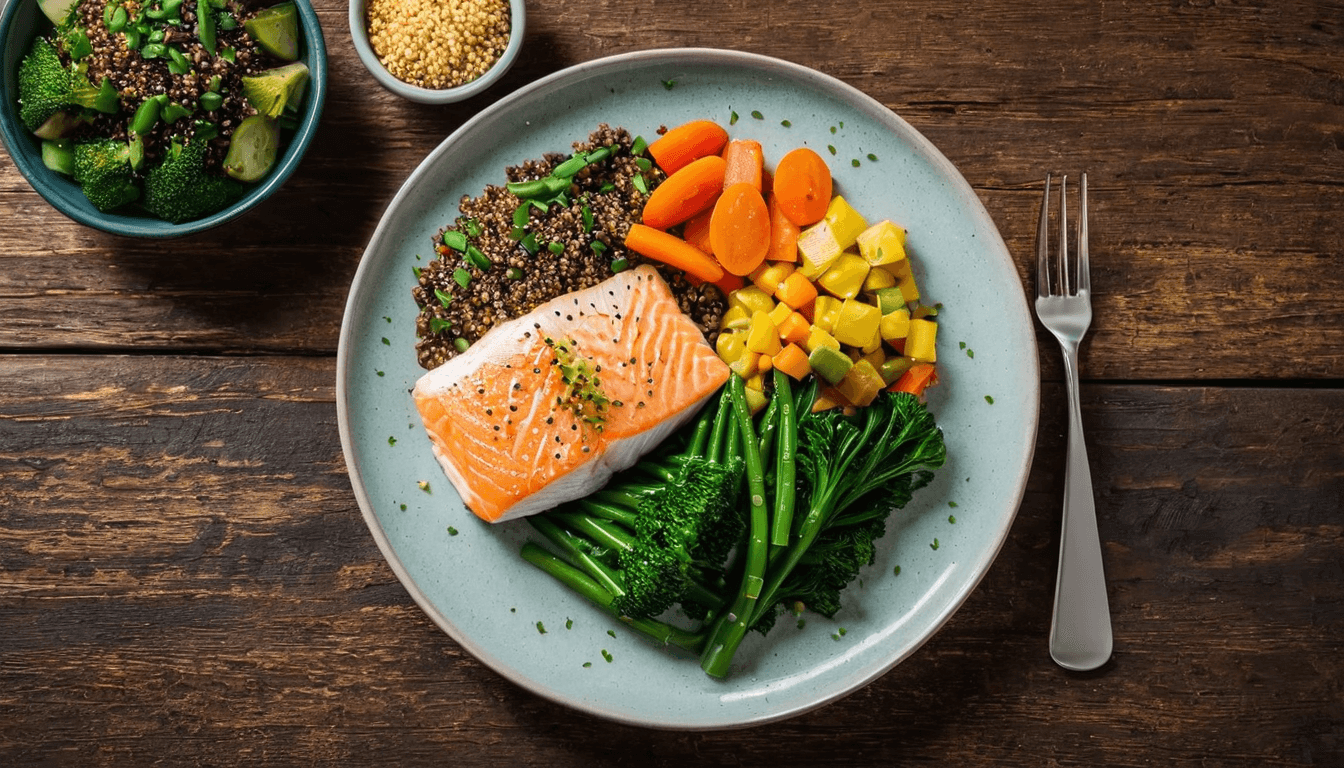
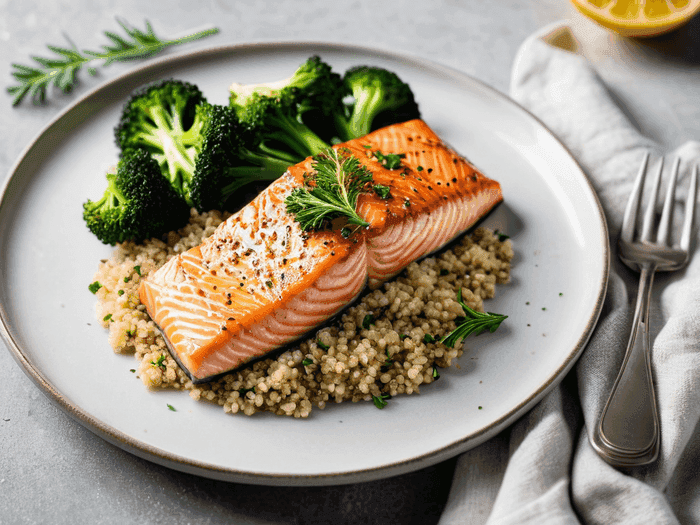
Baked Cod with Quinoa & Broccoli
Balanced dinner with complex carbs and heart-healthy protein
Frequently Asked Questions
Can I manage gestational diabetes with a diabetes-friendly diet while pregnant?
Yes. Diet is the first-line treatment for gestational diabetes, and roughly 70 to 85% of women control it with food alone. Aim for 175g of carbs daily spread across 3 meals and 2 to 3 snacks, never letting more than 4 hours pass between eating. Prioritize low-glycemic carbs like lentils (15g net carbs per 100g cooked per USDA), berries, and steel-cut oats. Pair every carb with protein and fat to blunt the glucose response. Breakfast is often the hardest meal; many women need to limit it to 15 to 30g of carbs. Monitor fasting and post-meal glucose per your OB-GYN's targets. Always coordinate with your obstetrician and a certified diabetes educator.
Can I follow a diabetes diet while breastfeeding?
Breastfeeding with diabetes is generally protective: it tends to lower insulin needs and improves glucose control. Caloric needs rise by roughly 500 kcal per day, which should come from nutrient-dense sources rather than refined carbs. Include complex carbs like quinoa (21g carbs per 100g cooked per USDA), full-fat Greek yogurt (10g protein per 100g per USDA), eggs, salmon, and leafy greens. Hypoglycemia risk rises during and after nursing sessions, so many women need a protein-carb snack nearby. If you take insulin, your endocrinologist may need to reduce doses by 10 to 25%. Hydration is critical, 3+ liters daily. Talk to your diabetes care team before major changes.
How do I manage diabetes on a $50 weekly grocery budget?
A diabetes-friendly diet on $50 a week is realistic if you lean on dried legumes, eggs, frozen vegetables, and affordable whole grains. A typical week: 2 lb dried lentils and beans ($4), 1 dozen eggs ($4, 6g protein each per USDA), 1 lb frozen chicken thighs ($4), 2 cans tuna ($4), 1 lb steel-cut oats ($4), 5 lb frozen vegetables ($10), 1 lb cabbage and 1 lb carrots ($3), onions and garlic ($3), olive oil ($6), seasonal apples and berries ($8). That yields roughly 21 meals with stable blood-sugar impact. Skip sugar-sweetened beverages, pre-packaged diabetic foods, and white bread. Batch-cook twice weekly to stretch servings.
How do I meal prep diabetes-friendly food for one person?
For single-person diabetes prep, build a 3-day rotating set rather than a full week, since fresh vegetables lose quality. Each prep session: cook one protein batch (4 chicken breasts or 6 boiled eggs), one whole grain (1 cup dry quinoa or steel-cut oats), and roast one tray of non-starchy vegetables. Portion into 3-compartment containers, each with 15 to 30g carbs, 25 to 35g protein, and 10 to 15g fat. Keep frozen berries (7g net carbs per 100g per USDA) and canned tuna as emergency meals. Pre-portion snacks like almonds into 1oz bags to avoid overeating. Total prep time is around 60 to 90 minutes twice per week.
Can I follow this diet if I have type 1 diabetes?
A diabetes-friendly eating pattern works for type 1 as well, though the focus shifts from weight or A1C alone to consistent, predictable meals that match insulin dosing. Count carbs precisely (a food scale helps, since a 'medium' apple ranges from 15 to 30g carbs in real measurements). Pair carbs with protein and fat, which slows absorption and reduces post-meal spikes by 30 to 60 minutes. Avoid ultra-low-carb approaches without endocrinology supervision, since they affect insulin-to-carb ratios significantly. A CGM (continuous glucose monitor) plus this eating pattern typically improves time-in-range by 10 to 20%. Coordinate dose adjustments with your diabetes care team.
How does a diabetes diet interact with Ozempic or other GLP-1 medications?
GLP-1 medications like Ozempic, Wegovy, Mounjaro, and Trulicity slow gastric emptying and reduce appetite, which stacks well with a diabetes-friendly diet but can cause hypoglycemia if you also take insulin or sulfonylureas. Common issues include nausea with large or fatty meals, so smaller portions of 400 to 500 kcal tend to be better tolerated. Keep protein high, around 1.2 to 1.6g per kg of body weight, because GLP-1 users lose more lean mass when protein is inadequate. Fiber from vegetables (broccoli provides 2.6g per 100g per USDA) helps with constipation, a common side effect. Work with your prescriber to titrate insulin and oral diabetes medications downward as needed.
Is a diabetes-friendly diet compatible with hypertension?
Yes, diabetes and hypertension eating patterns overlap significantly. Both benefit from reducing added sugar and refined carbs, increasing fiber to 25 to 35g daily, limiting sodium to under 2,300mg daily, and emphasizing potassium-rich foods like leafy greens, beans, and sweet potatoes (337mg potassium per 100g per USDA). The DASH diet principles apply cleanly: 4 to 5 servings of vegetables, 4 to 5 servings of fruit, 2 to 3 servings of low-fat dairy, and lean protein. Avoid processed meats, canned soups, and restaurant foods high in sodium. Blood-pressure improvements typically show within 2 to 4 weeks of consistent eating. Coordinate medication adjustments with your prescribing doctor.
Can this diet help with chronic kidney disease and diabetes together?
Diabetic kidney disease requires modifications to a standard diabetes diet. Protein is typically limited to 0.6 to 0.8g per kg of body weight (lower than the diabetes default), potassium may need restricting (avoiding bananas, potatoes, oranges), and phosphorus is watched (limiting dairy, nuts, whole grains). Sodium stays under 2,000mg. Carbs remain moderate and low-glycemic. This is the most restrictive combination and absolutely requires a renal dietitian's input. Do not self-design this diet. Get eGFR, urine albumin, potassium, and phosphorus labs every 3 months. Some phosphate binders and SGLT2 inhibitors may also interact with dietary plans.
How do I handle holidays and parties with diabetes?
Holiday eating with diabetes works if you plan three things in advance. First, eat a protein-plus-fiber meal 90 minutes before the event (Greek yogurt with nuts, or eggs with avocado) so you are not hungry on arrival. Second, survey the whole spread before plating and pick one intentional carb, such as a small portion of your favorite dessert or one bread roll, instead of grazing on every carb available. Third, walk 15 to 20 minutes after eating to blunt the glucose spike by roughly 20 to 30%. If on insulin, plan bolus timing around the actual carb count, not a guess. Hydration with water between drinks also helps.
How do I track A1C improvements from diet alone?
A1C reflects average blood glucose over the previous 8 to 12 weeks, so wait at least 3 months between tests for dietary changes to show up. Typical A1C reductions from sustained dietary improvement range from 0.5 to 1.5 points. For faster feedback, use a continuous glucose monitor (CGM) or check fasting glucose 2 to 3 mornings per week. Target fasting glucose under 130 mg/dL and post-meal (2-hour) readings under 180 mg/dL per most diabetes guidelines. Track meals alongside glucose for the first month to identify personal trigger foods. Some people react strongly to oatmeal or bananas despite their reputation as healthy. Individual response varies.
What about thyroid conditions alongside diabetes?
Hypothyroidism is common in type 1 diabetes (roughly 15 to 30% prevalence) and somewhat common in type 2. A diabetes-friendly diet works alongside thyroid treatment with a few notes: take levothyroxine on an empty stomach and wait 30 to 60 minutes before eating, since food (especially high-fiber or calcium-rich) reduces absorption. Soy, coffee, and calcium supplements separate from the medication by at least 4 hours. Selenium-rich foods like Brazil nuts (1 to 2 per day) and iodine from eggs, fish, and dairy support thyroid function. Watch for weight-loss plateaus since untreated or undertreated hypothyroidism slows metabolic rate. Monitor TSH every 6 months alongside A1C.
How does diabetes management intersect with IBS?
Managing both IBS and diabetes is tricky because many IBS-safe foods (white rice, plain toast) spike blood sugar, while many low-GI foods (legumes, raw vegetables, onions, garlic) are high-FODMAP and trigger IBS. A workable compromise is low-FODMAP Mediterranean-style eating: lactose-free Greek yogurt, firm tofu, quinoa (17g carbs per 100g cooked per USDA), salmon, eggs, spinach, zucchini, bell peppers, and strawberries. Use garlic-infused olive oil instead of fresh garlic, and rinse canned legumes thoroughly. Start with a strict 4-week elimination, then reintroduce. A registered dietitian familiar with both conditions is worth the cost. Symptom and glucose tracking together help identify personal triggers.
Can I eat at restaurants with diabetes?
Yes, and most restaurant menus can be adapted. Default strategy: lean protein (grilled fish, chicken, or steak), double the non-starchy vegetables, skip or halve the starch, dressings on the side. Steakhouses, Mediterranean, Mexican (without rice and tortillas), and Asian (avoiding sweet sauces) all work. Beware of hidden sugars in teriyaki, BBQ, sweet chili, and glazed dishes (often 15 to 30g of added sugar per entree). Cream-based soups and bread baskets add 30 to 60g of rapid carbs before the main course. Alcohol with food is generally okay in moderation but can cause delayed hypoglycemia if you take insulin. Test glucose 2 hours after the meal to learn restaurant patterns.
How do I batch cook diabetes-friendly meals for a family of four?
Plan three weekly anchor meals for a family of four: one slow-cooked lean protein (chicken thighs, turkey chili, or pot roast), one bean-based dish (lentil soup or bean stew), and one fish dinner (salmon traybake). Always prep a large batch of roasted non-starchy vegetables and one whole grain (brown rice, quinoa, or barley). Per USDA reference, 100g cooked chicken breast provides 31g protein, so 500g cooked covers protein needs for four adults. Portion each dinner with consistent 30 to 45g carbs. Keep frozen berries and plain Greek yogurt for dessert. A 2.5-hour Sunday prep session produces 12 family dinners. Freeze half for weeks 3 and 4.
Diabetes diet vs keto for blood-sugar control: which is better?
Both approaches improve glycemic control, but they suit different people. A balanced diabetes-friendly diet (45 to 60g carbs per meal from whole foods) is more sustainable long-term, easier socially, and safer for people on insulin. Strict keto (under 30g net carbs daily) produces faster A1C drops, often 1 to 1.5 points in 6 months, but requires close medication monitoring and has higher dropout rates. Type 2 patients without complex medication regimens may benefit from keto for 3 to 6 months, then transition to a moderate low-carb diet. Type 1 patients should rarely start keto without endocrinologist supervision. Neither diet cures diabetes; both manage it.
When is a diabetes-friendly diet NOT enough?
Diet alone is often insufficient when A1C remains above 8.5%, when fasting glucose regularly exceeds 180 mg/dL despite consistent eating, when type 2 has progressed to significant beta-cell dysfunction, or when you have type 1 (which always requires insulin). Diet also falls short if stress, sleep deprivation, or chronic infections drive high cortisol and glucose independently of food. In all these cases, medications like metformin, SGLT2 inhibitors, or GLP-1 agonists work alongside diet rather than replacing it. If diet improvements over 3 months do not move your A1C, talk to your doctor about adding or adjusting medication. Avoiding medication when you need it increases long-term complication risk.
Do I need supplements if I have diabetes?
Most people with diabetes benefit from a basic supplement routine. Vitamin D is frequently low and supports insulin sensitivity; 1,000 to 2,000 IU daily is common. Magnesium (300 to 400mg daily) supports glucose metabolism and is often depleted by metformin over time. Vitamin B12 also drops with long-term metformin use, so 500 to 1,000mcg daily is reasonable. Omega-3 from 2 to 3 servings of fatty fish weekly (or 1g daily supplement) supports cardiovascular health. Skip cinnamon, chromium, and berberine unless your doctor agrees, since evidence is mixed and some interact with medications. Always disclose supplements to your diabetes care team.
Are artificial sweeteners safe for diabetes?
Most non-nutritive sweeteners (stevia, sucralose, aspartame, monk fruit, allulose) do not raise blood glucose in the short term and are considered safe by the FDA at typical intakes. However, recent research suggests some sweeteners (particularly sucralose and saccharin) may alter gut microbiota and insulin response in susceptible individuals over time. Allulose and monk fruit have the cleanest profiles and do not raise glucose or insulin. Practical approach: use sweeteners as a bridge away from sugar rather than a permanent crutch, and aim to reduce overall sweet-taste preference over 6 to 12 months. If glucose response is unpredictable, test individual sweeteners with a glucose meter or CGM.
Will I lose muscle on a diabetes diet?
Muscle loss is not inherent to a diabetes-friendly diet, but it becomes a risk if protein is too low or if you lose weight rapidly without resistance training. Target 1.2 to 1.6g protein per kg of body weight daily, distributed across 3 to 4 meals. For a 75kg person, that is roughly 90 to 120g of protein, achievable with eggs at breakfast, Greek yogurt or chicken at lunch, and fish or lean meat at dinner. Resistance training at least twice a week preserves lean mass while weight drops. Older adults with diabetes need slightly more protein, closer to 1.5 to 1.8g per kg, because muscle protein synthesis efficiency declines with age. Monitor grip strength and waist-to-hip ratio rather than just scale weight.
Is a diabetes diet sustainable long-term?
Yes, because a well-designed diabetes diet is not restrictive in the traditional sense. It is closer to a standard healthy eating pattern with attention to carb timing and quality. Most people maintain it for years, particularly once glucose readings visibly respond to food choices, which creates tight feedback loops. Sustainability improves when you build a rotation of 15 to 20 reliable meals rather than trying for endless variety. Social eating, travel, and holidays are workable with the strategies covered above. The diet does not require perfection: 80% adherence over years beats 100% adherence for 3 months followed by abandonment. Partnering with a certified diabetes educator for the first 6 months helps long-term success.
Explore Related Resources
Discover more tools and guides for your nutrition journey