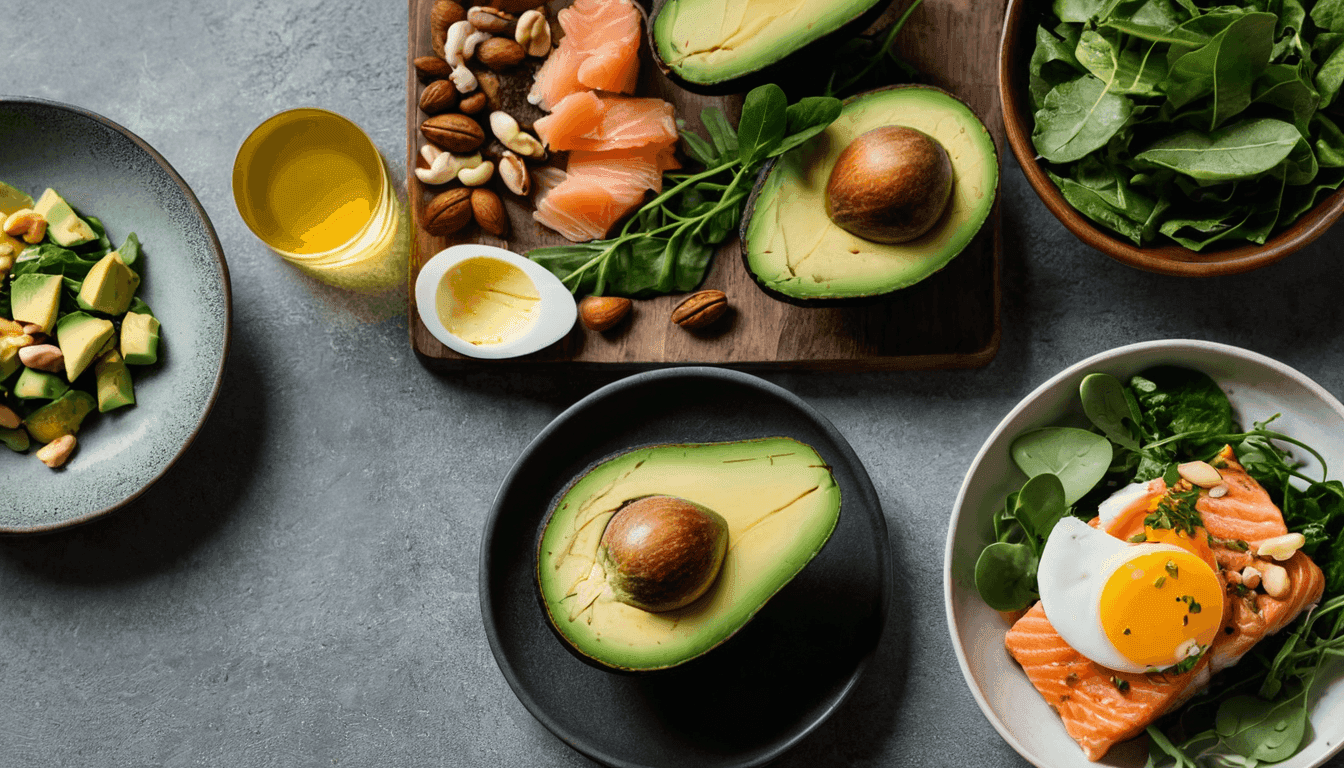
How Our AI Agent Helps You
Advanced AI technology that understands ketogenic nutrition principles for optimal fat adaptation, enhanced mental clarity, and sustained energy levels. Our personalized keto meal planning system monitors macros, ketone levels, and metabolic markers to ensure you stay in ketosis while enjoying delicious, satisfying meals.
Smart Macro Tracking
AI precisely calculates and balances your macros to maintain ketosis and optimize fat burning
Ketone Optimization
Automatically selects foods and meal timing to maximize ketone production and metabolic benefits
Carb Minimization
Ensures all meals stay within your daily carb limits while maximizing nutrition and satisfaction
Fat Adaptation Support
Tracks your progress and adjusts meal recommendations to support your body's adaptation to burning fat for fuel
Why Choose AI for Keto Diet?
Experience faster ketosis and better results with scientifically-backed nutrition
Faster entry into ketosis and sustained fat burning
Precise macro tracking for optimal ketone production
Reduced keto flu symptoms and side effects
Improved mental clarity and energy levels
Simplified meal planning with keto-approved foods
Sample Keto-Friendly Meals
AI-generated low-carb meal ideas for optimal ketosis and fat burning
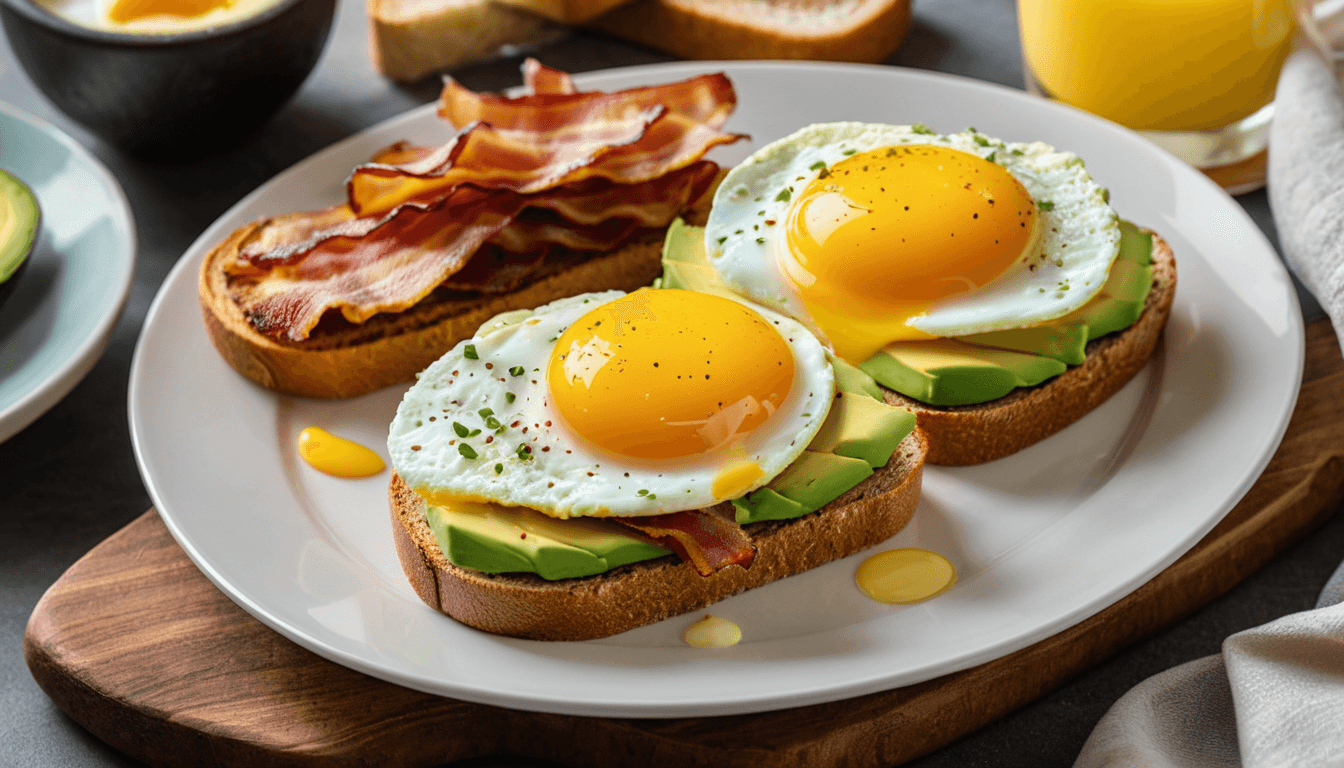
Avocado & Bacon Omelet
High-fat breakfast with minimal carbs for sustained ketosis
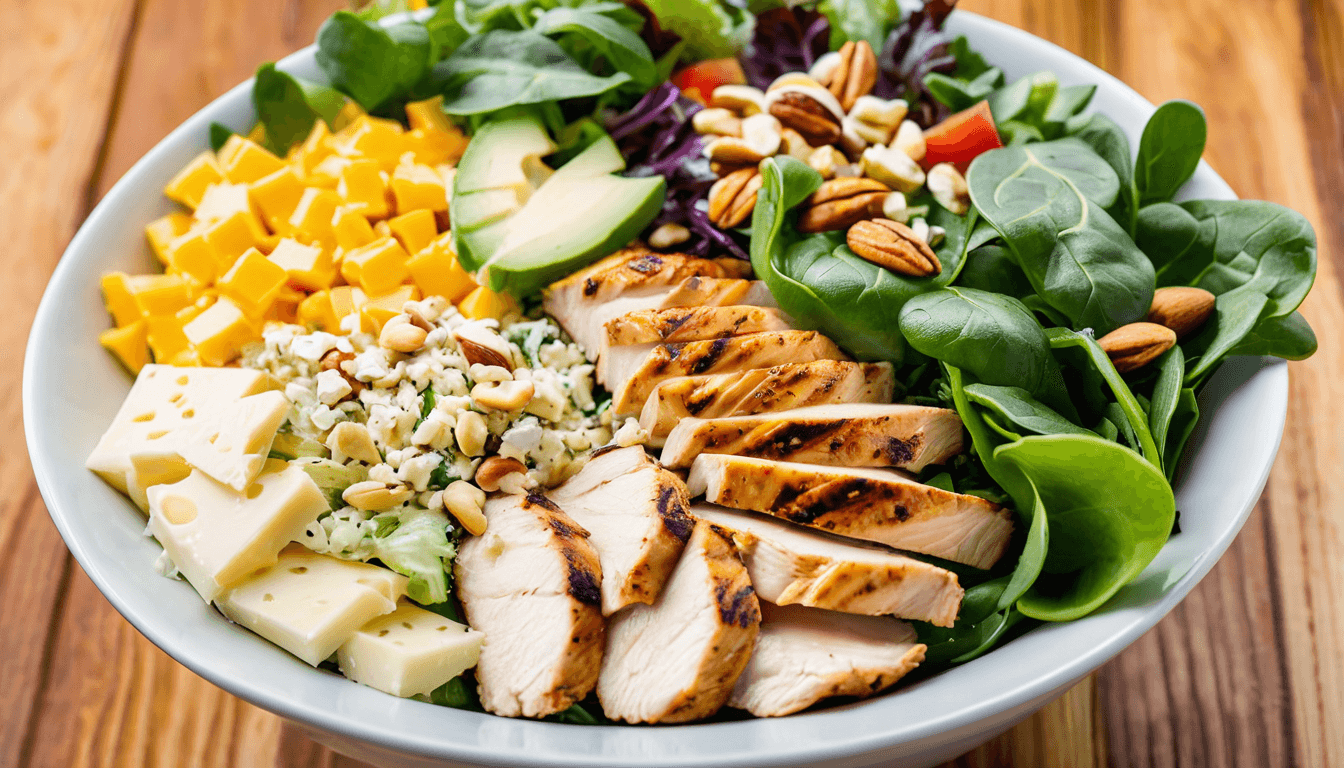
Grilled Salmon with Asparagus
Omega-3 rich lunch with healthy fats and low-carb vegetables
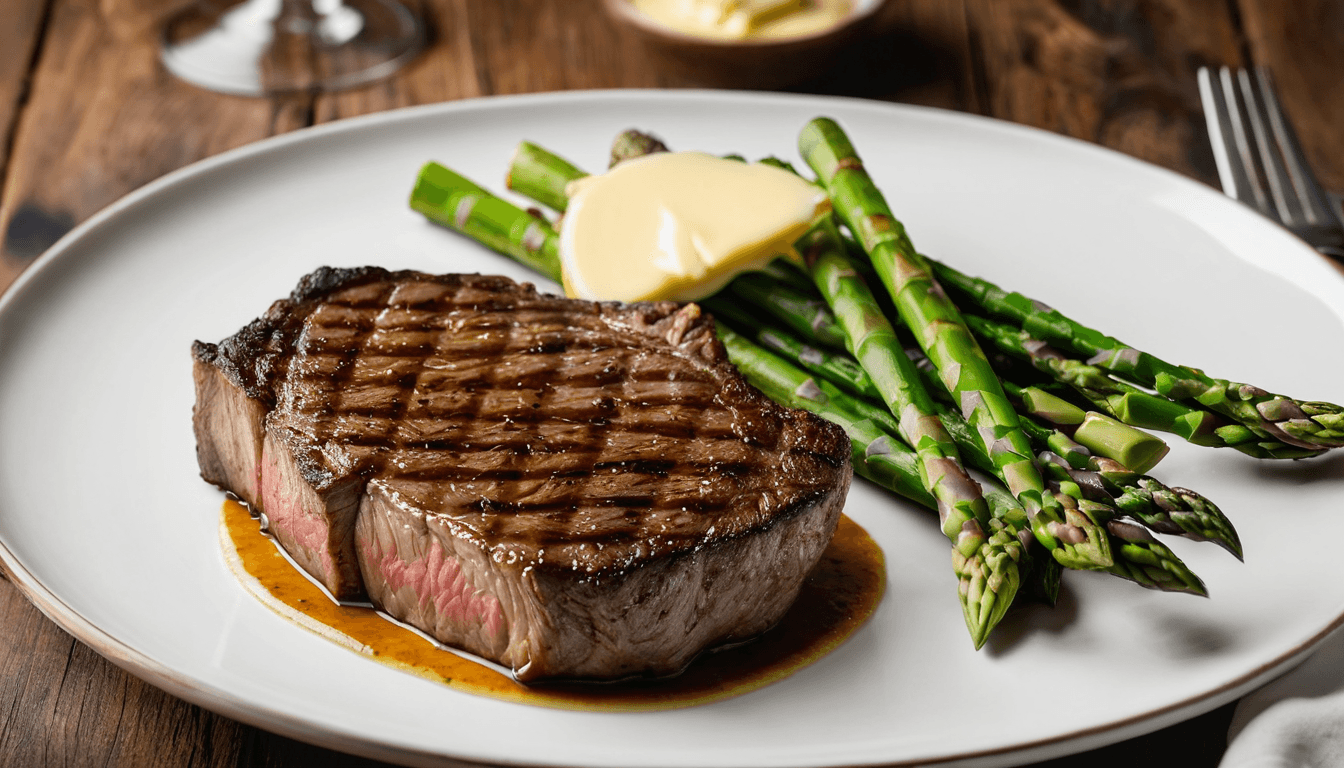
Ribeye Steak with Cauliflower Mash
Satisfying dinner with high-quality fats and protein
Frequently Asked Questions
What is the keto diet and how does it work?
The ketogenic (keto) diet is a high-fat, low-carbohydrate eating plan that shifts your body into a metabolic state called ketosis. In ketosis, your body burns fat for fuel instead of carbohydrates. Typically, the diet consists of about 70-75% fat, 20-25% protein, and only 5-10% carbohydrates, which usually means consuming fewer than 50 grams of net carbs per day.
How long does it take to enter ketosis?
Most people enter ketosis within 2 to 7 days of consistently following a strict keto diet. However, the exact timeline varies depending on factors like your metabolism, activity level, carb intake, and body composition. You can verify ketosis using urine test strips, blood ketone meters, or by recognizing signs like decreased appetite and increased energy.
What is the keto flu and how can I avoid it?
The keto flu refers to a collection of symptoms that some people experience during the first 1-2 weeks of starting keto, including headaches, fatigue, nausea, dizziness, and irritability. These symptoms are caused by your body adapting to burning fat instead of carbs. You can minimize keto flu by staying well-hydrated, supplementing electrolytes (sodium, potassium, magnesium), getting adequate sleep, and gradually reducing carbs rather than cutting them all at once.
What foods can I eat on a keto diet?
Keto-friendly foods include meats (beef, chicken, pork, fish), eggs, high-fat dairy (butter, cheese, cream), nuts and seeds, healthy oils (olive oil, coconut oil, avocado oil), avocados, and low-carb vegetables like spinach, broccoli, cauliflower, and zucchini. You should avoid grains, sugar, most fruits, starchy vegetables, legumes, and processed foods high in carbs.
What are the right macros for a keto diet?
Standard keto macros are approximately 70-75% of calories from fat, 20-25% from protein, and 5-10% from carbohydrates. For a 2,000-calorie diet, this translates to roughly 155-165g fat, 100-125g protein, and 25-50g net carbs per day. However, optimal macros vary by individual based on goals, activity level, and body composition.
Can I exercise on a keto diet?
Yes, you can exercise on keto, though you may notice reduced performance during the first few weeks as your body adapts. Once fully keto-adapted (usually 4-6 weeks), many people report improved endurance for low-to-moderate intensity exercise. For high-intensity activities, some athletes use a targeted keto approach where they consume small amounts of carbs around workouts.
What is the difference between keto and low-carb diets?
While both reduce carbohydrate intake, keto is more restrictive. A standard low-carb diet typically allows 50-150g of carbs per day, while keto limits carbs to under 50g (often 20-30g). The key difference is that keto specifically aims to induce ketosis, where your body uses fat as its primary fuel source, whereas a general low-carb diet may not reach this metabolic state.
Is the keto diet safe long-term?
Research on long-term keto is still evolving. Many people follow keto safely for months to years, but it is important to ensure nutritional adequacy. Potential concerns include nutrient deficiencies, kidney stress, and changes in cholesterol levels. Some people cycle in and out of keto or transition to a less restrictive low-carb diet. Consulting a healthcare provider is recommended, especially if you have pre-existing health conditions.
How effective is keto for weight loss?
Keto can be very effective for weight loss. The diet naturally reduces appetite due to ketosis and higher fat/protein intake, leading to a calorie deficit without conscious calorie counting. Studies show that keto dieters often lose more weight in the first 3-6 months compared to low-fat diets. Initial rapid weight loss is partly water weight as glycogen stores deplete, followed by steady fat loss.
Can I combine intermittent fasting with keto?
Yes, combining intermittent fasting (IF) with keto is a popular and effective approach. Since keto already suppresses appetite, many people naturally eat fewer meals. Common combinations include 16:8 fasting (eating within an 8-hour window) or OMAD (one meal a day). This combination can accelerate ketosis, improve insulin sensitivity, and enhance fat burning. Start with keto first, then gradually introduce IF once you are fat-adapted.
Can I follow a keto diet while breastfeeding?
Breastfeeding raises caloric needs by roughly 450 to 500 kcal per day, and some mothers tolerate a modified keto well while others see a drop in milk supply if carbs go too low. A safer starting point is 50 to 75g net carbs daily rather than the standard under 30g, with heavy hydration and electrolytes. Prioritize nutrient-dense foods like eggs (13g protein per 100g per USDA), salmon (20g protein, 13g fat per 100g per USDA), and avocado (9g fiber, 2g net carbs per 100g per USDA). Talk to your doctor or a lactation consultant before starting, since milk supply and infant growth need monitoring.
Is keto safe during pregnancy?
Standard keto is not generally recommended during pregnancy. Fetal development relies on glucose, and strict carb restriction has not been adequately studied for maternal or infant outcomes. Most obstetricians advise a moderate low-carb approach if blood-sugar control is needed, typically 100 to 150g carbs per day from whole-food sources like berries, Greek yogurt, and non-starchy vegetables. Ketones crossing into fetal circulation in meaningful amounts is a theoretical concern that has not been fully resolved. Any dietary change during pregnancy should be cleared with your OB-GYN, especially if you have gestational diabetes or a history of complications.
How do I do keto on a $50 weekly grocery budget?
Keto on $50 per week is achievable if you shift away from premium items like grass-fed beef and macadamia nuts. Build meals around eggs (roughly $0.25 each, 6g protein per egg per USDA), whole chicken thighs, frozen ground beef, canned sardines, frozen spinach and broccoli, and store-brand cheese. Use cheaper fats: butter, lard, and generic olive oil instead of avocado oil. Skip pre-packaged keto snacks. A typical week might cost: 2 dozen eggs ($6), 3 lb chicken thighs ($9), 2 lb ground beef ($12), 5 lb frozen vegetables ($10), cheese and butter ($8), olive oil and spices ($5). You get roughly 20 meals for $50.
How do I meal prep keto for one person without waste?
Single-person keto prep works best with a rotating 3-meal batch rather than 7 identical servings. Cook one protein (6 chicken thighs), one egg-based meal (6 muffin-tin frittatas), and one large roasted vegetable tray every 3 to 4 days. Portion into 3-compartment containers so nothing gets freezer-burned. Keep a jar of boiled eggs (6g protein each per USDA) in the fridge as a backup. Buy proteins in family packs, then freeze half raw for the following week. Fats like butter, olive oil, and hard cheese store for weeks, so buy those in larger quantities. Total prep time runs 90 minutes twice a week.
Can I follow keto with type 2 diabetes?
Keto can significantly lower HbA1c and fasting glucose in many people with type 2 diabetes, and several clinical studies show reductions of 1 to 1.5 points within 6 months. However, if you take insulin, sulfonylureas, or SGLT2 inhibitors, carb restriction can cause dangerous lows or diabetic ketoacidosis without medication adjustment. Never start keto on these medications without your endocrinologist actively titrating doses, often in the first 48 hours. Focus on non-starchy vegetables, fatty fish (salmon provides 20g protein per 100g per USDA), and whole-food fats rather than processed low-carb products. Monitor glucose frequently the first two weeks.
Does keto work for athletes and endurance training?
Keto supports low-to-moderate intensity endurance work reasonably well once you are 4 to 6 weeks fat-adapted, since fat stores provide far more sustained fuel than glycogen. For high-intensity efforts above 80% of max heart rate, performance typically drops because glycolysis needs carbs. Ultra-endurance athletes often do well on strict keto, while CrossFit, sprint, and team-sport athletes usually perform better on a targeted keto approach: 15 to 30g of fast carbs 30 minutes before hard sessions. Track performance markers like power output and time to exhaustion rather than just scale weight during the adaptation period.
How does keto interact with Ozempic or Wegovy?
GLP-1 medications like Ozempic and Wegovy already suppress appetite and slow gastric emptying, which can stack with keto's appetite-reducing effect and lead to very low caloric intake, fatigue, and muscle loss. Many users on both report forgetting to eat for most of the day. Set a minimum calorie floor (usually 1,400 to 1,600 kcal for women, 1,800 to 2,000 for men) and prioritize protein, around 1.6g per kg of target body weight, from eggs, fish, and lean meat. Hydration and electrolytes need extra attention. Coordinate with your prescribing doctor before combining these approaches.
Is keto appropriate if I have kidney disease?
Keto is generally not recommended for chronic kidney disease stage 3 or higher. The standard version pushes protein above 1.2g per kg of body weight and increases acid load, both of which can stress filtration. For mild kidney concerns, a modified version with moderate protein (around 0.8g per kg), emphasis on plant fats, and strict hydration may be tolerable. Creatinine, eGFR, and urine protein should be checked every 3 months. If you have diabetic nephropathy or take ACE inhibitors, do not start keto without your nephrologist reviewing labs first. Kidney stones also become more common on keto due to higher urinary oxalate and lower citrate.
Can keto help with PCOS symptoms?
Keto often improves PCOS outcomes because the underlying driver is insulin resistance, and carb restriction directly lowers circulating insulin. Studies report improved menstrual regularity, reduced testosterone, and modest weight loss in women with PCOS after 12 to 24 weeks of keto. Include adequate fiber from low-carb vegetables like broccoli (2.6g fiber per 100g per USDA) and flaxseeds, since gut health affects estrogen metabolism. Some women experience changes in cycle length during the first 2 months as hormones rebalance. If you are trying to conceive, a less restrictive low-carb approach (75 to 100g carbs) may be preferable.
Do I need supplements on keto?
Most people benefit from electrolyte support on keto because low insulin causes the kidneys to excrete more sodium, potassium, and magnesium. A typical baseline is 3 to 5g sodium, 3 to 4g potassium, and 300 to 400mg magnesium daily from food plus supplements. Beyond electrolytes, watch for vitamin C (easily covered by bell peppers, which provide 128mg per 100g per USDA), folate, and fiber. If you eliminate dairy, add a calcium source. Omega-3 intake usually rises naturally through fish and eggs. A plain multivitamin and magnesium glycinate at bedtime cover most gaps. Get bloodwork every 6 months to check lipids and micronutrients.
How do I eat keto at restaurants and when traveling?
Most restaurants accommodate keto easily once you know the pattern: swap the carb side for double vegetables, skip bread and bun, and ask for sauces on the side. Steakhouses, Mexican (fajitas without tortillas), Greek (gyro bowls), and breakfast diners (eggs, bacon, avocado) are the easiest. Avoid sushi rice, teriyaki sauces (sugar-based), and most Asian noodle dishes. When traveling, keep shelf-stable options handy: jerky, string cheese, mixed nuts, and pork rinds. Airport keto staples include Starbucks egg bites, premade charcuterie, and salads with chicken plus olive oil. Skip sauces labeled sweet, glazed, or breaded.
How do I batch cook keto freezer meals for a family of four?
Plan three base proteins per week for a family of four: one big beef dish (chili without beans, meatloaf), one chicken tray (roasted thighs or baked casserole), and one fish or egg bake. Each base should yield 8 portions, frozen in family-size foil pans. Add frozen riced cauliflower and pre-washed greens for sides. Per USDA reference, 100g of cooked ground beef provides about 26g of protein, so 700g of cooked ground beef gives enough protein for four adults across two meals. A typical 3-hour Sunday prep produces 12 family dinners. Label every container with cooking instructions and date so anyone in the house can reheat.
Keto vs intermittent fasting: which should I try first?
If your primary goal is stabilizing blood sugar or cravings, start keto first because it addresses the metabolic pattern directly. If your goal is simplicity or calorie reduction without food rules, start with 16:8 intermittent fasting because it requires no food changes. Keto is more effective for type 2 diabetes and epilepsy; intermittent fasting has stronger evidence for autophagy and longevity markers. Many people eventually combine them, but introducing both at once often causes severe fatigue and electrolyte imbalance during week 1. Pick one, run it for 4 to 6 weeks, then decide if you want to layer the other.
When is keto NOT the right choice?
Keto is usually a poor fit for competitive endurance athletes needing explosive performance, people with a history of eating disorders (the rigid rules can trigger restriction cycles), pregnant or breastfeeding women without medical supervision, those with certain liver conditions or pancreatitis, people on medications that require carbs (such as some insulin regimens without adjustment), and anyone unwilling to prep most meals at home. If you eat out frequently, travel constantly, or thrive on fruit-heavy meals, a moderate low-carb or Mediterranean approach tends to be more sustainable. Dietary restriction only works when it fits your actual life.
Will I lose muscle on keto?
You can preserve muscle on keto if protein intake stays adequate, roughly 1.6 to 2.2g per kg of target body weight, and you do resistance training at least twice a week. Early water and glycogen loss can look like muscle loss on the scale but is not. The risk of actual muscle loss rises if calories drop too low (below 1,200 for women, 1,500 for men) or if you rely too heavily on fat and skip protein-dense foods. A 150-pound person needs roughly 110 to 135g of protein daily, which is achievable through 4 eggs at breakfast, 150g salmon at lunch (30g protein per USDA), and 170g beef at dinner.
Can I have cheat days on keto?
Cheat days usually set keto progress back by 3 to 7 days because they refill liver and muscle glycogen, and it takes that long to return to ketosis. Occasional single cheat meals tend to be less disruptive than full cheat days. If you want flexibility, consider a cyclical approach: 5 to 6 days strict keto followed by 1 day of targeted higher carbs, mainly around workouts. For social events, a lower-carb compromise (ordering a burger without bun plus salad) keeps you in ketosis without the all-or-nothing mindset. Frequent cheat days (more than once a week) typically prevent full fat adaptation.
Is keto sustainable long-term or just a phase?
Long-term sustainability varies widely. Some people follow strict keto for years with no issues; others find it socially restrictive after 6 to 12 months and transition to a low-carb diet (50 to 100g carbs daily). Common reasons people stop include travel difficulty, social eating, and boredom with food variety. A sustainable version usually includes: 1 or 2 planned higher-carb meals per week, seasonal whole foods rather than processed keto products, and flexibility around holidays. If you find yourself dreading meals or obsessing over macros, that is a signal to loosen into a broader low-carb framework rather than quit entirely.
How do I fix a keto plateau after 2 months?
Plateaus after 6 to 8 weeks are normal as water weight stabilizes and your body adjusts. Before changing anything drastic, verify actual intake for one week by weighing food, since hidden carbs in sauces, dairy, and nuts often creep in (almonds contain 9g net carbs per 100g per USDA). Common fixes include: tightening carbs to under 20g net, adding resistance training twice a week, trying a 16:8 fasting window, cutting artificial sweeteners for 2 weeks (they can raise insulin in some people), and improving sleep. Check measurements and progress photos rather than just the scale, since body recomposition often continues even when weight stalls.
Are eggs really okay every day on keto?
Yes, daily egg consumption is well-studied and safe for most people. One large egg provides 6g protein, 5g fat, and less than 1g carbs per USDA reference data, along with choline, vitamin D, and B12. Historical concerns about dietary cholesterol raising blood cholesterol have not held up in recent research for most people. Roughly 25% of people are hyper-responders whose LDL rises meaningfully with high egg intake; a 6-month lipid panel tells you which group you are in. If your LDL climbs significantly, reduce to 2 to 3 eggs daily and add more fish and olive oil. Otherwise, 3 to 4 eggs daily fits keto well.
Explore Related Resources
Discover more tools and guides for your nutrition journey

Low-Carb Diet
A flexible approach to reducing carbohydrate intake
Carnivore Diet
Animal-based nutrition for maximum simplicity
Weight Loss
Strategies for sustainable weight management
Macro Calculator
Calculate your ideal macronutrient ratios
TDEE Calculator
Find your total daily energy expenditure
Sample 3-day keto meal plan
Real foods, USDA-verified macros. No registration required.
Day 1
Day total: 3208 kcalRoasted lamb with bacon and beef sticks and seeds breakfast
Seared beef with turkey and lamb lunch bowl
- Turkey, young hen, roasted80 g
- Butter, light5 g
- Pepperoni, beef and pork20 g
- Beef, New Zealand, brisket navel end, braised80 g
- Lamb, composite of trimmed retail cuts, cooked80 g
Baked fish with pepperoni and wheat germ oil dinner plate
- Fish, mackerel80 g
- Wheat germ oil50 g
- Pepperoni, NFS20 g
Grilled turkey with brazil nuts snack
Day 2
Day total: 3917 kcalScrambled cheese with lamb and bacon breakfast
- Lamb, fresh, cooked80 g
- Butter, light5 g
- Cheese, gruyere50 g
- Bacon, meatless60 g
- Wheat germ oil50 g
Prepared blood sausage with vegetable oil and olive oil lunch bowl
- Blood sausage28 g
- Vegetable oil, NFS60 g
- Olive oil50 g
Grilled turkey with pepperoni and butter dinner plate
Seared beef with seeds snack
Day 3
Day total: 3027 kcalScrambled cheese with fish and coconut oil breakfast
Seared beef with tofu and seeds lunch bowl
Scrambled cheese with tofu and sesame seeds dinner plate
- Cheese, goat50 g
- Coconut oil50 g
- Vegetable dip, regular60 g
- Tofu, fried60 g
- Sesame seeds10 g
Toasted seeds with butter snack
- Seeds, hemp seed20 g
- Butter, light10 g
Shopping list for 3 days
Beef Products
Cereal Grains and Pasta
- Wheat germ oil100 g
Dairy and Egg Products
- Cheese, gruyere100 g
- Cheese, goat50 g
Fats and Oils
- Butter, light25 g
Finfish and Shellfish Products
Fruits and Fruit Juices
- Coconut oil100 g
- Olive oil50 g
Lamb, Veal, and Game Products
Legumes and Legume Products
- Tofu, fried120 g
- Bacon, meatless60 g
- Soybean oil60 g
Nut and Seed Products
- Seeds, hemp seed30 g
- Sesame seeds20 g
- Seeds, flaxseed20 g
- Brazil nuts10 g
Poultry Products
Prepared Foods
- Blood sausage28 g
Sausages and Luncheon Meats
Vegetables and Vegetable Products
Get a personalized 7-day plan with shopping list
This sample shows 3 days. The full version generates 7 days adapted to your weight, activity, and household.
Top keto foods, USDA-ranked
Highest-scoring foods for this diet, ranked by macro fit per USDA FoodData Central data.
Egg, yolk, dried
Dairy and Egg Products662 kcalProtein: 33.9gCarbohydrates: 0.9gTotal fat: 57.3gNuts, walnuts, dried
Nut and Seed Products619 kcalProtein: 24.1gCarbohydrates: 9.6gTotal fat: 59.3gSeeds, sesame seed kernels, dried (decorticated)
Nut and Seed Products631 kcalProtein: 20.5gCarbohydrates: 11.7gTotal fat: 61.2gSesame seeds
Nut and Seed Products631 kcalProtein: 20.5gCarbohydrates: 11.7gTotal fat: 61.2gBacon and beef sticks
Sausages and Luncheon Meats517 kcalProtein: 29.1gCarbohydrates: 0.8gTotal fat: 44.2gSeeds, pumpkin and squash seed kernels, dried
Nut and Seed Products559 kcalProtein: 30.2gCarbohydrates: 10.7gTotal fat: 49.1gSeeds, hemp seed
Nut and Seed Products553 kcalProtein: 31.6gCarbohydrates: 8.7gTotal fat: 48.8gLamb, fresh, cooked
Lamb, Veal, and Game Products538 kcalProtein: 16.9gCarbohydrates: 0gTotal fat: 52.3gBeef, rib, braised
Beef Products471 kcalProtein: 21.6gCarbohydrates: 0gTotal fat: 42gVeal, external fat only, cooked
Lamb, Veal, and Game Products540 kcalProtein: 15.3gCarbohydrates: 0gTotal fat: 53.2gTurkey, young hen, roasted
Poultry Products482 kcalProtein: 19gCarbohydrates: 0gTotal fat: 44.5gPepperoni, beef and pork
Sausages and Luncheon Meats504 kcalProtein: 19.3gCarbohydrates: 1.2gTotal fat: 46.3gBeef, New Zealand, brisket navel end, braised
Beef Products453 kcalProtein: 20.1gCarbohydrates: 0gTotal fat: 41.3gPork, cured, baked
Pork Products548 kcalProtein: 35.7gCarbohydrates: 1.4gTotal fat: 43.3gNuts, brazilnuts, dried
Nut and Seed Products659 kcalProtein: 14.3gCarbohydrates: 11.7gTotal fat: 67.1gLamb, composite of trimmed retail cuts, cooked
Lamb, Veal, and Game Products586 kcalProtein: 12.2gCarbohydrates: 0gTotal fat: 59.2gCheese, goat
Dairy and Egg Products452 kcalProtein: 30.5gCarbohydrates: 2.2gTotal fat: 35.6gImitation cheese
Prepared Foods390 kcalProtein: 25gCarbohydrates: 1gTotal fat: 32gFish, mackerel
Finfish and Shellfish Products305 kcalProtein: 18.5gCarbohydrates: 0gTotal fat: 25.1gButter, light
Fats and Oils499 kcalProtein: 3.3gCarbohydrates: 0gTotal fat: 55.1g