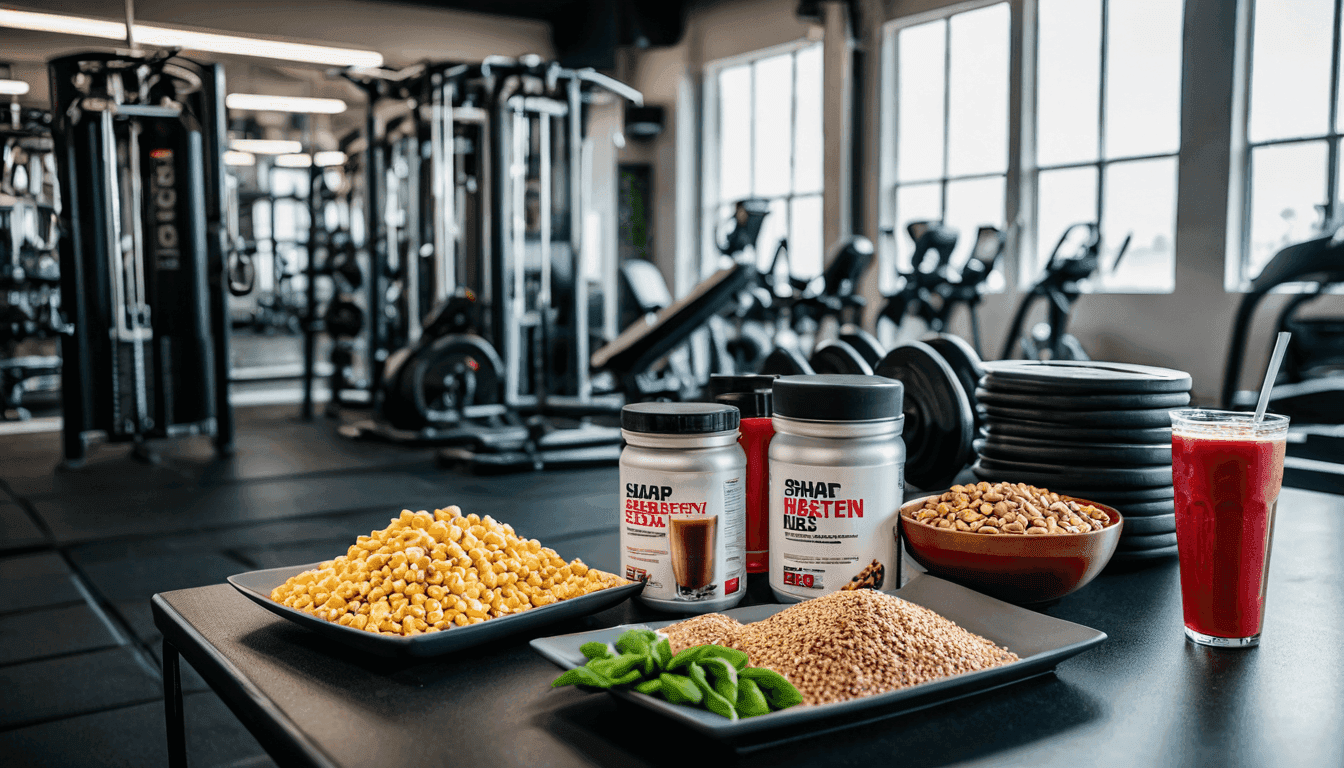
Ich trainiere sechs Tage pro Woche, aber ich erreiche Leistungsplateaus, weil meine Ernährung nicht auf mein spezifisches Sportprofil abgestimmt ist.
AI meal planning · USDA-verified
KI-Sporternährung: makrooptimierte Essenspläne für Athleten
KI-sporternährung für Athleten – automatisierte Essenspläne basierend auf dem Trainingsbelastungsgrad mit USDA-gearbeiteten Makronährstoffzahlen und optimaler Vor- und Nachtrainingszeitplanung in jedem Plan.
PROFESSIONAL
Die Herausforderung
Warum generische Essenspläne für Athleten versagen
Du trainst hart, aber vorgefertigte Essenspläne passen nicht an deine Trainingsbelastung an – daher stimmen Nährstoffzufuhr und Wiederherstellung nie ganz mit der tatsächlichen Arbeit überein.
Ich stocke während der Wettkämpfe und fühle mich nie wie ich meine Energie optimal nutzen würde.
Die Wiederherstellung dauert zwischen den Sitzungen zu lange - Ich weiß, dass die Ernährung das fehlende Element ist, aber ich weiß nicht, wie ich sie optimieren soll.
Ich sehe, wie andere Athleten mit besseren Ernährungsstrategien Ergebnisse erzielen, während ich selbst mit dem gleichen allgemeinen Rat kämpfe.
DIE LÖSUNG
Makronährstoffe, die den tatsächlichen Workout matchen
KI-Sporternährung passt die täglichen Makronährstoffe und Mahlzeitenzeiten an deine Trainingsbelastung an – mehr Kohlenhydratreiche Mahlzeiten um harte Sitzungen herum, weniger Kalorien an niedrig belasteten Tagen.
WHY IT WORKS
Was ändert sich, wenn die Ernährung den Trainingsbelastung ausgleicht?
Konkrete Veränderungen, die Athleten bemerken, wenn ihre Essenspläne auf die wöchentliche Belastung, Intensität und Wettkampftiming angepasst werden.
Vorbereitungsstoffwechsel für den Wettbewerb, der auf die Distanz und Dauer des Events abgestimmt ist, sodass die Glykogenreserven aufgefüllt werden können, ohne Magengeschwüre zu verursachen.
Nach den Workouts werden Mahlzeiten innerhalb des 2-Stunden-Wiederherstellungsfensters mit der richtigen Menge an Proteinen und Kohlenhydraten für die Sitzung geplant.
Kohlenhydratzufuhr skaliert sich mit dem Trainingsvolumen, sodass du auf langen Sitzungen nicht erschöpft bist und auf Ruhe-tagen kein überflüssiges Energiepotential hast.
Körperzusammensetzungsziele werden neben der Leistung berücksichtigt — Kraft-zu-Gewicht-Verhältnis halten ohne Energieausfall
Koffein, Natrium und Mahlzeitenabstände markiert, damit hochdrucke Stresssituationen mit stetiger Energie und Fokus bewältigt werden können.
Kaloriewerte für anstrengende Tage, leichte Tage und Ausnahmetage werden automatisch angepasst, um eine Anpassung zu unterstützen, nicht nur die Einnahme.
Hydratations- und Elektrolytziele, die auf Schweißrate, Klima und Sitzungslänge abgestimmt sind
Periodisierung integriert: Grundlage, Aufbau, Höhepunkt und Abschwellwochen erhalten ihre eigene Makronährstoffstruktur
Rezepte und Einkaufslisten werden angepasst, wenn sich der Essensplan ändert, sodass die gekauften Lebensmittel zum aktuellen Plan passen.
HOW IT WORKS
Wie es funktioniert
Unser KI-System macht gesundes Essen einfach mit einem personalisierten, wissenschaftlich untermauerten Ansatz.
STEP 01
Athletenprofil
Teile deine Sportart, Wochenplanung, Wettkampfkalender, Körperzusammensetzungsziele und aktuelle Leistungsindikatoren mit uns. Die KI verwendet diese Informationen als Grundlage für die Makronährstoffe und das Timing.
STEP 02
Trainungslast zentrierte Planstellung
Erhalte einen sportbezogenen Plan mit täglichen Makronährstoffzahlen, vor- und nachtrainingsmahlzeiten sowie Wiederherstellungsslots – kalibriert auf die Energieversorgungssysteme, die dein Sport tatsächlich beansprucht.
STEP 03
Rennwoche und Ruhe_tag_Handhabung
Der Plan passt sich für den Rennwochenende, Doppeltage und Ausbauphasen an, sodass die Ernährung, Wiederherstellung und Gewichtsmanagement mit Ihrem Kalender synchron bleiben.
STEP 04
Mit echten Daten iterieren
Protokolliere, wie Sitzungen und Mahlzeiten tatsächlich verlaufen sind; die KI passt Makros, Timing und Rezeptrotation an, damit der Plan während der Saison ständig verbessert wird.
Echte Ergebnisse
Was Sportler von Ernährung erwarten
Thema, die wir häufig von Dauer-, Kraft- und Mannschaftssportlern hören
Die Einstellung der Kohlenhydrate um Trainingseinheiten herum ist das Schwierigste an der Ausbildung. Ein Plan, der dies für mich erledigt, spart mentale Belastung während des Wettkampfwochenendes.
Frühbenutzerfeedback
Dauerhafter Sportler
Ziel: Strukturierte Energieversorgungsstrategie
Ich möchte Erholungsessen, die tatsächlich meiner gerade durchgeführten Sitzung entsprechen – nicht ein allgemeines Vorlageplan.
Nutzererfahrung
Stärkebasierter Athlet
Ziel: nach der Sitzung angepasste Wiederherstellungsernährung
Wetttagernährung ist der Punkt, an dem die meisten Pläne für mich zusammenbrechen. Ein System, das vor/during/nach Wettkampfpläne erstellt, wäre eine Revolution.
Communityfeedback
Sportler
Ziel: Zuverlässige Renn-Tagesernährung
Deine Transformation beginnt hier
Trainiere hart. Ernähre dich wie es sich gehört.
Sportangepasste Essenspläne, die sich an Ihre Trainingsbelastung anpassen — für Ausdauersportler, Kraftsportler, Mannschaftssportler und Kampfsportler.
Keine Kreditkarte erforderlichStarte innerhalb von weniger als 3 Minuten
Zahlen im Überblick
Was Athleten berichten, nachdem sie umgestiegen sind
Selbsterfasste Rückmeldungen von Athleten, die KI-generierte Sportnährungspläne verwenden. Keine kontrollierte Studie – nur Richtungshinweise.
19%
Selbst gemeldete Leistungsverbesserungen
innerhalb von 90 Tagen in sportbezogenen Metriken (benutzerberichtet, n klein)
42%
Schneller wahrnehmbarer Wiederherstellungsvorgang
zwischen hochintensiven Sitzungen (benutzerdefiniert)
86%
Erfolge persönlicher Rekorde erreichen
innerhalb von 6 Monaten auf eine strukturierte Planung umgestellt (nach Benutzerangaben)
31%
Weniger Ermüdung und Mittelstunden-Fatigue
während Wettkämpfen und langen Trainings (benutzerberichtet)

WOFÜR SIE KOMMEN
In den Plan integrierte Sporternährungsfunktionen
Was die KI-Erneuerung für Ausdauer-, Kraft-, Mannschafts- und Kampfsportler tatsächlich tut
Sportbezogene Energieversorgungssysteme
Makronährstoffe auf Maß für die Energieanforderungen deines Sports – aerob, anaerob, neuromuskulär und phosphokreatin – mit Beispielen für Leistungssportarten, Kraftsportarten und Mannschaftssportarten
Wettbewerbsperiodisierung
Makros und Mahlzeitenzeitpunkt ändern sich über Basis-, Aufbau-, Spitzen- und Abbauphasen, sodass der Rennntag mit vollen Glykogenreserven und stabilen Energien landet.
Trainingserhebungsbereit
Pläne verbinden sich mit Ihrem Trainingsplan und der Rückkopplung — schwere Wochen erhalten mehr Kohlenhydrate, leichte Wochen weniger, Wiederherstellungsmahlzeiten passen sich dem tatsächlichen Training an.
Wiederherstellungsroutinen
Nach den Trainingseinheiten innerhalb des 2-Stunden-Fensters mit 20-40 g Proteine und 0,5-1 g/kg Kohlenhydrate die Glykogenreserven auffüllen und das Muskelprotein-Syntheseprozess auslösen.
WHO IT'S FOR
Wer kann profitieren?
Unser künstlerischer Essensplan dient einer vielfältigen Gemeinschaft von gesundheitsbewussten Individuen und Profis.
Dauerhafter Sportler
Langstreckenläufer, Radfahrer und Triathleten, die präzises Energieversorgung für nachhaltige Leistung und ein gleichmäßiges Glykogenlevel über längere Sitzungen benötigen.
Stärke- und Power-Sportler
Hebertrainer, Sprinter und Feldsportler, die Protein und Creatin korrekt verwalten und ihre Kohlenhydratzufuhr den intensiven Trainingseinheiten anpassen müssen.
Sportler in Mannschaftssportarten
Fußball-, Basketball-, Eishockey- und Rugby-Spieler, die Kohlenhydrate benötigen, um über 90 Minuten wiederholte Sprints durchzustehen und zwischen den Spielen Wiederherstellungsmahlzeiten zu konsumieren.
Kampfsport-Athleten
MMA-Kämpfer, Boxer und Wrestler, die Gewichtsverlust ohne Verlust an Kraft, Potenz oder Konzentration handhaben
B2B
Meisterathleten
Kampfsportler ab 35 Jahre, die sich auf Erholung und längere Anpassungszeiträume konzentrieren sowie eine gleichmäßige Proteinverteilung über den Tag hinweg bevorzugen.
B2B
Ernsthafter Freizeitsportler
Altersgruppen-Fahrer, Vereins-Welter und Wochenend-Kämpfer, die wie Athleten trainieren und wollen, dass ihre Ernährung dies widerspiegelt
FAQ
Häufig gestellte Fragen
Was ist künstliche-intelligenz-basierte Sporternährung?
Künstliche-intelligenz-basierte Sporternaehrung ist eine Software, die sich an den Trainingsbelastungen eines Athleten anpasst und tägliche Makronährstoff- und Kalorieträge basierend auf dessen Zeitplan, Körperkomposition und Zielen justiert. Der Plan ändert sich täglich – mehr Kohlenhydrate bei harten Sessons, weniger Fett in Ruhephasen und Vor- und Nachtrainingsmahlzeiten werden im 2-3-Stunden- und 0-2-Stunden-Windown eingefügt. Die Makronährstoffe werden dem Sport angepasst (z.B. 6-10 g/kg/täglich Kohlenhydrate für Leistungssport, 1,6-2,2 g/kg/täglich Proteine für Kraftsport), und Rezepte und Einkaufslisten werden jedes Mal neu generiert, wenn der Plan sich ändert.
Was soll ich vor dem Training essen?
Zwei bis drei Stunden vor dem Training iss ein ausgewogenes Mahl mit komplexen Kohlenhydraten, moderater Proteine und niedriger Fettmenge – zum Beispiel Haferbrei mit Banane und Whey-Protein oder Reis mit Huhn und Gemüse. Wenn du nur 30-60 Minuten hast, wähle etwas wie eine Banane, Datteln oder ein kleines Energieriegel. Das Ziel ist es, die Muskelpolysaccharid-Vorräte aufzufüllen, ohne den Magen zu belasten. Unsere KI erstellt vorarbeitsspezifische Mahlschläge automatisch basierend auf deinem Trainingskalender.
Wie wichtig ist die Hydratation für das sportliche Leistungsvermögen?
Hydratation ist einer der größten Leistungsfaktoren. Selbst eine Dehydrationsrate von 2 Prozent kann die Ausdauerleistung um 20-25 Prozent reduzieren und Kraft und Power verringern. Zielen Sie auf etwa 500 ml Wasser 2-3 Stunden vor dem Training, 200-300 ml alle 15-20 Minuten während des Trainings und Ersatz für 1,5 Liter pro Kilogramm Gewicht verlorener Schweiß an. Für Sitzungen über 60 Minuten fügen Sie ein Elektrolytgetränk hinzu, um Natrium und Kalium zu ersetzen, damit Krämpfe und zentrale Ermüdung fernbleiben.
Wie sollte ich meine Mahlzeiten auf Trainings- und Ruhtagen einplanen?
Am Trainingtagen sollst du deine Mahlzeiten um die Workout-Session herumbauen – eine hochkarbo-Mahlzeit 2-3 Stunden davor, eine Wiederherstellungsmahlzeit innerhalb von 1-2 Stunden danach und eiweißreiche Mahlzeiten alle 3-4 Stunden im Laufe des Tages. An Ruhtagen sinken die Gesamtenergieneinheiten um etwa 300-500 kcal, die Kohlenhydrate pro kg Körpergewicht reduzieren sich um 1-2 g und der Proteingehalt bleibt gleich, um die Wiederherstellung zu unterstützen. Die von der KI erstellten Pläne verändern automatisch die Makronährstoffe und das Timing täglich, sodass du keine Berechnungen durchführen musst.
Was soll ich nach dem Training essen?
Innerhalb von zwei Stunden nach einem harten Training sollten Sie 20-40 g hochwertigen Proteins und Kohlenhydrate im Umfang von etwa 0,5-1 g pro kg Körpergewicht zu sich nehmen, um die Muskelpotenziale wieder aufzufüllen und Proteinbiosynthese anzustoßen. Praktische Optionen sind ein Proteinshake mit Früchten, Hähnchen mit Reis und Gemüse oder griechischer Joghurt mit Haferflocken und Beeren. Athleten, die täglich zweimal trainieren, sollten das zweite Mahl als dringend betrachten – die Wiederherstellungsfenster sind wichtig, wenn sich Sitzungen überschneiden.
Benötige ich als Athlet Nahrungsergänzungsmittel?
Erstes kommt das Essen – Ergänzungslösungen haben spezifische Lücken zu füllen. Für Athleten mit stärkstem Beweisschwerpunkt sind Kreatinmonohydrat (3-5 g täglich für Kraft und Leistung), Koffein (3-6 mg pro kg für Ausdauer und Konzentration), Beta-Alanine (3-6 g täglich für Hochleistungsarbeit) sowie Vitamin D bei niedrigen Blutspiegelwerten die besten Optionen. Proteinpulver ist bequem, aber nicht magisch besser als Fleisch, Fisch, Eier oder Milchprodukte. Überprüfe stets die Listen der zuständigen Sportverbände, wenn du in getesteten Sportarten aktiv bist.
Wie unterscheidet sich die Sporternaehrung zwischen Ausdauer-, Kraft- und Mannschaftssport?
Dauerhaften Sportlern (Läufer, Radfahrer, Triathleten) benötigen mehr tägliches Kohlenhydrat — oft 6-10 g pro kg — und eine strukturierte Belastung während langer Sitzungen. Kraft- und Leistungssportlern (Weltersporter, Werfer, Sprinter) liegt der Fokus auf Protein mit 1,6-2,2 g pro kg sowie ausreichendem Kreatin. Mannschaftssportlern braucht es beides: genug Kohlenhydrate für wiederholte Sprints über 90 Minuten und Proteine zur Wiederherstellung zwischen den Spielen. Unsere KI erstellt Pläne nach Sportprofil, sodass der Makronährstoffmix Ihren tatsächlichen Anforderungen entspricht.
Erfahre mehr über verwandte Ressourcen
Entdecke mehr Werkzeuge und Leitfäden für deine Ernährungsjourney
DEFINITION
Was ist künstlerische Sporternährung?
Künstliche-intelligenz-basierte Sporternaehrung ist ein Programm, das die täglichen Makronährstoff- und Kalorienziele anhand des Trainingsbelastsungsplans, der Körperkomposition und den Ziele eines Athleten anpasst. Anstatt einen festen Essensplan zu erstellen, entwickelt es einen Plan, der sich mit dem Wochenrhythmus ändert – mehr Kohlenhydrate an Tagen mit langen Sitzungen oder schwerem Gewichtheben, weniger Kalorien während der Wiederherstellung und Vor- und Nachtrainingsmahlzeiten in den 2-3 Stunden vor und 0-2 Stunden nach dem Training. Die Planungsfunktion von Melio liest die Sportart, Geschlecht, Gewicht, Trainingskalender und wöchentliche Volumen ein und passt die Kohlenhydrate (häufig 6-10 g/kg/Tag für Leistungssportler), Proteine (1,6-2,2 g/kg/Tag für Kraftsportler) sowie das Mahlzeiten-Timing entsprechend an. Die Rezepte und Einkaufslisten werden jedes Mal neu erstellt, wenn der Plan sich ändert, mit USDA-gestützten Makronährstoffen, sodass jede Gramm auf dem Teller den in der Essenspläne festgelegten Makronährstoffen entspricht.
NACH SPORT
Sport-spezifische Beispiele — Ausdauer vs Kraft vs Mannschaftssport
Sporternährung ist keine einheitliche Diät. Die Pläne, die das KI erstellt, verändern die Makronährstoffanteile, die Kalorienzahlen und das Mahlzeiten-Timing basierend auf den Energiebedarf deines Sports.
- Dauerhafter Sportler (Marathon, Radfahren, Triathlon): 6-10 g Kohlenhydrate pro kg Körpergewicht pro Tag in schweren Wochen, strukturierte Energieversorgung alle 30-45 Minuten während langer Sitzungen und ein hohes Kohlenhydratfrühstück am Wettkampftag mit niedrigem Ballaststoffgehalt.
- Stärke- und Power-Sportler (Wuchtathletik, Sprinten, Wurf): Eiweiß auf 1,6-2,2 g pro kg Körpergewicht am Tag verteilt über 4-5 Mahlzeiten, Kreatin 3-5 g täglich und moderater Kohlenhydratkonsum um Trainingseinheiten mit schwerem Gewichtheben.
- Team-Sport-Athleten (Fußball, Basketball, Eishockey, Rugby): Hybrid-Muster – Genügend Kohlenhydrate für wiederholte Sprints über 90 Minuten plus Protein-fokussierte Wiederherstellungsernährung zwischen Spielen und Doppelsessions.
- Kampfsportler beim Abnehmen: Phasenweises Kohlenhydrat- und Natriummanipulation vor dem Wettkampf, gefolgt von aggressiver Hydratisierung und Refeeding nach der Waagemeßung.
- Meister-Sportler (ab 35 Jahren): Die gleichen makroernährunglichen Prinzipien plus extra leucinreiche Proteine pro Mahlzeit und längere Wiederherstellungspausen zwischen harten Sessons.
ZEITUNGSFÖRMIG
Vor- und nachtrainierende Mahlzeiten sind in jeden Plan integriert
Makros ohne Timing lassen die Leistung im Keller landen. Jedes von der KI erstellte Plan schaltet ein Vortrainingserinnerungsmahl 2-3 Stunden vor Ihrer Sitzung, eine kleine schnell verdauliche Snack-Ration 30-60 Minuten davor, falls erforderlich, und ein Wiederherstellungsmahl innerhalb des 2-Stunden-Fensters nach dem Training.
- Vor dem Training (2-3h vor): komplexe Kohlenhydrate + gesunde Proteine + minimale Fette — Haferflocken mit Whey und Banane, Reis mit Huhn und Gemüse oder Eier auf Toast.
- Vorsportnachspeise (30-60 Minuten vor dem Sport): nur schnelle Kohlenhydrate, wenn notwendig — Banane, Datteln oder ein kleiner Energieriegel.
- Während langer Sitzungen (60+ Minuten): 30-60 g Kohlenhydrate pro Stunde aus Sportgetränken, Gels oder echten Lebensmitteln auf dem Fahrrad.
- Nach dem Training (innerhalb von 2h): 20-40 g Proteine + 0,5-1 g/kg Kohlenhydrate, um die Glykogenreserven aufzufüllen und die Proteinbiosynthese zu fördern.
- Vor dem Schlafengehen: 20-40 g langsam verdaulicher Proteine wie Quark oder Casein an Trainingstagen, um die Nachtruhe zu unterstützen.
Wissenschaftliche Quellen
Erlaubnisse, die die Empfehlungen auf dieser Seite informieren.
Ernährung und Leistungsleistung: Gemeinsame Positionspapier
Akademie der Ernährungs- und Lebensmittelinstitute, Kanadische Ernährungsberater und die American College of Sports Medicine · 2016
KonsensustoolStrip VerdeIOC-Konsensserklärung zu Ernährungszusatzstoffen und Hochleistungssportlern
Internationales Olympische Komitee · 2018
KonsensustoolStrip VerdePositionspapier der International Society of Sports Nutrition: Protein und Training
Journal der International Society of Sports Nutrition · 2017
KonsensustoolStrip VerdeKohlenhydrate für Training und Wettkampf
Zeitschrift für Sportwissenschaften · 2011
ÜberprüfenPositionspapier der American College of Sports Medicine: Ernährung und sportliche Leistung
Medizin und Sportwissenschaft & Übung · 2016
Leitfaden
Rezepte für dieses Szenario
Alle Rezepte anzeigen →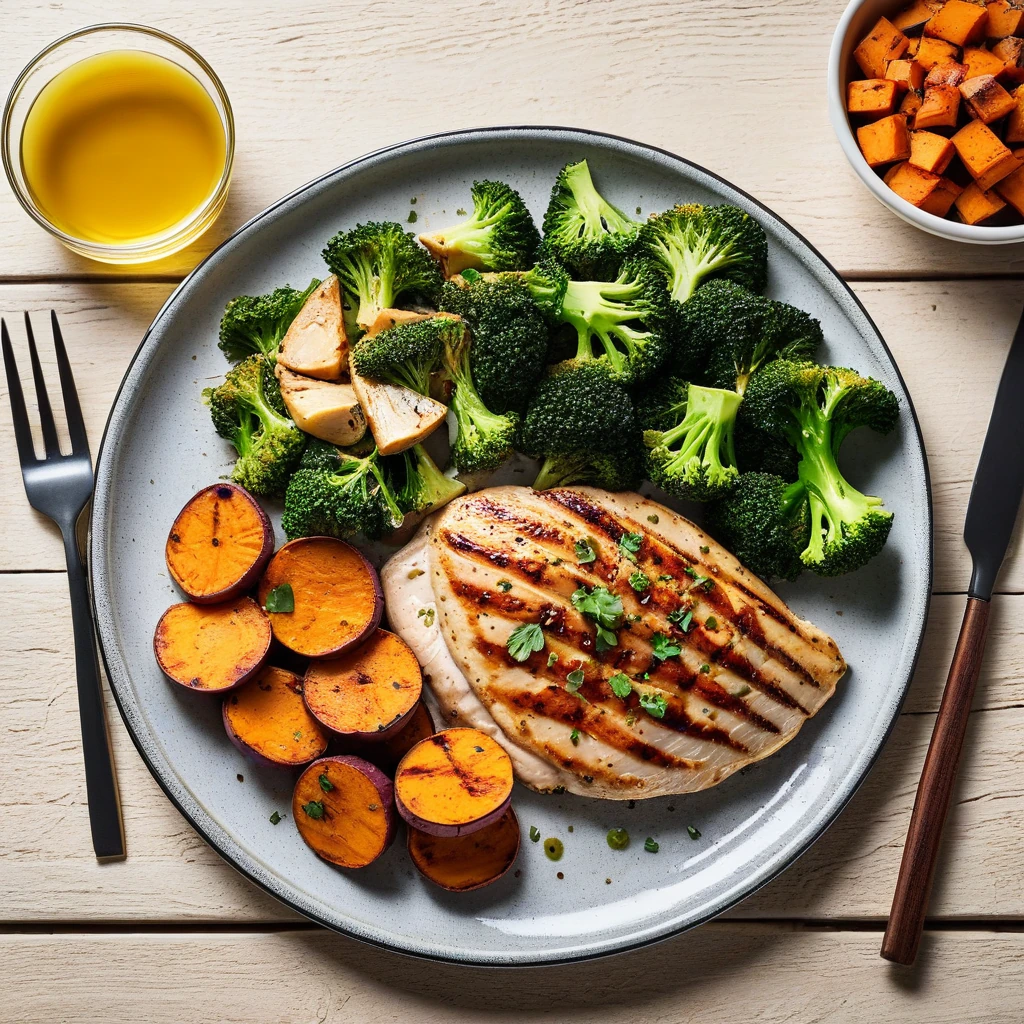
lunch
Grilled Chicken Breast with Roasted Sweet Potato and Broccoli
Lean grilled chicken breast paired with nutrient-dense roasted sweet potato and fresh broccoli, finished with a light drizzle of olive oil
No ratings yet
50 min555 kcal·P44g·C43g·F22g
breakfast
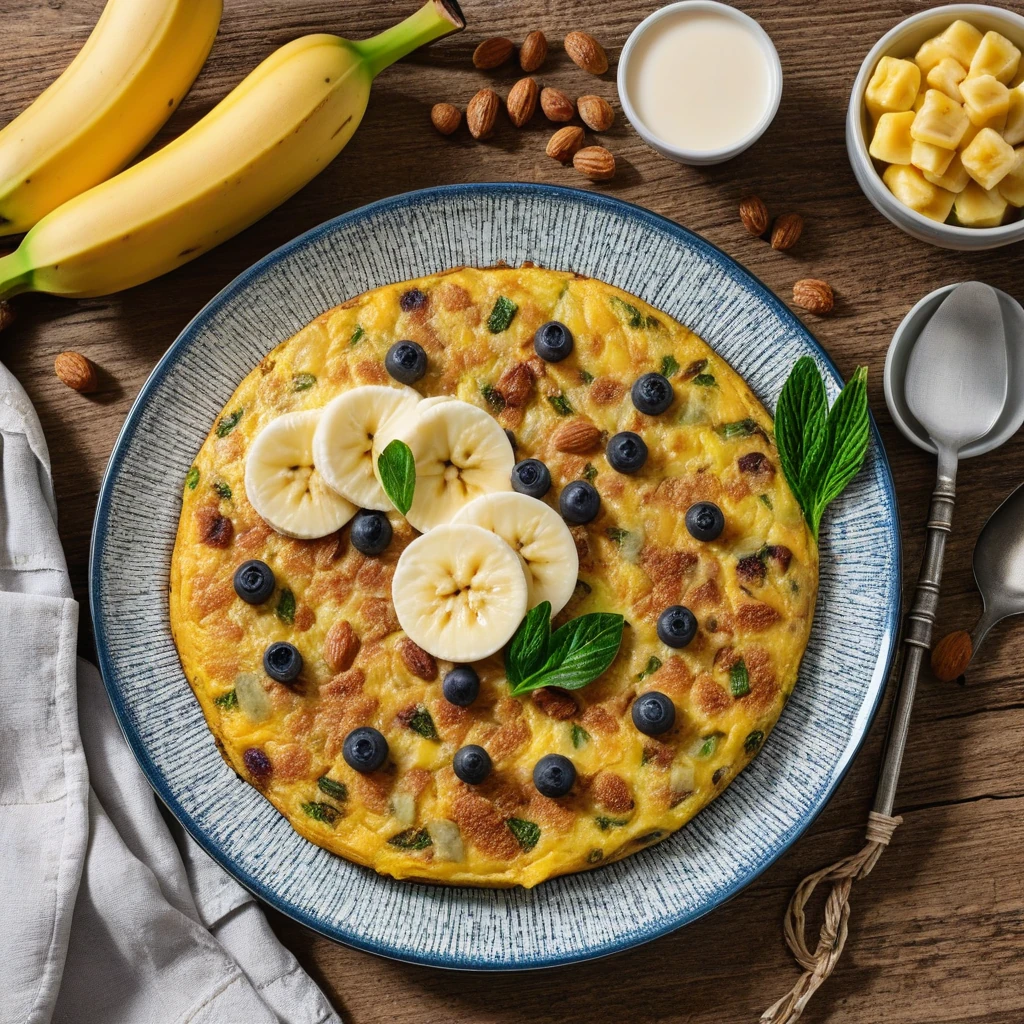
Eiweißreiche Haferflocken-Frittata mit Banane und Nüssen
Fluffige Haferflocken-Frittata mit Eiern, Haferflocken, Banane und Mandeln - ein nahrhaftes und sättigendes Frühstück für aktive Jugendliche
No ratings yet
22 min828 kcal·P62g·C93g·F23g
lunch
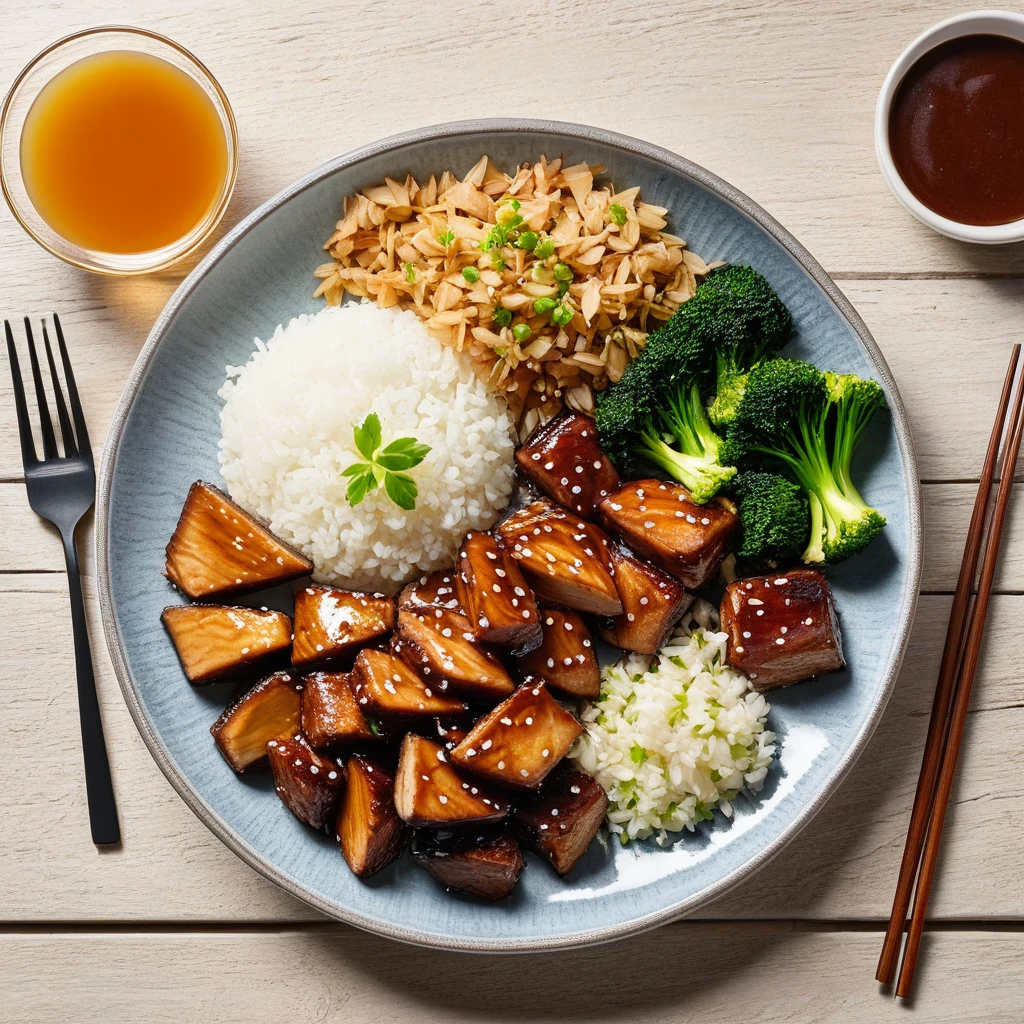
Hähnchen-Teriyaki-Schüssel mit Reis und Gemüse
Saftiges Hähnchen in köstlicher Teriyaki-Sauce mit Jasminreis, Brokkoli und Karotten - ein ausgewogenes Mittagessen mit hohem Proteingehalt
No ratings yet
35 min994 kcal·P74g·C112g·F28g
dinner
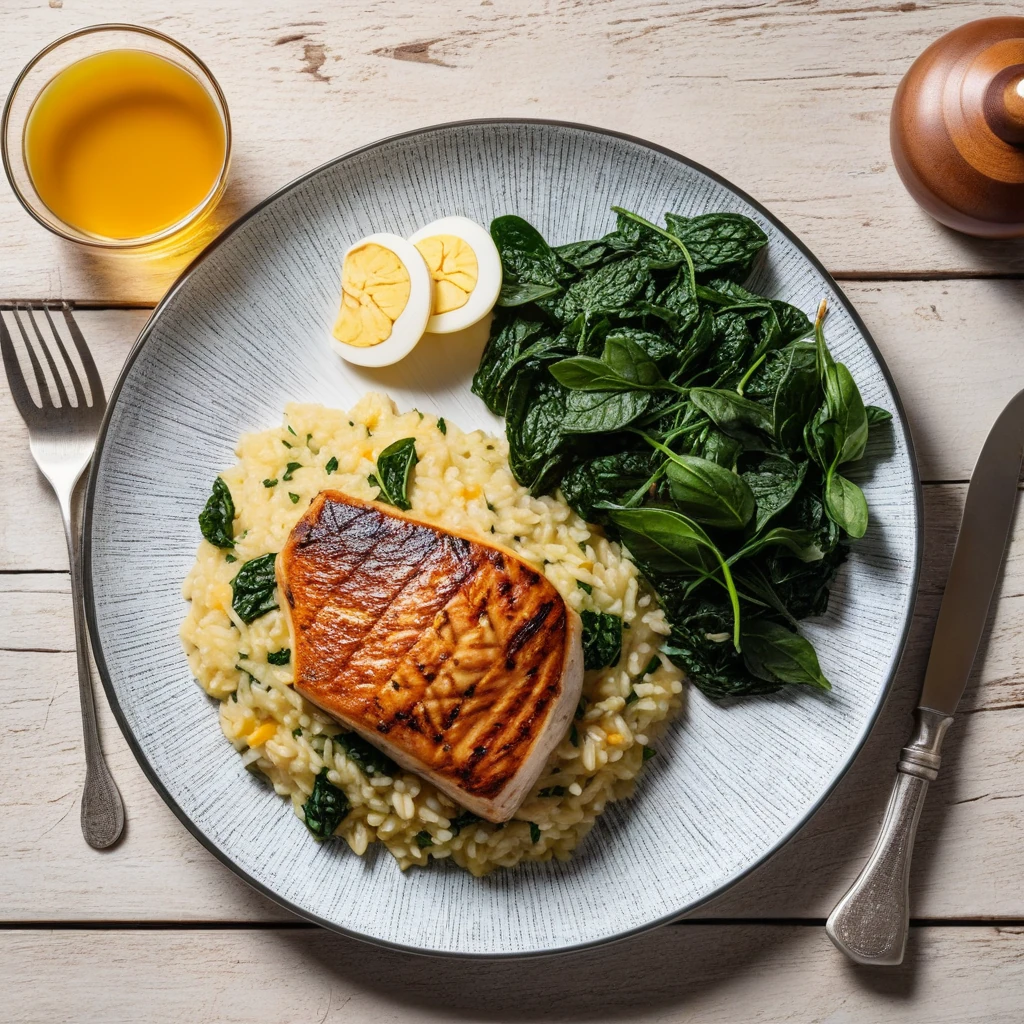
Gegrillte Hähnchenbrust mit Süßkartoffel-Risotto und Spinat
Zartes gegrilltes Hähnchen mit cremigem Süßkartoffel-Risotto und frischem Spinat - ein nahrhaftes und ausgewogenes Abendessen
No ratings yet
40 min1159 kcal·P87g·C130g·F32g
lunch
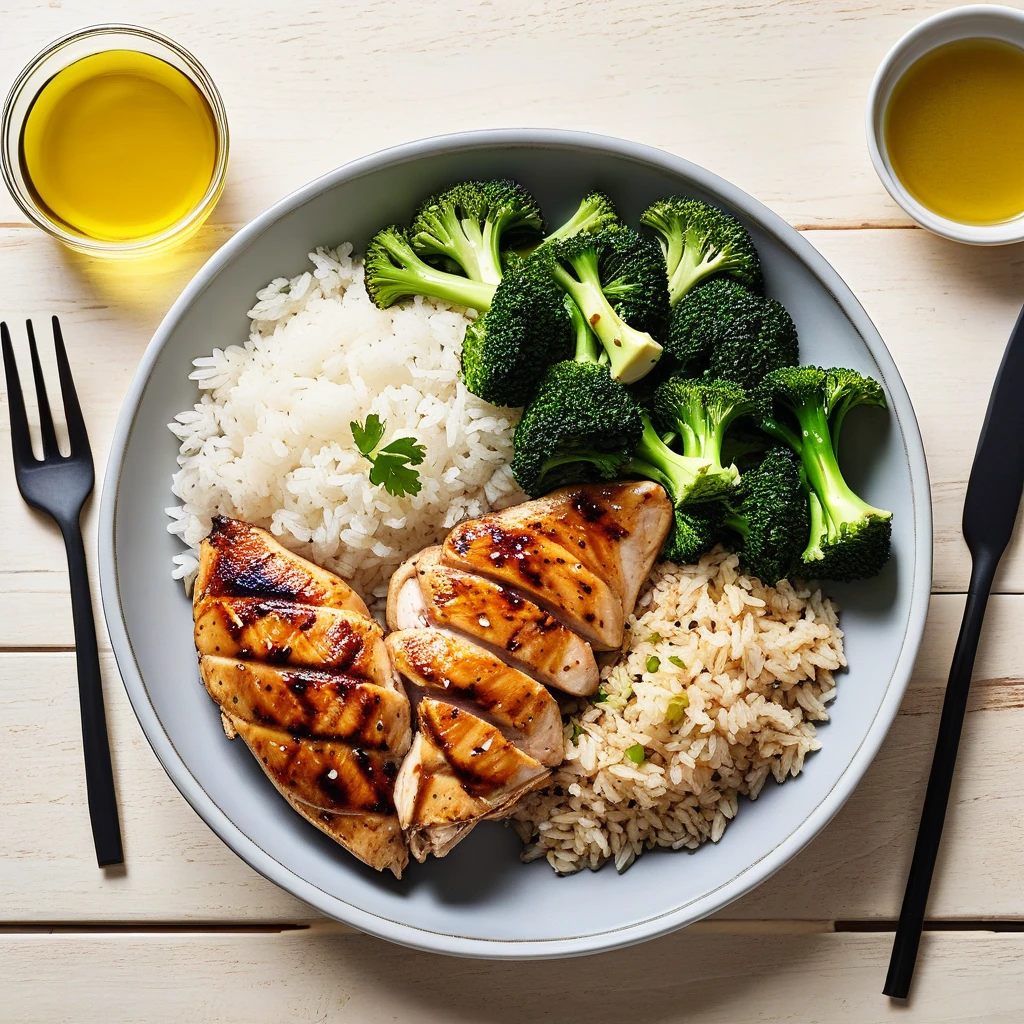
Grilled Chicken and Rice Bowl with Steamed Broccoli
Lean grilled chicken breast served over fluffy white rice with steamed broccoli florets, finished with a drizzle of olive oil for a perfectly balanced high-protein lunch
No ratings yet
30 min1009 kcal·P90g·C106g·F25g
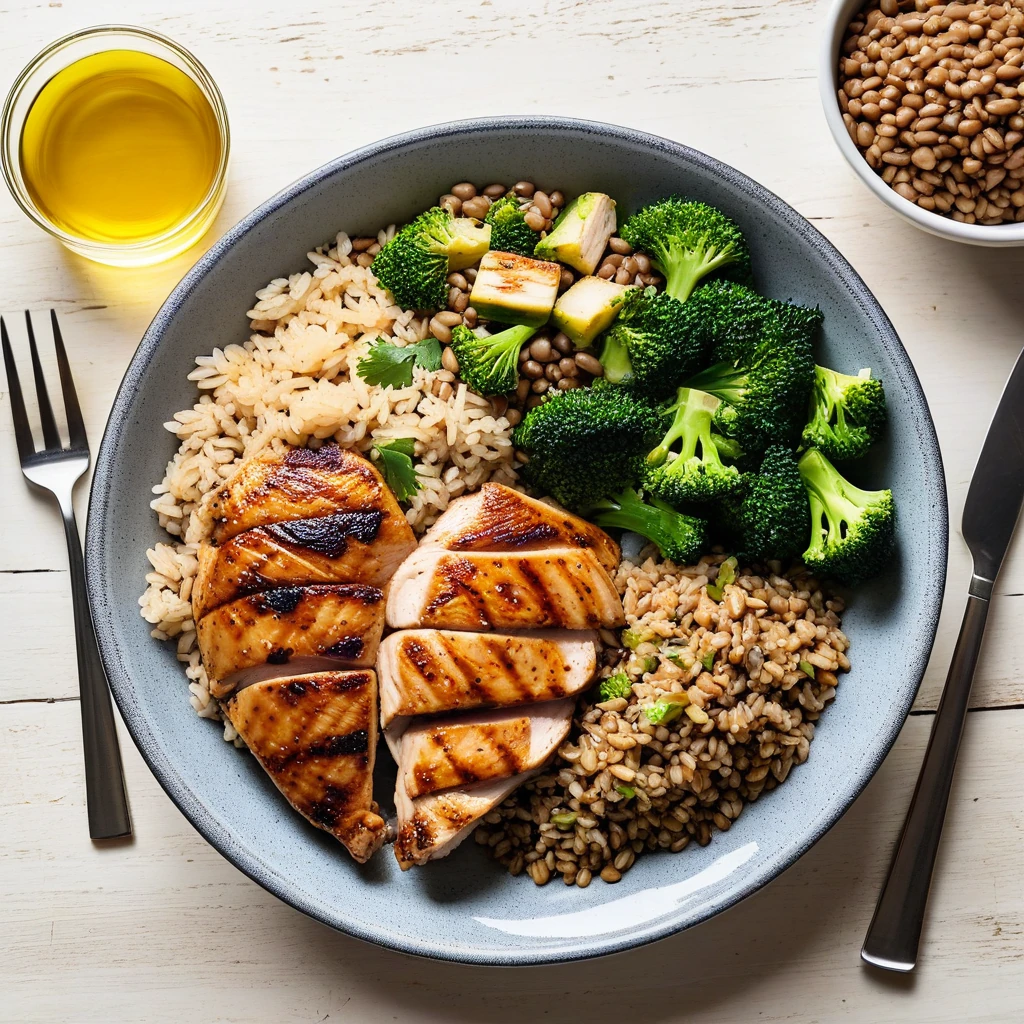
lunch
Grilled Chicken with Brown Rice and Lentil Bowl
Tender grilled chicken breast served over brown rice with protein-boosted lentils, roasted broccoli, and a light olive oil drizzle
No ratings yet
35 min1186 kcal·P85g·C133g·F35g

breakfast
Protein-Packed Oat Pancakes with Greek Yogurt and Berries
Fluffy oat pancakes made with whey protein and eggs, topped with creamy Greek yogurt, fresh blueberries, and almond butter for sustained energy and muscle support
No ratings yet
20 min437 kcal·P32g·C61g·F19g
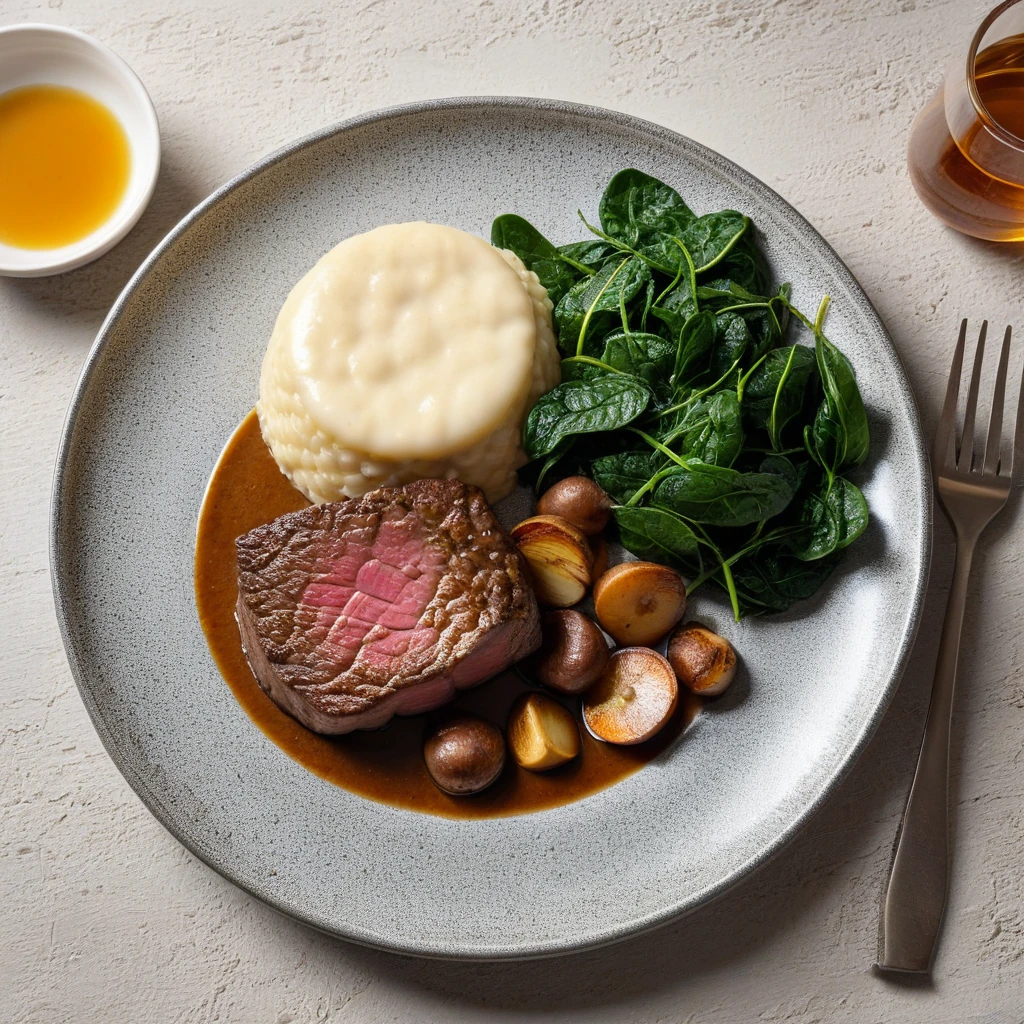
dinner
Rinderfilet mit Kartoffelpüree und Pilzgemüse
Zartes Rinderfilet mit cremigem Kartoffelpüree und sautiertem Pilzgemüse - ein klassisches, nahrhaftes Abendessen mit hohem Proteingehalt
No ratings yet
40 min1159 kcal·P87g·C130g·F32g
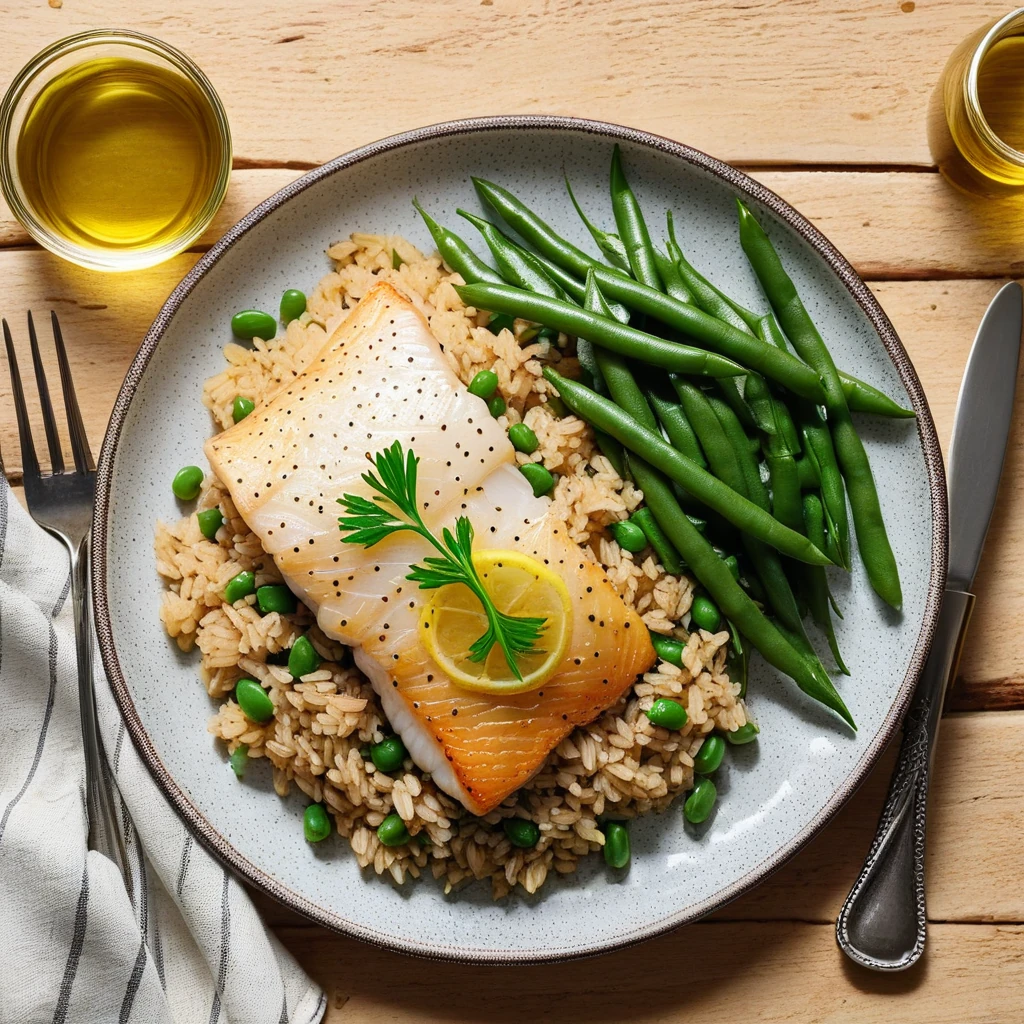
dinner
Baked Cod with Brown Rice and Green Beans
Delicate white fish fillet baked with light seasoning, served with nutty brown rice and fresh steamed green beans for a balanced, nutritious dinner
No ratings yet
55 min477 kcal·P47g·C46g·F10g
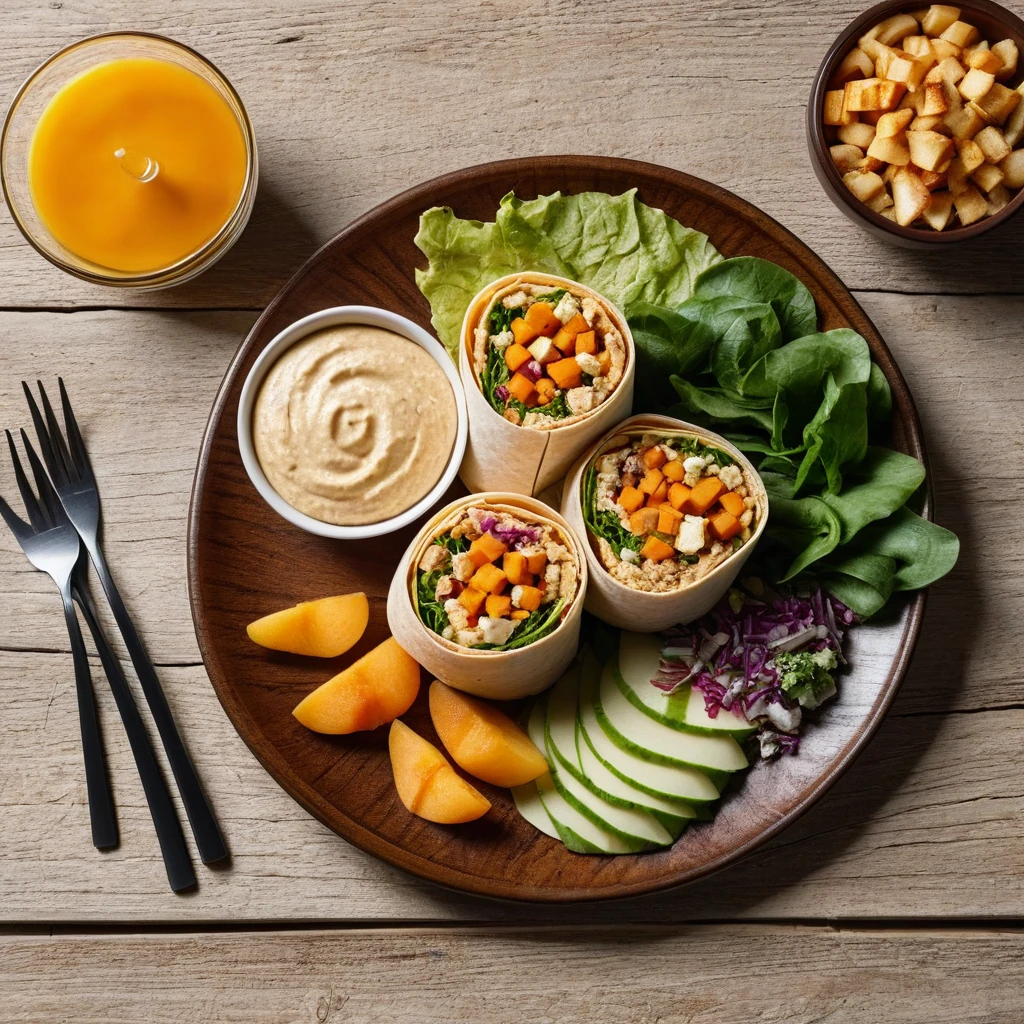
lunch
Truthahn-Wrap mit Gemüse und Süßkartoffel-Pommes
Ein leckerer Wrap mit zartem Truthahnfleisch, frischem Gemüse, Hummus und knusprigen Süßkartoffel-Pommes
No ratings yet
40 min994 kcal·P74g·C112g·F28g

breakfast
Spiegelei mit Vollkorntoast, Käse und Tomaten
Zwei Spiegeleier mit knusprigem Vollkorntoast, Cheddar-Käse und frischen Tomaten - ein klassisches und sättigendes Frühstück
No ratings yet
18 min828 kcal·P62g·C93g·F23g