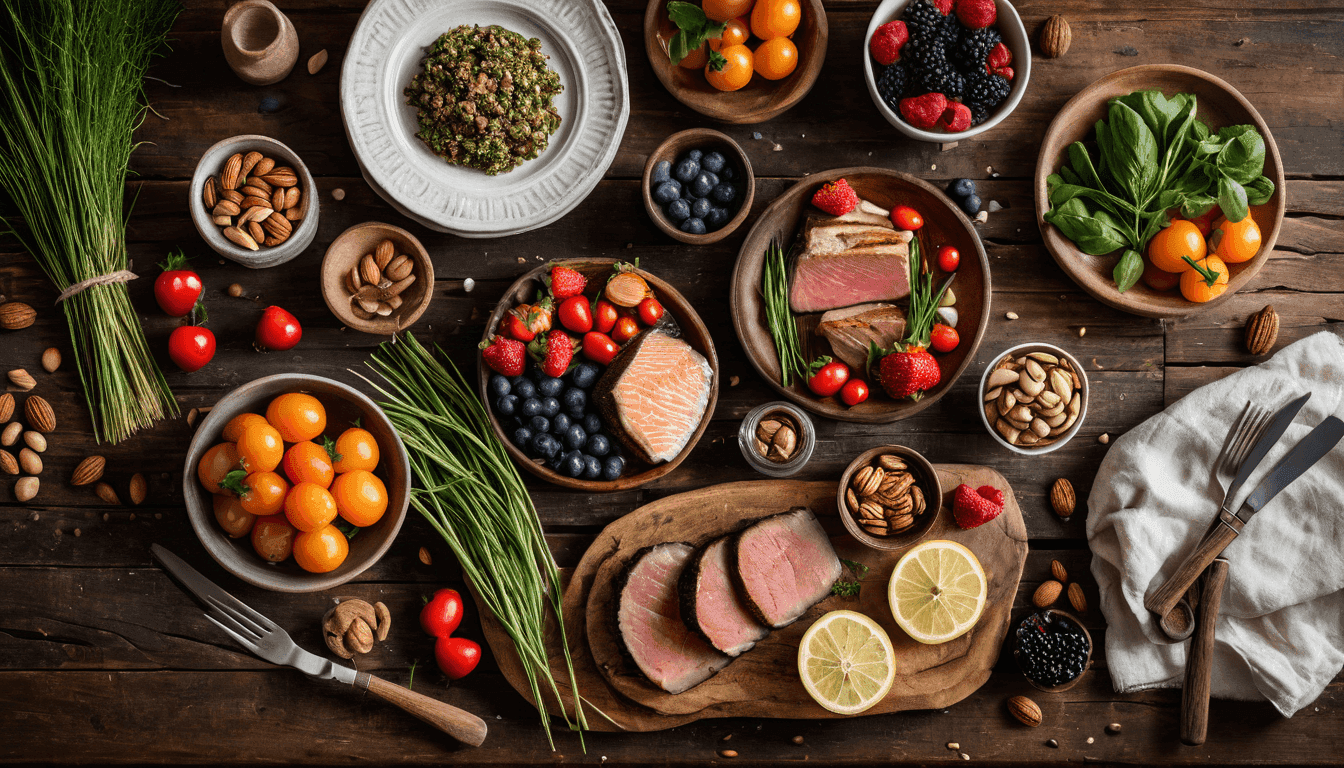
How Our AI Agent Helps You
Advanced AI technology that understands ancestral nutrition principles for metabolic health, reduced inflammation, and natural energy production. Our personalized paleo meal planning system focuses on whole, unprocessed foods that align with our evolutionary biology, eliminating modern inflammatory ingredients while maximizing nutrient density for optimal health and performance.
Ancestral Nutrition
AI creates meal plans based on ancestral nutrition principles for optimal health
Whole Foods Focus
Emphasis on unprocessed, whole foods without additives and preservatives
Anti-Inflammatory Properties
AI selects foods with anti-inflammatory properties for better health and wellbeing
Metabolic Health
Optimize metabolism through natural, nutrient-dense foods aligned with paleo principles
Why Choose AI for Paleo Diet?
Experience optimal health with scientifically-backed ancestral nutrition
Improved metabolic health and natural weight management
Reduced inflammation and better immune function
Enhanced energy levels and mental clarity
Better digestion and gut health
Nutrient-dense whole foods without processed ingredients

Sample Paleo Meals
AI-generated ancestral meal ideas for optimal health and nutrition
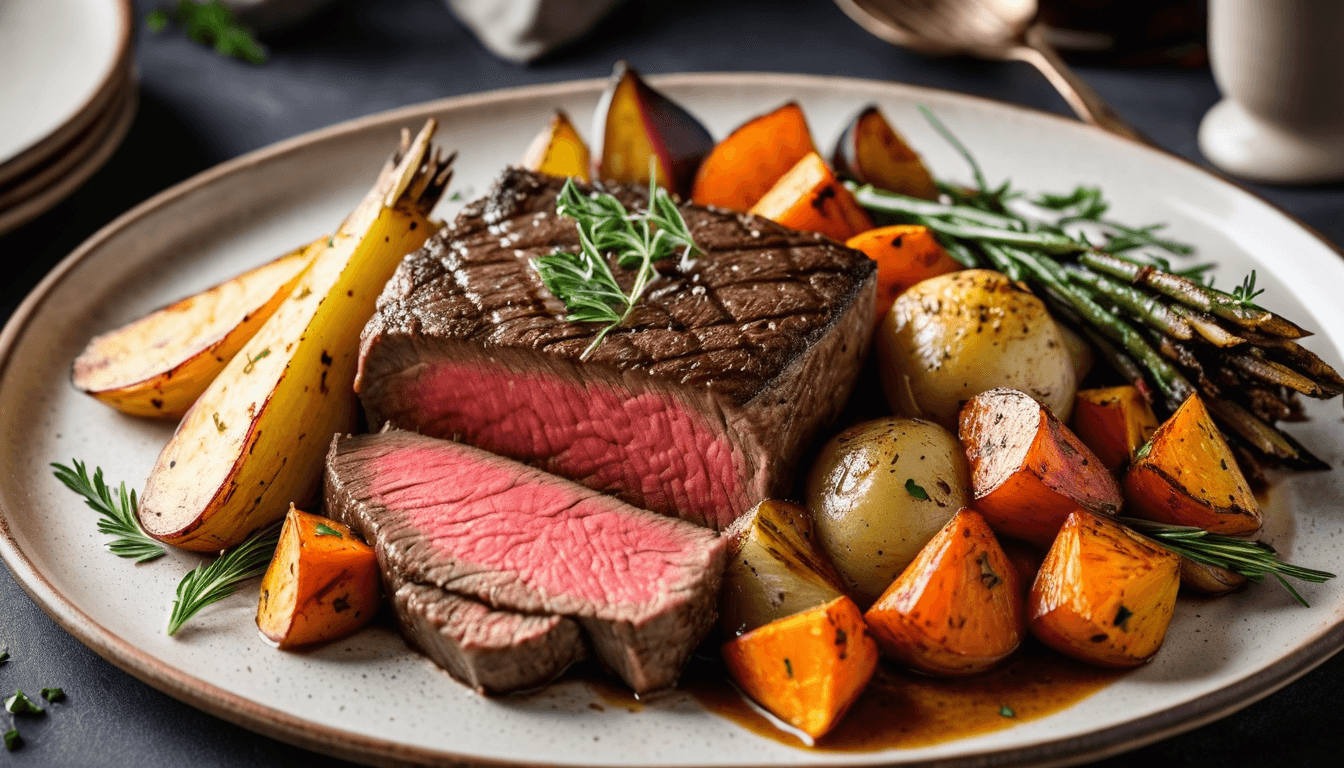
Sweet Potato Hash with Eggs
Nutrient-dense breakfast with natural carbs and high-quality protein
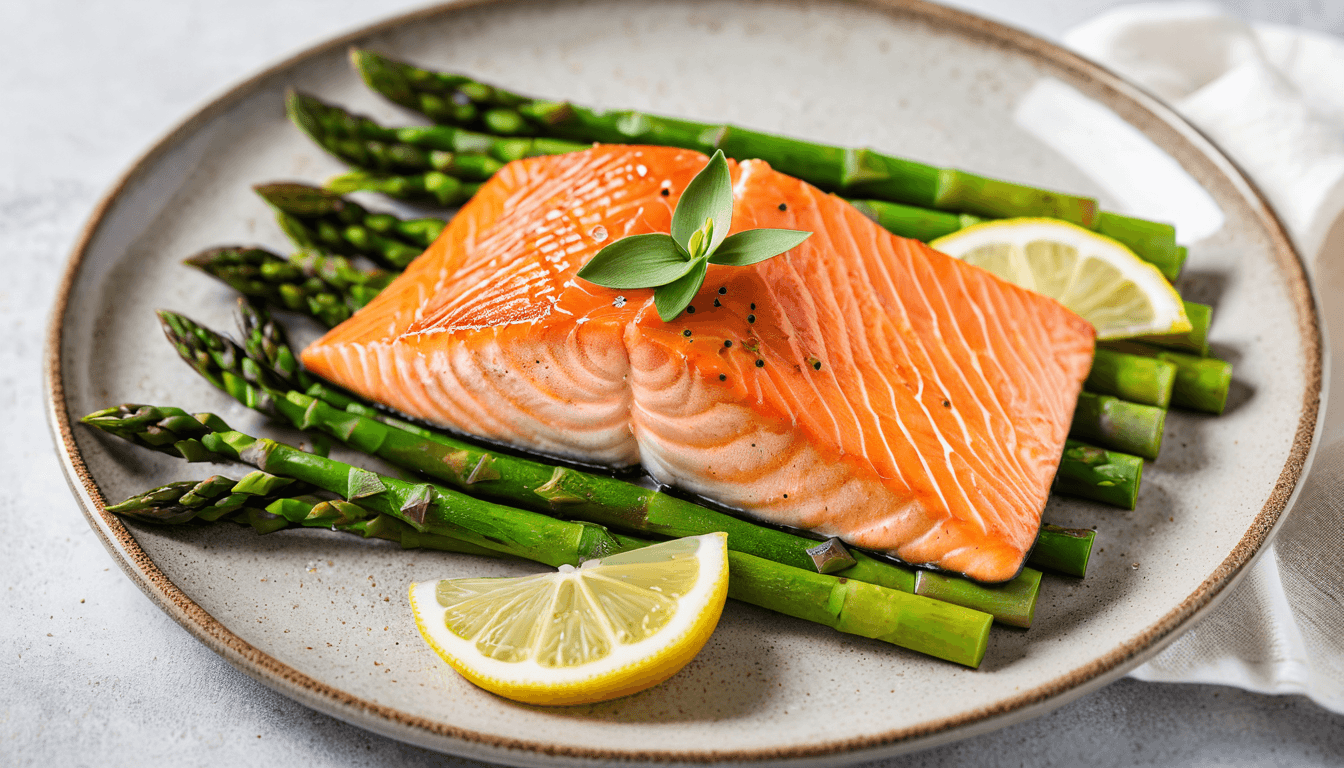
Grass-Fed Beef Salad with Avocado
Anti-inflammatory lunch with healthy fats and quality protein
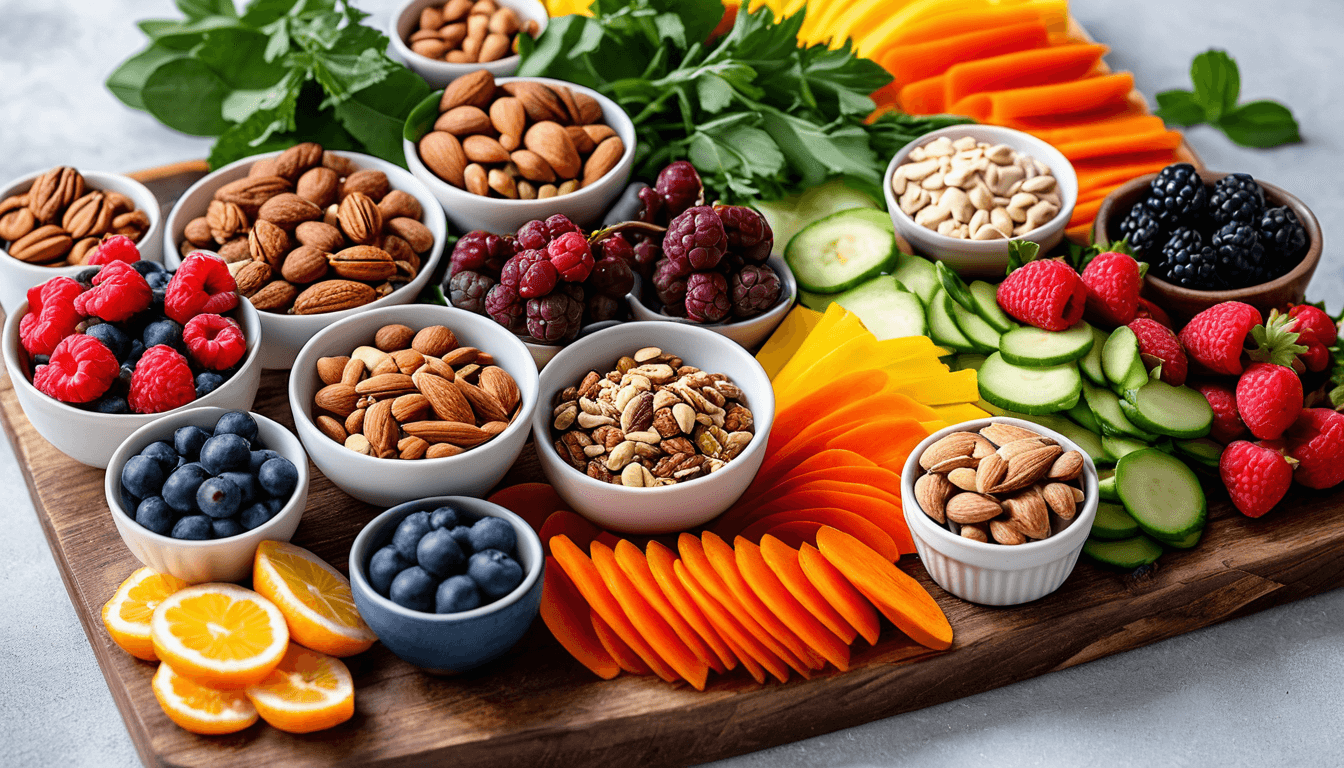
Herb-Crusted Chicken with Roasted Vegetables
Satisfying dinner with whole foods and natural seasonings
Frequently Asked Questions
Can I follow a paleo diet while breastfeeding?
Paleo can work while breastfeeding if you are careful about calories and calcium. Nursing adds 450 to 500 kcal per day, so increase portions of sweet potato (86 kcal per 100g per USDA), fruit, and fatty cuts of meat. Because paleo excludes dairy, calcium intake often drops; add bone-in canned sardines (380mg calcium per 100g per USDA), leafy greens, and almonds daily. Hydration at 3 to 3.5 liters is critical for milk supply. Skip strict low-carb paleo during lactation because sudden carb reduction can lower supply within days. Discuss major dietary changes with your physician, especially if you are exclusively breastfeeding.
Is paleo safe during pregnancy?
A modified paleo can support pregnancy but requires planning to cover folate, calcium, and iodine, which the diet does not deliver abundantly. Eat cooked spinach (146mcg folate per 100g per USDA) and liver monthly for folate, bone-in fish and blanched broccoli for calcium, and iodized salt or seaweed for iodine since paleo typically skips iodized grains. Avoid raw fish, deli meat, and undercooked eggs. Increase caloric intake by 300 to 450 kcal in trimesters 2 and 3. Many OB-GYNs prefer a less restrictive pattern during pregnancy. Consult your physician before starting paleo while pregnant, especially if you have had nutritional deficiencies.
How do athletes fuel paleo workouts?
Paleo can support training if you time carbs around workouts. Pre-workout, eat a banana (89 kcal and 23g carbs per 100g per USDA) or sweet potato 60 to 90 minutes before lifting or high-intensity sessions. Post-workout, pair a protein source (chicken breast delivers 31g protein per 100g per USDA) with starchy carbs from sweet potato, plantain, or fruit. For endurance sessions over 90 minutes, dried fruit and dates work as on-the-go fuel. Strict low-carb paleo can cripple anaerobic performance, so scale carbs to training load. Athletes often need 150 to 300g carbs daily, well above a casual paleo follower.
How do I do paleo on a $60 weekly grocery budget?
Paleo gets pricey when you buy grass-fed meat and organic produce, but a $60 budget works with smart swaps. Anchor proteins on whole chicken ($1.50 per lb roasted yields multiple meals), canned sardines ($1.50 per tin, 25g protein per 100g per USDA), and eggs ($4 per dozen). Use frozen vegetables, sweet potato ($1 per lb), and cabbage ($0.70 per lb). Skip grass-fed and organic initially; conventional protein still fits paleo. A sample week: 1 whole chicken, 18 eggs, 4 cans sardines, 5 lb sweet potato, 3 lb frozen broccoli, 2 heads cabbage, onions, garlic, and olive oil. Strategic batch cooking keeps cost under $60.
Can I meal prep paleo as a single person?
Paleo meal prep works well solo because most components hold 4 to 5 days refrigerated. Roast a whole chicken (yields 4 to 5 meals), hard-boil 6 eggs, roast two trays of mixed vegetables, and bake 4 large sweet potatoes each Sunday. Store protein separately from vegetables to prevent sogginess. Build lunches as bowls: protein plus roasted vegetable plus sweet potato plus avocado or olive oil. Canned sardines and pre-washed salad greens make 2-minute dinners when motivation fades. Skip pre-cut vegetables which spoil faster. A typical prep session runs 90 minutes and covers 12 to 15 meals.
Can paleo help manage type 2 diabetes?
Paleo can improve blood sugar in type 2 diabetes because it eliminates refined grains, added sugar, and most processed carbs. Small studies show HbA1c reductions of 0.4 to 0.8 points over 12 weeks, comparable to Mediterranean. The high protein and fiber from non-starchy vegetables blunt glucose spikes. Limit natural sugars from dried fruit and honey, and monitor sweet potato and plantain portions (both raise glucose). Pair any carb with protein and fat. If you take insulin or sulfonylureas, work with your physician to adjust doses before starting paleo, since blood sugar can drop rapidly in the first 2 weeks.
Is paleo appropriate for kidney disease?
Paleo is usually not appropriate for stage 3 or higher chronic kidney disease without medical supervision. The diet is high in protein (often 1.5 to 2g per kg bodyweight), and damaged kidneys struggle to excrete nitrogen waste. It is also high in potassium from sweet potato, avocado (485mg per 100g per USDA), and leafy greens, which can be dangerous if your kidneys cannot clear potassium. Phosphorus from nuts and seeds adds risk. If you have CKD and want to reduce processed food, work with a renal dietitian to build a controlled version rather than adopting paleo as published. Always consult your physician before making significant dietary changes with kidney disease.
Can I do paleo on GLP-1 medications?
Paleo pairs reasonably well with GLP-1 medications like semaglutide or tirzepatide, since both reduce appetite and encourage whole-food eating. The challenge is hitting protein targets because GLP-1s shrink portions. Aim for 80 to 100g protein daily by prioritizing dense sources: 3 eggs at breakfast (18g protein), a 4oz chicken breast at lunch (26g protein per USDA), and a 4oz salmon fillet at dinner (23g protein per USDA). Avoid high-fat meals right after injection since gastric emptying is already slow and nausea risk is higher. Increase hydration to 3 liters. Consult your prescriber before large dietary changes on GLP-1s.
Can I batch cook paleo for a family of four?
Paleo family batch cooking works best around three weekly anchors: a large roast or whole turkey (yields 8 to 10 servings), a big pot of beef and vegetable stew (yields 8 servings), and a traybake of salmon with sweet potato (yields 6 servings). Roast two full sheet pans of vegetables each Sunday. Keep a rotation of frozen shrimp, ground beef, and eggs for quick fill-in meals. Per USDA, 100g of cooked ground beef delivers 26g protein, so a 1kg batch covers all four adults for a meal with leftovers. Kids accept paleo easily if you avoid renaming foods and let them choose vegetables. Plan on 2.5 hours of Sunday prep.
How do I order paleo at restaurants?
Paleo at restaurants is mostly subtraction. Order grilled protein (steak, chicken, salmon) with a double side of vegetables instead of rice, fries, or bread. Breakfast: omelets with vegetables, avoid toast and hash browns made with vegetable oil. Lunch and dinner: steakhouse cuts, grilled fish, or roast chicken. Skip sauces that likely contain soy, corn, or seed oils and ask for olive oil and lemon. Salads work if you avoid croutons, cheese, and creamy dressings. Mexican: carnitas or fajitas without tortillas, rice, or beans. Indian: tandoori meats with vegetables. Thai: curries made with coconut milk, skip rice. Alcohol is not strictly paleo but most people include occasional wine or clear spirits.
Can I travel on a paleo diet?
Paleo travels surprisingly well. Pack hard-boiled eggs, jerky (check ingredients for sugar and soy), mixed nuts, fresh fruit, and raw vegetables for flights and road trips. Airports increasingly offer grilled chicken salads, fruit cups, and plain nuts. At hotels with breakfast buffets, load up on eggs, bacon, and fruit. For longer trips, request a mini-fridge and stop at a grocery store on arrival for bananas, almond butter, rotisserie chicken, and pre-washed greens. On business trips, steakhouses, sushi restaurants (skip rice), and grill concepts are reliable. Expect to relax on seed oils when traveling, since 100% paleo is nearly impossible outside your own kitchen.
How much time does paleo cooking take?
Paleo cooking typically runs 25 to 40 minutes per meal because most dishes are a protein plus vegetables. A weeknight plate of seared chicken thighs, roasted broccoli, and sweet potato takes 30 minutes start to finish. Slow cookers and Instant Pots cut active time: pot roast or pulled pork takes 10 minutes of prep and cooks itself. Batch cooking on Sunday (90 minutes) eliminates 4 to 5 weeknight dinners. Weekend cooking averages 45 minutes per meal since you can make more ambitious dishes. Expect higher time investment than pre-packaged eating but comparable to Mediterranean or standard home cooking.
Which freezer meals work for paleo?
Paleo freezes well because meat, vegetables, and sweet potato hold texture after thawing. Good freezer candidates: chili made with ground beef, tomatoes, and vegetables (keeps 3 months); shepherd's pie topped with mashed sweet potato (3 months); meatballs in tomato sauce (3 months); whole cooked chicken portioned and vacuum-sealed (2 months); cooked salmon portions (1 month); soups and stews with root vegetables (3 months). Freeze in single-meal containers for portion control. Avoid freezing raw leafy greens, avocado, or egg-based dishes, which degrade. Label with the date and thaw overnight in the fridge.
Paleo vs whole30: which should I choose?
Whole30 is essentially strict paleo plus added restrictions (no sweeteners of any kind, no legumes, no paleo baked goods) for exactly 30 days, while paleo is a long-term lifestyle. Choose whole30 if you want a short reset to identify food sensitivities or break sugar cravings. Choose paleo as a sustainable approach that allows honey, maple syrup in small amounts, and reintroduced foods based on your tolerance. Many people run whole30 once, then transition to paleo long-term. Whole30 has faster initial weight and inflammation changes because of strictness, but paleo has better adherence past 90 days.
Paleo vs keto: which is better?
Paleo and keto overlap on meat, vegetables, and healthy fats but differ on carbs. Paleo allows sweet potato, fruit, honey, and starchy vegetables, so daily carbs usually run 100 to 150g. Keto caps carbs at 20 to 50g to induce ketosis. Choose paleo if you do heavy training, want long-term sustainability, or cannot tolerate strict carb restriction. Choose keto if you need rapid weight loss, blood sugar control in prediabetes, or relief from specific neurological conditions. Paleo is usually easier socially and travels better. Keto produces faster first-month weight loss but higher drop-off past 6 months.
When is paleo NOT the right choice?
Paleo is a poor fit if you have stage 3+ kidney disease (high protein load), eating disorder history (restrictive rules can trigger relapse), very high training loads requiring 300+g carbs daily (hard to hit on paleo), or a tight budget under $50 per week (meat-forward eating is expensive). It is also challenging if you dislike cooking since paleo eliminates most convenience foods. People with legume, egg, or tree nut allergies lose key paleo proteins. Vegetarians and vegans cannot do paleo in a sustainable form. A modified Mediterranean or DASH pattern often works better for these cases.
Are legumes really that bad on paleo?
The paleo argument against legumes centers on anti-nutrients like lectins and phytates, plus the claim that our ancestors did not eat them. The evidence is mixed. Soaking, sprouting, and thorough cooking deactivate most lectins, and cooked lentils deliver 9g protein and 7.9g fiber per 100g (USDA) at low cost. Most modern research does not show harm from legumes in healthy people, and they are a staple of the longest-lived populations. Strict paleo excludes them; relaxed paleo (sometimes called primal) allows properly prepared legumes occasionally. If you have IBS or autoimmune issues, skipping legumes may help; otherwise the evidence is weak.
Do I need supplements on paleo?
Most paleo eaters benefit from a few targeted supplements. Vitamin D (1,000 to 2,000 IU daily) is often low regardless of diet. Calcium runs low because paleo excludes dairy; if you do not eat bone-in fish or dark leafy greens daily, a 500mg supplement helps. Iodine is worth considering since paleo skips iodized salt and iodized grains; sea vegetables or a small iodine supplement works. Omega-3 (EPA/DHA 1g daily) is smart if you do not eat fatty fish twice weekly. Magnesium glycinate 200 to 400mg before bed helps some people with sleep. B12 is rarely a concern on paleo since meat is abundant.
What about cheat days on paleo?
Paleo is more rule-based than calorie-based, so the cheat-day concept does not fit cleanly. Most long-term paleo eaters adopt an 80/20 approach: strict paleo at home and at most restaurant meals, flexibility for social occasions with bread, pasta, or dessert. Full cheat days often trigger 1 to 3 days of fatigue, bloating, and cravings as your gut readjusts. A better pattern is a single off-plan meal once or twice a week rather than an entire day of refined foods. If you have autoimmune conditions or sensitive digestion, cheat meals may flare symptoms enough that strict adherence becomes the easier path.
Is paleo sustainable long-term?
Paleo has mid-range long-term adherence, better than keto and lower than Mediterranean. Two-year adherence studies show roughly 40 to 50% of starters still eating mostly paleo, with many transitioning to a primal or Mediterranean hybrid. Long-term sustainability improves if you allow rice and properly prepared legumes (creating a relaxed paleo), eat out strategically, and do not restrict fruit. The main failure modes are budget strain from meat, social friction at family meals, and boredom with a limited food list. People who cook regularly and enjoy meat-centered meals tend to sustain paleo for years.
Explore Related Resources
Discover more tools and guides for your nutrition journey
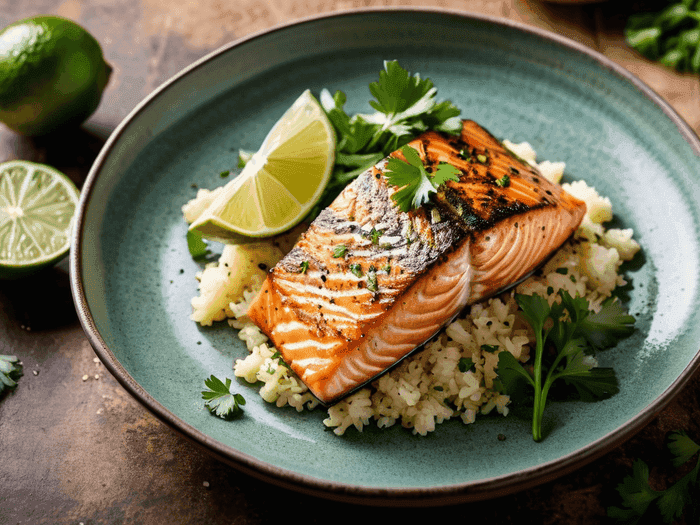
Whole30 Diet
30-day reset with whole foods
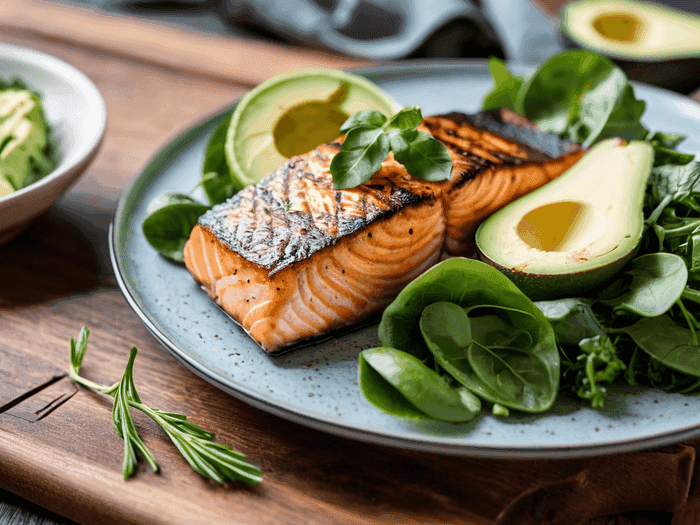
Keto Diet
Combine paleo principles with ketosis
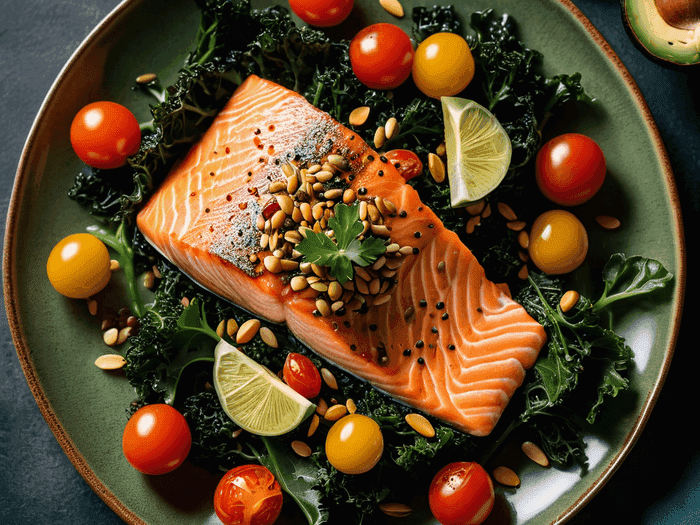
Anti-Inflammatory Diet
Reduce inflammation with paleo foods

Athletes
Fuel performance with ancestral nutrition
TDEE Calculator
Find your daily energy needs