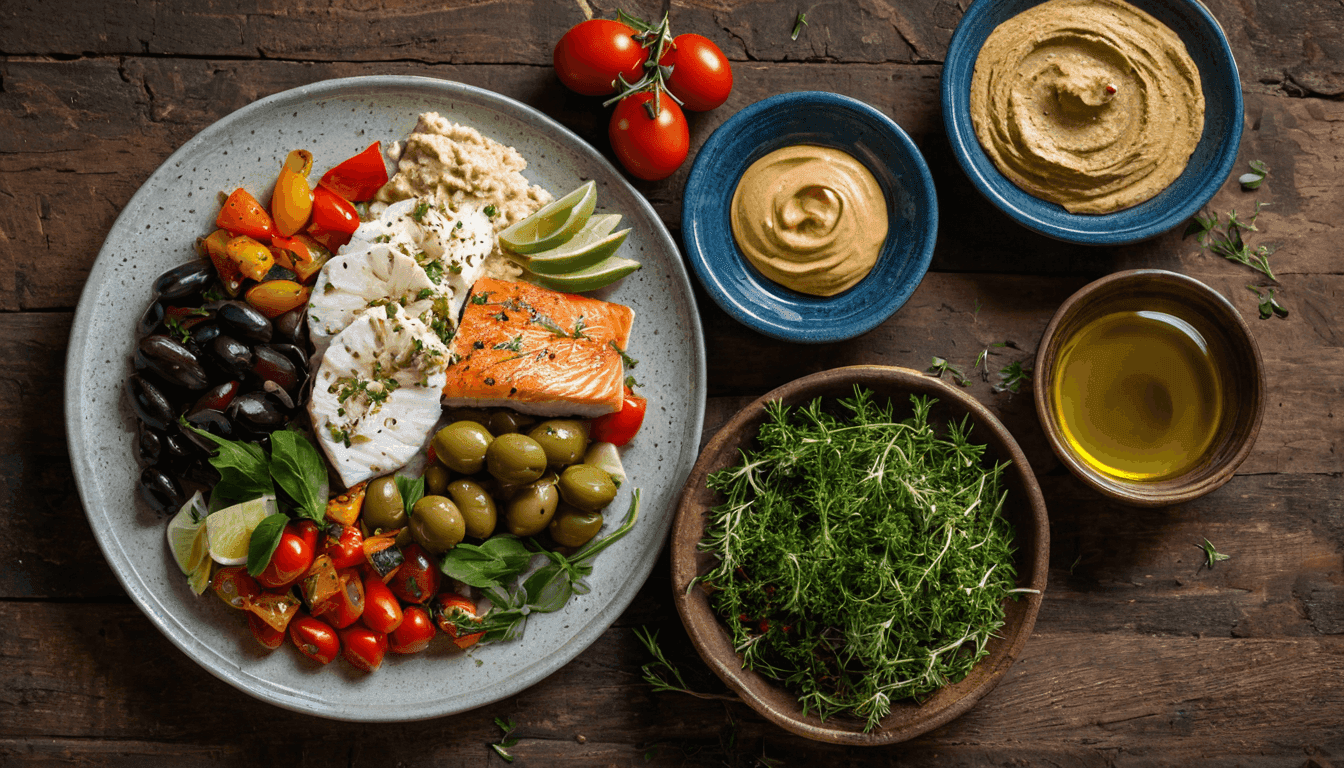
How Our AI Agent Helps You
Advanced AI technology that understands Mediterranean nutrition principles for heart health, longevity, and balanced wellness. Our personalized Mediterranean meal planning system integrates olive oil, fresh produce, lean proteins, and healthy fats to create authentic, flavorful meals that support cardiovascular health and promote anti-inflammatory benefits.
Heart Health Optimization
AI creates meal plans rich in heart-healthy fats and nutrients that support cardiovascular wellness
Olive Oil Integration
Smart recommendations for incorporating high-quality olive oil and healthy fats into your daily meals
Fresh Produce Focus
AI prioritizes seasonal, fresh vegetables and fruits to maximize nutrition and flavor in your Mediterranean diet
Longevity Analytics
Track how Mediterranean diet principles contribute to your long-term health and wellness goals
Why Choose AI for Mediterranean Diet?
Experience better heart health and longevity with scientifically-backed nutrition
Improved cardiovascular health and reduced heart disease risk
Enhanced brain function and cognitive protection
Better weight management and metabolic health
Increased longevity and healthy aging
Delicious, satisfying meals with fresh ingredients
Sample Mediterranean Meals
AI-generated heart-healthy meal ideas inspired by Mediterranean cuisine
Greek Yogurt with Berries & Nuts
Protein-rich breakfast with antioxidants and healthy fats
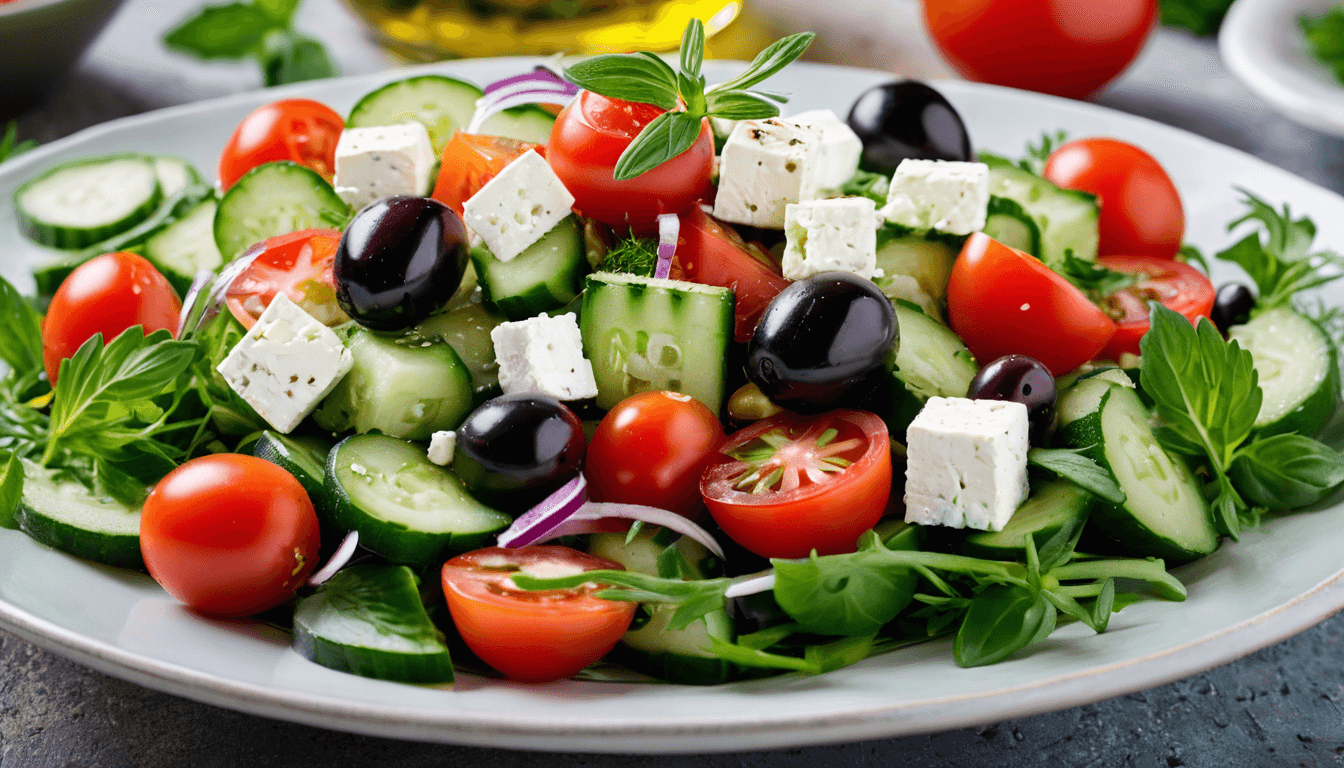
Mediterranean Chickpea Salad
Fiber-rich lunch with olive oil, vegetables, and legumes
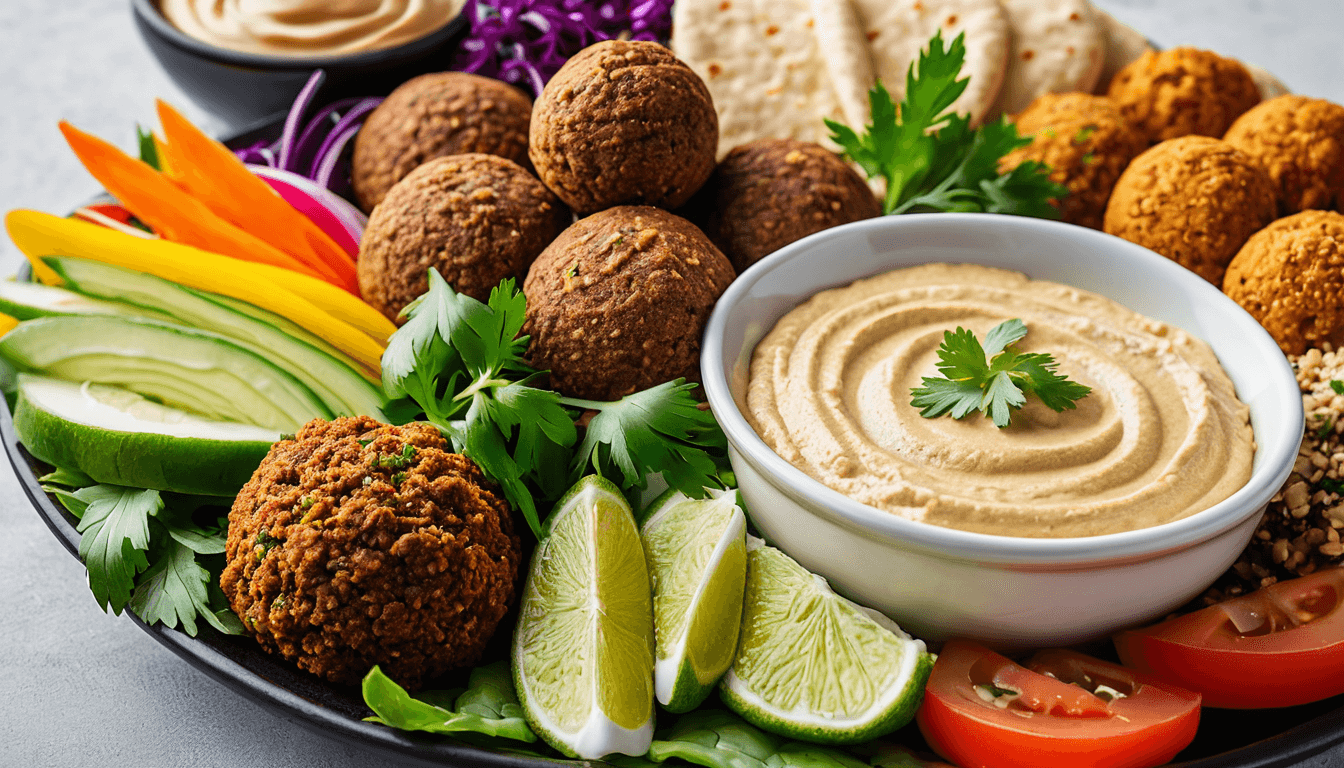
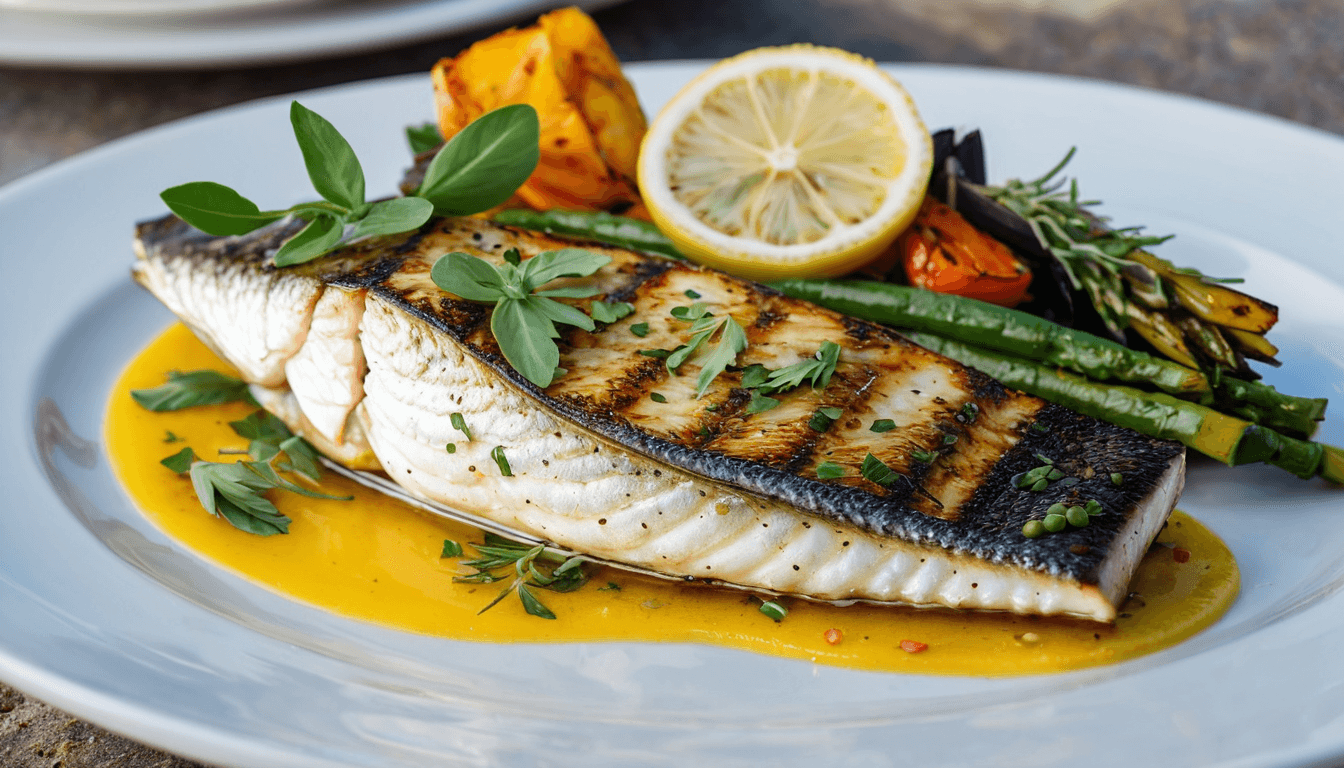
Grilled Fish with Roasted Vegetables
Omega-3 rich dinner with seasonal Mediterranean vegetables
Frequently Asked Questions
Can I follow a Mediterranean diet while breastfeeding?
The Mediterranean diet is one of the better-supported eating patterns for breastfeeding because it naturally delivers the extra 450 to 500 kcal and key nutrients that nursing demands. Salmon and sardines provide omega-3 DHA (about 2.2g per 100g of Atlantic salmon per USDA), which transfers into breast milk and supports infant brain development. Olive oil, leafy greens, and legumes supply folate, iron, and healthy fats. Avoid high-mercury fish like swordfish and king mackerel, and cap albacore tuna at 6oz per week. Keep hydration at 3 to 3.5 liters daily. Unlike restrictive diets, Mediterranean does not require calorie or macro tracking during lactation.
Is the Mediterranean diet safe during pregnancy?
The Mediterranean diet is often recommended during pregnancy and is associated with lower rates of gestational diabetes and preeclampsia in observational studies. Focus on folate-rich foods such as lentils (181mcg folate per 100g cooked per USDA) and leafy greens, iron from legumes and lean meat, and omega-3s from low-mercury fish like sardines and salmon. Limit raw fish, unpasteurized cheese, and alcohol. Target 2 to 3 fish servings per week, plenty of whole grains, and 4 to 5 tablespoons of olive oil daily. Discuss any major dietary change with your OB-GYN, particularly if you have gestational diabetes or nutrient deficiencies.
How do I do the Mediterranean diet on a $75 weekly grocery budget?
Mediterranean eating gets expensive only if you buy imported olive oil, fresh wild fish, and boutique cheese. On $75 per week, anchor meals around dried legumes (lentils cost roughly $2 per lb, 9g protein per 100g cooked per USDA), canned sardines and tuna in olive oil, eggs, frozen vegetables, whole-wheat pasta, brown rice, and bulk oats. A typical week: 2 lb lentils and chickpeas ($6), 1 dozen eggs ($4), 6 cans sardines and tuna ($12), 5 lb frozen mixed vegetables ($10), whole-grain pasta and rice ($8), store-brand olive oil 750ml ($9), seasonal fruits ($12), onions, garlic, herbs ($6), plain Greek yogurt ($8). Total around $75 with 21 meals covered.
How do I meal prep Mediterranean for one person?
Mediterranean prep for one works well because most components keep 4 to 5 days. Once a week, roast two trays of vegetables (peppers, zucchini, eggplant), cook a pot of farro or brown rice, and prep a protein rotation: baked salmon on Sunday, hard-boiled eggs mid-week, and canned chickpeas for grain bowls. Store olive oil-based dressings separately. Build lunches as grain bowls by combining any grain plus any vegetable plus any protein plus feta and olive oil. Sardines on whole-grain crackers work as a 2-minute dinner. Buy olive oil and legumes in larger quantities since they store well, but keep fresh produce at 1 week of inventory.
Can I follow the Mediterranean diet with type 2 diabetes?
The Mediterranean diet has strong evidence for type 2 diabetes management. The PREDIMED study showed it reduces cardiovascular events by roughly 30% in high-risk patients, and it typically lowers HbA1c by 0.3 to 0.6 points. Emphasize low-glycemic carbs like lentils (15g net carbs per 100g cooked per USDA), whole grains in moderate portions, and non-starchy vegetables. Pair all carbs with protein, fat, and fiber to blunt glucose spikes. Olive oil and fatty fish reduce insulin resistance. Limit fruit juice and refined pasta. Monitor your glucose response to whole grains since individual reactions vary. Coordinate with your doctor if you take insulin or sulfonylureas, as medication may need adjusting.
Is the Mediterranean diet good for IBS?
The Mediterranean diet can be adapted for IBS but is not automatically gut-friendly. Key triggers include garlic, onions, legumes, and wheat, all of which are high in FODMAPs. A low-FODMAP Mediterranean version uses garlic-infused olive oil instead of fresh garlic, sourdough or spelt bread instead of standard whole wheat, canned lentils rinsed thoroughly (which reduces FODMAPs), and cooked rather than raw vegetables. Salmon, eggs, olives, feta, and hard cheeses are naturally low-FODMAP. Reintroduce foods systematically after a 4 to 6 week elimination phase. Work with a registered dietitian if symptoms persist, since untreated IBS can lead to nutrient gaps.
Does the Mediterranean diet help with high cholesterol?
Yes. Clinical studies consistently show the Mediterranean diet lowers LDL cholesterol by 10 to 15% and raises HDL modestly within 3 to 6 months. The drivers are soluble fiber from legumes and oats (oats provide 10g fiber per 100g uncooked per USDA), monounsaturated fats from olive oil replacing saturated fat, and omega-3s from fatty fish. Aim for 2 tablespoons of extra-virgin olive oil daily, 2 to 3 servings of fatty fish per week, and at least 25g fiber daily. Limit butter, processed meat, and deep-fried foods. Get a full lipid panel before starting and again at 3 months to see your individual response. If you take statins, continue them unless your doctor says otherwise.
Can the Mediterranean diet support PCOS management?
The Mediterranean diet is a strong fit for PCOS because it is naturally anti-inflammatory and emphasizes low-glycemic carbs that do not spike insulin. Women with PCOS typically have higher insulin resistance, and reducing refined carbs while adding olive oil, fatty fish, and fiber can improve menstrual regularity and androgen levels over 3 to 6 months. Prioritize lentils, chickpeas, berries, leafy greens, and salmon (20g protein per 100g per USDA). Keep portions of pasta and bread moderate, around 1 cup cooked per meal. Full-fat Greek yogurt is usually better tolerated than low-fat since satiety matters for insulin control. Results often stack well with resistance training twice a week.
How do I eat Mediterranean at restaurants?
Mediterranean eating at restaurants is usually straightforward. Good choices include grilled fish or chicken with vegetables and a side salad dressed in olive oil and lemon, Greek meze (hummus, tzatziki, grilled octopus, dolmades), Italian antipasti with olives and grilled vegetables, and Spanish tapas like gambas al ajillo. Skip cream-based sauces, deep-fried items, and entrees dominated by refined white pasta. When ordering pasta, request whole-wheat if available and ask for extra vegetables. At non-Mediterranean restaurants, the pattern still works: lean protein, vegetables, healthy fat, moderate carbs. A glass of red wine with dinner fits the traditional pattern but is optional.
Is pasta really okay on the Mediterranean diet?
Yes, pasta is part of the traditional Mediterranean diet, but portions and preparation matter. Traditional servings are smaller (about 60 to 80g dry pasta, roughly 1 cup cooked) and act as a vehicle for vegetables, legumes, olive oil, and seafood rather than the main event. Al dente pasta has a lower glycemic response than soft-cooked pasta because the starch is less gelatinized. Whole-wheat varieties add fiber (6g per 100g dry per USDA) and further slow glucose absorption. Pair pasta with protein and fat: shrimp and olive oil, sardines and tomato, or chickpeas and spinach. Skip heavy cream sauces and oversized American portions.
How do I batch cook Mediterranean meals for a family of four?
For a family of four, plan three weekly anchor dishes: a large pot of lentil or bean soup (yields 8 servings), a traybake of salmon and vegetables (yields 6 servings), and a pasta or grain dish with beans (yields 6 servings). Each Sunday, roast a big tray of mixed vegetables and batch-cook one whole grain such as farro, bulgur, or brown rice. Keep feta, olives, canned fish, and hummus stocked for quick additions. Per USDA reference, 100g of cooked lentils provides 9g protein, so a 500g batch covers protein needs for four adults at one meal. Label containers with heating instructions and a date. Typical prep runs 2 to 2.5 hours per week.
Do I need supplements on the Mediterranean diet?
Most people eating a true Mediterranean pattern cover nutrient needs through food, but a few gaps are common. Vitamin D is often low regardless of diet, and most adults benefit from 1,000 to 2,000 IU daily, especially in winter. Vitamin B12 should be supplemented if you eat fish only occasionally or follow a primarily plant-based version. Omega-3 (EPA/DHA) supplementation of 1g daily is reasonable if you do not eat fatty fish at least twice a week. Iron may be low in menstruating women, so pair plant iron sources with vitamin C foods like bell peppers (128mg per 100g per USDA). A plain multivitamin plus vitamin D covers most cases.
Mediterranean diet vs keto: which is better for me?
If your primary goal is long-term cardiovascular health, brain health, and sustainability, the Mediterranean diet has more decades of evidence and is far easier to maintain socially. If your goal is rapid weight loss, strict blood-sugar control, or managing seizure disorders, keto is more effective in the short term. Mediterranean allows whole grains, legumes, and fruit, making it more socially flexible and easier to travel with. Keto produces faster initial weight loss but has higher drop-off rates past 12 months. Many people run keto for 3 to 6 months for a specific goal, then transition to Mediterranean for long-term maintenance.
When is the Mediterranean diet NOT the right choice?
The Mediterranean diet fits most people, but it is not ideal for those needing strict carb restriction (such as severe insulin resistance requiring ketosis), people with celiac disease who cannot tolerate wheat without substitution, individuals with shellfish or fish allergies (removes a major protein pillar), and those on budgets below $50 weekly if they expect fresh fish and good olive oil. It is also slower for dramatic weight loss compared to low-calorie or low-carb approaches. If you strongly dislike legumes, olive oil, or fish, forcing the pattern usually fails. A modified version using nuts, poultry, and eggs in place of fish can still work.
Will I lose weight on the Mediterranean diet?
Most people lose weight on the Mediterranean diet, though it is typically slower than low-carb or low-calorie approaches. Expect 0.5 to 1.5 pounds per week when replacing processed foods and red meat with whole foods, olive oil, fish, and legumes. The satiating effect of fiber (legumes, whole grains) and protein plus the volume of vegetables keeps calorie intake naturally lower without tracking. Portion control of olive oil (which is calorie-dense at 120 kcal per tablespoon) and nuts still matters. Adding 150 minutes of walking per week significantly speeds results. Long-term weight retention at 2 years is better than most other diets in clinical studies.
Can I drink wine on the Mediterranean diet?
Moderate wine with meals is a traditional part of the Mediterranean pattern, typically 1 glass (150ml) for women and 1 to 2 for men, usually red and usually with dinner. The polyphenols in red wine may contribute mild cardiovascular benefits, but recent research suggests those benefits are smaller than previously thought and do not outweigh alcohol's risks for everyone. If you already do not drink, there is no reason to start. If you drink, cap consumption at the moderate range and avoid binge patterns. Pregnant women, people with liver conditions, or those with a history of alcohol misuse should skip wine entirely.
How much olive oil should I use daily?
The typical Mediterranean intake is 3 to 4 tablespoons of extra-virgin olive oil per day, spread across cooking, salad dressings, and finishing. One tablespoon supplies about 120 kcal and 14g of fat, mostly monounsaturated oleic acid, plus polyphenols that contribute to the diet's anti-inflammatory effects. Use it for low-to-medium heat cooking (up to about 180°C or 350°F), for sautéing, and drizzled raw over finished dishes. Look for dark glass bottles with harvest dates within the past 12 months to ensure freshness and polyphenol content. Store away from heat and light. Budget versions labeled simply olive oil work for cooking; reserve extra-virgin for raw uses.
What if I live somewhere without fresh Mediterranean ingredients?
You do not need a Mediterranean climate to eat Mediterranean. The pattern travels well with canned and frozen substitutes: canned tomatoes, canned sardines in olive oil, canned chickpeas and lentils, frozen spinach, frozen berries, and store-brand olive oil all work. Dried herbs substitute for fresh (use one-third the quantity). If fresh fish is unavailable or expensive, canned sardines, mackerel, and tuna deliver similar omega-3 profiles at a fraction of the cost. Farro, bulgur, and pearled barley can be ordered online in bulk. The core principle, whole foods plus healthy fats plus plant diversity, does not depend on Mediterranean zip codes.
Is feta or full-fat dairy okay on the Mediterranean diet?
Moderate dairy is part of the traditional pattern, mostly as yogurt, feta, and hard cheeses like parmesan rather than milk or cream. Aim for 1 to 2 servings daily, such as 170g of Greek yogurt (10g protein per 100g per USDA) at breakfast and 30g of feta on a salad at lunch. Full-fat versions are preferred over low-fat in most modern interpretations because the fat aids satiety and fat-soluble vitamin absorption. If you have lactose intolerance, aged cheeses and Greek yogurt are typically well tolerated since fermentation reduces lactose. Skip sweetened flavored yogurts, which add 15 to 25g of added sugar per serving.
Is the Mediterranean diet sustainable long-term?
The Mediterranean diet has the highest long-term adherence rates in clinical studies, often exceeding 60% at 2 years compared to 40% or less for low-fat or low-carb approaches. The flexibility with whole grains, legumes, fruit, wine, and occasional meat makes it socially easy, and the emphasis on flavor rather than restriction reduces diet fatigue. Most people transition from a structured starting version to an intuitive version within 3 to 6 months. There are no foods completely off-limits, which reduces binge cycles. The real sustainability driver is that it tastes good: olive oil, garlic, lemon, herbs, and roasted vegetables do not feel like diet food.
Explore Related Resources
Discover more tools and guides for your nutrition journey
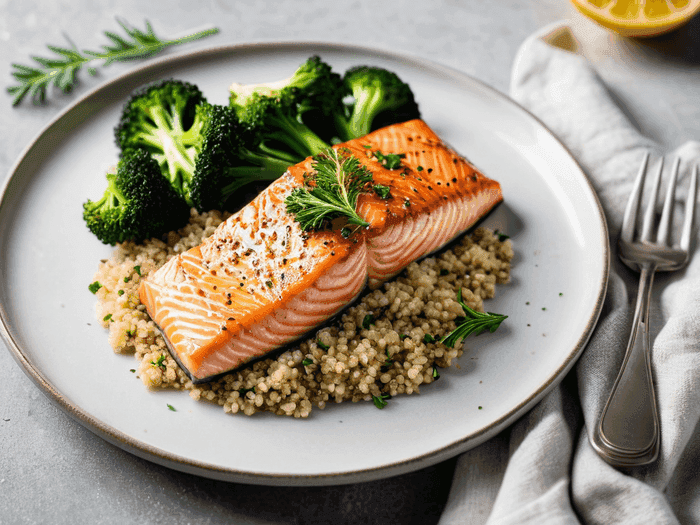
DASH Diet
Heart-healthy eating to lower blood pressure
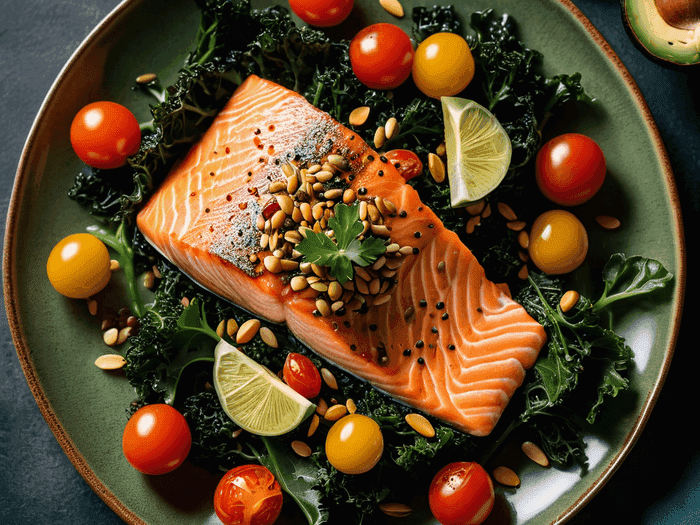
Anti-Inflammatory Diet
Foods that fight chronic inflammation
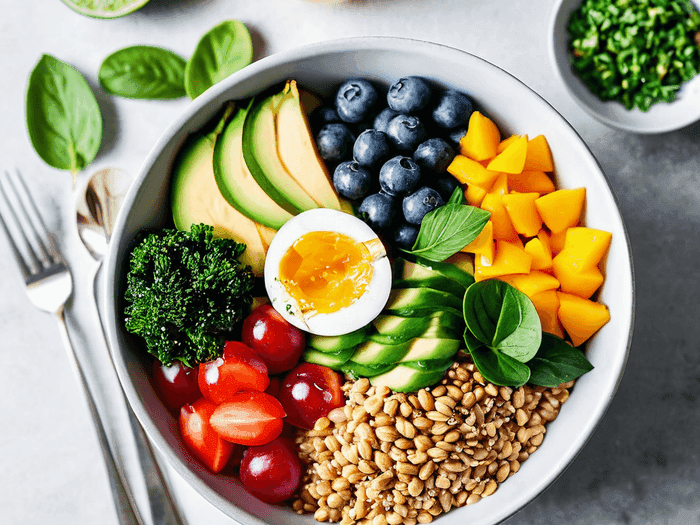
Healthy Lifestyle
Build sustainable healthy eating habits

Family Meals
Meal planning for the whole family
BMI Calculator
Check your body mass index