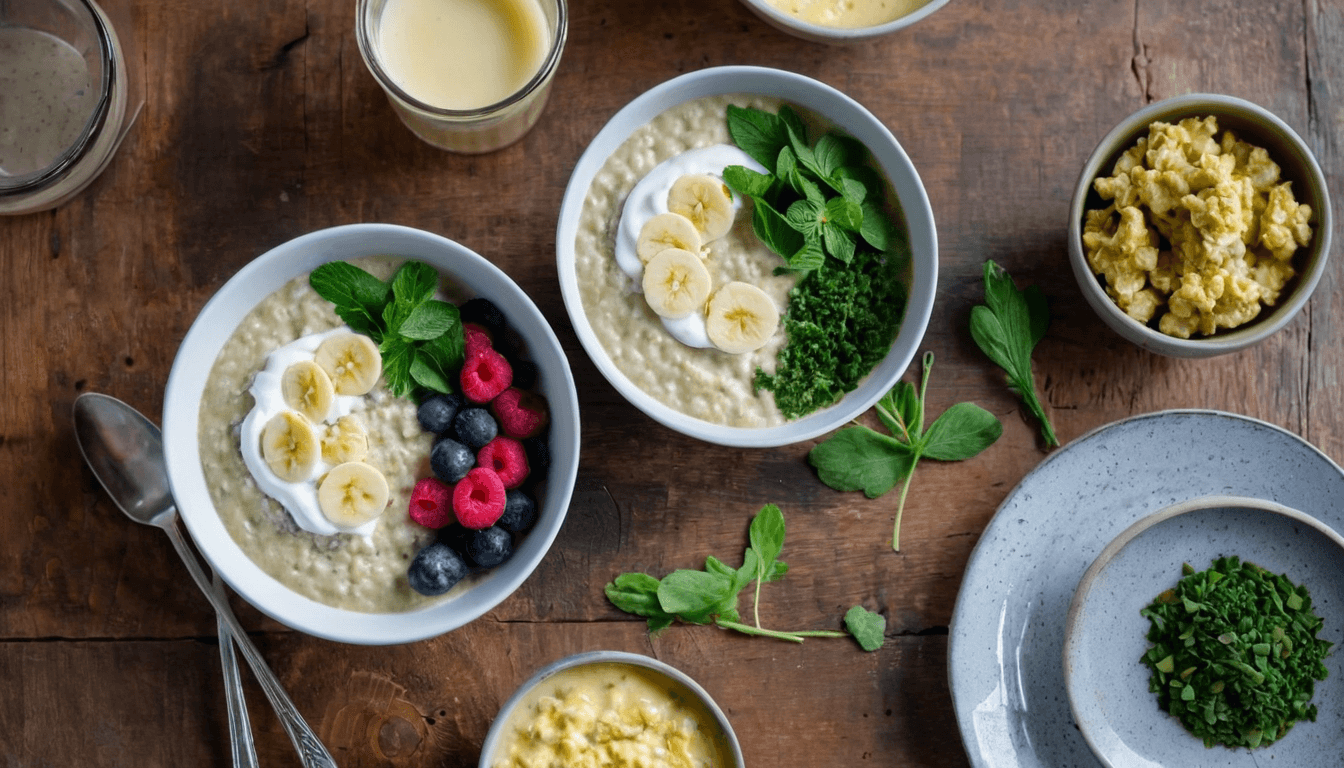
"My oncologist said 'keep your weight up' — but nothing tastes the same and I can't finish a meal"
AI meal planning · USDA-verified
Nutrition That Walks Alongside Your Treatment
Protein for muscle preservation, calorie-dense options, hydration, and gut-friendly meals — built to support you through and after treatment. This plan is supportive nutrition only: it is designed to complement clinical care, never to replace it. Always coordinate with your oncologist, oncology dietitian, or care team.
OUTCOME
THE CHALLENGE
Eating Through Treatment Is Its Own Battle
Side effects shift week to week. Appetite disappears. Tastes change. The frustrations we hear most:
"Nausea, mouth sores, taste changes — I need food that works on bad days"
"My dietitian gave me general guidance, but day-to-day meal planning still falls on me"
"As a caregiver, I'm trying to feed someone who barely wants to eat — I need real ideas"
THE SOLUTION
Supportive Nutrition, Coordinated With Your Care
Protein-forward meals, calorie-dense options for low-appetite days, gentle textures, and gut-friendly choices — structured into a weekly plan you and your care team can adjust together.
WHY IT WORKS
What Supportive Nutrition Can Help With
Outcomes are highly individual. With guidance from your oncology team, supportive nutrition is associated with the following benefits in the research.
Protein adequacy to support muscle preservation (often 1.0–1.5 g/kg/day per ESPEN oncology guidance)
Calorie-dense meal options when cachexia or weight loss is a concern
Gentle, soft-texture, and bland-flavor options for treatment days
Hydration strategies built into the daily plan
Anti-nausea-friendly foods — ginger, cool foods, smaller frequent meals
Gut-supportive fiber and fermented food choices when tolerated
Variety to navigate taste changes — multiple flavor profiles to rotate
Caregiver-friendly shopping lists for those cooking for a loved one
Plans easy to share with your oncology dietitian for review and adjustment
HOW IT WORKS
How It Works
Our AI makes healthy eating simple with a personalized, science-backed approach
STEP 01
Tell Us Where You Are
Share your treatment phase, current side effects, dietary restrictions from your care team, and any specific guidance from your oncology dietitian.
STEP 02
Coordinate With Your Care Team
Important: review the generated plan with your oncologist or oncology dietitian before starting. This is supportive nutrition — not medical treatment.
STEP 03
Plans That Flex With Side Effects
Low-appetite days, sore-mouth days, and stronger days each have their own meal options — so you're not stuck when treatment is rough.
STEP 04
Adjust Together Over Time
Update the plan as treatment phases change, side effects shift, or your care team revises guidance.
REAL RESULTS
What Patients And Caregivers Tell Us
Themes from users planning meals during and after cancer treatment
I'm halfway through chemo. Some days I can eat, some days I can't. I need a plan that doesn't fall apart on the bad days.
Early user feedback
Patient in active treatment
Goal: flexible meals across side-effect days
My oncology dietitian gave me targets — I want to plan meals around them and bring the plan back to her for review.
User story
Patient with dietitian support
Goal: dietitian-reviewable supportive plan
I'm cooking for my husband during treatment. I want soft, gentle, calorie-dense meals — and I want a list so I can just shop.
Caregiver feedback
Family caregiver
Goal: practical caregiver-friendly meals
Your transformation starts here
Supportive Nutrition, Built With Care
Generate a meal plan you can review with your oncology team. This is supportive nutrition — it complements clinical care and is never a substitute for medical advice or treatment.
No credit card requiredStart in under 3 minutes
BY THE NUMBERS
Why Nutrition Matters In Cancer Care
Reference figures from oncology nutrition guidelines — not platform claims, and not a substitute for your care team's guidance.
1.0–1.5 g/kg
Daily protein guidance
commonly cited in ESPEN cancer-nutrition recommendations
~50%
Of cancer patients
are estimated to experience nutritional risk during treatment
~20%
Of cancer deaths
are estimated by some analyses to be linked to cachexia and malnutrition — addressing nutrition matters
Variable
Side effects
shift week to week — flexible meal plans matter more than rigid prescriptions
WHAT YOU GET
How Plans Are Built For Treatment Realities
Cancer nutrition isn't one diet — it's adaptive support, coordinated with your team.
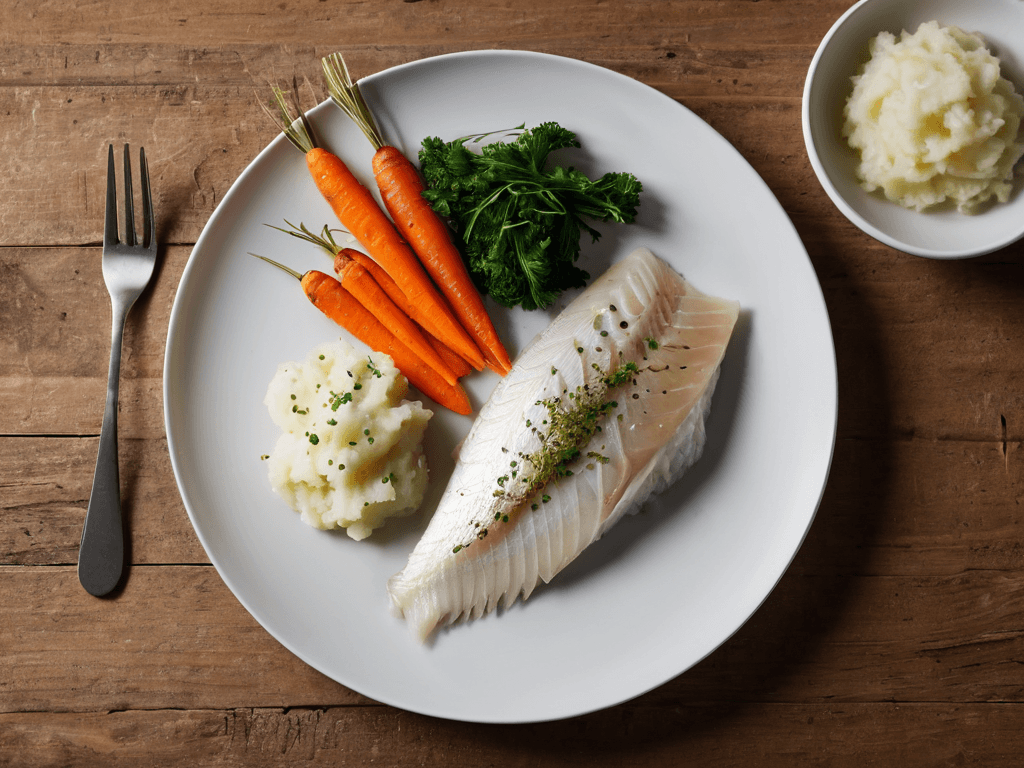
Protein-Forward Meal Structure
Protein distributed across meals to support muscle preservation, with options that work even on low-appetite days
Side-Effect-Aware Options
Nausea-friendly, sore-mouth-friendly, and taste-change-friendly meals built into the same weekly plan
Calorie Density When Needed
When weight loss is a concern, smoothies, nut butters, and energy-dense add-ins keep total intake achievable
Designed To Be Shared With Your Team
Plans are easy to print or send to your oncologist or oncology dietitian for review and adjustment
WHO IT'S FOR
Who Can Benefit?
Our AI meal planning serves a diverse community of health-conscious individuals and professionals
During Active Treatment
Patients navigating chemo, radiation, or surgery who want supportive meal structure that adapts to side effects
Post-Treatment Survivors
People in survivorship rebuilding strength, weight, and gut health after active treatment ends
At Risk Of Cachexia
Patients with appetite loss or unintentional weight loss who need calorie-dense, easy-to-eat options
Working With An Oncology Dietitian
Patients already under dietitian guidance who want a meal planner that fits within those instructions
Caregivers & Family
Family members cooking for a loved one in treatment — practical meal ideas, shopping lists, and gentle textures
Long-Term Survivors
Survivors years out focused on long-term healthful eating patterns and lifestyle support
Explore Related Resources
Discover more tools and guides for your nutrition journey
Scientific sources
Clinical nutrition guidelines and peer-reviewed evidence informing supportive cancer nutrition.
ESPEN practical guideline: Clinical Nutrition in cancer
Clinical Nutrition (ESPEN) · 2021
guidelineAmerican Cancer Society Guideline for Diet and Physical Activity for Cancer Prevention
CA: A Cancer Journal for Clinicians · 2020
guidelineDefinition and classification of cancer cachexia: an international consensus
The Lancet Oncology · 2011
consensusNutritional management of patients with cancer: a systematic review
Cancer Treatment Reviews · 2020
reviewProtein intake and muscle mass in cancer patients: a systematic review
Clinical Nutrition · 2019
reviewWorld Cancer Research Fund/AICR Diet, Nutrition, Physical Activity and Cancer Report
World Cancer Research Fund International · 2018
review
Recipes for this scenario
See all recipes →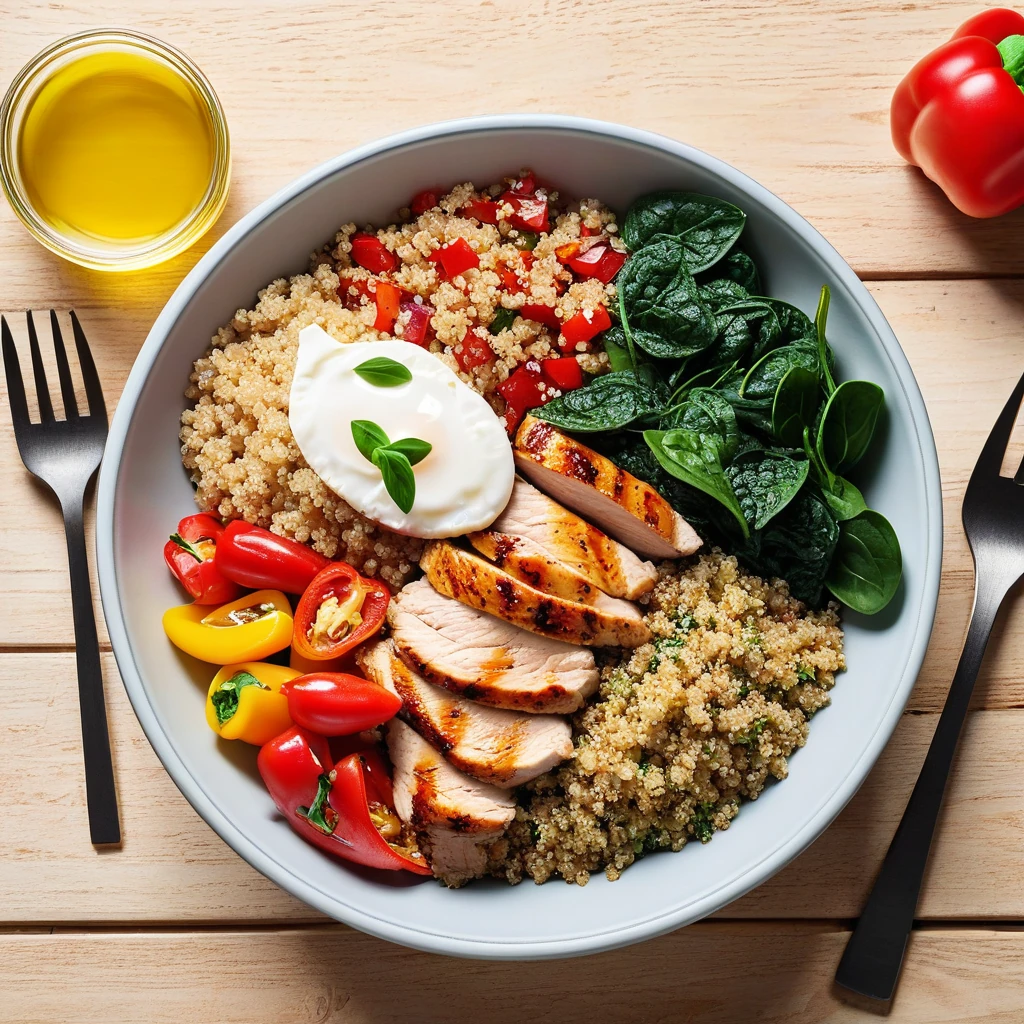
breakfast
Protein-Packed Quinoa Bowl
A nutritious bowl filled with quinoa, grilled chicken, and fresh vegetables, perfect for a balanced breakfast.
No ratings yet
45 min4530 kcal·P372g·C496g·F158g
snack
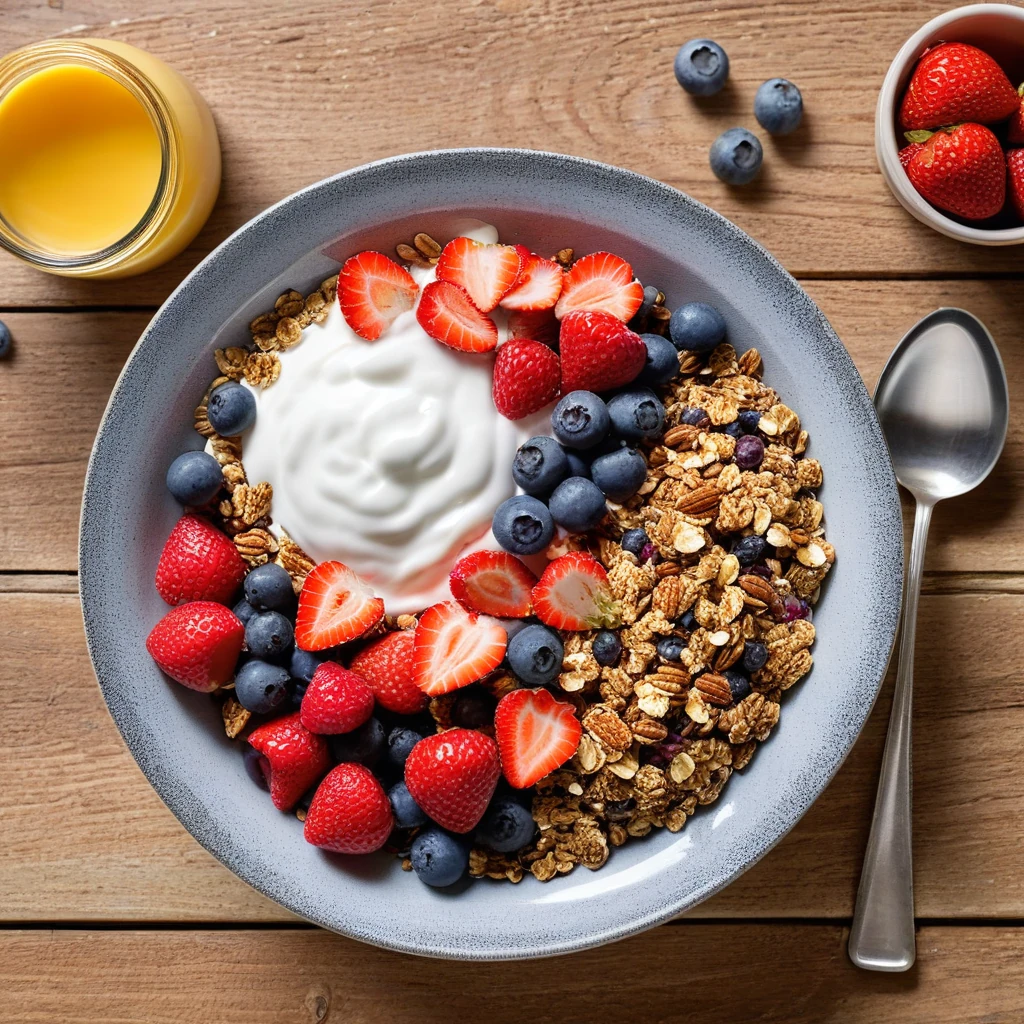
Greek Yogurt Parfait with Berries and Granola
A delicious and nutritious Greek yogurt parfait layered with fresh berries and crunchy granola, perfect for a satisfying snack.
No ratings yet
10 min639 kcal·P40g·C80g·F17g
lunch
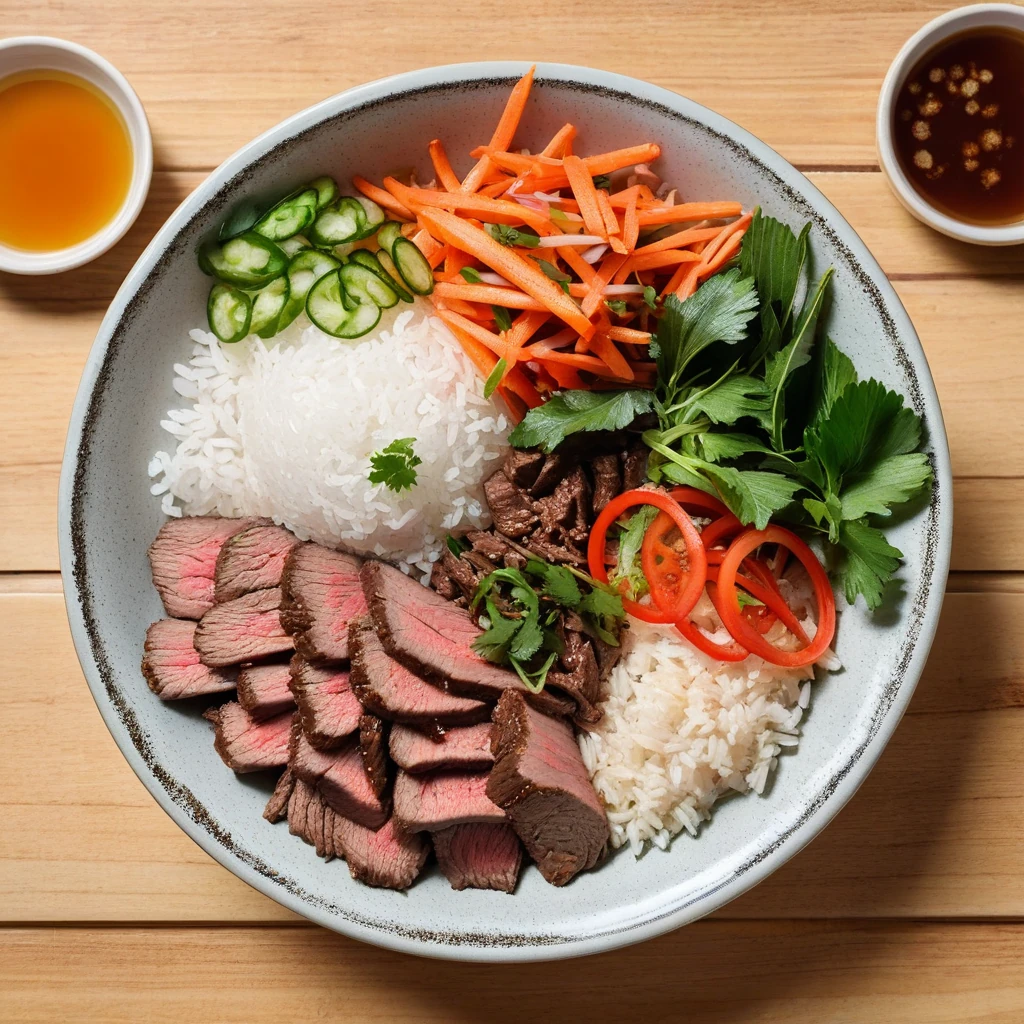
Vietnamese Beef Banh Mi Bowl
Marinated beef with pickled vegetables, cilantro, and crispy shallots over rice
No ratings yet
35 min985 kcal·P72g·C107g·F27g
breakfast
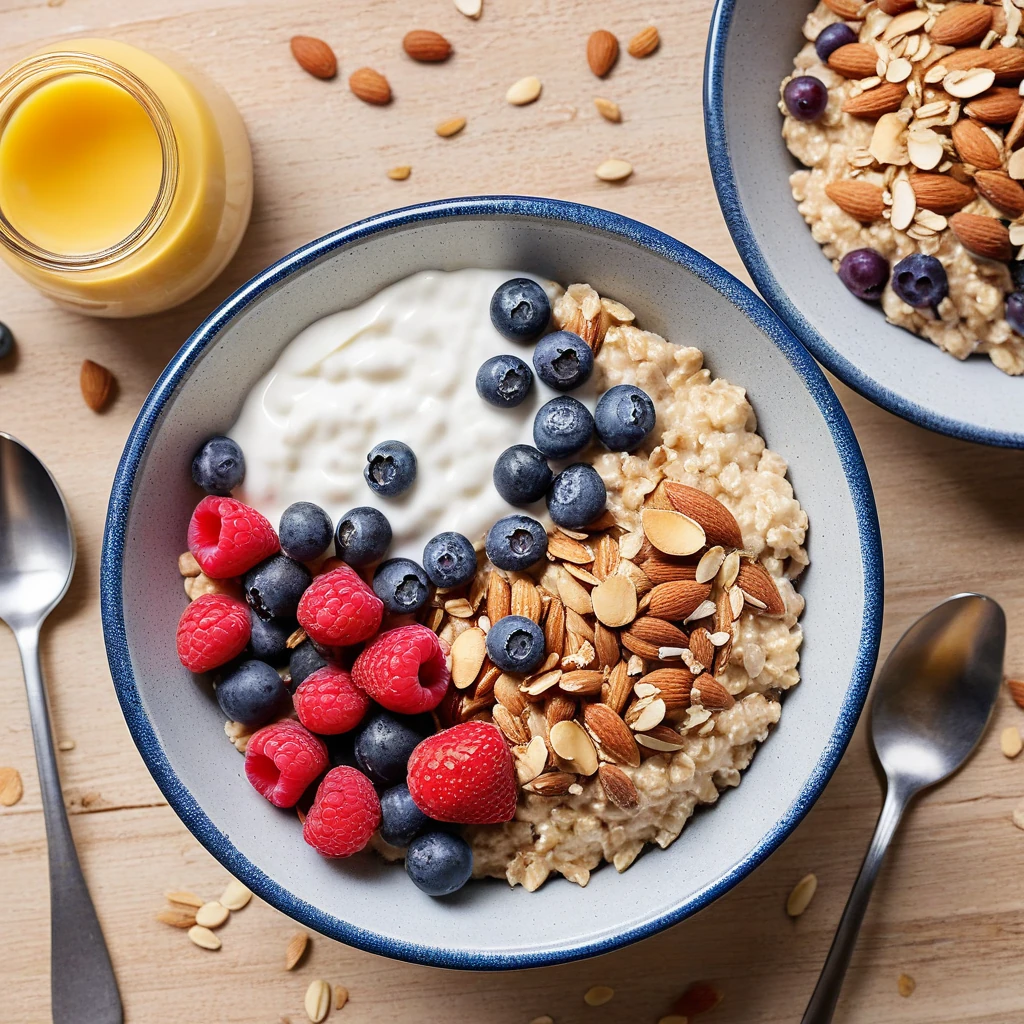
Oatmeal with Berries and Almonds
Creamy oatmeal topped with fresh berries, sliced almonds, and a drizzle of honey for a nutritious morning start
No ratings yet
13 min454 kcal·P36g·C47g·F16g
dinner
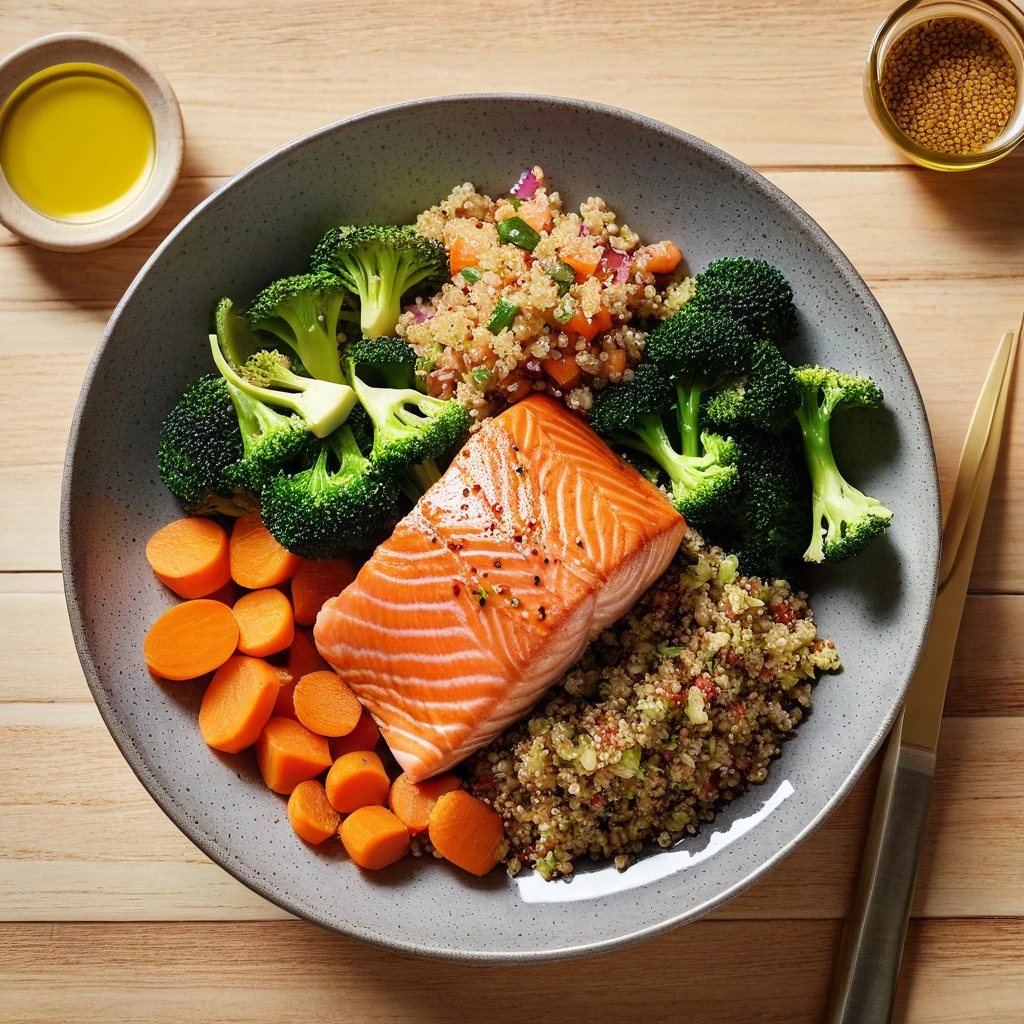
Sustainable Salmon Quinoa Bowl
A nutritious bowl filled with grilled sustainable salmon, quinoa, and a medley of colorful vegetables, drizzled with a lemon-tahini dressing, perfect for supporting your health goals.
No ratings yet
35 min700 kcal·P52g·C70g·F23g
afternoon_snack
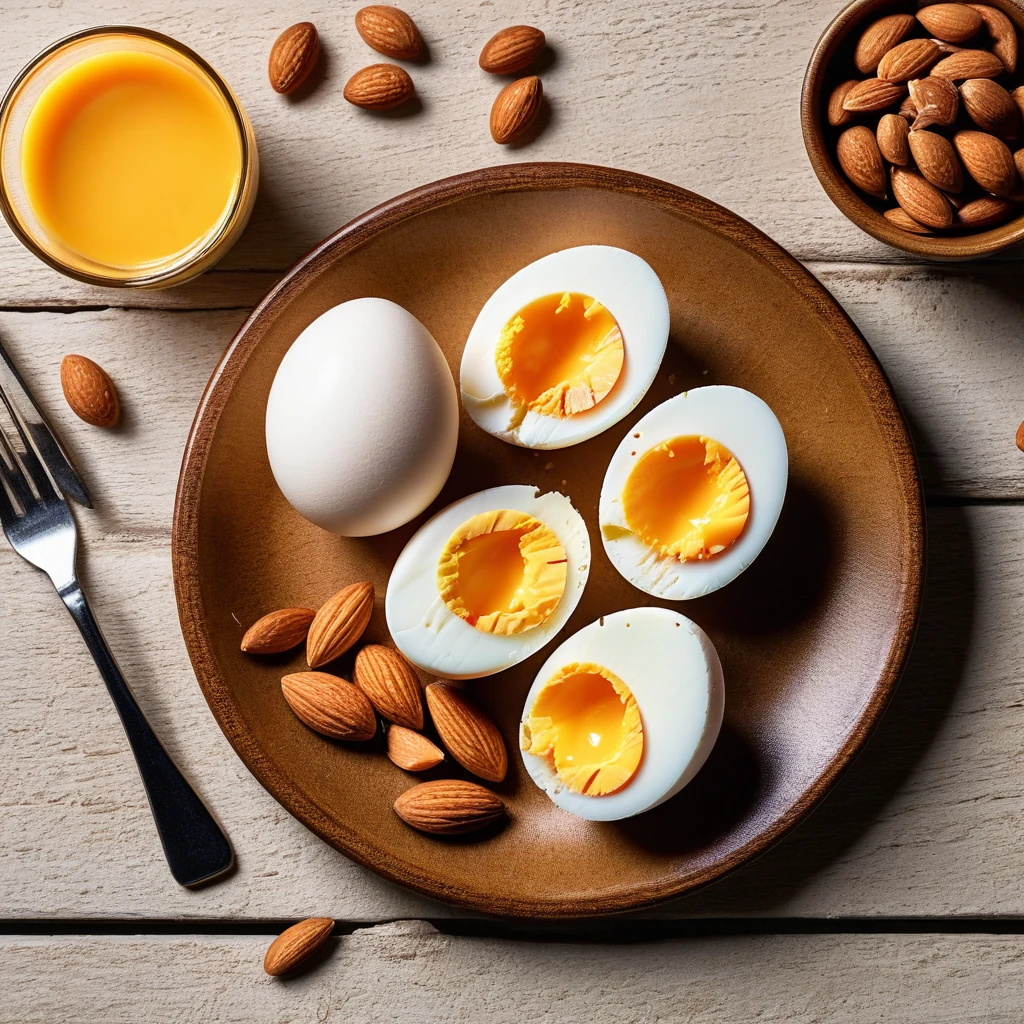
Hard-Boiled Eggs with Cheddar Cheese and Almonds
Protein-rich snack with hard-boiled eggs, sharp cheddar cheese, and roasted almonds
No ratings yet
17 min457 kcal·P26g·C8g·F37g

breakfast
Protein Pancakes with Berries and Greek Yogurt
Fluffy protein-enriched pancakes topped with fresh berries, Greek yogurt, and a drizzle of honey
No ratings yet
22 min404 kcal·P47g·C57g·F16g
breakfast
breakfast
Breakfast: Grilled Chicken and Vegetable Omelette
A high-protein breakfast featuring grilled chicken, eggs, broccoli, and bell pepper with a touch of olive oil.
No ratings yet
25 min567 kcal·P73g·C13g·F28g
lunch
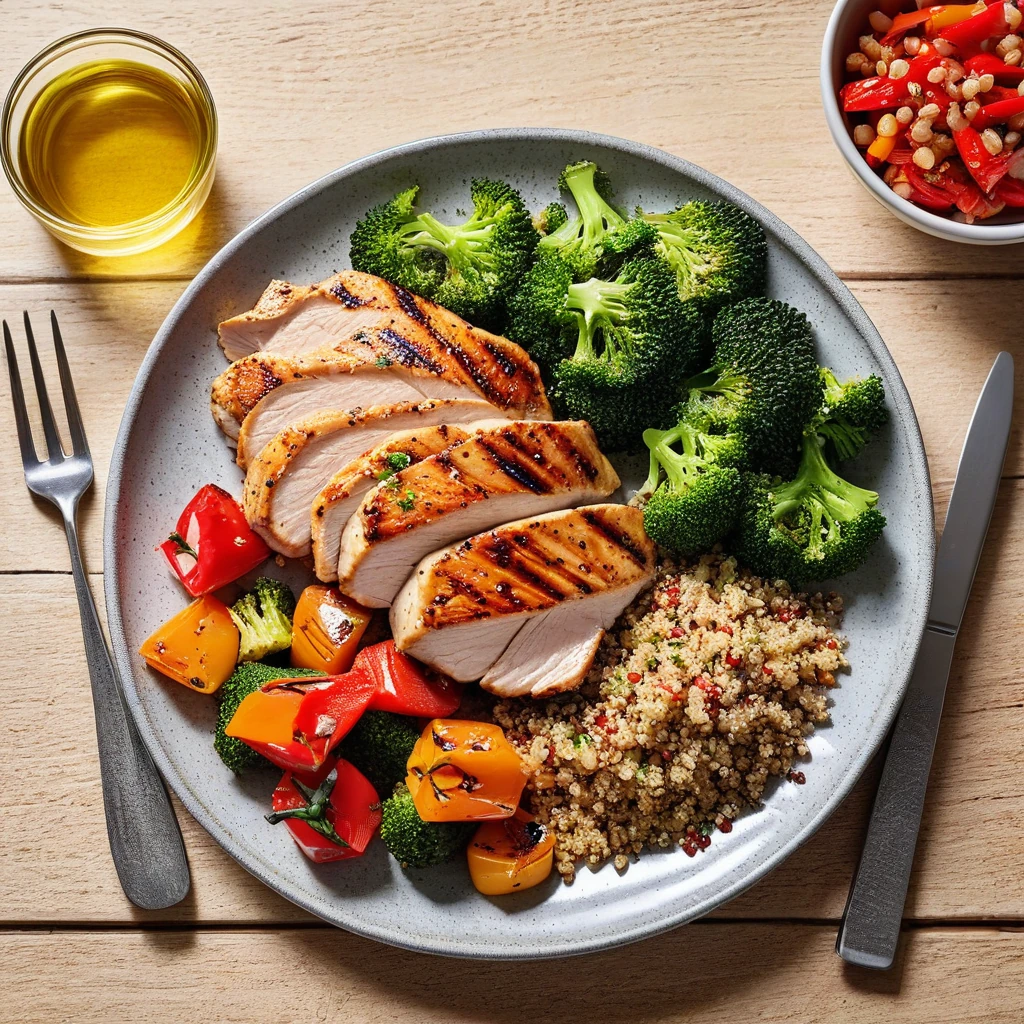
Grilled Chicken Breast with Quinoa and Vegetables
Lean grilled chicken breast served with fluffy quinoa, roasted broccoli, and bell peppers
No ratings yet
40 min761 kcal·P57g·C76g·F26g
lunch
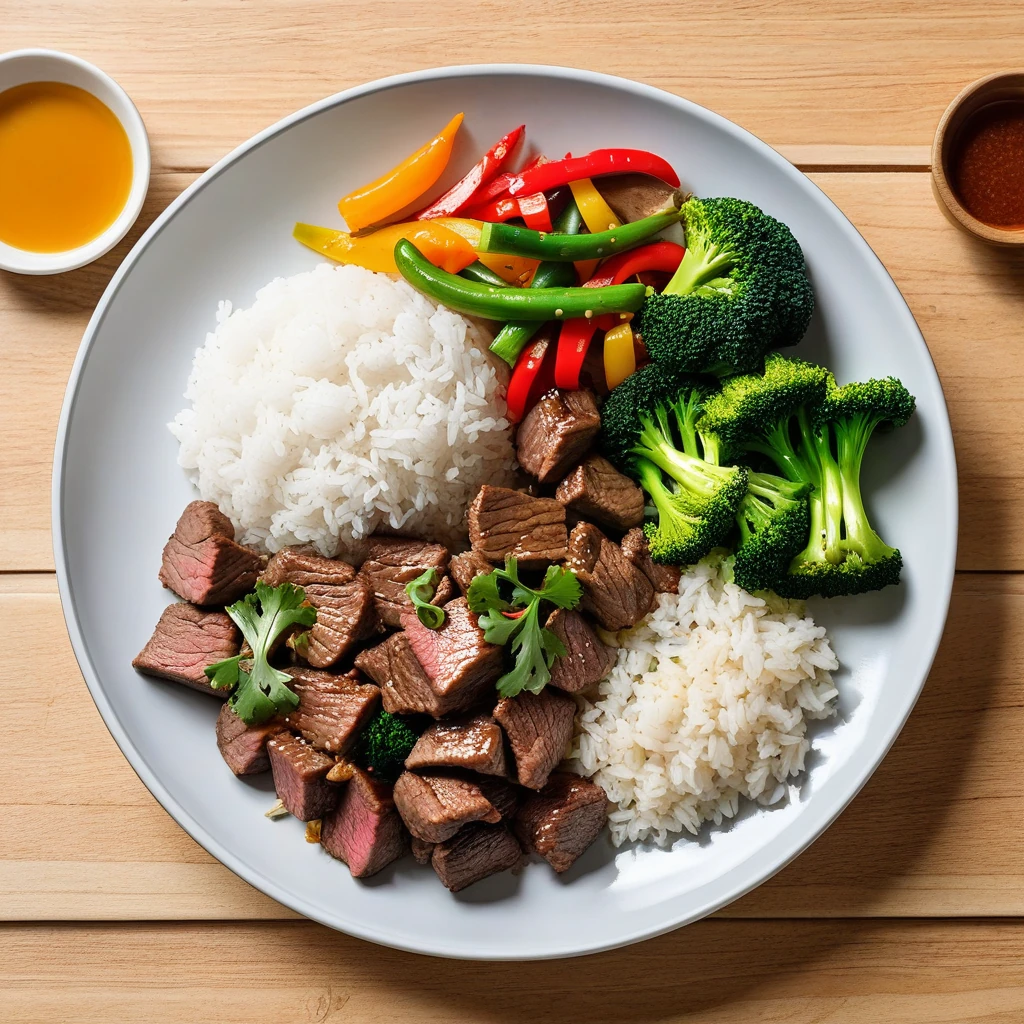
Beef and Vegetable Stir-Fry with Jasmine Rice
Tender lean beef strips stir-fried with colorful vegetables including bell peppers, broccoli, and snap peas, served over fluffy jasmine rice with a light ginger-soy sauce
No ratings yet
35 min813 kcal·P69g·C74g·F25g
dinner
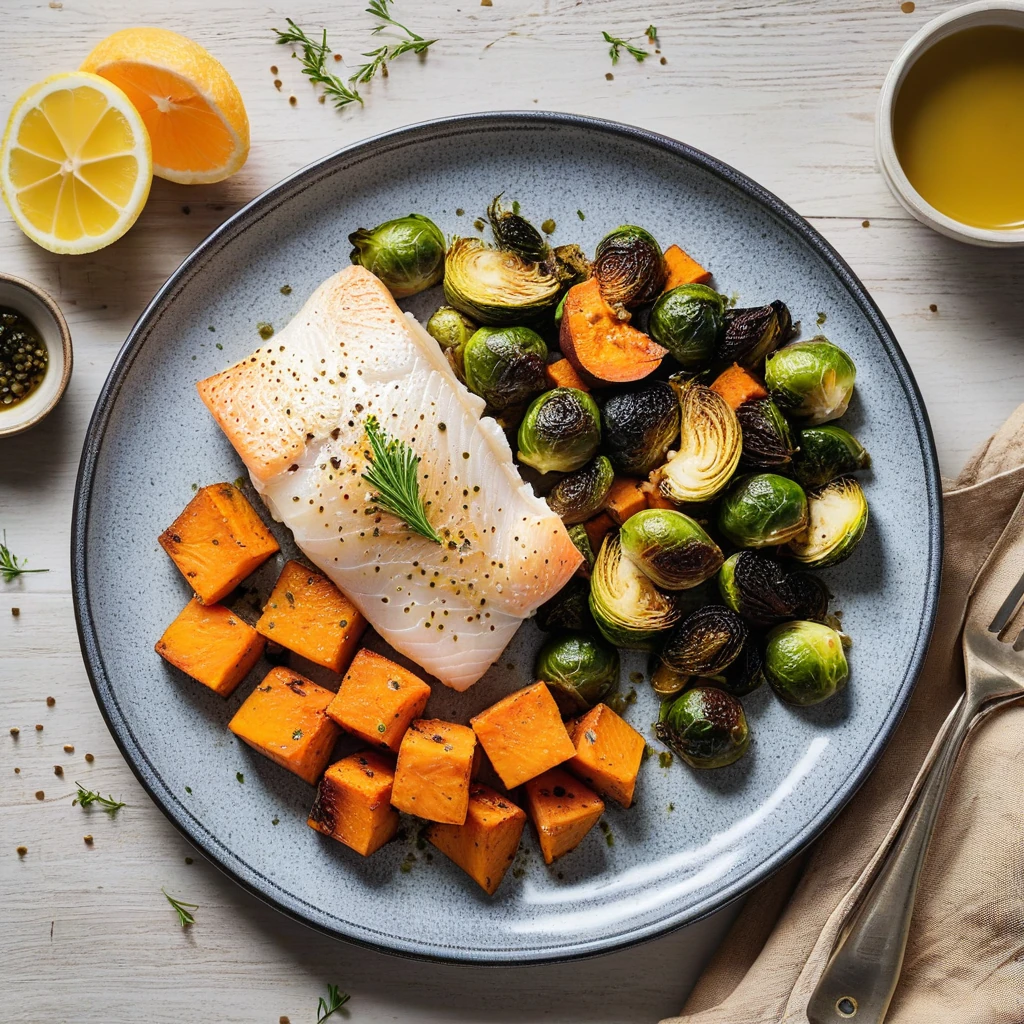
Baked Cod with Roasted Brussels Sprouts and Sweet Potato
Flaky white fish seasoned with herbs and lemon, paired with crispy roasted Brussels sprouts and creamy sweet potato for a light yet satisfying dinner
No ratings yet
35 min504 kcal·P38g·C50g·F17g
lunch
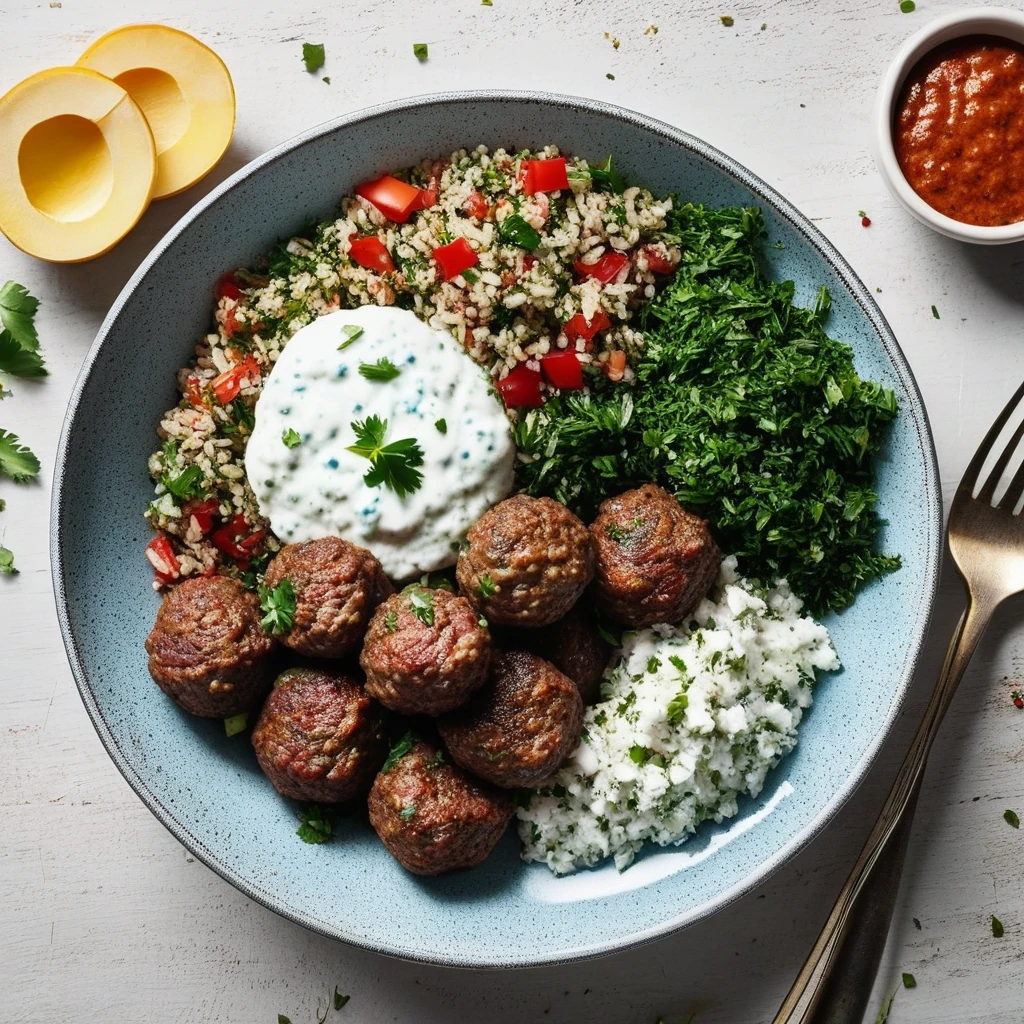
Grilled Lamb Kofta Bowl with Tabbouleh and Tzatziki
Seasoned lamb kofta skewers served over fresh tabbouleh salad with cucumber, tomatoes, and parsley, alongside creamy tzatziki sauce. A Mediterranean-inspired lunch with vibrant flavors.
No ratings yet
30 min900 kcal·P67g·C101g·F25g