"I take a vitamin C tablet but my actual meals are beige and the same all week"
AI meal planning · USDA-verified
Eat to Support Your Everyday Immune Resilience
AI meal plans built around vitamin C, zinc, vitamin D-aware choices, polyphenols, fermented foods, garlic and mushrooms. Designed to support normal immune function — not to prevent, treat or cure any illness.
OUTCOME
THE CHALLENGE
"Eat for Immunity" Usually Means Nothing in Practice
Headlines push superfoods one week and supplements the next. Most people just want a sensible everyday plan that already includes the nutrients their immune system uses.
"I keep hearing about zinc and vitamin D but I have no idea which foods I should rotate in"
"I want fermented foods in my week but I never plan them in, so they don't happen"
"I want a steady, sensible base — not another supplement stack to manage"
THE SOLUTION
What if Your Weekly Plan Quietly Covered the Basics?
Imagine a sensible week with daily vitamin C, regular zinc sources, vitamin D-aware proteins, plenty of polyphenols, and small servings of fermented foods built in by default.
WHY IT WORKS
What an Immune-Supportive Plan Looks Like
Real meals shaped around the everyday nutrients your immune system uses — not magic foods or megadoses.
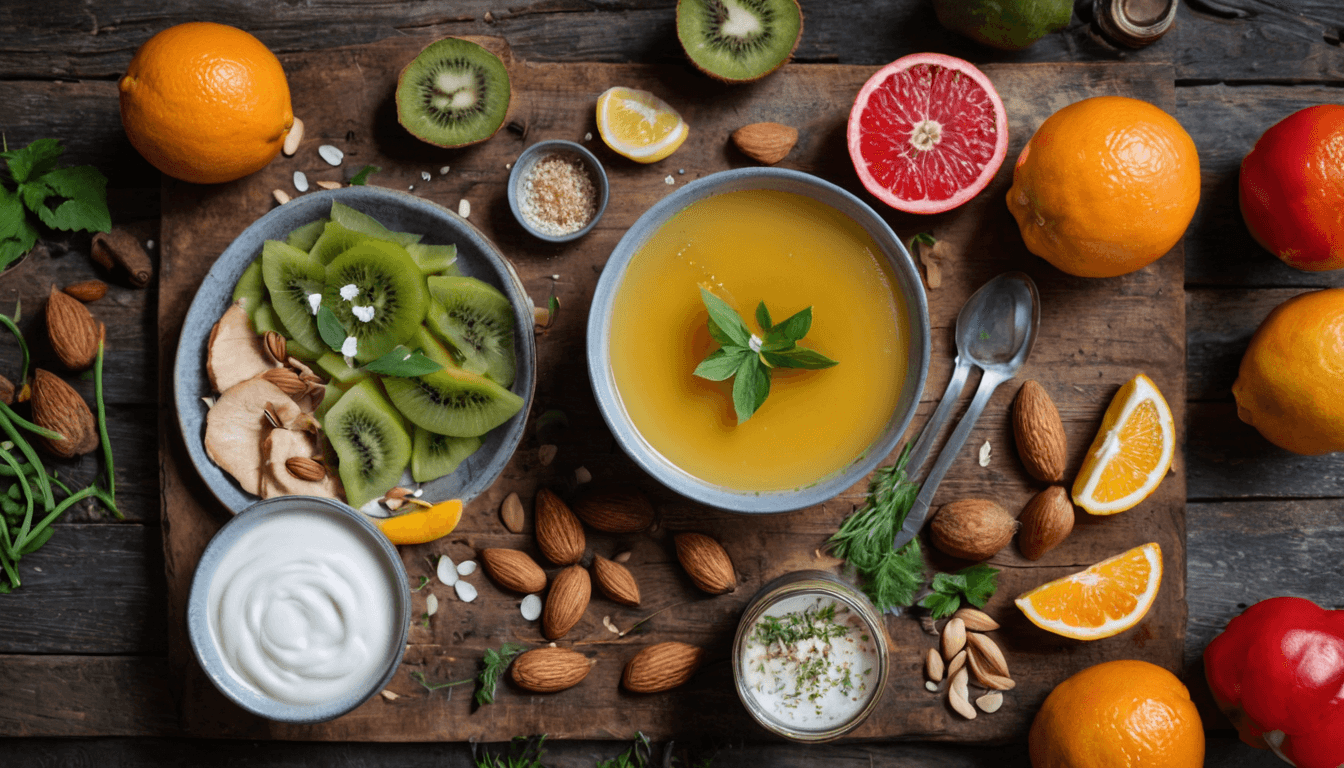
Daily vitamin C from citrus, peppers, kiwi, strawberries and leafy greens
Regular zinc sources rotated through the week: shellfish, beef, pumpkin seeds, lentils and chickpeas
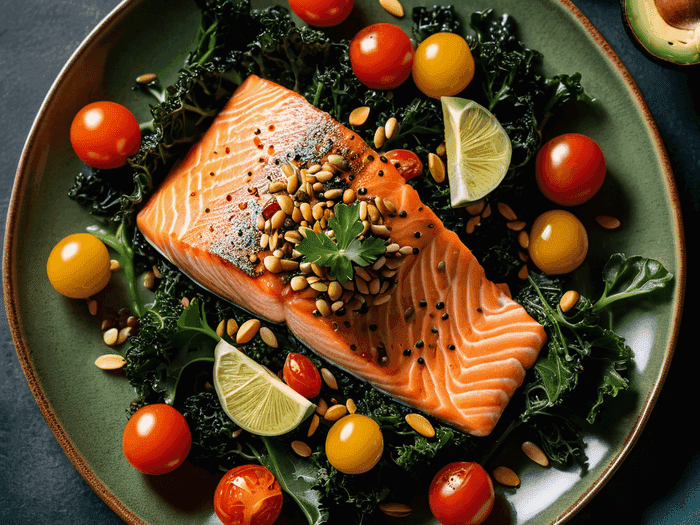
Vitamin D-aware choices like fatty fish, eggs and fortified options across the week
Polyphenol-rich foods: berries, dark leafy greens, herbs, spices, green tea and extra-virgin olive oil
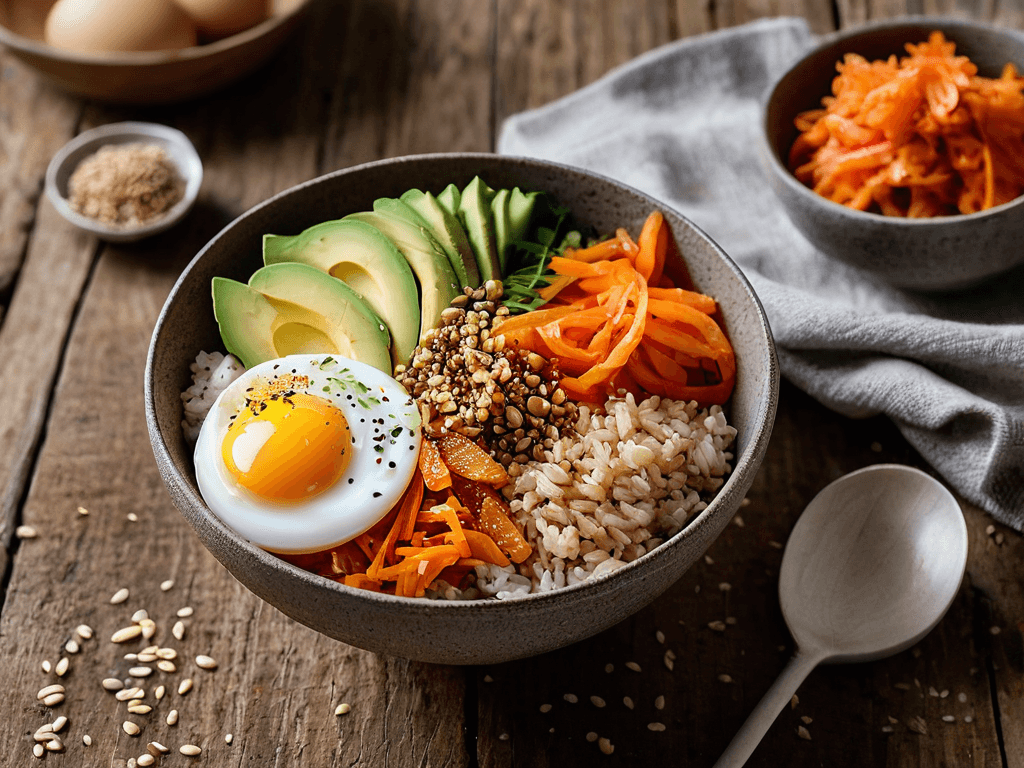
Fermented foods like yogurt, kefir, kimchi and sauerkraut included in small, regular servings
Allium-family vegetables — garlic, onion, leek — woven into everyday cooking
Mushrooms (including shiitake and maitake) rotated in for beta-glucans and minerals
Adequate protein at each meal to support normal tissue repair and immune function
Plenty of vegetables and a variety of plant foods across the week for overall dietary quality
HOW IT WORKS
How It Works
Our AI makes healthy eating simple with a personalized, science-backed approach
STEP 01
Share Your Everyday Context
Tell the AI about your dietary preferences, any food allergies, and how often you cook. This plan is designed to support normal immune function as part of a healthy lifestyle — not to treat illness.
STEP 02
Get a Resilience-Friendly Blueprint
Receive a weekly plan that already includes daily vitamin C, regular zinc sources, vitamin D-aware proteins, polyphenols and small fermented-food servings.
STEP 03
Cook Sensible, Real Meals
Follow simple recipes built around citrus, peppers, mushrooms, garlic, yogurt, fish, beans and leafy greens — designed to feel like normal cooking, not a wellness fad.
STEP 04
Keep It Going Long-Term
The plan adjusts variety, fermented-food choices and protein rotation over time so it stays interesting and sustainable, week after week.
REAL RESULTS
What People Want From an Immune-Aware Plan
Common themes from users focused on everyday nutritional resilience.
I don't want "immunity hacks" — I want a normal weekly plan that already has the vitamin C and zinc covered.
Early user feedback
Adult focused on everyday wellness
Goal: built-in micronutrient base
Fermented foods sound great until Friday night and I have no plan. I want kimchi and yogurt on the calendar.
User story
Home cook
Goal: scheduled fermented foods
I'd rather get nutrients from food where I reasonably can and stop stacking supplements I forget to take.
Community feedback
Supplement simplifier
Goal: food-first nutritional baseline
Your transformation starts here
Build a Sensible, Immune-Aware Weekly Plan
Get an AI-built plan with built-in vitamin C, zinc, vitamin D-aware proteins, polyphenols and fermented foods. Designed to support normal immune function — not to treat or prevent illness.
No credit card requiredStart in under 3 minutes
BY THE NUMBERS
Why Everyday Dietary Pattern Matters for Immune Function
Numbers below summarize themes from nutritional immunology research, not platform claims about preventing or treating illness.
75-90 mg
Daily vitamin C reference intake
for adult women and men under common dietary reference frameworks
8-11 mg
Daily zinc reference intake
for non-pregnant adult women and men under common dietary reference frameworks
600-800 IU
Daily vitamin D reference intake
commonly cited for adults; actual needs vary with sun exposure and clinical status
Daily
Polyphenol and plant-food variety
associated with overall dietary quality and immune function in long-term studies
WHAT YOU GET
Designed Around Everyday Immune-Supportive Nutrition
Vitamin C, zinc, vitamin D-aware choices, polyphenols and fermented foods — applied to your real week.
Daily Vitamin C Backbone
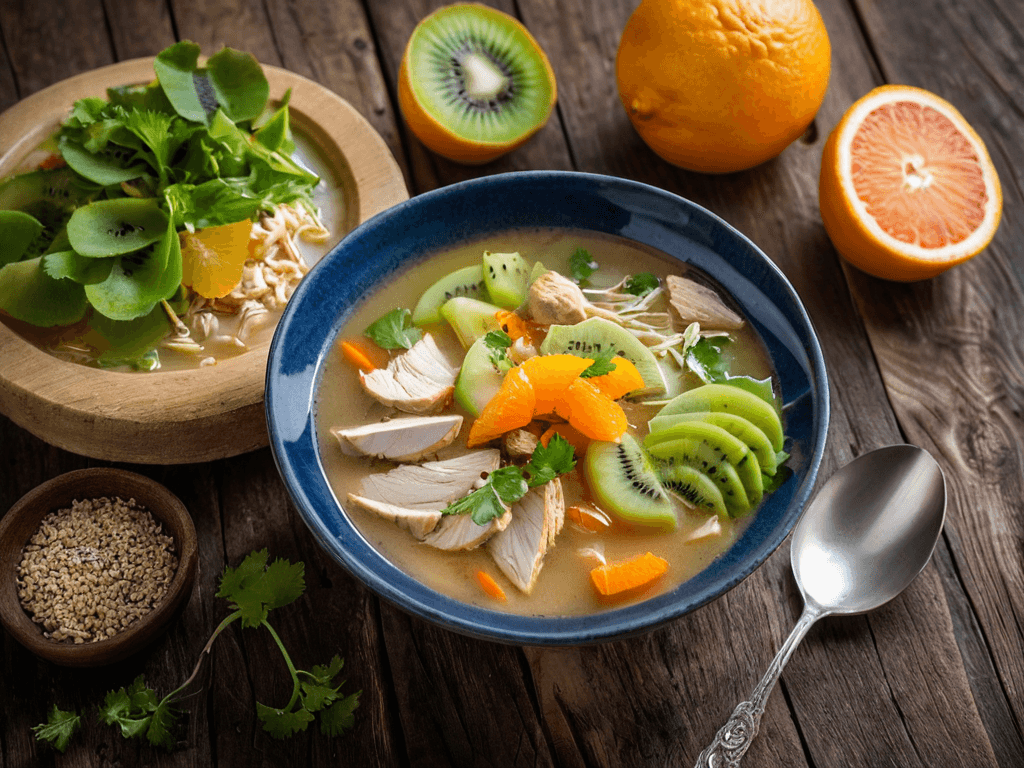
Citrus, peppers, kiwi and leafy greens are woven into breakfasts, lunches and snacks so daily vitamin C isn't an afterthought
Zinc-Aware Protein Rotation
Beef, shellfish, lentils, chickpeas and pumpkin seeds are rotated through the week as everyday zinc sources
Polyphenols and Allium by Default
Berries, herbs, spices, garlic, onion, green tea and extra-virgin olive oil are quietly built into recipes for variety and dietary quality
Fermented Foods on the Calendar
Small, regular servings of yogurt, kefir, kimchi or sauerkraut are scheduled into the plan instead of left to willpower
WHO IT'S FOR
Who Can Benefit?
Our AI meal planning serves a diverse community of health-conscious individuals and professionals
Adults Focused on Everyday Wellness
People who want a sensible, immune-aware eating pattern as part of a healthy lifestyle
Families Cooking Together
Households that want one weekly plan with built-in vitamin C, zinc and fermented foods that works for everyone
Frequent Travelers
People who travel often and want a stable nutritional baseline when they're home
Supplement Simplifiers
People tired of stacking pills who'd rather get more from food where they reasonably can
Active Adults
People with consistent training schedules who want their food to support normal recovery and immune function
Long-Term Resilience Builders
People focused on building robust everyday dietary patterns rather than chasing one-off "immunity boosters"
Explore Related Resources
Discover more tools and guides for your nutrition journey
Scientific sources
Selected references that inform the dietary patterns recommended on this page.
Vitamin C and Immune Function
Nutrients · 2017
reviewZinc in Human Health: Effect of Zinc on Immune Cells
Molecular Medicine · 2008
reviewVitamin D and Immune Function
Nutrients · 2013
reviewVitamin D supplementation to prevent acute respiratory tract infections: systematic review and meta-analysis
BMJ · 2017
meta-analysisISAPP consensus statement on the scope and appropriate use of the term probiotic
International Scientific Association for Probiotics and Prebiotics — Nature Reviews Gastroenterology & Hepatology · 2014
consensusPolyphenols: food sources, properties and applications — a review
International Journal of Food Science & Technology · 2018
review