"I train 6 days a week but hit performance plateaus because my fueling isn't dialed in for my specific sport"
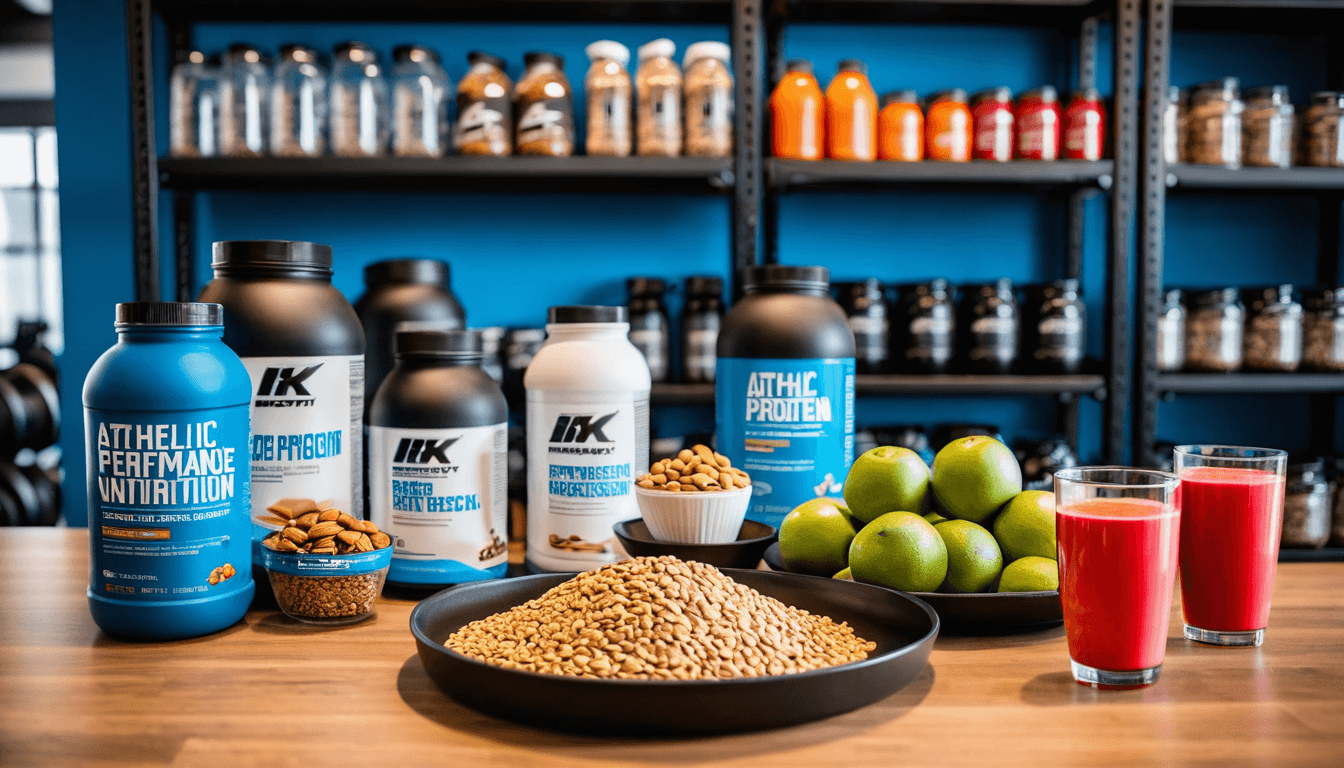
Your Training Is Elite. Your Nutrition Should Be Too.
You dedicate everything to training, but generic sports nutrition advice is costing you podium finishes and personal records.
"I bonk during competitions and never feel like I'm maximizing my energy systems properly"
"Recovery takes too long between sessions - I know nutrition is the missing piece but don't know how to optimize it"
"I see competitors with better nutrition strategies dominating while I struggle with the same generic advice"
What if Every Calorie Was Strategically Timed for Peak Performance?
Imagine having nutrition so precisely calibrated that you feel unstoppable during competition and recover faster than ever before.
Elite Athletic Performance Results
See what happens when your nutrition matches the precision and intensity of your training.
Increase power output by 15-25% with precision pre-competition fueling strategies
Reduce recovery time between sessions by up to 40% with optimized post-workout nutrition
Maintain peak performance for longer durations without hitting the wall or bonking
Optimize body composition for your sport while maintaining or increasing power-to-weight ratio
Enhance mental focus and decision-making during high-pressure competition moments
Prevent overtraining syndrome with nutrition that supports hormonal balance and adaptation
Customize hydration and electrolyte strategies for your sweat rate and competition environment
Maximize training adaptations with periodized nutrition that matches your training cycles
Gain a competitive edge through legal performance enhancement via advanced sports nutrition science
How It Works
Our AI makes healthy eating simple with a personalized, science-backed approach
1
Athletic Assessment
Complete comprehensive analysis of your sport, training schedule, competition calendar, body composition goals, and current performance metrics.
2
Performance Protocol Design
Receive sport-specific nutrition protocols with precise timing for training, competition, and recovery phases based on exercise physiology research.
3
Competition Execution
Implement race-day fueling strategies, training nutrition periodization, and recovery protocols designed for your competitive calendar.
4
Performance Optimization
Track performance metrics, recovery data, and competition results while AI refines your nutrition for continuous improvement and peak performance.
Champions Using AI Sports Nutrition
Elite athletes sharing how precision nutrition transformed their competitive performance
Shaved 90 seconds off my marathon PR after optimizing my fueling strategy. The AI calculated my exact carb needs better than any sports nutritionist I've worked with.
E
Elena Rodriguez
Elite Marathon Runner
90s PR improvement, sub-2:25 marathon
My cycling power output increased 18% and I'm recovering overnight instead of taking 2 days between hard sessions. Made the national team for the first time.
J
Jake Thompson
Competitive Cyclist
18% power increase, national team
Finally figured out my competition day nutrition. Haven't bonked in 8 months and my swim times are consistently hitting personal bests in my 30s.
M
Maria Santos
Masters Swimmer
8 consecutive PRs, zero bonking
Your transformation starts here
Train Like a Champion. Fuel Like a Champion.
Stop settling for amateur nutrition when you have elite ambitions. Get the same precision sports nutrition used by Olympic and professional athletes.
No credit card requiredStart in under 3 minutes
Elite Athletic Performance Improvements
Real performance data from competitive athletes using AI-optimized sports nutrition protocols
19%
Average Performance Improvement
in sport-specific metrics within 90 days
42%
Faster Recovery Times
between high-intensity training sessions
86%
Hit Personal Records
within 6 months of optimized nutrition
31%
Reduction in Bonking/Fatigue
during competitions and training

Professional Sports Nutrition Technology
Elite-level AI systems used by Olympic and professional athletes for competitive advantage
Sport-Specific Energy Systems
Customized nutrition protocols based on your sport's energy demands - aerobic, anaerobic, neuromuscular, and phosphocreatine systems
Competition Periodization
Nutrition strategies that align with training phases, competition calendar, and peak performance timing throughout your season
Real-Time Performance Analytics
Integration with training data, heart rate variability, sleep metrics, and competition results to optimize nutrition strategies
Advanced Recovery Protocols
Post-exercise nutrition timing and composition designed to maximize protein synthesis, glycogen replenishment, and adaptation
Who Can Benefit?
Our AI meal planning serves a diverse community of health-conscious individuals and professionals
Endurance Athletes
Marathon runners, cyclists, triathletes requiring precise fueling strategies for sustained performance and glycogen optimization
Strength & Power Athletes
Olympic lifters, sprinters, field athletes needing explosive energy systems support and optimal power-to-weight ratios
Team Sport Athletes
Soccer, basketball, hockey players requiring intermittent energy system optimization and game-day performance protocols
Combat Sport Athletes
MMA fighters, boxers, wrestlers needing weight management with maintained strength, power, and cognitive function
B2B
Masters Athletes
Competitive athletes 35+ focusing on recovery optimization, hormone support, and age-specific performance enhancement
B2B
Professional Athletes
Elite competitors requiring cutting-edge nutrition strategies for career longevity, injury prevention, and championship performance
Frequently Asked Questions
How many calories do athletes need per day?
Calorie needs vary widely based on sport, training intensity, body size, and goals. Endurance athletes may need 3,000-5,000+ calories daily, while strength athletes typically need 2,500-4,000 calories. During heavy training phases, some elite athletes consume 6,000-8,000 calories. Our AI calculates your specific needs based on your sport, training schedule, body composition, and performance goals.
When should athletes eat protein for optimal recovery?
Research shows that distributing protein intake throughout the day is more important than exact timing. Aim for 20-40g of high-quality protein every 3-4 hours, including within 2 hours post-workout. The total daily protein target of 1.6-2.2g per kg of body weight matters most. For overnight recovery, consuming casein protein or cottage cheese before bed can support muscle protein synthesis during sleep.
What should I eat before and after workouts?
Pre-workout (2-3 hours before): A balanced meal with complex carbs, moderate protein, and low fat, such as oatmeal with banana and whey protein. For a quick snack 30-60 minutes before, try a banana or energy bar. Post-workout (within 2 hours): Focus on protein (20-40g) and carbohydrates (0.5-1g per kg body weight) to replenish glycogen and support recovery. Examples include a protein shake with fruit or chicken with rice.
How important is hydration for athletic performance?
Hydration is critical for performance. Even 2% dehydration can reduce endurance by up to 25% and strength by 2-3%. Athletes should drink 500ml of water 2-3 hours before exercise, 200-300ml every 15-20 minutes during exercise, and 1.5 liters for every kilogram of body weight lost through sweat. For sessions over 60 minutes, sports drinks with electrolytes help maintain sodium and potassium levels.
Do athletes need supplements?
While whole foods should be the foundation, some supplements have strong evidence for athletes: creatine monohydrate (3-5g daily for strength and power), caffeine (3-6mg/kg for endurance and focus), beta-alanine (3-6g daily for high-intensity performance), and vitamin D if levels are low. Protein supplements are convenient but not superior to whole food sources. Always prioritize food first and consult a sports dietitian before supplementing.
What is carb cycling and should athletes use it?
Carb cycling involves varying carbohydrate intake based on training demands. On heavy training days, you consume more carbs (5-8g/kg) to fuel performance. On rest or light days, you reduce carbs (2-3g/kg) and increase fat intake. This approach can optimize body composition while maintaining performance. It is particularly useful for athletes in weight-class sports or those wanting to reduce body fat without sacrificing training quality.
How do I meal prep efficiently as an athlete?
Batch cooking is key for athletes with demanding schedules. Prep proteins (grilled chicken, hard-boiled eggs, slow-cooker meats), complex carbs (rice, sweet potatoes, pasta), and vegetables in large quantities on 1-2 days per week. Use portioned containers for grab-and-go meals. Our AI meal planner automatically generates shopping lists and prep schedules, making it easy to have performance-ready meals available throughout the week.
How should nutrition change on rest days vs training days?
On rest days, total calorie needs decrease by 300-500 calories since you are not burning energy through training. Reduce carbohydrates (by 1-2g/kg) while maintaining protein intake to support recovery and muscle protein synthesis. Fat intake can stay the same or slightly increase. Rest day nutrition is crucial for recovery, so do not drastically cut calories. Focus on nutrient-dense whole foods that support tissue repair and adaptation.
Explore Related Resources
Discover more tools and guides for your nutrition journey
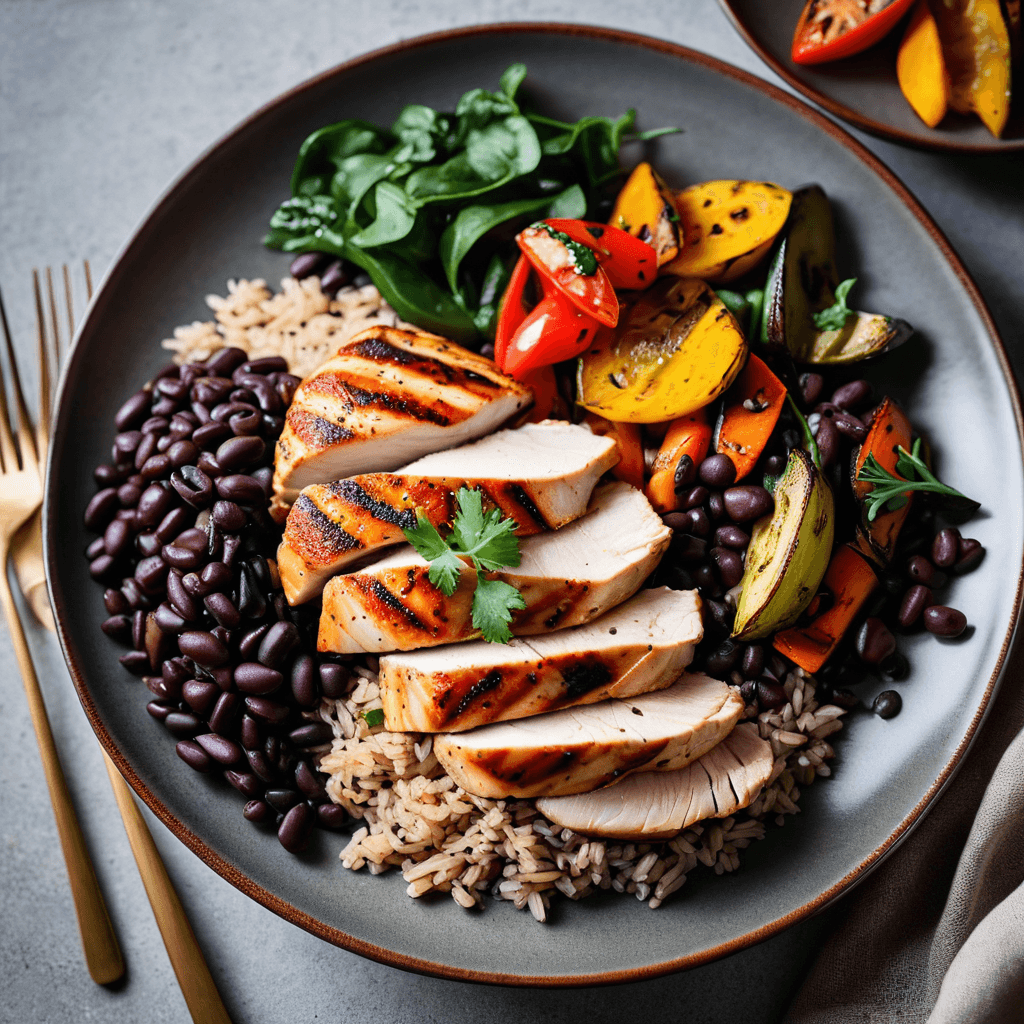
Diet
High-Protein Diet
Optimize protein for performance and recovery
Learn more
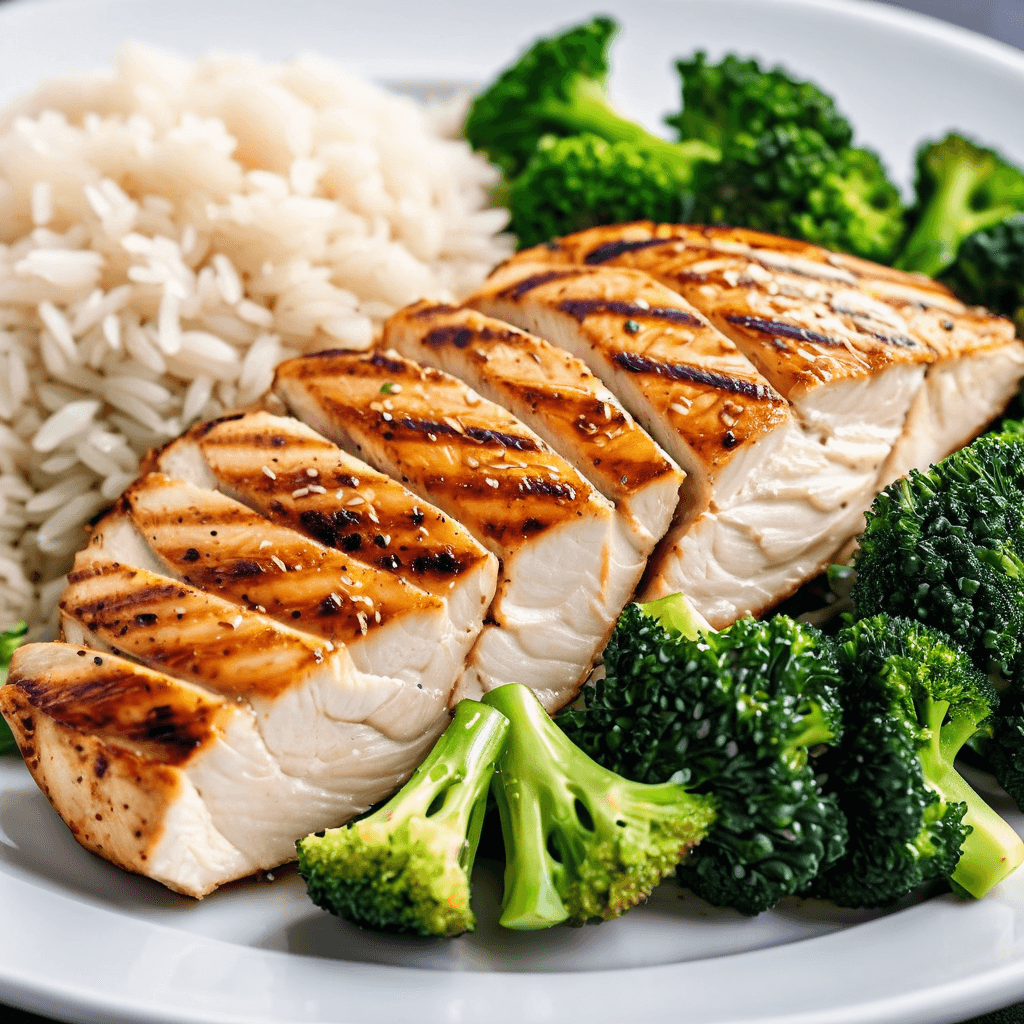
Scenario
Muscle Gain
Build lean mass with targeted nutrition
Learn more
Calculator
Protein Calculator
Calculate protein needs for training
Learn more
Calculator
Macro Calculator
Dial in performance macros
Learn more
Calculator
TDEE Calculator
Account for training energy demands
Learn more