Available Calculators
Calculators > Protein Calculator
Protein Intake Calculator
Calculate how much protein you need per day based on your body weight, activity level, and fitness goals
Enter Your Details
kg
Enter your information to calculate protein needs
Fill out the form to see your personalized daily protein recommendations
Understanding Your Protein Needs
Why Protein Matters
- Builds and repairs muscle tissue after exercise
- Increases satiety and reduces cravings between meals
- Boosts metabolic rate through higher thermic effect
- Supports post-workout recovery and immune function
How to Meet Your Protein Goals
- Spread intake across 3-5 meals for optimal absorption
- Combine animal and plant protein sources for variety
- Prioritize protein within 2 hours of training
- Track intake for 1-2 weeks to build awareness
Important: These recommendations are general guidelines based on scientific research. Individual protein needs may vary based on medical conditions, pregnancy, or specific athletic demands. Consult a registered dietitian for personalized advice.
Frequently Asked Questions
How much protein do I need per day?
Daily protein needs depend on your body weight, activity level, and goals. The general guideline is 0.8g per kg of body weight for sedentary adults. For active individuals: 1.2-1.4g/kg for endurance athletes, 1.6-2.2g/kg for strength training and muscle building, 1.6-2.4g/kg during a calorie deficit to preserve muscle, and 1.0-1.2g/kg for general fitness. Our calculator provides personalized recommendations based on your specific profile and goals.
Can I eat too much protein?
For healthy adults, protein intake up to 2.2-3.0g per kg of body weight appears safe based on current research. Very high protein intake (above 3g/kg) has not shown additional muscle-building benefits but also has not been linked to kidney damage in healthy individuals. However, people with pre-existing kidney disease should limit protein and consult their doctor. The main downside of excessive protein is that it displaces other important nutrients (carbs for energy, fats for hormones). Balance is key.
What are the best sources of protein?
Complete protein sources (containing all essential amino acids) include chicken breast (31g per 100g), eggs (6g each), Greek yogurt (10g per 100g), fish like salmon (25g per 100g), lean beef (26g per 100g), and tofu (8g per 100g). Plant-based complete proteins include quinoa, soy, and buckwheat. Combine incomplete plant proteins (beans + rice, hummus + pita) to get all essential amino acids. Prioritize whole food sources over protein supplements when possible.
When is the best time to eat protein?
Research shows that distributing protein evenly across 3-5 meals with 20-40g per serving optimizes muscle protein synthesis better than consuming most protein in one meal. The 'anabolic window' after exercise is wider than once thought - consuming protein within 2-3 hours post-workout is beneficial but not urgent if you ate protein within a few hours before training. The most important factor is hitting your daily protein target consistently, regardless of exact timing.
Do I need more protein as I age?
Yes. Adults over 50 have increased protein needs due to a condition called anabolic resistance, where muscles respond less efficiently to protein. The recommended intake rises to 1.0-1.2g per kg of body weight for healthy older adults and 1.2-1.5g/kg for those with acute or chronic illness. Adequate protein combined with resistance training is the most effective strategy to prevent sarcopenia (age-related muscle loss), which affects up to 30% of people over 60 and increases fall risk.
Explore Related Resources
Discover more tools and guides for your nutrition journey
Macro Calculator
Balance all your macronutrients
TDEE Calculator
Know your calorie needs first
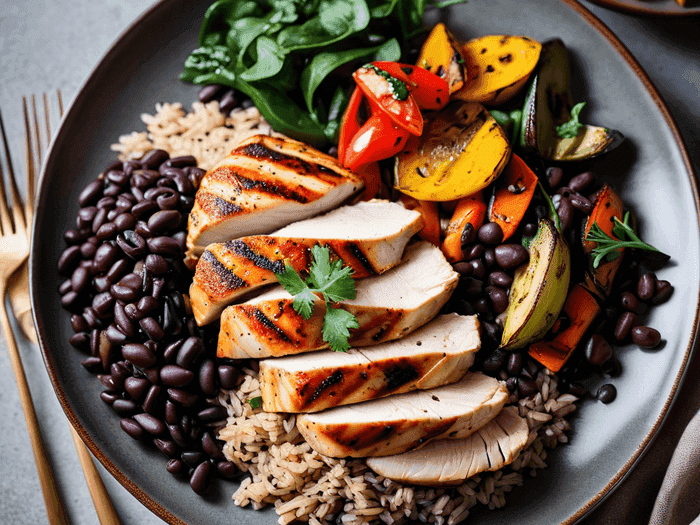
High-Protein Diet
Maximize protein in your meal plan
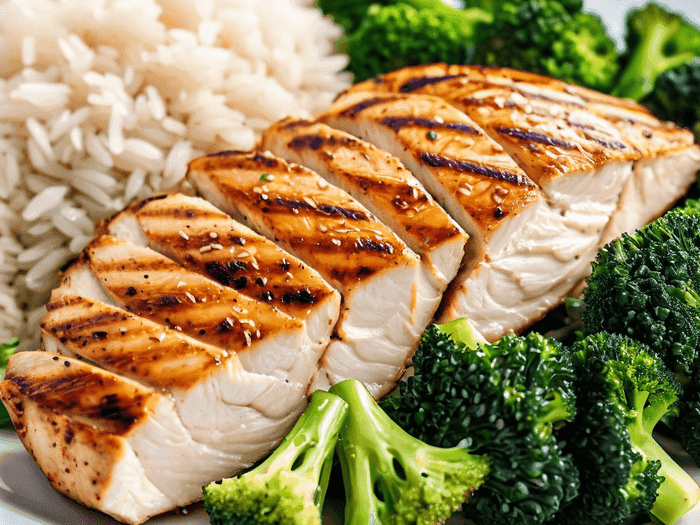
Muscle Gain
Protein strategies for muscle building
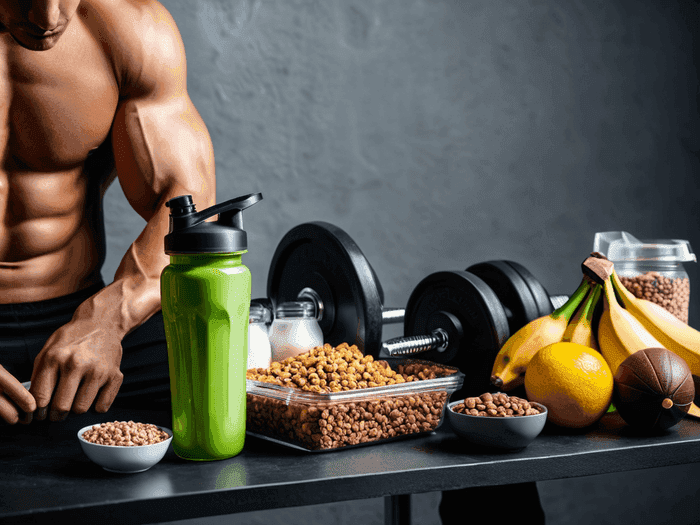
Athletes
Protein needs for athletic performance