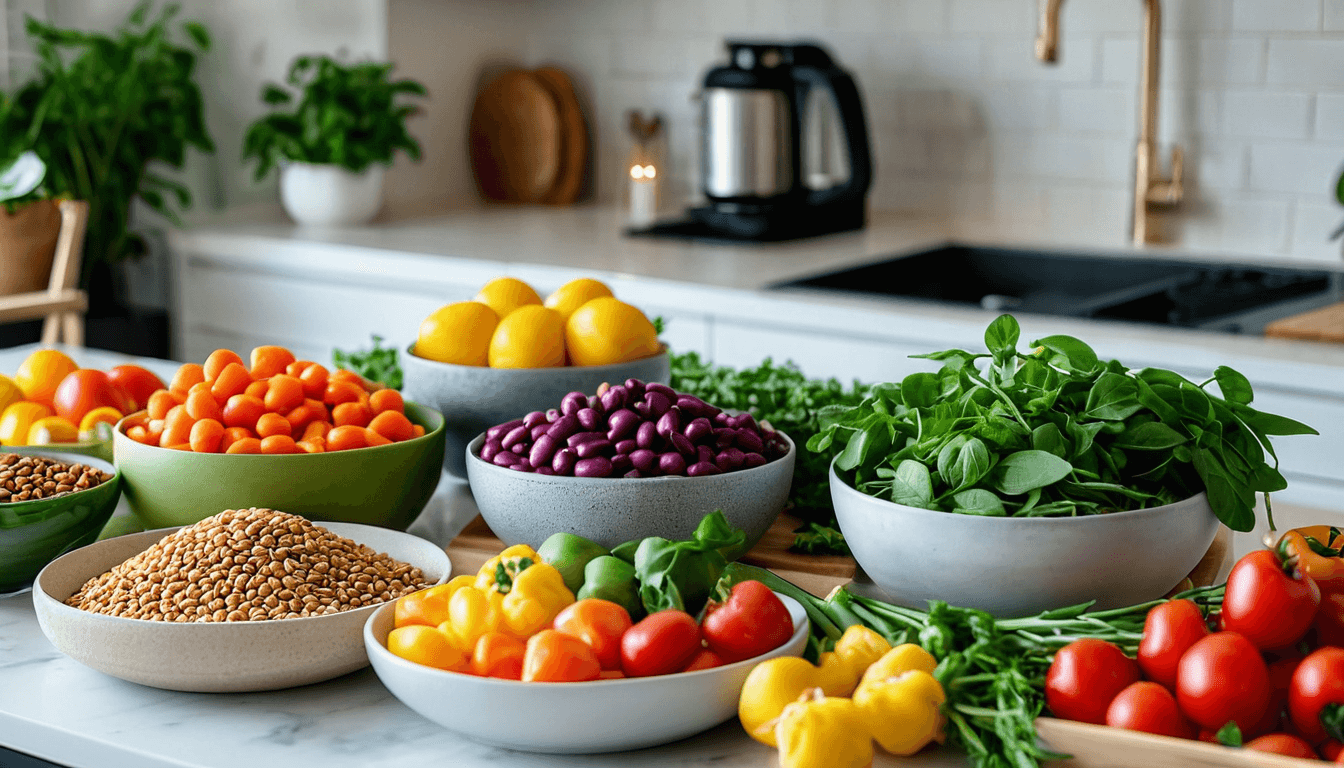
How Our AI Agent Helps You
Advanced AI technology that understands plant-based nutrition principles for complete protein intake, optimal nutrient absorption, and environmental sustainability. Our personalized vegan meal planning system ensures you receive all essential vitamins, minerals, and amino acids while enjoying diverse, satisfying meals that support ethical and ecological food choices.
Complete Nutrition
AI ensures you get all essential nutrients including B12, iron, and complete proteins from plant-based sources
Plant Protein Balance
Smart combinations of legumes, grains, and nuts to provide complete amino acid profiles in every meal
Seasonal Plant Foods
AI recommends the best seasonal fruits and vegetables for optimal nutrition and environmental sustainability
Environmental Impact
Track your carbon footprint reduction and environmental benefits from your plant-based lifestyle
Why Choose AI for Vegan Diet?
Experience complete plant-based nutrition with scientifically-backed meal planning
Complete nutrition with all essential vitamins and minerals
Optimal protein combining for complete amino acid profiles
Reduced environmental impact and carbon footprint
Improved digestion and gut health
Creative, delicious plant-based meal variety

Sample Vegan Meals
AI-generated plant-based meal ideas for complete nutrition and satisfaction
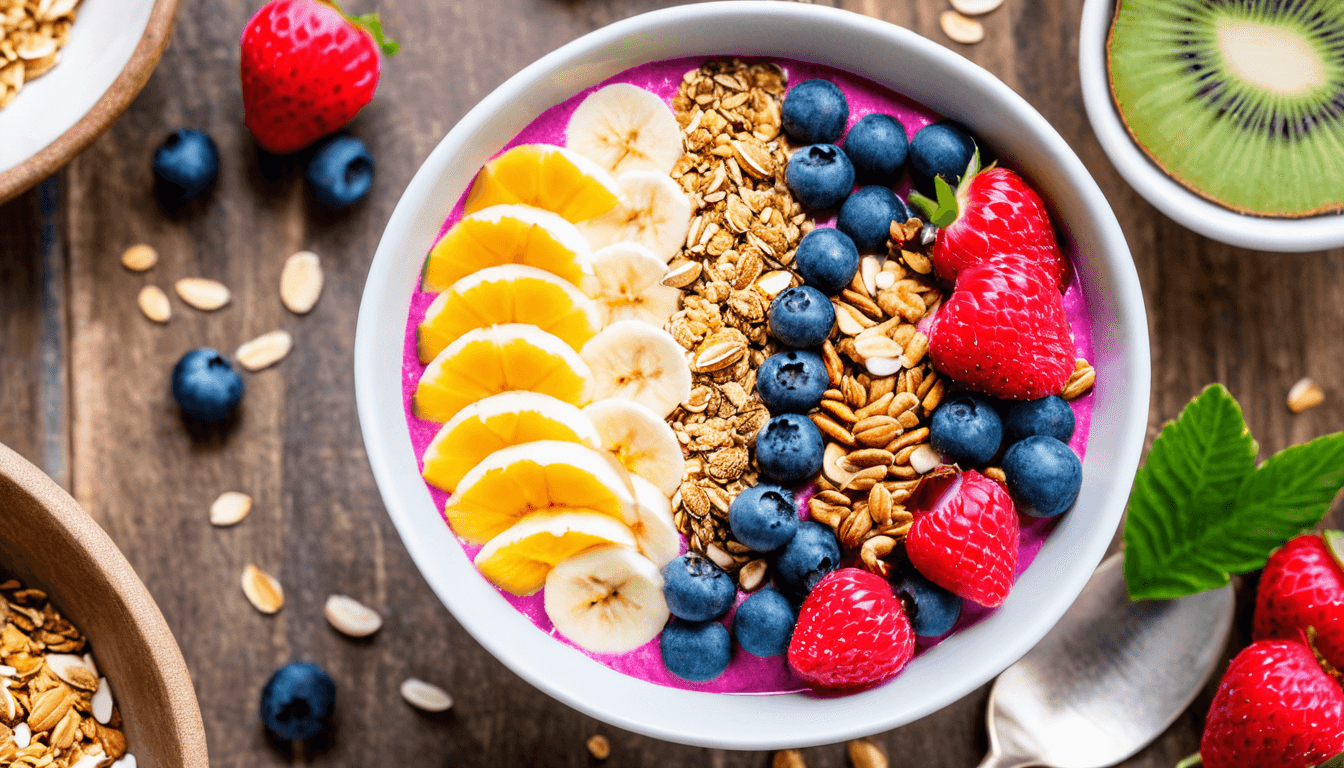
Quinoa Bowl with Tahini Dressing
Complete protein breakfast with healthy fats and complex carbs
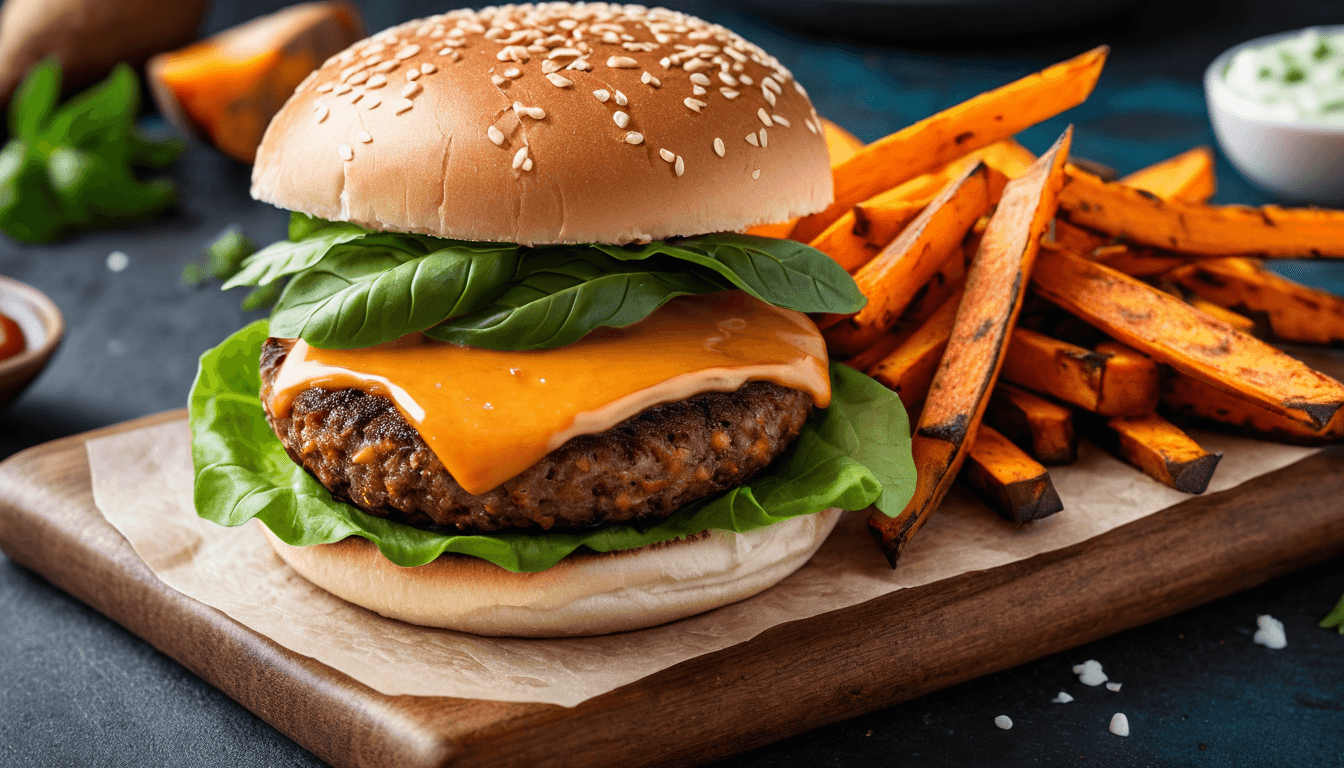
Lentil & Vegetable Curry
Protein-rich lunch with fiber and anti-inflammatory spices
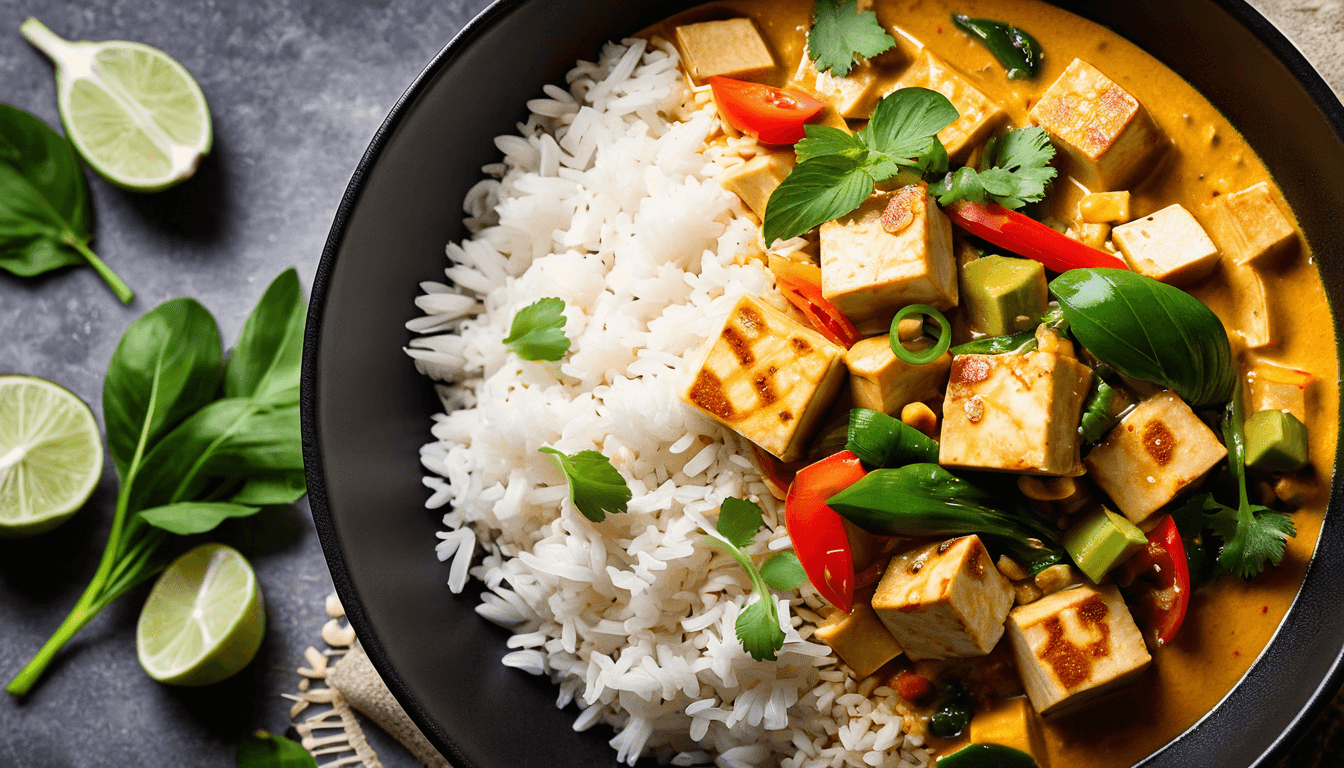
Stuffed Bell Peppers with Black Beans
Nutrient-dense dinner with complete proteins and vegetables
Frequently Asked Questions
Is a vegan diet nutritionally complete?
A well-planned vegan diet can meet all nutritional needs. Key nutrients to monitor include vitamin B12 (supplement recommended), iron, calcium, omega-3 fatty acids, zinc, and vitamin D. Our AI meal planner ensures your daily plans cover all essential nutrients through strategic food combinations and highlights any gaps.
How do I get enough protein on a vegan diet?
Excellent vegan protein sources include legumes (lentils, chickpeas, black beans), tofu, tempeh, seitan, edamame, quinoa, hemp seeds, and nutritional yeast. Combining different plant proteins throughout the day ensures you get all essential amino acids. Most adults need 0.8-1.0g of protein per kg of body weight daily.
What are the health benefits of going vegan?
Research links well-planned vegan diets to lower risk of heart disease, type 2 diabetes, and certain cancers. Benefits include lower cholesterol, reduced blood pressure, healthier body weight, and improved gut health. A plant-based diet is also rich in fiber, antioxidants, and phytonutrients that support overall wellness.
How can AI help with vegan meal planning?
AI meal planning analyzes your nutritional needs, preferences, and goals to create balanced vegan meal plans automatically. It ensures complete amino acid profiles, tracks micronutrients like B12 and iron, suggests seasonal ingredients, generates shopping lists, and adapts recipes to your cooking skill level and time constraints.
What should I eat on my first week as a vegan?
Start with familiar foods you already enjoy that happen to be vegan: pasta with marinara, stir-fries with tofu, bean burritos, smoothie bowls, and oatmeal. Gradually explore new ingredients like tempeh, nutritional yeast, and plant milks. Our AI creates a gentle transition plan that introduces new foods while keeping meals simple and satisfying.
Is a vegan diet good for weight loss?
Vegan diets tend to be lower in calories and saturated fat while higher in fiber, which naturally supports weight management. Studies show vegans typically have lower BMIs than non-vegans. However, results depend on food choices — whole food plant-based eating is most effective. Our AI optimizes portion sizes and macros for your specific weight goals.
What are common mistakes when starting a vegan diet?
Common mistakes include not eating enough calories, relying too heavily on processed vegan foods, neglecting B12 supplementation, not varying protein sources, and cutting out too many foods at once. Planning balanced meals with whole grains, legumes, vegetables, fruits, nuts, and seeds helps avoid these pitfalls.
Can athletes thrive on a vegan diet?
Yes, many elite athletes follow vegan diets successfully. Plant-based eating can support athletic performance through faster recovery, reduced inflammation, and sustained energy. Key considerations include adequate calorie intake, protein timing, iron and B12 supplementation, and strategic use of high-protein foods like legumes, soy products, and seitan.
Explore Related Resources
Discover more tools and guides for your nutrition journey
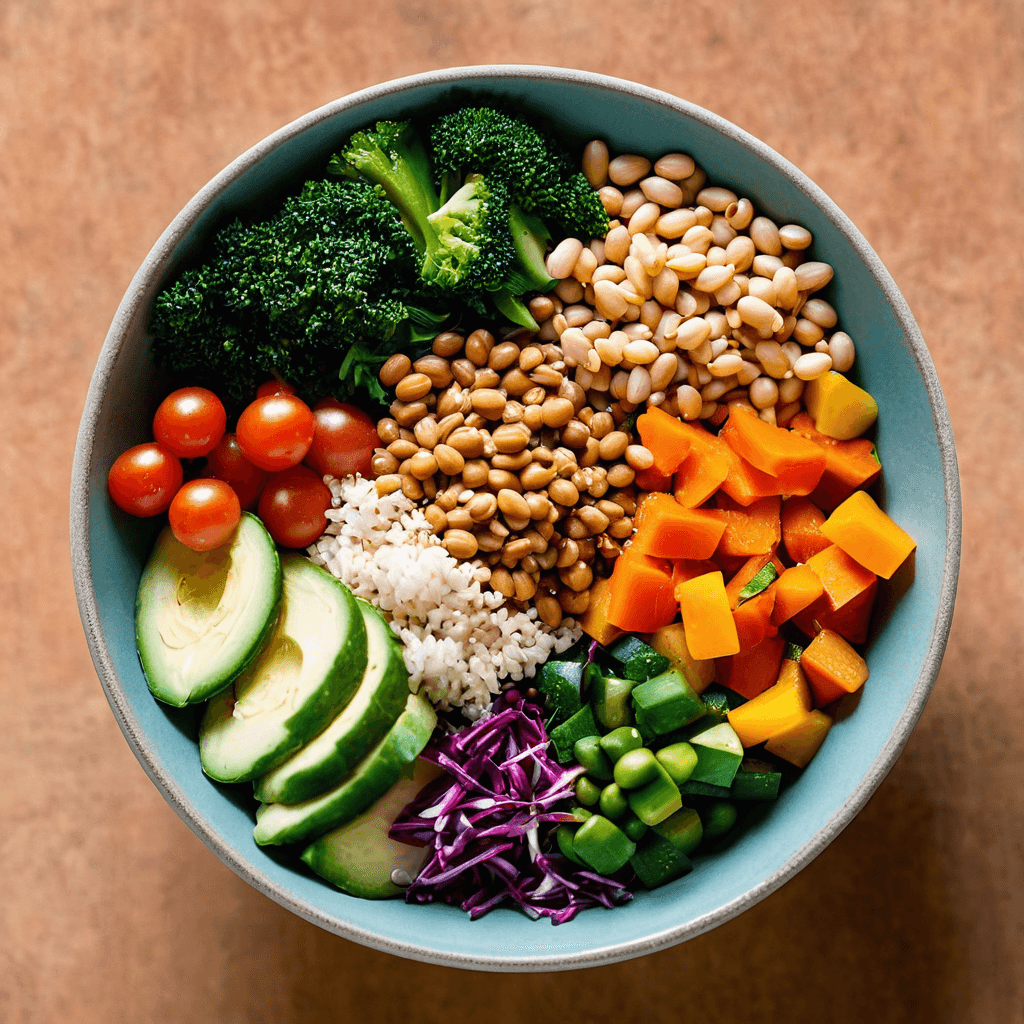
Plant-Based Living
Complete guide to plant-based nutrition
Anti-Inflammatory Diet
Fight inflammation with whole foods
Protein Calculator
Ensure adequate protein on a vegan diet
Macro Calculator
Balance your plant-based macros
Students
Budget-friendly vegan meal planning