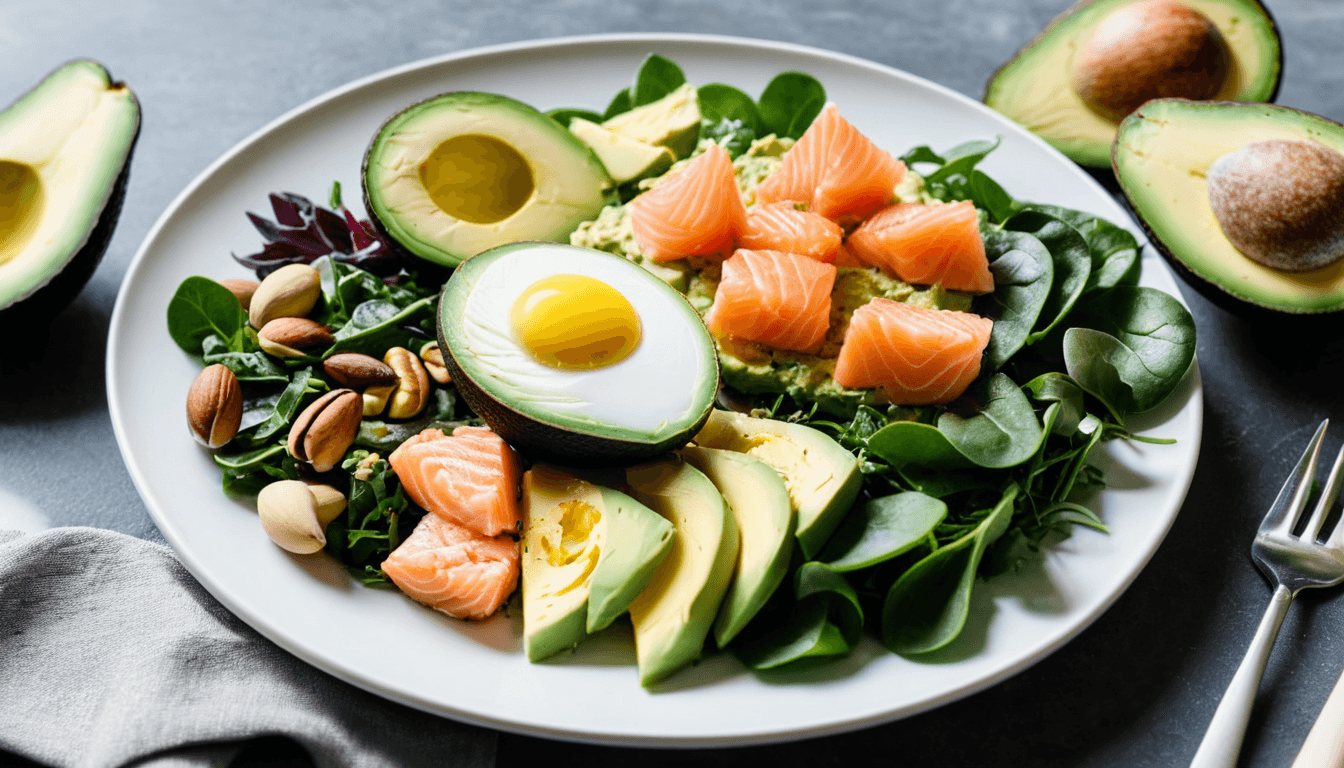
How Our AI Agent Helps You
Advanced AI technology that understands ketogenic nutrition principles for optimal fat adaptation, enhanced mental clarity, and sustained energy levels. Our personalized keto meal planning system monitors macros, ketone levels, and metabolic markers to ensure you stay in ketosis while enjoying delicious, satisfying meals.
Smart Macro Tracking
AI precisely calculates and balances your macros to maintain ketosis and optimize fat burning
Ketone Optimization
Automatically selects foods and meal timing to maximize ketone production and metabolic benefits
Carb Minimization
Ensures all meals stay within your daily carb limits while maximizing nutrition and satisfaction
Fat Adaptation Support
Tracks your progress and adjusts meal recommendations to support your body's adaptation to burning fat for fuel
Why Choose AI for Keto Diet?
Experience faster ketosis and better results with scientifically-backed nutrition
Faster entry into ketosis and sustained fat burning
Precise macro tracking for optimal ketone production
Reduced keto flu symptoms and side effects
Improved mental clarity and energy levels
Simplified meal planning with keto-approved foods
Sample Keto-Friendly Meals
AI-generated low-carb meal ideas for optimal ketosis and fat burning
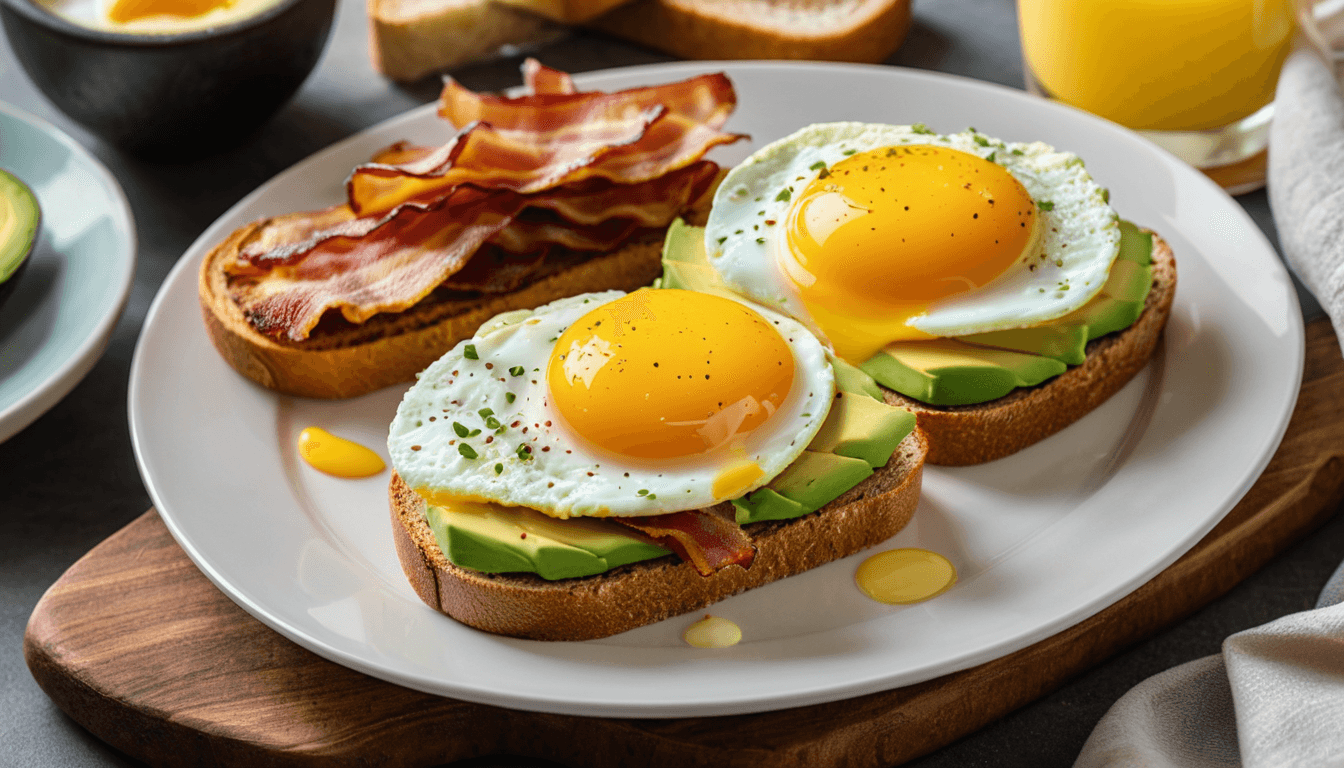
Avocado & Bacon Omelet
High-fat breakfast with minimal carbs for sustained ketosis
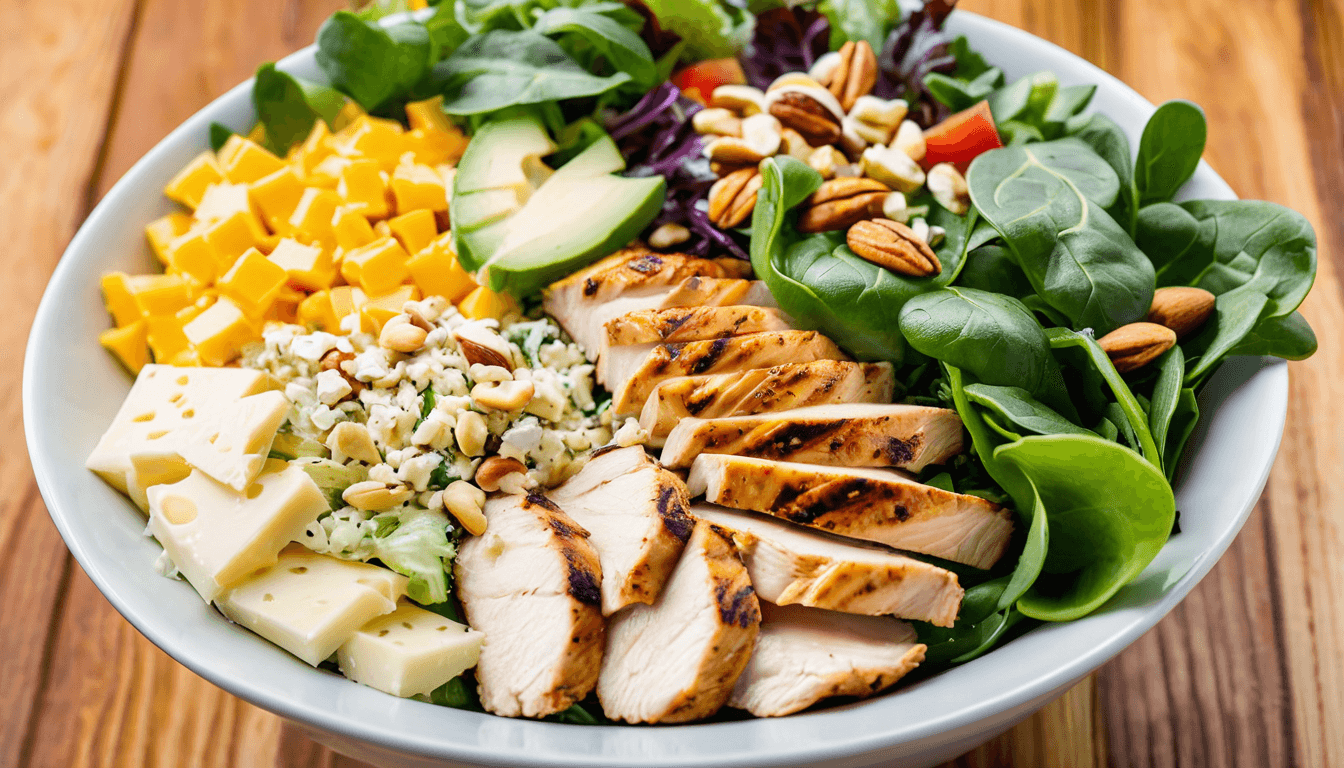
Grilled Salmon with Asparagus
Omega-3 rich lunch with healthy fats and low-carb vegetables
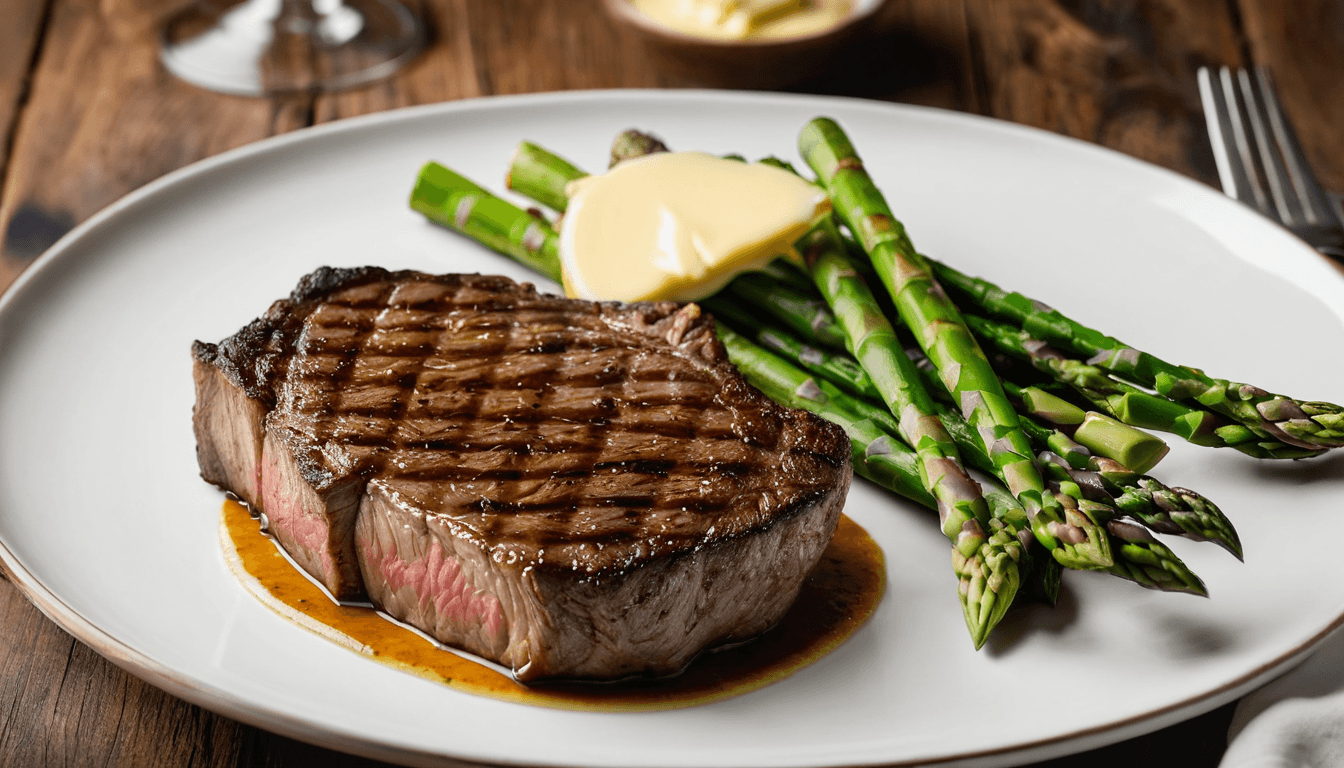
Ribeye Steak with Cauliflower Mash
Satisfying dinner with high-quality fats and protein
Frequently Asked Questions
What is the keto diet and how does it work?
The ketogenic (keto) diet is a high-fat, low-carbohydrate eating plan that shifts your body into a metabolic state called ketosis. In ketosis, your body burns fat for fuel instead of carbohydrates. Typically, the diet consists of about 70-75% fat, 20-25% protein, and only 5-10% carbohydrates, which usually means consuming fewer than 50 grams of net carbs per day.
How long does it take to enter ketosis?
Most people enter ketosis within 2 to 7 days of consistently following a strict keto diet. However, the exact timeline varies depending on factors like your metabolism, activity level, carb intake, and body composition. You can verify ketosis using urine test strips, blood ketone meters, or by recognizing signs like decreased appetite and increased energy.
What is the keto flu and how can I avoid it?
The keto flu refers to a collection of symptoms that some people experience during the first 1-2 weeks of starting keto, including headaches, fatigue, nausea, dizziness, and irritability. These symptoms are caused by your body adapting to burning fat instead of carbs. You can minimize keto flu by staying well-hydrated, supplementing electrolytes (sodium, potassium, magnesium), getting adequate sleep, and gradually reducing carbs rather than cutting them all at once.
What foods can I eat on a keto diet?
Keto-friendly foods include meats (beef, chicken, pork, fish), eggs, high-fat dairy (butter, cheese, cream), nuts and seeds, healthy oils (olive oil, coconut oil, avocado oil), avocados, and low-carb vegetables like spinach, broccoli, cauliflower, and zucchini. You should avoid grains, sugar, most fruits, starchy vegetables, legumes, and processed foods high in carbs.
What are the right macros for a keto diet?
Standard keto macros are approximately 70-75% of calories from fat, 20-25% from protein, and 5-10% from carbohydrates. For a 2,000-calorie diet, this translates to roughly 155-165g fat, 100-125g protein, and 25-50g net carbs per day. However, optimal macros vary by individual based on goals, activity level, and body composition.
Can I exercise on a keto diet?
Yes, you can exercise on keto, though you may notice reduced performance during the first few weeks as your body adapts. Once fully keto-adapted (usually 4-6 weeks), many people report improved endurance for low-to-moderate intensity exercise. For high-intensity activities, some athletes use a targeted keto approach where they consume small amounts of carbs around workouts.
What is the difference between keto and low-carb diets?
While both reduce carbohydrate intake, keto is more restrictive. A standard low-carb diet typically allows 50-150g of carbs per day, while keto limits carbs to under 50g (often 20-30g). The key difference is that keto specifically aims to induce ketosis, where your body uses fat as its primary fuel source, whereas a general low-carb diet may not reach this metabolic state.
Is the keto diet safe long-term?
Research on long-term keto is still evolving. Many people follow keto safely for months to years, but it is important to ensure nutritional adequacy. Potential concerns include nutrient deficiencies, kidney stress, and changes in cholesterol levels. Some people cycle in and out of keto or transition to a less restrictive low-carb diet. Consulting a healthcare provider is recommended, especially if you have pre-existing health conditions.
How effective is keto for weight loss?
Keto can be very effective for weight loss. The diet naturally reduces appetite due to ketosis and higher fat/protein intake, leading to a calorie deficit without conscious calorie counting. Studies show that keto dieters often lose more weight in the first 3-6 months compared to low-fat diets. Initial rapid weight loss is partly water weight as glycogen stores deplete, followed by steady fat loss.
Can I combine intermittent fasting with keto?
Yes, combining intermittent fasting (IF) with keto is a popular and effective approach. Since keto already suppresses appetite, many people naturally eat fewer meals. Common combinations include 16:8 fasting (eating within an 8-hour window) or OMAD (one meal a day). This combination can accelerate ketosis, improve insulin sensitivity, and enhance fat burning. Start with keto first, then gradually introduce IF once you are fat-adapted.
Explore Related Resources
Discover more tools and guides for your nutrition journey

Low-Carb Diet
A flexible approach to reducing carbohydrate intake
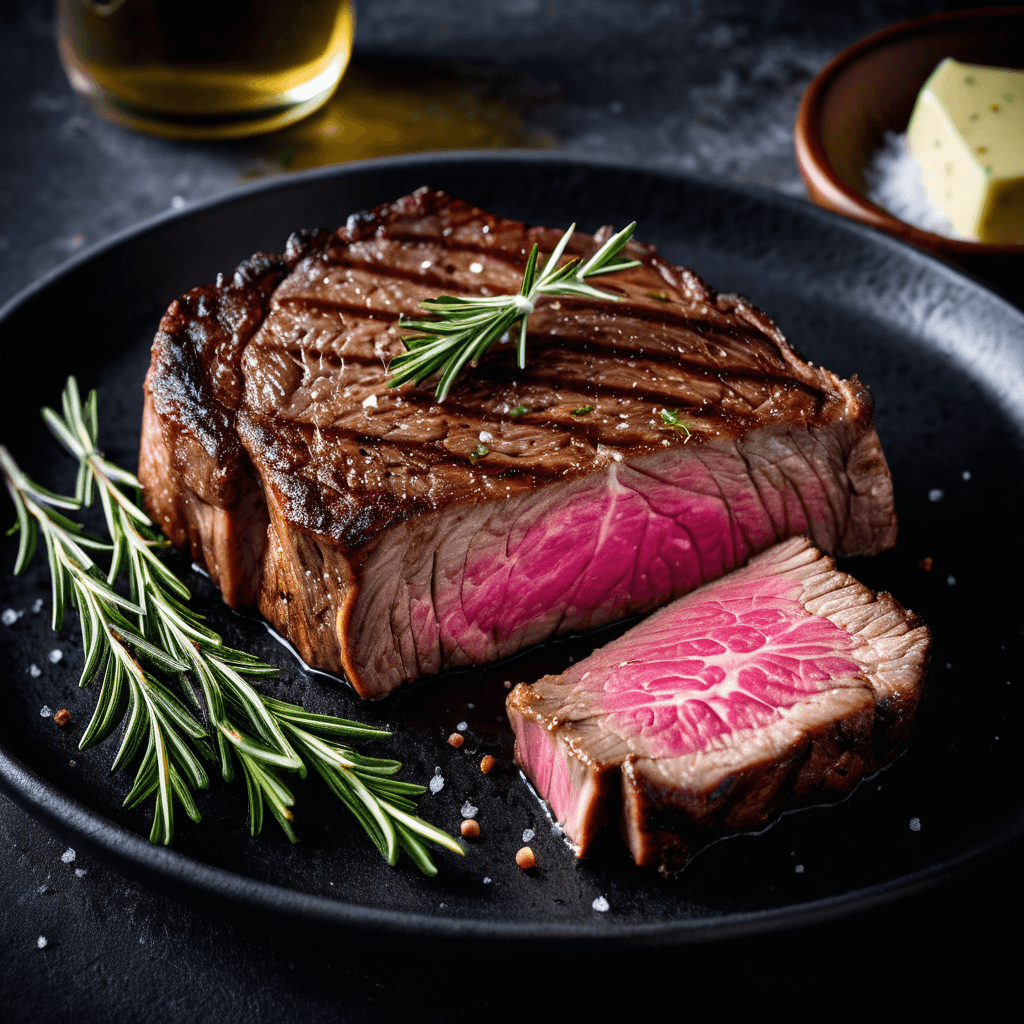
Carnivore Diet
Animal-based nutrition for maximum simplicity
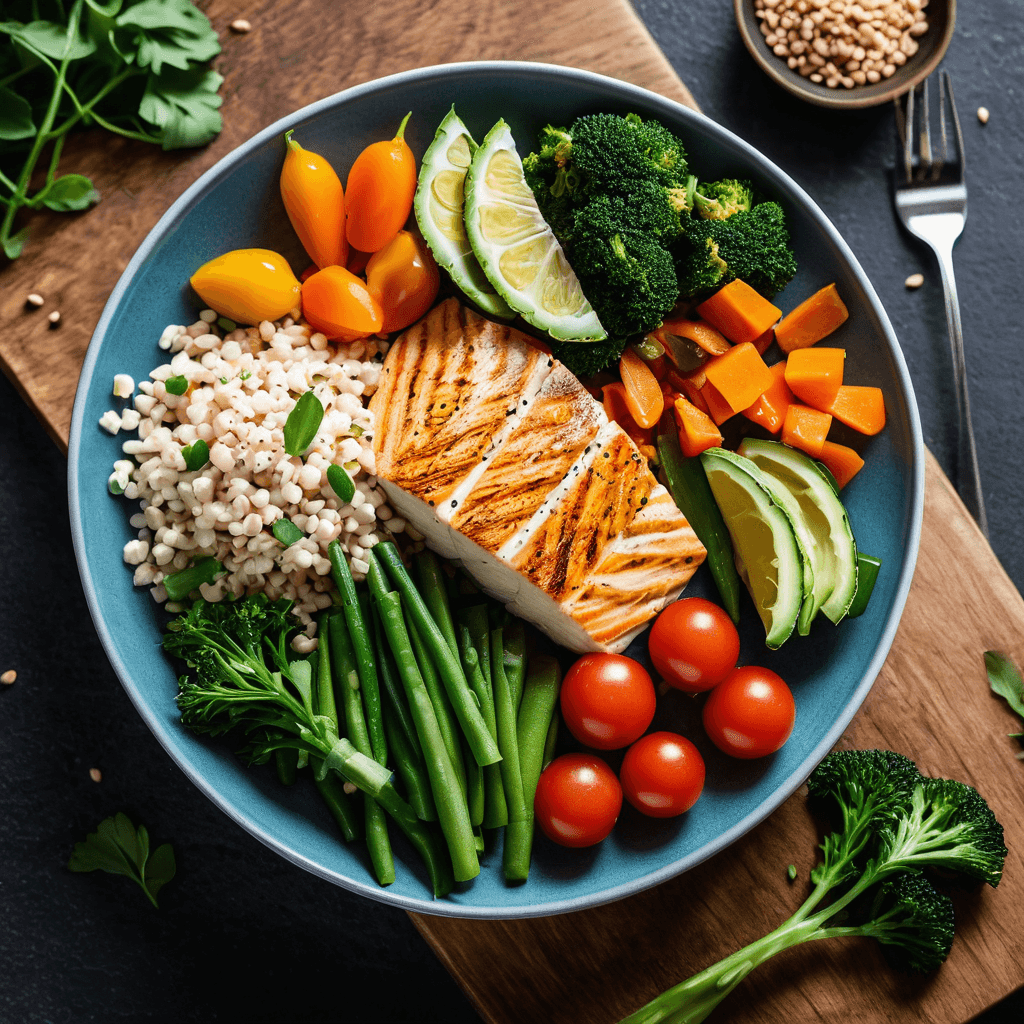
Weight Loss
Strategies for sustainable weight management
Macro Calculator
Calculate your ideal macronutrient ratios
TDEE Calculator
Find your total daily energy expenditure