"I break out within a day of sugary, processed meals — and my dermatologist mentioned diet but didn't give me a plan."
AI meal planning · USDA-verified
Feed Your Skin From the Inside
AI meal plans supportive of skin health: antioxidants, low-glycemic structure, omega-3 for inflammation, collagen-supportive nutrients, and steady hydration. Supportive of healthy skin — not a treatment for acne, eczema, or other conditions.
OUTCOME
THE CHALLENGE
Skincare Stops at the Sink. Skin Starts in the Kitchen.
You can do a 10-step routine and still wonder why nothing fully clears. Your food is the layer most plans ignore.
"I'm 30+ and want to support my skin from the inside, but every 'anti-aging diet' article reads like a supplement ad."
"I've heard about collagen and omega-3 but I don't want random powders — I want foods."
"I drink water and still feel dehydrated. I have no idea how my meals are actually contributing."
THE SOLUTION
Skin-Supportive Eating, Built Into Real Meals
An AI nutrition plan that builds in antioxidants, omega-3, collagen-supportive nutrients, and a low-glycemic pattern — supportive of skin without overpromising.
WHY IT WORKS
What Skin-Supportive Nutrition May Help With
Realistic, evidence-informed outcomes — supportive of skin, not a substitute for dermatologic care.
Antioxidant-rich pattern (vitamin C, vitamin E, polyphenols) associated with healthier skin and lower oxidative damage
Lower glycemic load — associated in trials with reduced acne severity in some adolescents and young adults
Omega-3 (especially EPA and DHA) for support of skin inflammation pathways
Collagen-supportive nutrients — vitamin C, copper, zinc, and adequate protein — for the building blocks the body uses
Polyphenol-rich foods (green tea, berries, dark chocolate, olive oil) associated with photoprotective support
Carotenoid-rich vegetables for skin-tone support and antioxidant defense
Hydration emphasis — fluid intake plus water-rich foods (vegetables, fruits, broths)
Lower ultra-processed and high-added-sugar exposure, gentle on inflammation pathways
Steady B vitamins, zinc, and biotin from whole foods that support skin, hair, and nail health
HOW IT WORKS
How It Works
Our AI makes healthy eating simple with a personalized, science-backed approach
STEP 01
Share Your Skin Goals
Tell the AI what you want to support — acne-prone, aging concerns, eczema-aware, dull complexion — and any sensitivities you already know about.
STEP 02
Get a Skin-Supportive Plan
Receive meals that lean low-glycemic, build in antioxidants and omega-3, and include collagen-supportive nutrients — without restrictive trend diets.
STEP 03
Eat and Drink With Your Skin in Mind
Follow a plan that's gentle on inflammation, generous with hydration, and rich in the nutrients your skin actually uses to repair itself.
STEP 04
Coordinate With Your Dermatologist
Nutrition complements skincare and dermatologic treatment — it doesn't replace either. Bring the plan to your dermatologist if acne, eczema, rosacea, or other conditions are part of the picture.
REAL RESULTS
What People Want From Skin-Supportive Nutrition
Common feedback themes from people working on skin from the inside
I've been told to 'eat low-glycemic' for acne but no one tells me what dinner looks like. A weekly plan would be huge.
Early user feedback
Person with acne-prone skin
Goal: low-glycemic weekly structure
I want collagen support from real food, not gummies. If the plan hits the right nutrients, I'm in.
User story
Person focused on healthy aging
Goal: whole-food collagen support
I already use serums and a dermatologist. I want the nutrition layer added — not replaced.
Community feedback
Person already in skincare and derm care
Goal: nutrition layer on top of existing routine
Your transformation starts here
Add a Skin-Supportive Layer to How You Eat
Supportive of skin health — not a cure for acne, eczema, rosacea, or other conditions. Coordinate any concerns with your dermatologist.
No credit card requiredStart in under 3 minutes
BY THE NUMBERS
Skin Nutrition Context
Evidence-anchored numbers that shape the plan.
~25%
Acne Severity Reduction
in some low-glycemic-load trials over 10-12 weeks
2-3x
Daily Omega-3 Servings
oily fish or plant ALA across the week, supportive of inflammation
~60%
Body Composition Water
hydration support shows up everywhere, including skin barrier
5-9
Daily Produce Servings
antioxidant target across colorful vegetables and fruits
WHAT YOU GET
Features Built Around Skin
AI nutrition planning that treats skin as an output of what you eat.
Antioxidant Stacking
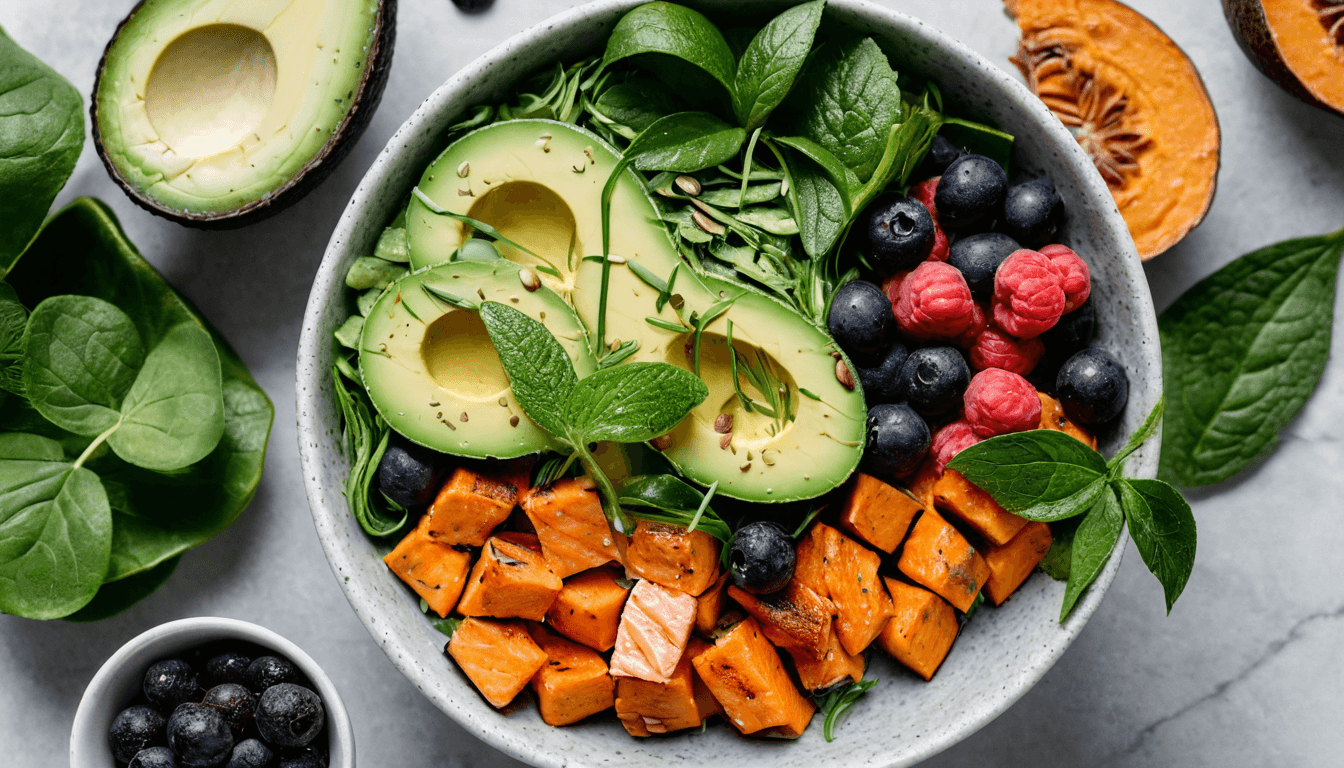
Builds in colorful vegetables, berries, green tea, olive oil, and dark chocolate — the polyphenol and carotenoid foundations of skin-supportive eating
Low-Glycemic-Load Structure
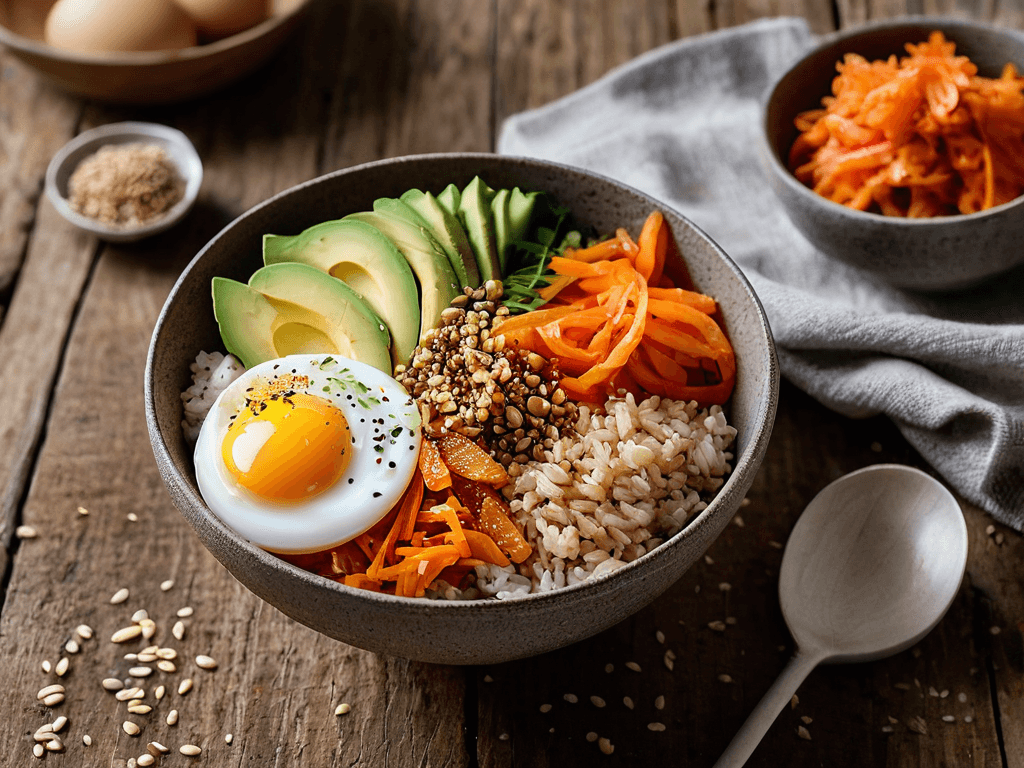
Carbohydrates anchored to whole grains, legumes, and produce — gentler on insulin and the inflammation pathway some acne research highlights
Omega-3 and Collagen Support
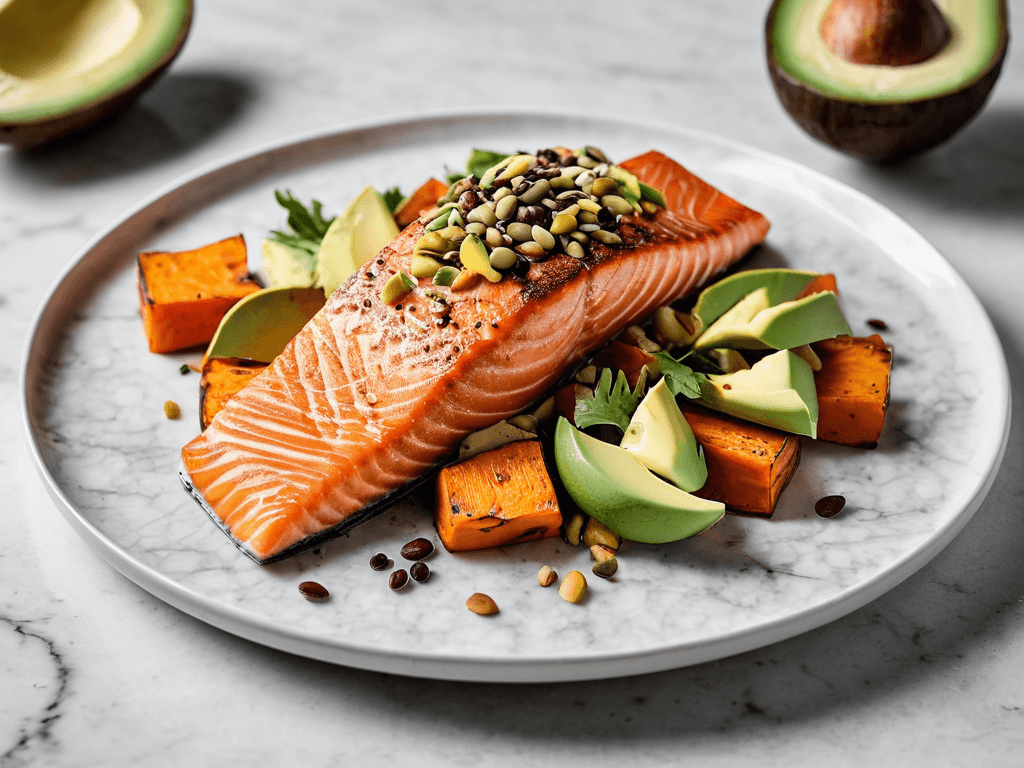
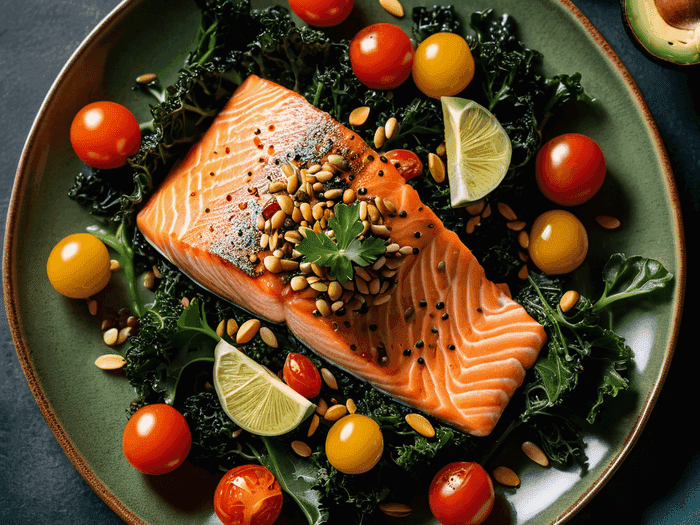
Builds in oily fish, walnuts, and flax for omega-3 plus vitamin C, copper, zinc, and adequate protein for collagen-supportive eating
Hydration-Forward Meals
Water-rich vegetables, fruits, soups, and broths plus daily fluid targets — hydration isn't only what you drink
WHO IT'S FOR
Who Can Benefit?
Our AI meal planning serves a diverse community of health-conscious individuals and professionals
Adults With Acne-Prone Skin
Looking to add a low-glycemic, low-dairy-optional, omega-3-forward pattern alongside whatever their dermatologist has them using
People Focused on Healthy Aging
30+ wanting to support collagen, photoprotection, and the antioxidant defense their skin relies on — from food first
People With Sensitive or Reactive Skin
Wanting an anti-inflammatory pattern to support eczema, rosacea, or general reactivity alongside their dermatologic care
People Reducing Ultra-Processed Foods
Using skin goals as motivation to step down ultra-processed foods, added sugars, and the inflammation they may drive
People Skeptical of Skin Supplements
Tired of collagen powders and biotin gummies — looking for whole-food sources of the same nutrients
People Wanting Whole-Body Glow
Treating skin as one signal of overall health — better sleep, hydration, and steady energy come along with it
Explore Related Resources
Discover more tools and guides for your nutrition journey
Scientific sources
Authoritative references informing the recommendations on this page.
A low-glycemic-load diet improves symptoms in acne vulgaris patients: a randomized controlled trial
American Journal of Clinical Nutrition · 2007
studyDiet and acne: a systematic review
JAAD International (Journal of the American Academy of Dermatology) · 2020
reviewOral collagen peptide supplementation for skin: a systematic review and meta-analysis of randomized controlled trials
International Journal of Dermatology · 2021
meta-analysisPolyphenols and skin protection: photoprotective effects of green tea and cocoa flavanols
Nutrients · 2019
reviewOmega-3 polyunsaturated fatty acids and inflammatory skin conditions: a narrative review
Marine Drugs · 2018
reviewCarotenoids, vitamin C, and skin appearance: a review of clinical evidence
Nutrients · 2017
review