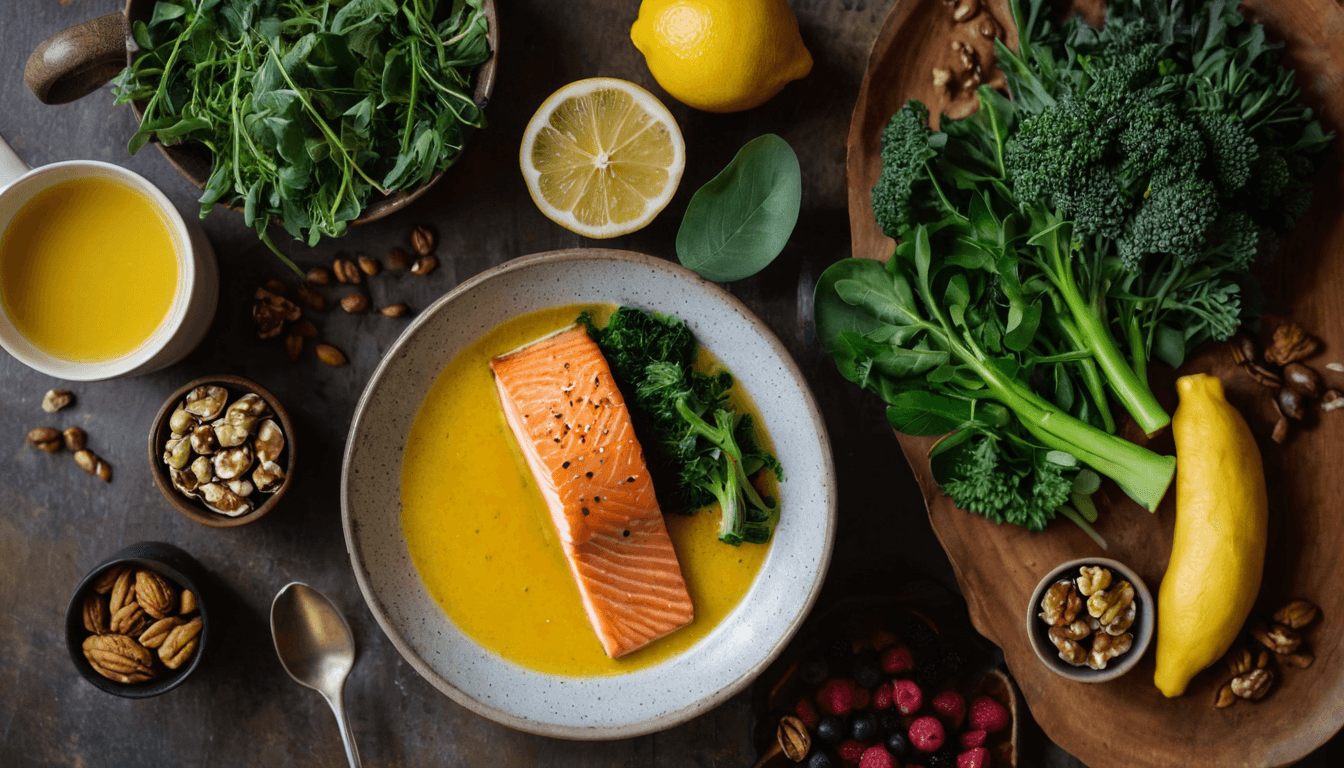
"I know I should 'eat anti-inflammatory' but no one tells me what that actually looks like at dinner"
AI meal planning · USDA-verified
Eat For Joints That Move Better
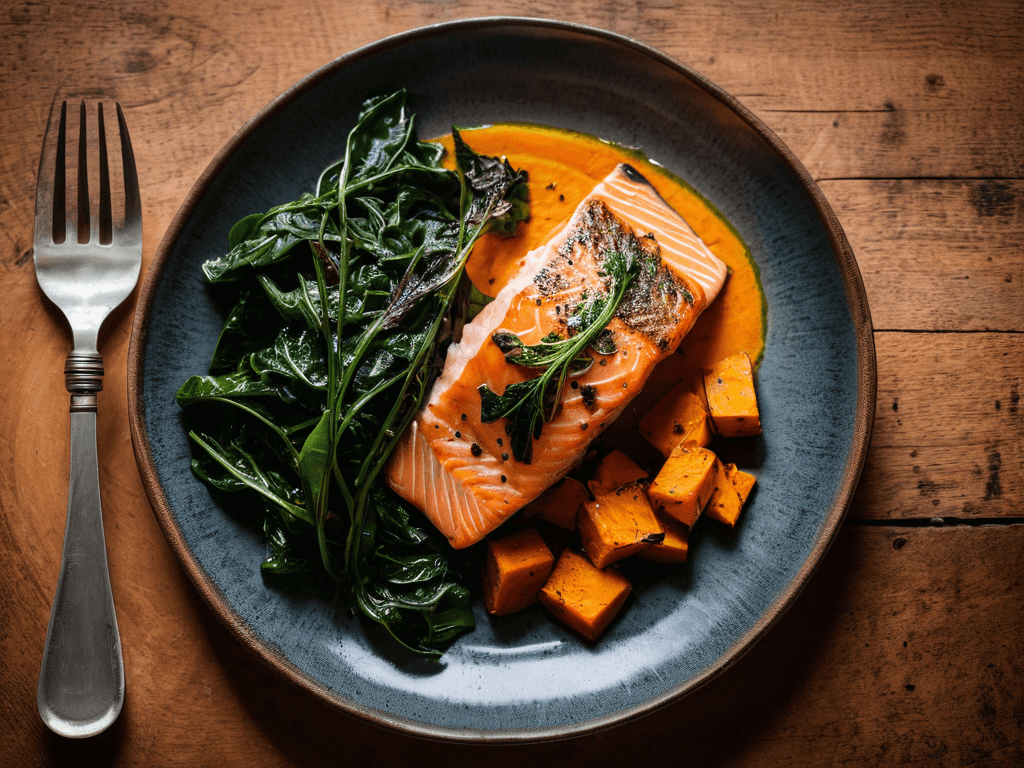
Omega-3s, turmeric, vitamin C, and antioxidant-rich foods built into every meal. Anti-inflammatory eating patterns may help support joint comfort and mobility over time.
OUTCOME
THE CHALLENGE
Joint Pain Shouldn't Run Your Day
Stiff mornings, swollen knees after a long walk, knuckles that ache when the weather changes. The frustrations we hear most:
"I've tried turmeric pills and fish oil — I'd rather just get this from food"
"Some days the stiffness is unbearable and I don't have the energy to cook a complicated plan"
"My RA flares come and go — I need food strategies that work on both kinds of days"
THE SOLUTION
An Anti-Inflammatory Pattern, Built Into Real Meals
Mediterranean-style eating, omega-3-rich proteins, colorful plants, and spices like turmeric and ginger — organized into a weekly rhythm you can actually keep.
WHY IT WORKS
What An Anti-Inflammatory Plan May Support
Individual results vary, but the underlying eating pattern is associated with these benefits in the research literature.
Regular omega-3 EPA/DHA intake from fatty fish (salmon, sardines, mackerel) 2–3× per week
Turmeric and ginger rotated into dishes for their curcumin and gingerol content
Vitamin C–rich foods built into daily meals to support collagen synthesis
Colorful antioxidant-rich produce (berries, leafy greens, peppers) targeted across the week
Collagen-supporting foods — bone broth, eggs, citrus, legumes — woven into the rotation
Reduced reliance on ultra-processed foods and refined sugars that are associated with inflammation
Olive oil as a primary fat — Mediterranean pattern is associated with lower inflammatory markers
Realistic meal complexity — including low-effort meals for high-stiffness days
Plans that complement, not replace, the care plan from your rheumatologist or physician
HOW IT WORKS
How It Works
Our AI makes healthy eating simple with a personalized, science-backed approach
STEP 01
Share Your Joint Story
Tell us about flares, trigger foods, dietary preferences, and any guidance from your care team.
STEP 02
Anti-Inflammatory Foods Mapped In
Omega-3s, turmeric, ginger, antioxidant produce, and vitamin C sources get scheduled across the week.
STEP 03
A Plan That Fits Bad Days Too
Quick low-prep meals for high-stiffness days, plus more involved dishes when you're feeling up to it.
STEP 04
Adjust As You Notice Patterns
Track which weeks feel better. Plans evolve with your trigger foods, flare patterns, and clinical guidance.
REAL RESULTS
What Joint-Pain Eaters Tell Us
Common themes from users planning around joint comfort
Every article says 'eat more salmon and turmeric.' I need someone to put it on my plate three times a week.
Early user feedback
Adult with osteoarthritis
Goal: anti-inflammatory pattern built into the weekly menu
On flare days I can barely peel a vegetable. The plan has to have easy days built in.
User story
Person with RA
Goal: flare-friendly meal options
I'm not looking for a cure. I'm looking for the food part of my joint plan to be on autopilot.
Community feedback
Active adult with joint pain
Goal: sustainable anti-inflammatory routine
Your transformation starts here
Make Anti-Inflammatory Eating Doable
A plan structured around the foods your joints respond to — and the days when you can barely cook.
No credit card requiredStart in under 3 minutes
BY THE NUMBERS
Why Anti-Inflammatory Eating Matters
Reference figures from research on dietary patterns and joint inflammation — not platform claims.
2–3×/wk
Fatty fish servings
commonly recommended for EPA/DHA intake
~32.5M
US adults with OA
per CDC estimates — joint pain is widespread
5+ servings
Daily colorful produce
associated with lower inflammatory markers
~1g+
Curcumin daily in studies
amounts used in many randomized trials — discuss with your care team
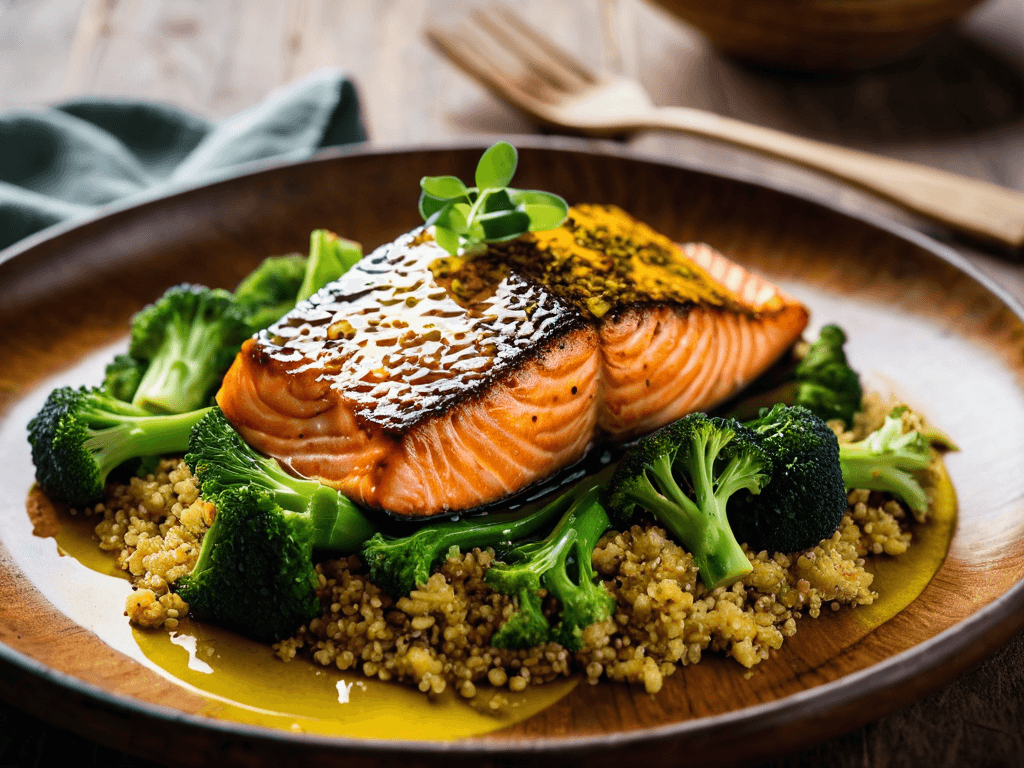
WHAT YOU GET
How The Plan Stays Truly Anti-Inflammatory
It's not one magic food — it's the pattern. Plans are designed around that.
Mediterranean-Pattern Backbone
Olive oil, legumes, fish, vegetables, and whole grains form the core — the pattern most associated with lower inflammation
Omega-3 Distribution
Fatty fish and plant-based ALA sources scheduled so EPA/DHA intake is consistent across the week
Antioxidant + Spice Variety
Berries, leafy greens, peppers, turmeric, ginger, and green tea rotated in for polyphenol diversity
Flare-Friendly Easy Meals
Low-effort options built in for the days when cooking is hard — so the pattern survives bad days
WHO IT'S FOR
Who Can Benefit?
Our AI meal planning serves a diverse community of health-conscious individuals and professionals
Living With Osteoarthritis
Adults managing wear-and-tear joint pain who want anti-inflammatory eating built into a sustainable weekly plan
Rheumatoid Arthritis
People navigating RA who want food strategies that complement their rheumatologist's plan — not replace it
Active Adults With Joint Pain
Runners, lifters, and weekend warriors dealing with knees, shoulders, or hips that flare after activity
Recovering From Injury
People rebuilding after sprains, tendinitis, or post-surgical joint rehab who want collagen-supportive nutrition
Aging Adults Focused On Mobility
Adults 50+ who want to keep moving — anti-inflammatory eating that supports staying active longer
Inflammation-Aware Eaters
People generally focused on lowering dietary inflammation as part of overall health
Explore Related Resources
Discover more tools and guides for your nutrition journey
Scientific sources
Peer-reviewed evidence informing anti-inflammatory nutrition for joint health.
Mediterranean diet and inflammatory markers: a systematic review and meta-analysis
Nutrients · 2018
meta-analysisMarine n-3 fatty acids (EPA and DHA) and rheumatoid arthritis: a systematic review and meta-analysis
Pain Reports · 2017
meta-analysisEfficacy and safety of curcumin and curcuma longa extract in osteoarthritis: meta-analysis of randomized controlled trials
BMJ Open Sport & Exercise Medicine · 2022
meta-analysisVitamin C and immune cell function in inflammation and cancer
Biochemical Society Transactions · 2018
reviewDietary patterns and risk of incident gout: prospective cohort study
BMJ · 2017
studyEULAR recommendations for the management of rheumatoid arthritis with synthetic and biological disease-modifying antirheumatic drugs (lifestyle adjuncts noted)
Annals of the Rheumatic Diseases · 2023
guideline